A New Path to Chronic Pain Relief in Woodbury: How Fyzical Therapy & Balance Center Helps You Move Better and Live Better

Author

Fyzical Therapy and Balance Center Woodbury

For more information about the author, click to view their website: Fyzical Therapy and Balance Center Woodbury

Posted on

Dec 30, 2025

share-this
Share This

A New Path to Chronic Pain Relief in Woodbury: How Fyzical Therapy & Balance Center Helps You Move Better and Live Better

For countless adults in the Woodbury area, chronic pain isn’t just a physical symptom — it’s a daily barrier to living fully. Whether it’s stubborn back pain that flares with every step, neck stiffness that steals sleep, or joint discomfort that makes gardening or grandkid play feel impossible, chronic pain can slowly erode quality of life.

If you’ve been told to “just live with it,” it’s time for a different conversation — one that’s happening right here in Woodbury at Fyzical Therapy & Balance Center.


Why Chronic Pain Deserves More Than a Band-Aid Fix

Woodbury is a vibrant Minnesota city with active adults of all ages. From trail walks at Carson Lake Park to family outings in the thriving Village Mall district, life in Woodbury is full of movement — and pain shouldn’t be what slows you down.

Yet for many residents, chronic pain persists long after injuries heal or medical treatments are finished. Unlike acute pain, which signals immediate injury, chronic pain sticks around and often changes how the nervous system responds to movement, stress, and daily activities. This is precisely why a comprehensive approach matters. FYZICAL Therapy & Balance Centers


The Fyzical Difference: Whole-Body, Personalized Pain Care

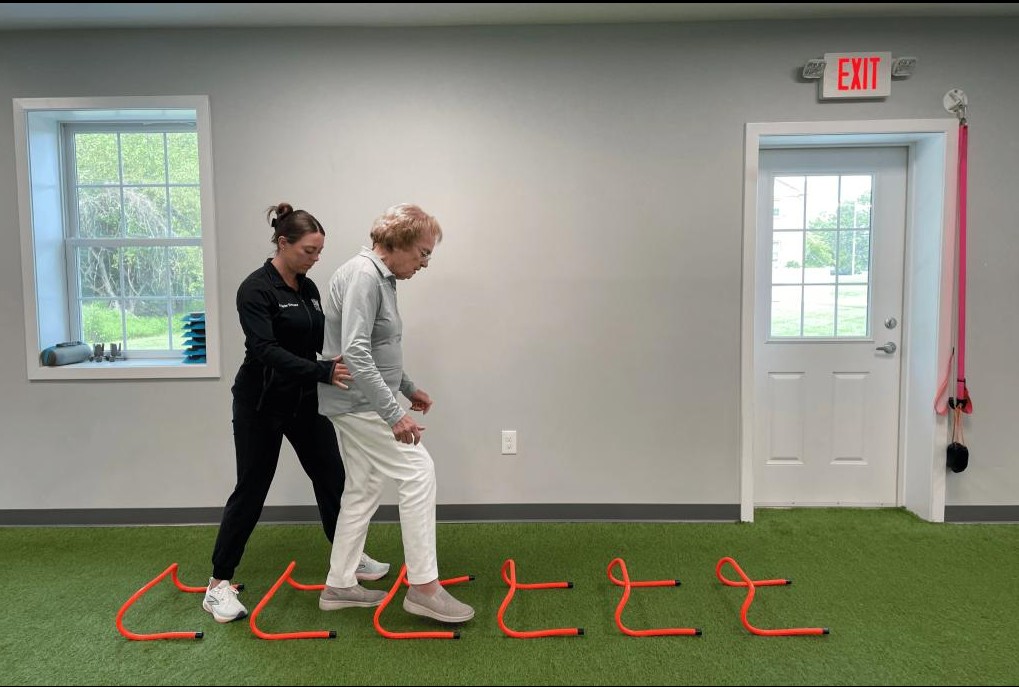
At Fyzical Therapy & Balance Center in Woodbury, chronic pain isn’t treated as a one-size-fits-all condition. Instead, therapists look at the whole person — considering factors like muscle patterns, posture, mobility limitations, and how pain influences daily life.

Here’s how their process works:

🔍 Comprehensive Evaluation

A thorough assessment is a starting point — not an afterthought. Licensed therapists evaluate:

  • Strength and flexibility

  • Movement patterns

  • Neurological and musculoskeletal function

  • Posture and gait

  • Pain triggers and aggravators

This isn’t a routine screening — it’s a roadmap for care tailored to you. FYZICAL Therapy & Balance Centers

💡 Personalized Treatment Plans

No two pain journeys are the same. Based on your evaluation, clinicians build a plan that may include:

  • Targeted therapeutic exercise

  • Manual hands-on therapy

  • Postural retraining

  • Soft tissue work and joint mobilization

  • Progressive strengthening and mobility drills

  • Patient education to address pain mechanisms

Rather than masking symptoms, Fyzical’s approach aims to restore function, reduce pain signals, and improve daily movement — helping patients regain confidence in their bodies.


Chronic Pain Isn’t Just Physical — It’s Emotional Too

Chronic pain doesn’t only affect the body; it influences mood, sleep, social engagement, and overall quality of life. People may avoid activities they once loved out of fear of pain, leading to isolation or depression.

Fyzical’s clinicians understand this emotional dimension. By educating patients on why pain persists and providing sustainable movement strategies, they do more than ease discomfort — they empower people to reclaim activities they’ve been missing.


Why Physical Therapy Is a Smart Long-Term Strategy

If you’ve tried painkillers, injections, or quick-fix remedies without lasting relief, you’re not alone. Many traditional approaches focus on temporary symptom suppression. Physical therapy, on the other hand, targets underlying contributors to pain and supports long-term change.

Here’s what makes physical therapy especially effective:

  • No Dependency on Medication: Research shows that physical therapy can reduce the need for pain medication, including opioids, by addressing pain through movement and functional restoration. FYZICAL Therapy & Balance Centers

  • Improved Mobility & Strength: Therapeutic exercise reinforces muscle support and joint stability — essential for reducing repetitive stress and overcompensation patterns. FYZICAL Therapy & Balance Centers

  • Reduced Inflammation: Targeted movement and manual therapy help modulate inflammation, a major contributor to chronic discomfort. FYZICAL Therapy & Balance Centers

  • Education for Self-Management: Patients gain tools to manage pain independently, preventing flare-ups and promoting healthier patterns for life.


Real People, Real Progress — Stories from Woodbury

Take Jean, a Woodbury resident who struggled with chronic knee pain after years of gardening and walking. After just a few weeks of personalized sessions at Fyzical, she noticed a marked decrease in pain and a newfound confidence on uneven paths at Oaks Park.

Or Tom, whose persistent shoulder tightness made bowling nights with friends uncomfortable. With targeted mobility work and at-home strategies, he’s now back to scoring strikes without hesitation.

These transformations reflect a core belief at Fyzical: pain doesn’t have to define your life.


What Conditions Can Physical Therapy Help?

Chronic pain isn’t one thing — it shows up in many forms. Fyzical helps patients manage:

  • Lower back pain

  • Neck and shoulder discomfort

  • Arthritis pain

  • Repetitive strain injuries

  • Post-surgical discomfort

  • Sciatica and nerve-related symptoms

  • Chronic muscle tension

  • Fibromyalgia-related pain patterns

Each program is crafted around your goals — whether that’s walking without pain, returning to hobbies, or simply sleeping through the night.


The Community Impact: Why This Matters in Woodbury

Woodbury’s population includes many active adults who want to age in place, stay connected with family, and remain engaged with local life. Chronic pain can be one of the biggest barriers to that vision — affecting independence, mobility, and even social connections. Physical therapy offers a proactive, empowering path forward, supporting lasting wellness without unnecessary risk. Seniors Blue Book


Frequently Asked Questions (FAQs)

1. Can I start physical therapy at Fyzical Woodbury without a doctor’s referral?
Minnesota allows direct access to physical therapy for many conditions, but insurance requirements vary. The team can guide you through coverage questions.

2. How soon will I feel better?
Many patients notice improved movement and reduced pain within a few weeks, though timelines vary based on individual conditions.

3. Does physical therapy hurt?
Therapists prioritize safe, progressive techniques designed to reduce pain — not cause it.

4. Do I need to keep coming forever?
As pain improves and function returns, many patients transition to maintenance strategies or community programs that support lifelong movement.

5. Will therapy help with pain at night or with sleep?
Yes — by addressing underlying movement patterns and tension, many patients experience better restful nights and less nighttime discomfort.


Ready to Break Free from Chronic Pain?

Living with chronic pain doesn’t have to be your new normal. At Fyzical Therapy & Balance Center – Woodbury, expert physical therapy is more than treatment — it’s a path to lasting relief, restored movement, and improved quality of life.

Visit their Seniors Blue Book listing to learn more and take the first step toward pain-free living:
👉 https://www.fyzical.com/woodbury/blog/Tired-of-Dealing-with-Chronic-Pain

Let physical therapy help you move with less pain — and more confidence — starting today.
Other Articles You May Like

Can Family Members Get Paid to Care for Aging Parents

Learn how Minnesota family members may be able to receive payment for caring for an aging parent through self-directed care and how PICS helps families manage the process. For many Minnesota families, caring for an aging parent begins gradually.Maybe you start by picking up groceries once a week. Then you begin driving Mom to medical appointments, organizing medications or helping with laundry. Before long, you may be preparing meals, helping with personal care, checking in every day and rearranging your own work schedule around your parent's needs.At some point, many families ask an important question:Can a family member actually get paid for providing this care?In Minnesota, the answer may be yes.Depending on your loved one's needs, financial eligibility and the program they qualify for, certain self-directed care programs can allow family members or other trusted individuals to be paid for providing approved caregiving services.For families trying to help an older adult remain safely at home, understanding these options can make a significant difference.What Is Self-Directed Care?Traditional home care usually involves an agency hiring caregivers and determining who will provide services.Self-directed care works differently.It gives the person receiving services or an authorized representative greater control over how care is provided. Depending on the program, participants may be able to select their caregivers, help determine schedules and decide how approved funds are used to meet their individual needs.That caregiver might be someone the older adult already knows and trusts.In some situations, it can be an adult child, grandchild, spouse, other relative, friend or neighbor.For an older adult who wants to remain in familiar surroundings, receiving help from someone they already know can provide both practical assistance and peace of mind.Minnesota Programs Can Help Seniors Remain at HomeMinnesota offers several programs designed to help eligible older adults and people with disabilities receive services in their homes and communities rather than moving into institutional care.One important option is Consumer Directed Community Supports (CDCS).CDCS is available through certain Minnesota Home and Community-Based Services waiver programs. It allows participants to develop an individualized plan for using an approved budget to support their independence at home and in the community.For adults age 65 and older, CDCS may be available through programs such as Minnesota's Elderly Waiver (EW) and Alternative Care (AC) programs.Both EW and AC are designed for adults 65 and older who meet a nursing-home level of care but want to continue living in their homes and communities.Depending upon the individual's approved plan, services may include caregiving, homemaking, meals, respite, transportation, personal emergency response systems, chore services, certain home modifications and other supports.Most importantly for many families, CDCS may allow approved funds to be used to pay certain family members or other trusted individuals for caregiving.Could an Adult Child Be Paid to Care for a Parent?Potentially, yes.Under CDCS, approved caregivers can include adult children and grandchildren who provide care for an aging family member. Other trusted people, including friends and neighbors, may also be eligible to become paid caregivers.Spouses may also be able to provide paid caregiving under applicable self-directed programs, although specific rules depend on the program and circumstances.Another Minnesota program families may encounter is Community First Services and Supports (CFSS).CFSS is Minnesota's newer home-care program that is replacing Personal Care Assistance (PCA) and Consumer Support Grant (CSG) services as participants transition through their annual assessments.CFSS provides additional self-directed options, and under certain circumstances spouses can provide paid caregiving services.Because every person's eligibility and service plan are different, families should not assume that caregiving will automatically qualify for payment. An assessment and approved service plan are required.Why Paying Family Caregivers Can MatterFamily caregivers often provide an enormous amount of unpaid assistance.A daughter may reduce her hours at work so she can help her father several afternoons each week. A son may drive across town every morning to prepare breakfast and make sure medications are taken. A spouse may spend much of the day helping with dressing, bathing, meals and mobility.Families frequently do these things because they love the person they're caring for.But caregiving also has a financial impact.Work hours may be reduced. Careers can be interrupted. Transportation costs increase. Caregivers may find themselves balancing their own children, household responsibilities and finances while also caring for an aging parent.When an eligible program allows a family member to become a paid caregiver, it recognizes that caregiving is real work.It can also make it more realistic for a family to continue supporting a loved one at home.Where Does PICS Fit Into This?This is where PICS Partners in Community Supports can help.PICS is a Minnesota nonprofit organization and a subsidiary of Lutheran Social Service of Minnesota. It has provided self-directed care support to Minnesota individuals and families since 1999.PICS serves as a Financial Management Service (FMS) provider.That sounds complicated, but the idea is fairly simple.When a family chooses a self-directed program, someone still needs to handle the administrative and financial responsibilities associated with employing caregivers and using government-approved funds.PICS helps participants with responsibilities such as:Hiring and staffingProcessing caregiver payrollProcessing approved expense reimbursementsAccounting and financial reportingTax and revenue informationBudget trackingTraining and other employment-related requirementsInstead of families trying to figure out payroll, taxes, reporting requirements and reimbursement procedures themselves, PICS helps manage those details.That allows families to spend more time focused on what matters most supporting the person they love.Choice Can Be an Important Part of Aging in PlaceFor many older adults, remaining at home isn't simply about staying in a particular house.It's about maintaining independence, routine, dignity and connection to their community.Being able to choose who comes into the home can be especially important.Some seniors may be uncomfortable having an unfamiliar caregiver assist with personal tasks. Others may have language, cultural or communication preferences. And some simply feel safer receiving help from someone they've known for years.Self-directed services can give eligible individuals more control over these decisions.Instead of fitting the person into a predetermined care arrangement, the goal is to build supports around the person's individual needs.How Does a Minnesota Family Get Started?The first step is determining whether the person needing care qualifies for an applicable Minnesota program.For older adults, this may involve eligibility for Minnesota Medical Assistance and the Elderly Waiver or determining whether the individual qualifies for the Alternative Care program.An assessment is generally required to determine the person's needs and eligibility.Families can begin by contacting their county or Minnesota's Senior LinkAge Line to learn about available programs and the assessment process.If a self-directed program such as CDCS or CFSS is appropriate, the participant will work with the necessary care professionals to develop an approved service plan and select service providers.PICS can then help families navigate the financial-management side of self-directed services.Don't Assume Your Family Doesn't QualifyOne of the biggest mistakes families can make is assuming these programs aren't available to them.If you're already spending significant time caring for a parent, spouse or other loved one, it is worth asking what Minnesota programs may be available.You may discover options that help your loved one remain at home while providing additional support for the people who are already helping them.Every situation is different, and eligibility is never automatic. But asking the question is an important first step.Frequently Asked QuestionsCan I get paid to take care of my elderly parent in Minnesota?Possibly. Certain Minnesota self-directed programs may allow eligible family members, including adult children, to be paid for approved caregiving services. The person receiving care must qualify for the applicable program, and the services must be part of an approved plan.Can a senior choose his or her own caregiver?Self-directed programs are designed to give participants greater choice and control over their services. Depending on the program, participants may be able to select family members, friends or other trusted individuals as caregivers.Does PICS determine whether my parent qualifies for Medicaid or an Elderly Waiver?No. Program eligibility is determined through Minnesota's applicable state, county and assessment processes. PICS serves as a Financial Management Service provider for people participating in eligible self-directed programs.What does PICS do once a family is enrolled?Depending upon the program, PICS can assist with caregiver hiring and staffing, payroll, reimbursements, accounting, reporting, taxes, training and budget management.Where can families learn more?Minnesota families interested in self-directed care can contact their county, Senior LinkAge Line or appropriate care coordinator to learn about eligibility and available programs. Families can also contact PICS to learn more about the self-directed programs and Financial Management Services they support.More Choice. More Support. More Independence.Caring for an aging loved one can be rewarding, but it can also require an enormous commitment of time, energy and financial resources.Minnesota families may have more options than they realize.For eligible older adults, self-directed care can provide greater choice over who provides assistance and how approved services are delivered. For family caregivers, it may also create an opportunity to receive compensation for caregiving they are already providing.PICS Partners in Community Supports helps Minnesota families manage the financial and administrative details of self-directed care so they can focus on helping their loved ones live safely and independently at home.Learn more about PICS and explore resources for Minnesota seniors and caregivers through Seniors Blue Book.  For more information contact us at  888.874.7427 or visit our website at  https://pics.lssmn.org/

When Family Caregivers Need a Break Too

When someone you love needs help, stepping in often feels natural.You pick up groceries. Drive Mom to a doctor's appointment. Stop by Dad's house to make dinner. Help with laundry. Call in the morning to make sure medications were taken. Check again at night to be sure everything is okay.At first, these things may not feel like "caregiving."They're simply what families do.But over time, a few helpful tasks can quietly turn into a second job.And somewhere along the way, the caregiver's own needs can begin moving further and further down the list.Family Caregiving Can Be Rewarding and ExhaustingCaring for an aging parent or spouse can be one of life's most meaningful roles.It can also be physically and emotionally demanding.Many family caregivers are balancing several responsibilities at once. They may be working, raising children, managing their own household and trying to maintain relationships while also caring for an aging loved one.There may be appointments to coordinate, meals to prepare, medications to remember, household chores to complete and important decisions to make.And even when the caregiver isn't physically with their loved one, the worry doesn't necessarily stop.Did Mom eat today?Did Dad remember his appointment?What if she falls when I'm not there?Should I stop by again tonight?That constant responsibility can take a toll.Watch for Signs of Caregiver BurnoutCaregiver stress doesn't always arrive dramatically.Like many changes associated with aging, it can happen gradually.You may begin feeling more tired than usual. You might become impatient over small things or have difficulty sleeping because your mind won't shut off.You may stop exercising, seeing friends or doing activities you once enjoyed because there simply isn't enough time.Some caregivers begin feeling resentful and then immediately feel guilty for feeling that way.These emotions don't mean you don't love the person you're caring for.They may simply mean you need support, too.What Is Respite Care?Respite care provides temporary assistance for an older adult so the primary family caregiver can step away for a period of time.That break might be used to go to work, attend an appointment, spend time with friends, exercise, run errands or simply rest.For some families, respite care may mean having professional assistance for a few hours each week.For others, it may be used occasionally when the regular caregiver has another commitment or simply needs some time away.The purpose is simple:Give family caregivers time to recharge while knowing their loved one is receiving compassionate care at home.Taking a Break Is Part of a Sustainable Care PlanFamily caregivers sometimes feel guilty about asking for help.They may think:"I should be able to handle this."Or:"Mom doesn't want anyone else helping her."But caregiving shouldn't depend on one person doing everything indefinitely.Think about it another way.If you become exhausted, overwhelmed or ill, who will provide the care?Building additional support into the plan can help make caregiving more sustainable over the long term.It also gives the older adult an opportunity to develop a relationship with another trusted caregiver before an emergency occurs.Respite Care Can Benefit the Older Adult, TooRespite care isn't only about helping the family caregiver.It can also be good for the person receiving care.A Comfort Keepers caregiver can provide companionship and conversation while assisting with everyday activities such as meal preparation, light housekeeping, personal care and transportation.Depending on the individual's interests and abilities, the visit might also include taking a walk, playing cards, working on a puzzle, listening to music or simply enjoying a cup of coffee and conversation.This fits naturally with Comfort Keepers' Interactive Caregiving philosophy encouraging older adults to remain involved and engaged in everyday life.Instead of simply having someone "watch" Mom or Dad, respite care can become another source of companionship and meaningful interaction.Start Before You're Completely ExhaustedFamilies often wait too long to ask for help.They wait until the caregiver is overwhelmed.Or until Mom falls.Or Dad is hospitalized.Or someone simply can't keep up anymore.But home care doesn't have to begin with a crisis.Introducing a caregiver earlier can make the transition easier for everyone.Perhaps start with a few hours while the family caregiver runs errands or attends an appointment.Over time, the older adult may begin looking forward to the caregiver's visits.And the family caregiver may discover something equally important:It's okay to step away.Use Your Break for Something That Restores YouIf you arrange respite care, try not to fill every minute with more responsibilities.Yes, there will always be errands.But sometimes the best use of a break is something simple.Have lunch with a friend.Take a walk.Read a book.Go to your own medical appointment.Spend time with your spouse.Play with your grandchildren.Or take an afternoon nap without worrying that someone needs you.Caregivers need opportunities to simply be themselves again.You Can Still Be the Caregiver Without Doing EverythingBringing professional home care into the picture doesn't replace the family.It supports the family.You still know your parent's history, personality, preferences and routines better than anyone.You are still the daughter, son, spouse or trusted family member.But you don't necessarily have to be the cook, driver, housekeeper, companion and caregiver every hour of every day.Sometimes accepting help allows families to reclaim something caregiving can unintentionally take away:the relationship itself.Instead of spending every visit working through a list of chores, you may once again have time to simply sit with Mom.Talk with Dad.Look through photographs.Share a meal.Laugh together.And simply be family.Caring for the Caregiver MattersGood caregiving isn't measured by how much one person can handle alone.It's about creating a support system that works for both the older adult and the people who love them.Comfort Keepers serving Osseo and surrounding Twin Cities communities provides personalized in-home care and respite support that can give family caregivers time to rest and recharge while their loved one receives compassionate assistance at home.Because sometimes the best way to continue caring for someone else is to make sure you're caring for yourself, too.Learn more about Comfort Keepers and additional Minnesota senior resources through Seniors Blue Book, or call Comfort Keepers at 763-273-4207.  

More Than Care: Creating Brighter Days at Home

Discover how Comfort Keepers' Interactive Caregiving approach helps Minnesota seniors stay active, engaged and independent while aging at home.When families first begin looking into home care for an aging parent, they often think about the practical things.Who can help Mom prepare lunch? Who can drive Dad to an appointment? Who can help with laundry, grocery shopping or the everyday tasks that are becoming more difficult?Those things matter. But good home care can be about much more than completing a list of chores.For older adults, the way help is provided can make an enormous difference.Having someone prepare a meal is helpful. Preparing that meal together, talking about a favorite recipe and sitting down to enjoy it together can turn an ordinary task into a meaningful part of the day.That idea is at the heart of Comfort Keepers' approach to in-home care.Doing With, Not Just Doing ForComfort Keepers calls its approach Interactive Caregiving.The philosophy is simple: whenever possible, caregivers do things with older adults rather than simply doing everything for them.Why does that matter?Because independence isn't only about whether someone can live alone. It is also about continuing to make choices, participate in everyday life and feel a sense of purpose.Imagine an older adult who has always enjoyed cooking but can no longer safely prepare an entire meal alone.A caregiver could simply make dinner.Or the caregiver could invite that person to choose the recipe, wash vegetables, stir ingredients, set the table or share stories about meals they used to make for their family.The task gets accomplished either way.But the experience is completely different.Everyday Activities Can Have MeaningSome of the best moments don't require elaborate activities.They happen during ordinary days.Folding towels together can spark a conversation.Looking through an old photo album can bring back wonderful memories.A trip to the grocery store can provide exercise, social interaction and a chance to get out of the house.Listening to favorite music can brighten an afternoon.Working on a puzzle, taking a short walk or watering plants can provide stimulation and a sense of accomplishment.For many older adults, these seemingly small moments help create structure and purpose in the day.That's particularly important for someone who may no longer drive, work, attend as many social activities or see friends as frequently as they once did.Companionship Is Part of CareLoneliness can sometimes develop quietly.An older adult may still be living successfully at home, but the days can become increasingly isolated.Friends move away. A spouse may have passed away. Driving becomes difficult. Winter weather in Minnesota can make getting out even harder.Eventually, someone who once had a busy social life may spend much of the day alone.Companion care can help provide something families sometimes underestimate: regular human connection.Comfort Keepers caregivers can spend time talking with clients, sharing meals, playing games, listening to music, taking walks and helping seniors remain involved in activities they enjoy. The Osseo Comfort Keepers office also provides assistance with errands and transportation to appointments and social activities.Sometimes the most important part of a caregiver's visit isn't what gets checked off a list.It's the conversation that happens along the way.Maintaining Routines Can Help Preserve IndependenceMost of us have routines that make our days feel normal.We drink coffee in a favorite chair.We read the newspaper in the morning.We feed the dog at a certain time.We go to the same grocery store or attend the same church.As people age, maintaining familiar routines can become increasingly important.Home care can provide enough assistance to help older adults continue those routines rather than giving them up simply because certain parts have become difficult.For example, someone who no longer feels comfortable driving doesn't necessarily have to stop meeting a friend for lunch.Someone who needs help walking doesn't necessarily have to stop enjoying the backyard.Someone who struggles with meal preparation doesn't have to give up favorite foods.The right assistance can help bridge the gap between "I can't do that anymore" and "I can still do this with a little help."Personalized Care MattersNo two older adults are exactly alike.One person may love conversation and outings. Another may prefer gardening, music or quiet afternoons doing puzzles.Some people need help primarily with companionship and household tasks. Others may also need personal care, mobility assistance or more frequent support.That's why effective home care should never feel one-size-fits-all.Comfort Keepers develops individualized care plans around each client's needs and can provide services ranging from companionship and meal preparation to transportation, personal care, respite care and more extensive assistance.The goal is to provide the right amount of help while encouraging the older adult to remain involved in their own life.Families Benefit From the Relationship, TooAdult children often carry a tremendous amount of responsibility.They may be coordinating appointments, shopping for groceries, checking medications, helping around the house and calling several times a day to make sure everything is okay.And they're doing all of this while managing their own jobs, children, spouses and responsibilities.Professional home care can provide another trusted person in the older adult's life.That support can give family members greater peace of mind while also allowing their time together to feel more like family time again.Instead of every visit revolving around chores, there may be more time to simply sit down, talk and enjoy one another.Creating Brighter Days at HomeAging at home successfully isn't just about being safe.Quality of life matters, too.It means continuing to laugh.Continuing to participate.Continuing to make choices.Continuing to enjoy favorite activities.And continuing to feel like yourself.Sometimes, a little assistance is what makes those things possible.Comfort Keepers of Osseo serves older adults and families throughout Osseo, Maple Grove, Plymouth, Brooklyn Park and surrounding Minnesota communities with personalized in-home care designed to support independence, engagement and meaningful everyday moments.Because at its best, home care isn't simply about helping someone get through the day.It's about helping make the day worth looking forward to.Learn more about Comfort Keepers and find additional Minnesota senior resources through Seniors Blue Book or call us at 763-273-4207.  

Local Services By This Author

Fyzical Therapy & Balance Centers

Occupational Therapy 670 Commerce Dr Ste 130, Woodbury, Minnesota, 55125

Occupational therapy is a vital healthcare service that empowers individuals to regain independence and enhance their quality of life by improving their ability to perform daily activities. At FYZICAL Therapy & Balance Centers in Woodbury, Minnesota, the approach to occupational therapy is distinctive, integrating both traditional and innovative techniques to address a wide range of physical challenges.Personalized Treatment PlansUnderstanding that no two individuals are alike, FYZICAL Woodbury emphasizes creating individualized treatment plans tailored to each patient's unique needs. Their highly trained team conducts comprehensive initial evaluations to identify the root causes of a patient's challenges. This thorough assessment allows therapists to develop effective, personalized solutions aimed at restoring function and improving daily living activities.Holistic and Integrated TechniquesFYZICAL Woodbury adopts a holistic perspective in their therapy sessions, blending Western and Eastern techniques to treat the whole person. This integrated approach includes traditional therapies alongside innovative methods such as:Primal Reflex Release Technique (PRRT): A gentle, hands-on method aimed at reducing pain and improving movement by addressing primal reflexes that may be causing dysfunction.Associative Awareness Technique (AAT): A therapy designed to help patients reframe negative associations related to pain or movement, promoting better functional outcomes.Microcurrent Point Stimulation (MPS): A technique that applies low-level electrical stimulation to specific points on the body to alleviate pain and improve mobility.By incorporating these diverse therapies, FYZICAL Woodbury aims to achieve rapid and lasting results for their patients.Conditions TreatedThe clinic's occupational therapy services address a variety of conditions that can impede daily functioning, including:Chronic Pain: Comprehensive strategies are employed to manage and reduce persistent pain, enhancing the patient's ability to perform everyday tasks.Neurological Rehabilitation: Therapists assist individuals recovering from neurological events such as strokes, focusing on regaining independence in daily activities.Orthopedic Rehabilitation: Post-injury or post-surgical patients receive therapy aimed at restoring strength and mobility necessary for daily functions.Long COVID Treatment: Specialized programs are available to address lingering symptoms affecting daily life following a COVID-19 infection.By focusing on these areas, FYZICAL Woodbury helps patients overcome obstacles that hinder their ability to engage in meaningful activities.Patient-Centered CareA hallmark of FYZICAL Woodbury's approach is their commitment to patient-centered care. Therapists take the time to listen and understand each patient's concerns, ensuring that treatments are not rushed and that individuals feel heard and valued. This philosophy extends to their "Open Arms" policy, welcoming all patients regardless of their insurance coverage, and striving to provide optimal care tailored to each individual's circumstances.Gentle and Effective MethodsContrary to the "No Pain, No Gain" mentality, FYZICAL Woodbury believes that therapy doesn't have to be painful to be effective. Their gentle, hands-on approach is designed to provide optimal results without discomfort, making therapy sessions a positive experience for even the most apprehensive patients.ConclusionOccupational therapy at FYZICAL Therapy & Balance Centers in Woodbury stands out for its personalized, holistic, and patient-centered approach. By integrating innovative techniques with traditional therapies, the clinic addresses a wide range of conditions, helping individuals regain independence and improve their quality of life. For those seeking comprehensive and compassionate care, FYZICAL Woodbury offers a path toward recovery and well-being.

Fyzical Therapy & Balance Centers

Pain Management 670 Commerce Dr Ste 130, Woodbury, Minnesota, 55125

Relief and Recovery: Pain Management at FYZICAL WoodburyLiving with chronic or acute pain can be overwhelming, affecting everything from work performance to enjoying time with loved ones. At FYZICAL Therapy & Balance Centers in Woodbury, Minnesota, pain management is approached with innovation, compassion, and a commitment to helping individuals reclaim their lives. Their integrative, hands-on approach goes beyond symptom reliefit's about addressing the root causes of pain and promoting long-term healing.A Whole-Body Approach to PainFYZICAL Woodbury understands that pain is not just a physical issueit impacts emotional well-being and quality of life. That's why their pain management services are holistic and patient-centered, blending traditional physical therapy techniques with cutting-edge therapies that treat the whole person. Whether pain stems from injury, surgery, chronic conditions, or unknown origins, the FYZICAL team works collaboratively to design customized treatment plans for each individual.Expert Evaluation and Personalized CareEvery journey at FYZICAL begins with a comprehensive evaluation. Their skilled therapists assess mobility, strength, neurological function, and posture to pinpoint the underlying contributors to pain. From there, a personalized treatment plan is created to restore movement, reduce discomfort, and prevent recurrence. The goal isnt just to manage symptoms, but to support the bodys natural healing process and improve overall function.Innovative Therapies for Lasting ResultsFYZICAL Woodbury offers a range of advanced modalities that set them apart in the realm of pain management:Primal Reflex Release Technique (PRRT): This gentle, non-invasive therapy targets overactive reflexes that contribute to chronic pain, providing quick relief by calming the nervous system.Microcurrent Point Stimulation (MPS): By applying low-level electrical currents to specific trigger points, MPS helps release tension, reduce inflammation, and alleviate long-standing pain patterns.Associative Awareness Technique (AAT): A unique therapy that helps retrain the brains response to pain through mindful, gentle stimulationideal for those with fibromyalgia or trauma-related discomfort.These treatments are seamlessly integrated with manual therapy, stretching, strengthening, posture correction, and movement retraining to create a comprehensive plan of care.Conditions TreatedFYZICAL Woodburys pain management program is designed to address a wide range of conditions, including:Chronic back and neck painFibromyalgiaJoint pain (shoulders, knees, hips)Post-surgical painSciatica and nerve-related painMigraines and tension headachesLong COVID-related musculoskeletal discomfortEach treatment is adapted to the patients tolerance and progressoffering a gentle, yet highly effective path toward recovery.A Different Kind of Physical Therapy ExperienceWhat truly makes FYZICAL Woodbury stand out is their warm, supportive environment. Patients are never rushed or treated like a number. The therapists listen deeply, respect individual comfort levels, and prioritize results without unnecessary pain. Their philosophy of therapy without suffering empowers patients to heal at their own pace, with hands-on guidance every step of the way.Empowering Patients for Long-Term WellnessIn addition to in-clinic treatment, FYZICAL therapists equip patients with tools and education to maintain their progress at home. From ergonomic recommendations to personalized exercise plans, the focus is on sustainable wellness.For anyone struggling with pain and looking for a compassionate, expert team to support their healing journey, FYZICAL Woodbury offers a proven and caring solutionwhere recovery isnt just possible, its

Fyzical Therapy & Balance Centers

Dizziness & Balance Testing or Dizziness & Balance 670 Commerce Dr Ste 130, Woodbury, Minnesota, 55125

Regain Your Balance and Confidence with FYZICAL WoodburyIf youve ever felt dizzy, lightheaded, or unsteady on your feet, youre not aloneand you dont have to live with it. At FYZICAL Woodbury, we specialize in Balance and Dizziness Therapy to help you feel steady, safe, and confident again. Our team of expert physical therapists offers advanced, one-on-one care for individuals experiencing balance disorders, vertigo, or an increased risk of falling.Whether your symptoms have developed gradually or started suddenly after an illness, injury, or surgery, were here to help you restore your stability and take control of your health.Understanding Balance and Dizziness IssuesMaintaining balance is more complex than most people realize. Its a system that relies on your eyes, inner ear (vestibular system), muscles, and brain working together. When one part of this system isnt functioning properly, you might experience dizziness, vertigo, poor coordination, or frequent falls.Common causes of balance issues include:Benign Paroxysmal Positional Vertigo (BPPV)Vestibular neuritis or labyrinthitisConcussion or head injuryInner ear disorders (such as Menieres disease)Aging-related balance declineNeurological conditions like Parkinsons diseaseMuscle weakness or postural instabilityThese issues can make even simple taskslike walking across a room or turning your headfeel disorienting or dangerous. Thats where FYZICAL comes in.How FYZICAL Woodbury Can HelpAt FYZICAL Woodbury, our Balance and Dizziness Therapy program is designed to find the root cause of your symptoms and create a customized plan to treat it. We use advanced tools and evidence-based techniques to evaluate your vestibular function, strength, gait, and coordination.From there, we build a personalized treatment plan that may include:Vestibular rehabilitation exercises to retrain your inner ear and brainBalance and proprioception training to improve stabilityGait training to reduce fall risk and improve walking patternsManual therapy to address neck or joint dysfunction contributing to symptomsEducation on fall prevention and home safetyOur goal is not just to manage your symptomsbut to eliminate them. Youll work closely with a licensed physical therapist in a safe, supportive environment where progress is tracked and celebrated.Why Choose FYZICAL Woodbury?FYZICAL Woodbury is part of a national network known for its expertise in balance and vestibular therapy. What sets us apart is our personalized, compassionate care combined with leading-edge equipment and techniques. Our therapists are highly trained in vestibular rehabilitation and committed to helping you reach your goals.Patients often come to us after months or even years of dealing with unexplained dizziness or instability. Many experience life-changing results in just a few weeks.Get Back to the Life You LoveWithout Dizziness or Fear of FallingDont let dizziness or imbalance limit your life. The team at FYZICAL Woodbury is ready to help you feel stable and confident again. Visit FYZICALs Balance Therapy page to learn more or schedule your evaluation today. Lets take that first steptogether.