Reliable, Easy-to-Use Medical Supplies Supporting Seniors Across Minnesota
ClipDifferent, GMP
For more information about the author, click to view their website: ClipDifferent
Nov 20, 2025
Minnesota - Twin Cities Metro Area

Email US
Click to Email Us
Medical supplies play a critical role in maintaining independence, safety, and quality of life for seniors. In Minnesota—where nearly 70% of older adults manage at least one chronic condition—accessible, well-designed equipment is essential for everyday living.
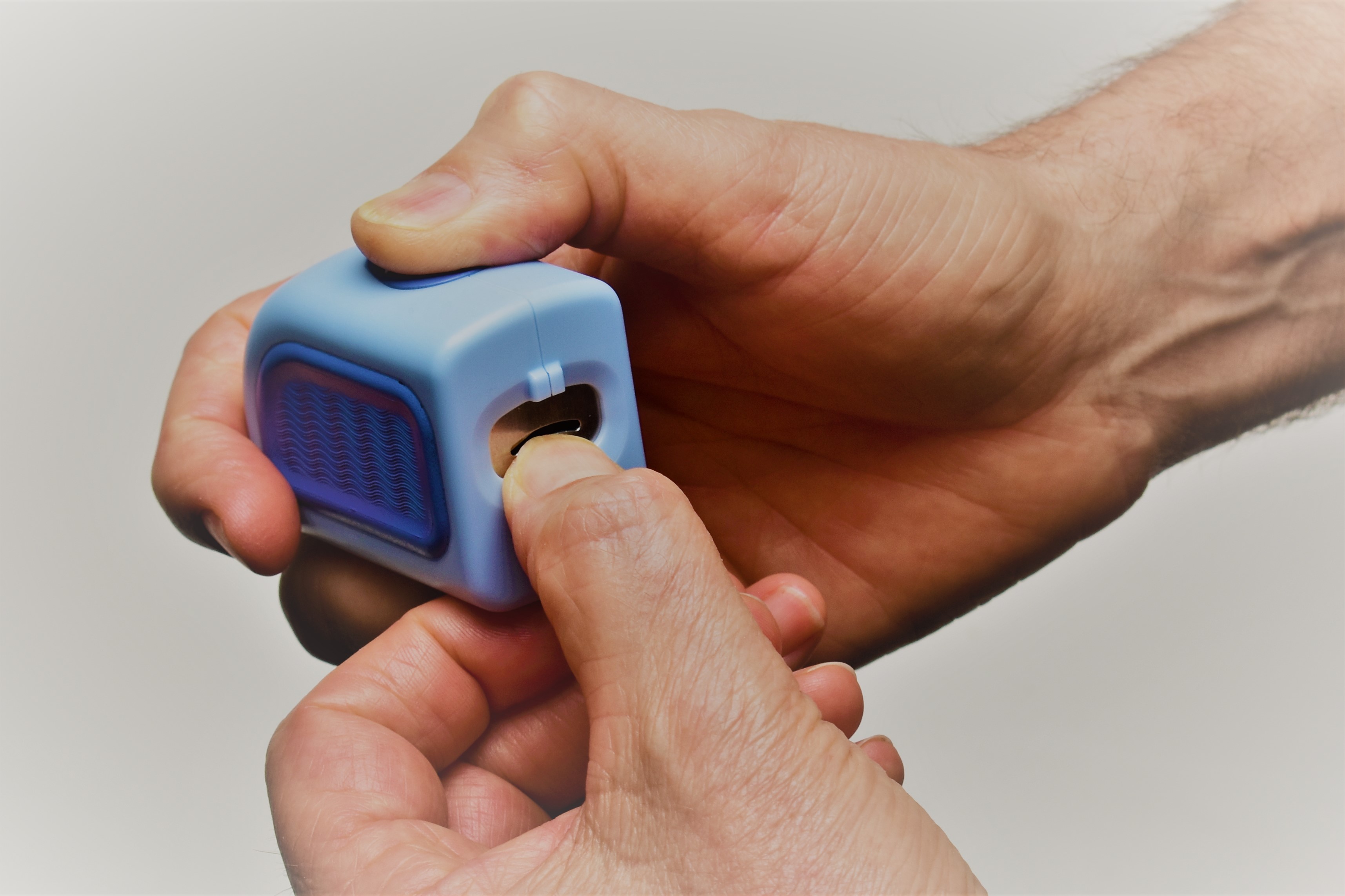
Clip Different, a trusted Minnesota-based resource, delivers medical supplies and adaptive equipment specifically tailored for seniors, caregivers, and individuals with mobility or dexterity challenges.
The Growing Need for Simple, Safe Medical Devices
Minnesota’s population is aging faster than the national average. With more seniors aging in single-family homes across suburbs like Maple Grove, Lakeville, and Shoreview, the demand for safe, user-friendly medical supplies is rising.
Common challenges include:
-
Arthritis-related limitations
-
Neuropathy or weak grip strength
-
Reduced vision
-
Cognitive changes
-
Limited mobility
Clip Different’s equipment selections are designed to ease these challenges.
Device Design Backed by Real Minnesota Caregivers
Unlike mass-produced medical tools, Clip Different’s supplies are created with deep insight from families, senior advocates, occupational therapists, and local care professionals.
Owner Melanie McMullen shared:
“Medical equipment needs to do more than function—it must empower the user. We focus on tools that seniors can operate confidently on their own or with minimal help.”
That philosophy guides every product choice.
Product Categories That Support Aging in Place
1. Adaptive Grooming Tools
Safe trimming devices that minimize cutting risks.
2. Mobility-Friendly Assistive Devices
Products that reduce fall risk and support daily tasks.
3. Low-Dexterity Equipment
Tools designed for seniors with grip challenges or tremors.
4. Safety-First Medical Devices
Items engineered to reduce injury, strain, or caregiver burden.
These aren’t generic medical supplies—they are tailored solutions that match the needs of Minnesota’s aging population.
Why Minnesota Families Trust Clip Different
Local Understanding
Minnesota’s climate and lifestyle create unique conditions. Winter dryness, thick outerwear, and seasonal isolation all impact senior health and accessibility.
Reliable Product Durability
Families value medical equipment that withstands frequent use and strong temperatures.
Caregiver Support
Minnesota’s home-care workforce relies on dependable tools to provide safe, consistent support.
Aging-in-Place Culture
With many seniors choosing to live at home longer, practical, easy-to-use medical devices are essential.
How Equipment Affects Senior Confidence
A senior who can manage personal care tasks—even small ones—maintains stronger emotional wellbeing. Medical supplies that support independence:
-
Reduce fall and injury risk
-
Minimize emergency-room visits
-
Strengthen routine self-care
-
Ease caregiver responsibilities
-
Improve senior self-esteem
Clip Different helps create safer homes across the state.
FAQs
1. Are Clip Different’s medical devices appropriate for cold Minnesota winters?
Yes—they’re designed for durability and easy indoor use.
2. Can equipment be used in assisted-living or memory-care settings?
Absolutely. Many communities integrate Clip Different tools into care routines.
3. Are these supplies helpful for stroke survivors?
Yes—devices are ideal for one-handed use and limited dexterity.
4. Do seniors need training to use the devices?
Most products are intuitive and require minimal instruction.
5. Can HSA/FSA accounts be used for purchases?
Often yes. Families should consult their administrator.
To explore Clip Different’s medical supplies and adaptive equipment—and discover how these tools support safer, more independent living—visit their Seniors Blue Book listing for details and contact information or call

Other Articles You May Like
Personal Care Assistance for Seniors in Ocean County, NJ
Personal Care Assistance for Seniors in Ocean County, NJMaintaining independence is an important priority for many older adults. From choosing what to wear each morning to following a familiar bedtime routine, everyday activities help people feel comfortable, confident, and in control of their lives.As people age, however, some personal care tasks may gradually become more challenging.Changes in balance can make stepping into a shower difficult. Arthritis may complicate fastening buttons or handling grooming tools. Reduced strength can make standing, walking, or transferring between furniture more demanding.For families, recognizing these changes can raise important questions.How can an older adult continue living at home when bathing becomes difficult? What assistance is available for someone who struggles to get dressed? How can personal care be provided while respecting privacy and dignity?For seniors throughout Ocean County, New Jersey, professional in-home personal care assistance offers an option for addressing these everyday needs without immediately changing living arrangements.Home Instead Serving Ocean County provides personalized home care services designed to support older adults who need assistance with activities of daily living.Through appropriately qualified caregivers and individualized care arrangements, Home Instead helps seniors receive practical assistance with bathing, grooming, dressing, mobility, and personal routines in familiar surroundings.Understanding the role of professional personal care can help families make informed decisions about the support their loved ones need.What Is Personal Care Assistance?Personal care assistance focuses on helping individuals complete essential daily activities that may become difficult because of age-related changes, illness, disability, or reduced mobility.These activities are commonly described as activities of daily living, or ADLs.Common Activities of Daily LivingPersonal care assistance may include support with:Bathing and showeringDressing and undressingGroomingToiletingPersonal hygieneWalking and mobilityTransferring between positionsEating and drinkingMorning routinesBedtime routinesThe appropriate level of assistance depends on the individual's functional abilities, preferences, and care plan.Personal Care Is Different From Household AssistanceLight housekeeping, grocery shopping, and general companionship are valuable home care services.However, personal care focuses more directly on assistance with the individual's body, hygiene, physical movement, and daily self-care activities.These tasks may require specific caregiver training or certification.Why Personalization MattersOne older adult may need only steadying assistance while dressing.Another may require more extensive support with bathing and transfers.An effective care plan reflects those differences.Personal Care Services From Home Instead Serving Ocean CountyHome Instead provides in-home support for older adults who want to continue living in familiar surroundings.Its Ocean County services include assistance with personal care activities, mobility, and daily routines.Available Areas of SupportDepending on the individualized care plan, services may include:Bathing assistanceShower supportDressingGroomingToileting assistanceMobility supportTransfersPersonal hygieneMeal-related assistanceMorning and evening routinesAppropriately Qualified CaregiversHome Instead Serving Ocean County employs caregivers with New Jersey Certified Home Health Aide qualifications for assignments requiring that level of personal care.These qualifications are important because personal care tasks must be performed within applicable professional requirements.Care That Respects Individual PreferencesPersonal care involves sensitive activities.A thoughtful approach considers the person's comfort, privacy, abilities, and established routines.Caregivers should encourage participation whenever appropriate rather than automatically taking over every task.Bathing Assistance for Older AdultsBathing is an essential part of personal hygiene, but it can become physically demanding.Wet surfaces, awkward movements, and the need to step over bathtub edges can create additional challenges.Some seniors begin avoiding showers because they worry about losing their balance.Others experience difficulty washing certain areas because of limited flexibility.How Bathing Assistance May HelpDepending on the care plan, assistance may include:Preparing bathing suppliesHelping with safe movement into the bathing areaAssistance with washingProviding appropriate physical supportHelping with dryingAssisting with clean clothingSupporting established hygiene routinesRespecting Personal ComfortSome older adults feel embarrassed about needing assistance with bathing.Caregivers should explain what they are doing, request permission when appropriate, and maintain privacy.Consider the Bathroom EnvironmentFamilies may benefit from reviewing bathroom safety features, including lighting, grab bars, nonslip surfaces, and appropriate bathing equipment.A qualified occupational therapist or other appropriate professional can recommend modifications based on individual needs.Dressing Assistance While Preserving IndependenceGetting dressed may seem simple until arthritis, weakness, limited flexibility, or coordination difficulties make clothing difficult to manage.Buttons, zippers, socks, and shoes can present everyday challenges.Dressing Support May IncludeSelecting appropriate clothingOrganizing garmentsAssisting with buttons and fastenersHelping with socks and shoesSupporting clothing changesManaging seasonal clothing needsAssisting with dressing after bathingEncourage Personal ChoiceClothing is part of individual identity.Older adults should have opportunities to choose their outfits, colors, and preferred styles whenever possible.Adaptive Clothing and AccessoriesSome individuals benefit from clothing with easier fasteners, comfortable fabrics, or footwear designed for stability.Families can seek recommendations from qualified professionals when specific adaptations are needed.Assistance Should Match AbilitiesSomeone who can put on a shirt independently may only need help with shoes.Providing targeted assistance can help maintain existing skills and personal confidence.Grooming and Daily Hygiene SupportGrooming routines contribute to personal comfort and self-expression.Activities such as brushing hair, shaving, and caring for teeth may become difficult when hand strength or coordination changes.Common Grooming ActivitiesPersonal care assistance may involve:Hair brushingHair stylingFace washingOral hygiene assistanceDenture-related routinesShaving assistanceBasic skin hygieneNail care within the caregiver's permitted scopePreparing personal grooming suppliesWhy Familiar Routines MatterAn older adult may have followed the same grooming routine for decades.Maintaining preferred products and habits can help preserve a sense of normalcy.Observe ChangesCaregivers may notice skin irritation, discomfort, or other concerns during everyday assistance.Potential medical issues should be communicated to the appropriate healthcare professional rather than independently diagnosed or treated.Toileting and Incontinence AssistanceToileting assistance is another important area of personal care.Changes in mobility, bladder control, or physical strength may make bathroom routines difficult.Support May IncludeDepending on the individual's needs:Assistance reaching the bathroomHelp with clothingAppropriate toileting supportHygiene assistanceIncontinence product changesMaintaining a comfortable bathroom routineHelping the person return safely to an appropriate positionProtecting DignityToileting is a private activity.Caregivers should approach assistance respectfully, communicate clearly, and avoid unnecessary exposure.When Medical Evaluation Is NeededNew or worsening incontinence, pain, bleeding, or other concerning symptoms should be discussed with a healthcare professional.Personal care assistance supports hygiene and daily routines but does not replace medical evaluation.Mobility Assistance at HomeMoving comfortably through the home is essential for many daily activities.Reduced strength, balance problems, pain, or a recent illness may affect walking and standing.Mobility Support May IncludeAssistance with walkingMoving between roomsAppropriate supervisionHelping maintain clear pathwaysSupporting use of prescribed mobility aidsAssistance with standingTransfers within the caregiver's authorized scopeWhy Mobility Needs Should Be AssessedSome individuals require minimal assistance.Others need more extensive support or specialized equipment.A physical therapist or other qualified healthcare professional can assess functional limitations and recommend appropriate mobility techniques.Avoid Unsafe LiftingCaregivers should not attempt transfers beyond their training, qualifications, available equipment, or the established care plan.Families should communicate significant mobility changes promptly.Safe Transfers Between PositionsA transfer involves moving between positions or surfaces, such as from a bed to a chair.Transfers can become challenging when an older adult has weakness, balance limitations, or reduced coordination.Common Transfer SituationsThese may include:Bed to chairChair to standingWheelchair to another surfaceToilet transfersGetting into or out of bedWhy Proper Techniques MatterIncorrect transfer methods may create risks for both the older adult and caregiver.Appropriate techniques depend on the individual's abilities and the equipment available.Professional Guidance Is ImportantFamilies should seek professional assessment when an older adult requires substantial physical assistance.Caregivers should follow approved care plans and relevant training.Morning Personal Care RoutinesThe first part of the day can involve several activities requiring physical effort.An older adult may need assistance moving out of bed, using the bathroom, getting dressed, and preparing for breakfast.A Morning Care Plan May IncludeAssistance getting upToiletingWashing and groomingDressingMobility supportPreparing for breakfastMaintaining familiar morning habitsWhy Routines Should Be IndividualizedSome seniors prefer an early start.Others feel more comfortable getting ready later in the morning.Care schedules should reflect the person's needs and preferences where practical.Encourage ParticipationA caregiver may prepare supplies or provide physical support while the older adult performs tasks they can still manage.This approach can help preserve everyday involvement.Evening and Bedtime AssistanceEvening routines can be challenging when an older adult experiences fatigue or reduced mobility.Some individuals need assistance preparing for bed but remain comfortable alone during other parts of the day.Evening Support May InvolveChanging into sleepwearWashing and groomingToiletingPreparing the sleeping areaTransferring into bedOrganizing frequently used personal itemsHelping maintain a familiar bedtime routineConsider AccessibilityItems such as glasses, water, telephones, and mobility aids should be positioned appropriately for the individual's needs.When Overnight Support May Be NeededSome older adults require assistance beyond the evening routine.Families should discuss available overnight or extended care options with the provider.Personal Care After HospitalizationReturning home after a hospital stay can bring temporary or ongoing changes in physical functioning.An older adult may feel weaker, tire more quickly, or require help with self-care.Possible Personal Care NeedsThese may include:Bathing assistanceDressingToileting supportMobility supervisionTransfersMorning and evening assistanceHelp maintaining established routinesFollow Discharge InstructionsHospital discharge plans may include activity restrictions, rehabilitation recommendations, or equipment needs.Home care arrangements should be compatible with those instructions.Clinical Care Is SeparateWound treatment, medication administration, medical monitoring, and rehabilitation therapies may require licensed healthcare professionals.Families should clarify which tasks are appropriate for personal care aides and which require separate clinical services.Preserving Dignity During Personal CareAccepting help with bathing or dressing can be emotionally difficult.Older adults who have managed independently for decades may feel uncomfortable relying on someone else.Why Dignity MattersPersonal care involves the body, privacy, and deeply established routines.A supportive caregiver should respect the person's preferences and communicate before assisting.Ways to Encourage ComfortThese may include:Explaining each stepAsking about preferencesMaintaining appropriate privacyAllowing adequate timeAvoiding unnecessary rushingEncouraging independent participationRespecting preferred clothing and grooming habitsBuilding Trust Takes TimeA new care arrangement may require an adjustment period.Families should communicate concerns and preferences so the plan can be refined.Supporting Seniors With Arthritis or Reduced DexterityArthritis and other conditions affecting the hands can interfere with daily self-care.Tasks that require gripping, twisting, or fine movements may become frustrating.Common ChallengesThese may include:Fastening buttonsHandling toothbrushesUsing grooming toolsPulling on socksOpening containersManaging clothing fastenersPractical AssistanceCaregivers can help with tasks the individual finds difficult while allowing them to complete manageable steps independently.Adaptive EquipmentAn occupational therapist may recommend tools such as adapted handles, dressing aids, or other equipment.Such recommendations should match the individual's abilities.Personal Care for Seniors With DementiaDementia can affect the ability to organize and complete personal care activities.A person may forget the order of steps involved in bathing or become confused about dressing.Some individuals may resist care because they do not understand what is happening.Helpful Care ApproachesDepending on individual needs, strategies may include:Maintaining familiar routinesUsing simple explanationsPresenting one step at a timeAllowing additional timeOffering limited clothing choicesReducing unnecessary distractionsRespecting personal preferencesAvoid Unnecessary ConfrontationIf a person becomes distressed, the caregiver should respond according to the established care plan and applicable training.Communicate ChangesNew or worsening confusion, agitation, or physical symptoms should be reported to appropriate healthcare professionals.Home Instead offers dementia-related home care services, and families can discuss how personal care support may fit into an individualized arrangement.Recognizing When Personal Care Assistance May Be NeededSome older adults ask for help directly.Others may minimize difficulties because they worry about losing independence.Families can look for patterns that suggest daily self-care is becoming difficult.Possible IndicatorsThese may include:Difficulty entering or exiting the showerWearing the same clothing repeatedlyTrouble managing buttons or footwearReduced attention to groomingIncreased difficulty walkingNeeding assistance standingConcerns about toiletingFatigue during daily routinesIncreased risk during transfersBegin With Respectful QuestionsRather than focusing only on what the older adult can no longer do, ask which activities would be easier with a little assistance.Avoid Assuming a DiagnosisChanges in self-care may have different causes.A healthcare evaluation can help identify medical or functional concerns.Working With Family CaregiversSpouses and adult children frequently assist with personal care.However, these responsibilities can become physically demanding or emotionally difficult.Common Family ChallengesThese may include:Helping with transfersManaging bathing routinesBalancing care and employmentMaintaining privacyHandling increasing physical needsFinding time for other responsibilitiesProfessional Personal Care SupportScheduled caregivers may help share some of these responsibilities.This can allow family members to focus on companionship and personal relationships.Family Involvement Remains ImportantProfessional caregiving does not eliminate the value of family participation.Clear communication can help everyone understand the care plan and changing needs.Developing a Personalized Personal Care PlanA personal care arrangement should be based on the older adult's actual functional needs.A plan may need to consider physical abilities, personal preferences, mobility, and daily routines.Questions to DiscussWhich bathing tasks require assistance?Can the person dress independently?Are transfers difficult?Is toileting support needed?Does the individual use a walker or wheelchair?Are there cognitive concerns?What time of day is help most important?Does the individual have preferred routines?Are there current medical restrictions?Match Caregiver Qualifications to TasksSome personal care activities require specific training or certification under New Jersey requirements.Families should confirm that the provider assigns appropriately qualified caregivers.Review the Plan When Needs ChangeCare requirements may increase, decrease, or change following illness, recovery, or new mobility concerns.Reassessment can help keep services aligned with the person's needs.Choosing a Personal Care ProviderWhen comparing providers, families should look beyond general descriptions of home care.It is important to understand exactly how hands-on assistance is delivered.Questions to AskAre caregivers qualified to provide hands-on personal care?How are bathing and transfer needs assessed?How is the care plan developed?Can the schedule accommodate morning or evening care?What happens if the regular caregiver is unavailable?How are care changes communicated?Which tasks are outside the caregiver's scope?Are overnight arrangements available?How are personal preferences addressed?What are the service rates and minimum hours?Verify Current DetailsScheduling, staffing, and services may change.Home Instead Serving Ocean County can provide current information about care arrangements and availability.Understanding Personal Care CostsThe cost of personal care assistance depends on factors such as the frequency, duration, and complexity of services.Factors That May Influence PricingThese may include:Number of care hoursDays per weekMorning or evening schedulingOvernight assistanceWeekend coverageMobility-related needsCaregiver qualificationsOther service requirementsInsurance and Benefit ConsiderationsOriginal Medicare generally does not cover ongoing custodial personal care as a standalone service.Certain qualifying home health services may be covered under separate requirements.Other possible funding sources depend on eligibility and policy terms.These may include long-term care insurance, certain public programs, or applicable veterans' benefits.Ask for Clear Written InformationFamilies should request information about costs, minimum visit requirements, cancellations, and service agreements before arranging ongoing care.Expert Tip: Focus on What the Senior Can Still DoPersonal Care Tip: When developing a care plan, identify not only the tasks requiring assistance but also the activities the older adult can complete independently. Ask caregivers to support those abilities whenever appropriate. Helping with a difficult step while preserving the person's participation can promote confidence and respect personal independence.Personal care should provide assistance where needed without unnecessarily taking away choice.Frequently Asked Questions About Personal Care Assistance1. What personal care services does Home Instead Serving Ocean County provide?Home Instead provides assistance with activities of daily living, including bathing, dressing, grooming, toileting, mobility, and transfers, according to individual care needs and caregiver qualifications.2. Can Home Instead help an older adult with bathing and showering?Yes. Bathing assistance is among the personal care services provided by Home Instead. The appropriate level of assistance depends on the person's mobility, care plan, and individual needs.3. Are Home Instead caregivers qualified to provide hands-on personal care?Home Instead Serving Ocean County employs New Jersey Certified Home Health Aides for assignments requiring personal care qualifications. Families should confirm the assigned caregiver's credentials and authorized services.4. Can personal care services help seniors remain in their own homes?Personal care assistance may help older adults manage daily self-care activities while continuing to live at home. Whether remaining at home is appropriate depends on the person's overall health, supervision needs, and available support.5. How can families arrange personal care assistance with Home Instead Serving Ocean County?Families can contact the local Home Instead office to discuss bathing, grooming, dressing, mobility, and other daily living needs. The provider can explain assessment procedures, available care arrangements, staffing, and current costs.Helping Seniors Maintain Comfort, Confidence, and IndependencePersonal care needs can change gradually as older adults experience differences in strength, balance, coordination, or mobility.Activities such as bathing, dressing, grooming, and moving safely through the home may begin to require additional assistance.For many families, professional personal care offers a practical way to address these challenges while preserving familiar surroundings.The goal is not simply to complete tasks.Effective personal care should also respect privacy, maintain dignity, support personal preferences, and encourage independence whenever appropriate.For seniors throughout Ocean County, New Jersey, Home Instead Serving Ocean County provides in-home personal care assistance based on individual needs and daily routines.Its services include help with bathing, dressing, grooming, toileting, and mobility, delivered by appropriately qualified caregivers according to the care arrangement.Families can work with the provider to discuss what assistance is needed and develop a practical schedule.By understanding personal care options and recognizing when additional support may be useful, older adults and their families can approach changing needs with greater confidence.Learn More About Home Instead Serving Ocean CountyLooking for personal care assistance for an older loved one in Ocean County, New Jersey?Visit Home Instead Serving Ocean County on SeniorsBlueBook.com to explore its personal care assistance listing and learn more about services for seniors who need help with everyday activities.Personalized assistance can help older adults maintain familiar daily routines while receiving the support they need to remain comfortable in their own homes.
10 Signs You May Be Experiencing Hearing Loss
Hearing plays an important role in how we communicate, connect with others, and experience the world around us. Because hearing loss often develops gradually, many people do not realize their hearing has changed until it begins affecting their daily lives.You may find yourself asking people to repeat themselves, turning up the television, or having difficulty following conversations in busy restaurants. These may seem like minor inconveniences, but they can be signs of hearing loss.Recognizing the early signs of hearing loss is an important first step toward getting the help you need. Here are 10 common signs that it may be time to have your hearing checked.1. You Frequently Ask People to Repeat ThemselvesOne of the most common signs of hearing loss is frequently asking others to repeat what they have said. You may hear that someone is speaking but have difficulty understanding the words clearly.If this happens regularly, especially during conversations with family members, friends, or coworkers, it may be worth scheduling a hearing evaluation.2. You Turn Up the Television or RadioDo family members or friends tell you that the television or radio is too loud? You may not notice that the volume has gradually increased because it seems comfortable to you.Needing higher volume to hear your favorite programs can be a sign that your hearing has changed.3. Conversations Are Difficult in Noisy PlacesRestaurants, family gatherings, sporting events, and other busy environments can be challenging for people with hearing loss.You may be able to hear someone when you are in a quiet room but struggle to understand them when there is background noise. This happens because hearing loss can make it more difficult to separate speech from competing sounds.4. You Have Trouble Hearing on the PhoneIf you find yourself struggling to understand conversations over the telephone, hearing loss could be a contributing factor.You may notice that you need to turn up the phone volume, switch the phone from one ear to the other, or ask the person on the other end to repeat themselves.5. You Feel Like People Are MumblingPeople may seem to be speaking clearly to everyone else, yet their words sound muffled or unclear to you.You might hear the sounds of speech but have trouble distinguishing individual words. This can be especially frustrating when talking with children or people who have softer voices.6. You Avoid Social Situations Because Hearing Is DifficultHearing loss can make social activities more challenging. If you have difficulty following conversations at restaurants, parties, family gatherings, or community events, you may begin avoiding those situations altogether.Unfortunately, withdrawing from social activities can lead to feelings of loneliness or isolation. Addressing hearing difficulties can make it easier to remain engaged with the people and activities you enjoy.7. You Have Difficulty Following Group ConversationsFollowing a conversation with several people can be difficult when you have hearing loss.You may lose track of who is speaking, miss parts of the conversation, or find yourself watching people's faces closely to understand what they are saying.If you frequently feel lost during group conversations, a hearing evaluation may help determine whether hearing loss is contributing to the problem.8. You Rely More on Watching People's Faces or Reading LipsPaying attention to facial expressions and lip movements is a natural way to supplement what you hear. However, if you find yourself relying heavily on watching someone's face to understand a conversation, your hearing may not be providing enough information on its own.You may notice that communication becomes particularly difficult when someone turns away from you or when you cannot see their face.9. You Have Difficulty Hearing Certain SoundsHearing loss does not always mean that every sound becomes quieter. Some people have difficulty hearing particular frequencies or speech sounds.For example, high-pitched sounds may become harder to hear. You may have trouble understanding children's or women's voices or distinguishing certain consonants when people speak.These changes can make conversations difficult even when you feel like you can still hear most sounds.10. Friends or Family Members Notice Your Hearing DifficultySometimes the people around you recognize a hearing problem before you do.A spouse, adult child, friend, or coworker may point out that you frequently misunderstand conversations, ask for repetitions, or keep the television volume higher than usual.If someone you trust has expressed concerns about your hearing, it is worth taking those concerns seriously.Why Early Hearing Care MattersHearing loss can affect more than your ability to hear sounds. It can influence communication, relationships, confidence, and participation in everyday activities.The good news is that hearing difficulties do not have to prevent you from enjoying conversations and staying connected with the people around you. A professional hearing evaluation can help determine whether hearing loss is present and provide information about options that may help.It is also important to remember that hearing loss is not necessarily just a normal part of getting older. While age-related hearing changes are common, hearing difficulties can have many causes and can affect adults at different stages of life.When Should You Have Your Hearing Checked?If you recognize several of these signs yourself, or if friends and family have expressed concerns about your hearing, consider scheduling a hearing evaluation.A hearing professional can evaluate your hearing and help you better understand what you are experiencing. Depending on the results, they can discuss appropriate options for improving communication and hearing.You don't have to wait until hearing loss significantly interferes with your life before seeking help. Identifying hearing changes early can help you take steps toward staying connected, communicating more comfortably, and continuing to enjoy the sounds that matter most.If you or someone you love is experiencing signs of hearing loss, contact Darrell M. Sipe Opticians & Hearing Aids to learn more about hearing testing and hearing care services.
When Care Needs Change, Starting Over Shouldn't Be Necessary
Aging rarely follows a predictable path. Learn how CareAparent helps Minnesota seniors remain at home with personal care, skilled nursing, therapy and support that evolves as care needs change.One month, an older adult may be living completely independently. Later, they may need a little help around the house, assistance after a hospital stay, physical therapy to regain strength, medication management or more advanced nursing support.For families, each change can bring another round of questions.Who should we call? What kind of care does Mom need now? Will we need to find another provider? Who will coordinate everything?Those questions can become especially stressful when a family is already dealing with a hospitalization, illness or sudden change in a loved one's abilities.That's why having a care provider that can adapt as needs change can make such a difference.For more than 10 years, CareAparent has helped Minnesota seniors and their families receive personalized care in the place many older adults most want to remaintheir own home. Today, CareAparent provides a continuum of in-home services throughout the seven-county Twin Cities metro area. CareAparentIt May Start With Just a Little HelpSometimes the first sign that an aging parent needs assistance is subtle.Maybe Dad isn't keeping up with housekeeping like he once did. Mom may be having difficulty getting dressed or safely taking a shower. Meals aren't being prepared regularly, medications are becoming confusing, or an adult child is spending more and more time helping with everyday tasks.That doesn't necessarily mean an older adult can no longer live independently.The right support can help make independence possible for longer.CareAparent provides personal care that can include assistance with bathing, dressing and grooming, as well as light housekeeping, laundry and medication reminders. Care can be customized based on the individual's needs rather than forcing the person into a predetermined schedule or level of service. CareAparentFor families, that flexibility matters.The goal isn't to take over someone's life. It's to provide enough assistance so the person can continue participating in it.Then Something ChangesA fall occurs.There's a hospital stay.A chronic condition becomes more difficult to manage.An older adult needs help recovering from surgery.Suddenly, the type of support that worked six months ago may no longer be enough.This is where continuity of care becomes particularly important.Instead of requiring a family to begin searching for an entirely different organization, CareAparent can provide skilled services through licensed medical professionals, including skilled nursing, medication management, wound care, physical therapy and occupational therapy. CareAparentThat allows care to evolve along with the person.Coming Home From the Hospital Can Be a Vulnerable TimeDischarge day can feel like a victoryand it is.But getting home doesn't necessarily mean the recovery is finished.There may be new medications to manage, mobility limitations, wounds requiring attention, exercises to complete or everyday activities that suddenly feel more difficult.Family members may receive discharge instructions but still wonder how they're going to manage everything once their loved one gets home.CareAparent specifically works with individuals transitioning home from hospitals, rehabilitation centers and other acute-care settings. Its skilled services are designed to support recovery and continuity of care in the home. CareAparentFor an older adult, recovering in familiar surroundings can also mean sleeping in their own bed, following familiar routines and remaining close to the people and things that bring comfort.Therapy Can Help Restore IndependencePhysical and occupational therapy aren't simply about completing exercises.They can be important tools for maintaining independence.Physical therapists can work with older adults experiencing pain, injury, illness or age-related declines in mobility. Treatment can address strength, balance, endurance and safer movement.Occupational therapists look at everyday functionhelping individuals find safer and more effective ways to accomplish the activities that are important in daily life.Together, those services can help an older adult work toward a very meaningful goal:Doing more for themselves. CareAparentFamilies Need Support TooWhen someone needs care, the impact extends beyond that individual.Spouses and adult children frequently become caregivers themselvescoordinating appointments, checking medications, helping with meals, managing household responsibilities and worrying about what happens when they aren't there.Over time, those responsibilities can become overwhelming.Professional in-home care can provide something important for both generations.The older adult receives personalized assistance.The family gets to spend more time being family.That distinction matters.A daughter shouldn't always have to be the nurse, housekeeper or care coordinator. A spouse shouldn't have to handle every caregiving responsibility alone.Having trusted support can make the entire family's situation more manageable.Specialized Support for Minnesota VeteransVeterans and their families may also have access to services they don't realize are available.CareAparent serves veterans throughout the seven-county Twin Cities metro as a Home Health Community Provider. Depending upon eligibility and authorization, VA-supported services can include skilled nursing, therapy, respite care, homemaking and home health aide assistance. CareAparentFor families of veterans, understanding available benefits can be an important part of developing a long-term care plan.One Relationship as Needs EvolvePerhaps one of the most reassuring things a family can hear is:You don't have to figure out the next step alone.CareAparent's model is designed around continuity. Personal care, skilled nursing, therapy and additional support can work together so that when circumstances change, the care plan can change too. CareAparentThat can mean fewer unfamiliar faces, fewer transitions between organizations and less time for families spent searching for the next provider.Instead, there is one relationship and a care team that already understands the individual.Aging at Home Should Still Feel Like HomeUltimately, home care isn't simply about completing tasks.It's about helping someone continue living a life that feels familiar and meaningful.It's having coffee in your own kitchen.Sleeping in your own bed.Seeing neighbors you recognize.Following your own schedule.Having family visit without visiting hours.And continuing to make choices about how you live your day.CareAparent describes its approach as combining clinical care with hospitality and personalized attention. The organization has served Minnesota families for more than a decade and provides care throughout Anoka, Carver, Dakota, Hennepin, Ramsey, Scott and Washington counties. CareAparentAs needs change, the answer doesn't always have to be changing where someone lives.Sometimes, the answer is bringing the right care to where they already call home. Learn more about CareAparent's personalized in-home care services and find resources to help your family navigate changing care needs. Call us at 651-702-HOME (4663) or visit our website at www.careaparent.com
Local Services By This Author
ClipDifferent, GBC
Personal Care Assistance 11878 Germaine Terrace, Eden Prairie, Minnesota, 55347Effortless Grooming for EveryoneOur innovative electric nail clippers are designed to make nail care easy, safe, and hygienic for all ages and abilities. Say goodbye to the struggles of traditional nail clippers and embrace the future of nail trimming! Perfect Nails Made EasyWhether you're shopping for yourself, caring for someone, or seeking a unique & thoughtful gift, our electric nail clippers are the perfect choice for maintaining healthy, well-groomed nails safely and effortlessly.The Power of One Small ThingOur story is woven from threads of compassion and innovation. It all began with Tom McMullen Jr., a man on a mission to make everyday a little easier for those who face extraordinary challenges. Inspired by his sisters resilience in the face of polio and driven by the desire to improve his late wife Trudys life as she battled progressive health issues, Tom set out to redefine whats possible. From these deeply personal experiences, ClipDifferent was born. Our products are not just innovative electric nail clippers; they are instruments of empowerment. Theyve been meticulously designed to improve the messy process of nail clipping but more importantly to assist those with hand strength or dexterity issues, sensory impairments, vision loss, cognitive challenges, and upper limb loss or limb difference. They bring relief to parents whose little ones fear nail clippings, to those who would like a safe and better way to clip their nails, aging individuals who want independence and caregivers who want to feel peace of mind for their loved one.At ClipDifferent, we believe that every small act of care and consideration can transform lives. Join us on our journey to make the world a more accessible, comfortable, and joyful place, one clip at a time.Tom McMullen Jr.(ClipDifferent Creator and Founder)Tom and his daughter, Melanie (co-founder)Accepting the Gold Award for Innovation

ClipDifferent, GBC
Medical Supplies & Equipment 11878 Germaine Terrace, Eden Prairie, Minnesota, 55347Effortless Grooming for EveryoneOur innovative electric nail clippers are designed to make nail care easy, safe, and hygienic for all ages and abilities. Say goodbye to the struggles of traditional nail clippers and embrace the future of nail trimming! Perfect Nails Made EasyWhether you're shopping for yourself, caring for someone, or seeking a unique & thoughtful gift, our electric nail clippers are the perfect choice for maintaining healthy, well-groomed nails safely and effortlessly.The Power of One Small ThingOur story is woven from threads of compassion and innovation. It all began with Tom McMullen Jr., a man on a mission to make everyday a little easier for those who face extraordinary challenges. Inspired by his sisters resilience in the face of polio and driven by the desire to improve his late wife Trudys life as she battled progressive health issues, Tom set out to redefine whats possible. From these deeply personal experiences, ClipDifferent was born. Our products are not just innovative electric nail clippers; they are instruments of empowerment. Theyve been meticulously designed to improve the messy process of nail clipping but more importantly to assist those with hand strength or dexterity issues, sensory impairments, vision loss, cognitive challenges, and upper limb loss or limb difference. They bring relief to parents whose little ones fear nail clippings, to those who would like a safe and better way to clip their nails, aging individuals who want independence and caregivers who want to feel peace of mind for their loved one.At ClipDifferent, we believe that every small act of care and consideration can transform lives. Join us on our journey to make the world a more accessible, comfortable, and joyful place, one clip at a time.Tom McMullen Jr.(ClipDifferent Creator and Founder)Tom and his daughter, Melanie (co-founder)Accepting the Gold Award for Innovation