Restoring Confidence Through Movement: How Fyzical Therapy & Balance Center in Edina Helps Adults Stay Steady, Strong, and Independent
Fyzical Therapy and Balance Center of Edina
For more information about the author, click to view their website: Fyzical Therapy and Balance Center of Edina
Dec 30, 2025
Minnesota - Twin Cities Metro Area

Email US
Click to Email Us
Restoring Confidence Through Movement: How Fyzical Therapy & Balance Center in Edina Helps Adults Stay Steady, Strong, and Independent
For many older adults in Edina, staying active isn’t about running marathons or chasing fitness trends — it’s about confidence. Confidence to walk safely through the grocery store. Confidence to climb the stairs without hesitation. Confidence to enjoy time at Centennial Lakes Park or walk the halls of the Southdale Center without fear of falling.
That’s where Fyzical Therapy & Balance Center of Edina plays a vital role. More than a traditional physical therapy clinic, Fyzical specializes in restoring balance, mobility, and independence — especially for adults who want to remain active, safe, and engaged in the community they love.
A Community That Values Health and Longevity
Edina is known for its strong sense of community, high quality of life, and commitment to wellness. With many residents choosing to age in place, access to specialized care that supports mobility and fall prevention has never been more important.
From nearby Fairview Southdale Hospital to the extensive network of walking paths and senior programs throughout Hennepin County, Edina offers opportunities for healthy aging — but only if individuals feel steady on their feet.
That’s where Fyzical Therapy & Balance Center steps in, helping older adults remain active participants in their own lives.
A Different Kind of Physical Therapy Experience
Unlike traditional physical therapy clinics that focus primarily on post-surgical rehab or short-term injury recovery, Fyzical Edina places a strong emphasis on balance therapy, vestibular rehabilitation, and fall prevention.
Their approach is proactive, not reactive.
Instead of waiting for a fall to happen, the team works with patients to identify risk factors early — whether it’s dizziness, muscle weakness, poor coordination, or changes in gait.
What Sets Fyzical Edina Apart
-
Specialized training in balance and vestibular disorders
-
Evidence-based assessments to identify fall risks
-
Personalized therapy plans tailored to each individual
-
One-on-one care in a supportive, calm environment
-
Advanced equipment designed specifically for balance training
This targeted focus makes Fyzical an especially valuable resource for older adults, caregivers, and healthcare providers throughout the Edina and greater Twin Cities area.
Understanding Balance: More Than Just Standing Still
Balance is a complex system involving the brain, inner ear, vision, muscles, and joints. When even one part of that system is off, everyday movements can feel unsteady or unsafe.
Common issues Fyzical helps address include:
-
Dizziness or vertigo
-
Frequent falls or fear of falling
-
Post-surgical weakness
-
Neurological conditions
-
Inner ear (vestibular) disorders
-
Difficulty walking or navigating uneven surfaces
Rather than offering one-size-fits-all exercises, therapists at Fyzical Edina assess how each system works together — and where support is needed.
“Balance issues can quietly take away someone’s confidence long before they realize what’s happening,” says Peter Czachor of Fyzical Therapy & Balance Center. “Our goal is to restore not just physical stability, but peace of mind. When people feel steady again, they reclaim their independence.”
A Personalized Path to Stability
Every patient’s journey begins with a comprehensive evaluation that looks beyond symptoms to understand daily routines, health history, and personal goals.
From there, therapy may include:
-
Strength and flexibility training
-
Gait retraining
-
Vestibular rehabilitation exercises
-
Reaction time and coordination drills
-
Education on fall prevention strategies
Sessions are designed to be challenging yet safe, helping patients gradually rebuild trust in their bodies.
This individualized approach is especially valuable for older adults who may feel hesitant after a fall or health setback. Fyzical therapists take the time to listen, educate, and empower — never rushing the process.
Supporting Independence at Every Stage of Aging
Many seniors in Edina want to stay in their homes for as long as possible. Physical stability plays a huge role in making that goal achievable.
By improving balance and strength, Fyzical helps reduce:
-
Risk of falls and hospitalizations
-
Dependence on mobility aids
-
Fear that limits daily activity
-
Caregiver stress
The result is not just better movement — it’s a better quality of life.
Families often notice improvements that go beyond physical ability: renewed confidence, improved mood, and greater willingness to stay socially engaged.
A Trusted Partner in the Local Healthcare Community
Fyzical Therapy & Balance Center works closely with local physicians, specialists, and senior service providers across Edina and the surrounding Twin Cities metro. Their collaborative approach ensures continuity of care and thoughtful communication between providers.
For seniors navigating multiple health needs, this coordination makes a meaningful difference.
Why Balance Therapy Matters More as We Age
Falls remain one of the leading causes of injury among older adults. Yet many falls are preventable with proper assessment and training.
Balance therapy focuses on:
-
Improving reaction time
-
Strengthening core and lower body muscles
-
Enhancing sensory awareness
-
Building confidence in movement
Rather than avoiding activity out of fear, patients learn how to move safely and confidently through daily life — from walking the dog to attending family gatherings.
A Welcoming Environment That Encourages Progress
Fyzical Edina is designed to feel welcoming, calm, and supportive — not clinical or intimidating. Patients are treated as partners in their care, with clear explanations and encouragement every step of the way.
This supportive atmosphere is especially meaningful for older adults who may feel anxious about therapy or uncertain about what to expect.
Frequently Asked Questions
1. Do I need a referral to start physical therapy at Fyzical Edina?
In many cases, no. Minnesota allows direct access to physical therapy, though some insurance plans may require a referral. The team can help clarify coverage.
2. Is balance therapy only for seniors?
While many patients are older adults, balance therapy benefits people of all ages dealing with dizziness, neurological conditions, or recovery after injury.
3. How long does balance therapy usually take?
Treatment plans vary based on individual goals and conditions, but many people notice improvements within a few weeks.
4. What should I wear to my appointment?
Comfortable clothing and supportive shoes are recommended to allow safe movement during sessions.
5. Can balance therapy really reduce my risk of falling?
Yes. Research shows that targeted balance and strength training can significantly reduce fall risk when done consistently and correctly.
Take the Next Step Toward Confidence and Stability
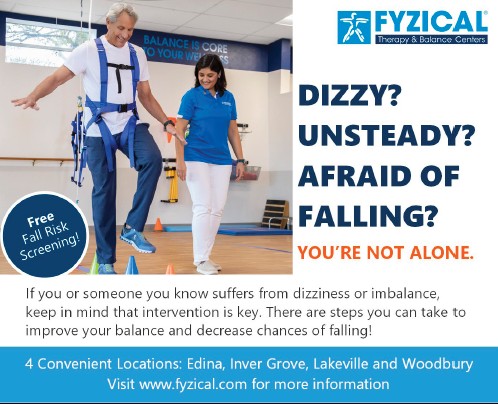
If you or a loved one is experiencing balance issues, dizziness, or fear of falling, expert help is close to home. Fyzical Therapy & Balance Center in Edina offers specialized care designed to restore confidence, independence, and peace of mind.
To learn more about their services or to explore how balance therapy could support your health goals, visit their Seniors Blue Book listing here:
👉 https://www.fyzical.com/edina-mn/physical-therapy-services/balance-therapy
- To view the original version of this article visit www.fyzical.com/edina-mn/physical-therapy-services/balance-therapy
- Seniors Blue Book was not involved in the creation of this content.
Other Articles You May Like
Navigating Senior Care in Minnesota: Where Do You Begin?
When an aging parent begins needing additional assistance, families often find themselves entering unfamiliar territory.Perhaps Mom has recently returned home from the hospital and needs help managing daily activities. Dad is becoming less comfortable driving. Or a spouse is experiencing mobility challenges that make everyday routines more difficult.Suddenly, questions begin piling up.What type of care is available? How much assistance is really necessary? Does Medicare pay for home care? What programs are available in Minnesota? And perhaps most importantly, where should the family begin?For many families, navigating senior care can feel overwhelming, especially when decisions need to be made quickly.Understanding the available options is the first step toward making confident, informed decisions that support independence, safety, and quality of life.Understanding the Different Types of Senior CareOne of the most confusing aspects of senior care is understanding the terminology.Home care, home health care, assisted living, and skilled nursing are sometimes used interchangeably, but they provide different levels of support.Knowing the differences can help families identify services that best match their loved one's needs.Non-Medical In-Home CareNon-medical home care focuses on helping individuals manage everyday activities while remaining in their own homes.Depending on the provider's license and authorized services, assistance may include personal care, companionship, meal preparation, light housekeeping, transportation, and respite care.This type of support can be particularly beneficial for older adults who want to maintain independence but need help with certain daily routines.Services may be arranged for a few hours each week or more frequently as needs change.Skilled Home Health CareSkilled home health care involves medical services provided by appropriately licensed healthcare professionals.These services may include nursing care, physical therapy, occupational therapy, speech-language pathology, and certain medical treatments.Skilled home health services are often recommended following hospitalization, surgery, illness, or a significant change in health.Medicare may cover qualifying home health services when specific eligibility requirements are met.However, Medicare generally does not cover ongoing custodial assistance when that is the only care needed.Assisted Living CommunitiesAssisted living communities provide housing and supportive services for individuals who need help with daily activities but do not necessarily require continuous skilled nursing care.Services vary by community and may include meals, personal care assistance, medication-related services, housekeeping, and social activities.For some seniors, assisted living provides an appealing combination of independence, convenience, and available support.Others prefer to remain in their own homes with assistance from an in-home care provider.Skilled Nursing FacilitiesSkilled nursing facilities provide a higher level of medical and personal care for individuals with more complex needs.Some offer short-term rehabilitation following hospitalization, while others provide longer-term residential nursing care.The appropriate setting depends on the individual's medical condition, functional abilities, preferences, and available support.Start by Evaluating Your Loved One's NeedsBefore selecting a senior care provider, families should consider what assistance is actually needed.A thoughtful assessment begins with everyday activities.Can your loved one prepare meals independently? Are bathing and dressing becoming difficult? Is transportation a concern? Are medications being taken as prescribed?It's also important to consider social and emotional needs.Does your parent spend long periods alone? Have they stopped participating in favorite activities? Are family caregivers struggling to keep up with responsibilities?Discussing these questions with your loved one can help identify priorities and preferences.When medical concerns are involved, a healthcare professional can help determine whether a clinical evaluation or skilled services are appropriate.The goal should be to provide the right level of assistancenot more care than necessary, but enough support to address important needs.Understanding How Senior Care Is Paid ForCost is often one of the first concerns families raise when exploring care options.Unfortunately, payment arrangements can be complicated.Different services may be covered by Medicare, Medicaid, private insurance, long-term care insurance, or personal funds.MedicareMedicare may cover certain medically necessary home health services when eligibility requirements are satisfied.However, Medicare generally does not pay for long-term non-medical home care, routine housekeeping, or ongoing personal assistance when these are the only services required.Families should review their specific Medicare coverage before assuming a service will be reimbursed.Minnesota Medical AssistanceMinnesota's Medicaid program, known as Medical Assistance, may help eligible individuals pay for certain long-term services and supports.Programs such as the Elderly Waiver can help qualifying older adults receive services in community settings rather than nursing facilities.Eligibility depends on factors including age, financial circumstances, assessed care needs, and program requirements.Long-Term Care InsuranceSome long-term care insurance policies provide benefits for qualifying in-home care services.Coverage varies significantly depending on the policy.Families should review benefit limits, elimination periods, covered services, and requirements for receiving reimbursement.Private PayMany families pay directly for non-medical home care.Private-pay arrangements may offer flexibility in scheduling and selecting services.Before beginning care, ask providers about hourly rates, minimum visit requirements, cancellation policies, and any additional fees.Minnesota Resources That Can Help FamiliesFortunately, Minnesota offers several resources designed to help older adults and their families understand available services.Minnesota's Senior LinkAge LineThe Senior LinkAge Line is a free statewide resource that helps older adults and families explore Medicare questions, prescription drug coverage, community services, and long-term care options.It is operated through Minnesota's aging network and can be a helpful starting point for families unfamiliar with available programs.Minnesota Board on AgingThe Minnesota Board on Aging provides information and resources related to aging services, caregiver support, and programs that help older adults remain connected to their communities.Disability Hub MNFor individuals with disabilities, Disability Hub MN offers information about benefits, services, housing, employment, and community resources.These programs can help families better understand their options and identify additional support.Why Care Navigation Can Make a DifferenceEven after learning about available services, families may struggle to determine which options are appropriate.This is where care navigation can become especially valuable.Care navigation helps individuals and families understand their needs, identify relevant services, and explore available resources.For example, a family may need assistance coordinating non-medical home care after a hospitalization.Another may be trying to understand community-based support programs or determine whether additional caregiving assistance is necessary.A knowledgeable care navigator can help organize information, clarify options, and guide families toward appropriate resources.Care navigation does not replace medical advice or official eligibility determinations, but it can make the decision-making process more manageable.For adult children who live outside Minnesota, this additional guidance can be particularly reassuring.Planning Ahead Can Prevent Difficult DecisionsMany families begin researching senior care only after an unexpected event.A fall, hospitalization, or sudden decline in mobility may create an urgent need for assistance.While some situations cannot be anticipated, planning ahead can reduce confusion.Families can begin by discussing their loved one's preferences.Would they prefer to remain at home as long as possible? What activities are becoming difficult? Who should be involved in future care decisions?It's also helpful to organize important documents, review insurance coverage, and identify trusted healthcare professionals and community resources.These conversations may feel uncomfortable initially, but they can help preserve the older adult's voice in future decisions.How Northern Lights Living Helps Minnesota FamiliesBased in Savage, Minnesota, Northern Lights Living understands that navigating senior care involves more than selecting a caregiver.Families often need guidance, reassurance, and a clear understanding of their options.Northern Lights Living provides personalized, non-medical in-home care services designed to support seniors and individuals with disabilities who wish to remain in familiar surroundings.The company emphasizes caregiver compatibility, individualized routines, meaningful companionship, and communication with families.In addition to home care, Northern Lights Living offers care navigation services to help families better understand available support options and community resources.Whether a family is beginning to explore assistance for an aging parent or adjusting to changing care needs, having a compassionate and knowledgeable partner can make the process less overwhelming.Taking the First Step Toward Better SupportThere is no single solution that works for every senior or family.Some older adults benefit from a few hours of companionship each week. Others need regular assistance with personal care or daily household activities.Still others may require skilled medical services or a different living arrangement.The most important step is understanding the individual's needs, respecting personal preferences, and exploring available options before making major decisions.Senior care doesn't have to be navigated alone.With reliable information, thoughtful planning, and the right support, Minnesota families can make decisions that protect independence, promote dignity, and provide greater peace of mind.About Northern Lights LivingNorthern Lights Living is a Savage, Minnesota-based provider of personalized, non-medical in-home care and care navigation services for seniors, adults with disabilities, and their families throughout the Twin Cities metropolitan area.The company focuses on individualized caregiving, caregiver compatibility, family communication, and helping individuals navigate changing care needs.Northern Lights LivingSavage, MinnesotaPhone: 651-329-3526Website: www.northernlightsliving.comHelping Minnesota Families Find the Right Care, Support, and Peace of Mind.
Family Caregiver Burnout & Respite Care | Northern Lights Living
Family Caregiver Burnout: Recognizing When You Need HelpLearn 7 warning signs of family caregiver burnout and how respite care from Northern Lights Living in Savage, MN, can help families find balance.Caring for an aging parent, spouse, or loved one is often described as an act of love. And while caregiving can be deeply rewarding, it can also become one of life's most demanding responsibilities.For many Minnesota families, caregiving begins gradually. Perhaps Mom needs help getting to medical appointments. Dad could use assistance with grocery shopping. A spouse needs a little extra support with daily activities.At first, these responsibilities may seem manageable. But over time, the demands can increase, leaving family caregivers juggling careers, children, household responsibilities, and their loved one's growing needs.Somewhere along the way, the caregiver's own well-being can begin to suffer.Recognizing caregiver burnout isn't a sign of failure. It's an important step toward creating a healthier, more sustainable caregiving arrangement for everyone involved.What Is Family Caregiver Burnout?Caregiver burnout is a state of physical, emotional, and mental exhaustion that can develop when the demands of caregiving consistently outweigh a person's available time, energy, and support.Unlike occasional stress after a difficult day, burnout can build gradually over weeks, months, or even years.Family caregivers may become so focused on meeting someone else's needs that they overlook their own health, relationships, and emotional well-being.Many caregivers also experience feelings of guilt.They may believe they should be able to handle everything themselves or worry that asking for assistance means they aren't doing enough.But caregiving was never meant to be a one-person responsibility.Having dependable support can help families continue providing compassionate care without sacrificing their own health.Seven Warning Signs of Caregiver BurnoutCaregiver burnout doesn't always appear suddenly. Often, the warning signs are subtle.Understanding these signs can help families recognize when additional support may be necessary.1. Constant Physical and Emotional ExhaustionFeeling tired after a busy day is normal.However, ongoing exhaustion that doesn't improve with rest may indicate that caregiving responsibilities have become overwhelming.Some caregivers wake up already feeling tired, struggle to complete everyday tasks, or experience difficulty concentrating.When caregiving becomes a constant responsibility without adequate breaks, the body and mind may have little opportunity to recover.2. Increased Irritability or FrustrationHave you noticed yourself becoming impatient over small things?Perhaps conversations that once felt easy now lead to frustration. You may feel irritated with family members who aren't helping or become upset when your loved one asks the same question repeatedly.These reactions can be signs of prolonged stress.Recognizing them early provides an opportunity to adjust caregiving responsibilities before relationships become strained.3. Withdrawing From Friends and ActivitiesFamily caregivers frequently sacrifice their own social lives to accommodate someone else's needs.Dinner with friends gets canceled. Exercise classes are skipped. Weekend activities become difficult to schedule.Over time, caregivers may lose touch with the people and activities that once brought them happiness.Maintaining social connections isn't selfish.It's an important part of emotional health and resilience.4. Changes in Sleep or AppetiteStress can affect everyday routines.Some caregivers struggle to fall asleep because they're worrying about their loved one's safety. Others wake frequently during the night or experience changes in appetite.Persistent sleep problems can make it even harder to manage caregiving responsibilities.If these symptoms continue, discussing them with a healthcare professional may be helpful.5. Feeling Guilty About Taking a BreakOne of the most common emotional challenges caregivers experience is guilt.A daughter may feel uncomfortable leaving her mother alone for an afternoon. A husband may hesitate to ask someone else to care for his wife.Caregivers sometimes convince themselves that they must always be available.However, taking time to rest doesn't diminish the love or commitment behind caregiving.Rest is not a reward for finishing every responsibility. It's a necessary part of being able to continue caring for someone.6. Neglecting Personal HealthWhen schedules become crowded, caregivers often postpone their own medical appointments, skip exercise, or rely on quick meals.Some may ignore symptoms because they feel they don't have time to address them.Unfortunately, neglecting personal health can make caregiving even more difficult.Maintaining regular healthcare appointments, adequate sleep, and healthy routines helps caregivers remain physically and emotionally prepared for their responsibilities.7. Feeling Overwhelmed or HopelessPerhaps the most concerning warning sign is the feeling that caregiving responsibilities have become impossible to manage.A caregiver may feel trapped, constantly anxious, or uncertain about how to move forward.These feelings deserve attention.Talking with a trusted family member, healthcare professional, counselor, or caregiver support organization can help identify practical solutions.If emotional distress becomes severe or persistent, professional mental health support may be especially important.Why Minnesota Family Caregivers Face Unique ChallengesMinnesota families often encounter additional caregiving obstacles related to geography, weather, and changing family dynamics.During the winter months, snow, ice, and freezing temperatures can make transportation and errands more challenging.Adult children may also live in different communities from their aging parents.A daughter working in Minneapolis may be helping a parent in Savage, while another family member lives in another state.Coordinating appointments, meals, household responsibilities, and daily check-ins can quickly become complicated.Many caregivers are also members of the sandwich generationadults who are simultaneously supporting aging parents and raising children.Without a dependable support system, these competing responsibilities can create considerable stress.How Respite Care Can Help Families RechargeRespite care provides temporary assistance for someone who needs support, allowing their regular caregiver to take a break.Depending on the family's needs, respite care may be arranged for a few hours, several days, or on a recurring schedule.For example, a professional caregiver might visit an aging parent twice a week while an adult daughter works, attends appointments, or enjoys time with her own family.Respite care can also provide companionship, assistance with daily routines, meal preparation, and other non-medical services.These breaks give family caregivers opportunities to rest, reconnect with friends, and attend to their personal responsibilities.Even modest amounts of dependable assistance may help reduce stress and make caregiving more manageable.Starting the Conversation About Additional HelpIntroducing professional home care can sometimes be difficult.An aging parent may resist assistance because they fear losing independence.A spouse may insist that outside help isn't necessary.Families can make these conversations more productive by emphasizing the benefits of additional support rather than focusing only on limitations.For example, instead of saying, "You can't manage everything anymore," consider explaining that having someone assist with meals or housekeeping would create more time for enjoyable activities.Whenever possible, include the person receiving care in decisions about scheduling, caregiver preferences, and daily routines.Beginning with companionship or light household assistance may also make the transition easier.The goal is to create a supportive partnershipnot to take control away from the individual.How Northern Lights Living Supports Family CaregiversBased in Savage, Minnesota, Northern Lights Living understands that supporting an older adult often means supporting the entire family.The company provides personalized, non-medical in-home care services designed to help seniors and individuals with disabilities remain comfortable and independent in familiar surroundings.Through companionship, assistance with daily activities, personal care support, and respite services, Northern Lights Living can help families share caregiving responsibilities.The company also emphasizes caregiver compatibility, recognizing that meaningful relationships and consistent routines contribute to a more comfortable care experience.Its care navigation services can help families better understand available resources and options as their loved one's needs evolve.For families throughout the Twin Cities metropolitan area, having dependable assistance can provide reassurance while helping caregivers regain valuable time for themselves.Caring for Yourself Is Part of Caring for Someone ElseFamily caregiving is an important responsibility, but it shouldn't require sacrificing your own well-being.Recognizing the warning signs of burnout, communicating openly with family members, and exploring available support services can help prevent caregiving demands from becoming overwhelming.Sometimes, the most meaningful step a caregiver can take is simply acknowledging that additional help would make life easier.You don't have to do everything yourself to provide exceptional care.With the right support, families can spend less time feeling overwhelmed by daily responsibilities and more time enjoying meaningful moments together.About Northern Lights LivingNorthern Lights Living is a Savage, Minnesota-based provider of personalized, non-medical in-home care and care navigation services for seniors, adults with disabilities, and their families throughout the Twin Cities metropolitan area.The company focuses on compassionate caregiving, individualized support, caregiver compatibility, and helping families navigate changing care needs.Northern Lights LivingSavage, MinnesotaPhone: 651-329-3526Website: www.northernlightsliving.comCompassionate Care for Your Loved One. Peace of Mind for Your Family.
Why Caregiver Matching Matters | Northern Lights Living MN
When families begin searching for in-home care for an aging parent, their first questions often focus on practical needs. Can someone help Mom prepare meals? Will Dad have assistance getting dressed? Is there someone who can provide companionship while family members are at work?These are important considerations. But there's another question that can make an enormous difference in the home care experience:Will my loved one genuinely connect with the person providing their care?Inviting a caregiver into someone's home is personal. It means welcoming a new person into familiar surroundings, sharing daily routines, and sometimes accepting help with activities that were once handled independently.That's why choosing the right caregiver involves more than finding someone who is available and qualified.At Northern Lights Living in Savage, Minnesota, personalized caregiver matching is an important part of creating a positive home care experience.Home Care Is About Relationships, Not Just TasksQuality in-home care certainly involves helping with everyday activities such as meal preparation, personal care, light housekeeping, and companionship.However, the relationship between a caregiver and the person receiving care can be just as important as the services being provided.Imagine two caregivers who are equally qualified to assist an older adult.One is outgoing, enjoys conversation, and loves discussing current events. The other is quieter, patient, and enjoys listening to classical music.Now imagine two seniors.One looks forward to lively conversations over morning coffee. The other prefers peaceful mornings, reading the newspaper, and listening to music.Both caregivers may provide excellent assistance, but the right personality match can make daily interactions more comfortable and enjoyable.The best home care relationships recognize that every senior is an individual with unique preferences, experiences, and routines.Why Caregiver Compatibility Makes a DifferenceAging adults sometimes resist accepting help because they worry about losing independence or privacy.Others may feel uncomfortable having someone unfamiliar in their home.A compatible caregiver can help ease those concerns by building trust gradually.When a caregiver understands a client's personality, interests, and preferences, assistance can begin to feel less like an interruption and more like a natural part of the day.There are several ways caregiver compatibility can improve the overall home care experience.1. Building Trust and Emotional ComfortTrust is especially important when caregivers assist with personal activities such as bathing, dressing, or mobility.Seniors need to feel respected, heard, and comfortable expressing their preferences.A caregiver who takes time to listen, communicate clearly, and understand personal boundaries can help create an environment where clients feel more at ease.This sense of comfort may also make older adults more willing to accept assistance when needed.2. Encouraging Meaningful CompanionshipFor many seniors, companionship is one of the most valuable aspects of in-home care.Social isolation can become a concern when older adults stop driving, experience mobility limitations, or have fewer opportunities to interact with friends.Minnesota's long winters can make these challenges even more noticeable.A caregiver who shares similar interests or enjoys participating in a client's favorite activities can help make visits more engaging.Perhaps a client enjoys baking, gardening, watching Minnesota sports, playing cards, or discussing family history.A caregiver who takes a genuine interest in those activities can turn an ordinary afternoon into something meaningful.Companionship isn't simply about having another person in the room.It's about feeling connected, valued, and understood.3. Respecting Established Daily RoutinesMost people develop routines that bring structure and comfort to their lives.Some seniors enjoy breakfast at 7 a.m. Others prefer sleeping later and beginning the day slowly.One person may enjoy a daily walk, while another looks forward to reading or watching a favorite television program.A personalized caregiver relationship recognizes these preferences.Rather than expecting clients to adjust their lives around a rigid schedule, thoughtful home care seeks to support established routines whenever possible.This approach can help seniors maintain a sense of control over their daily lives.4. Improving Communication With FamiliesAdult children often worry about aging parents, particularly when they live in another city or state.They may wonder whether their loved one is eating regularly, staying socially engaged, or managing everyday activities.A caregiver who develops a strong relationship with a client may become familiar with that person's typical habits and preferences.This familiarity can help caregivers recognize changes that should be communicated to the family or appropriate care professionals.Regular communication also helps families stay informed and involved.At Northern Lights Living, family communication is part of the personalized care approach, with optional updates that may include written notes, photographs, or videos when appropriate and authorized.For families who cannot visit frequently, these connections can provide valuable reassurance.Consistency Matters in Senior Home CareImagine having a different person arrive at your home every few days.Each new caregiver needs to learn where things are located, how meals are prepared, and what daily routines are preferred.For an older adult, constantly adjusting to unfamiliar faces can become frustrating.Caregiver consistency allows relationships to develop naturally over time.A familiar caregiver may learn that a client prefers tea rather than coffee, enjoys a particular television program, or likes to take an afternoon walk when the weather is pleasant.These seemingly small details can make care feel more personal.Consistency is especially helpful for seniors who experience anxiety with unfamiliar situations or have difficulty adjusting to changes in routine.Although staffing needs and schedules sometimes require adjustments, families should ask prospective home care agencies how they approach caregiver continuity.The Importance of Personalized Care PlansNo two seniors have exactly the same needs.One individual may need companionship and assistance with errands, while another requires help with dressing, meal preparation, and household activities.Some families need only a few hours of support each week. Others require more frequent assistance.A personalized care plan considers several important factors:The individual's physical abilities and daily support needs.Personal preferences, interests, and established routines.Communication styles and personality compatibility.Family involvement and expectations.Preferred schedules and the frequency of care.Changes in needs that may require adjustments to services.A thoughtful care plan should evolve as circumstances change.The goal is not to take over activities seniors can still perform independently.Instead, it is to provide assistance where needed while encouraging continued participation in everyday life.Helping Seniors Feel Comfortable Accepting CareOne of the biggest challenges families encounter is convincing an aging parent to accept assistance.A parent may insist, "I don't need someone taking care of me."This response is understandable.For someone who has spent decades managing a household, raising children, and making independent decisions, accepting outside help can feel uncomfortable.Families may find it helpful to introduce home care gradually.Beginning with companionship, meal preparation, or assistance with errands can make the transition less intimidating.It is also important to involve seniors in choosing their caregivers whenever possible.Ask about their preferences.Would they enjoy someone who is talkative or quiet? Do they prefer a caregiver who shares certain hobbies? Are there cultural, language, or personal considerations that matter?When seniors feel included in the decision-making process, they may be more receptive to receiving support.Northern Lights Living: A Personalized Approach to Home CareLocated in Savage, Minnesota, Northern Lights Living believes that successful home care begins with understanding the individual.The company emphasizes matching caregivers and clients based on compatibility, personality, and personal preferences.Rather than treating caregiving as a checklist of tasks, Northern Lights Living focuses on developing meaningful relationships while supporting independence and dignity.Its non-medical home care services help older adults and individuals with disabilities manage everyday activities in familiar surroundings.Northern Lights Living also recognizes the importance of family communication and care navigation, helping families better understand their options as needs change.For families throughout the Twin Cities metropolitan area, this personalized approach offers an alternative to one-size-fits-all caregiving.Choosing a Caregiver Is Choosing a RelationshipWhen evaluating home care providers, families naturally want qualified, dependable professionals.But qualifications are only part of the equation.A caregiver who respects personal preferences, communicates thoughtfully, and develops a genuine connection with a client can make everyday life more comfortable and enjoyable.The right caregiver relationship may help an older adult feel more confident accepting assistance while continuing to enjoy the independence of home.Because great home care isn't simply about what caregivers do. It's about how they make people feel.And when seniors feel respected, understood, and connected, home can continue to be exactly where they want to be.About Northern Lights LivingNorthern Lights Living is a Savage, Minnesota-based provider of personalized, non-medical in-home care services for seniors, adults with disabilities, and families throughout the Twin Cities metropolitan area.The company emphasizes caregiver compatibility, individualized care, meaningful companionship, and family communication.Northern Lights LivingSavage, MinnesotaPhone: 651-329-3526Website: www.northernlightsliving.com
Local Services By This Author

Fyzical Therapy & Balance Centers
Orthopedic ConditionsReclaim Your Strength with Orthopedic Rehabilitation at FYZICAL When injury, surgery, or chronic joint pain slows you down, FYZICAL Edina is here to help you get back to doing what you love. Our specialized Orthopedic Rehabilitation services are designed to restore strength, improve mobility, and eliminate painso you can move better, feel better, and live better.Whether you're recovering from surgery, managing a sports injury, or dealing with ongoing joint discomfort, our orthopedic physical therapy team delivers personalized, one-on-one care tailored to your body and your goals. With expert support and evidence-based techniques, FYZICAL Edina is your partner in long-term orthopedic health.What Is Orthopedic Rehabilitation?Orthopedic rehabilitation focuses on conditions affecting your musculoskeletal systembones, muscles, joints, tendons, and ligaments. This type of therapy is essential after orthopedic surgery (such as joint replacement or rotator cuff repair), injury (like fractures or sprains), or for managing chronic issues such as arthritis or tendonitis.At FYZICAL Edina, our therapists take a full-body approach. We go beyond treating the injury itself to address underlying movement patterns, muscle imbalances, and functional limitations that may be contributing to your discomfort. The result? A stronger, more balanced bodyand a faster, safer recovery.Conditions We TreatOur orthopedic rehab services cover a wide range of conditions, including:Joint replacements (hip, knee, shoulder)Back and neck painRotator cuff injuries and shoulder impingementACL and meniscus injuriesSprains, strains, and fracturesTendonitis and bursitisArthritis and degenerative joint conditionsPost-surgical rehabilitationWhether your pain is recent or something youve lived with for years, our team can help you manage it and regain control over your movement.What to Expect from TreatmentYour journey at FYZICAL Edina begins with a comprehensive evaluation to understand your medical history, lifestyle, pain triggers, and functional goals. From there, we design a customized rehabilitation plan built around you.Your treatment may include:Manual therapy to improve joint and tissue mobilityTherapeutic exercises to rebuild strength and stabilityPostural correction and body mechanics trainingGait and balance trainingPain relief techniques such as dry needling, electrical stimulation, or ultrasoundEducation and home exercise programs to continue your progress between sessionsOur therapists work closely with you at every stage, helping you push through challenges, celebrate milestones, and return to the activities you enjoywith less pain and more confidence.Why Choose FYZICAL Edina?FYZICAL Edina combines the personal attention of a local clinic with the innovation of a nationwide leader in rehabilitation. Our caring, experienced team is committed to delivering results through advanced techniques, state-of-the-art equipment, and a compassionate, patient-first approach.We dont just treat your symptomswe empower you with the knowledge and tools to maintain long-term orthopedic health and prevent future injuries.

Fyzical Therapy & Balance Centers
Dizziness & Balance Testing or Dizziness & BalanceRegain Your Balance and Confidence with FYZICAL EdinaIf youve ever felt dizzy, lightheaded, or unsteady on your feet, youre not aloneand you dont have to live with it. At FYZICAL Edina, we specialize in Balance and Dizziness Therapy to help you feel steady, safe, and confident again. Our team of expert physical therapists offers advanced, one-on-one care for individuals experiencing balance disorders, vertigo, or an increased risk of falling.Whether your symptoms have developed gradually or started suddenly after an illness, injury, or surgery, were here to help you restore your stability and take control of your health.Understanding Balance and Dizziness IssuesMaintaining balance is more complex than most people realize. Its a system that relies on your eyes, inner ear (vestibular system), muscles, and brain working together. When one part of this system isnt functioning properly, you might experience dizziness, vertigo, poor coordination, or frequent falls.Common causes of balance issues include:Benign Paroxysmal Positional Vertigo (BPPV)Vestibular neuritis or labyrinthitisConcussion or head injuryInner ear disorders (such as Menieres disease)Aging-related balance declineNeurological conditions like Parkinsons diseaseMuscle weakness or postural instabilityThese issues can make even simple taskslike walking across a room or turning your headfeel disorienting or dangerous. Thats where FYZICAL comes in.How FYZICAL Edina Can HelpAt FYZICAL Edina, our Balance and Dizziness Therapy program is designed to find the root cause of your symptoms and create a customized plan to treat it. We use advanced tools and evidence-based techniques to evaluate your vestibular function, strength, gait, and coordination.From there, we build a personalized treatment plan that may include:Vestibular rehabilitation exercises to retrain your inner ear and brainBalance and proprioception training to improve stabilityGait training to reduce fall risk and improve walking patternsManual therapy to address neck or joint dysfunction contributing to symptomsEducation on fall prevention and home safetyOur goal is not just to manage your symptomsbut to eliminate them. Youll work closely with a licensed physical therapist in a safe, supportive environment where progress is tracked and celebrated.Why Choose FYZICAL Edina?FYZICAL Edina is part of a national network known for its expertise in balance and vestibular therapy. What sets us apart is our personalized, compassionate care combined with leading-edge equipment and techniques. Our therapists are highly trained in vestibular rehabilitation and committed to helping you reach your goals.Patients often come to us after months or even years of dealing with unexplained dizziness or instability. Many experience life-changing results in just a few weeks.Get Back to the Life You LoveWithout Dizziness or Fear of FallingDont let dizziness or imbalance limit your life. The team at FYZICAL Edina is ready to help you feel stable and confident again. Visit FYZICALs Balance Therapy page to learn more or schedule your evaluation today. Lets take that first steptogether.

Fyzical Therapy & Balance Centers
Occupational TherapyLive More Independently with Occupational Therapy at FYZICALAt FYZICAL Therapy & Balance Centers, our mission is to help you live your life to the fullestand that starts with being able to perform everyday tasks with confidence. Our Occupational Therapy services are designed to help individuals of all ages regain independence, restore function, and improve their ability to participate in daily activities at home, work, and in the community.Whether youre recovering from surgery, managing a neurological condition, or experiencing challenges with fine motor skills or cognition, FYZICALs experienced occupational therapists (OTs) are here to support your journey to a more independent and fulfilling life.What Is Occupational Therapy?Occupational therapy focuses on improving your ability to perform the activities (or "occupations") that are important to yousuch as dressing, bathing, cooking, writing, or returning to work. Unlike physical therapy, which focuses on large movements and mobility, occupational therapy emphasizes fine motor skills, coordination, upper body strength, and cognitive function.At FYZICAL, our OTs are experts at evaluating how physical, emotional, and environmental challenges affect your daily life. From there, we develop a customized treatment plan designed to improve your functional abilities and help you reach your personal goals.Who Can Benefit from Occupational Therapy?Our occupational therapy services support a wide range of individuals, including those recovering from:Stroke or brain injuryOrthopedic surgery (e.g., hand, wrist, or shoulder)Neurological conditions like Parkinsons disease or multiple sclerosisArthritis or joint painAge-related functional declineCognitive impairments such as memory loss or attention deficitsDevelopmental delays or sensory processing issues in childrenWhether you're relearning basic tasks after an injury or adjusting to physical limitations, FYZICAL's occupational therapists provide hands-on guidance and compassionate support every step of the way.Personalized Therapy to Fit Your LifeEvery occupational therapy program at FYZICAL begins with a thorough assessment of your current abilities, daily routines, home environment, and personal goals. From there, we create a treatment plan tailored to your needs.Your therapy may include:Strength and coordination exercises for the hands and upper bodyFine motor skill development (such as grasping, buttoning, or handwriting)Cognitive training for memory, problem-solving, and attentionHome safety evaluations and adaptive strategiesTraining in the use of assistive devicesEnergy conservation and joint protection techniquesWe also work with families and caregivers to support safe and successful transitions back to home, school, or work environments.Why Choose FYZICAL?FYZICAL is a national leader in rehabilitation services, with a reputation for personalized, patient-focused care. Our occupational therapists are highly trained, compassionate, and committed to helping you achieve meaningful progress. With access to advanced tools and collaborative care teams, youll experience therapy thats as effective as it is empowering.Take Back Your IndependenceIf you or a loved one is struggling with daily activities, FYZICALs Occupational Therapy services can help. Visit FYZICALs Occupational Therapy page to learn more or schedule an evaluation today. Together, well help you regain the confidence and ability to live life on your own terms.