Understanding Herniated Discs: What They Are, Why They Happen & How to Find Relief
NURA PRECISION PAIN MANAGEMENT
For more information about the author, click to view their website: Nura Precision Pain Management
Nov 14, 2025
Minnesota - Twin Cities Metro Area

Email US
Click to Email Us
Understanding Herniated Discs: What They Are, Why They Happen & How to Find Relief
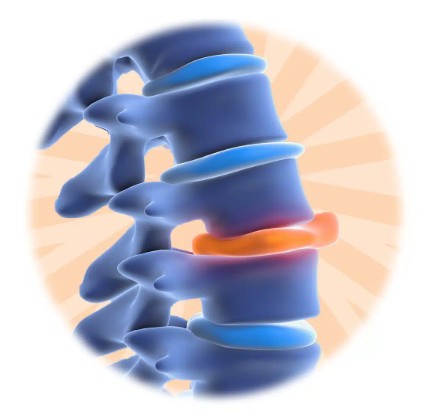
Imagine your spine as a stack of heavy books. Between each book (or vertebra) sits a soft cushion — the intervertebral disc. These discs act like shock absorbers, helping your spine flex, twist, and support your body day in and day out.
As described by Nura Clinics, a disc becomes herniated when it’s “squished or pushed out of place,” and sometimes it even leaks gel-like material. Nura Pain Clinics+1 When that happens, pain and other symptoms can follow.
What is a Herniated Disc?
A herniated disc (also called a slipped or ruptured disc) occurs when the soft interior of a spinal disc bulges or leaks through its tougher outer layer. In simple terms: the cushion fails. The result can be pressure on nearby nerves, irritation, inflammation, and the familiar pain many people dread.
This condition may be referred to as “disc herniation,” “disc prolapse,” or “slipped disc,” but regardless of the name, the basic mechanism is similar.
Why It Happens
There are a few reasons a herniated disc may occur:
-
Aging and degeneration: Over time, spinal discs lose water content and elasticity, making them more vulnerable to damage.
-
Repetitive stress or injury: Lifting heavy objects, twisting awkwardly, or performing the same motion repeatedly can push a disc beyond its safe limits.
-
Sudden trauma: A fall, accident, or sudden jolt can cause a disc to herniate.
-
Genetics & lifestyle factors: Some people have a predisposition to disc problems; smoking, sedentary habits, or poor posture may also contribute.
Where It Occurs & What You Might Feel
Herniated discs can happen in various parts of the spine, most commonly in the lumbar (lower back) region and the cervical (neck) region. The symptoms vary depending on location:
-
Lower back (lumbar region): One of the most common symptoms is sciatica — pain that radiates from the lower back down through the buttocks, thighs, calves, and sometimes into the feet and toes.
-
Neck (cervical region): If the herniation occurs in the neck, you might feel pain, tingling or numbness in the shoulders, arms, hands, or fingers.
-
Numbness, tingling & weakness: A herniated disc may compress or irritate a nerve root, interfering with the signals traveling between your brain and muscles. The result: numbness or tingling, muscle weakness, clumsiness or difficulty with fine motor movements.
Diagnosing a Herniated Disc
It starts with your medical history and a physical exam. The clinician will check your posture, range of motion, reflexes, strength and sensations in your arms or legs. If there are red flags — like severe pain, loss of bladder or bowel control, or progressive weakness — imaging may be ordered. At Nura Clinics, advanced techniques like MRI (magnetic resonance imaging) are used to visualize the spine and confirm the diagnosis.
Getting the right diagnosis is crucial because symptoms like back pain and leg weakness can arise from many conditions — including degenerative disc disease, spinal stenosis, facet joint syndrome.
Treatment Options: From Conservative to Advanced
The good news: many people with herniated discs improve without surgery. But “conservative” doesn’t mean ignoring it; it means using appropriate, evidence-based treatments. Here are the treatment pathways:
1. Conservative / Non-invasive therapies
-
Physical therapy: A tailored program that strengthens supporting muscles, improves flexibility, corrects posture, and teaches safe movement patterns.
-
Medications: Over-the-counter pain relievers, anti-inflammatories, muscle relaxants, or prescription medications may play a role.
-
Lifestyle changes: Weight management, smoking cessation, ergonomic adjustments, and staying active help a great deal.
2. Interventional procedures
If conservative treatments aren’t enough, clinics like Nura offer advanced options under one roof. These may include:
-
Epidural steroid injections: Delivering anti-inflammatory drugs directly around the nerve roots.
-
Intradiscal therapies: Treatments applied directly to the disc.
-
Spinal cord stimulation or targeted drug delivery: For more complex or chronic pain issues when other treatments have failed.
3. Surgery
Surgery is generally considered when:
-
There’s significant and progressive muscle weakness;
-
You’ve lost bladder or bowel control (which may indicate cauda equina syndrome, a medical emergency);
-
All other treatments have failed, and symptoms persist in a way that prevents normal life.
In such cases, the surgeon may perform discectomy (removal of disc material), laminectomy (removal of part of the vertebra to relieve pressure) or spinal fusion (joining two or more vertebrae).
Recovery & What You Can Expect
Recovery depends on the severity of the herniation, your health, the treatments used, and how well you follow your care plan. Many people resume normal activity within weeks to months. Important recovery steps include:
-
Staying active within comfortable limits (bed rest for long periods is rarely helpful)
-
Continuing physical therapy
-
Gradually increasing activity and improving posture
-
Monitoring for any return or worsening of symptoms
Prevention and Long-Term Actions
While you can’t always prevent a disc from herniating, you can reduce your risk and support your spine’s health:
-
Maintain a healthy weight to reduce pressure on the spine
-
Use safe lifting techniques — bend the knees, keep your back straight, avoid twisting
-
Stay active and strengthen core, abdomen and back muscles
-
Maintain good posture when sitting and standing
-
Quit smoking (smoking compromises disc nutrition and healing)
-
Use ergonomic furniture and supportive chairs if you spend long hours at a desk
When to Seek Help Immediately
While many cases are manageable, some situations demand urgent medical attention:
-
New onset loss of bladder or bowel control
-
Sudden, severe weakness in the legs or arms
-
Loss of sensation in the groin, inner thighs or feet (“saddle anesthesia”)
-
Sudden, severe pain after trauma
If you notice any of these signs, seek emergency care without delay.
Final Thoughts
Herniated discs are a common — and often very treatable — source of back or neck pain. With the proper diagnosis, a tailored treatment plan, and a commitment to recovery and prevention, many people go on to live active, fulfilling lives. What matters most is recognizing the symptoms early, working with a specialist team, and choosing the path that fits you.
Clinics like Nura provide a comprehensive approach: from physical therapy to injections to advanced interventions, all under one roof. If you’re experiencing persistent pain, numbness, or weakness, don’t wait. Get evaluated and start building your path to relief. Call Nura Clinics at 763-537-6000 or visit the website at www.nuraclinics.com
- To view the original version of this article visit www.nuraclinics.com/conditions/back-and-neck-pain/herniated-disc/
- Seniors Blue Book was not involved in the creation of this content.
Other Articles You May Like
Why Social Connection Is So Important for Seniors
As we age, staying socially connected can become just as important as staying physically active. Friendships, family relationships, community involvement, and regular social activities can bring joy and purpose to everyday life.Retirement and other life changes can sometimes reduce opportunities for social interaction. Children may live farther away, friends may move or pass away, and health or mobility changes may make it harder to participate in activities outside the home.For these reasons, finding meaningful ways to stay connected is an important part of healthy aging. Social connection can support emotional well-being, encourage an active lifestyle, and help seniors continue to feel a strong sense of belonging.Social Connection Can Help Reduce LonelinessLoneliness can affect anyone, but older adults may experience changes in their social networks as they age. Spending too much time alone can leave a senior feeling disconnected from family, friends, and the community around them.Regular social interaction provides opportunities to talk, laugh, share experiences, and simply enjoy another person's company.Even simple activities such as having coffee with a friend, eating a meal with others, attending a group activity, or taking a walk together can help a senior feel more connected.Friendships Give Seniors a Sense of BelongingFriendships remain important throughout life. Having people to talk with and share experiences with can provide comfort and companionship.Senior living communities can provide opportunities to develop new friendships while maintaining existing relationships. Shared meals, social gatherings, clubs, classes, and recreational activities give residents natural opportunities to meet people with similar interests.Making new friends can help a senior feel that they are part of a community rather than living in isolation.Social Activities Can Provide a Sense of PurposeHaving something to look forward to can make a meaningful difference in a person's daily life. Social activities give seniors opportunities to participate, contribute, and remain involved.For example, a senior might: Volunteer in the community Participate in a hobby group Attend an educational class Help organize an activity Join an exercise or walking group Enjoy music, games, or crafts with others Participate in community events These activities can provide structure while encouraging seniors to continue exploring their interests.Staying Connected Can Encourage Physical ActivitySocial interaction and physical activity often go hand in hand. Seniors may be more motivated to take a walk, attend an exercise class, or participate in an outdoor activity when they know friends will be joining them.Being active with others can make exercise more enjoyable and less like a chore.Regular movement is an important part of maintaining strength, balance, mobility, and independence as we age. Social activities that incorporate movement can provide both physical and social benefits.Social Engagement Keeps the Mind ActiveConversations, games, classes, hobbies, and other social activities can provide opportunities for seniors to think, learn, communicate, and solve problems.Trying something new or participating in a discussion with others can help keep everyday life interesting and mentally stimulating.Lifelong learning can also be an enjoyable way for older adults to meet people while exploring new interests or continuing to develop existing ones.Family Connections Remain ImportantWhile friendships and community involvement are valuable, family relationships can also provide an important source of social connection.Regular phone calls, video chats, visits, shared meals, and family activities can help seniors maintain close relationships with children, grandchildren, siblings, and other loved ones.When family members live nearby, visiting in person can be especially meaningful. When distance makes regular visits difficult, technology can help families stay connected between visits.Senior Living Communities Can Create Opportunities for ConnectionOne benefit of a senior living community is the opportunity to live among other people in a similar stage of life.Instead of having to arrange every social interaction, seniors may have activities and opportunities for connection close to home. Dining areas, common spaces, walking paths, fitness programs, educational opportunities, clubs, and community events can make socializing a natural part of daily life.Residents can choose the level of participation that feels right for them. Some may enjoy a busy schedule filled with activities, while others may prefer smaller gatherings and quiet conversations with friends.Staying Connected Can Help Seniors Maintain IndependenceSocial connection is also part of maintaining an active and fulfilling lifestyle. Seniors who remain engaged with others may be more likely to continue participating in hobbies, community activities, exercise, and other interests.Having friends and neighbors nearby can also provide an informal support network. Someone may notice when a friend isn't feeling well, offer encouragement, or simply check in after a difficult day.This sense of community can be especially valuable as circumstances change.It's Never Too Late to Build New RelationshipsSome seniors may hesitate to meet new people after moving to a new community or experiencing major changes in their lives. It can take time to feel comfortable in a new environment.Starting small can help. Saying hello to a neighbor, joining one activity, having a meal with others, or attending a class based on a personal interest can be a good first step.Over time, these small interactions can develop into meaningful friendships.How Families Can Encourage Social ConnectionFamily members can play an important role in helping an older loved one remain socially active.Consider encouraging a senior to: Stay in regular contact with family and friends Participate in activities they enjoy Explore new hobbies Attend community events Volunteer when possible Join an exercise or walking group Try a class or educational program Consider a senior living community if living alone has become isolating Most importantly, listen to what the senior wants. Social connection should be meaningful to the individual rather than simply adding more activities to their schedule.A Connected Life Can Be a Fulfilling LifeGrowing older brings many opportunities to enjoy new experiences, relationships, hobbies, and interests. Staying socially connected can help seniors maintain a sense of belonging and purpose while making everyday life more enjoyable.Whether through family, friendships, volunteering, lifelong learning, hobbies, or a senior living community, there are many ways older adults can remain connected.At Landis Homes, opportunities for community, friendship, wellness, learning, and meaningful engagement can be an important part of the senior living experience. Finding the right environment can help older adults continue living an active and connected life while building relationships and enjoying each new chapter.
How Better Hearing Can Help Seniors Stay Socially Connected
Staying socially connected is an important part of healthy aging. Spending time with family, talking with friends, attending community events, and participating in hobbies can help seniors maintain meaningful relationships and enjoy a greater sense of purpose.However, hearing loss can sometimes make social activities more difficult. When conversations become challenging to follow, a senior may begin avoiding restaurants, family gatherings, clubs, religious services, or other activities they once enjoyed.The good news is that addressing hearing loss may make it easier for seniors to communicate, participate, and remain connected with the people and activities that matter most.Hearing Loss Can Make Conversations More DifficultOne of the most noticeable effects of hearing loss is difficulty following conversations. This can be especially challenging when several people are talking at once or when there is background noise.A senior may hear that someone is speaking but has trouble understanding the words. They may frequently ask others to repeat themselves or worry that they are responding incorrectly.Over time, these challenges can make everyday conversations frustrating and exhausting.Social Situations Can Become OverwhelmingMany popular social activities take place in environments where hearing clearly can be difficult. Restaurants, family celebrations, community centers, and sporting events may all have background noise that makes conversation harder to understand.Someone experiencing hearing loss may begin to think: "It's too noisy for me to hear." "I don't want to keep asking people to repeat themselves." "I'm afraid I'll miss something important." "It's easier to stay home." When these feelings lead a senior to participate less often, they can gradually become less socially active.Better Hearing Can Make Family Time More EnjoyableFamily relationships are an important source of connection for many older adults. Being able to comfortably hear conversations can make visits with children, grandchildren, siblings, and other loved ones more enjoyable.Better hearing can help seniors participate in conversations instead of simply listening from the sidelines. It can also make it easier to hear grandchildren's stories, enjoy jokes, discuss family news, and stay involved in everyday conversations.These seemingly small interactions can make a big difference in maintaining close relationships.Hearing Can Help Seniors Stay Involved in Their CommunitiesSocial connection extends beyond family. Seniors may have friendships and relationships through volunteer activities, senior centers, clubs, classes, faith communities, exercise groups, or other organizations.When hearing difficulties interfere with participation, a senior may gradually stop attending.Addressing hearing loss may help make these activities more comfortable. Being able to follow conversations and interact with others can encourage seniors to continue participating in the communities they enjoy.Better Hearing May Increase ConfidenceHearing loss can sometimes affect a person's confidence in social situations. A senior may worry about misunderstanding a question, giving an inappropriate response, or missing an important part of a conversation.These concerns can cause someone to become quieter or withdraw from conversations.Improving hearing may provide greater confidence. When seniors can hear and understand what is being said, they may feel more comfortable speaking up, asking questions, and participating in conversations.Staying Socially Active Is Important as We AgeMaintaining social connections can contribute to overall quality of life. Friends and family can provide companionship, encouragement, emotional support, and opportunities to stay engaged with the world around us.Social activities also give seniors opportunities to laugh, share experiences, learn new things, and maintain a sense of belonging.Hearing well can make it easier to take advantage of these opportunities.Hearing Aids May Help Seniors Participate More FullyFor seniors with hearing loss, hearing aids may be one option for improving communication. Modern hearing aids are designed to amplify sounds and can be selected and adjusted based on an individual's hearing needs and lifestyle.A hearing professional can evaluate a person's hearing and discuss whether hearing aids may be appropriate.It is important to remember that hearing aids are not necessarily an instant solution. Seniors may need time to adjust to hearing sounds differently, and follow-up appointments can help ensure that the devices are working comfortably and effectively.Family Members Can Help, TooFamily and friends can make communication easier for someone experiencing hearing loss.Simple changes can include: Getting the person's attention before speaking Facing them during conversations Speaking clearly and at a comfortable pace Reducing unnecessary background noise Moving to a quieter area when possible Avoiding shouting Being patient when something needs to be repeated These strategies can help make conversations more comfortable for everyone.Don't Let Hearing Loss Lead to IsolationHearing loss does not have to mean giving up the activities and relationships a senior enjoys. If communication has become increasingly difficult, it may be time to have hearing evaluated.Some common signs that a hearing evaluation may be helpful include: Frequently asking others to repeat themselves Turning the television volume higher than others prefer Having difficulty understanding conversations in restaurants or groups Struggling to hear on the telephone Feeling that people are mumbling Avoiding social gatherings because hearing is difficult Relying heavily on watching people's faces or lips when they speak Recognizing these signs and seeking professional guidance can be an important first step toward staying socially engaged.Better Hearing Can Help Seniors Stay ConnectedSocial connection is an important part of enjoying life at any age. For seniors experiencing hearing loss, improving communication may make it easier to participate in conversations, spend time with loved ones, maintain friendships, and continue enjoying favorite activities.If you or someone you love is having difficulty hearing, consider scheduling a professional hearing evaluation. Understanding the cause and degree of hearing loss can help determine what options may be available.Darrell M. Sipe Opticians & Hearing Aids is committed to helping patients with their hearing and vision needs. Better hearing can be about much more than hearing sounds, it can help seniors remain involved, confident, and connected to the people and activities that make life meaningful.
Hearing Loss and Independence: What Seniors Should Know
Independence is important at every stage of life. For many seniors, being independent means being able to communicate with others, make their own decisions, participate in social activities, manage everyday responsibilities, and continue doing the things they enjoy.Hearing plays an important role in maintaining that independence. When hearing loss goes untreated, everyday communication can become more difficult and frustrating. Over time, some seniors may begin avoiding situations where they have trouble hearing or relying more heavily on family members for help.The good news is that hearing loss doesn't have to mean giving up your independence. Understanding the signs of hearing loss and seeking appropriate hearing care can help seniors stay connected and confident in their daily lives.How Hearing Loss Can Affect IndependenceHearing loss can affect much more than the ability to hear a conversation. It can influence how a senior interacts with family, friends, healthcare providers, coworkers, and members of the community.For example, a senior with hearing loss may have difficulty: Understanding instructions Communicating with healthcare providers Hearing someone at the front door or on the telephone Following conversations in restaurants or other busy environments Participating in group activities Communicating while shopping or running errands Hearing alarms, doorbells, or other important sounds Staying connected with family and friends When these challenges become frustrating, a person may begin relying on others or avoiding certain activities altogether.Hearing Loss Can Make Communication More DifficultCommunication is a major part of independent living.If you frequently have to ask people to repeat themselves or find yourself guessing what someone said, everyday conversations can become tiring.You may also find yourself depending on family members to repeat information or explain what was said during important conversations.Addressing hearing difficulties can make it easier to communicate directly and confidently with the people around you.Staying Connected Is Part of Staying IndependentIndependence doesn't mean doing everything alone. Maintaining relationships and staying involved in your community are also important parts of a fulfilling life.Hearing loss can sometimes cause seniors to withdraw from social activities because they are embarrassed or frustrated when they cannot follow conversations.A person may stop going to restaurants, attending family gatherings, participating in community activities, or visiting friends.Seeking hearing care may make it easier to participate in these activities and maintain the social connections that contribute to a healthy and active lifestyle.Hearing Loss and Healthcare ConversationsClear communication with healthcare providers is especially important for older adults.During medical appointments, seniors may need to understand instructions, ask questions, discuss symptoms, and make decisions about their care.Having difficulty hearing important information can create unnecessary confusion.If you have hearing loss, let your healthcare provider know. Wearing your hearing aids when appropriate, asking people to speak clearly, and choosing a quieter environment can make important conversations easier.Hearing Aids May HelpFor seniors with hearing loss, hearing aids may help improve access to speech and everyday sounds.Modern hearing aids are available in a variety of styles and technology levels. A hearing professional can evaluate your hearing and help determine what type of device may be appropriate for your individual needs.Hearing aids don't necessarily make hearing the same as it was before hearing loss. However, they can help many people hear speech and environmental sounds more easily.The right hearing solution depends on factors such as hearing loss, lifestyle, communication needs, comfort, and personal preferences.Getting Used to Hearing Aids Takes TimeIf you are new to hearing aids, remember that adjusting to them can take time.Sounds may initially seem different or louder than you remember. Your brain needs time to become accustomed to hearing sounds through devices.Work with your hearing professional and follow their recommendations for wearing and caring for your hearing aids. Follow-up appointments can also help address comfort or sound-quality concerns and allow adjustments when needed.Simple Strategies Can Make Communication EasierWhether or not you use hearing aids, there are ways to make everyday communication more successful.Reduce Background NoiseWhen possible, move to a quiet area before having an important conversation. Turning down the television or radio can make it easier to focus on speech.Face the Person SpeakingBeing able to see the speaker's face provides helpful visual information and can make communication easier.Ask People to Speak ClearlyIf you dont understand something, don't be afraid to ask the person to repeat or rephrase it.Be Open About Your HearingLet friends, family members, and healthcare providers know if you have difficulty hearing. Most people are happy to make small adjustments when they understand what you need.Don't Let Embarrassment Stand in Your WaySome seniors avoid talking about hearing loss because they worry that wearing hearing aids will make them appear older or less independent.In reality, taking action to address hearing loss can be a positive step toward maintaining independence.Seeking professional help doesn't mean you are giving up control. It means you are taking an active role in managing your health and finding ways to make everyday life easier.Family Members Can Offer SupportFamily members can play an important role in helping seniors address hearing loss, but the senior should remain involved in decisions about their hearing care.Instead of making decisions for your loved one, encourage them to have their hearing evaluated and learn about their options.Be patient during conversations and avoid shouting. Face them when speaking, reduce background noise, and give them time to respond.Support and encouragement can make it easier for a senior to take the first step toward better hearing.When Should You Have Your Hearing Checked?If you have noticed changes in your hearing, don't wait until communication becomes extremely difficult before seeking help.Consider scheduling a hearing evaluation if you: Frequently ask people to repeat themselves Turn the television volume up higher than others prefer Have trouble hearing in restaurants or groups Struggle to understand conversations on the telephone Feel that people are mumbling Avoid social activities because hearing is difficult Have difficulty hearing important sounds around your home A professional hearing evaluation can help determine whether hearing loss is present and provide information about your options.Protecting Your Independence Starts With Taking Care of YourselfHearing loss doesn't have to prevent seniors from living active, independent lives. Recognizing hearing difficulties and seeking appropriate care can help make communication easier and support continued participation in the activities and relationships that matter most.If you or someone you love is experiencing hearing difficulties, consider scheduling a professional hearing evaluation. Understanding your hearing is the first step toward finding the right solution for your needs.Darrell M. Sipe Opticians & Hearing Aids provides hearing care services to help seniors understand their hearing needs and explore appropriate solutions.Your independence is worth protecting. Don't let untreated hearing loss keep you from communicating, participating, and enjoying the life you want to live.
Local Services By This Author
Nura Pain Clinic
Knee Pain Care 7400 France Ave S, Edina, Minnesota, 55435Nura Pain Clinics: Redefining Pain Management with Compassion and ExpertiseIn a world where the specter of pain looms large for so many, Nura Pain Clinics emerges as a beacon of hope and healing, dedicated to transforming the landscape of pain management. Founded on the principles of compassion, expertise, and innovation, Nura is more than just a clinic; it's a sanctuary where individuals find solace, support, and solutions on their journey toward relief and recovery.A Sanctuary of Healing:Step into the tranquil embrace of Nura Pain Clinics, and you're immediately enveloped in an atmosphere of warmth and reassurance. The clinic's ambiance is carefully curated to soothe the senses, with soft lighting, calming colors, and the gentle murmur of flowing water creating a haven of tranquility amidst the chaos of everyday life. Here, amidst the hustle and bustle of modernity, individuals find respite from the burdens of pain, welcomed with open arms into a space where healing is not just a goal but a guiding principle.Expertise That Inspires Confidence:At the heart of Nura Pain Clinics lies a team of dedicated professionals, each a beacon of expertise and compassion in their respective fields. Led by renowned pain management specialists, the clinical staff at Nura brings together a wealth of knowledge, experience, and skill to bear on the complex challenges of pain. From board-certified physicians to highly trained nurse practitioners, physical therapists, and holistic wellness practitioners, every member of the Nura team is united by a singular purpose: to provide the highest standard of care with unwavering compassion and integrity.Comprehensive Care, Tailored Solutions:Pain is as diverse and multifaceted as the individuals who experience it, and at Nura Pain Clinics, the approach to treatment reflects this fundamental truth. Here, there are no one-size-fits-all solutions; instead, every patient receives a comprehensive evaluation and a personalized treatment plan tailored to their unique needs, goals, and circumstances. Whether managing acute pain, chronic conditions, or the complex interplay of physical and emotional distress, clients can expect compassionate care that addresses the root causes of pain while promoting holistic well-being.Innovative Techniques, Evidence-Based Practice:In the pursuit of pain relief, innovation is key, and Nura Pain Clinics stands at the forefront of the latest advancements in pain management. From cutting-edge procedures and minimally invasive interventions to evidence-based pharmacotherapy and integrative therapies, the clinic offers a comprehensive array of treatment options designed to alleviate pain, restore function, and improve quality of life. Yet, amidst this commitment to innovation, Nura remains grounded in the principles of evidence-based practice, ensuring that every treatment modality is rigorously evaluated for safety, efficacy, and long-term outcomes.
Nura Pain Clinic
Spine & Joint Care 7400 France Ave S, Edina, Minnesota, 55435Nura Pain Clinics: Redefining Pain Management with Compassion and ExpertiseIn a world where the specter of pain looms large for so many, Nura Pain Clinics emerges as a beacon of hope and healing, dedicated to transforming the landscape of pain management. Founded on the principles of compassion, expertise, and innovation, Nura is more than just a clinic; it's a sanctuary where individuals find solace, support, and solutions on their journey toward relief and recovery.A Sanctuary of Healing:Step into the tranquil embrace of Nura Pain Clinics, and you're immediately enveloped in an atmosphere of warmth and reassurance. The clinic's ambiance is carefully curated to soothe the senses, with soft lighting, calming colors, and the gentle murmur of flowing water creating a haven of tranquility amidst the chaos of everyday life. Here, amidst the hustle and bustle of modernity, individuals find respite from the burdens of pain, welcomed with open arms into a space where healing is not just a goal but a guiding principle.Expertise That Inspires Confidence:At the heart of Nura Pain Clinics lies a team of dedicated professionals, each a beacon of expertise and compassion in their respective fields. Led by renowned pain management specialists, the clinical staff at Nura brings together a wealth of knowledge, experience, and skill to bear on the complex challenges of pain. From board-certified physicians to highly trained nurse practitioners, physical therapists, and holistic wellness practitioners, every member of the Nura team is united by a singular purpose: to provide the highest standard of care with unwavering compassion and integrity.Comprehensive Care, Tailored Solutions:Pain is as diverse and multifaceted as the individuals who experience it, and at Nura Pain Clinics, the approach to treatment reflects this fundamental truth. Here, there are no one-size-fits-all solutions; instead, every patient receives a comprehensive evaluation and a personalized treatment plan tailored to their unique needs, goals, and circumstances. Whether managing acute pain, chronic conditions, or the complex interplay of physical and emotional distress, clients can expect compassionate care that addresses the root causes of pain while promoting holistic well-being.Innovative Techniques, Evidence-Based Practice:In the pursuit of pain relief, innovation is key, and Nura Pain Clinics stands at the forefront of the latest advancements in pain management. From cutting-edge procedures and minimally invasive interventions to evidence-based pharmacotherapy and integrative therapies, the clinic offers a comprehensive array of treatment options designed to alleviate pain, restore function, and improve quality of life. Yet, amidst this commitment to innovation, Nura remains grounded in the principles of evidence-based practice, ensuring that every treatment modality is rigorously evaluated for safety, efficacy, and long-term outcomes.
Nura Pain Clinic
Spine & Joint Care 2104 Northdale Blvd NW, Ste 220, Coon Rapids, Minnesota, 55433Nura Pain Clinics: Redefining Pain Management with Compassion and ExpertiseIn a world where the specter of pain looms large for so many, Nura Pain Clinics emerges as a beacon of hope and healing, dedicated to transforming the landscape of pain management. Founded on the principles of compassion, expertise, and innovation, Nura is more than just a clinic; it's a sanctuary where individuals find solace, support, and solutions on their journey toward relief and recovery.A Sanctuary of Healing:Step into the tranquil embrace of Nura Pain Clinics, and you're immediately enveloped in an atmosphere of warmth and reassurance. The clinic's ambiance is carefully curated to soothe the senses, with soft lighting, calming colors, and the gentle murmur of flowing water creating a haven of tranquility amidst the chaos of everyday life. Here, amidst the hustle and bustle of modernity, individuals find respite from the burdens of pain, welcomed with open arms into a space where healing is not just a goal but a guiding principle.Expertise That Inspires Confidence:At the heart of Nura Pain Clinics lies a team of dedicated professionals, each a beacon of expertise and compassion in their respective fields. Led by renowned pain management specialists, the clinical staff at Nura brings together a wealth of knowledge, experience, and skill to bear on the complex challenges of pain. From board-certified physicians to highly trained nurse practitioners, physical therapists, and holistic wellness practitioners, every member of the Nura team is united by a singular purpose: to provide the highest standard of care with unwavering compassion and integrity.Comprehensive Care, Tailored Solutions:Pain is as diverse and multifaceted as the individuals who experience it, and at Nura Pain Clinics, the approach to treatment reflects this fundamental truth. Here, there are no one-size-fits-all solutions; instead, every patient receives a comprehensive evaluation and a personalized treatment plan tailored to their unique needs, goals, and circumstances. Whether managing acute pain, chronic conditions, or the complex interplay of physical and emotional distress, clients can expect compassionate care that addresses the root causes of pain while promoting holistic well-being.Innovative Techniques, Evidence-Based Practice:In the pursuit of pain relief, innovation is key, and Nura Pain Clinics stands at the forefront of the latest advancements in pain management. From cutting-edge procedures and minimally invasive interventions to evidence-based pharmacotherapy and integrative therapies, the clinic offers a comprehensive array of treatment options designed to alleviate pain, restore function, and improve quality of life. Yet, amidst this commitment to innovation, Nura remains grounded in the principles of evidence-based practice, ensuring that every treatment modality is rigorously evaluated for safety, efficacy, and long-term outcomes.