Understanding Joint Pain: What It Is, Why It Happens & How to Address It
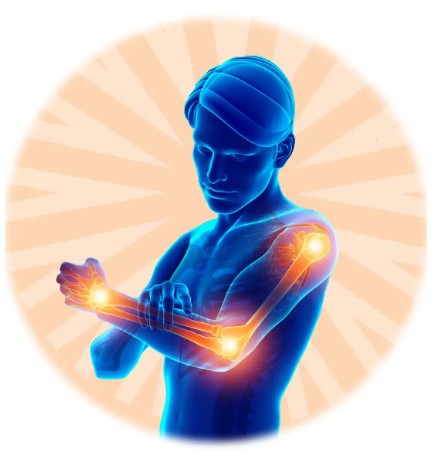
Joint pain is a common complaint. Whether it’s your knees after climbing stairs, your shoulder after reaching overhead, or your fingers after a day of typing — at its core, “joint pain” simply means discomfort or dysfunction in one or more of the body’s joints. But the causes, patterns, and implications can vary widely.
At Nura Pain Clinics, joint pain is one of many conditions addressed in their arm-and-leg pain program. Because joints bear loads, allow movement, and connect bones and muscles, they’re susceptible to wear, injury, inflammation, and disease.
What Are Joints and Why Can They Hurt?
A joint is where two or more bones meet. It’s more than a simple hinge or pivot: many joints have cartilage, synovial fluid, ligaments, tendons, and surrounding muscles all working together. When any part of this system is compromised — the cartilage wears down, fluid becomes inflamed, ligaments stretch, bones shift — pain or reduced motion can result.
Here are some common reasons joints hurt:
-
Degeneration – Over time, cartilage wears thin (as in osteoarthritis), or structures weaken.
-
Inflammation – Conditions like rheumatoid arthritis cause the joint lining to swell and become painful.
-
Injury/trauma – Sprains, fractures, dislocations, or repetitive overuse can damage a joint.
-
Biomechanical stress – Poor posture, muscle weakness, or imbalanced movement patterns can overload a joint.
-
Infection or metabolic conditions – Gout (uric acid crystals), Lyme disease, and other conditions may lead to joint pain.
-
Referred pain/nerve involvement – Sometimes joint pain stems from nearby nerves, tendons, or cartilage damage rather than the joint itself.
Typical Symptoms & Patterns
When joint pain occurs, you might notice:
-
Aching or sharp pain when moving or bearing weight on the joint.
-
Swelling, warmth, or redness around the joint.
-
Limited range of motion or stiffness after rest (e.g., morning stiffness).
-
Grinding, clicking, or "giving way" sensation in the joint.
-
Pain that worsens with particular activities, or improves with rest.
-
Pain that moves (for example, knee pain spreading into the thigh or calf) when nerve involvement is present.
Because joints vary (knee vs shoulder vs ankle), the pattern of symptoms helps in narrowing down the cause.
How Joint Pain Is Diagnosed
At a clinic like Nura, the process generally includes:
-
Medical history & physical exam – What joint(s) hurt, how long, what triggers or eases it. Examining alignment, muscle strength, swelling, range of motion.
-
Imaging – X-rays, MRIs, or CT scans may be used to visualize cartilage loss, bone spurs, joint fluid, or structural damage.
-
Lab tests – Especially if inflammation or systemic disease is suspected (e.g., rheumatoid factor, uric acid).
-
Diagnostic injections or nerve tests – In some cases, injecting a numbing agent into a joint or using electromyography helps determine if nerve-related pain is involved.
-
Motion/biomechanics assessment – Evaluating how you move and if movement patterns or muscle weaknesses are contributing.
Correct diagnosis is key: joint pain might look straightforward but actually stem from tendonitis, bursitis, referred nerve pain, or underlying systemic disease.
Treatment: From Conservative to Advanced
The good news: many cases of joint pain improve with conservative measures. The advanced clinics, like Nura, offer a full spectrum of care — so whether it’s simple joint care or complex intervention, you’re covered.
1. Conservative / Non-invasive care
-
Physical therapy: Strengthening the muscles around the joint, improving movement patterns, increasing flexibility.
-
Lifestyle modifications: Weight management, avoiding joint overload, ergonomic and movement adjustments.
-
Pain relief & anti-inflammatory medication: Over-the-counter or prescription as needed.
-
Joint injections: Corticosteroids or hyaluronic acid to ease inflammation or improve lubrication.
-
Bracing, orthotics or assistive devices: To offload stress or stabilize a joint.
2. Interventional procedures
When conservative care isn’t enough, a multidisciplinary pain clinic may consider:
-
Targeted joint injections with advanced imaging.
-
Radiofrequency ablation or nerve blocks if adjacent nerve pain contributes.
-
Minimally invasive joint repair or debridement.
-
For certain joints (e.g., sacroiliac), joint fusion or stabilization procedures. For example, Nura recently performed a sacroiliac joint fusion using a novel implant.
-
Usually the goal: reduce pain, restore function, avoid major surgery.
3. Surgical options
When structural joint damage is severe (e.g., advanced osteoarthritis, major injury, joint instability) and other treatments have failed, surgical options may be considered:
-
Joint replacement (e.g., knee, hip).
-
Joint fusion (eliminating movement in a painful joint).
-
Arthroscopic surgery to clean out damaged tissue.
These decisions usually come after careful evaluation and when the benefits outweigh risks.
Living Better: Recovery & Long-Term Maintenance
Successful treatment of joint pain isn’t just about relieving symptoms — it’s about returning to meaningful activity and maintaining joint health over time. Key strategies:
-
Stay active: Movement keeps joints lubricated, muscles strong, and circulation optimal.
-
Strengthen supporting muscles: Strong hips, core, shoulders (depending on the joint) reduce joint load.
-
Use proper technique: Whether lifting, bending, reaching — form matters.
-
Monitor weight: Extra body weight places more stress on weight-bearing joints like knees, hips, ankles.
-
Incorporate low-impact exercise: Swimming, biking, yoga can help maintain mobility with less wear.
-
Listen to your body: If pain changes in pattern or becomes severe, re-evaluate with a professional.
When to Seek Immediate Help
While many joint pain cases are manageable, certain signs require prompt medical attention:
-
Sudden joint swelling with redness/warmth (possible infection).
-
Inability to bear weight or use the joint.
-
Joint gives way repeatedly or “locks” in a position.
-
Signs of systemic disease (fever, unexplained weight loss, multiple joints involved).
-
Numbness or tingling spreading from the joint — potential nerve issue.
Final Thoughts
Joint pain is not something to simply “put up with.” It might feel like a normal part of aging, but at its root, many cases have treatments — and many patients reclaim mobility, activity, and enjoyment.
Clinics like Nura Pain Clinics exemplify a modern approach: combining physical therapy, lifestyle support, minimally invasive interventions, and full-service evaluation. This kind of integrated model means joint pain is not just treated — it’s managed in a way that addresses cause, function, and life.
If you’re managing persistent joint pain, don’t wait. Reach out for a full evaluation. With the right team, the right diagnosis, and the right plan, you can be well on your way to better movement, less pain, and more freedom.
Disclaimer: This article is for informational purposes only and does not replace professional medical advice. Always consult your healthcare provider for diagnosis and treatment of any medical condition.