A Lifeline for Seniors and Family Caregivers
Seniors Resource Center
For more information about the author, click to view their website: Seniors Resource Center Adult Day & Respite Services
Jun 22, 2026
Colorado - Denver Metro

Email US
Click to Email Us
A Lifeline for Seniors and Family Caregivers
Caring for an aging loved one is one of the most meaningful responsibilities a family can take on. It can also be one of the most demanding. Across Wheat Ridge and nearby communities, many family caregivers are balancing full-time jobs, parenting responsibilities, and the daily needs of aging parents or spouses.
Over time, even the most dedicated caregivers need support.
That’s where adult day services make a life-changing difference.
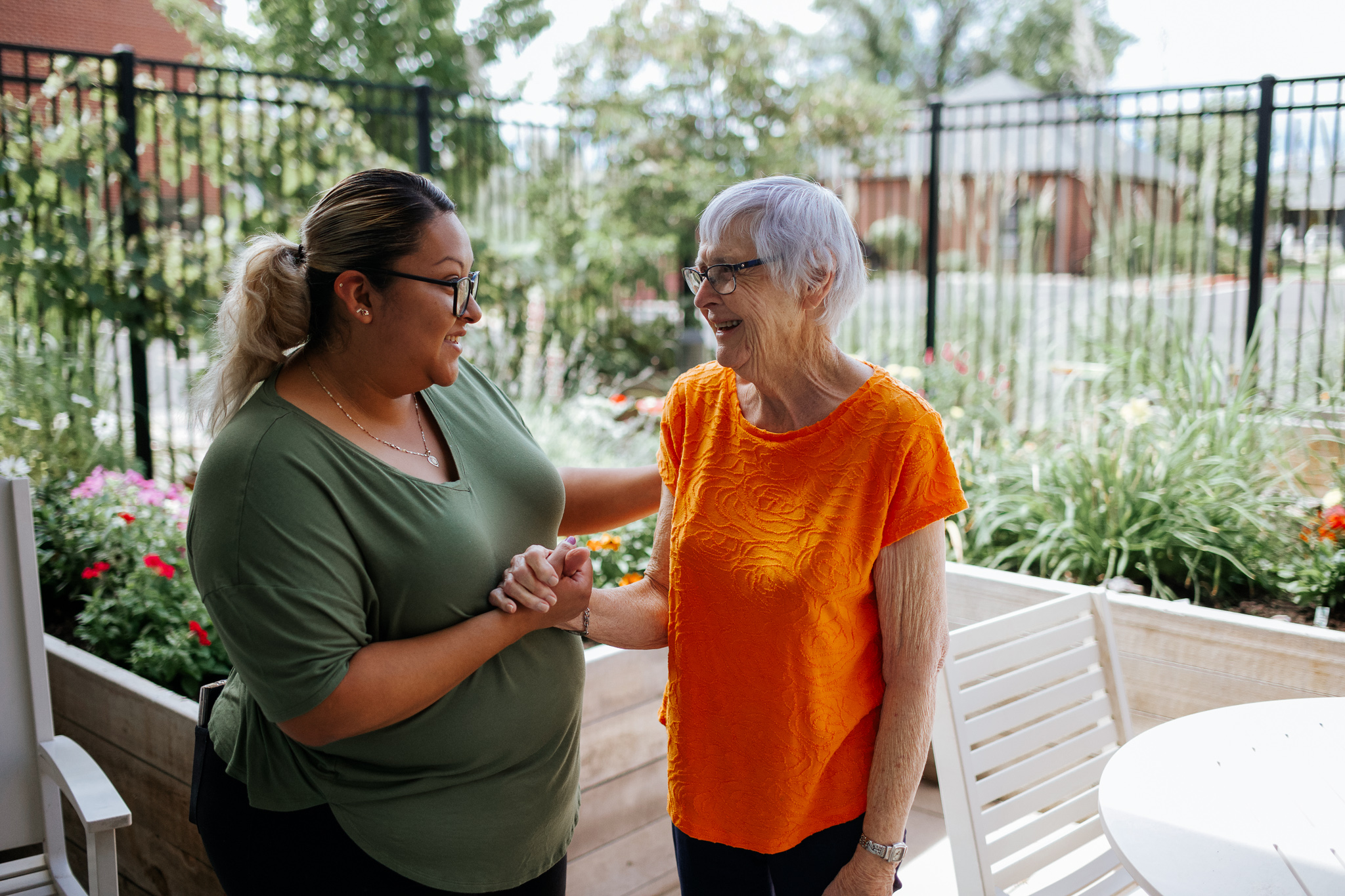
For families in Wheat Ridge, Seniors Resource Center Adult Day & Respite Services provides a safe, engaging, and supportive environment for older adults while giving caregivers valuable peace of mind and much-needed relief.
What Are Adult Day Services?
Adult day services provide structured daytime care for older adults who benefit from supervision, social interaction, therapeutic activities, or personal assistance during the day.
These programs are especially helpful for seniors experiencing:
- Memory loss
- Mobility limitations
- Isolation
- Cognitive decline
- Chronic health conditions
Services often include:
- Supervised care
- Social engagement
- Recreational activities
- Meals and snacks
- Wellness monitoring
- Cognitive stimulation
- Personal care assistance
Adult day programs allow seniors to remain living at home while receiving support during the day.
Why Adult Day Services Matter in Wheat Ridge
Wheat Ridge is known for its strong community spirit, convenient healthcare access, and senior-friendly environment. Located near Denver, the city provides families with access to resources while maintaining a welcoming neighborhood feel.
Many older adults in Wheat Ridge have lived in their homes for decades. They want to age in place while staying connected to their communities.
Adult day services support this goal.
Rather than transitioning immediately into full-time residential care, many seniors benefit from structured daytime programs that encourage activity, connection, and routine.
This creates better outcomes for both seniors and families.
How Seniors Resource Center Supports Families
Seniors Resource Center has long been recognized for serving Colorado families with trusted senior care resources. Their Adult Day & Respite Services program focuses on enriching lives while supporting family caregivers.
The goal is simple: create meaningful days for participants while helping caregivers recharge.
Participants enjoy structured activities designed to encourage:
- Social interaction
- Cognitive engagement
- Emotional wellness
- Physical movement
- Routine and consistency
This supportive environment helps seniors maintain dignity and quality of life.
Teresa Devine explains:
"Caregiving can be rewarding, but no one should have to do it alone. Adult day services provide seniors with connection and purpose while giving caregivers time to rest, work, or simply breathe."
That balance is essential for long-term caregiving success.
Benefits for Seniors
Adult day programs offer more than supervision.
They provide opportunities for seniors to stay active, engaged, and socially connected.
Social Connection
Isolation can negatively affect mental and physical health.
Regular interaction with peers helps improve:
- Mood
- Confidence
- Emotional health
Mental Stimulation
Activities encourage memory, concentration, and engagement.
Examples include:
- Games
- Music
- Art
- Discussion groups
Daily Structure
Routine creates comfort and reduces anxiety for many seniors.
Consistent schedules often improve overall well-being.
Benefits for Family Caregivers
Caregiver burnout is a growing concern.
Many family caregivers experience:
- Stress
- Fatigue
- Anxiety
- Emotional exhaustion
Adult day services help reduce this burden.
Caregivers gain time to:
- Work
- Run errands
- Attend appointments
- Rest and recharge
This support can greatly improve family dynamics and caregiving sustainability.
When to Consider Adult Day Services
Families often wait too long before seeking help.
Consider adult day services if your loved one:
- Spends long hours alone
- Shows signs of loneliness
- Needs daytime supervision
- Has memory concerns
- Requires regular engagement
Early support often leads to better long-term outcomes.
Frequently Asked Questions
Who benefits from adult day services?
Seniors needing supervision, engagement, or companionship during the day often benefit most.
Is adult day care only for seniors with dementia?
No. Adult day services help seniors with a wide range of needs.
Can adult day services delay assisted living?
In many cases, yes. They can help seniors remain at home longer.
How often can someone attend?
Attendance varies based on family needs and program availability.
Do adult day services help caregivers?
Absolutely. Respite is one of the most valuable benefits.
Discover Support for Your Family
Adult day services can provide the right balance of care, independence, and relief for both seniors and caregivers.
For Wheat Ridge families, Seniors Resource Center Adult Day & Respite Services offers compassionate support designed to help everyone thrive.
Visit their Seniors Blue Book listing today to learn more.

Other Articles You May Like
Selling a Longtime Home in Monmouth County, NJ
Selling a home is one of the most significant financial transactions many people make. When the property has been owned for decades, the decision often involves more than selecting an asking price and putting up a sign.The home may hold years of family memories. It may also have maintenance needs, outdated features, or rooms that are no longer used regularly.For older homeowners in Monmouth County, New Jersey, selling may be connected to retirement, downsizing, relocation, or a desire to live closer to family.Some sellers know exactly where they want to move. Others are only beginning to explore whether a smaller property would be more convenient.In either situation, understanding the residential sales process can help homeowners make informed decisions. A successful real estate plan considers property condition, local market information, pricing, marketing, negotiations, and the seller's personal timeline.An experienced real estate agent can help organize these components while explaining the steps involved in a transaction.Geraldine Athas Vazquez, affiliated with RE/MAX Revolution in Spring Lake, has approximately two decades of experience in residential real estate.Her professional background includes property buying and selling, negotiation, marketing, and client representation.For Monmouth County homeowners considering a sale, a thoughtful strategy can help turn a complicated process into manageable decisions. Why Homeowners Decide to SellSelling a property can reflect changing goals rather than an urgent problem.DownsizingSome homeowners want a residence with fewer rooms and lower maintenance responsibilities.RetirementA move may allow the owner to pursue a different lifestyle.Family ProximityLiving closer to relatives may become more important.AccessibilityA different floor plan may offer greater convenience.Financial PlanningSome individuals wish to evaluate their home equity and ongoing expenses.RelocationWork, family, or personal preferences may lead to another community.Estate-Related SalesCertain properties may be sold as part of an estate administration, subject to the representative's legal authority.Before listing, the homeowner should clarify the primary goals and desired timing. Geraldine Athas Vazquez and RE/MAX RevolutionGeraldine Athas Vazquez is a residential real estate agent associated with RE/MAX Revolution in Spring Lake.Her professional biography describes approximately 20 years of industry experience.Her career began in the Los Angeles area before expanding into New Jersey.She previously worked in consumer product marketing and advertising, a background that can support effective property presentation and promotional planning.Residential Buying and SellingGeraldine works with clients navigating real estate transactions.Property MarketingHer background includes experience relevant to communicating a property's features to potential buyers.NegotiationShe emphasizes negotiation and advocating for clients' interests.Market ResearchComparable property information is an important part of developing an asking-price strategy.Transaction CoordinationBuyers and sellers must manage inspections, contracts, financing contingencies, and closing requirements.Client CommunicationHer professional description emphasizes integrity, communication, and attention to individual transactions. Verified Professional InformationGeraldine Athas Vazquez, RE/MAXBrokerage: RE/MAX RevolutionOffice Market: Spring Lake, Monmouth County, New JerseyBrokerage Office: 1218 Third Avenue, Spring Lake, NJ 07762RE/MAX Profile: https://www.remax.com/usa/en/luxury/real-estate-agents/geraldine-athas-vazquez-spring-lake-nj/100032976Recommended Main SBB Category: Real EstateProfessional Services: Residential home buying, home selling, property marketing, negotiation, and transaction support.Contact Information: Available through Geraldine's RE/MAX profile. Understanding Your Home's Market ValueOne of the first questions sellers ask is how much their home may be worth.A property's value depends on several factors.LocationNeighborhood characteristics and proximity to amenities can influence demand.Property SizeSquare footage, layout, and lot dimensions matter.ConditionMaintenance, repairs, and renovations can affect buyer interest.Comparable SalesRecently sold properties with similar characteristics provide useful information.Market ConditionsBuyer demand, inventory, and financing conditions influence pricing.Property-Specific FeaturesOutdoor space, parking, accessibility, and other characteristics may affect interest.A comparative market analysis can support pricing decisions, but it is not the same as a formal appraisal. Preparing the Property Before ListingHome preparation should focus on practical improvements that help buyers evaluate the space.CleaningClean kitchens, bathrooms, flooring, and common areas.DeclutteringRemove unnecessary items that obscure room dimensions or important features.RepairsAddress obvious maintenance issues where appropriate.LightingBright, well-lit rooms can make interior spaces easier to appreciate.LandscapingMaintain walkways, lawns, and visible outdoor areas.Personal BelongingsSecure valuables, medications, and sensitive documents before showings.Professional AdviceAsk whether proposed improvements are likely to be worthwhile before spending significant amounts. The Role of Home StagingStaging involves presenting a property to help prospective buyers understand its layout and use.Furniture PlacementRearranging furniture may improve how rooms appear.Neutral PresentationCertain changes can make a home easier for a broad range of buyers to visualize.PhotographsListing images should clearly and accurately represent the property.Room FunctionFurniture arrangements can demonstrate intended uses.Cost ConsiderationsFull professional staging is not necessary for every property.Seller PreferencesA marketing plan should account for whether the owner still lives in the home.Geraldine's marketing background may be helpful when discussing property presentation. Developing an Asking-Price StrategyAn asking price should be based on relevant market information rather than personal attachment alone.Comparable PropertiesReview sales of reasonably similar homes.Current CompetitionUnderstand what buyers can purchase elsewhere.Property ConditionAccount for differences in maintenance or improvements.TimingMarket conditions may change throughout the year.Seller GoalsA seller prioritizing a particular closing date may have different considerations from one willing to wait.NegotiationThe final sale price depends on offers, contingencies, and the completed transaction.No agent can guarantee that a home will sell for a particular amount.Reviewing Real Estate OffersAn offer involves more than the proposed purchase price.FinancingBuyers may use cash or mortgage financing.DepositThe contract generally addresses required deposits.Inspection ProvisionsBuyers may request inspection-related protections.AppraisalCertain financed purchases depend on property valuation.Closing DateTiming may affect the seller's move.Other ContingenciesThe buyer may need to sell another property or meet additional contractual conditions.Attorney ReviewNew Jersey residential real estate transactions may involve an attorney-review process depending on how the contract is prepared.A real estate attorney can explain legal rights and contractual obligations. Planning for Inspections and AppraisalsAfter a contract is signed, additional steps may affect the transaction.Home InspectionsA buyer may request a professional inspection.Repair DiscussionsInspection findings may lead to further negotiations.AppraisalMortgage lenders may require a valuation.Property DisclosuresSellers should address applicable disclosure obligations.Title IssuesCertain ownership or lien concerns must be resolved before closing.DocumentationKeep records organized throughout the process.CommunicationPrompt responses can help address questions without unnecessary delays. Financial Considerations When SellingA home's selling price is not the same as the amount the homeowner receives at closing.Mortgage BalanceAn existing mortgage generally must be paid off.Brokerage CompensationCommission arrangements are negotiable and should be set out in the applicable agreement.Attorney FeesLegal services may involve separate charges.Transfer CostsNew Jersey property transfers can involve applicable fees and taxes.Repairs and ConcessionsNegotiated expenses may reduce net proceeds.Moving CostsPacking, transportation, and storage should be considered.Tax ConsiderationsHome sale tax treatment depends on ownership, use, gain, and other circumstances.A qualified tax professional can help evaluate potential consequences. Why Monmouth County Real Estate Requires Local ResearchMonmouth County contains coastal communities, established suburbs, and diverse residential neighborhoods.Spring LakeSpring Lake is known for its coastal location and established residential properties.Shore CommunitiesHomes near the coast may involve seasonal market considerations.Flood and Storm ExposureProperty-specific insurance and environmental concerns can affect transactions.Property TaxesBuyers and sellers should review actual municipal and property-specific costs.Housing StylesCondos, detached homes, townhouses, and age-restricted properties serve different needs.Neighborhood PreferencesAccess to transportation, healthcare, shopping, and family may influence buyer decisions.A pricing and marketing strategy should reflect the specific property rather than rely on general countywide assumptions. Coordinating a Sale With Retirement or DownsizingOlder homeowners may need to coordinate two major decisions: selling the current home and securing the next residence.Establish the DestinationDetermine whether the move involves another house, condominium, independent living community, or another arrangement.Understand the BudgetCalculate likely sale proceeds and the costs of the next residence.Review the TimelineConsider closing dates and moving arrangements.Sort BelongingsBegin organizing items before the property is listed.Prepare for DelaysA sale or purchase can take longer than anticipated.Involve Relevant ProfessionalsFinancial, legal, moving, or healthcare advice may be appropriate.The homeowner should have an opportunity to participate in decisions whenever possible. Buying a Home That Fits Future NeedsSome clients may be selling one property while purchasing another.AccessibilityConsider entrances, stairs, bathrooms, and bedroom locations.MaintenanceEvaluate outdoor responsibilities and association services.LocationConsider family, healthcare, and daily activities.Total Housing CostsReview taxes, insurance, utilities, and association fees.Resale ConsiderationsA property should meet current goals without ignoring likely future needs.Professional InspectionsAppropriate inspections help buyers understand property condition.A knowledgeable real estate agent can assist with property research and contract negotiations. Expert Tip for Selling a Longtime HomeExpert Tip: Before investing in repairs or staging, request a property-specific market analysis and develop a list of possible improvements.Separate essential maintenance from optional cosmetic upgrades.Compare the expected expense, time required, and potential market benefit before authorizing work.This can help prevent unnecessary spending during a major transition. How to Get Started With Geraldine Athas Vazquez1. Identify the reason for selling and the desired timeframe.2. Collect relevant mortgage and property information.3. Make a list of known maintenance issues.4. Contact Geraldine through her RE/MAX profile.5. Request a discussion of comparable properties and a potential listing strategy.6. Review marketing, showing arrangements, and brokerage compensation.7. Prepare the property according to the agreed plan.8. Evaluate offers and coordinate the transaction with the appropriate professionals.9. Frequently Asked Questions1. Who is Geraldine Athas Vazquez?Geraldine Athas Vazquez is a residential real estate professional affiliated with RE/MAX Revolution in Spring Lake, New Jersey, with approximately 20 years of real estate experience.2. Can Geraldine help homeowners sell property in Monmouth County?Her professional biography identifies home buying and selling as core services and Spring Lake as her New Jersey base. Contact her to confirm coverage for a particular property.3. Should I renovate my house before selling?Not necessarily. The decision depends on the property, repair costs, current market conditions, and likely buyer expectations.4. What affects a home's selling price?Location, condition, size, comparable sales, buyer demand, financing, and negotiated contract terms can all affect the final price.5. Where can I contact Geraldine Athas Vazquez?Her professional contact options are available through her RE/MAX agent profile associated with RE/MAX Revolution in Spring Lake, New Jersey.Move Forward With a Clear Real Estate PlanSelling a longtime home can be both a financial decision and a personal milestone.Understanding property value, preparation, marketing, negotiations, and closing requirements helps homeowners make informed choices.Geraldine Athas Vazquez of RE/MAX Revolution brings residential real estate and marketing experience to clients considering buying or selling property in New Jersey.Contact Geraldine through her RE/MAX profile to discuss your housing goals and potential next steps. Featured Seniors Blue Book ListingGeraldine Athas Vazquez, RE/MAXRecommended Main SBB Category: Real EstateBrokerage: RE/MAX RevolutionLocation: Spring Lake, Monmouth County, New JerseyWebsite: https://www.remax.com/usa/en/luxury/real-estate-agents/geraldine-athas-vazquez-spring-lake-nj/100032976Services: Residential property buying, selling, property marketing, negotiation, listing preparation guidance, and real estate transaction support.Professional Background: Approximately 20 years in residential real estate.Seniors Blue Book Profile: [SBB Listing URL] Find Real Estate Resources on Seniors Blue BookExplore real estate and senior housing resources in New Jersey, and contact Geraldine Athas Vazquez through RE/MAX for personalized property-related guidance on SeniorsBlueBook.com.
A Practical Senior Downsizing Plan in Monmouth County, NJ
A family home often holds decades of memories. Children grew up there, holidays were celebrated there, and familiar belongings gradually filled closets, cabinets, and storage rooms.When an older adult decides to move, those memories can make downsizing more complicated than an ordinary relocation.A house may need repairs before it can be listed. Furniture may not fit the new residence. Family members may disagree about what should be kept, sold, or donated. At the same time, the homeowner may feel uncertain about leaving a familiar neighborhood.For families in Monmouth County, New Jersey, creating a clear transition plan can make the process more manageable.Senior transition planning combines practical moving decisions with housing, financial, and emotional considerations to help older adults prepare for a new living arrangement.The process may involve decluttering, organizing, selecting a new home, preparing an existing property for sale, and coordinating multiple professionals.Geraldine Athas Vazquez, a real estate professional affiliated with RE/MAX Revolution in Spring Lake, brings extensive residential real estate experience to housing transitions.Her background in home marketing, negotiation, and property transactions is particularly relevant when a transition includes selling a longtime residence or purchasing a smaller home. What Are Senior Transition Services?Senior transition services help individuals and families manage changes in living arrangements later in life.The exact services depend on the provider.Common Transition NeedsThese may include:Housing decisionsDownsizing plansSorting household belongingsDeclutteringProperty preparationHome sale coordinationFinding a new residencePacking and movingArranging outside professionalsCoordinating closing and move-in datesAddressing family concerns Some businesses provide professional move management, while real estate agents focus on licensed property transactions.Families should clarify which services a particular provider delivers directly and which require separate specialists. Why Downsizing Can Be DifficultMoving after many years in one home involves practical and emotional challenges.Accumulated BelongingsDecades of possessions may be spread across several rooms.Sentimental ItemsPhotographs, furniture, and family collections often carry personal meaning.Physical DemandsSorting, lifting, and packing may be tiring.Property RepairsAn older home may require maintenance before listing.Family OpinionsRelatives may disagree about belongings or timing.Financial QuestionsHome equity, moving costs, and future housing expenses must be considered.TimingA sale and a new residence may not become available on the same schedule.Breaking the transition into stages can help prevent one decision from overwhelming the entire process. Geraldine Athas Vazquez and RE/MAX RevolutionGeraldine Athas Vazquez works in residential real estate through RE/MAX Revolution in Spring Lake.Her professional biography describes approximately 20 years of real estate experience.She began her career in California and later brought her work to the New Jersey market.Her background includes marketing, negotiation, property buying, and selling.Preparing for a Home SaleAn experienced real estate agent can explain the steps involved in listing a property.Market AnalysisLocal comparable property information may help guide pricing decisions.Property PresentationMarketing strategy can influence how a home is introduced to buyers.Buyer NegotiationsOffers, contingencies, and contract terms require careful review.Transaction CoordinationA property sale includes inspections, documentation, and closing requirements.RelocationWhen buying and selling are connected, timing becomes especially important.Specialized packing, estate sale, moving, and senior move-management services have not been independently confirmed as services Geraldine personally provides. Families should ask whether she can recommend or coordinate qualified outside professionals.Professional Contact InformationGeraldine Athas Vazquez Realtor & Senior TransitionsBrokerage: RE/MAX RevolutionLocation: Spring Lake, Monmouth County, New Jersey Start With the Reason for MovingThe transition plan should begin with the homeowner's goals.Reducing MaintenanceA smaller property may involve fewer household responsibilities.Seeking AccessibilitySingle-level living may be more convenient.Moving Near FamilyRelocating may make family contact easier.Choosing Community LivingSome people prefer additional social opportunities.Responding to Care NeedsOthers may require assisted living or another residential setting.Financial PrioritiesSelling may be part of a larger retirement planning decision.The reason for moving helps establish the timeline, budget, and type of destination. Create a Downsizing InventoryBefore packing, begin with an organized review of household belongings.KeepIdentify items needed in the next residence.GiftDiscuss meaningful belongings that relatives may wish to receive.DonateUsable furniture and household goods may be appropriate for donation.SellCertain items may have resale value.RecycleDispose of materials appropriately.Review LaterCreate a small category for decisions requiring more time.A clear inventory can reduce unnecessary moving expenses and help families focus on what truly needs to be transported. Protect Important Documents and ValuablesSome items should receive special attention during downsizing.Legal DocumentsLocate wills, powers of attorney, property deeds, and other important records.Financial InformationSecure relevant account and insurance documents.IdentificationKeep identification and medical insurance information accessible.Family PhotographsConsider digitizing selected photographs when appropriate.ValuablesObtain professional advice before selling potentially valuable collections or antiques.Prescription MedicationsKeep medications with the individual and follow storage requirements.Sensitive documents should be handled securely rather than placed in ordinary disposal bins. Prepare the Existing Home for SaleA longtime home may need preparation before marketing begins.Initial Property WalkthroughIdentify maintenance and presentation concerns.RepairsEvaluate which repairs may be worthwhile.CleaningA clean property helps prospective buyers understand its condition.DeclutteringLess crowded rooms may make floor plans easier to appreciate.StagingAppropriate presentation can emphasize a property's usable space.PhotographyListing images should accurately represent the home.PricingA market analysis can inform the asking-price discussion.Geraldine's professional background in marketing and residential sales is relevant to these property-focused decisions. Avoid Moving Before Understanding the Financial PictureDownsizing can involve expenses on both sides of a transaction.Home Sale ProceedsThe amount remaining depends on the final price and transaction costs.Mortgage PayoffAny existing mortgage generally must be addressed at closing.New Housing CostsPurchasing or entering another residence may involve deposits or closing expenses.Moving CompaniesPacking and transportation can represent significant costs.StorageTemporary storage may be necessary when dates do not align.Repairs and CleaningPreparing a home can require additional spending.TaxesProperty or capital gains tax questions should be discussed with an appropriate professional.A realistic budget can help families avoid making decisions based solely on an estimated selling price.Coordinate the Home Sale and MoveThe timeline is especially important when leaving one residence for another.Select the DestinationDetermine where the older adult plans to live.Confirm AvailabilityIf moving to senior housing, verify the admission or move-in date.Discuss Listing TimingConsider when the current home should enter the market.Plan ShowingsEnsure showing arrangements respect the resident's comfort and needs.Review OffersUnderstand financing, inspection, and closing contingencies.Arrange MoversConfirm schedules and required assistance.Prepare Backup PlansUnexpected delays can affect either transaction.Families should not assume that the home sale and move-in will occur on exactly the desired dates. Include Older Adults in the DecisionDownsizing should not automatically become a process controlled entirely by adult children.Listen to PreferencesAsk which belongings are most meaningful.Explain DecisionsDiscuss practical limitations honestly.Allow Reasonable TimeSorting a lifetime of possessions may require multiple sessions.Respect PrivacyPersonal paperwork and belongings deserve careful handling.Avoid Unnecessary PressureThe fastest move is not always the most suitable one.Recognize Legal AuthorityIf decision-making capacity is in question, obtain appropriate legal advice rather than assuming relatives have authority. Why Senior Transitions Matter in Monmouth CountyThe Monmouth County housing market includes coastal communities, established residential neighborhoods, and various housing styles.Older PropertiesSome longtime residences require repairs or updates.Coastal ConsiderationsFlood risk and insurance can affect certain property decisions.Seasonal ActivityReal estate activity may vary throughout the year.Family ProximityOlder adults may want to relocate closer to relatives.Property TaxesOngoing housing expenses are relevant to retirement budgets.Local ServicesTransportation, healthcare, and shopping should be considered when choosing a destination.A local real estate professional can help clients understand the residential transaction while other specialists address healthcare, legal, or moving needs. Working With Outside ProfessionalsA senior transition may require several types of expertise.Real Estate AgentHandles appropriate property buying and selling services.Senior Move ManagerMay assist with organizing, packing, and coordinating a move.Estate Sale ProfessionalCan evaluate the sale of eligible household goods.AttorneyHandles relevant powers of attorney, property ownership, or estate matters.Financial AdvisorCan help review retirement and financial consequences.Healthcare ProfessionalCan evaluate care needs or accessibility concerns.Moving CompanyProvides transportation and other contracted moving services.Ask Geraldine whether she maintains referrals to relevant local professionals and how those relationships work. Expert Tip for Senior DownsizingExpert Tip: Begin with one low-emotion area, such as a linen closet or utility cabinet, before sorting sentimental belongings.Establish a process for keeping, donating, selling, and discarding items.Once the family is comfortable making small decisions together, move to photographs, heirlooms, and other meaningful possessions.This can help create momentum without rushing important choices. How to Get Started1. Discuss the reasons for relocating.2. Determine the desired housing arrangement.3. Prepare a preliminary moving budget.4. Create a household inventory.5. Identify important documents and valuables.6. Contact Geraldine through her RE/MAX profile to discuss real estate needs.7. Ask about recommended outside moving and organizing professionals.8. Coordinate listing, closing, and move-in schedules with appropriate providers. Frequently Asked Questions1. What are senior transition services?Senior transition services can include housing planning, downsizing, property preparation, moving coordination, and connecting families with relevant professionals. Specific services vary by provider.2. Can Geraldine Athas Vazquez help sell a longtime family home?Yes. Geraldine's verified professional background includes residential real estate sales through RE/MAX Revolution.3. Does Geraldine personally provide packing and moving services?Her publicly available RE/MAX biography does not confirm direct packing or moving services. Families should ask whether referrals or coordination assistance are offered.4. How early should families begin downsizing?Starting before a deadline can help. The appropriate timeframe depends on the home's size, belongings, physical needs, and anticipated move.5. Which New Jersey area does Geraldine serve?Her real estate practice is based in Spring Lake, Monmouth County, and her professional biography describes service to buyers and sellers across New Jersey. Make the Transition More ManageableLeaving a longtime home can involve complex decisions about memories, finances, property, and family responsibilities.An organized plan allows older adults to participate in decisions while giving relatives a clearer understanding of the steps ahead.Geraldine Athas Vazquez of RE/MAX Revolution brings residential property marketing, buying, selling, and negotiation experience to the real estate aspects of a transition.Contact Geraldine through RE/MAX to discuss housing goals and property-related next steps. Featured Seniors Blue Book ListingGeraldine Athas Vazquez Realtor & Senior TransitionsRecommended Main SBB Category: Senior Transition ServicesBrokerage: RE/MAX RevolutionLocation: Spring Lake, Monmouth County, New JerseyWebsite: https://www.remax.com/usa/en/luxury/real-estate-agents/geraldine-athas-vazquez-spring-lake-nj/100032976Verified Services: Residential property sales, home buying, pricing guidance, negotiation, and property marketing.Additional Services to Confirm: Downsizing coordination, move-management referrals, organizing services, and senior housing partnerships.Seniors Blue Book Profile: [SBB Listing URL] Find Senior Transition Resources on Seniors Blue BookExplore senior transition services and related housing resources in New Jersey. Contact Geraldine Athas Vazquez for real estate guidance on SeniorsBlueBook.com.
A New Approach to Estate Planning
Keep What Matters, Transfer What Counts: A New Approach To Estate PlanningStarting in 2026, the federal estate tax exemption is expected to jump to $15 million per person (thats estimated to be $30 million for couples). Its a big opportunity for high-net-worth families to get ahead with their planning; however, many hesitate.gettyAnd if that sounds like you, youre not alone. One of the most common concerns I hear in conversations with clients is this:"I dont want to give up control. Or access. Or income."Totally fair, but heres the good news, modern estate planning isnt about giving everything away. When done right, its about protecting what youve built, while keeping the flexibility and control you care about most.Dont Let the Tax Tail Wag the DogWhether youre updating existing plans or starting from scratch, remember taxes shouldn't be the sole driver. Given enough time, the tax code offers multiple ways to address wealth transfer efficiently.Instead, begin with this question I learned from fellow board member Eleanor Johnson: What do you want to be known for?Its a powerful shift in perspective. Once you clarify your legacy goals, your estate plan becomes a vehicle to achieve them.That might look like:Setting up a fund to support & benefit your family for generationsPreserving family assets or a businessSupporting your community or favorite causes with lasting impactTaxes Isnt the Only Threat to Your WealthI was recently speaking to a room of about 300 people and asked, How many of you know someone whos paid estate tax? Maybe 15 hands went up.Then I asked about lawsuits. Around 40% raised their hands. Divorce? Nearly 80%.The point is, estate taxes get a lot of attention but in reality, things like divorce, lawsuits, poor succession planning, or bad business decisions are far more likely to chip away at your wealth. A sound estate plan guards against these risks, too.Liquidity Is Often OverlookedMost of my clients' own businesses making up 50% to 90% of their net worth, with limited liquid assets. In these cases, the biggest threat isnt just tax, its the lack of cash flow and asset diversification.What happens if a key owner dies prematurely? The family may lose not only income, but the value of the business itself while also facing an estate tax bill.Another challenge arises when dividing assets among children. Often, one child is involved in the business while others are not involved in it. Without liquidity, it becomes difficult to equalize inheritance fairly, a common source of family tension.Permanent life insurance can help:Provide immediate liquidityReplace lost incomeEqualize inheritances among heirsProtect business continuityEven if no crisis occurs, life insurance can offer long-term flexibility and tax-free leverage. Please consult with your own personal tax attorney for tax counsel.Strategies That Preserve Control and IncomeModern planning tools can provide opportunities which allow you to transfer wealth without losing control or income. Here are three common tools used, typically in combination, to achieve this goal:Spousal Lifetime Access Trusts (SLATs): Provide income or principal access to your spouse, keeping funds available to your household.Beneficiary Defective Inheritors Trusts (BDITs): Shift wealth outside your estate while retaining access to income or principal for yourself.Business Entities (LLCs or FLPs): Maintain management authority while transitioning ownership gradually.These strategies arent about losing control; theyre about repositioning assets for long-term efficiency while keeping your financial independence intact.Building a Plan That Works for YouThe best plans start with a clear vision and are backed by solid data. Work with an advisor who can walk you through different planning structures and model the impact of each option, including:Wealth transfer tax implications tax savings comparison, use of lifetime exemption, and how taxes are mitigated now and into the futureIncome tax implications funds to pay income taxes, examine tax basis in capital assets, and tax issues surrounding retirement plan assetsCashflow analysis where will you take cash from to buy certain assets or pay for certain expensesEstate flowcharts how each part of your estate plan (will, trusts, etc.) work together to pass on assets to your heirsLiquidity analysis if estate taxes are due, how will you pay them? The tax should be paid in a manner that preserves your family wealthThe Window Is Open but Could CloseYes, the 2026 law makes the $15 million exemption permanent, but nothing in tax policy is truly permanent. Future administrations can reverse course.My colleague Michael Amoia coined the term Political Life Expectancy your life expectancy divided by four. Why? Because every four years brings the possibility of a new administration, and with it, a new tax code.If youre 60 today, you could see seven to eight major policy shifts before your estate is settled.Thats why flexibility is the most important feature of any estate plan built today.What Happens If You Wait?Waiting could cost a significant amount of its assets, taxes and worse, if your estate lacks liquidity, your family might be forced to:Sell assets under pressureBorrow against core holdingsBreak up or sell the family businessAnd dont forget: your assets are likely to grow over the next decade. Transferring them now, while theyre still appreciating, creates the opportunity for major tax savings.What Should You Do Now?In todays climate, a smart estate plan should:Start with legacy What do you want to be known for?Plan beyond taxes Think about lawsuits, liquidity, succession, and family.Preserve access and control Use proven strategies that work for your unique situation.Prioritize flexibility Make sure your plan can adapt to change.You dont need to give it all away.You just need to act while you still have control, clarity, and leverage to choose how and when to use your resources.
Local Services By This Author

Seniors Resource Center
Non-Medical 3227 Chase Street, Wheat Ridge, Colorado, 80212At the Seniors Resource Center in Wheat Ridge, we understand the unique challenges that come with aging, illness, or disability. Our mission is to provide exceptional non-medical home care services that enhance the quality of life for seniors, allowing them to maintain their independence and comfort in their own homes. With our dedicated caregivers, personalized care plans, and commitment to excellence, the Seniors Resource Center is your trusted partner in ensuring the well-being of your loved ones in Wheat Ridge and the surrounding areas.Comprehensive Non-Medical Home Care ServicesThe Seniors Resource Center in Wheat Ridge offers a broad spectrum of non-medical home care services, each tailored to meet the specific needs of our clients. Our services include:Personal Care Assistance: Our compassionate caregivers provide dignified assistance with daily activities such as bathing, grooming, dressing, and toileting. We prioritize our clients' comfort and privacy, ensuring they receive the help they need to maintain their personal hygiene and appearance.Companionship: Social interaction is crucial for mental and emotional well-being. Our caregivers offer friendly companionship, engaging in conversations, playing games, or simply spending quality time with our clients to alleviate feelings of loneliness and isolation.Meal Preparation and Planning: Proper nutrition is essential for maintaining health. Our caregivers assist with meal planning, grocery shopping, and the preparation of nutritious and delicious meals, catering to any dietary restrictions or preferences our clients may have.Medication Reminders: Although our services are non-medical, our caregivers provide important medication reminders to ensure clients take their medications on time, as prescribed by their healthcare providers.Light Housekeeping: A clean and organized home environment is vital for safety and comfort. Our caregivers help with light housekeeping tasks such as vacuuming, dusting, laundry, and dishwashing, ensuring a tidy living space for our clients.Transportation and Errands: Mobility can often be a challenge. Our caregivers provide transportation to medical appointments, social events, and assist with running errands such as picking up prescriptions or groceries, ensuring our clients can maintain their routine and independence.Why Choose the Seniors Resource Center in Wheat Ridge?Experienced and Compassionate Caregivers: At the Seniors' Resource Center in Wheat Ridge, we employ a team of highly trained and compassionate caregivers dedicated to providing the highest level of care. Our caregivers undergo rigorous background checks, continuous training, and are carefully matched with clients based on compatibility and care needs.Customized Care Plans: We understand that each client is unique. Our care plans are personalized to meet the specific needs, preferences, and goals of each individual. We work closely with clients and their families to develop a plan that promotes independence and enhances quality of life.24/7 Availability: Life can be unpredictable, and care needs can arise at any time. The Seniors' Resource Center in Wheat Ridge offers around-the-clock care services to ensure that our clients receive the support they need, whenever they need it.Family Involvement: We believe in the importance of family involvement in the care process. We keep families informed and involved in their loved ones' care, providing regular updates and being available to answer any questions or concerns.Commitment to Excellence: Our commitment to excellence is at the core of everything we do. We adhere to the highest standards of care, continually seeking ways to improve our services and exceed the expectations of our clients and their families.Enhancing Lives in Wheat Ridge, One Home at a TimeThe Seniors Resource Center in Wheat Ridge is more than just a care provider; we are a lifeline for individuals who wish to age in place, recover from illness, or manage disability with dignity and independence. Our non-medical home care services are designed to support the physical, emotional, and social well-being of our clients, enabling them to live their best lives. Our In Home Care Services provide friendly and affordable non-medical care to individuals in their own home. Trained and bonded Personal Care Providers assist with bathing, dressing, and other personal needs, as well as light housekeeping, laundry, meal preparation and companionship. Seniors Resource Center Adult Day & Respite Services offers day programs to assist older adults with physical and cognitive challenges. A friendly, caring and supportive staff supports people with Alzheimer's, stroke issues, multiple sclerosis, Parkinson's, dementia, and other conditions affecting our aging loved ones. SRC staff can assist with medications, eating, bathroom tasks and other activities of daily living. A Certified Nurse Aide is available during all hours of operation. Other services available at an additional cost to participants and caregivers include massage therapy, haircuts, manicures and podiatry care. Adult Day Services strives to provide a well-rounded program of activities which address the following areas: Physical Well-Being, Creative Endeavors, Social Connections and Mind Challenges.Whether you need assistance for a few hours a day, overnight care, or full-time support, the Seniors Resource Center in Wheat Ridge is here to help. Our flexible care options ensure that we can accommodate your needs, providing the right level of support at the right time.At the Seniors Resource Center in Wheat Ridge, we are honored to be entrusted with the care of your loved ones. We strive to build lasting relationships based on trust, respect, and compassion. Experience the difference and let us help you and your loved ones live comfortably and confidently at home.For more information about our services or to schedule a consultation, please contact the Seniors Resource Center in Wheat Ridge today. Together, we can create a brighter, healthier, and happier future for your loved ones.
Seniors Resource Center
Care Management 3227 Chase Street, Wheat Ridge, Colorado, 80212Seniors Resource Center, a non-profit organization, is a community partner providing person-focused, coordinated services to enhance independence, dignity and quality of life for seniors. These services include intensive Transportation, Adult Day & Respite Services, In-Home Care Services, mental health outreach, Job Training Services, Volunteer opportunities and Care Management Services.At the Seniors Resource Center in Wheat Ridge, we understand that navigating the complexities of aging, illness, or disability can be overwhelming for seniors and their families. Our comprehensive care management services are designed to provide personalized, expert support, ensuring that our clients receive the appropriate care and resources they need to maintain their quality of life. With our experienced care managers, individualized care plans, and unwavering commitment to excellence, the Seniors' Resource Center is your trusted partner in managing the well-being of your loved ones in Wheat Ridge and the surrounding areas.Comprehensive Care Management ServicesThe Seniors Resource Center in Wheat Ridge offers a wide range of care management services tailored to meet the unique needs of each client. Our services include:Personalized Care Plans: Our care managers work closely with clients and their families to develop customized care plans that address their specific needs, preferences, and goals. We conduct thorough assessments to determine the most appropriate services and resources, ensuring that our clients receive the best possible care.Care Coordination: We coordinate with healthcare providers, caregivers, and community resources to ensure seamless and effective care. Our care managers act as liaisons, facilitating communication and collaboration among all parties involved in the client's care.Resource Navigation: Navigating the myriad of available resources can be challenging. Our care managers are knowledgeable about local, state, and federal resources and programs. We assist clients in accessing the services and benefits they are entitled to, including Medicare, Medicaid, and other support programs.Advocacy: We advocate for our clients' needs and rights, ensuring they receive appropriate care and support. Our care managers are dedicated to protecting the dignity and autonomy of our clients, standing up for their best interests in all aspects of their care.Crisis Intervention: Life can be unpredictable, and crises can arise unexpectedly. Our care managers are available to provide immediate support and intervention during times of crisis, helping clients and their families navigate emergencies and make informed decisions.Ongoing Monitoring and Evaluation: We continually monitor and evaluate the effectiveness of the care plans to ensure that our clients' needs are being met. Our care managers make regular home visits, conduct follow-up assessments, and adjust care plans as needed to address any changes in the client's condition or circumstances.Why Choose the Seniors Resource Center in Wheat Ridge?Experienced and Compassionate Care Managers: At the Seniors' Resource Center in Wheat Ridge, we employ a team of highly trained and compassionate care managers dedicated to providing the highest level of support. Our care managers have extensive experience in geriatric care management and are committed to enhancing the quality of life for our clients.Holistic Approach: We take a holistic approach to care management, addressing the physical, emotional, social, and environmental needs of our clients. Our comprehensive services ensure that every aspect of our clients' well-being is considered and addressed.Client-Centered Care: We place our clients at the center of everything we do. Our care management services are designed to empower our clients, promoting their independence and enhancing their quality of life. We respect our clients' choices and preferences, involving them in every step of the care planning process.Community Integration: The Seniors Resource Center in Wheat Ridge is deeply rooted in the local community. We have strong partnerships with local healthcare providers, community organizations, and service agencies, enabling us to connect our clients with a wide range of resources and support systems.Commitment to Excellence: Our commitment to excellence is at the core of everything we do. We adhere to the highest standards of care management, continually seeking ways to improve our services and exceed the expectations of our clients and their families.Enhancing Lives in Wheat Ridge, One Client at a TimeThe Seniors Resource Center in Wheat Ridge is more than just a care management provider; we are a lifeline for seniors and their families who are navigating the complexities of aging. Our care management services are designed to support the overall well-being of our clients, enabling them to live their best lives with dignity and independence.Whether you need assistance with care planning, resource navigation, or crisis intervention, the Seniors Resource Center in Wheat Ridge is here to help. Our flexible and comprehensive care management services ensure that we can accommodate your needs, providing the right level of support at the right time.At the Seniors Resource Center in Wheat Ridge, we are honored to be entrusted with the care of your loved ones. We strive to build lasting relationships based on trust, respect, and compassion. Experience the difference and let us help you and your loved ones navigate the journey of aging with confidence and peace of mind.For more information about our care management services or to schedule a consultation, please contact the Seniors Resource Center in Wheat Ridge today. Together, we can create a brighter, healthier, and happier future for your loved ones.

Seniors Resource Center
Senior Centers 3227 Chase Street, Wheat Ridge, Colorado, 80212Seniors' Resource Center, a non-profit organization, is a community partner providing person-focused, coordinated services to enhance independence, dignity and quality of life for seniors. These services include intensive Transportation, Adult Day & Respite Services, In-Home Care Services, mental health outreach, Job Training Services, Volunteer opportunities and Care Management Services.