A Practical Guide for Aurora Seniors Transitioning to Independent Livi
Bella Vita Senior Living
For more information about the author, click to view their website: Bella Vita Senior Living
May 21, 2026
Colorado - Denver Metro


A Practical Guide for Aurora Seniors Transitioning to Independent Living
For many older adults in Aurora, the idea of downsizing brings mixed emotions. A longtime family home may hold decades of memories, holiday traditions, and milestones. Yet maintaining a large house can eventually become exhausting, expensive, and isolating.
Across Colorado, seniors are beginning to rethink retirement living. Instead of viewing downsizing as a loss, many are embracing it as an opportunity to simplify life and focus on what truly matters.
Independent living communities like Bella Vita Senior Living are helping Aurora seniors transition into a lifestyle that prioritizes comfort, connection, and peace of mind.
Why Downsizing Is Becoming More Common Among Colorado Seniors
Aurora has experienced steady population growth over the years, and many longtime residents are now entering retirement age. Adult children often move away, leaving seniors in homes that suddenly feel too large or difficult to maintain.
Colorado’s seasonal weather can also make daily responsibilities more physically demanding. Snow shoveling, roof maintenance, yardwork, and home repairs can become overwhelming.
As a result, many seniors are looking for ways to:
- Reduce stress
- Lower maintenance responsibilities
- Improve social opportunities
- Access convenient amenities
- Stay active and engaged
Independent living offers a practical solution while preserving autonomy and lifestyle flexibility.
Nicole Russell from Bella Vita Senior Living says the emotional side of downsizing is just as important as the logistical side.
“Moving is a major life transition,” says Nicole Russell. “Families need support, patience, and encouragement throughout the process. Once residents settle in, they often feel relieved and excited about their new chapter.”
Starting the Downsizing Process Without Feeling Overwhelmed
One of the biggest mistakes families make is waiting until a health emergency forces immediate decisions.
Starting early allows seniors to move thoughtfully and comfortably.
Begin With Small Steps
Instead of trying to declutter an entire house in one weekend, start room by room.
Many professional organizers recommend beginning with:
- Guest bedrooms
- Closets
- Storage areas
- Garages
- Duplicate household items
This gradual approach helps reduce emotional stress.
Focus on Lifestyle, Not Loss
Downsizing is easier when seniors focus on what they are gaining:
- Less maintenance
- More free time
- Better accessibility
- Social opportunities
- Simplified routines
Independent living communities often provide welcoming environments where residents quickly build new friendships.
Keep Meaningful Items
Families sometimes pressure seniors to “get rid of everything.” That approach can feel painful and disrespectful.
Instead, prioritize:
- Family photographs
- Favorite furniture pieces
- Heirlooms
- Personal décor
- Items connected to cherished memories
Creating a familiar living space helps ease the transition.
Aurora Seniors Are Prioritizing Experiences Over Possessions
Today’s retirees increasingly value experiences rather than accumulating belongings.
Independent living communities encourage residents to spend time:
- Exploring hobbies
- Joining community events
- Traveling
- Exercising
- Volunteering
- Connecting socially
Many Aurora seniors discover they feel lighter emotionally after simplifying their environment.
Without constant home upkeep, they can focus more fully on enjoying retirement.
Safety and Accessibility Matter More Than Many Families Realize
Aging in place can become risky if homes are not designed for changing mobility needs.
Common hazards include:
- Staircases
- Slippery bathrooms
- Poor lighting
- Uneven flooring
- High-maintenance outdoor areas
Independent living communities are often designed with senior safety in mind.
Features may include:
- Emergency response systems
- Accessible layouts
- Elevators
- Handrails
- Secure entrances
- Transportation options
These built-in protections help seniors maintain independence longer.
The Emotional Impact of Community Living
One of the most overlooked benefits of independent living is emotional wellness.
Older adults who live alone sometimes experience:
- Loneliness
- Reduced activity levels
- Depression
- Anxiety
- Lack of motivation
Community living creates natural opportunities for connection.
Residents often enjoy:
- Shared meals
- Group outings
- Fitness classes
- Holiday celebrations
- Educational programs
- Hobby groups
This social interaction can dramatically improve quality of life.
Aurora’s active senior population values staying connected to both community life and family relationships.
Helping Adult Children Become Supportive Partners
Downsizing conversations can sometimes create tension between parents and adult children.
Families should approach discussions with empathy and patience.
Helpful strategies include:
- Listening carefully to concerns
- Avoiding pressure tactics
- Touring communities together
- Focusing on safety and lifestyle benefits
- Allowing seniors to maintain decision-making control
The most successful transitions happen when seniors feel empowered rather than forced.
Financial Predictability Brings Peace of Mind
Many families assume independent living is financially unrealistic. However, comparing total monthly homeownership expenses often tells a different story.
Home expenses may include:
- Mortgage or taxes
- Utilities
- Home repairs
- Landscaping
- Transportation
- Groceries
- Insurance
- Maintenance services
Independent living typically consolidates many of these costs into one predictable monthly payment.
This simplicity helps many retirees better manage retirement budgets.
Exploring Aurora’s Retirement Lifestyle
Aurora offers an appealing blend of suburban comfort and urban convenience for older adults.
Seniors enjoy:
- Access to healthcare providers
- Outdoor recreation
- Community centers
- Cultural activities
- Dining and shopping options
- Proximity to Denver attractions
Independent living communities help residents stay connected to these local experiences while reducing everyday burdens.
A Fresh Start for Active Seniors
For many Aurora seniors, downsizing becomes less about “giving something up” and more about creating space for a better future.
Independent living allows older adults to:
- Spend more time with family
- Enjoy hobbies
- Build friendships
- Stay active
- Reduce stress
- Feel supported without sacrificing freedom
The transition can feel emotional at first, but many residents quickly discover newfound confidence and enjoyment.
Learn More About Bella Vita Senior Living
Families interested in exploring independent living options in Aurora can visit Bella Vita Senior Living on Seniors Blue Book to learn more about available services, amenities, and retirement lifestyle opportunities.
FAQs
What age do most seniors move into independent living?
Many residents move between ages 65 and 85, often while still active and independent.
Can couples move into independent living together?
Yes. Many communities offer apartment options for couples.
Are independent living communities pet friendly?
Many communities allow pets, though policies vary by location.
How long does downsizing usually take?
The timeline varies, but starting early and working gradually often reduces stress.
What should seniors bring when moving into independent living?
Residents typically bring favorite furniture, personal décor, photographs, clothing, and meaningful keepsakes to create a comfortable home environment.

Other Articles You May Like
Simplifying Retirement Living in Monroeville, AL
Simplifying Retirement Living in Monroeville, ALRetirement can be an exciting time to enjoy personal interests, spend more time with family, and establish a lifestyle that feels comfortable. However, the responsibilities of maintaining a home do not always become easier with age.An older adult may enjoy living independently but feel overwhelmed by lawn maintenance, utility bills, repairs, and household responsibilities. Another person may live alone and wish for more opportunities to socialize without giving up privacy. Someone else may want a smaller apartment that is easier to manage while remaining close to familiar community resources.For residents in Monroeville, Alabama, independent living apartments can offer a practical alternative to maintaining a traditional house.Independent living communities are designed for adults who want to maintain control over their daily routines while enjoying a more manageable residential environment.Unlike assisted living or skilled nursing facilities, independent living focuses primarily on housing, convenience, recreation, and community involvement rather than ongoing personal or medical care.Cedar Chase Retirement Apartments, located on South Alabama Avenue in Monroeville, offers independent living accommodations for mature adults seeking an affordable, comfortable, and maintenance-supported lifestyle.Operated by Crowne Health Care, Cedar Chase is an 18-unit apartment community that combines private residences with opportunities for social engagement.Its apartments include individual heating and cooling, fully equipped kitchens, washers and dryers, and several services incorporated into the monthly fee.For individuals considering a simpler retirement lifestyle in Monroe County, Cedar Chase provides an option worth exploring.What Is Independent Living?Independent living is a residential option for adults who want to maintain an independent lifestyle while reducing some of the responsibilities associated with homeownership.Residents generally manage their own daily routines, make personal decisions, and participate in activities according to their preferences.Common Independent Living FeaturesDepending on the community, features may include:Private apartmentsMaintenance supportHousekeepingUtilities included in the monthly feeSocial opportunitiesRecreational activitiesConvenient access to local servicesOptional meal arrangementsPersonal privacyCommunity amenitiesIndependent living does not automatically include nursing care, medication administration, or assistance with bathing and dressing.Individuals requiring those services may need additional outside support or a different level of residential care.Why Some Retirees Choose Apartment LivingOwning a home can provide freedom and stability, but it also requires ongoing maintenance.For older adults, these responsibilities may become less appealing over time.Less Household MaintenanceLawn care, outdoor repairs, and property upkeep can involve significant time and expense.Maintenance-supported apartment living may reduce these responsibilities.More Predictable ExpensesA residence with certain utilities included may simplify monthly budgeting.A Smaller Living SpaceSome individuals prefer a manageable apartment instead of a larger home.Opportunities for Social InteractionLiving near other mature adults can make casual conversation and community participation easier.Greater FlexibilityWithout extensive property maintenance, residents may have more time for personal interests.Maintaining IndependenceIndependent living allows residents to continue making decisions about how they spend their time.Cedar Chase Retirement Apartments in MonroevilleCedar Chase Retirement Apartments is an independent living community located at 2050 South Alabama Avenue in Monroeville, Alabama.The community is part of the Crowne Health Care organization.Cedar Chase offers 18 apartment units intended for mature individuals interested in a comfortable, affordable, and manageable living environment.The community is not limited exclusively to senior citizens.Crowne Health Care states that Cedar Chase welcomes mature adults who are seeking an independent lifestyle.Private Apartment LivingResidents have their own apartments and maintain control over their daily activities.They may visit friends, attend church, participate in community events, and travel according to their preferences.Fully Equipped KitchensEach apartment includes a fully equipped kitchen.This allows residents to prepare their own meals and maintain familiar dining routines.Washer and DryerApartments include individual washers and dryers.Residents can manage laundry within their own living spaces.Individual Heating and CoolingEach apartment has its own heating and cooling system.This allows residents to manage indoor comfort according to personal preferences.Utilities IncludedCedar Chase includes utilities in its monthly fee, except cable television and telephone service.Cable television may be available through a group rate.Maintenance and Lawn CareThe community includes property maintenance and lawn care as part of its residential arrangement.These services can reduce the responsibilities associated with maintaining a traditional home.HousekeepingCedar Chase advertises weekly housekeeping services.Residents should confirm the specific tasks included.Verified Cedar Chase Contact InformationCedar Chase Retirement ApartmentsAddress: 2050 South Alabama Avenue, Monroeville, AL 36460Phone: 251-743-9797Fax: 251-743-9736Administrator: Lisa MixonAdministrator Email: [email protected] Website: https://crownehealthcare.com/living-and-care/independent-living/cedar-chase-independent-living/Organization: Crowne Health CareCategory: Independent LivingCommunity Size: 18 ApartmentsLocation: Behind Englewood Health Care Center, near Monroe County HospitalFamilies can contact the administrator to inquire about apartment availability, current rental rates, lease terms, and tours.Understanding What Is Included in the Monthly FeeOne advantage of independent living may be the opportunity to simplify monthly expenses.Cedar Chase includes several services and amenities in its residential offering.Included UtilitiesCrowne Health Care states that utilities are included except telephone and cable television.Lawn CareResidents do not have the same lawn maintenance responsibilities associated with owning a detached home.Property MaintenanceThe community provides maintenance services.Weekly HousekeepingHousekeeping is included among its advertised services.Apartment AppliancesEach apartment has a kitchen and its own washer and dryer.Additional ServicesMeals and access to certain amenities are also advertised.However, families should confirm whether these are included in the base rate or involve additional fees.Why Written Pricing MattersCedar Chase describes its monthly charges as affordable but does not publish a verified current rental amount.Before signing an agreement, request written information about:Monthly rentSecurity depositsIncluded utilitiesMeal chargesHousekeepingCable televisionTelephone serviceAdditional feesLease termsRefund and cancellation policiesMaintaining Independence Through Personal ChoiceMoving into an independent living community should not mean losing control over daily life.At Cedar Chase, residents maintain their own schedules and decide how to spend their time.Personal RoutinesResidents can establish their preferred waking times, meals, and activities.Social ActivitiesParticipation in community events is optional.Community ConnectionsResidents may continue attending familiar organizations, visiting friends, and participating in local activities.Visitors and FamilyFamilies should ask about current guest policies and arrangements for visits.Individual PrivacyCedar Chase emphasizes privacy as part of its residential environment.Maintaining Personal InterestsResidents can continue enjoying hobbies and activities that are appropriate for their abilities.This flexibility is central to the independent living experience.Social Opportunities at Cedar ChaseOne concern some older adults experience after retirement is reduced social interaction.Living alone in a traditional house may make spontaneous connections less frequent.Cedar Chase provides opportunities for residents to interact through scheduled activities.Weekly BingoThe community identifies weekly bingo among its activities.Games can provide an enjoyable reason to gather and socialize.Bible StudyBible study activities are available for interested residents.Participation is voluntary.Exercise ActivitiesCedar Chase offers exercise activities as part of its programming.Residents should choose activities suited to their health and abilities.FellowshipOrganized fellowship activities allow residents to spend time with neighbors.Religious ServicesThe community advertises religious services on most Sundays.Participation reflects personal preference.Activities Remain OptionalCrowne Health Care specifically notes that residents decide whether they want to participate.This allows individuals to maintain personal independence while having opportunities for interaction.Why Independent Living Matters in Monroe CountyMonroe County includes longtime residents, retirees, and mature adults who value remaining connected to familiar communities.For some individuals, maintaining a large property becomes more demanding with age.Others may want more opportunities for social interaction while continuing to live independently.Staying Close to Familiar ResourcesCedar Chase is located near grocery stores, pharmacies, physicians' offices, banks, and Monroe County Hospital.Maintaining Community RelationshipsResidents may remain involved with friends, faith communities, and local organizations.Reducing Property ResponsibilitiesApartment living can lessen concerns about maintenance and lawn care.Supporting Independent RetirementA community that offers private apartments and optional activities may appeal to individuals who do not require assisted living.Providing a Local Residential OptionFamilies evaluating retirement housing can consider a community within Monroeville rather than assuming relocation to another county is necessary.Comparing Independent Living With Assisted LivingIndependent living and assisted living serve different needs.Independent LivingIndependent living is generally appropriate for individuals who can manage their personal care and daily responsibilities independently.The focus is on housing, convenience, maintenance, and community activities.Assisted LivingAssisted living generally provides assistance with selected everyday activities.This may include support with bathing, dressing, medications, or other needs according to the facility's licensing and service model.Skilled NursingSkilled nursing facilities provide more extensive nursing care and rehabilitation services for people with qualifying medical needs.Cedar Chase Is Not a Nursing HomeAlthough Cedar Chase is located behind Englewood Health Care Center and is associated with Crowne Health Care, it is a separate independent living apartment community.Residence at Cedar Chase does not automatically include skilled nursing care or make someone a nursing facility resident.Families should understand this distinction before selecting a housing option.Considering Health Needs Before MovingIndependent living works best when the residential setting matches the individual's abilities.Personal CareCan the person manage bathing, dressing, and grooming?Medication ManagementCan the resident manage prescribed medications appropriately?MobilityCan the individual move safely within the apartment and community?MealsCan the person prepare meals or make suitable arrangements?Emergency NeedsDoes the individual understand how to request help during an emergency?Future PlanningWhat happens if personal assistance or nursing needs increase?These questions can help determine whether independent living is appropriate or whether additional services should be considered.The Importance of Apartment DesignAn apartment's layout can influence everyday convenience.During a tour, prospective residents should evaluate practical details.Kitchen AccessibilityConsider the height of cabinets, counter space, and ease of using appliances.Bathroom LayoutReview bathroom accessibility and ease of movement.Laundry AccessCedar Chase includes a washer and dryer in each apartment.Ask where the appliances are located and whether they are easy to use.Heating and CoolingEach unit has individual climate control.LightingCheck whether the apartment has appropriate lighting for everyday activities.StorageConsider whether there is adequate space for necessary belongings.Entrance and ParkingCedar Chase advertises parking near residents' apartment doors.Ask about accessibility and parking arrangements during a tour.Planning a Move Into a Smaller HomeDownsizing can be one of the most challenging parts of moving into an independent living apartment.Many older adults have accumulated belongings over several decades.A move may involve both practical and emotional decisions.Begin With Essential ItemsIdentify furniture, clothing, kitchen supplies, and personal items used regularly.Measure FurnitureConfirm that favorite pieces fit comfortably within the new apartment.Organize Important DocumentsKeep financial, medical, and personal documents accessible.Preserve Meaningful BelongingsPhotographs and familiar decorations can help make a new apartment feel personal.Plan the Move GraduallyWhen possible, avoid making every downsizing decision at once.Include the Future ResidentThe person moving should remain involved in decisions whenever possible.Independent Living and Monthly BudgetingMoving from a traditional home to an apartment may change how retirement expenses are organized.Homeownership ExpensesThese may include property taxes, insurance, repairs, lawn services, and utilities.Apartment ExpensesIndependent living may involve rent, optional amenities, telephone service, and other charges.Cedar Chase Utility BenefitsBecause most utilities are included, residents may have fewer separate monthly utility bills.Additional CostsTelephone and cable television are not included in the standard utility arrangement.Meals or other optional services may involve additional charges.Reviewing AffordabilityFamilies should compare total monthly expenses rather than rent alone.A written estimate can help clarify actual financial responsibilities.Emergency Preparedness and Apartment LivingEmergency planning is important for older adults in any residential setting.Monroe County can experience severe thunderstorms and other disruptive weather.Cedar Chase advertises security, maintenance, and safety support during bad weather.Understand Community ProceduresAsk how residents are notified about severe weather.Review Emergency ContactsConfirm whom the community contacts during an emergency.Plan for Medication NeedsResidents should maintain appropriate medication plans with guidance from healthcare professionals.Understand Evacuation ArrangementsAsk what assistance is available and which responsibilities remain with residents or families.Review Power Outage ProceduresFind out how the community handles utility interruptions.Maintain Personal PreparednessResidents should keep important documents, emergency contacts, and necessary supplies accessible.Questions to Ask Before Choosing Cedar ChaseA personal tour provides an opportunity to evaluate the community.Apartment QuestionsWhich apartment layouts are currently available?Is there a waiting list?What appliances are included?Are apartments individually heated and cooled?What accessibility features are available?Financial QuestionsWhat is the current monthly rental rate?Which utilities are included?Are deposits required?What optional services cost extra?What are the lease and termination policies?Community QuestionsWhat activities are currently offered?Is participation optional?What housekeeping services are included?How is maintenance requested?What security procedures are in place?Lifestyle QuestionsAre meals available?What are the visitor policies?Is parking available near the apartment?How are emergencies handled?What happens if a resident's care needs change?Expert Tip for Choosing Independent LivingExpert Tip: When comparing independent living apartments, create a monthly expense checklist that includes rent, utilities, maintenance, housekeeping, meals, telephone service, and transportation.Then compare those expenses with the cost of maintaining the current home.Also consider whether the apartment offers the privacy, accessibility, and social opportunities that match the individual's preferences.Choosing independent living should involve lifestyle and financial considerations together.How to Get Started With Cedar Chase Retirement ApartmentsStep 1: Identify Housing PrioritiesConsider whether the primary goal is lower maintenance, simplified expenses, a smaller home, or additional social opportunities.Step 2: Review Daily IndependenceDetermine whether the individual can manage personal care and everyday responsibilities.Step 3: Contact Cedar ChaseCall 251-743-9797.Step 4: Ask About Apartment AvailabilityConfirm whether units are available and whether a waiting list exists.Step 5: Request Current PricingAsk for written information about rent, utilities, deposits, and optional charges.Step 6: Schedule a TourVisit the community at 2050 South Alabama Avenue in Monroeville.Step 7: Review Amenities and ActivitiesAsk about housekeeping, meals, maintenance, parking, and recreation.Step 8: Discuss Residency RequirementsConfirm eligibility, lease terms, and the application process.Frequently Asked Questions About Independent Living in Monroeville1. What is Cedar Chase Retirement Apartments?Cedar Chase is an 18-unit independent living apartment community in Monroeville operated by Crowne Health Care. It provides private apartments, maintenance support, housekeeping, and optional community activities.2. Where is Cedar Chase Retirement Apartments located?Cedar Chase is located at 2050 South Alabama Avenue, Monroeville, AL 36460, behind Englewood Health Care Center and near Monroe County Hospital. Its phone number is 251-743-9797.3. Are utilities included at Cedar Chase?Yes. Cedar Chase states that utilities are included in its monthly fee except telephone and cable television. Residents should confirm all charges and current lease terms before moving.4. Does Cedar Chase provide meals and social activities?Cedar Chase advertises meal availability and optional activities, including bingo, Bible study, exercise, fellowship, and religious services. Confirm meal pricing and current activity schedules with the community.5. Is Cedar Chase a skilled nursing or assisted living facility?No. Cedar Chase is a separate independent living apartment community. Although it is associated with Crowne Health Care and located behind Englewood Health Care Center, its independent living apartments do not automatically include nursing or assisted living services.Enjoy Retirement With Fewer Household ResponsibilitiesRetirement living should reflect the individual's priorities, abilities, and personal preferences.For some older adults, maintaining a traditional home remains the right choice.For others, moving into an apartment community can reduce maintenance responsibilities while preserving independence.Independent living offers an opportunity to simplify expenses, enjoy personal privacy, and connect with neighbors without giving up control over everyday routines.For individuals in Monroe County, Cedar Chase Retirement Apartments provides an independent living option in Monroeville.Its private apartments, equipped kitchens, included utilities, weekly housekeeping, maintenance services, and optional activities create an environment designed around comfortable, manageable living.Residents can maintain their own schedules while enjoying opportunities for fellowship and community participation.Families and prospective residents interested in Cedar Chase can contact the administrator to learn about apartment availability, current costs, and residency arrangements.Featured Seniors Blue Book ListingCedar Chase Retirement ApartmentsRecommended Main SBB Category: Independent LivingOrganization: Crowne Health CareAddress: 2050 South Alabama Avenue, Monroeville, AL 36460County: Monroe County, AlabamaPhone: 251-743-9797Fax: 251-743-9736Administrator: Lisa MixonAdministrator Email: [email protected]: https://crownehealthcare.com/living-and-care/independent-living/cedar-chase-independent-living/Community Type: Independent Living ApartmentsApartment Count: 18Features: Private apartments, equipped kitchens, individual washers and dryers, heating and cooling, utilities included except telephone and cable television, maintenance, lawn care, weekly housekeeping, and nearby parking.Available Amenities: Meals, barber and beauty shop, optional activities, fellowship programs, and nighttime-secured doors.Location Benefits: Near grocery stores, pharmacies, Monroe County Hospital, doctors' offices, and banks.Community Activities: Bingo, Bible study, exercise, fellowship, and religious services.Eligibility Note: Cedar Chase serves mature adults and is not exclusively restricted to senior citizens.Pricing: Contact Cedar Chase for current monthly rental rates, availability, and any additional service fees.Important Care Distinction: Cedar Chase is an independent living apartment community, not a skilled nursing facility.Seniors Blue Book Business Profile: https://l2.seniorsbluebook.com/listings/cedar-chase-retirement-apartments-monroeville-alFind Cedar Chase Retirement Apartments on Seniors Blue BookLooking for independent living in Monroeville, Alabama?Explore Cedar Chase Retirement Apartments through its dedicated Seniors Blue Book listing.Learn about the community's private apartments, included utilities, maintenance services, housekeeping, and recreational opportunities.Contact Cedar Chase to discuss apartment availability, monthly rental costs, and scheduling a personal tour.
Independent Living in Monroeville, AL
A home can become more work than someone wants to manage, even when they remain comfortable making decisions and handling their own daily care. For an older adult living alone, the question may be how to simplify routines while keeping privacy and access to other people.Independent living in Monroeville, AL can offer an apartment-based alternative to maintaining a larger home. Cedar Chase Retirement Apartments, also described by its operator as Cedar Chase Independent Living, is a local option to explore when comparing housing, services, and monthly expenses.What Independent Living MeansHousing with a focus on autonomyIndependent living generally suits people who can manage their daily lives and want a housing setting with convenient services or community connections. It should not be assumed to include personal care or ongoing nursing simply because other healthcare facilities are nearby.Before considering a move, separate housing preferences from care needs. A person may want less housekeeping but still need to arrange help with medication, bathing, or other tasks. Ask exactly what the community provides and what would need to be arranged separately.Compare the whole monthly routineLook beyond the rent. Consider utilities, meals, housekeeping, transportation, and personal services. The value of a move depends on which responsibilities it actually simplifies and whether the setting fits the resident's needs. Cedar Chase Retirement ApartmentsPhone: 251-743-9797Location: 2050 South Alabama Avenue, Monroeville, AL 36460Cedar Chase advertises individually heated and cooled apartments, weekly housekeeping, planned activities, meals available, and parking near the apartment door. The page states that utilities other than telephone and cable television are included in rent, with a group cable rate available. Verify the current lease and charges. The community also lists a barber or beauty shop and doors secured at night. These features warrant specific questions about access, scheduling, costs, and how residents contact someone when assistance is needed. Location near local servicesThe provider describes Cedar Chase as behind Englewood Health Care Center and near Monroe County Hospital, doctors' offices, grocery stores, pharmacies, and banks. Nearby services may be convenient, but they do not establish that transportation or healthcare is included in the apartment agreement. Questions that help assess fitAsk whether meals are optional or part of a package, what housekeeping covers, and who handles maintenance requests. Discuss guest policies, parking, accessibility, and emergency contact arrangements before signing.If you anticipate needing outside support, ask whether privately arranged services are permitted and what coordination is required. Do not assume a resident can automatically transfer to another Crowne setting if care needs change. Why This Matters LocallyFor someone already living in Monroeville, a local apartment option may make it easier to continue using familiar stores, healthcare offices, and community connections. Consider how the location fits an ordinary week rather than just the moving day.Visit with the person who plans to live there. Walk through the apartment, test the route from parking to the door, and ask about shared activities. Privacy and social opportunities matter differently to each resident. How to Get StartedDecide what you want to simplifyList the responsibilities you would like to reduce, such as housekeeping, utility management, or meal preparation. Separately list any personal care needs that may require another service.Ask for current termsCall 251-743-9797 to request a tour, rental information, and availability. Ask for written details about deposits, included services, optional charges, and notice requirements.Build a realistic budgetCompare your current housing costs with the proposed rent and services. Include telephone, cable, food, transportation, outside help, and other expenses that remain your responsibility.Review future needsAsk what happens if you need additional assistance later. Discuss outside service arrangements and the circumstances that could affect continued tenancy.Practical tip: Bring measurements of your favorite furniture and a list of items you use daily. An apartment that accommodates your routines is more useful than one that merely looks attractive on a tour. Related CategoriesAssisted Living Homemaking and Housekeeping Transportation
Stay or Move? How Ocean County Homeowners Over 50 Plan for the Future
Stay or Move? How Ocean County Homeowners Over 50 Can Plan for the FutureFor many adults over 50, home is more than a place to live. It is a connection to neighbors, familiar routines, favorite local businesses, and years of memories. In Ocean County, those connections may also include a favorite stretch of Long Beach Island, a boating community, a neighborhood gathering place, or easy access to family.As retirement approaches or household needs change, homeowners may begin asking an important question: Should I stay where I am, or would another home make life easier?There is no universal answer. Some homeowners can remain comfortably in their existing homes with a few modifications and additional help. Others discover that moving to a smaller property, relocating closer to family, or choosing a different neighborhood better supports their goals.For people considering a move in Manahawkin, Stafford Township, Barnegat, Long Beach Island, and surrounding communities, Carol Grinbaum, Realtor with Better Homes and Gardens Real Estate Murphy & Co., can be a resource for exploring the real estate side of this decision.Aging in Place: When Staying Makes SenseAging in place means remaining in your current home and community as you grow older, adapting the property and arranging services as needed.For homeowners who love their neighborhood, staying may preserve important social connections and reduce the disruption associated with moving.It may also be financially practical, particularly when the mortgage is paid off and the home is in good condition. However, a mortgage-free home is not necessarily inexpensive to maintain. Property taxes, utilities, repairs, insurance, and exterior upkeep can still represent substantial expenses.Evaluate the home itselfWalk through your property with an eye toward present and future convenience.Are the frequently used rooms on one level? Is the entrance easy to navigate? Are the stairs comfortable? Is the bathroom practical? Could better lighting, improved railings, or grab bars make everyday activities easier?A qualified home-modification or accessibility professional can help identify potential improvements.Consider the support you may needRemaining at home can involve more than physical modifications. Homeowners may eventually need assistance with transportation, shopping, housekeeping, meal preparation, or personal care.Think about whether family, friends, community programs, or paid providers could meet those needs if they arise.Ocean County's Office of Senior Services offers information about resources for older residents and caregivers, including transportation and housing-related assistance. Exploring available services can help homeowners understand their options before making a major decision.Review the long-term costPrepare a realistic annual budget for repairs, maintenance, insurance, utilities, and any services you anticipate needing.Compare that figure with the cost of moving to a smaller home. Staying may be the better option, but the comparison should account for both financial costs and the amount of time and effort required to maintain the property.When Moving May Be Worth ConsideringFor some homeowners, the advantages of a new property gradually become more compelling.Perhaps a large yard has become difficult to maintain. Maybe the stairs are inconvenient, the house feels too large, or driving to everyday appointments is no longer appealing.Other homeowners simply want a change. They may be ready to travel more, spend less time on household responsibilities, or live closer to adult children and grandchildren.A move can be a positive lifestyle decision rather than a response to a crisis.Explore a smaller homeA smaller single-family property, condominium, or townhome may reduce certain maintenance responsibilities. Before choosing, investigate what the homeowner remains responsible for and whether any association fees or restrictions apply.Consider a different Ocean County locationA homeowner who loves the Shore may not need to leave the region to find a better-fitting property.Manahawkin and Stafford Township offer mainland locations near Long Beach Island. Barnegat and Waretown may also be worth considering, depending on the buyer's budget, preferred surroundings, and daily routine.The most suitable community will depend on individual priorities. Some people want coastal access; others prefer a quieter residential setting or proximity to family and services.Look at adult communitiesSome adult communities offer shared amenities, recreational facilities, and opportunities to meet neighbors. These features can be attractive to people who want to simplify homeownership while remaining independent.However, an age-restricted residential community is not the same as assisted living or a continuing care retirement community. Buyers should understand the actual services, eligibility requirements, fees, and responsibilities before purchasing.How to Compare Staying and MovingRather than making the decision based on one concern, compare the two options across several areas. Consideration Staying in your current home Moving to another property Familiarity Preserves established routines and neighborhood connections Requires time to adjust to a new environment Maintenance May involve ongoing repairs and yard work May reduce some responsibilities, depending on the property Accessibility May require home modifications Offers an opportunity to choose a more suitable layout Finances Retains existing housing arrangements but requires ongoing upkeep Involves selling and purchasing expenses, plus new ownership costs Location Keeps you close to familiar places May improve access to family, services, or preferred activities Lifestyle Maintains current routines Creates an opportunity to reshape daily life There is no need to decide immediately. Gathering information about both choices can reveal whether a move would provide meaningful benefits.The Role of a Realtor in Future PlanningHomeowners sometimes hesitate to speak with a real estate agent until they are ready to sell. In reality, an early conversation can help them understand the possibilities without committing to a transaction.Carol Grinbaum can be a starting point for discussing a home's potential market value, identifying alternative property types, and exploring neighborhoods throughout Ocean County.A useful conversation might include: What might the current home sell for in today's market? Which repairs or improvements, if any, could be worthwhile before listing? What smaller properties are available in the preferred area? How do the costs of different housing options compare? What timeline would allow the homeowner to move comfortably? Suggested quote for Carol's approval: Planning ahead gives homeowners more choices. Whether you decide to stay or move, understanding your real estate options can help you make a decision that reflects your priorities and the lifestyle you want.A Realtor can provide real estate guidance, but other professionals may be needed to assess specific questions. Financial and tax professionals can help evaluate the financial implications of selling, while healthcare and aging-services professionals can assist with questions about support needs.Make the Decision Before It Becomes UrgentOne of the advantages of planning early is that homeowners can evaluate their options while they have time to make thoughtful choices.Consider these steps: Discuss your priorities. Identify what you most want to preserve about your current home and what you would change. Assess the property. Review maintenance, accessibility, repair needs, and future expenses. Research alternatives. Explore smaller homes and different communities without assuming you must move. Understand your finances. Estimate the cost of staying versus selling and purchasing another property. Build a flexible timeline. Allow time to gather information, consult professionals, and make decisions without unnecessary pressure. For couples, adult children, and other family members, open communication can make planning easier. The homeowner's preferences should remain central, and discussions should focus on practical choices rather than assumptions about age.Frequently Asked QuestionsHow do I know whether to age in place or move?Consider the home's condition, accessibility, maintenance requirements, finances, support network, and preferred lifestyle. Compare the cost and practicality of remaining at home with those of moving.Can I make my current Ocean County home easier to live in?Potential modifications include improved lighting, grab bars, safer entrances, better railings, and other accessibility improvements. A qualified professional can help assess the property and identify suitable changes.Where should I look if I want to move but stay near Long Beach Island?Explore Manahawkin, Stafford Township, Barnegat, Waretown, and other Ocean County communities based on your budget, desired property type, and access to daily services.Will selling my home necessarily reduce my expenses?No. Selling may reduce maintenance or other costs, but the next property could have higher taxes, insurance, association fees, or other expenses. Compare the complete financial picture before deciding.Can I speak with a Realtor before I am ready to sell?Yes. An exploratory conversation can help you understand potential property values, available alternatives, and the steps involved in a future move. You can gather information without committing to a sale.Your Home Should Support the Life You Want to LiveWhether you remain in your longtime home or move to a new property, planning ahead can give you greater flexibility and confidence. For Ocean County homeowners over 50, the decision is an opportunity to consider not only where to live, but how to make the next chapter comfortable, connected, and fulfilling.Visit Carol Grinbaum's Seniors Blue Book listing to learn more about her real estate services and explore options for buying or selling a home in Ocean County, New Jersey.More information: Carol Grinbaum, Realtor Seniors Blue Book Listing
Local Services By This Author
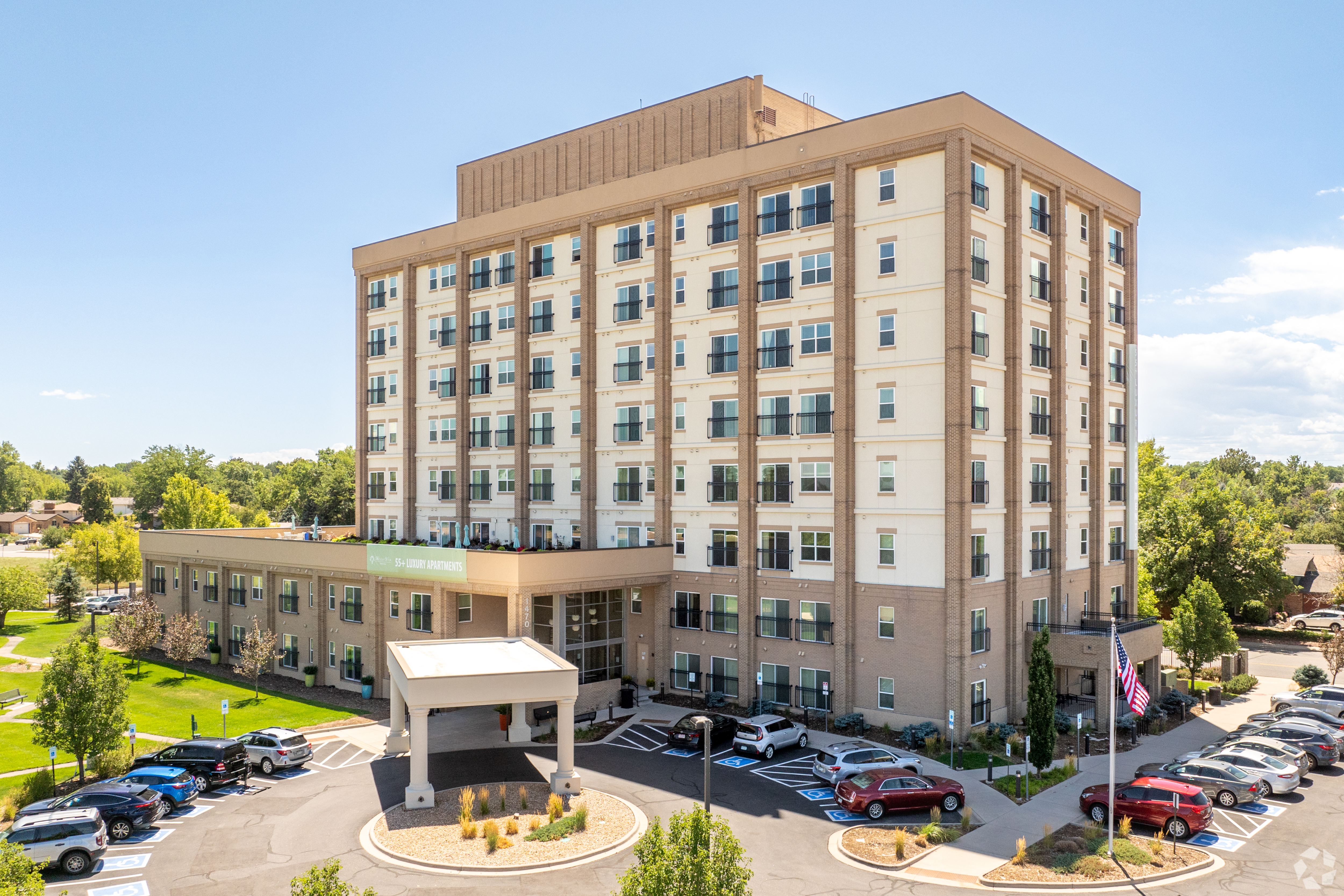
Bella Vita Senior Living
Independent Living 1470 South Havana Street, Aurora, Colorado, 80012Luxurious apartment living for those 55 and better. Whether you're still in the workforce or you've retired, enjoy a home without headaches. Let us introduce you to a new level of affordable luxury senior living at Bella Vita. Monthly fees are all-inclusive (electric, gas, water, sewer, trash, internet, cable, and bi-weekly housekeeping all included)! Bella Vita is a beautiful community of 86 apartment homes on 8 floors overlooking Denver and the Front Range, designed for an active independent lifestyle.