A Smaller Approach to Assisted Living in Eagle, Idaho
The Ponderosa Estate
For more information about the author, click to view their website: The Ponderosa Estate
Sep 17, 2026
Idaho - Boise and the Treasure Valley


A Smaller Approach to Assisted Living in Eagle, Idaho
Choosing assisted living is not only about finding help with bathing, dressing, medications, or meals.
It is also about finding the right environment.
Some older adults enjoy the energy of a large senior living campus with many hallways, activity rooms, and dozens of neighbors. Others may feel more comfortable in a quieter residence where the same faces are seen every day, routines are easier to recognize, and shared spaces feel more like a private home.
For families in Eagle and Ada County, Idaho, that difference can become an important part of the decision.
The Ponderosa Estate, located at 4346 W. Old Valley Road in Eagle, takes a deliberately small-scale approach to assisted living. The community has 16 private suites, each with an en suite bathroom, fireplace, and individual climate controls. Its assisted living model includes personal care, medication management, chef-prepared meals, housekeeping, laundry, activities, and access to nursing or physician support when needed.
For some families, a setting this size may offer exactly what they are looking for: assisted living support without the feeling of a large institution.
What Is Assisted Living?
Assisted living is designed for older adults who do not need continuous hospital-level medical care but would benefit from help with everyday activities.
That help may include:
- Bathing
- Dressing
- Grooming
- Toileting
- Mobility
- Medication support
- Meal preparation
- Housekeeping
- Laundry
At The Ponderosa Estate, care plans are developed around each resident's needs, routines, preferences, and the amount of support required to help them remain comfortable and safe. The community also emphasizes keeping personal routines familiar, including wake times, privacy preferences, and other daily habits.
That individualized approach can be particularly important for seniors who are mostly independent but need support in a few key areas.
Family Tip: When considering assisted living, make a list of the tasks your loved one currently handles well and the tasks that have become difficult. That can make conversations about care much more specific and productive.
Why Community Size Can Matter
The Ponderosa Estate describes itself as a boutique assisted living residence built around only 16 residents.
A smaller setting can change the day-to-day experience.
Instead of navigating a large building with many unfamiliar people, a resident may encounter a smaller group of neighbors and caregivers throughout the day.
The community's care model emphasizes familiar caregivers, responsive attention, quieter routines, and direct communication with families. It also states that families receive a weekly update about their loved one's wellbeing.
For a senior who values privacy, quiet surroundings, or familiar relationships, these features may be worth considering.
Community size alone does not determine quality.
Families should still ask about staffing, training, care planning, communication, and how changing needs are handled.
But size can influence how daily life feels.
Private Suites Can Help Preserve Personal Space
Privacy can become especially important during a move to assisted living.
The Ponderosa Estate's residence includes 16 private bedrooms, each with:
- An en suite bathroom
- A fireplace
- Individual climate control
- Furnishings
- Storage
- A television area
Residents are also encouraged to personalize their rooms with photographs, décor, and personal belongings.
Personal items can help a new room feel familiar.
A favorite photograph, blanket, reading chair, decorative item, or family keepsake may help the space feel less like somewhere temporary and more like home.
When touring any assisted living community, families should consider whether the private living space fits the person's actual daily needs.
Ask:
- Is the bathroom easy to access?
- Is there room for mobility equipment?
- Can personal furniture be brought in?
- Is temperature individually controlled?
- How much storage is available?
- Can the resident decorate?
These details can have a real impact on comfort.
Personal Care Should Support Dignity
One of the hardest parts of aging can be accepting help with personal tasks.
A person who has handled their own routine for 70 or 80 years may feel uncomfortable asking for assistance with dressing, bathing, or toileting.
The Ponderosa Estate states that its daily support can include help with dressing, bathing, grooming, mobility, toileting, and other routines.
How that help is provided matters.
Families should look for a care approach that protects privacy and encourages the older adult to continue doing as much as they safely can.
Assisted living should not automatically mean doing everything for the resident.
Instead, the goal can be to provide the right amount of support while helping the person remain involved in their own routine.
Medication Management Can Reduce Daily Stress
Medication routines can become complicated over time.
A senior may take several prescriptions at different times of the day.
That can create concerns such as:
- Missed doses
- Taking medication twice
- Difficulty opening bottles
- Confusing morning and evening pills
- Forgetting prescription refills
The Ponderosa Estate lists medication management and coordination among its assisted living services.
For families who currently call every morning or evening to make sure medications were taken, this kind of support may reduce some of the daily worry.
Families should still ask how medication services work, who oversees them, and how changes from physicians are documented.
Fresh Meals Can Become Part of the Care Experience
Nutrition is another area that often changes as people age.
A senior living alone may stop cooking because it feels like too much work.
Meals may become simpler.
Shopping may become tiring.
Appetite may change.
The Ponderosa Estate states that its full-time chef prepares three meals daily, with attention to resident preferences and dietary needs. The community describes its meals as fresh rather than frozen and allows flexibility for preferences and special requests.
Dining can also become an important social routine.
Eating in a shared dining space may create natural opportunities for conversation and connection without requiring a formal activity.
Families touring the community can ask:
- What does a typical menu look like?
- How are dietary restrictions handled?
- Are snacks available?
- Can residents make special requests?
- Can families join residents for meals?
The answers can help families understand whether dining feels personalized or standardized.
Housekeeping and Laundry Can Remove Everyday Burdens
The tasks required to maintain a home can become exhausting.
Laundry, linens, cleaning, and general upkeep may take more energy than they once did.
The Ponderosa Estate includes housekeeping and laundry among its standard assisted living services.
Removing these responsibilities can allow seniors to spend more time on things they actually enjoy.
That might mean reading, visiting family, gardening, participating in activities, or simply having more energy at the end of the day.
Daily Activities Can Create Structure and Connection
Assisted living should provide more than personal care.
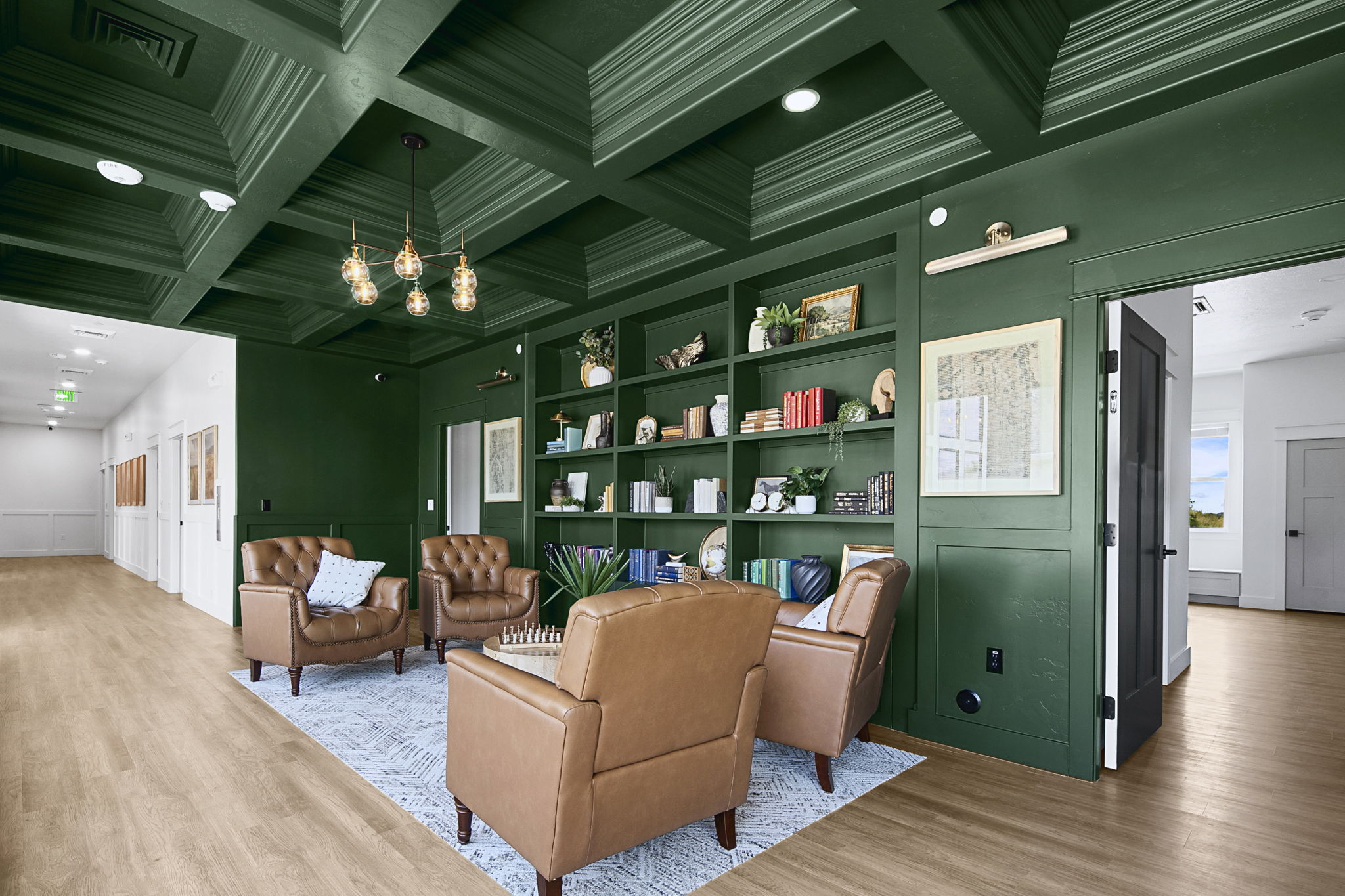
The Ponderosa Estate lists daily activities and wellness opportunities designed around engagement and social connection. Its amenities include a library, garden room, family room, landscaped gardens, and shared gathering spaces.
Residents may choose to:
- Participate in activities
- Work in garden boxes
- Read in the library
- Spend time in common areas
- Socialize over meals
- Relax privately in their suite
The community also notes that vegetables and herbs grown in resident garden boxes may be used by the chef in meals when seasonal produce is available.
That kind of small detail can help activities feel connected to everyday life rather than separate from it.
An On-Site Salon Can Make Personal Care Easier
Transportation can make routine grooming more complicated for some seniors.
The Ponderosa Estate offers an on-site salon where a licensed professional provides services such as haircuts, styling, and grooming.
Having services available within the residence can reduce the need to coordinate transportation for every appointment.
It can also help familiar routines continue after a move.
Families Should Pay Attention to Communication
When a parent moves to assisted living, relatives often worry about losing visibility into everyday life.
Is Mom eating?
Has Dad been sleeping well?
Is he participating in activities?
Has anything changed?
The Ponderosa Estate states that weekly family updates are part of its standard communication model, along with direct communication when needs change.
For families, communication should be a major part of the evaluation process.
During a tour, ask:
- How often are families updated?
- Who is the main contact person?
- How are urgent changes communicated?
- When are care plans reviewed?
- How are medication changes reported?
- Who should family members call with questions?
Clear communication can make the transition into assisted living easier for everyone involved.
Eagle Has a Large Older-Adult Population
Eagle has a particularly significant senior population compared with many growing Idaho communities.
According to the U.S. Census Bureau, Eagle had an estimated 34,658 residents in 2025, an increase of about 11.2% from the 2020 population estimates base. Approximately 24.3% of Eagle residents are age 65 or older.
That means nearly one in four Eagle residents falls into the 65-plus age group.
As the community grows, families will continue to need a range of senior living choices, including home care, independent living, assisted living, memory support, and skilled care.
A smaller residential model like The Ponderosa Estate adds another option for families who may prefer a more intimate environment.
Location Can Make Family Visits Easier
The Ponderosa Estate is located at:
4346 W. Old Valley Road
Eagle, Idaho 83616
Phone: 208-944-0294
The community describes its location as a quiet residential area of Eagle with access from Eagle, Meridian, Star, Boise, and other Treasure Valley communities.
For many families, proximity matters.
An assisted living community that is relatively easy to reach may make spontaneous visits, meals together, and participation in care planning more realistic.
What Should Families Look for During a Tour?
A private tour can reveal much more than a website.
The Ponderosa Estate's tour process includes visits to private suites, dining spaces, the library, gardens, and common areas, along with time to ask about staffing, care plans, communication, and daily routines.
Families should consider asking:
Who Will Provide the Daily Care?
Find out how consistent the caregiving team is.
How Are Care Plans Created?
Ask how individual routines and preferences are incorporated.
What Happens When Needs Change?
Understand whether more assistance can be added and how that affects care.
How Does Medication Management Work?
Ask who oversees medications and communicates with physicians.
What Is Included in the Monthly Rate?
The Ponderosa Estate uses an all-inclusive pricing structure for private suites, personal care, meals, housekeeping, laundry, and activities, with a separate one-time transition fee. It is a private-pay community and accepts long-term care insurance but not Medicaid.
Pricing and policies can change, so families should confirm current figures directly.
Can We Try the Community First?
The Ponderosa Estate offers short-term respite stays, which may allow families to experience the residence before making a long-term decision.
Frequently Asked Questions About Assisted Living
Who is assisted living appropriate for?
Assisted living may be appropriate for older adults who need help with daily activities such as bathing, dressing, medications, meals, or mobility but who do not require continuous skilled nursing care.
Is a small assisted living community better than a large one?
Not necessarily. Different seniors prefer different environments. A smaller residence may appeal to someone who values quieter surroundings and familiar faces, while another senior may prefer a larger campus with more residents and amenities.
Does The Ponderosa Estate offer private rooms?
Yes. The community has 16 private suites with en suite bathrooms, fireplaces, and individual climate controls.
Can long-term care insurance be used?
The community states that it accepts long-term care insurance. Families should verify their individual policy benefits and requirements directly with the insurance provider and The Ponderosa Estate.
Does moving to assisted living mean a senior loses independence?
No. Assisted living is intended to provide support where needed while allowing residents to continue participating in their routines, preferences, and daily choices as independently as possible.
The Right Assisted Living Environment Should Feel Sustainable
Families often focus first on whether a community can provide enough care.
That question is important.
But another question matters just as much:
Will this environment feel comfortable enough for my loved one to live here every day?
At The Ponderosa Estate, the answer is built around a small residential model: 16 private suites, individualized care plans, chef-prepared meals, medication management, housekeeping, laundry, daily activities, gardens, shared spaces, and familiar daily routines.
Families researching assisted living in Eagle and Ada County can also visit the The Ponderosa Estate profile on SeniorsBlueBook.com, which lists the community under assisted living and includes contact, payment, room, and service information.
Choosing assisted living is a major decision.
The right setting should provide more than help with tasks.
It should offer safety without taking away dignity, support without removing choice, and enough familiarity that an older adult can gradually feel known rather than simply cared for.
For some families, a smaller assisted living residence may make that balance easier to find.

Other Articles You May Like
Assisted Living in Monroeville, AL
When a parent is still making their own decisions but needs more help with daily routines, the next move can be difficult to judge. Family members may be filling gaps with visits, reminders, and rides while wondering whether those arrangements will remain manageable.Assisted living in Monroeville, AL offers a housing option to explore when regular support and a shared community setting may be helpful. The Meadows of Monroeville is one local provider families can contact to discuss care needs, daily life, and the admission process.Understanding Assisted LivingAssisted living combines a residential setting with assistance and services suited to the community's capabilities. It is different from independent apartment living and from a nursing facility providing skilled medical care. The appropriate setting depends on an assessment of the person's needs, preferences, and available support.Start with concrete questions. Does your loved one need help organizing medications, getting to appointments, or managing personal routines? Are meals and social opportunities becoming harder to arrange? Bring those concerns to the discussion rather than choosing a setting based only on its name.Who should participate in the decisionInclude the prospective resident from the beginning. Ask what they want to keep doing, what help they would welcome, and what makes a place feel comfortable. A clinician's input can help clarify whether assisted living is appropriate or another level of care is needed. The Meadows of MonroevillePhone: 251-575-3001 Location: 600 Highway 21 Bypass, Monroeville, AL 36460The provider describes private bedrooms and bathrooms, medication assistance, monthly wellness checks by a licensed nurse, respite care, and local transportation to appointments. It also describes coordinating home health, hospice, or therapy when needed. Confirm the services appropriate to the individual and any separate charges. The website lists meals, activities, and common spaces for socializing. Published activities include music, crafts, exercise, gatherings, and occasional outings. Residents may bring personal belongings to furnish their rooms. Turn the service list into a practical conversationAsk what medication assistance involves and how changes in prescriptions are communicated. Monthly wellness checks should not be interpreted as continuous skilled nursing care. Find out who is available when a resident needs help and what happens when health needs increase.For transportation, ask about advance notice, destinations, escort assistance, and any limits or fees. If an outside home health or therapy provider becomes involved, ask how services are coordinated and billed.Questions for a tourWhat needs can the community support at admission and over time?Which services are included in the monthly charge?What is the process if a resident needs more assistance?How are preferences, meals, and activities incorporated into daily life?How do families receive updates with the resident's permission?Why This Matters LocallyRemaining in Monroeville can help a person preserve familiar relationships and routines. When touring The Meadows, think about the trip for relatives, access to usual appointments, and the activities the resident hopes to continue.A nearby community does not remove the need for planning. Decide who will attend care discussions, help with paperwork, and remain the primary family contact. Ask how the community handles communication with relatives living farther away. How to Get StartedGather a realistic picture of support needsMake a list of the help currently provided at home. Include medications, mobility, meals, personal routines, and transportation. Share relevant medical recommendations so staff can evaluate whether the setting is suitable.Plan the transition togetherAsk about furniture, belongings, move-in paperwork, and the first week's routine. Discuss how the resident can stay connected to meaningful activities and how staff will learn their preferences.Practical tip: Bring a short description of an ordinary weekday at home. It can reveal needs that a general checklist misses, such as help at a particular time or a preferred meal routine. Frequently Asked QuestionsIs assisted living the same as skilled nursing?No. They serve different needs. Ask the healthcare team which level of care is appropriate. Does The Meadows advertise private accommodations?Its website describes private bedrooms and bathrooms. Confirm availability and room details directly. Is respite care listed?Yes. Ask about current eligibility, minimum stay, availability, and cost. Can residents receive outside healthcare services?The provider describes coordination of home health, hospice, or therapy when needed. Individual arrangements require confirmation. What if care needs increase after moving in?Ask how reassessment works and which changes might require additional services or a different setting. Related CategoriesIndependent Living Home Health Skilled Nursing
Top 3 Assisted Living in Mobile, AL
Few decisions feel as heavy as helping a parent or spouse move out of the home they have lived in for decades. Maybe there have been falls. Maybe the medications have become hard to track, meals are being skipped, or the person who has been providing care is simply worn out. Families in Mobile often arrive at the same question: is it time for more help than we can give at home?Assisted living is designed for exactly that moment. It offers a safe, social and supportive place to live, with caregivers close by around the clock, while still leaving room for independence and dignity. This guide explains what assisted living is, introduces three communities serving Mobile, Alabama, and walks you through how to choose with confidence.What Is Assisted Living?Assisted living is a residential option for older adults who want to live as independently as possible but need help with some of the activities of daily living. Residents typically have their own private or shared apartment, eat meals in a common dining room and take part in community activities, while staff provide support when it is needed.What Assisted Living Typically Includes A private or semi-private apartment in a community setting Help with bathing, dressing, grooming, toileting and mobility Medication management Prepared meals served in a communal dining room Housekeeping and laundry services Social events, activities and outings Emergency call systems and staff available around the clock Coordination with doctors, therapists and other outside providers Who Is It For?Assisted living is a good fit for seniors who can no longer safely manage everyday tasks on their own but do not need the round-the-clock medical care provided in a nursing home. It often works well for older adults who have had falls, who are living with early or moderate memory loss, who are feeling isolated at home, or whose family caregivers are stretched thin. Some communities, including two on this list, also offer memory care for residents living with Alzheimers disease or other forms of dementia.How Is It Different From Other Options?Independent living is for active seniors who need little or no help. Home care brings assistance to a persons own house. Skilled nursing provides ongoing medical and rehabilitative care. Assisted living sits in the middle, combining housing, hospitality and personal care in one place. Families should also know that Medicare does not pay for assisted living, so it is worth asking each community about private pay, long-term care insurance and veterans benefits that may help.The Top 3 Assisted Living Communities in Mobile, ALThe three communities below each offer a different setting and feel, so the best choice often comes down to your loved ones personality, care needs and budget. We recommend touring at least two before deciding.1. Crowne Place Assisted LivingPhone: 251-344-3866 Location: 3720 Dauphin Street, Mobile, AL 36608Crowne Place Assisted Living sits along Dauphin Street in the Springhill area of Mobile, a neighborhood known for its convenient access to shopping, dining, medical offices and other everyday essentials. The community is part of Crowne Health Care and describes its approach around three simple ideas: good friends, caring staff, and privacy with independence.What they offer. Residents live in comfortable private or semi-private apartments designed for both safety and independence. Services include assistance with daily living activities, medication management and 24-hour personalized care. Meals are chef-prepared and served in a shared dining room, which many families find is the social heart of the day.Lifestyle and amenities. The community promotes an active calendar of social events, and its listing highlights fitness classes, gatherings, arts and activity rooms, services in an on-site chapel and an emergency alert system. The building has been described as newly renovated.What sets them apart. Crowne Place emphasizes keeping residents involved, with a team focused on belonging and purpose as well as physical care. Visitors on a senior living review site described the atmosphere as calm and tranquil, the building as clean and the staff as attentive, and one family noted that it was the lowest priced community they toured while still being more than adequate. Pricing varies by room type and level of care, so be sure to request a current rate sheet.A good fit for: Seniors who want a smaller, neighborhood-centered community with a social atmosphere, families looking for a more affordable option, and residents who value faith-based and activity programming on site.2. Kauhale Heritage WoodsPhone: 251-665-9063 Location: 3440 Hillcrest Road, Mobile, AL 36695Kauhale Heritage Woods is an assisted living and memory care community in West Mobile, close to the Hillcrest Road corridor, which makes it a convenient option for families who live in the western part of the city or nearby areas such as Semmes. The community has operated under other names in the past, so you may see older listings online that refer to Proveer at Heritage Woods or SummerHouse Heritage Woods. Today it is part of the Kauhale family of communities and describes itself with the phrase, When youre here, youre home.What they offer. The community provides assisted living and memory care in private and shared apartments, along with help with daily tasks such as bathing, dressing and medication management. Having both assisted living and memory care in one place can be a major advantage. If a residents needs change over time, a move to a higher level of support can happen within the same community, where staff and surroundings are already familiar.Lifestyle and amenities. Photos and listings show an elegant dining room, an exercise room, inviting common areas in the memory care neighborhood, comfortable bedrooms and accessible bathrooms with grab bars. Floor plans include options for couples or residents who want extra space, such as a two-bedroom layout.What sets them apart. Directory reviews from families describe the community as clean, with apartment-style living and residents who seem happy. As with any community, families should ask about current staffing, activities and any recent updates to common areas, since reviews can reflect different points in time.A good fit for: Families who want assisted living and memory care under one roof, couples who want to stay close together, and anyone who lives on the west side of Mobile and wants a location that is easy to visit.3. Kauhale Port CityPhone: 251-380-0053 Location: 4720 Morrison Drive, Mobile, AL 36609Kauhale Port City offers assisted living and memory care in a homelike setting in the heart of Mobile, near local shops, parks and medical centers. The community was previously known as Proveer at Port City and is now managed by Kauhale Health. Reviewers have noted that the new management is committed to a holistic approach to senior living. Kauhale Health describes its mission as creating a welcoming and supportive environment that promotes the physical, emotional and spiritual well-being of residents and their loved ones.What they offer. Support ranges from gentle help with daily tasks to specialized memory care for Alzheimers disease and other forms of dementia. Residents can choose from studio and one-bedroom apartments, and the community emphasizes dignity, independence and safety.Lifestyle and amenities. The community includes a covered entryway with landscaping, comfortable sitting areas and an outdoor patio. It is also pet-friendly, which is a major comfort for many seniors who do not want to leave a beloved companion behind.What sets them apart. The focus is on personalized care and community connection. A pet-friendly policy, a homelike atmosphere and the ability to move between assisted living and memory care without leaving the community make it a good option for families who want flexibility as needs evolve. Reviewers have also commended the supportive environment, engaging activities and reasonable pricing.A good fit for: Seniors who want to bring a pet, families who want a location close to central Mobile and its medical offices, and residents who may need memory care now or in the future.Why This Matters Locally in MobileMobile is the oldest city in Alabama and the heart of a metro area of more than 400,000 people. Mobile County is home to about 75,000 residents who are 65 or older, which is roughly 18 percent of the population and slightly higher than the national share. That means thousands of local families are asking the same questions you are about how to care for aging loved ones.Choosing a community close to home has real benefits. Staying in Mobile means your loved one can remain near longtime friends, a familiar church, favorite restaurants and trusted doctors. It also makes it far easier for family members to visit often, join a meal or attend a holiday event, and these regular visits are one of the best things you can do for a loved ones well-being.Cost is another local consideration. Senior living directories estimate that assisted living in the Mobile area averages roughly $3,600 to $3,800 per month, and that rate is typically lower than the statewide average. Actual pricing depends on the apartment size and the level of care, so always ask for a written breakdown of what is included and what costs extra.Finally, the Gulf Coast climate brings its own planning needs. Ask any community you tour about its hurricane and severe weather plan, including how residents are kept safe, how families are notified and what the backup power and evacuation procedures look like.How to Get StartedMoving to assisted living is easier when the steps are clear. Here is a simple path from first questions to move-in day. Talk with your loved one early. Whenever possible, include them in the conversation. Listen to their fears and preferences, and frame the move around safety, support and a fuller social life. Get a clear picture of care needs. A visit with your loved ones primary care provider can help identify what kind of support is needed now and what may be needed in the future, including whether memory care could become necessary. Set a budget. Gather information on income, savings, long-term care insurance and any veterans benefits, and remember that Medicare does not cover assisted living. Make a short list. Use this guide to choose two or three communities to call. Ask about availability, pricing and what the first visit looks like. Tour in person, and go more than once. Visit at different times of day, including during a meal if possible, and notice how staff interact with residents. Review the paperwork carefully. Ask for the residency agreement, a list of fees and the communitys policy on rate increases and care level changes. Check licensing and inspection records. Assisted living communities in Alabama are licensed, and families can check a facilitys status through the Alabama Department of Public Health. Plan the move. Many communities will help with downsizing, room layout and settling in. Bring familiar items, such as photographs, a favorite chair and bedding, to make the new space feel like home. Related CategoriesAssisted living is one of several senior care options, and your familys needs may call for a different or additional level of support. These related categories in the Mobile area may help. Memory Care Independent LivingSkilled Nursing
Assisted Living in Jackson, AL
The need for assisted living often becomes clear through everyday moments. Getting dressed takes more effort, meals become irregular, or a family member begins checking in more often to make sure everything is going well. Older adults may welcome some help while still wanting privacy, choices, and control over their day.For families exploring assisted living in Jackson, AL, The Meadows of Jackson is a local community to consider. A useful search begins with understanding the persons current needs and asking how the community would support those needs in practice. This guide offers verified provider information and questions for planning a visit.What assisted living providesAssisted living combines a residential setting with support for daily activities. The services and admission requirements vary by community, so families should discuss the actual assistance needed rather than relying on a category name alone.It can be worth exploring when an older adult wants a more supported daily routine, help with personal tasks, and opportunities to spend time with others. A person who needs more extensive medical care or continuous nursing assessment may need a different setting. Ask the community and the persons healthcare professional to help determine the appropriate level of support.Start with the persons prioritiesAsk what a good day looks like. Does the person value a quiet room, familiar meals, frequent visitors, or joining activities? Which tasks would they like help with, and which would they prefer to manage themselves?Write down both preferences and current challenges. Include mobility, personal care, medicines, meals, sleep, and transportation. This turns a general conversation about moving into a practical discussion about daily life. The Meadows of JacksonPhone: 251-246-1915Address: 517 Commerce Street, Jackson, AL 36545Published services include medication assistance, bathing and dressing assistance, meals, laundry, local transportation to appointments, monthly wellness checks by a licensed nurse, and coordination of home health, hospice, or therapy when needed. The community also describes private bedrooms and bathrooms, resident care assistants, and visits from registered and licensed nurses. Understand how assistance is plannedCrownes page says nurses work with the residents doctor on an individualized care plan. Ask how the community assesses a prospective resident, who participates in that assessment, and when the plan is reviewed.Use an ordinary situation as an example. If your parent needs extra time getting ready in the morning, ask how that support would fit the daily schedule. If medication routines are difficult, ask what assistance is provided and how instructions are coordinated with the prescriber and pharmacy.Confirm who is present overnight and how residents request help. Monthly nurse wellness checks and visiting nurses do not, by themselves, establish that a nurse is continuously on site.Look at the living environmentThe community describes shared living and dining spaces, porches, and activities such as music, arts and crafts, exercise, and social gatherings. [1] During a tour, ask to see where residents spend their time and how activities are adapted to different interests and abilities.Check the practical details of a possible room. Discuss furniture, storage, bathroom access, and any equipment the person uses. Ask which belongings may be brought and whether there are restrictions that affect the planned room arrangement.If a resident would rather read quietly than join a group, ask how staff respect that preference while continuing to offer opportunities for connection. Meaningful choice should be part of the conversation about daily support.Ask what happens when needs changeA move should include a plan for more than the first month. Ask what changes would prompt a reassessment and what circumstances could require another setting. Discuss how families are informed when the community notices a concern.If outside home health, hospice, or therapy is needed, clarify who arranges it, which organization provides it, and whether it is billed separately. Coordination does not mean every outside service is included in the assisted living fee.Useful questions include:What personal assistance is included in the proposed rate?How are medicines, appointments, and changes in instructions communicated?What help is available overnight?How are dietary needs reviewed?How does the community respond if a resident requires more care?Review the financial agreement carefullyRequest an itemized quote based on the persons assessment. Ask about the room charge, additional care fees, deposits, optional services, rate changes, and notice requirements. Confirm transportation arrangements and any limits or charges that apply.Review what happens if the resident is hospitalized, leaves temporarily, or needs to move. Keep the written proposal and agreement together so the family can compare the actual terms rather than relying on a remembered monthly price.Why assisted living matters locally in JacksonChoosing a Jackson community may help an older adult maintain relationships in Clarke County and nearby communities. Relatives in Grove Hill, Leroy, or surrounding areas should consider how visits, appointments, and family responsibilities will fit a normal week.Local access matters most when it supports a sustainable routine. Identify who can attend care discussions, help with outside appointments, and remain reachable if the primary family contact is unavailable.Ask about the communitys severe-weather procedures and family notification process. Discuss how residents who need mobility assistance are supported during an emergency and how contact information is kept current.How to get started1. Discuss the older adults goals and record the help currently needed.2. Call The Meadows of Jackson at 251-246-1915 to arrange a tour and assessment conversation.3. Ask which health records and other documents are required.4. Review staffing, personal assistance, dining, transportation, and room arrangements.5. Request the proposed care plan and a written explanation of charges.6. Agree on move-in details and a family communication plan.Practical tip: Bring the same short question list to every tour. Write down the answers immediately, including the name of the person who explained the services and fees. Related categoriesSkilled Nursing Physical Therapy Home Health
Local Services By This Author
The Ponderosa Estate
Assisted Living 4346 West Old Valley Road, Eagle, Idaho, 83616The Ponderosa Estate Boutique Assisted Living in Eagle, IdahoMost assisted living facilities ask your loved one to adapt to institutional life. The Ponderosa Estate was built the other way around: a private residential estate on Old Valley Road in Eagle, Idaho, with only sixteen suites so care adapts to the resident, not the census.This isn't a scaled-down version of a big facility. It's a fundamentally different model. Staff aren't managing dozens of residents across sprawling corridors they know every name, every preference, every quirk of routine that makes someone feel at home instead of housed. Care plans are built around real, individual needs, not standardized protocols.What life at the estate includes:16 private suites with residential (not institutional) designChef-prepared, restaurant-quality diningActivities and programming curated to each resident's actual interests24/7 attentive, unhurried staffingMedication management coordinated directly with healthcare providersBeautifully maintained private grounds and common areasThe Ponderosa Estate operates on a private-pay and long-term care insurance model, serving families across Eagle, Boise, Meridian, Nampa, Caldwell, and the greater Treasure Valley who've toured the large facilities and knew their loved one deserved something more personal.Private tours are limited by design schedule yours by calling (208) 944-0294 or visiting theponderosaestate.com