A Warm Assisted Living Community That Feels Like Home for Denver-Area Seniors
Victorian House
For more information about the author, click to view their website: Victorian House
Nov 24, 2025
Colorado - Denver Metro


Finding the right assisted living community is one of the most meaningful decisions a family can make for an older loved one. For many Denver-area families, the ideal environment is one that balances comfort, safety, independence, and genuine human connection. The Victorian House, located in the welcoming Parker community southeast of Denver, offers precisely that—a warm, family-style assisted living home that prioritizes individualized care and heartfelt support.
Although the broader Denver metro area is home to many senior living options, The Victorian House stands out for its intimate setting, personalized approach, and commitment to making every resident feel like part of a family. This community attracts families from Denver, Aurora, Castle Rock, Lone Tree, and Parker who want their loved one to enjoy both compassionate care and a true sense of home.
This article explores the unique charm, care philosophy, and supportive environment that make The Victorian House a trusted choice for seniors seeking assisted living.
A Colorado Home With Heart
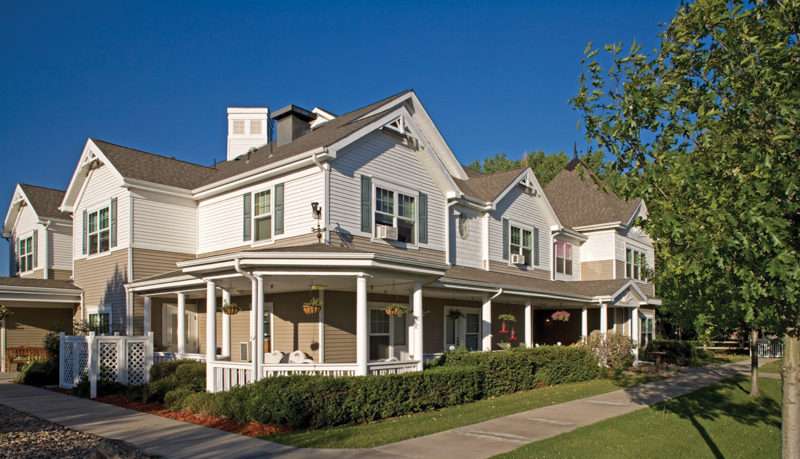
The Victorian House is more than a residence—it is a place where seniors can live with dignity, joy, and purpose. With a cozy, homelike environment and a welcoming staff, residents experience a sense of belonging that larger facilities often struggle to provide.
Alexus Stevenson, a dedicated leader at The Victorian House, shares:
“Our goal is to make every resident feel seen, valued, and deeply cared for. We take pride in creating a home where seniors can live safely while still enjoying the independence and connection they deserve.” — Alexus Stevenson
This philosophy guides every interaction and every aspect of the community’s operations.
A Personalized Approach to Assisted Living
No two seniors are alike. Each brings their own history, routines, health needs, and preferences. That’s why The Victorian House emphasizes a person-centered approach.
Personalized care plans include:
-
Daily living support (bathing, grooming, dressing)
-
Medication assistance and health monitoring
-
Mobility support
-
Personalized routines based on preferences
-
Housekeeping and laundry services
-
Social engagement and recreational activities
Caregivers get to know each resident closely, learning their interests, life stories, and comfort needs. This relationship-based care creates a true sense of community and trust.
Safety and Wellness as a Priority
Safety is one of the biggest concerns for families considering assisted living, especially for seniors who may struggle with mobility, balance, memory, or chronic health conditions.
The Victorian House uses layered safety systems that include:
-
24/7 caregiver availability
-
Monitoring for fall prevention
-
Medication oversight
-
Support for chronic conditions
-
Nutritious, home-style meals
-
Regular wellness checks
-
Coordination with local physicians
Denver-area families appreciate this high level of supervision, especially when caring for aging parents from a distance.
A Homelike Environment With Colorado Charm
While many assisted living communities offer hotel-style amenities, The Victorian House focuses on providing a home—one filled with warmth, comfort, and community connection.
Residents enjoy:
-
Cozy, beautifully furnished rooms
-
Inviting common areas for socializing
-
Sunlit dining spaces
-
Outdoor areas perfect for Colorado’s sunny climate
-
A small, close-knit community atmosphere
-
Relaxed routines that feel personal and natural
The home’s Victorian design adds an extra touch of charm, appealing to seniors who want a peaceful, familiar lifestyle.
Engaging Activities That Bring Joy and Connection
Staying active—physically, mentally, and socially—is essential for healthy aging. The Victorian House offers an activity schedule tailored to resident interests and abilities.
Activities may include:
-
Crafts and creative workshops
-
Group games and puzzles
-
Music events and sing-alongs
-
Light exercise and stretching
-
Outdoor walks and gardening
-
Social gatherings and celebrations
-
Spiritual or reflective activities
These programs help residents stay engaged, build friendships, and maintain a sense of purpose.
Family Involvement and Community Integration
A key strength of The Victorian House is its emphasis on family connection. Many families from the Denver metro area choose this community because they want an intimate environment where their loved one receives attentive care—and where they can be actively involved.
The Victorian House welcomes families with:
-
Open visiting policies
-
Regular updates on health and well-being
-
Encouragement to join meals, activities, and special events
-
Support with transitions and care decisions
This partnership approach helps families feel informed, supported, and connected to their loved one’s daily life.
A Supportive Team You Can Trust
The caregivers at The Victorian House are known for their compassion and commitment. Their training, combined with genuine empathy, ensures that residents receive exceptional care.
Staff are trained in:
-
Assisted living best practices
-
Dementia-friendly communication
-
Safe transfer and mobility support
-
Emergency readiness
-
Nutrition and meal planning
-
Personal care and hygiene assistance
Rather than rushing through tasks, caregivers take the time to offer companionship and emotional support—qualities that significantly impact a resident’s quality of life.
Serving Seniors Across the Denver Metro Region
Though located in Parker, The Victorian House serves a wide area. Families from all corners of the Denver metro region choose this community for its:
-
Personal, non-institutional feel
-
Lower resident-to-caregiver ratio
-
Comfortable home environment
-
Individualized care approach
-
Convenient access from surrounding cities
Nearby communities such as Aurora, Castle Rock, Lone Tree, Highlands Ranch, and southeast Denver frequently seek assisted living options that feel intimate, supportive, and family-focused—exactly what The Victorian House provides.
A Meaningful Place to Call Home
Choosing assisted living is deeply emotional for seniors and their families. The Victorian House understands this and strives to make the transition as easy and reassuring as possible.
Residents benefit from:
-
Stability and routine
-
Companionship
-
Safety and monitoring
-
Daily support
-
Opportunities for joy and engagement
-
A warm, loving environment
The result is a living experience that promotes dignity, comfort, and meaningful connection.
Call to Action
To learn more about The Victorian House, view photos, or explore their services, visit their Seniors Blue Book listing
Frequently Asked Questions
1. Is The Victorian House a small assisted living home?
Yes, it offers an intimate, home-style environment with personalized care.
2. Do they assist with medication management?
Yes, caregivers provide full support with medication and daily wellness.
3. Can families visit regularly?
Absolutely—family visits are encouraged and welcomed.
4. Are meals provided?
Yes, residents enjoy home-cooked meals prepared with nutrition and preference in mind.
5. Is the community able to support mobility challenges?
Yes, staff are trained to assist residents with walking, transfers, and fall-prevention practices.

Other Articles You May Like
Finding Independence and Community in Mobile, AL
Finding Independence and Community in Mobile, ALFor many older adults, independence means having the freedom to make personal choices, maintain familiar routines, and enjoy meaningful relationships.However, certain household responsibilities may become more difficult with age.An individual may want to continue socializing and participating in community events but require assistance with bathing or dressing. Another older adult may enjoy living independently but find meal preparation, housekeeping, and laundry increasingly demanding.For families in Mobile, Alabama, assisted living offers an option that combines residential convenience with personalized daily support.Assisted living communities provide accommodations, meals, social activities, and assistance with selected daily responsibilities while encouraging residents to maintain independence.A well-matched community should respect individual preferences and offer an appropriate balance between privacy and companionship.Crowne Place Assisted Living, located in Mobile's Springhill neighborhood, provides a residential setting designed around personalized care and active community participation.Operated by Crowne Health Care, Crowne Place offers personal assistance, meals, laundry, medication-related support, recreational activities, and opportunities for social and spiritual engagement.For older adults exploring a new living arrangement, understanding the benefits and limitations of assisted living can help clarify the next step.What Is Assisted Living?Assisted living is a residential care option for individuals who need help with certain daily activities but do not necessarily require continuous skilled nursing care.Common Assisted Living ServicesThese may include:Personal care assistanceMedication-related supportPrepared mealsLaundryHousekeepingRecreational activitiesSocial gatheringsTransportation arrangementsWellness monitoringCoordination with appropriate healthcare professionalsThe specific services vary according to the community's licensing, staffing, and the resident's assessed needs.When Assisted Living May Be AppropriateSome older adults choose assisted living before experiencing serious health problems.Others begin considering it after changes in independence.Household MaintenanceCleaning, laundry, and meal preparation may become physically demanding.Personal CareAn individual may require assistance with bathing or dressing.Medication RoutinesSome people need help following established medication schedules.Social IsolationA person living alone may want more regular opportunities to interact with others.Family CaregivingRelatives may need additional support with daily responsibilities.Lifestyle PreferencesSome older adults prefer a residential setting that offers activities and prepared meals.A professional assessment should determine whether the community can meet the person's needs. Crowne Place Assisted Living in MobileCrowne Place Assisted Living is part of Crowne Health Care, a family-owned network of residential care and skilled nursing facilities across Alabama.Crowne Place is located on Dauphin Street in Mobile's Springhill neighborhood. The community emphasizes privacy, independence, personal attention, and participation in social activities.Personalized CareResidents may receive an appropriate level of assistance with daily responsibilities.Residential PrivacyCrowne Place emphasizes comfortable private and shared residential spaces.DiningMeals are prepared by dietary staff and served in a community dining area.Personal AssistanceStaff provide support with selected bathing, dressing, and medication-related needs.LaundryThe community advertises residential laundry assistance.ActivitiesResidents can participate in games, fitness classes, arts and crafts, music, and other programs.Spiritual OpportunitiesAn on-site chapel offers religious services and fellowship. Verified Contact InformationCrowne Place Assisted LivingAddress: 3720 Dauphin Street, Mobile, AL 36608County: Mobile County, AlabamaPhone: 251-344-3866 Daily ChoicesResidents may choose how to participate in available activities.Personal RoutinesCare should consider familiar habits and preferences.Bathing and DressingAssistance may be available when needed.Medication SupportThe community provides monitoring and assistance consistent with its care arrangements.PrivacyResidents should have opportunities to enjoy personal space.Family InvolvementRelatives may remain involved in care discussions when appropriate.Crowne Place emphasizes providing the amount of assistance that suits each resident.A Community Built Around RelationshipsMoving into assisted living can create opportunities for new friendships.Shared MealsThe dining room provides a gathering place.Group ActivitiesGames and recreation encourage interaction.MusicMusical events can offer entertainment.Religious FellowshipThe chapel hosts spiritual programs and services.Neighborhood Connections Crowne Place identifies participation from nearby churches and community groups.Personal PreferencesResidents should be able to enjoy group activities or quiet time according to their interests.Dining and Everyday ConvenienceMeal preparation can become challenging when mobility or energy levels change. Crowne Place provides meals prepared by dietary staff.Regular MealsResidents benefit from established dining services.Balanced NutritionMeal planning considers appropriate dietary requirements.Social DiningShared meals create opportunities for conversation.Home-Style CookingThe provider emphasizes traditional and familiar meal preparation.Dietary ConcernsFamilies should discuss allergies or medically prescribed diets.Guest ArrangementsAsk about current guest meal policies and charges.Medication Assistance and Care PlanningSome older adults need support following medication instructions.Medication ReviewThe community should understand the resident's current prescriptions.Staff ResponsibilitiesMedication-related assistance follows applicable facility requirements.Personalized PlanningThe provider describes nurses working with physicians to develop care plans.Changes in ConditionNew health concerns may require a medical evaluation.Family CommunicationAuthorized relatives should understand how important changes are reported.Clinical LimitationsAssisted living is not the same as 24-hour skilled nursing care. Expert Tip for Choosing Assisted LivingExpert Tip: During a tour, identify one activity your loved one would enjoy, one daily responsibility requiring assistance, and one personal preference that should be preserved.Ask staff how the community would accommodate all three.This helps families evaluate whether the environment supports both practical care needs and quality of life.How to Get Started With Crowne PlaceReview the older adult's daily needs and personal preferences.Call Crowne Place at 251-344-3866.Ask about current accommodations and pricing.Schedule a personal tour.Discuss personal care, medications, and dietary needs.Review activities, dining, and family visitation.Confirm admission requirements and fees.Plan the transition with the prospective resident whenever possible. Frequently Asked Questions1. Where is Crowne Place Assisted Living located?Crowne Place is at 3720 Dauphin Street, Mobile, AL 36608. Its phone number is 251-344-3866.2. What services does Crowne Place provide?The community offers personal care assistance, medication support, dining, laundry, recreational activities, and residential services.3. Does Crowne Place have social and recreational activities?Yes. Activities include fitness classes, arts and crafts, games, music, movie nights, and religious programs.4. Does Crowne Place have a chapel?Yes. The community advertises an on-site chapel and various religious and fellowship services.5. Is Crowne Place the same as Crowne Health Care of Springhill?No. Crowne Place is an assisted living community. Crowne Health Care of Springhill, located next door, is a separate skilled nursing and rehabilitation facility.Enjoy Greater Convenience Without Giving Up Personal ChoiceAssisted living can support older adults who want fewer household responsibilities and appropriate assistance with daily activities.The right community should also offer privacy, meaningful relationships, and opportunities to remain active.Crowne Place Assisted Living combines personalized support with dining, recreation, and a community-focused lifestyle in Mobile's Springhill neighborhood.Families can contact Crowne Place to discuss current openings, pricing, and a personal tour.Seniors Blue Book Listing: [https://seniorsbluebook.com/senior-housing/crowne-place-assisted-living-mobile-al]Find Crowne Place Assisted Living on Seniors Blue BookExplore assisted living options in Mobile and contact Crowne Place for accommodations, services, and current pricing.
Planning for Changing Care Needs in Monroeville, AL
Planning for Changing Care Needs in Monroeville, ALAging rarely follows a predictable schedule. Someone may remain active and independent for many years before needing occasional assistance. Another person may experience changes in health or mobility that require additional support over a shorter period.These changes can create important decisions for older adults and their families.A parent who manages meals independently may begin needing help with medications. Someone recovering from illness may require additional assistance with dressing or bathing. Another resident may continue enjoying community activities but need help arranging medical appointments.For families in Monroeville, Alabama, understanding how assisted living responds to changing needs can make long-term planning more manageable.Assisted living provides residential accommodations and personalized daily assistance for individuals who need support but do not necessarily require continuous skilled nursing care.The amount of assistance should reflect each resident's circumstances.The Meadows of Monroeville, operated by Crowne Health Care, provides assisted living on Highway 21 Bypass.The community offers private bedrooms and bathrooms, medication assistance, meals, housekeeping, laundry, monthly licensed-nurse wellness checks, respite care, transportation, and coordination with outside healthcare providers.For older adults throughout Monroe County, planning ahead can help preserve independence while ensuring that changing needs receive appropriate attention.Why Senior Care Needs Change Over TimeA person's daily abilities may change because of health, mobility, memory, or personal circumstances.Physical StrengthWeakness may make everyday movement more difficult.Joint ProblemsArthritis and other conditions may affect bathing or dressing.Medication ChangesNew prescriptions may require additional organization.Recovery After IllnessSomeone may need temporary assistance after hospitalization.Memory ChangesCognitive concerns may affect safety and daily routines.Social NeedsAn older adult may want more opportunities for companionship.Household ResponsibilitiesMaintaining a home may become increasingly demanding.Changes should be evaluated individually rather than assumed to be inevitable consequences of aging.What Assisted Living Can ProvideAssisted living focuses on supporting daily life in a residential community.Personal AssistanceHelp may be available for bathing, dressing, and grooming.Medication SupportResidents may receive appropriate assistance with medication routines.Prepared MealsDaily meals reduce the need for independent cooking.HousekeepingStaff handle selected household maintenance tasks.LaundryResidential laundry services are commonly provided.Social ProgramsActivities create opportunities for engagement.Wellness MonitoringSome communities provide periodic licensed-nurse checks.Healthcare CoordinationOutside professional care may be arranged when appropriate.The exact level of care depends on community licensing, staffing, and individual needs.The Meadows of MonroevilleThe Meadows of Monroeville is an assisted living community operated by Crowne Health Care.Its location is listed at 600 Highway 21 Bypass in Monroeville, Alabama.The community emphasizes privacy, independence, individual choice, and personalized assistance.Private Residential SpaceThe Meadows offers private bedrooms and bathrooms.Personal Care AssistanceResidents may receive help with appropriate daily activities.Medication AssistanceStaff support medication routines according to applicable requirements.MealsThe community advertises home-style meals and snacks.Housekeeping and LaundryRoutine residential services reduce certain household responsibilities.Wellness ChecksThe Meadows advertises monthly checks by a licensed nurse.TransportationLocal appointment transportation is among its published offerings.Respite ServicesTemporary care arrangements may be available.Outside Care CoordinationThe community assists with arranging home health, hospice, or therapy services when appropriate.Verified Contact InformationThe Meadows of MonroevilleOrganization: Crowne Health CareAddress: 600 Highway 21 Bypass, Monroeville, AL 36460County: Monroe County, AlabamaPhone: 251-575-3001Fax: 251-575-9631Website: https://crownehealthcare.com/meadows-monroevilleCategory: Assisted LivingAdministrator: Caroline Boyette, according to the current official facility pageAdministrator Email: [email protected] Blue Book Listed Units: 16Published Alabama License Number: D5001Address Note: Some older directory records display an incorrect ZIP code. The official Crowne Health Care directory identifies Monroeville, AL 36460.Understanding Personalized Care PlansResidents rarely need identical assistance.A personalized plan should begin with individual needs and preferences.Initial AssessmentThe community reviews daily functioning and relevant healthcare information.Personal Care RequirementsAssistance may be needed with bathing, dressing, or grooming.Medication NeedsThe plan should clarify medication-related responsibilities.MobilityResidents may require specific support with everyday movement.NutritionDietary needs and individual preferences should be discussed.Social ParticipationPersonal interests can help guide activity recommendations.ReassessmentFamilies should ask how the plan is reviewed when needs change.Preserving Independence With Appropriate SupportReceiving assistance should not automatically mean giving up control over everyday decisions.Choosing ActivitiesResidents can decide which recreation programs interest them.Maintaining Daily RoutinesThe community should consider familiar habits.Personal PrivacyPrivate accommodations support time alone when desired.Family RelationshipsResidents may continue regular contact with loved ones.Community ParticipationAppropriate outings and activities may remain part of daily life.Choosing AssistanceThe Meadows emphasizes offering an appropriate amount of support based on resident needs.Medication Assistance and Wellness ChecksMedication routines can become complicated as prescriptions change.Understanding Medication NeedsThe resident's care plan should identify relevant medication responsibilities.Qualified StaffMedication assistance must follow applicable facility and professional requirements.Monthly Nurse Wellness ChecksThe Meadows advertises regular monthly wellness visits by a licensed nurse.Recognizing ChangesFamilies should discuss how changes in condition are communicated.Medical AppointmentsSome concerns require evaluation by the resident's physician.Important DistinctionMonthly wellness checks do not mean continuous licensed nursing is available.The Meadows is assisted living, not a skilled nursing facility.Coordinating Home Health ServicesSome assisted living residents qualify for skilled home health.Home health can provide medically necessary services under an appropriate plan.Skilled NursingAn eligible resident may receive nursing visits from a qualified agency.Physical TherapyTherapy may address mobility, balance, or strength.Occupational TherapySome individuals require support with everyday functional activities.Speech TherapyCertain residents may need communication or swallowing assessment.Understanding EligibilityMedicare and other insurers have specific requirements.Community CoordinationThe Meadows advertises assistance coordinating outside healthcare services.Families should confirm whether the community can safely accommodate the individual's clinical needs.Understanding Hospice CoordinationSome residents may qualify for hospice when facing a serious, life-limiting illness.Hospice focuses on comfort and quality of life.Medical EligibilityHospice admission is determined according to applicable clinical and program requirements.Outside ProfessionalsHospice agencies provide appropriate nursing and interdisciplinary services.Residential SupportAssisted living staff may continue providing permitted daily assistance.Clarifying ResponsibilitiesFamilies should understand which provider performs each task.Insurance and CostsHospice benefits and assisted living residential charges may be billed separately.Individualized CareThe Meadows advertises coordination with hospice providers when needed and appropriate.It is not itself a substitute for a licensed hospice agency.When Skilled Nursing May Be More AppropriateAssisted living has limitations.Some individuals require a higher level of medical care.Extensive Nursing NeedsCertain treatments require continuous or frequent professional nursing assessment.Complex RehabilitationSome patients need intensive rehabilitation following hospitalization.Significant Medical InstabilityCertain conditions require closer clinical oversight.High Assistance NeedsA person may require services beyond the facility's licensed capabilities.Cognitive or Behavioral ChangesSome individuals may need specialized supervision not available in ordinary assisted living.Professional AssessmentFamilies should discuss changing needs with the resident's healthcare professionals and community staff.Meals and Residential ConvenienceThe Meadows of Monroeville provides meals and residential services intended to simplify everyday life.Home-Style DiningThe provider advertises traditional meals prepared by dietary staff.Shared DiningResidents can enjoy meals in common spaces.Dietary RequirementsAppropriate medical diets should be discussed with staff.LaundryThe community provides assistance with individual laundry.HousekeepingRoutine cleaning reduces daily responsibilities.Guest VisitsFamily members are encouraged to visit.Personal PreferencesResidents can discuss meal and routine preferences with the community.Activities and Community ParticipationThe Meadows encourages residents to enjoy familiar hobbies and new interests.Arts and CraftsCreative programs offer opportunities for personal expression.GamesShared recreation encourages conversation.MusicLive music is among the advertised activities.ExerciseAppropriate fitness activities may be available.Religious ProgramsLocal churches help organize spiritual and fellowship opportunities.Holiday CelebrationsSeasonal events provide opportunities for residents and families to gather.Community OutingsThe facility advertises occasional outings.Participation should reflect individual abilities and preferences.Why Assisted Living Matters in Monroe CountyMonroeville and surrounding Monroe County communities include older adults with longstanding local relationships.Remaining Near FamilyA local community may make regular visits easier.Continuing Familiar RoutinesResidents may maintain relationships with nearby friends and organizations.Accessing HealthcareFamilies can consider proximity to preferred physicians and services.Reducing Household ResponsibilitiesMeals, housekeeping, and laundry reduce selected daily tasks.Supporting CaregiversResidential assistance can change the amount of care family members must provide.Planning AheadDiscussing changing care needs before a crisis can help families understand available options.Assisted Living Costs and Budget PlanningThe Meadows of Monroeville's Seniors Blue Book profile lists a starting monthly price of $2,565.This is a published listing figure and should not be treated as a current guaranteed rate.Ask About Base ChargesConfirm the quoted monthly amount.Review Personal CareDetermine which services are included.Understand Medication FeesAsk about additional charges related to medication assistance.Consider TransportationConfirm what transportation services are available.Review DepositsAsk about upfront charges.Discuss Rate ChangesFamilies should understand how costs may change if care needs increase.Payment OptionsThe profile lists private pay, eligible long-term care insurance, and veterans benefits.Original Medicare generally does not cover assisted living room and board.Planning for Future Care NeedsA useful assisted living plan should include more than the first month.Review Current AbilitiesDocument which tasks the resident manages independently.Identify Potential ChangesDiscuss likely support needs with healthcare professionals.Understand the Community's LimitsAsk which services can and cannot be provided.Discuss Outside ServicesFind out how home health or therapy may be arranged.Establish Family CommunicationIdentify the appropriate contact for important updates.Review Financial PlanningConsider the possibility that care costs may change.Revisit the PlanUpdate arrangements when the resident's condition or preferences change.Expert Tip for Long-Term Assisted Living PlanningExpert Tip: When touring an assisted living community, ask the administrator to describe what happens in three situations: a resident begins needing more help with dressing, a resident needs short-term rehabilitation after hospitalization, and a resident develops medical needs beyond assisted living.Understanding the response to each situation can help families evaluate long-term suitability rather than focusing only on current needs.How to Get Started With The Meadows of MonroevilleStep 1: Identify Care NeedsReview mobility, personal care, medications, and daily routines.Step 2: Contact the CommunityCall 251-575-3001.Step 3: Arrange a TourVisit 600 Highway 21 Bypass in Monroeville.Step 4: Discuss Medical ConsiderationsExplain existing conditions and relevant services.Step 5: Review Personal CareAsk which tasks staff can assist with.Step 6: Request Written PricingConfirm current rates and included services.Step 7: Discuss Future ChangesAsk how care plans and outside healthcare coordination work.Step 8: Complete the Application ProcessReview the required assessments, records, and admission arrangements.Frequently Asked Questions1. Where is The Meadows of Monroeville located?The community is located at 600 Highway 21 Bypass, Monroeville, AL 36460. Its phone number is 251-575-3001.2. What daily assistance does The Meadows provide?The community offers personal care, medication assistance, meals, housekeeping, laundry, recreation, transportation, and periodic wellness checks.3. Does The Meadows coordinate home health or therapy?Yes. The provider advertises coordination with outside home health, hospice, or therapy professionals when appropriate.4. How many units does the community have?The Seniors Blue Book profile lists 16 assisted living units, with private accommodations advertised by the provider.5. What is the monthly cost of The Meadows of Monroeville?The Seniors Blue Book profile publishes a starting price of $2,565 per month. Contact the community for a current quote and explanation of services and fees.Plan Today for Comfortable Living TomorrowAssisted living should be evaluated according to both present needs and realistic future considerations.Personalized support, privacy, daily convenience, and appropriate healthcare coordination all play a role.The Meadows of Monroeville provides assisted living with private accommodations, personal assistance, meals, medication support, housekeeping, recreation, and selected wellness services.For families in Monroe County, discussing future care changes and financial arrangements early can help support more informed decisions.Contact The Meadows of Monroeville to schedule a tour and explore current availability.Featured Seniors Blue Book ListingThe Meadows of MonroevilleRecommended Main SBB Category: Assisted LivingOrganization: Crowne Health CareAddress: 600 Highway 21 Bypass, Monroeville, AL 36460Phone: 251-575-3001Fax: 251-575-9631Website: https://crownehealthcare.com/meadows-monroevilleAdministrator: Caroline BoyetteListed Units: 16Published Starting Price: $2,565/month, subject to verificationServices: Personal care, medication assistance, meals, housekeeping, laundry, respite care, transportation, monthly nurse wellness checks, recreation, and coordination with outside healthcare providers.Seniors Blue Book Profile: https://seniorsbluebook.com/senior-housing/meadows-of-monroeville-the-monroeville-alFind The Meadows of Monroeville on Seniors Blue BookExplore The Meadows of Monroeville's assisted living services, accommodations, and contact details through Seniors Blue Book.
Staying Connected in Assisted Living in Jackson, AL
Staying Connected in Assisted Living in Jackson, ALFor many older adults, the relationships built over a lifetime are among the most meaningful parts of everyday life.Friends, neighbors, family gatherings, church activities, and familiar hobbies create connections that support a sense of belonging.However, maintaining these relationships may become more difficult when personal care needs increase or transportation becomes challenging.Someone who once attended weekly gatherings may stop participating because preparing to leave home requires assistance. Another person may live alone and miss the everyday conversations that once came naturally.For older adults in Jackson, Alabama, assisted living can provide more than help with daily tasks.Assisted living communities may offer a combination of personal assistance, social activities, shared meals, and residential conveniences that support continued participation in everyday life.The right community should also respect privacy and allow residents to choose how involved they wish to be.The Meadows of Jackson, operated by Crowne Health Care, provides assisted living accommodations and support services on Commerce Street in Jackson.The community offers private bedrooms and bathrooms, daily meals, personal assistance, medication support, recreational programs, transportation, and respite services.For families in Clarke County, considering social well-being alongside practical care needs can help make senior living decisions more thoughtful.Why Social Connections Matter With AgeSocial relationships can affect how people experience retirement and changing daily responsibilities.Some older adults enjoy large gatherings, while others prefer a few close friendships.Familiar RelationshipsStaying connected to longtime friends may provide comfort.Family ParticipationVisits from relatives can help maintain meaningful relationships.Shared ActivitiesRecreation creates opportunities to interact with other residents.Community EventsHoliday celebrations and organized gatherings provide occasions to come together.Spiritual EngagementSome older adults value Bible study, religious services, or fellowship programs.Personal IndependenceResidents should remain free to decide when and how they want to participate.What Is Assisted Living?Assisted living provides housing and assistance with selected everyday activities.It is intended for individuals who need more support than an independent residential setting may offer.Common ServicesThese may include:Assistance with bathing and dressingMedication-related supportPrepared mealsHousekeepingLaundryRecreational activitiesTransportationWellness monitoringCoordination with outside healthcare professionalsThe level of assistance available depends on each community's licensing and care capabilities.Assisted living does not automatically provide continuous skilled nursing or hospital-level medical treatment.The Meadows of JacksonThe Meadows of Jackson is an assisted living community operated by Crowne Health Care.It is located at 517 Commerce Street in Jackson, Alabama.The community emphasizes personalized assistance and opportunities for residents to remain involved in daily life.Private AccommodationsResidents have private bedrooms and bathrooms.Daily MealsThe Meadows provides home-style meals prepared by its dietary team.Personal CareAssistance is available for selected daily tasks.Medication SupportThe community helps residents with medication-related routines according to applicable policies.Laundry and HousekeepingRoutine residential services reduce certain household responsibilities.Wellness ChecksMonthly wellness checks by a licensed nurse are advertised.RecreationActivities include games, music, fitness, arts and crafts, and religious programs.Respite StaysTemporary accommodations may be available.Verified Contact InformationThe Meadows of JacksonOrganization: Crowne Health CareAddress: 517 Commerce Street, Jackson, AL 36545County: Clarke County, AlabamaPhone: 251-246-1915Fax: 251-246-1932Website: https://crownehealthcare.com/meadows-jacksonCategory: Assisted LivingAdministrator Contact: Anna Meitzler, as published by the providerPublished Administrator Email: [email protected] Blue Book Listed Units: 16Call to discuss resident eligibility, apartment availability, and current monthly charges.Shared Meals as Social OpportunitiesDining can be an important part of residential community life.For someone who has been eating alone, shared meals may create opportunities for regular interaction.Home-Style CookingThe Meadows advertises meals inspired by traditional home cooking.Balanced NutritionDietary staff prepare meals intended to meet residents' nutritional needs.Shared Dining SpaceResidents can enjoy meals in the community dining room.Guest ParticipationFamilies may ask about joining residents for meals.Dietary RequirementsMedical diets and food restrictions should be discussed with staff.Personal PreferencesResidents should share food preferences and relevant concerns during their care assessment.Recreational Programs at The MeadowsThe Meadows of Jackson encourages residents to maintain established interests and explore new activities.GamesOrganized games can provide opportunities for conversation and friendly interaction.Arts and CraftsCreative projects allow residents to explore personal interests.Live MusicMusical activities may provide entertainment and enjoyment.ExerciseAppropriate movement activities are part of the published program.Movie NightsGroup movie activities create opportunities to relax together.Holiday CelebrationsSeasonal gatherings can help maintain familiar traditions.OutingsThe community advertises occasional outings.Activity schedules and transportation arrangements should be confirmed directly.Maintaining Spiritual ConnectionsFor some older adults, spiritual participation has been a meaningful part of life for decades.The Meadows of Jackson advertises involvement from local churches.Bible StudiesInterested residents may participate in scheduled studies.Religious ProgramsLocal churches contribute religious services and activities.FellowshipGroup gatherings can create opportunities for conversation.Respecting PreferencesParticipation should remain voluntary.Continuing Established RelationshipsFamilies may want to discuss how residents can maintain existing faith-community connections.Planning TransportationIf outside attendance is important, ask about available transportation and scheduling limitations.Family Visits and Everyday InvolvementMoving into assisted living should not mean ending familiar relationships.Family members can remain important participants in the resident's life.Regular VisitsScheduled or spontaneous visits may help preserve family routines.Shared ActivitiesRelatives may enjoy attending appropriate community events.CommunicationFamilies can establish regular calls or other contact arrangements.Care DiscussionsAuthorized relatives can participate in discussions about changing needs.CelebrationsBirthdays and holidays can provide meaningful opportunities to gather.Resident PreferencesThe older adult's choices should guide the level and type of family participation whenever possible.Supporting Independence While Providing CareResidents at The Meadows have different personal care needs.Some manage most everyday responsibilities but need help with medications.Others may require assistance with bathing, dressing, or mobility.Individual NeedsCare arrangements should begin with an assessment.Personal PreferencesResidents should be involved in planning daily assistance.Appropriate IndependenceTasks that can be completed safely should not automatically be taken over by staff.Medication AssistanceStaff provide support according to the facility's procedures.Wellness MonitoringMonthly licensed-nurse checks are available as described by the provider.Changing NeedsFamilies should discuss what happens if a resident requires more extensive medical assistance.Why Assisted Living Matters in Clarke CountyFamilies in Clarke County may prefer a residential option that allows older relatives to remain in or near familiar communities.Local RelationshipsA Jackson community may support ongoing contact with friends and relatives.Family ConvenienceNearby residents may find visits and appointments easier to coordinate.Community TraditionsReligious fellowship, recreation, and holiday celebrations can help maintain familiar routines.TransportationThe Meadows advertises local transportation to appointments.Residential AssistancePrepared meals and household support can reduce certain daily responsibilities.Long-Term PlanningFamilies should understand the community's care capabilities and referral arrangements.Transportation and Community ParticipationTransportation may be an important factor in maintaining independence.Some older adults no longer drive.Others find regular travel difficult because of mobility challenges.Local Medical AppointmentsThe Meadows advertises transportation to local appointments.Scheduling RequirementsAsk how far in advance rides must be arranged.Geographic LimitsNot every destination is necessarily included.Medical EmergenciesScheduled transportation is not a substitute for emergency medical transportation.Family CoordinationRelatives may still need to assist with certain specialist visits.Confirming CostsAsk whether transportation is included in the monthly rate.Respite Care and Temporary StaysThe Meadows of Jackson also provides respite options.Temporary Residential SupportRespite may be useful when family caregivers need short-term assistance.Individualized AssessmentThe community determines whether a prospective resident's needs can be accommodated.Meals and ActivitiesAsk which residential amenities are included during the stay.Medication ArrangementsA temporary resident may need appropriate documentation and medication instructions.DurationMinimum and maximum stay arrangements should be confirmed.CostsRespite pricing may differ from permanent residential pricing.Assisted Living Costs and Financial PlanningThe Meadows of Jackson's Seniors Blue Book profile lists a starting monthly rate of $2,515.This figure is published listing information, not a guaranteed current price.Confirm What Is IncludedAsk about meals, housekeeping, laundry, and personal assistance.Review Additional Care FeesSome communities charge separately for different assistance levels.Understand DepositsRequest information about initial charges.Ask About IncreasesClarify how monthly charges may change.Review Payment SourcesThe listing identifies private pay, eligible long-term care insurance, and veterans benefits as payment categories.Medicare LimitationsOriginal Medicare generally does not pay for assisted living room and board.Families should request a personalized written estimate before signing an agreement.How to Evaluate Social Engagement During a TourAn attractive activity calendar does not guarantee that every resident will enjoy the same programs.Observe Common AreasAre there comfortable places for conversation?Ask About Resident InterestsHow does staff learn which activities individuals enjoy?Review ParticipationAre activities voluntary?Discuss MobilityCan residents with limitations participate in suitable ways?Consider Family VisitsHow are guests accommodated?Ask About New ResidentsHow does the community help someone become familiar with daily activities?Expert Tip for Choosing an Engaging CommunityExpert Tip: During your tour, ask to see the current activity calendar and identify two programs your loved one might enjoy.Then discuss how the community helps new residents participate without pressure.A thoughtful activity program should offer opportunities for connection while respecting privacy and personal preferences.How to Get Started With The Meadows of JacksonStep 1: Review Personal NeedsConsider daily assistance, medications, meals, and mobility.Step 2: Identify Social PreferencesDiscuss hobbies, religious activities, and preferred routines.Step 3: Call The MeadowsContact 251-246-1915.Step 4: Schedule a TourVisit 517 Commerce Street in Jackson.Step 5: Review ServicesAsk about personal care, recreation, meals, and transportation.Step 6: Request PricingConfirm current rates and additional fees.Step 7: Discuss AdmissionAsk about required assessments and records.Step 8: Include the ResidentWhenever possible, let the prospective resident participate in evaluating the community.Frequently Asked Questions1. Where is The Meadows of Jackson located?The community is at 517 Commerce Street, Jackson, AL 36545. The phone number is 251-246-1915.2. What activities does The Meadows of Jackson offer?Advertised activities include games, arts and crafts, music, exercise, Bible studies, holiday celebrations, and occasional outings.3. Does The Meadows provide private accommodations?Yes. The community offers private bedrooms and bathrooms, subject to availability.4. Are medication assistance and wellness checks available?Yes. The Meadows advertises medication assistance and monthly licensed-nurse wellness checks. These services do not constitute continuous skilled nursing care.5. How much does assisted living cost at The Meadows of Jackson?Seniors Blue Book lists a starting monthly price of $2,515. Contact the community for current pricing and the exact services included.Find Connection and Support in JacksonAssisted living should address more than daily tasks.The right residential setting can also support meaningful relationships, personal interests, and a sense of belonging.The Meadows of Jackson offers personal assistance, private accommodations, meals, recreational activities, and opportunities for family and community involvement.For families throughout Clarke County, exploring the community's daily routines and social environment can help determine whether it is the right fit.Contact The Meadows of Jackson to request information or arrange a tour.Featured Seniors Blue Book ListingThe Meadows of JacksonRecommended Main SBB Category: Assisted LivingOrganization: Crowne Health CareAddress: 517 Commerce Street, Jackson, AL 36545Phone: 251-246-1915Fax: 251-246-1932Website: https://crownehealthcare.com/meadows-jacksonListed Units: 16Published Starting Price: $2,515/month, subject to verificationServices: Private accommodations, meals, personal assistance, medication support, laundry, housekeeping, wellness checks, transportation, recreational activities, respite care, and outside healthcare coordination.Seniors Blue Book Profile: https://seniorsbluebook.com/listings/meadows-of-jackson-the-jackson-alFind The Meadows of Jackson on Seniors Blue BookExplore The Meadows of Jackson's assisted living profile, community services, and contact information.
Local Services By This Author
Victorian House
Assisted Living 19600 Victorian Drive, Parker, Colorado, 80138This free listing made possible by Seniors BlueBook