Affordable Senior Living That Strengthens Community Connections in Denver’s Stapleton Area
Clyburn at Stapleton
For more information about the author, click to view their website: Clyburn at Stapleton
Nov 20, 2025
Colorado - Denver Metro


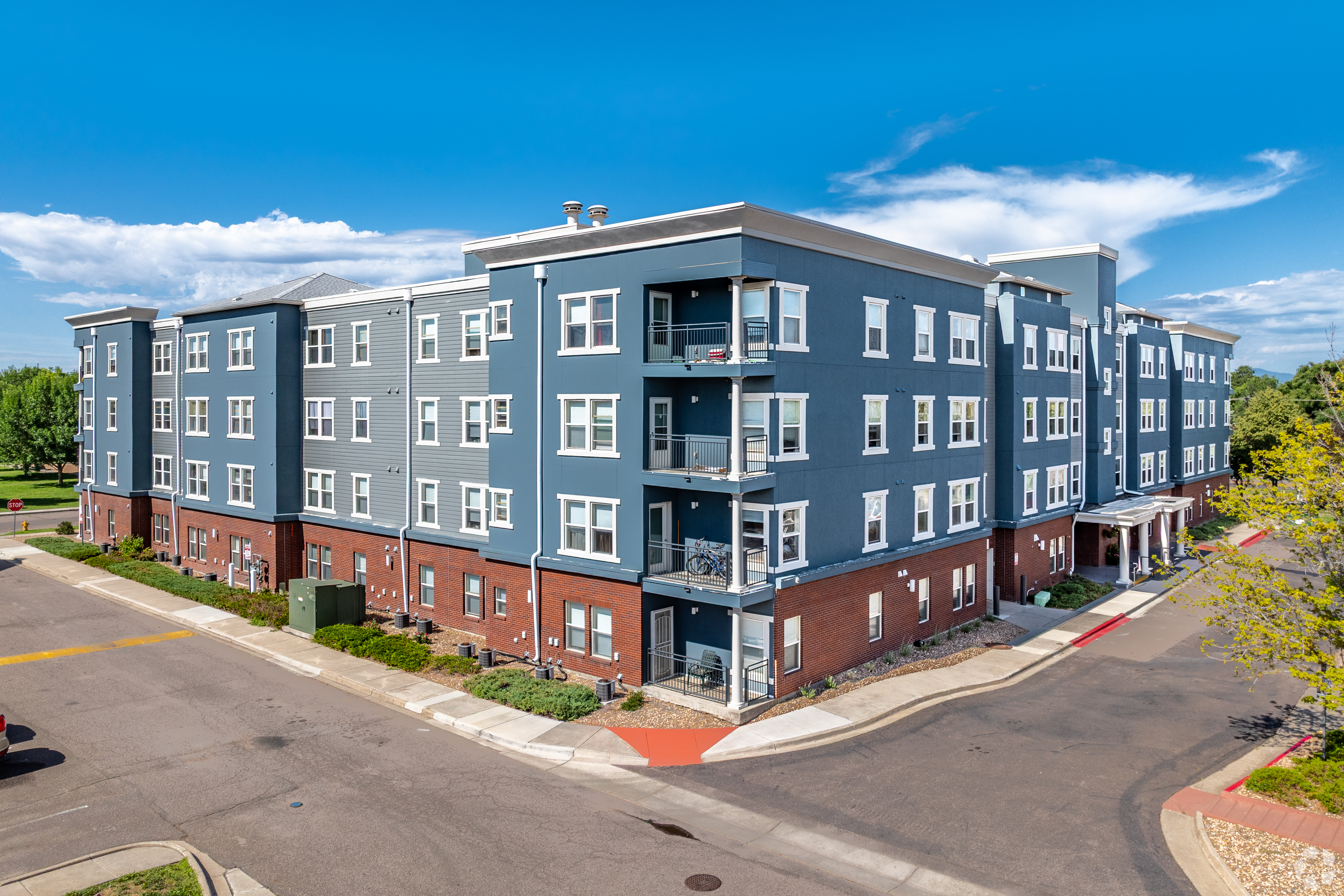
Denver continues to grow, and with that growth comes a rising need for affordable, secure housing options for older adults. Many seniors want to remain close to their support networks, familiar neighborhoods, and the amenities that help them stay active and engaged. Clyburn at Stapleton, located in one of Denver’s most vibrant and thoughtfully designed communities, provides a welcoming and affordable living option for seniors who want comfort, connection, and stability.
Surrounded by parks, walking paths, and a warm neighborhood atmosphere, Clyburn at Stapleton offers more than housing — it provides a sense of belonging.
A Mission Rooted in Stability, Dignity, and Community
Affordable senior housing plays a crucial role in helping older adults maintain independence and quality of life. At Clyburn at Stapleton, residents benefit from rental assistance options and supportive services that help stretch limited incomes without sacrificing comfort or safety.
Yasmin Luevano, who works closely with residents and families, puts it simply:
“Everyone deserves a place where they feel respected, safe, and valued — especially our seniors. We work every day to make Clyburn feel like home.”
That philosophy guides every aspect of the community’s approach, from the way staff interacts with residents to the thoughtful design of the apartments and shared spaces.
Why Affordable Senior Housing Matters in Denver
Denver’s senior population continues to grow rapidly, and with rising costs of living, many older adults are searching for accessible, long-term housing solutions. Communities like Clyburn at Stapleton help fill a critical gap by offering:
-
Income-based rental structures
-
Safe, secure living environments
-
Easy access to transportation and local resources
-
Supportive community culture
Affordable-subsidized housing doesn’t just provide financial relief — it provides peace of mind.
A Welcoming Senior Community in the Heart of Stapleton
The Stapleton area of Denver is known for its walkability, community parks, and modern mixed-use neighborhoods. Seniors who live here enjoy:
-
Beautiful greenbelts and trails
-
The Stanley Marketplace for shopping and dining
-
Access to RTD bus routes
-
Nearby healthcare providers
-
A friendly, community-centered environment
The area was intentionally designed with inclusivity and interconnectedness in mind. For seniors, that means easy access to daily essentials and opportunities for healthy social engagement.
Apartment Features That Support Independence
Clyburn at Stapleton offers thoughtfully designed one-bedroom units tailored to senior living needs. Residents enjoy:
-
Open floor plans
-
Full kitchens
-
Accessible bathrooms
-
Emergency response systems
-
On-site laundry facilities
These features provide both comfort and autonomy — allowing residents to shape their daily routines around what matters most to them.
Amenities That Encourage Activity and Connection
Beyond the apartments themselves, the community provides shared spaces and programs that help seniors build meaningful relationships:
-
Comfortable lounge and gathering areas
-
Resident activity programs
-
Outdoor courtyard spaces
-
Community events
-
Supportive on-site staff
These amenities foster friendships, reduce social isolation, and create a welcoming environment that feels like a close-knit neighborhood.
A Team Committed to Resident Wellbeing
The staff at Clyburn at Stapleton recognizes the unique challenges seniors may face — from financial constraints to changing health needs. They offer support in navigating:
-
Local social services
-
Community transportation
-
Healthcare resources
-
Resident engagement opportunities
As Yasmin shares:
“The best part of our work is watching residents connect with each other. This isn’t just a place to live — it’s a community where people care.”
That commitment to meaningful connection sets the tone for daily life at Clyburn.
A Denver Location with Everything Seniors Need
Being just minutes from grocery stores, pharmacies, wellness centers, and cultural attractions provides an added layer of convenience for residents. Seniors also enjoy:
-
Easy access to Central Park
-
Close proximity to I-70 for family visits
-
Quick routes to downtown Denver
The neighborhood strikes a balance between peaceful residential living and convenient urban amenities.
Supporting Aging in Place
Affordable housing is most effective when paired with the ability to age comfortably in one location. Clyburn at Stapleton supports residents by:
-
Offering long-term stability through income-based rents
-
Creating safe, accessible environments
-
Partnering with local organizations to expand resources
-
Encouraging resident involvement and peer support
This holistic approach helps seniors remain self-sufficient and connected for years to come.
Visit Their Seniors Blue Book Listing
More information can be found on their Seniors Blue Book listing
FAQs About Affordable Senior Living in Denver
1. What does “affordable-subsidized housing” mean?
It generally means rent is adjusted based on income, helping seniors stay within a manageable budget.
2. Is there an age requirement to live at Clyburn at Stapleton?
Most affordable senior housing communities require residents to be 62 or older or meet disability criteria.
3. Is transportation available nearby?
Yes. The Stapleton area is well connected with RTD bus routes and accessible walking paths.
4. Are services like meals or medical care included?
Affordable housing focuses on housing itself. Residents can independently choose outside services as needed.
5. Is the area safe and easy to navigate?
The Stapleton neighborhood is designed for walkability, community interaction, and easy access to essential services.
Other Articles You May Like
How High Interest Rates Are Slowing Home Sales in the Denver Metro Are
By Brandis Meeks Nov 2026 Quick answer: are high interest rates slowing home sales in Denver?Yes. With 30-year fixed mortgage rates sitting around 7.3% in October 2026, up from about 6.3% a year earlier, Denver metro buyers are pulling back and sellers are feeling it. The Colorado Association of Realtors reported that September 2026 closed sales in the Denver metro fell 18.7% from a year earlier and pending sales dropped 12.7%. The Denver metro housing market by the numbersHere is where the market stands as of late October 2026, using the most recent data released.What the numbers say: prices are drifting lower rather than collapsing, but volume is falling hard. Fewer buyers can qualify at 7%+ rates, so homes sit longer, sellers cut prices or pay concessions, and many listings expire with no sale at all.Figures reflect the latest published reports as of October 28, 2026. Market data is revised each month, so check the sources below for updates.Why high mortgage rates slow home salesThree forces are working together in the Denver metro.1. Monthly payments jump. On a home at the $565,000 metro median with 20% down ($452,000 loan), principal and interest at 7.32% is about $3,105 a month. At last year's 6.34% rate, the same loan was about $2,810. That is roughly $295 more per month, or about $3,500 a year, for the identical house. For buyers already stretched by Denver prices, that gap is often the difference between qualifying and not.2. The lock-in effect keeps sellers on the sidelines. Many Denver homeowners locked in mortgages at 3% to 4% during 2020 and 2021. Local agents quoted by the Denver Gazette have noted that moving to a similar home at today's rates can add $1,500 to $2,000 a month to the housing payment. Owners who don't have to sell stay put, which keeps inventory tight in some price ranges even while demand falls.3. Buyers get cautious and negotiate harder. When affordability shrinks, buyers wait, ask for repairs, and request concessions. In September, 64% of Denver metro sales included seller concessions and nearly half had price reductions. Homes that are dated, deferred-maintenance, or priced optimistically are hit hardest because they need a buyer who can both finance the purchase and absorb surprises at inspection.The result is a stalled market: fewer showings, longer days on market, and more listings that expire unsold.What this means for sellers in Denver and Surrounding CitiesThe slowdown is metro-wide, but it shows up differently depending on the home.Condos and townhomes are seeing the sharpest price pressure. The attached-home median fell 6.2% to $375,000 in September, and HOA dues make monthly payments even harder for buyers to absorb.Move-in-ready single-family homes in strong neighborhoods are still selling, but often with price cuts or concessions.Homes that need work in Aurora, Denver, Lakewood, Centennial, Littleton, Arvada, Thornton and other Front Range cities face the longest waits, because financed buyers and their lenders push back on condition.Inherited, tenant-occupied, hoarder, and storage-heavy properties are especially hard to list, since buyers must stomach cleanout costs on top of a 7% mortgage.If you list in this market, plan for a longer timeline, a possible price reduction, and repair negotiations after inspection. Carrying costs such as mortgage payments, property taxes, insurance, and utilities keep running the whole time. About 45% of listings that left the market in recent REcolorado data did so without selling, so a listing is not a guaranteed sale.Your options when the market is slow1. List on the MLS and wait. This can net the highest price for a turnkey home, but expect longer marketing time, buyer concessions, and repair requests. Costs include agent commissions, staging, and repairs.2. Cut the price or offer concessions. Many Denver sellers are doing this, with nearly half of September sales including a price reduction. It can speed things up but lowers your net.3. Rent the home out or hold it. This works only if the numbers cover your payment, taxes, insurance, and maintenance, and you are comfortable being a landlord.4. Sell as-is to a local cash home buyer. If you need certainty, a fast timeline, or you don't want to fix, clean, or stage the home, a direct sale removes the financing risk that high rates create. A cash buyer doesn't depend on a mortgage approval, so rate swings can't cancel the deal.How The Property Buyers can helpThe Property Buyers is a Colorado home buying company based in Aurora, founded in 2008. We have an A+ Rating with the Better Business Bureau. Plenty of 5 Star Google Reviews show why we are a trusted professional Cash Home Buyer. We buy houses throughout the Denver metro area:Get a No-Obligation Cash Offer for your homeAs-is condition. No repairs, no updates, no inspection haggling.No cleanout. Leave the furniture, belongings, and debris. We handle it.Close in as little as 10 business days, or on the date that fits your schedule.No agent commissions and no financing contingencies.Whether the house is inherited, tenant-occupied, in foreclosure trouble, or just not selling, call 720-650-7986 or visit thepropertybuyers.com to request a no-obligation cash offer. A cash offer may be lower than a fully renovated listing price, so compare it with your net after repairs, commissions, carrying costs, and time on the market.Frequently asked questionsAre high interest rates slowing home sales in Denver?Yes. Mortgage rates near 7.3% have cut buyer purchasing power, and the Colorado Association of Realtors reported Denver metro closed sales down 18.7% and pending sales down 12.7% year over year in September 2026.What is the mortgage rate in Colorado right now?Freddie Mac's national 30-year fixed average was 7.32% for the week of October 22, 2026, compared with 6.34% a year earlier. Colorado rates track the national average and vary by lender, credit score, and down payment.Are Denver home prices falling because of high rates?Prices are softening, not crashing. The Denver metro median price was $565,000 in September 2026, down 1.7% from a year earlier, and the attached-home median fell 6.2% to $375,000.Is it a good time to sell a house in Denver?It depends on your home and your timeline. Turnkey homes in good locations still sell, but sellers are giving more price reductions and concessions. If your home needs repairs or you need to sell quickly, selling as-is to a cash buyer can avoid the delays.Can I sell my Denver house as-is without cleaning it out?Yes. The Property Buyers buy houses as-is across the Denver metro with no cleanout required, so you can leave furniture and belongings behind.How fast can The Property Buyers close on a house?We can close in as little as 10 business days, or later if you need more time.How can I schedule a walk-through of my house?It's very easy: just call 720-650-7986 or visit thepropertybuyers.com to request a home walk-through and your no-obligation cash home offer.SourcesColoradoBiz: Colorado home sales fall as buyers pull back in the Denver metro (September 2026 data, Colorado Association of Realtors)Freddie Mac: Primary Mortgage Market SurveyMile High Title Guy: Denver metro expired listings, September 2026 (REcolorado data)Mortgage News Daily: NAR existing-home sales, September 2026Trading Economics: U.S. existing home salesDenver Gazette: Denver realtors say rates, not prices, are holding back the market (June 4, 2026)Denver Metro Association of Realtors market trendsPayment comparisons are our own calculation: 30-year fixed, 20% down on a $565,000 home, principal and interest only, excluding taxes, insurance, and HOA dues.
Affordable-Subsidized Senior Housing in Theodore, AL
Finding a safe, comfortable place to live on a fixed income is one of the biggest worries families face as a loved one ages. Rent keeps climbing, Social Security checks do not stretch as far as they used to, and many older adults are left choosing between housing and other basics like groceries, prescriptions, and utilities. If you are helping a parent, grandparent, or neighbor in the Theodore, Alabama area, you may be wondering where to turn.Affordable-subsidized senior housing is one answer. This guide explains how it works, who qualifies, and what to know about two income-based senior apartment communities in Theodore: AHEPA 310 IX Apts and AHEPA 310 XI Apts.What Is Affordable-Subsidized Senior Housing?Affordable-subsidized housing is rental housing supported by government funding so that older adults with limited incomes can live independently without carrying a heavy rent burden. Instead of paying a flat market rate, residents typically pay a portion of their income toward rent.Who It Is ForThis type of housing is designed for seniors who: Are generally age 62 or older Have household income at or below limits set by the U.S. Department of Housing and Urban Development (HUD) or the Low-Income Housing Tax Credit (LIHTC) program Can live independently, or with services they arrange on their own, and can fulfill the terms of a leaseIt is important to know that this is independent living, not assisted living or nursing care. Residents have their own apartments. Many communities also offer supportive services coordination to help residents stay connected to resources as their needs change.How Rent WorksAt AHEPA Senior Living communities, apartments are subsidized by HUD, and rent is generally based on 30 percent of the resident's adjusted gross monthly income. That means the rent adjusts to what a household can realistically afford. Exact amounts depend on each applicant's income and circumstances, so the property's management office is the best source for a personal estimate.Affordable-Subsidized Options in Theodore, ALAHEPA 310 IX AptsAddress: 7560 Olympic Lane, Theodore, AL 36582Phone: 251-653-2294Property features and services include: Age-restricted community Controlled access and guest parking Handicap and wheelchair accessibility Fitness center Self-serve laundry Activities and social programs Pets: the listing indicates all pets are considered (confirm the current pet policy with the office)Safety and comfort features typical of AHEPA communities include smoke detectors and sprinklers, carbon monoxide detectors, well-lit parking with exterior motion lighting, an apartment-to-entrance intercom, an entrance camera monitor, emergency call systems, and grab bars in tubs and showers in accessible units.Common amenities typically include a community room with TV and cable, a computer room, a library, internet connectivity in common areas, landscaped grounds, and on-site management and maintenance Monday through Friday. Supportive services coordination and close proximity to public transportation are also part of the AHEPA model.A good fit for: Seniors who want a quiet, accessible, one-bedroom apartment with built-in safety features and a steady schedule of social activities.Learn more: https://seniorsbluebook.com/senior-housing/ahepa-310-ix-apts-mobile-alAHEPA 310 XI AptsAddress: 7560-A Olympic Lane, Theodore, AL 36582Phone: 251-653-9880Property features and services include: Age-restricted community Controlled access and guest parking Handicap and wheelchair accessibility Fitness center Self-serve laundry Activities and social programs Pets: the listing indicates all pets are considered, including small pets (confirm the current pet policy with the office)Like other AHEPA communities, AHEPA 310 XI is built with resident safety in mind, including emergency call systems, entrance monitoring, fire and carbon monoxide protection, and accessible bathroom features in designated units. Residents also have access to shared spaces such as a community room, library, and computer room.A good fit for: Seniors who want an affordable one-bedroom home, an accessible and secure building, and the option to keep a small pet. Comparing the Two CommunitiesBoth communities are subsidized by HUD, both offer one-bedroom floor plans, and both share the same address area and AHEPA management philosophy. The main differences are size (50 units versus 42 units) and the pet language in each listing. Because availability, waitlists, and policies can change, we recommend calling both offices.Why This Matters in TheodoreTheodore is a community in Mobile County where many older adults have deep roots. Families often want their loved ones to stay close to familiar churches, doctors, grocery stores, and friends rather than relocate to another city. Having two income-based senior communities right in Theodore makes that possible.Affordable housing for seniors is also in short supply across the country, and demand is often higher than the number of available apartments. That is why waiting lists are common in subsidized communities. Learning about your options early, before a crisis or a lease ending, gives your family time to apply and plan without pressure.Stable, affordable housing also supports better health. When rent is predictable, seniors are more likely to afford medications, nutritious food, and transportation to appointments. Communities with social activities and supportive services help reduce isolation, which matters just as much as a safe roof.How to Get StartedApplying for subsidized housing takes a little preparation. These steps can help you move forward with confidence.Step 1: Confirm EligibilityReview the basics. Generally, at least one head of household must be 62 or older, and household income must fall at or below HUD or LIHTC limits. The property office can tell you the current limits for your household size.Step 2: Gather Your DocumentsApplicants are usually asked for items such as photo ID, Social Security cards, proof of income (Social Security award letters, pension statements, or bank statements), and information about assets. Having these ready can speed up the process.Step 3: Call Both CommunitiesContact AHEPA 310 IX at 251-653-2294 and AHEPA 310 XI at 251-653-9880. Ask about current availability, waitlist length, application steps, and how to schedule a tour.Step 4: Submit an ApplicationResidency is based on acceptance of a submitted application. Fill it out completely and ask what happens next, including how you will be notified.Step 5: Ask Good QuestionsBefore you commit, consider asking about: Accessibility features in the specific unit Pet policy and any pet requirements Transportation options nearby Supportive services and activities offered Maintenance hours and emergency proceduresStep 6: Keep Your Information CurrentWhile you wait, let the office know if your phone number, address, or income changes so you do not lose your place on the list.Related CategoriesNot sure if subsidized independent living is the right level of support? These related categories may help: Independent Living Assisted Living Home Health
Affordable-Subsidized Senior Housing in Semmes, AL
Finding a safe, comfortable place to live on a fixed income is one of the biggest worries families face as a loved one ages. Rent keeps climbing, Social Security checks do not stretch as far as they used to, and many older adults are left choosing between housing and other basics like groceries, prescriptions, and utilities. If you are helping a parent, grandparent, or neighbor in the Semmes, Alabama area, you may be wondering where to turn.Affordable-subsidized senior housing is one answer. This guide explains how it works, who qualifies, and what to know about AHEPA 310 X Apts, an income-based senior apartment community in Semmes.What Is Affordable-Subsidized Senior Housing?Affordable-subsidized housing is rental housing supported by government funding so that older adults with limited incomes can live independently without carrying a heavy rent burden. Instead of paying a flat market rate, residents typically pay a portion of their income toward rent.Who It Is ForThis type of housing is designed for seniors who: Are generally age 62 or older Have household income at or below limits set by the U.S. Department of Housing and Urban Development (HUD) or the Low-Income Housing Tax Credit (LIHTC) program Can live independently, or with services they arrange on their own, and can fulfill the terms of a lease It is important to know that this is independent living, not assisted living or nursing care. Residents have their own apartments. Many communities also offer supportive services coordination to help residents stay connected to resources as their needs change.How Rent WorksAt AHEPA Senior Living communities, apartments are subsidized by HUD, and rent is generally based on 30 percent of the residents adjusted gross monthly income. That means the rent adjusts to what a household can realistically afford. Exact amounts depend on each applicants income and circumstances, so the propertys management office is the best source for a personal estimate.Affordable-Subsidized Option in Semmes, ALAHEPA 310 X AptsAddress: 9180 Hellenic Way, Semmes, AL 36575 Phone: 251-645-2405AHEPA 310 X is an income-based senior apartment community in Semmes and part of the AHEPA 310 network, which operates eleven locations across Mobile and Baldwin Counties. AHEPA Senior Living is a not-for-profit organization built on a commitment to service, philanthropy, and dignity for older adults. This community is a HUD Section 202 supportive housing property for the elderly, sponsored by the AHEPA National Housing Corporation. Public HUD records describe it as a three-story building of one-bedroom apartments on about four acres in the Semmes area of Mobile County.Property Features and ServicesAccording to its Seniors Blue Book listing, the community offers: Age-restricted housing for seniors 64 one-bedroom apartments Controlled access and guest parking Handicap and wheelchair accessibility Fitness center Self-serve laundry Activities and social programs Pets: the listing indicates all pets are considered, including small pets (confirm the current pet policy with the office) Safety FeaturesAHEPA affordable independent living communities are built with resident safety in mind. Typical features include: Smoke detectors and sprinklers Carbon monoxide detectors Well-lit parking with exterior motion lighting Emergency electric apartment door releases Apartment-to-entrance intercom and an entrance camera monitor Emergency call systems Grab bars in tubs and showers in accessible units Common AmenitiesAHEPA communities generally include on-site management and maintenance Monday through Friday, a community room with TV and cable, a computer room, a library, internet connectivity in common areas, coin-operated laundry, central trash collection, landscaped grounds, and supportive services coordination. Access to public transportation is also part of the AHEPA model, so ask the office what is available near the Semmes location.Eligibility BasicsResidency is based on acceptance of a submitted application. AHEPA lists these general requirements, which can vary by community: Age 62 or older for any type of unit In certain communities, ages 18 to 61 for a mobility-accessible unit For two people, one head of household must meet the minimum age requirement of 62 Ability to fulfill the lease on your own or with services you provide Income at or below levels established by HUD or LIHTC A Good Fit ForSeniors who want an affordable one-bedroom home with built-in safety features, an accessible and secure building, social activities close by, and, for many, the option to keep a small pet.Why This Matters in SemmesSemmes is a community in western Mobile County where many older adults have deep roots. Families often want their loved ones to stay close to familiar churches, doctors, grocery stores, and friends rather than relocate to another city. Having an income-based senior community right in Semmes makes that possible.Affordable housing for seniors is also in short supply across the country, and demand is often higher than the number of available apartments. That is why waiting lists are common in subsidized communities. With 64 units, AHEPA 310 X is a meaningful local resource, but openings can take time. Learning about your options early, before a crisis or a lease ending, gives your family time to apply and plan without pressure.Stable, affordable housing also supports better health. When rent is predictable, seniors are more likely to afford medications, nutritious food, and transportation to appointments. Communities with social activities and supportive services help reduce isolation, which matters just as much as a safe roof.How to Get StartedApplying for subsidized housing takes a little preparation. These steps can help you move forward with confidence.Step 1: Confirm EligibilityReview the basics. Generally, at least one head of household must be 62 or older, and household income must fall at or below HUD or LIHTC limits. The property office can tell you the current limits for your household size.Step 2: Gather Your DocumentsApplicants are usually asked for items such as photo ID, Social Security cards, proof of income (Social Security award letters, pension statements, or bank statements), and information about assets. Having these ready can speed up the process.Step 3: Call the CommunityContact AHEPA 310 X at 251-645-2405. Ask about current availability, waitlist length, application steps, and how to schedule a tour.Step 4: Submit an ApplicationFill out the application completely and ask what happens next, including how you will be notified when a unit becomes available.Step 5: Ask Good QuestionsBefore you commit, consider asking about: Accessibility features in the specific unit Pet policy and any pet requirements Transportation options near the community Supportive services and activities offered Maintenance hours and emergency procedures Step 6: Keep Your Information CurrentWhile you wait, let the office know if your phone number, address, or income changes so you do not lose your place on the list.Related CategoriesNot sure if subsidized independent living is the right level of support? These related categories may help: Independent Living Assisted Living Home Health