Better Senior Care Means Staying Out Of The Hospital
Complete Care Strategies
For more information about the author, click to view their website: Complete Care Strategies
May 07, 2026
Pennsylvania - Greater Pittsburgh Area


Hospital readmissions can be distressing, especially for
seniors. They often signal a lack of comprehensive care and support, leading to
a vicious cycle of health setbacks. Nearly 1 in 5 Medicare patients are
readmitted to the hospital within 30 days of discharge, according to the
Centers for Medicare and Medicaid Services. This issue is costly, dangerous,
and often preventable with the right senior care.
As an Aging Life Care Manager, my goal is to help seniors
stay healthy and independent so they can avoid unnecessary trips to the
hospital. Here’s how we do it:
Transition Support After Discharge
The transition home after a hospital stay is risky. Seniors
are still recovering, have complicated medication regimens, and require
follow-up appointments. Without proper support, they can easily get confused or
overwhelmed. As Aging Life Care Managers, we ensure our clients have everything
they need to transition home safely. This includes coordinating home health
services, providing transportation, explaining discharge instructions, and
more. Having a guide through the transition reduces the chances of complications
that lead to readmission.
Ongoing Care Management
Simply surviving the hospital discharge is not enough.
Seniors need consistent support to remain healthy at home. As Aging Life Care
Managers, we provide ongoing care management for our clients. This includes
medication management, coordinating medical appointments, providing referrals
to health services, and continually monitoring my client’s condition. By
staying involved, we can detect early warning signs and address issues before
they escalate into an emergency.
Advocacy and Care Coordination with Healthcare Providers
Navigating healthcare as a senior is complicated. With
multiple specialists and complex conditions, things can fall through the
cracks. As Aging Life Care Managers, we act as advocates and care coordinators
with my client’s healthcare providers. I make sure care is coordinated between
specialists to avoid conflicts. I also accompany clients to appointments to
help explain symptoms, ask questions, and ensure all instructions are clear.
This oversight helps prevent medical issues from being overlooked.
Family Education and End-of-Life Care Planning
Aging Life Care Managers educate families on how to best
support their senior loved ones. This includes recognizing signs of health
deterioration and taking preventative measures to keep seniors out of the
hospital. For seniors with advanced illnesses, Aging Life Care Managers assist
in making end-of-life plans that align with the seniors’ wishes, preventing
unnecessary, distressing hospitalizations in favor of compassionate, home-based
care.
Remember, the key to preventing hospital readmissions is
proactive, personalized care. With Aging Life Care Managers by your side, you
can ensure your senior loved ones receive the support and attention they need
to stay healthy and avoid the revolving door of hospital admissions.
How to Find an Aging Life Care Manager
If you or a loved one could benefit from this type of senior care management, we at Complete Care Strategies provide these services to older adults in the Greater Philadelphia Region out to Lancaster County, South Jersey, and Northern Delaware and can be reached at 610-265-4300. Our goal is to help seniors remain independent and healthy in their own homes. Reach out today to learn more about my services.
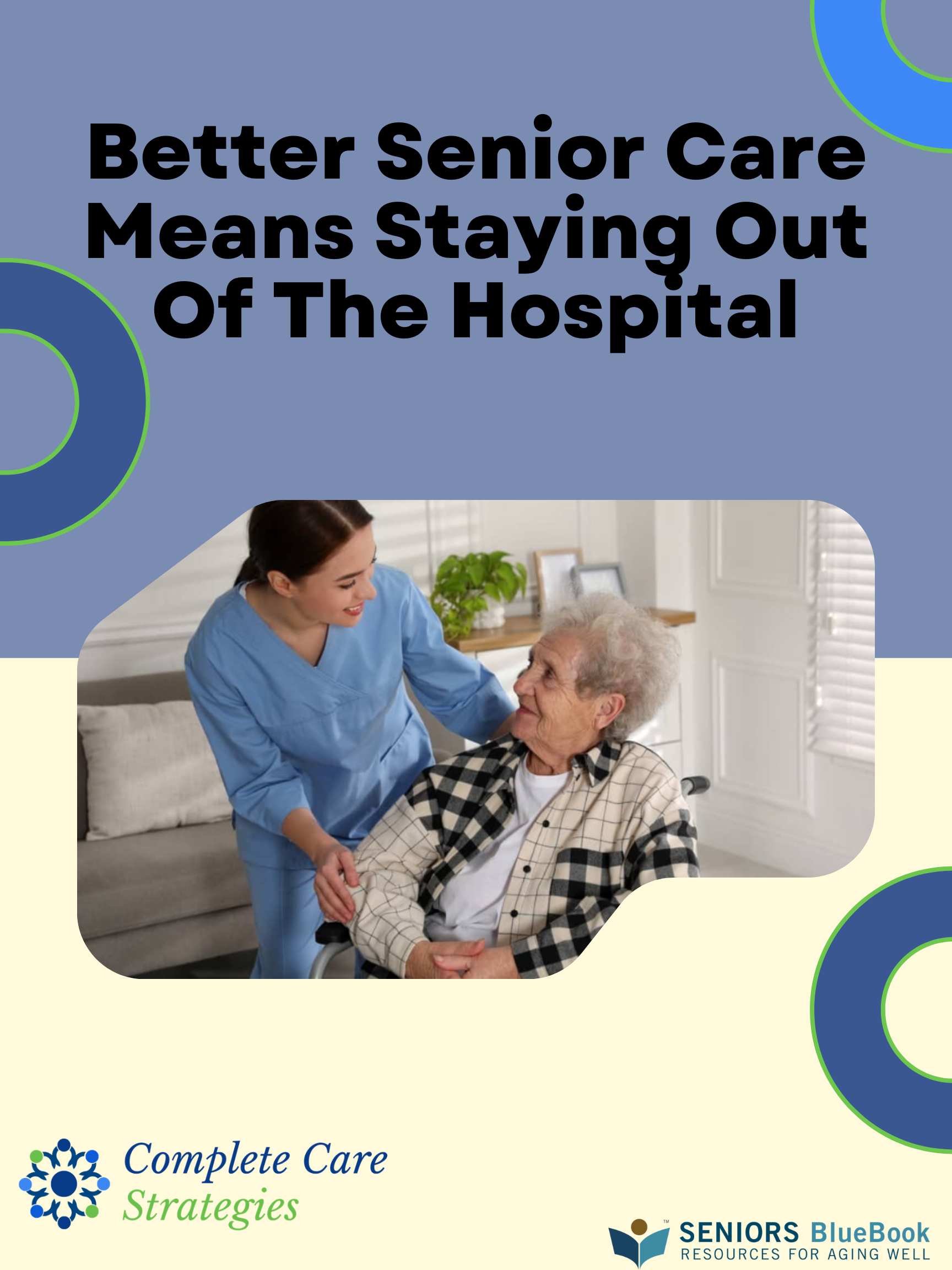
- To view the original version of this article visit completecarestrategies.com/better-senior-care-means-staying-out-of-the-hospital-2/
- Seniors Blue Book was not involved in the creation of this content.
Other Articles You May Like
Falls Are Rising Among Older Adults
Falls Are Rising Among Older Adults. Heres How to Lower Your Risk at HomeAccidental fall deaths in the U.S. have roughly tripled since 2000, according to CDC data analyzed by USAFacts. For adults 65 and older, falls are now the leading cause of both fatal and non-fatal injury, and the increase shows up in every older age group.Several factors seem to be adding up: more prescription medication use, more drinking among older adults, and higher obesity rates. Fear of falling plays a part too. People who worry about falling often move less, and over time that can weaken strength and balance. Know your riskCommon risk factors include limited mobility, chronic conditions such as diabetes or arthritis, certain medications, changes in vision or hearing, and home hazards. The National Council on Agings free Falls CheckUp is a quick way to see where you stand. Build everyday habitsWear glasses and hearing aids as prescribed and keep up with regular eye and hearing exams.Review your medications with your doctor or pharmacist.Use a sturdy step stool, not a chair, to reach high places.Take your time, especially when standing up or changing direction. Make your home work for youFor stairs and steps, a stairlift, wheelchair ramp, home elevator or platform lift can make it easier to move between levels.Install grab bars and consider a shower seat or an accessible walk-in shower.Clear clutter, secure or remove loose rugs, and keep cords out of walkways.Add brighter lighting and nightlights. A few small changes can help you stay active and comfortable at home. Adapted from Deaths from Falls Are Rising. How Can You Reduce Your Fall Risk at Home? by Lifeway Mobility.Contact Person: Eric Rubel | Marketing [email protected]: 847.403.0132
Facing a Cancer Diagnosis? How a Patient Advocate Can Help.
Facing a Cancer Diagnosis in Western Pennsylvania? How a Patient Advocate Can Help Understanding your diagnosis, navigating cancer treatment, and making important healthcare decisions can feel overwhelming. Discover how a healthcare patient advocate can help you find clarity, confidence, and support when you need it most. Hearing the words "You have cancer" can change your world in an instant. Suddenly, everyday life takes a back seat to medical appointments, unfamiliar terminology, treatment decisions, insurance questions, and concerns about what the future may hold. Whether you've recently received a cancer diagnosis, are undergoing treatment, or are helping a loved one navigate their healthcare journey, it's natural to feel overwhelmed. You may have excellent doctors and a supportive family, yet still find yourself wondering: Am I asking the right questions? Do I understand all my options? What if I'm missing something important? The good news is that you don't have to navigate a cancer diagnosis alone. A healthcare patient advocate can help you better understand medical information, prepare for important conversations, and feel more confident making decisions about your care. For individuals and families throughout Pittsburgh and Western Pennsylvania, Vital Voice, led by Wendy, provides personalized healthcare advocacy, clarity, and compassionate guidance during some of life's most challenging moments. Cancer in Pennsylvania: Why Patient Advocacy Matters More Than Ever Cancer affects thousands of Pennsylvania families every year. According to the American Cancer Society, an estimated 90,240 new cancer cases were projected to be diagnosed in Pennsylvania in 2025. Behind every statistic is a person trying to understand a diagnosis, a spouse worried about their partner, or an adult child helping an aging parent make important healthcare decisions. Western Pennsylvania is also home to a substantial population of older adults. According to the U.S. Census Bureau, approximately 21.9% of Allegheny County residents are age 65 or older. Because the risk of developing many types of cancer increases with age, older adults represent an important population when discussing cancer care, treatment decisions, and healthcare navigation. For seniors, a cancer diagnosis can bring additional challenges, particularly when they are already managing chronic health conditions, taking multiple medications, or trying to maintain their independence. And while the Pittsburgh region offers access to hospitals, oncology specialists, cancer treatment centers, and community resources, knowing where to turn and what questions to ask isn't always easy. That's why having someone who can help you navigate the healthcare system can be so valuable. What Is a Cancer Patient Advocate, and How Can One Help? A cancer patient advocate is someone who helps individuals better understand and navigate the medical, practical, and emotional challenges that can accompany a cancer diagnosis. Think of a healthcare advocate as an additional person in your corner. Your oncologist focuses on diagnosing and treating your cancer. Your nurses and other healthcare professionals provide essential medical care. A patient advocate helps you become a more informed, organized, and confident participant in the process. Healthcare advocacy isn't about replacing your medical team or making medical decisions for you. It's about helping you understand what's happening, identify the questions that matter, and feel comfortable speaking up about your needs and concerns. Depending on your situation, a healthcare advocate may help you: Understand medical information and unfamiliar terminology. Prepare questions for oncology appointments. Organize information about treatment options and recommendations. Identify concerns to discuss with your healthcare providers. Prepare for conversations about second opinions. Better understand the next steps in your care. Identify questions about insurance, treatment costs, or available resources. Feel supported during difficult healthcare decisions. Sometimes, simply having someone help you sort through everything can make an overwhelming situation feel much more manageable. Seven Ways a Healthcare Advocate Can Help During Your Cancer Journey 1. Understanding a New Cancer Diagnosis When you're first diagnosed with cancer, your mind may be racing. Your physician might explain pathology reports, imaging results, cancer staging, and recommended treatments, but absorbing that information while processing the emotional impact of a diagnosis can be difficult. You may leave the appointment realizing you didn't fully understand what was discussed. A healthcare advocate can help you review the information you've received, identify what needs clarification, and prepare questions for your medical team. For example: What type and stage of cancer do I have? Has the cancer spread? What additional tests are needed? What treatment options should I consider? How soon do I need to make a decision? What is the goal of the recommended treatment? Understanding your diagnosis is the first step toward feeling more empowered in your healthcare journey. You don't need to become a medical expert. You simply deserve information presented in a way you can understand. 2. Preparing for Oncology Appointments and Asking the Right Questions Have you ever walked out of a doctor's appointment and suddenly remembered everything you meant to ask? Now imagine doing that while navigating a cancer diagnosis. Oncology appointments often involve complicated conversations, unfamiliar information, and significant decisions. Even patients who are normally organized and confident may struggle to remember everything. A healthcare advocate can help you prepare by organizing your concerns, developing a list of questions, and identifying what information you need before your appointment. Keeping a notebook with your medications, symptoms, appointments, test results, and questions can also be helpful. You may want to bring a trusted family member, take notes, or ask your provider whether recording the conversation is permitted. Being prepared can help you leave appointments with a clearer understanding of what comes next. 3. Making Sense of Cancer Treatment Options Cancer treatment is rarely one-size-fits-all. Depending on the type and stage of cancer, your medical team may recommend surgery, chemotherapy, radiation therapy, immunotherapy, targeted therapy, hormone therapy, or a combination of treatments. Each approach can involve different benefits, risks, side effects, and schedules. For older adults, treatment decisions may also involve considerations such as existing medical conditions, mobility, medications, independence, and quality of life. You may wonder: What are the benefits and risks of this treatment? How will it affect my everyday activities? What side effects should I expect? Are there other treatment options worth discussing? Should I seek a second opinion? What happens if I choose not to pursue a particular treatment? A healthcare advocate can help you organize these questions and better understand the information provided by your medical professionals. The ultimate goal is to help ensure that your treatment decisions reflect your medical needs, personal preferences, and what matters most to you. 4. Helping Older Adults Maintain Independence During Cancer Treatment For many seniors in Pittsburgh and Western Pennsylvania, maintaining independence is a major concern when facing cancer treatment. Some older adults live alone. Others have spouses who may also be managing health challenges. Many worry about becoming a burden to their adult children. Cancer treatment can sometimes affect energy levels, mobility, appetite, and the ability to manage everyday responsibilities. In addition to medical treatment, patients may need to consider: Transportation to oncology appointments. Help with meals, housekeeping, or personal care. Home care or home health services when appropriate. Medication management and organization. Physical or occupational therapy. Nutrition support. Cancer support groups and counseling. Palliative care to help manage symptoms and improve quality of life. Palliative care is not the same as hospice care. It focuses on relief from symptoms and the stress of serious illness and can be provided alongside cancer treatment. A healthcare advocate can help patients and families recognize important support needs and prepare questions about available services. The earlier these conversations happen, the easier it may be to plan for changes before they become urgent. 5. Supporting Spouses, Adult Children, and Family Caregivers A cancer diagnosis doesn't affect only the person receiving treatment. It often changes the lives of everyone who loves them. Spouses may suddenly become primary caregivers. Adult children may find themselves coordinating appointments, managing paperwork, arranging transportation, and communicating with multiple healthcare providers. For families living in different parts of Western Pennsylvaniaor adult children living outside the regionthese responsibilities can become especially challenging. It's common for caregivers to feel overwhelmed, uncertain, or worried about making the wrong decision. A healthcare advocate can provide additional guidance by helping families organize their concerns, identify questions, and communicate more effectively with healthcare professionals. This support can be particularly helpful when family members have different opinions about treatment or when an older adult wants to maintain independence while accepting necessary assistance. The goal is to support the patient's wishes while helping loved ones feel better prepared for the journey ahead 6. Understanding Medicare, Insurance, and Cancer Treatment Costs A serious medical diagnosis often brings financial questions along with medical concerns. Patients may receive bills from hospitals, oncology specialists, laboratories, imaging centers, and treatment facilities. Even with Medicare or private health insurance, understanding deductibles, copayments, coinsurance, prior authorizations, and out-of-pocket expenses can be confusing. Some treatments or medications may require additional insurance approvals, and coverage can vary depending on the individual's plan. Important questions to ask include: Is my oncologist or cancer treatment center covered by my insurance? Does my treatment require prior authorization? What expenses might I be responsible for? Are financial assistance programs available? Does my cancer treatment center have a financial navigator or social worker? Who can help me understand an unexpected medical bill? A healthcare advocate can help you identify questions and determine which professionals or departments may be able to provide answers. For specialized insurance guidance, patients should also consult their insurance provider, hospital financial counselor, or a qualified Medicare counselor. Understanding potential costs and available resources early can help reduce unnecessary stress. 7. Having Someone to Turn to When Everything Feels Overwhelming Not every challenge associated with cancer involves a medical decision. Sometimes, it's simply the emotional weight of the experience. You may feel exhausted from appointments, frustrated by conflicting information, or anxious about what comes next. You may not want to worry your family with another question or concern. Even when surrounded by people who care about you, navigating a serious illness can feel isolating. This is where the personal side of healthcare advocacy becomes especially meaningful. Having someone who listens, helps you organize your thoughts, and encourages you to speak up can provide an important sense of support. You deserve to feel heard, respected, and involved in decisions about your own health. And sometimes, knowing you have someone in your corner can make a difficult day feel a little less overwhelming. Do You Need a Healthcare Advocate If You Already Have a Good Doctor? This is a question many patients and families ask. The answer is that even individuals with excellent physicians and compassionate medical teams may benefit from additional advocacy support. Doctors, nurses, oncology social workers, and hospital patient navigators play essential roles in cancer care. However, patients may still need help organizing information, preparing questions, or understanding what to do between appointments. An independent healthcare advocate can complement the support provided by your existing healthcare team. Think of it this way: Your medical team focuses on your cancer treatment. Your healthcare advocate helps you stay informed, organized, and confident as you navigate the experience. It's not about questioning the expertise of your physicians. It's about ensuring you feel comfortable participating in your care. Five Important Questions Every Cancer Patient Should Ask Whether you've recently been diagnosed or are already undergoing treatment, consider bringing these five questions to your next oncology appointment. 1. What is the goal of my treatment? Understanding whether treatment is intended to eliminate cancer, control its growth, relieve symptoms, or achieve another goal can help you evaluate your options. 2. What side effects should I expect, and when should I call my doctor? Ask which symptoms are common, which require a call to your treatment team, and which may require immediate medical attention. 3. How might treatment affect my daily life? Discuss fatigue, nutrition, transportation, mobility, caregiving responsibilities, and your ability to remain independent. 4. What additional support services are available? Ask about oncology social workers, nutrition specialists, financial counselors, rehabilitation services, support groups, and other community resources. 5. Who should I contact when I have questions between appointments? Knowing whom to call can provide reassurance when new symptoms, concerns, or questions arise. Remember, there is no such thing as a foolish question when it comes to your health. If something doesn't make sense, ask for clarification. If you need more time to understand your options, communicate that to your healthcare team. Your voice matters. When you're facing a serious health challenge, it's easy to feel like you're just another patient trying to make sense of a complicated healthcare system. Wendy, through Vital Voice, believes that every individual deserves personalized attention, clear information, and compassionate support throughout their healthcare journey. Based in Western Pennsylvania, Vital Voice provides individualized healthcare advocacy and guidance for people facing a wide range of medical challenges, including cancer diagnoses, upcoming surgeries, ongoing treatments, and uncertainty about their medical care. Wendy serves as a healthcare advocate, clarity coach, and supportive companion, helping individuals take a fresh look at their circumstances, organize their concerns, and feel more prepared to communicate with healthcare professionals. Her approach recognizes that no two healthcare journeys are exactly alike. Some individuals may need a conversation to help sort through their thoughts and prepare for an important appointment. Others may benefit from ongoing guidance while navigating a complicated medical situation. Whether you're an older adult facing cancer treatment, a spouse supporting a loved one, or an adult child helping an aging parent, Vital Voice provides personalized support based on your needs. For individuals searching for a cancer patient advocate in Pittsburgh or healthcare advocacy services in Western Pennsylvania, Vital Voice offers a local connection and a compassionate approach to navigating difficult healthcare experiences. Because behind every diagnosis is a real person with questions, concerns, hopes, and decisions that deserve thoughtful attention. You Have a Voice in Your Cancer Care. Don't Be Afraid to Use It. A cancer diagnosis can bring uncertainty, but it doesn't take away your right to ask questions, understand your options, express your preferences, and participate in decisions about your health. You don't have to understand every medical term. You don't have to remember every detail from every appointment. And you certainly don't have to pretend you have everything figured out. What matters is knowing that support is available. Whether you're newly diagnosed with breast cancer, prostate cancer, lung cancer, colorectal cancer, or another serious illness, or you're helping a loved one navigate treatment, a healthcare advocate can help you approach the next step with greater clarity and confidence. You Don't Have to Navigate Cancer Alone: If you or someone you love is facing a cancer diagnosis or another challenging healthcare situation in Pittsburgh or Western Pennsylvania, consider connecting with Wendy at Vital Voice to learn more about personalized healthcare advocacy and support. Because when it comes to your health, understanding your options, asking the right questions, and having someone in your corner can make all the difference. Your health matters. Your questions matter. Your voice matters. Vital Voice provides healthcare advocacy and guidance, not medical diagnosis or treatment. Always consult qualified healthcare professionals regarding medical decisions and treatment.
Personal Care Assistance for Seniors in Ocean County, NJ
Personal Care Assistance for Seniors in Ocean County, NJMaintaining independence is an important priority for many older adults. From choosing what to wear each morning to following a familiar bedtime routine, everyday activities help people feel comfortable, confident, and in control of their lives.As people age, however, some personal care tasks may gradually become more challenging.Changes in balance can make stepping into a shower difficult. Arthritis may complicate fastening buttons or handling grooming tools. Reduced strength can make standing, walking, or transferring between furniture more demanding.For families, recognizing these changes can raise important questions.How can an older adult continue living at home when bathing becomes difficult? What assistance is available for someone who struggles to get dressed? How can personal care be provided while respecting privacy and dignity?For seniors throughout Ocean County, New Jersey, professional in-home personal care assistance offers an option for addressing these everyday needs without immediately changing living arrangements.Home Instead Serving Ocean County provides personalized home care services designed to support older adults who need assistance with activities of daily living.Through appropriately qualified caregivers and individualized care arrangements, Home Instead helps seniors receive practical assistance with bathing, grooming, dressing, mobility, and personal routines in familiar surroundings.Understanding the role of professional personal care can help families make informed decisions about the support their loved ones need.What Is Personal Care Assistance?Personal care assistance focuses on helping individuals complete essential daily activities that may become difficult because of age-related changes, illness, disability, or reduced mobility.These activities are commonly described as activities of daily living, or ADLs.Common Activities of Daily LivingPersonal care assistance may include support with:Bathing and showeringDressing and undressingGroomingToiletingPersonal hygieneWalking and mobilityTransferring between positionsEating and drinkingMorning routinesBedtime routinesThe appropriate level of assistance depends on the individual's functional abilities, preferences, and care plan.Personal Care Is Different From Household AssistanceLight housekeeping, grocery shopping, and general companionship are valuable home care services.However, personal care focuses more directly on assistance with the individual's body, hygiene, physical movement, and daily self-care activities.These tasks may require specific caregiver training or certification.Why Personalization MattersOne older adult may need only steadying assistance while dressing.Another may require more extensive support with bathing and transfers.An effective care plan reflects those differences.Personal Care Services From Home Instead Serving Ocean CountyHome Instead provides in-home support for older adults who want to continue living in familiar surroundings.Its Ocean County services include assistance with personal care activities, mobility, and daily routines.Available Areas of SupportDepending on the individualized care plan, services may include:Bathing assistanceShower supportDressingGroomingToileting assistanceMobility supportTransfersPersonal hygieneMeal-related assistanceMorning and evening routinesAppropriately Qualified CaregiversHome Instead Serving Ocean County employs caregivers with New Jersey Certified Home Health Aide qualifications for assignments requiring that level of personal care.These qualifications are important because personal care tasks must be performed within applicable professional requirements.Care That Respects Individual PreferencesPersonal care involves sensitive activities.A thoughtful approach considers the person's comfort, privacy, abilities, and established routines.Caregivers should encourage participation whenever appropriate rather than automatically taking over every task.Bathing Assistance for Older AdultsBathing is an essential part of personal hygiene, but it can become physically demanding.Wet surfaces, awkward movements, and the need to step over bathtub edges can create additional challenges.Some seniors begin avoiding showers because they worry about losing their balance.Others experience difficulty washing certain areas because of limited flexibility.How Bathing Assistance May HelpDepending on the care plan, assistance may include:Preparing bathing suppliesHelping with safe movement into the bathing areaAssistance with washingProviding appropriate physical supportHelping with dryingAssisting with clean clothingSupporting established hygiene routinesRespecting Personal ComfortSome older adults feel embarrassed about needing assistance with bathing.Caregivers should explain what they are doing, request permission when appropriate, and maintain privacy.Consider the Bathroom EnvironmentFamilies may benefit from reviewing bathroom safety features, including lighting, grab bars, nonslip surfaces, and appropriate bathing equipment.A qualified occupational therapist or other appropriate professional can recommend modifications based on individual needs.Dressing Assistance While Preserving IndependenceGetting dressed may seem simple until arthritis, weakness, limited flexibility, or coordination difficulties make clothing difficult to manage.Buttons, zippers, socks, and shoes can present everyday challenges.Dressing Support May IncludeSelecting appropriate clothingOrganizing garmentsAssisting with buttons and fastenersHelping with socks and shoesSupporting clothing changesManaging seasonal clothing needsAssisting with dressing after bathingEncourage Personal ChoiceClothing is part of individual identity.Older adults should have opportunities to choose their outfits, colors, and preferred styles whenever possible.Adaptive Clothing and AccessoriesSome individuals benefit from clothing with easier fasteners, comfortable fabrics, or footwear designed for stability.Families can seek recommendations from qualified professionals when specific adaptations are needed.Assistance Should Match AbilitiesSomeone who can put on a shirt independently may only need help with shoes.Providing targeted assistance can help maintain existing skills and personal confidence.Grooming and Daily Hygiene SupportGrooming routines contribute to personal comfort and self-expression.Activities such as brushing hair, shaving, and caring for teeth may become difficult when hand strength or coordination changes.Common Grooming ActivitiesPersonal care assistance may involve:Hair brushingHair stylingFace washingOral hygiene assistanceDenture-related routinesShaving assistanceBasic skin hygieneNail care within the caregiver's permitted scopePreparing personal grooming suppliesWhy Familiar Routines MatterAn older adult may have followed the same grooming routine for decades.Maintaining preferred products and habits can help preserve a sense of normalcy.Observe ChangesCaregivers may notice skin irritation, discomfort, or other concerns during everyday assistance.Potential medical issues should be communicated to the appropriate healthcare professional rather than independently diagnosed or treated.Toileting and Incontinence AssistanceToileting assistance is another important area of personal care.Changes in mobility, bladder control, or physical strength may make bathroom routines difficult.Support May IncludeDepending on the individual's needs:Assistance reaching the bathroomHelp with clothingAppropriate toileting supportHygiene assistanceIncontinence product changesMaintaining a comfortable bathroom routineHelping the person return safely to an appropriate positionProtecting DignityToileting is a private activity.Caregivers should approach assistance respectfully, communicate clearly, and avoid unnecessary exposure.When Medical Evaluation Is NeededNew or worsening incontinence, pain, bleeding, or other concerning symptoms should be discussed with a healthcare professional.Personal care assistance supports hygiene and daily routines but does not replace medical evaluation.Mobility Assistance at HomeMoving comfortably through the home is essential for many daily activities.Reduced strength, balance problems, pain, or a recent illness may affect walking and standing.Mobility Support May IncludeAssistance with walkingMoving between roomsAppropriate supervisionHelping maintain clear pathwaysSupporting use of prescribed mobility aidsAssistance with standingTransfers within the caregiver's authorized scopeWhy Mobility Needs Should Be AssessedSome individuals require minimal assistance.Others need more extensive support or specialized equipment.A physical therapist or other qualified healthcare professional can assess functional limitations and recommend appropriate mobility techniques.Avoid Unsafe LiftingCaregivers should not attempt transfers beyond their training, qualifications, available equipment, or the established care plan.Families should communicate significant mobility changes promptly.Safe Transfers Between PositionsA transfer involves moving between positions or surfaces, such as from a bed to a chair.Transfers can become challenging when an older adult has weakness, balance limitations, or reduced coordination.Common Transfer SituationsThese may include:Bed to chairChair to standingWheelchair to another surfaceToilet transfersGetting into or out of bedWhy Proper Techniques MatterIncorrect transfer methods may create risks for both the older adult and caregiver.Appropriate techniques depend on the individual's abilities and the equipment available.Professional Guidance Is ImportantFamilies should seek professional assessment when an older adult requires substantial physical assistance.Caregivers should follow approved care plans and relevant training.Morning Personal Care RoutinesThe first part of the day can involve several activities requiring physical effort.An older adult may need assistance moving out of bed, using the bathroom, getting dressed, and preparing for breakfast.A Morning Care Plan May IncludeAssistance getting upToiletingWashing and groomingDressingMobility supportPreparing for breakfastMaintaining familiar morning habitsWhy Routines Should Be IndividualizedSome seniors prefer an early start.Others feel more comfortable getting ready later in the morning.Care schedules should reflect the person's needs and preferences where practical.Encourage ParticipationA caregiver may prepare supplies or provide physical support while the older adult performs tasks they can still manage.This approach can help preserve everyday involvement.Evening and Bedtime AssistanceEvening routines can be challenging when an older adult experiences fatigue or reduced mobility.Some individuals need assistance preparing for bed but remain comfortable alone during other parts of the day.Evening Support May InvolveChanging into sleepwearWashing and groomingToiletingPreparing the sleeping areaTransferring into bedOrganizing frequently used personal itemsHelping maintain a familiar bedtime routineConsider AccessibilityItems such as glasses, water, telephones, and mobility aids should be positioned appropriately for the individual's needs.When Overnight Support May Be NeededSome older adults require assistance beyond the evening routine.Families should discuss available overnight or extended care options with the provider.Personal Care After HospitalizationReturning home after a hospital stay can bring temporary or ongoing changes in physical functioning.An older adult may feel weaker, tire more quickly, or require help with self-care.Possible Personal Care NeedsThese may include:Bathing assistanceDressingToileting supportMobility supervisionTransfersMorning and evening assistanceHelp maintaining established routinesFollow Discharge InstructionsHospital discharge plans may include activity restrictions, rehabilitation recommendations, or equipment needs.Home care arrangements should be compatible with those instructions.Clinical Care Is SeparateWound treatment, medication administration, medical monitoring, and rehabilitation therapies may require licensed healthcare professionals.Families should clarify which tasks are appropriate for personal care aides and which require separate clinical services.Preserving Dignity During Personal CareAccepting help with bathing or dressing can be emotionally difficult.Older adults who have managed independently for decades may feel uncomfortable relying on someone else.Why Dignity MattersPersonal care involves the body, privacy, and deeply established routines.A supportive caregiver should respect the person's preferences and communicate before assisting.Ways to Encourage ComfortThese may include:Explaining each stepAsking about preferencesMaintaining appropriate privacyAllowing adequate timeAvoiding unnecessary rushingEncouraging independent participationRespecting preferred clothing and grooming habitsBuilding Trust Takes TimeA new care arrangement may require an adjustment period.Families should communicate concerns and preferences so the plan can be refined.Supporting Seniors With Arthritis or Reduced DexterityArthritis and other conditions affecting the hands can interfere with daily self-care.Tasks that require gripping, twisting, or fine movements may become frustrating.Common ChallengesThese may include:Fastening buttonsHandling toothbrushesUsing grooming toolsPulling on socksOpening containersManaging clothing fastenersPractical AssistanceCaregivers can help with tasks the individual finds difficult while allowing them to complete manageable steps independently.Adaptive EquipmentAn occupational therapist may recommend tools such as adapted handles, dressing aids, or other equipment.Such recommendations should match the individual's abilities.Personal Care for Seniors With DementiaDementia can affect the ability to organize and complete personal care activities.A person may forget the order of steps involved in bathing or become confused about dressing.Some individuals may resist care because they do not understand what is happening.Helpful Care ApproachesDepending on individual needs, strategies may include:Maintaining familiar routinesUsing simple explanationsPresenting one step at a timeAllowing additional timeOffering limited clothing choicesReducing unnecessary distractionsRespecting personal preferencesAvoid Unnecessary ConfrontationIf a person becomes distressed, the caregiver should respond according to the established care plan and applicable training.Communicate ChangesNew or worsening confusion, agitation, or physical symptoms should be reported to appropriate healthcare professionals.Home Instead offers dementia-related home care services, and families can discuss how personal care support may fit into an individualized arrangement.Recognizing When Personal Care Assistance May Be NeededSome older adults ask for help directly.Others may minimize difficulties because they worry about losing independence.Families can look for patterns that suggest daily self-care is becoming difficult.Possible IndicatorsThese may include:Difficulty entering or exiting the showerWearing the same clothing repeatedlyTrouble managing buttons or footwearReduced attention to groomingIncreased difficulty walkingNeeding assistance standingConcerns about toiletingFatigue during daily routinesIncreased risk during transfersBegin With Respectful QuestionsRather than focusing only on what the older adult can no longer do, ask which activities would be easier with a little assistance.Avoid Assuming a DiagnosisChanges in self-care may have different causes.A healthcare evaluation can help identify medical or functional concerns.Working With Family CaregiversSpouses and adult children frequently assist with personal care.However, these responsibilities can become physically demanding or emotionally difficult.Common Family ChallengesThese may include:Helping with transfersManaging bathing routinesBalancing care and employmentMaintaining privacyHandling increasing physical needsFinding time for other responsibilitiesProfessional Personal Care SupportScheduled caregivers may help share some of these responsibilities.This can allow family members to focus on companionship and personal relationships.Family Involvement Remains ImportantProfessional caregiving does not eliminate the value of family participation.Clear communication can help everyone understand the care plan and changing needs.Developing a Personalized Personal Care PlanA personal care arrangement should be based on the older adult's actual functional needs.A plan may need to consider physical abilities, personal preferences, mobility, and daily routines.Questions to DiscussWhich bathing tasks require assistance?Can the person dress independently?Are transfers difficult?Is toileting support needed?Does the individual use a walker or wheelchair?Are there cognitive concerns?What time of day is help most important?Does the individual have preferred routines?Are there current medical restrictions?Match Caregiver Qualifications to TasksSome personal care activities require specific training or certification under New Jersey requirements.Families should confirm that the provider assigns appropriately qualified caregivers.Review the Plan When Needs ChangeCare requirements may increase, decrease, or change following illness, recovery, or new mobility concerns.Reassessment can help keep services aligned with the person's needs.Choosing a Personal Care ProviderWhen comparing providers, families should look beyond general descriptions of home care.It is important to understand exactly how hands-on assistance is delivered.Questions to AskAre caregivers qualified to provide hands-on personal care?How are bathing and transfer needs assessed?How is the care plan developed?Can the schedule accommodate morning or evening care?What happens if the regular caregiver is unavailable?How are care changes communicated?Which tasks are outside the caregiver's scope?Are overnight arrangements available?How are personal preferences addressed?What are the service rates and minimum hours?Verify Current DetailsScheduling, staffing, and services may change.Home Instead Serving Ocean County can provide current information about care arrangements and availability.Understanding Personal Care CostsThe cost of personal care assistance depends on factors such as the frequency, duration, and complexity of services.Factors That May Influence PricingThese may include:Number of care hoursDays per weekMorning or evening schedulingOvernight assistanceWeekend coverageMobility-related needsCaregiver qualificationsOther service requirementsInsurance and Benefit ConsiderationsOriginal Medicare generally does not cover ongoing custodial personal care as a standalone service.Certain qualifying home health services may be covered under separate requirements.Other possible funding sources depend on eligibility and policy terms.These may include long-term care insurance, certain public programs, or applicable veterans' benefits.Ask for Clear Written InformationFamilies should request information about costs, minimum visit requirements, cancellations, and service agreements before arranging ongoing care.Expert Tip: Focus on What the Senior Can Still DoPersonal Care Tip: When developing a care plan, identify not only the tasks requiring assistance but also the activities the older adult can complete independently. Ask caregivers to support those abilities whenever appropriate. Helping with a difficult step while preserving the person's participation can promote confidence and respect personal independence.Personal care should provide assistance where needed without unnecessarily taking away choice.Frequently Asked Questions About Personal Care Assistance1. What personal care services does Home Instead Serving Ocean County provide?Home Instead provides assistance with activities of daily living, including bathing, dressing, grooming, toileting, mobility, and transfers, according to individual care needs and caregiver qualifications.2. Can Home Instead help an older adult with bathing and showering?Yes. Bathing assistance is among the personal care services provided by Home Instead. The appropriate level of assistance depends on the person's mobility, care plan, and individual needs.3. Are Home Instead caregivers qualified to provide hands-on personal care?Home Instead Serving Ocean County employs New Jersey Certified Home Health Aides for assignments requiring personal care qualifications. Families should confirm the assigned caregiver's credentials and authorized services.4. Can personal care services help seniors remain in their own homes?Personal care assistance may help older adults manage daily self-care activities while continuing to live at home. Whether remaining at home is appropriate depends on the person's overall health, supervision needs, and available support.5. How can families arrange personal care assistance with Home Instead Serving Ocean County?Families can contact the local Home Instead office to discuss bathing, grooming, dressing, mobility, and other daily living needs. The provider can explain assessment procedures, available care arrangements, staffing, and current costs.Helping Seniors Maintain Comfort, Confidence, and IndependencePersonal care needs can change gradually as older adults experience differences in strength, balance, coordination, or mobility.Activities such as bathing, dressing, grooming, and moving safely through the home may begin to require additional assistance.For many families, professional personal care offers a practical way to address these challenges while preserving familiar surroundings.The goal is not simply to complete tasks.Effective personal care should also respect privacy, maintain dignity, support personal preferences, and encourage independence whenever appropriate.For seniors throughout Ocean County, New Jersey, Home Instead Serving Ocean County provides in-home personal care assistance based on individual needs and daily routines.Its services include help with bathing, dressing, grooming, toileting, and mobility, delivered by appropriately qualified caregivers according to the care arrangement.Families can work with the provider to discuss what assistance is needed and develop a practical schedule.By understanding personal care options and recognizing when additional support may be useful, older adults and their families can approach changing needs with greater confidence.Learn More About Home Instead Serving Ocean CountyLooking for personal care assistance for an older loved one in Ocean County, New Jersey?Visit Home Instead Serving Ocean County on SeniorsBlueBook.com to explore its personal care assistance listing and learn more about services for seniors who need help with everyday activities.Personalized assistance can help older adults maintain familiar daily routines while receiving the support they need to remain comfortable in their own homes.
Local Services By This Author
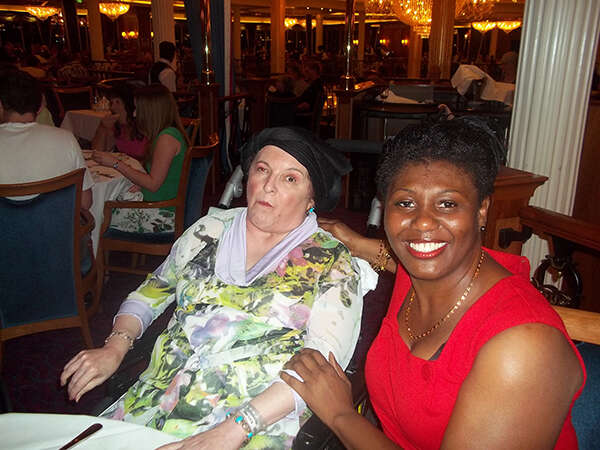
Complete Care Strategies
Non-Medical 301 Grant Street, Pittsburgh, Pennsylvania, 15219In-Home Care Services for Seniors in Pittsburgh | Complete Care StrategiesTheres something deeply important about being able to stay at homeyour own space, your routines, your sense of independence. But as care needs begin to change, families often find themselves asking the same question: How do we make this work safely? Thats where Complete Care Strategies steps in. Offering in-home senior care services designed to support aging in place, their team provides thoughtful, personalized care that helps older adults remain in the comfort of home while still receiving the support they need. Whether its a few hours of assistance each day or more comprehensive care, their approach is built around the individualnot a one-size-fits-all plan. And honestly, thats what makes the difference.A More Personalized Approach to Home CareHome care isnt just about helping with tasksits about understanding the person behind those needs. Complete Care Strategies begins by developing a customized home care plan that reflects each individuals health, preferences, and daily routines. Their team of care managers and nurses works closely with families to design a plan that feels realistic and supportive, not overwhelming. From there, carefully selected caregivers step in to provide consistent, compassionate supporthelping seniors maintain both independence and quality of life. Its not rushed. Its not generic. Its built to evolve as needs change.Everyday Support That Makes Life EasierSometimes its the small, everyday things that become the hardest to manage. Complete Care Strategies provides non-medical home care services that help with the day-to-day activities many seniors need support with. That might look like assistance with dressing in the morning, preparing meals, or simply having someone there for companionship throughout the day. Caregivers can help with personal care like bathing, grooming, and mobility support, as well as meal preparation, grocery shopping, and light housekeeping. They also assist with laundry, transportation to appointments or errands, medication reminders, and general oversight. These arent just taskstheyre the pieces of daily life that allow someone to feel comfortable and maintain dignity in their own home.Flexible Care That Fits Real LifeOne of the things families appreciate most is flexibility. Care needs dont follow a strict schedule, and Complete Care Strategies understands that. Their caregivers can provide support anywhere from a few hours a day to full-time or even live-in care, depending on whats needed. Whether its short-term recovery support, ongoing assistance, or respite care for family caregivers, their services adjust to fit the situation. Because sometimes what you need today looks very different from what youll need a few months from nowand thats okay.Support for More Complex ConditionsAs health needs evolve, care often becomes more specialized. Complete Care Strategies provides support for individuals living with conditions such as dementia, Parkinsons disease, diabetes, and other chronic health concerns. Caregivers are guided not just by task lists, but by an understanding of how these conditions affect daily life. They also help follow through with therapy plans and care recommendations, creating more consistency between clinical care and what happens at home. This kind of continuity can help reduce stressfor both the individual receiving care and the family supporting them.Thoughtful Caregiver Selection and OversightInviting someone into your home to care for a loved one is a big decision. Its personal. Complete Care Strategies takes that seriously. Caregivers go through a detailed screening process, including background checks, reference verification, and ongoing training. Beyond that, there is ongoing nursing supervision to ensure care remains appropriate and aligned with the clients needs. So its not just about placing a caregiverits about making sure that care continues to feel right over time.Helping Prevent Hospital ReadmissionsTransitions from hospital to home can be one of the most vulnerable times for seniors. Complete Care Strategies offers support during this period, helping families navigate what can feel like a sudden shift from structured care back to independence. Their approach includes guidance, monitoring, and follow-up during the critical weeks after discharge. This added layer of support can help reduce the risk of complications and provide reassurance during what is often an uncertain time.More Than CareA Team That Helps You Navigate It AllWhat really sets Complete Care Strategies apart is that their home care services dont exist in isolation. They bring together caregivers, nurses, and care managers to create a more connected experience. Families arent left trying to figure everything out on their ownthey have guidance, resources, and support along the way. Their team helps coordinate care between providers, adjust care plans as needs change, offer insight into next steps or additional resources, and provide ongoing communication and support. Its a more complete approach to senior home care in Pittsburgh, and one that tends to ease a lot of the uncertainty families feel.Supporting Independence at HomeComplete Care Strategies provides in-home care services for seniors and adults with disabilities, helping individuals remain safely at home while receiving the support they need to live well. For many families, that balancebetween independence and supportis exactly what theyve been searching for. Because staying at home isnt just about location. Its about comfort, familiarity, and maintaining a sense of control over daily life.Frequently Asked QuestionsWhat is non-medical home care?Non-medical home care focuses on assisting with daily activities like personal care, meals, and companionship rather than clinical or medical treatments.How do I know how much care is needed?Complete Care Strategies works with families to assess needs and create a personalized care plan that can adjust over time.Can care be short-term or temporary?Yes, services can range from a few hours of support to temporary or long-term care, depending on the situation.Are caregivers supervised?Yes, caregivers are supported and overseen by nurses and care managers to ensure quality and consistency in care.

Complete Care Strategies
Care Management 630 Freedom Business Center Drive, King of Prussia, Pennsylvania, 19406Since 2000, Complete Care Strategies (formerly Elder Connections) has been providing its unique blend of in-home care, geriatric care management, special needs care management, and patient advocacy to families throughout Greater Philadelphia, including Berks, Bucks, Chester, Delaware, Lancaster, Lehigh, Montgomery, and York Counties, the Main Line, South Jersey and Northern Delaware. We have the knowledge and hands-on experience to show you a practical, affordable and compassionate solution to the quality-of-life issues you may be facing with an elderly, disabled or chronically ill family member or client.
Complete Care Strategies
Advocacy for Seniors 301 Grant Street, Pittsburgh, Pennsylvania, 15219Families in Pittsburgh who are navigating complex healthcare decisions for aging parents often turn to professional care managers for experienced guidance. Geriatric care management services help coordinate medical care, advocate for seniors, and assist families in making informed decisions about aging in place, long-term care planning, and navigating the healthcare system. Complete Care Strategies provides comprehensive care management and patient advocacy services designed to help older adults and their families throughout Pittsburgh and Western Pennsylvania confidently manage the challenges that often accompany aging.Complete Care Strategies is a professional care management and patient advocacy organization that works with seniors, caregivers, and families across the Pittsburgh region. Their experienced team helps coordinate healthcare services, guide families through difficult decisions, and ensure older adults receive the support they need to maintain the highest possible quality of life. For many families searching for help for aging parents in Pittsburgh, working with a professional care manager provides clarity, organization, and peace of mind during times that can otherwise feel overwhelming.Care management services are especially valuable when seniors face complex medical conditions, hospitalizations, or transitions between care settings. Complete Care Strategies works closely with families, physicians, and other healthcare professionals to coordinate care and ensure that every aspect of a seniors well-being is considered. By helping families understand available options and resources, care managers can simplify complicated healthcare decisions and reduce stress for caregivers.Families throughout Pittsburgh frequently search for solutions when they notice changes in a loved ones ability to safely manage daily life. Concerns about medication management, memory loss, mobility issues, or repeated hospital visits often signal that additional guidance may be helpful. Professional care managers help evaluate these situations, recommend appropriate services, and create a structured plan to support the seniors safety and independence.One of the primary services offered by Complete Care Strategies is Aging Life Care management. This specialized field focuses on helping older adults and their families navigate the physical, emotional, and logistical challenges that often accompany aging. Through a comprehensive assessment process, care managers evaluate medical needs, cognitive health, home safety, daily living challenges, and available family support systems. Based on this assessment, a personalized care plan is developed to address both immediate concerns and long-term goals.In addition to geriatric care management, Complete Care Strategies provides patient advocacy services that help families navigate the healthcare system. Medical care can quickly become complicated when multiple physicians, treatment plans, and care providers are involved. Patient advocates help coordinate communication between healthcare providers, assist families in understanding treatment options, and ensure that the seniors needs and preferences remain central to every decision. This level of professional guidance can be invaluable when families are managing complex diagnoses, chronic conditions, or recovery following hospitalization.For families who live outside of the Pittsburgh area but are caring for aging parents locally, having a professional care manager provides reassurance that someone is actively overseeing their loved ones care. Long-distance caregiving can present unique challenges, especially when adult children cannot be present for medical appointments or care coordination. A care manager acts as a trusted local partner who monitors well-being, communicates with healthcare providers, and keeps families informed about important changes or concerns.Complete Care Strategies also helps families navigate transitions in care. Moving from hospital to home, transitioning to a rehabilitation facility, or evaluating senior living communities can all be difficult decisions. Care managers help guide families through these transitions by evaluating options, coordinating services, and helping seniors adjust to new environments when changes in care are necessary.For seniors who wish to remain at home, care managers often help coordinate aging-in-place support services. This may include connecting families with trusted home care providers, arranging transportation services, identifying caregiver support resources, or recommending home safety improvements. Many families researching senior care resources in Pittsburgh discover that care management provides the structure needed to successfully manage care while preserving independence.Care management services can also be beneficial for seniors who are aging independently without nearby family support. Known as solo aging, this growing group of older adults may not have immediate family members available to help navigate healthcare decisions or future planning. Care managers assist these individuals by providing professional oversight, helping coordinate services, and ensuring that trusted advocates are available when healthcare decisions arise.Another important component of the Complete Care Strategies approach is proactive planning. Rather than waiting for a crisis to occur, care managers help families identify potential risks early. Concerns such as fall hazards in the home, medication mismanagement, or subtle cognitive changes can often be addressed before they lead to serious complications. Early intervention allows seniors to remain independent longer while reducing the likelihood of hospitalizations or emergency situations.Families exploring care management services often also research additional senior care resources such as home care providers, elder law attorneys, senior housing communities, and caregiver support programs. Care managers help families navigate these options while connecting them to trusted professionals who specialize in supporting older adults.Throughout Pittsburgh and the surrounding region, Complete Care Strategies works with seniors and families who are seeking guidance, advocacy, and coordination across all aspects of care. Their multidisciplinary team brings clinical expertise, compassion, and deep knowledge of local senior care resources to every family they serve.Service Area: Complete Care Strategies supports seniors and families throughout Pittsburgh and surrounding communities including Allegheny County, Cranberry Township, Wexford, Sewickley, Fox Chapel, Mt. Lebanon, and the greater Western Pennsylvania region.Families often begin researching professional care management when they feel uncertain about the next steps in supporting an aging loved one. Signs that additional guidance may be helpful can include difficulty managing medications, memory concerns, increased fall risk, repeated hospitalizations, or caregiver burnout. Professional care managers help families evaluate these challenges, identify appropriate solutions, and coordinate the services needed to maintain safety and quality of life.For seniors and caregivers searching for geriatric care managers in Pittsburgh, patient advocacy for seniors, or help navigating senior care decisions in Western Pennsylvania, Complete Care Strategies provides experienced guidance and compassionate support. By helping families organize care, coordinate services, and advocate for the well-being of their loved ones, they offer a trusted resource for navigating the complexities of aging with confidence and peace of mind.