Beyond the Hospital: A Path to Skilled Nursing Recovery
Complete Care - Ocean/Monmouth/Middlesex Multiple Locations
For more information about the author, click to view their website: Complete Care at Arbors, Toms River NJ- Skilled Nursing
Oct 15, 2026
New Jersey - Ocean & Monmouth Counties

Email US
Click to Email Us
Beyond the Hospital: A Path to Skilled Nursing Recovery
Leaving the hospital after a serious illness, surgery, or injury can be an important milestone. However, hospital discharge does not always mean an older adult is ready to return to their previous daily routine.
Some patients need continued medical supervision, assistance with medications, specialized nursing treatments, or rehabilitation before they can safely manage at home.
For families, this transition can raise many questions.
Who will oversee medications after discharge? What happens if a loved one requires continued monitoring for a chronic medical condition? How can families determine whether short-term skilled nursing or long-term residential care is appropriate?
These decisions can feel particularly complicated when an older adult has several medical conditions or requires more assistance than relatives can realistically provide.
For seniors and families throughout Ocean County, New Jersey, understanding skilled nursing services is an important part of planning for safe, appropriate care after hospitalization.
Complete Care at Arbors provides post-acute skilled nursing, primary care services, specialized clinical programs, and long-term residential nursing support.
Its clinical services are designed to address medical recovery, ongoing health needs, and assistance with daily living.
Whether a patient is preparing to return home or needs continued residential support, the goal is to establish a care plan that reflects their current condition and healthcare needs.
What Is Skilled Nursing Care?
Skilled nursing refers to healthcare services that require qualified nursing or other licensed clinical professionals.
Unlike ordinary household assistance, these services involve medical assessment, treatment, and monitoring.
Skilled Nursing Services May Include
Nursing assessments
Medication administration
Monitoring of medical conditions
Wound care
Intravenous treatment when clinically indicated
Coordination with physicians
Chronic disease management
Assistance with daily activities
Clinical observation
Rehabilitation coordination
The exact services provided depend on medical orders, facility capabilities, and the patient's individualized care plan.
Who May Benefit From Skilled Nursing?
Skilled nursing may be appropriate for individuals recovering from serious illness, injury, or surgery.
It may also support residents with ongoing medical needs that require professional oversight.
Skilled Nursing Is Not the Same as Assisted Living
Assisted living primarily provides residential support with personal activities such as bathing and dressing.
Skilled nursing facilities provide a higher level of medical and nursing support for individuals whose conditions require it.
Skilled Nursing at Complete Care at Arbors
Complete Care at Arbors is a licensed long-term care facility offering post-acute care, skilled nursing, and long-term residential services.
Its published programs address both recovery following hospitalization and continuing support for people with chronic illnesses or functional limitations.
Verified Clinical Services Include
Post-acute skilled nursing
In-house primary care
Medication monitoring
Chronic illness management
Orthopedic and post-surgical care
Cardiac-related care
Neurological and stroke care
Pulmonary care
Renal-related services
Wound management
Certain intravenous therapies
Specialized infectious disease services
Rehabilitation therapies
Long-term nursing care
The facility's clinical capabilities also identify access to various medical and specialty professionals.
Not every specialized treatment is appropriate or available for every patient. Admission decisions depend on clinical requirements and the facility's ability to meet them.
Understanding the Hospital-to-Skilled-Nursing Transition
An older adult may be medically stable enough to leave the hospital but still require additional healthcare services.
This period is often called post-acute care.
Common Reasons for Post-Acute Skilled Nursing
These may include:
Recovery after surgery
Complications from chronic illness
Reduced mobility after hospitalization
Recovery from infections
Wound treatment
Neurological changes
Complex medication needs
Continued nursing supervision
The Purpose of Post-Acute Care
Post-acute care supports recovery or stabilization after the initial hospital treatment.
For some people, the next goal is returning home.
For others, the care team may determine that ongoing residential assistance is more appropriate.
Individualized Planning Matters
The patient's medical condition, previous abilities, current functional status, and available support should guide the care plan.
Preparing for Discharge From the Hospital
Hospital discharge planning should begin before the patient leaves the hospital.
Families can help by understanding which services will be necessary and whether a receiving facility can provide them.
Information to Review
Current diagnoses
Recent procedures
Medication list
Allergies
Nursing requirements
Mobility limitations
Dietary restrictions
Rehabilitation recommendations
Follow-up appointments
Special equipment needs
Confirm the Receiving Facility's Capabilities
A particular medical service should never be assumed available simply because a facility offers skilled nursing.
The admissions and clinical teams should review complex needs before acceptance.
Communication Between Care Teams
Accurate transfer information helps the receiving clinicians understand recent treatment and ongoing requirements.
Families should ask how the hospital and skilled nursing team coordinate this process.
What Happens During Admission to Skilled Nursing?
Entering a nursing facility can be unfamiliar for someone who has recently experienced hospitalization.
An organized admission process can help establish immediate care priorities.
Initial Admission Activities May Include
Reviewing medical records
Verifying medications
Completing nursing assessments
Evaluating personal care needs
Reviewing dietary requirements
Assessing mobility
Identifying rehabilitation needs
Establishing family contacts
Explaining daily routines
Admission at Complete Care at Arbors
The facility describes welcoming new patients, reviewing medications and care requirements, and helping them settle into their accommodations.
Its published information also states that a staff member contacts family during the first 24 hours after admission to provide an update and answer questions.
Establishing a Care Plan
The clinical team develops services based on the patient's current needs.
Families should ask when the initial care plan is reviewed and how changes are communicated.
The Role of In-House Primary Care
One distinctive aspect of Complete Care at Arbors is its in-house primary care service.
The facility describes a primary care team that may include physicians, nurse practitioners, and physician assistants.
Primary Care Responsibilities May Include
Evaluating new medical concerns
Managing chronic conditions
Reviewing medications
Monitoring changes in health
Coordinating specialist referrals
Working with nursing staff
Communicating treatment needs
Why Coordination Matters
Older adults may have several healthcare conditions requiring attention from different professionals.
A coordinated primary care approach can help align everyday medical management with the resident's treatment plan.
Clinical Oversight Remains Individualized
The level and frequency of provider visits depend on the patient's condition and clinical requirements.
Families should confirm how physician or advanced practice provider services are arranged.
Medication Management After Hospitalization
Medication changes are common during a hospital stay.
A physician may prescribe a new medication, discontinue an older prescription, or adjust dosage instructions.
These changes need to be communicated accurately during the transition to skilled nursing.
Potential Medication Concerns
Newly prescribed medications
Changes in dosage
Duplicate prescriptions
Drug interactions
Allergies
Missed doses
Side effects
Different administration schedules
Medication Reconciliation
Medication reconciliation involves reviewing the current medication list and resolving relevant discrepancies during a care transition.
Complete Care at Arbors' Approach
The facility describes medication monitoring as part of its in-house primary care services.
Its nursing and primary care teams coordinate treatment according to medical orders.
Family Questions
Ask who reviews medication changes, how concerns are reported, and what happens when a patient is discharged to another setting.
Managing Chronic Conditions in Skilled Nursing
Many older adults recovering from hospitalization also live with ongoing medical conditions.
Managing these conditions is important for both short-term recovery and long-term residential health.
Conditions That May Require Monitoring
These include:
Diabetes
Heart disease
High blood pressure
Chronic respiratory disease
Neurological conditions
Kidney-related conditions
Complex mobility limitations
Certain cognitive impairments
Regular Assessment
Clinical teams may monitor symptoms, treatment response, vital signs, and changes in everyday functioning.
Coordination With Specialists
Some residents require evaluation or treatment by specialists in addition to the facility's primary care team.
Avoid Assuming Every Condition Is Managed Identically
Care requirements vary, and certain clinical services may require outside treatment or hospital-level care.
Specialized Cardiac and Pulmonary Support
Complete Care at Arbors advertises specialized clinical services for certain heart and respiratory conditions.
Its published capabilities include cardiac monitoring resources and selected pulmonary services.
Cardiac Needs May Include
Monitoring after a cardiac event
Medication management
Observation of symptoms
Coordination with cardiology providers
Rehabilitation planning
Pulmonary Needs May Include
Oxygen-related support
Respiratory monitoring
Assistance with prescribed treatments
Coordination with pulmonary professionals
Examples of Listed Capabilities
The facility's clinical information identifies selected services involving CPAP, BiPAP, respiratory therapy, and other advanced interventions.
Medical Assessment Is Essential
Such services must be ordered when appropriate and matched to the patient's condition.
Families should discuss specific equipment, monitoring, and staffing needs before admission.
Wound Care and Skin Health
Some older adults require professional wound management following surgery, injury, or complications associated with chronic conditions.
Wound-Related Concerns May Include
Post-surgical wounds
Pressure injuries
Certain diabetic wounds
Skin breakdown
Delayed healing
Wounds requiring ongoing assessment
Why Skilled Oversight Matters
Wound treatment may require nursing procedures, monitoring, and coordination with medical professionals.
Complete Care at Arbors' Services
The facility identifies wound care among its clinical capabilities.
Individual Treatment Plans
Appropriate treatment depends on the cause and characteristics of the wound.
Families should ask how the wound care team documents progress, addresses complications, and communicates concerns.
Supporting Patients After Orthopedic Surgery
Joint replacement or other orthopedic procedures can temporarily affect mobility and personal independence.
A patient may require nursing supervision along with appropriate rehabilitation.
Post-Surgical Support May Address
Pain management
Medication routines
Mobility restrictions
Surgical wound monitoring
Assistance with personal care
Transfers
Rehabilitation coordination
Following Medical Instructions
Activity restrictions should reflect the surgeon's and treating team's recommendations.
Preparing for the Next Setting
The care team should consider whether the person can manage stairs, bathrooms, and other features of their intended home.
Different Recovery Timelines
Progress varies according to the procedure, medical condition, and individual response to treatment.
Stroke and Neurological Care
Neurological conditions can affect movement, communication, cognition, and everyday functioning.
Complete Care at Arbors identifies neurological and stroke-related services among its clinical specialties.
Potential Support Needs
These may include:
Nursing observation
Medication administration
Mobility assistance
Fall risk management
Communication support
Swallowing-related evaluation
Rehabilitation services
Assistance with personal routines
A Coordinated Care Team
Nursing staff, medical providers, and therapists may address different aspects of recovery.
Supporting Families
Relatives may need guidance about changes in communication, functional ability, or supervision.
Recovery Is Individual
The care plan should reflect actual needs and clinically appropriate goals rather than assume a predictable outcome.
Infection Management and Clinical Precautions
Some patients entering skilled nursing require continued monitoring or treatment following an infection.
Complete Care at Arbors identifies specialized infectious disease services within its clinical capabilities.
Important Considerations
These may include:
Prescribed treatment
Medication monitoring
Infection prevention procedures
Nursing assessment
Coordination with clinicians
Appropriate precautions
Facility Policies Matter
Infection-control procedures should follow clinical standards and applicable regulatory requirements.
Family Communication
Families can ask how visiting arrangements and resident activities are managed when specific precautions are necessary.
Specialized Services Require Assessment
The appropriate setting depends on the individual's medical needs and the facility's capabilities.
Rehabilitation as Part of Skilled Nursing Recovery
Post-acute skilled nursing often includes rehabilitation services when clinically indicated.
Complete Care at Arbors offers physical, occupational, and speech therapy.
Physical Therapy
Physical therapy may address walking, strength, balance, transfers, and mobility.
Occupational Therapy
Occupational therapy may address dressing, bathing, coordination, and other everyday functional activities.
Speech Therapy
Speech-language pathology may address communication, cognitive-communication needs, and swallowing difficulties.
Therapy Schedules
The facility's published clinical capabilities identify therapy services seven days a week.
Individual treatment frequency and duration depend on assessment, orders, clinical needs, and applicable coverage.
A Coordinated Approach
Nursing and therapy professionals work toward goals suited to the patient's health and functional abilities.
Why Nursing and Rehabilitation Work Together
Medical recovery and functional improvement are closely related.
A patient may have difficulty participating in rehabilitation when pain, fatigue, infection, or another medical concern is not adequately managed.
Nursing May Support Rehabilitation By
Administering prescribed medications
Monitoring health changes
Coordinating physician instructions
Helping with personal care
Managing clinical treatments
Observing patient tolerance
Communicating relevant concerns
Therapy Supports Functional Goals
Therapists focus on mobility, everyday activities, communication, or swallowing as appropriate.
Shared Information Matters
The rehabilitation plan should reflect the patient's current medical status.
Realistic Recovery Goals
Not every patient will regain their previous level of functioning.
A suitable plan focuses on clinically appropriate and achievable goals.
Planning a Return Home After Skilled Nursing
For many post-acute patients, returning home is an important goal.
However, discharge planning should address the practical requirements of everyday life.
Home Readiness Questions
Can the patient move safely between rooms?
Is assistance needed for bathing or dressing?
Are stairs manageable?
Can medications be handled appropriately?
Are follow-up appointments arranged?
Is rehabilitation still needed?
What family support is available?
Is the home accessible?
Identify Needed Services
Some individuals may require home healthcare, personal care assistance, outpatient therapy, or mobility equipment.
Confirm Medical Follow-Up
The discharge plan should include necessary medication instructions and follow-up care information.
Avoid Rushing
A planned discharge should reflect the patient's actual abilities and available support.
What if Returning Home Is Not Appropriate?
Some patients experience ongoing limitations that make a return to independent living difficult.
A person may require regular nursing support, extensive assistance with personal care, or supervision that cannot be consistently arranged at home.
Possible Next Care Options
These may include:
Additional home support
Assisted living, when appropriate
Long-term residential nursing care
Other medically suitable arrangements
Understanding the Decision
The appropriate setting depends on medical needs, functional abilities, finances, and personal preferences.
Family Participation
With proper authorization, relatives may participate in discussions about available options.
Care Transitions Require Planning
A move to long-term care is not simply an extension of a short rehabilitation stay.
Admissions, payment arrangements, and care plans may change.
Long-Term Nursing Care at Complete Care at Arbors
Complete Care at Arbors offers long-term residential nursing services for individuals who require ongoing support.
Its long-term care program provides round-the-clock assistance for people with chronic illnesses, disabilities, or cognitive impairments.
Long-Term Services May Include
Nursing care
Medical oversight
Medication management
Assistance with activities of daily living
Chronic condition management
Personal care
Recreational engagement
Nutritional support
Ongoing care planning
The Goal of Long-Term Care
Long-term nursing care focuses on meeting continuing needs while supporting dignity, comfort, and the best practical level of independence.
Individualized Residential Support
Residents may have different medical requirements and daily routines.
Care plans should consider both clinical needs and personal preferences.
Supporting Independence in Long-Term Nursing Care
Even when someone requires extensive nursing assistance, meaningful choices remain important.
Residents May Continue Participating In
Selecting clothing
Expressing meal preferences
Choosing suitable activities
Communicating daily routines
Enjoying visitors
Maintaining personal interests
Independence Can Take Different Forms
For one resident, independence may mean walking with appropriate assistance.
For another, it may mean making decisions about daily activities despite physical limitations.
Respect and Dignity
Caregivers should encourage appropriate participation without compromising safety.
Functional Goals May Change
Residents' capabilities should be reviewed as medical and personal care needs evolve.
Chronic Illness Care Over Time
Residents receiving long-term nursing care may require management of several ongoing conditions.
Important Care Priorities
These may include:
Preventing avoidable complications
Monitoring symptoms
Reviewing medication effectiveness
Maintaining nutrition
Supporting mobility
Recognizing changes in cognition
Managing skin health
Coordinating specialist care
The Role of Geriatric Care
Complete Care at Arbors advertises geriatric specialty care focused on the needs of older adults.
Its program emphasizes chronic disease management, falls prevention, wound care, and proactive monitoring.
Personalization Matters
The care plan should reflect the resident's conditions, treatment goals, and preferences.
Dining, Activities, and Residential Comfort
Skilled nursing facilities also serve as living environments.
Meals, activities, personal space, and social relationships contribute to residents' daily experience.
Complete Care at Arbors Amenities
The facility advertises:
Chef-inspired dining
Meals served in communal areas or resident rooms
Social events
Fitness activities
Educational programs
Recreational outings
Comfortable living environments
Participation Based on Ability
Activities should reflect medical conditions, mobility, and personal preferences.
Daily Routines
A predictable routine may help residents feel more comfortable during both short-term and long-term stays.
Family Visits
Families should ask about current visiting policies and available spaces for spending time together.
The Importance of Family Communication
When a loved one enters skilled nursing care, family members may be uncertain about medical updates and planning responsibilities.
Clear communication can help everyone understand the care arrangement.
Questions to Ask the Care Team
Who oversees medical treatment?
How are medication changes communicated?
Who provides rehabilitation updates?
When are care meetings held?
What happens if health changes suddenly?
How are discharge plans developed?
Who handles billing questions?
Designate Appropriate Contacts
The facility should have accurate information about authorized family members and decision-makers.
Respect Patient Rights
Residents retain legal rights concerning privacy, participation in decisions, and appropriate communication.
Ask Questions Early
Families should understand how to raise concerns and receive information about the care plan.
Understanding Medicare Coverage for Skilled Nursing
Medicare may cover certain skilled nursing facility services when eligibility requirements are satisfied.
However, coverage is limited and conditional.
Original Medicare Requirements
For many covered skilled nursing facility stays, Original Medicare requires:
A qualifying inpatient hospital stay
Admission within the applicable timeframe
A need for qualifying skilled nursing or therapy
Care in a Medicare-certified facility
Other applicable coverage conditions
Some Medicare Advantage arrangements operate under different coverage and authorization rules.
Benefit Limits
Original Medicare has limits on covered skilled nursing facility days per benefit period and may involve coinsurance.
Not All Residential Care Is Covered
Medicare generally does not cover ongoing custodial nursing home care when personal assistance is the only care needed.
Confirm Benefits
Families should verify eligibility, prior authorizations, coverage dates, and costs with the insurer and facility.
Medicaid and Long-Term Nursing Care
For individuals needing extended nursing facility care, Medicaid may be a potential source of coverage.
New Jersey administers Medicaid through NJ FamilyCare.
Important Eligibility Factors
These may include:
Income
Financial resources
Residency
Medical and functional needs
Applicable program requirements
Medicaid Coverage Is Not Automatic
A person does not qualify solely because they require nursing home care.
Financial and clinical requirements must be met.
Verify Facility Participation
New Jersey records identify Complete Care at Arbors as participating in Medicare and Medicaid.
Families should still confirm current participation, bed availability, and the specific payment arrangement.
Seek Appropriate Guidance
A Medicaid planning professional, social worker, or elder law attorney may help families understand different aspects of eligibility and payment.
Planning for Long-Term Care Expenses
Care costs can vary according to the level of service, insurance coverage, and length of stay.
Questions About Costs
Families should ask:
What is the current daily or monthly rate?
Which services are included?
How are medications billed?
Are therapy services billed separately?
What insurance plans are accepted?
What happens if coverage ends?
How are long-term care payments handled?
Understand the Transition From Rehabilitation
A person whose short-term Medicare-covered stay ends may need another payment arrangement if care continues.
Obtain Written Information
Billing policies and service agreements should be reviewed carefully.
Plan for Future Changes
Long-term care needs and financial circumstances can change.
Families should periodically review available resources and coverage.
How to Evaluate a Skilled Nursing Facility
Choosing a skilled nursing provider involves both clinical and residential considerations.
Clinical Questions
What nursing coverage is available?
What medical providers are on-site?
Which specialty services are offered?
How are medications reviewed?
What therapies are available?
How are chronic conditions managed?
Residential Questions
What dining options are available?
How are personal preferences respected?
Are activities offered?
How does the facility communicate with families?
What accommodations are available?
Review Public Information
Families may consult New Jersey Department of Health licensing and inspection records and Medicare nursing facility comparison resources.
Tour When Possible
A visit can help families understand the physical environment and ask questions relevant to their loved one's needs.
Expert Tip: Ask About the Care Plan Beyond Hospital Discharge
Skilled Nursing Tip: Before a loved one transfers from the hospital, ask the receiving facility to explain the expected nursing services, medication oversight, rehabilitation goals, and possible next living arrangements. Understanding both the immediate care plan and potential discharge options can help families prepare for changes rather than responding to them at the last minute.
The most useful transition plans consider medical treatment, functional abilities, family support, and financial arrangements together.
Frequently Asked Questions About Complete Care at Arbors Skilled Nursing
1. Does Complete Care at Arbors provide skilled nursing after hospitalization?
Yes. Complete Care at Arbors offers post-acute skilled nursing and rehabilitation services for eligible patients recovering after illness, injury, or surgery. Individual admissions depend on medical needs and facility capabilities.
2. What types of clinical care are available at Complete Care at Arbors?
The facility advertises in-house primary care, medication monitoring, chronic disease management, wound care, cardiac and pulmonary services, neurological and stroke-related programs, and other specialized clinical capabilities. Specific services should be confirmed before admission.
3. Does Complete Care at Arbors offer rehabilitation services?
Yes. The facility offers physical therapy, occupational therapy, and speech therapy. Its published clinical capabilities identify therapy services available seven days a week, with treatment schedules determined by individual needs.
4. Can a patient transition from rehabilitation to long-term nursing care?
Potentially. Complete Care at Arbors provides both post-acute and long-term nursing services. A transition depends on clinical assessment, eligibility, available accommodations, and payment arrangements.
5. Does Complete Care at Arbors accept Medicare and Medicaid?
New Jersey facility records identify Medicare and Medicaid participation. However, coverage depends on the patient's eligibility, applicable program rules, authorized services, and current facility arrangements. Families should verify details before admission.
Supporting Recovery and Ongoing Care After Hospitalization
The period following hospitalization can be an important stage in an older adult's healthcare journey.
Some individuals need professional nursing supervision and rehabilitation before returning home.
Others require continuing medical treatment or personal assistance that may be better provided within a residential nursing facility.
For seniors and families throughout Ocean County, New Jersey, Complete Care at Arbors offers post-acute skilled nursing and long-term residential support.
Its services include in-house primary care, specialized clinical programs, medication management, rehabilitation services, and ongoing nursing care.
The facility's approach addresses both immediate medical needs and longer-term considerations involving mobility, chronic conditions, and everyday functioning.
Families can make better-informed decisions by asking about the care plan, available clinical services, insurance coverage, discharge preparation, and possible long-term care arrangements.
No single nursing or rehabilitation plan is appropriate for every patient.
The best decisions are based on professional assessment, accurate information, and the individual's medical condition and personal goals.
Learn More About Complete Care at Arbors
Looking for skilled nursing and post-hospital care in Ocean County, New Jersey?
Visit Complete Care at Arbors on SeniorsBlueBook.com to explore its Skilled Nursing listing and learn more about nursing supervision, clinical services, and post-acute care.
The admissions team can explain current availability, required medical information, and how the facility evaluates the care needs of prospective patients.
Other Articles You May Like
The Road to Recovery: Skilled Nursing and Rehabilitation Support
The Road to Recovery: Skilled Nursing and Rehabilitation SupportRecovering from a serious illness, injury, or surgery often requires more than rest. Older adults may need medical supervision, physical rehabilitation, assistance with daily activities, and a carefully coordinated plan before they can safely return home.A hospital discharge does not always mean that someone is ready to resume their previous routine.An older adult recovering from a fracture may have difficulty walking independently. Someone who experienced a stroke may need assistance with speech, swallowing, or everyday tasks. A person recovering from an extended hospital stay may feel weak and require time to rebuild strength and endurance.For families, these situations can bring important questions about the next level of care.Where can a loved one receive nursing supervision after hospitalization? What is the difference between skilled nursing and short-term rehabilitation? Which therapies may be needed? What happens when a person requires ongoing nursing support rather than a temporary recovery stay?For seniors and families throughout Monmouth County, New Jersey, understanding these services can make healthcare transitions easier to navigate.Sunnyside Manor - Skilled Nursing provides short-term rehabilitation and long-term nursing care within an established senior living community.Its services include around-the-clock registered nursing, physical therapy, occupational therapy, speech therapy, on-site physician services, and individualized rehabilitation support.The community's approach combines medical oversight with residential comfort, helping older adults receive appropriate assistance based on their needs.Whether the goal is recovering after hospitalization or receiving ongoing nursing care, understanding the available options is an important first step toward choosing a suitable care setting.What Is Skilled Nursing Care?Skilled nursing care involves healthcare services that require licensed nursing professionals or other appropriately qualified clinical personnel.These services differ from ordinary household assistance or non-medical caregiving.Skilled Nursing Services May IncludeNursing assessmentsMedication administrationClinical monitoringWound careAssistance with complex medical needsCoordination with physiciansRehabilitation supportNutritional monitoringCare planningAssistance with activities of daily livingThe exact services depend on the resident's condition, medical orders, and individualized care plan.Who May Need Skilled Nursing?Skilled nursing may be appropriate for older adults recovering from illness, surgery, or injury, as well as those requiring ongoing medical supervision.A professional assessment helps determine the appropriate level of care.Skilled Nursing Is Different From Assisted LivingAssisted living generally focuses on support with personal activities and daily routines.Skilled nursing addresses more extensive clinical needs and provides nursing care within a licensed healthcare facility.Skilled Nursing Services at Sunnyside ManorSunnyside Manor offers a skilled nursing and rehabilitation neighborhood designed for older adults who need professional nursing support.The community provides both short-term rehabilitation and long-term care.Verified Services IncludeRegistered nurses available 24 hours a dayPhysical therapyOccupational therapySpeech therapyOn-site physician servicesPrivate accommodationsTherapeutic diets approved by a licensed nutritionistA Medicare-approved rehabilitation gymShort-term rehabilitationLong-term nursing careRespite staysA Licensed Nursing FacilitySunnyside Manor is licensed by the New Jersey Department of Health as a long-term care facility.Its official information also identifies Medicare and Medicaid certification.Individualized ServicesThe nursing and rehabilitation team evaluates each person's condition and support needs to determine appropriate services.Families should discuss specific medical requirements directly with the admissions and clinical staff.Understanding Short-Term RehabilitationShort-term rehabilitation is designed for individuals who need additional therapy or nursing services during recovery from a medical event.The focus is generally on restoring or improving functional abilities and preparing for the next living environment.Common Reasons for RehabilitationThese may include:Joint replacement surgeryHip fracturesOther orthopedic injuriesStrokeSerious illnessProlonged hospitalizationReduced mobilityPhysical deconditioningCertain neurological conditionsRecovery Goals Are IndividualizedOne person may work toward walking with a mobility aid.Another may focus on dressing independently after surgery.A patient recovering from a stroke may require several different therapy services.Rehabilitation Does Not Guarantee Complete RecoveryProgress depends on the individual's diagnosis, overall health, response to therapy, and other clinical factors.Goals should be developed and reviewed by qualified healthcare professionals.From Hospital to RehabilitationLeaving the hospital can involve an important transition.The patient may no longer need hospital-level treatment but still require skilled services that cannot be safely provided at home.Hospital Discharge Planning May ConsiderCurrent medical conditionNursing needsMobility limitationsMedication requirementsTherapy recommendationsAbility to complete daily activitiesHome accessibilityAvailable family supportWhy Communication MattersThe hospital and receiving rehabilitation facility need relevant information about the patient's condition, medications, and treatment requirements.The Role of FamiliesWith appropriate authorization, relatives may help explain the person's previous abilities, living arrangements, and support system.This information can help the rehabilitation team develop practical goals.Rehabilitation Services at Sunnyside ManorSunnyside Manor provides physical, occupational, and speech therapy, advertising access to these services seven days a week.The appropriate frequency and duration of treatment depend on professional assessment, the care plan, and applicable coverage arrangements.Rehabilitation ResourcesThe community identifies:A Medicare-approved rehabilitation gymTherapy professionalsIndividualized rehabilitation plansNursing supervisionOn-site medical resourcesPrivate accommodationsA Recovery-Focused EnvironmentRehabilitation combines clinical support with opportunities to practice everyday activities.Therapy programs should address the abilities needed for the patient's intended next living environment.Progress ReviewsFamilies may ask how rehabilitation goals are measured, how progress is communicated, and when discharge planning begins.Physical Therapy: Rebuilding Strength and MobilityPhysical therapy helps individuals address movement limitations and improve functional mobility.After surgery or hospitalization, even ordinary activities can become challenging.Physical Therapy May AddressMuscle strengthWalkingBalanceEnduranceTransfersCoordinationMobility aid useFunctional movementFall risk factorsRecovering After an InjurySomeone recovering from a fracture may need assistance regaining the ability to walk safely.Rebuilding EnduranceA person who spent an extended period in a hospital bed may have reduced strength and stamina.Therapy Must Be IndividualizedPhysical therapists evaluate functional abilities and develop appropriate treatment goals.Patients should follow professional recommendations rather than attempt exercises beyond their current abilities.Occupational Therapy: Returning to Everyday ActivitiesOccupational therapy focuses on helping individuals participate in meaningful daily activities.These services can be particularly important when a medical event affects personal care or functional independence.Activities May IncludeDressingBathingGroomingEatingToiletingTransfersFine motor activitiesHousehold tasksUse of adaptive equipmentWhy Occupational Therapy MattersSomeone may regain the ability to walk but still struggle with buttons, bathing, or preparing a simple meal.Occupational therapy addresses these practical challenges.Preparing for HomeTherapists may recommend adaptive equipment or changes to daily routines.The Goal Is Functional ParticipationTherapy should consider which activities the individual wants or needs to perform in everyday life.Speech Therapy: Communication and Swallowing SupportSpeech-language pathology addresses conditions involving communication, cognition, voice, and swallowing.Some older adults require these services after a stroke, neurological illness, or other medical event.Speech Therapy May AddressSpeech clarityLanguage expressionLanguage comprehensionWord retrievalVoiceCognitive-communication abilitiesSwallowing difficultiesSupporting CommunicationA patient may learn strategies that make conversations with relatives and caregivers more effective.Swallowing ConcernsDifficulty swallowing can create medical risks and requires appropriate clinical evaluation.Personalized TreatmentA qualified speech-language pathologist determines suitable assessments and therapy based on individual needs.The Importance of 24-Hour Nursing SupervisionSome rehabilitation patients have medical needs that require ongoing nursing attention.Sunnyside Manor provides registered nursing coverage around the clock.Nursing Responsibilities May IncludeMonitoring medical conditionsAdministering ordered medicationsRecognizing changes in healthCoordinating with physiciansProviding prescribed nursing treatmentsSupporting individualized care plansResponding to clinical concernsCommunication With PhysiciansThe community also identifies on-site physician services.Families should ask how medical consultations are scheduled and how urgent changes are handled.An Important DistinctionRound-the-clock nursing availability does not mean that every patient receives continuous one-to-one supervision.Care arrangements depend on assessed needs and available services.Recovery After SurgerySurgery can temporarily affect an older adult's ability to manage everyday tasks.Mobility restrictions, pain, fatigue, and other recovery considerations may make immediate return home difficult.Post-Surgical Needs May IncludeNursing observationMedication supportMobility assistanceRehabilitationPersonal careNutritional supportCoordination of follow-up appointmentsRehabilitation GoalsTherapy may focus on improving the ability to walk, transfer, and complete personal activities.Following Surgical InstructionsRestrictions and rehabilitation protocols should reflect the treating healthcare team's recommendations.Preparing for DischargeFamilies should clarify which activities can be performed independently and which still require assistance.Rehabilitation After a StrokeA stroke can affect movement, speech, communication, swallowing, cognition, and everyday functioning.Rehabilitation needs vary considerably.Possible Therapy GoalsThese may include:Improving mobilityPracticing transfersStrengthening functional movementAddressing communication difficultiesImproving daily activity participationEvaluating swallowing safetyA Coordinated TeamPhysical, occupational, and speech therapists may address related goals from different perspectives.Nursing and Medical SupportSome patients also require ongoing monitoring or assistance with medical treatment.Recovery Is IndividualThe rehabilitation team should establish realistic goals and update them according to progress.Nutritional Support During RecoveryAdequate nutrition can be an important consideration during illness recovery.Some older adults experience changes in appetite or have dietary requirements associated with medical conditions.Nutritional Concerns May IncludeReduced appetiteDifficulty eatingWeight changesHydrationTherapeutic dietsSwallowing precautionsSunnyside Manor's Dietary ServicesThe community identifies therapeutic diets approved by a licensed nutritionist as part of its rehabilitation services.Dining ComfortA comfortable meal environment can support routine and enjoyment during a residential stay.Clinical Dietary NeedsMedical diets and swallowing recommendations should be directed by appropriately qualified healthcare professionals.Creating a Personalized Rehabilitation PlanA rehabilitation plan should reflect the patient's current condition and goals.Important Information May IncludeMedical diagnosisPrevious mobilityCurrent physical abilitiesEveryday care needsCommunication concernsHome layoutAvailable caregiver supportPersonal prioritiesEstablishing Realistic GoalsA person who previously lived independently may hope to return home with limited assistance.Another may need substantial ongoing support.Reviewing ProgressThe care team should evaluate how the patient responds to therapy.Adjusting the PlanTreatment goals may change when recovery is slower or faster than anticipated.Preparing for a Safe Return HomeRehabilitation often includes preparing for the next phase of recovery.A patient may make progress in therapy but still need assistance with certain activities after discharge.Home Readiness ConsiderationsThese may include:Walking abilityTransfersBathroom accessibilityStairsMedication arrangementsMeal preparationMobility equipmentFollow-up therapyFamily assistanceHome ModificationsSome individuals may benefit from grab bars, improved lighting, or other appropriate accessibility changes.Professional RecommendationsAn occupational or physical therapist may help identify equipment or environmental adjustments that should be considered.Do Not Rush Discharge PlanningThe next care setting should be appropriate for the individual's actual abilities and needs.Continuing Rehabilitation After DischargeLeaving a rehabilitation facility does not always mean therapy is complete.Some individuals may require additional support.Follow-Up Services May IncludeOutpatient physical therapyOccupational therapySpeech therapyHome-based therapy when eligibleMedical follow-up appointmentsPersonal care assistanceSunnyside Manor's Rehabilitation GuidanceThe community describes a personalized training program intended to help patients continue appropriate exercises after returning home.Follow Professional InstructionsExercise recommendations should come from the treating therapy team.Family ParticipationWith appropriate authorization, relatives may receive instruction about safe mobility assistance and follow-up arrangements.Understanding Long-Term Nursing CareNot every older adult entering a skilled nursing facility is preparing for a short rehabilitation stay.Some individuals require ongoing nursing care because of chronic medical conditions or significant functional limitations.Who May Need Long-Term Nursing Care?Older adults may require extended support because of:Complex chronic illnessExtensive personal care needsSignificant mobility limitationsOngoing nursing treatmentsMedical supervision requirementsFunctional impairmentMultiple healthcare conditionsThe Goal May Differ From RehabilitationShort-term rehabilitation often emphasizes recovery and discharge.Long-term nursing care focuses on continuing support, comfort, medical management, and quality of life.Individualized Care Remains EssentialResidents should receive services reflecting their medical condition and personal preferences.Long-Term Nursing Services at Sunnyside ManorSunnyside Manor offers long-term nursing care in a residential environment supported by nursing professionals.Its official skilled nursing information emphasizes a homelike setting, medical supervision, nutritious meals, and resident activities.Important ComponentsThese may include:Ongoing nursing carePhysician coordinationMedication supportAssistance with personal activitiesNutritional servicesAppropriate rehabilitationRecreational programmingFamily involvementQuality of Life MattersLong-term residential care should consider personal routines, social interaction, and individual comfort in addition to medical needs.Care Plans May ChangeResidents may require reassessment as their health conditions evolve.Short-Term Rehabilitation Versus Long-Term CareFamilies may hear these services discussed together, but they have different purposes.Short-Term RehabilitationGenerally focuses on improving abilities after illness, injury, surgery, or hospitalization.The care plan often includes measurable therapy goals and planning for discharge.Long-Term Nursing CareProvides ongoing residential support for individuals whose health and functional needs require more extensive care.Can Someone Receive Both?Long-term nursing residents may receive therapy when clinically indicated.A short-term rehabilitation patient may also require nursing services during recovery.Placement Depends on AssessmentThe appropriate arrangement should reflect the person's needs rather than a predetermined length of stay.Respite Stays and Temporary Nursing SupportSunnyside Manor also identifies respite stays among its skilled nursing services.Respite arrangements may provide temporary residential support when an individual's needs and the facility's admission criteria are compatible.Reasons Families May Explore RespiteThese may include:Temporary caregiver unavailabilityA family emergencyPlanned caregiver time awayA short period of additional assistanceConfirm EligibilityRespite arrangements depend on the individual's medical needs, facility capacity, and current admission policies.Understand the CostsFamilies should request current information about minimum stays, included services, and payment requirements.Skilled Nursing Within a Continuum of CareSunnyside Manor offers several levels of senior living and healthcare support within its broader community.These include:Independence 'Plus' Assisted LivingRecollections Memory CareSkilled NursingRehabilitationWhy Multiple Care Levels MatterAn older adult's needs may change over time.Having several care options within one community can simplify certain conversations about future support.A Transition Is Not AutomaticMoving from one level of care to another depends on clinical assessment, availability, admission requirements, and financial arrangements.Ask About CoordinationFamilies should understand how the community manages care transitions and communicates changes.Supporting Family Relationships During Skilled Nursing CareFamily involvement can remain important during rehabilitation and long-term residential care.Relatives may provide emotional support and share information about the person's normal routines.Families Can Help ByAttending authorized care discussionsAsking about rehabilitation goalsProviding personal historyVisiting appropriatelyEncouraging suitable activitiesClarifying discharge plansReporting relevant observationsCommunication With StaffAsk who provides clinical updates and how questions can be addressed.Respect PrivacyMedical information should be shared according to applicable privacy requirements and legal authorization.Understanding Medicare and Medicaid CoverageSkilled nursing care and long-term residential care may have different payment arrangements.Medicare and RehabilitationOriginal Medicare Part A may cover qualifying skilled nursing facility care when applicable conditions are satisfied.Requirements can include a qualifying inpatient hospital stay and a need for covered skilled services.Coverage is subject to benefit limits and possible cost sharing.Medicare Does Not Cover All Long-Term CareOriginal Medicare generally does not pay for ongoing custodial nursing home care when personal assistance is the only care required.MedicaidEligible individuals may qualify for certain long-term nursing facility benefits through New Jersey Medicaid.Financial and clinical requirements apply.Verify Coverage Before AdmissionFamilies should discuss insurance participation, authorizations, estimated charges, and benefits with the facility and relevant insurance providers.Evaluating a Skilled Nursing FacilityChoosing a rehabilitation or nursing care setting requires careful review.Families should consider clinical services, staffing, therapy, residential comfort, and communication.Questions to Ask About NursingIs registered nursing available around the clock?How are medications managed?What physician services are offered?How are changes in health addressed?What treatments can the facility provide?Questions About RehabilitationWhich therapies are available?How often is therapy scheduled?How are goals established?How is progress measured?When does discharge planning begin?Questions About Residential LifeAre private accommodations available?What meals are provided?How are personal preferences respected?What activities are offered?How are families involved?Review Public RecordsFamilies can consult New Jersey Department of Health licensing and inspection information and Medicare's nursing home comparison resources.Expert Tip: Begin Discharge Planning at AdmissionSkilled Nursing and Rehabilitation Tip: When a loved one enters short-term rehabilitation, ask the care team about discharge planning from the beginning. Discuss the person's previous abilities, home layout, available caregivers, and likely equipment needs. Early planning can help families identify what must be arranged before a return home.An effective rehabilitation plan should address both recovery goals and the practical needs of everyday life after discharge.Frequently Asked Questions About Skilled Nursing and Rehabilitation1. Does Sunnyside Manor provide short-term rehabilitation?Yes. Sunnyside Manor provides short-term rehabilitation for individuals recovering from illness, injury, surgery, or hospitalization. Its rehabilitation program includes physical, occupational, and speech therapy.2. What nursing services are available at Sunnyside Manor?The community advertises 24-hour registered nursing, on-site physician services, individualized nursing care, and medical supervision appropriate to the resident's care plan.3. How often are rehabilitation therapies available?Sunnyside Manor advertises physical, occupational, and speech therapy services seven days a week. Individual therapy schedules depend on clinical assessment, treatment needs, and applicable coverage.4. Does Sunnyside Manor offer long-term nursing care?Yes. Sunnyside Manor provides long-term residential nursing care for older adults who require ongoing medical supervision and assistance. Admission depends on individual needs and facility availability.5. How can families find out about rehabilitation costs and admission requirements?Families can contact Sunnyside Manor to discuss current availability, clinical assessments, insurance participation, Medicare or Medicaid considerations, fees, and the admission process.Supporting Recovery and Long-Term Well-BeingRecovering from a serious medical event often involves several stages.An older adult may require nursing supervision, rehabilitation therapies, nutritional support, and help with daily activities before returning to a familiar living arrangement.For some individuals, recovery leads back to independent living.Others may require ongoing residential nursing care because of chronic illness or functional limitations.For families throughout Monmouth County, New Jersey, Sunnyside Manor - Skilled Nursing provides both short-term rehabilitation and long-term nursing services within an established senior living community.Its services include 24-hour registered nursing, physical therapy, occupational therapy, speech therapy, on-site physician resources, and individualized residential care.Families can benefit from asking questions about recovery goals, rehabilitation schedules, nursing capabilities, insurance coverage, and discharge planning.The right care setting should reflect an older adult's current medical needs while supporting comfort, dignity, and meaningful participation in everyday life.By understanding the differences between rehabilitation and long-term nursing care, families can make better-informed decisions about the next stage of support.Learn More About Sunnyside Manor - Skilled NursingLooking for skilled nursing, rehabilitation, or long-term nursing care in Monmouth County, New Jersey?Visit Sunnyside Manor - Skilled Nursing on SeniorsBlueBook.com to explore its Skilled Nursing listing and learn more about professional nursing supervision, therapy services, rehabilitation, and residential care.Whether your loved one is recovering after hospitalization or requires ongoing nursing support, understanding the available care options can help your family prepare for the next step.
Skilled Nursing and Rehabilitation in Monmouth County, NJ
Skilled Nursing and Rehabilitation in Monmouth County, NJWhen an older adult experiences a serious illness, undergoes surgery, or develops complex healthcare needs, families may discover that traditional home care or assisted living can no longer provide the level of support required.A hospital discharge may bring new challenges involving medication management, mobility, wound care, or rehabilitation. For other seniors, progressive health conditions may create an ongoing need for nursing supervision and assistance with everyday activities.These situations often leave families with important questions.What is the difference between skilled nursing and assisted living? When should someone consider short-term rehabilitation? What services are available for a senior who requires long-term nursing care? How can families evaluate whether a care setting is appropriate for their loved one?For older adults and families throughout Monmouth County, New Jersey, understanding skilled nursing services can help clarify the options available during a major healthcare transition.Seabrook Village Continuing Care - Tinton Falls NJ offers skilled nursing, long-term residential care, and rehabilitation services within Seabrook, an Erickson Senior Living continuing care retirement community.The community's licensed nursing facility, Continuing Care at Seabrook, provides access to nursing professionals, medical resources, therapy services, and assistance with daily living activities.With both short-term rehabilitation and ongoing nursing care available, Seabrook serves older adults whose needs extend beyond independent living or traditional residential assistance.Understanding the differences between these care arrangements can help families make more informed decisions about recovery, safety, and long-term support.What Is Skilled Nursing Care?Skilled nursing care involves health services provided or supervised by appropriately licensed nursing professionals.These services may be necessary when an individual's medical condition requires clinical assessment, treatment, monitoring, or nursing interventions.Skilled nursing facilities can also provide assistance with activities of daily living and access to rehabilitation services.Skilled Nursing Services May IncludeDepending on a resident's medical needs and care plan:Nursing assessmentsMedication managementWound careMonitoring of medical conditionsSpecialized nursing treatmentsAssistance with mobilityPersonal careNutritional supportRehabilitation therapiesCare coordinationOngoing clinical supervisionWhy Skilled Nursing Is Different From Ordinary Home CareNon-medical home care typically focuses on everyday assistance such as meal preparation, companionship, and personal routines.Skilled nursing addresses clinical needs requiring qualified healthcare personnel.Not Every Resident Has the Same NeedsSome individuals enter a skilled nursing facility for rehabilitation after hospitalization.Others need ongoing nursing supervision because of chronic illness, disability, or significant functional limitations.The care plan should reflect the person's particular circumstances.Skilled Nursing Services at Seabrook Village Continuing CareSeabrook's continuing care neighborhood provides residential nursing services and rehabilitation within an established senior living community.Its integrated care approach emphasizes coordination among healthcare professionals, residents, and families.Services Available at SeabrookAccording to the community's published information, services include:Long-term nursing careShort-term inpatient rehabilitationOutpatient rehabilitationPhysical therapyOccupational therapySpeech therapyNursing supportMedication-related servicesAssistance with daily activitiesOn-site medical resourcesDining and residential servicesRecreational programmingA Licensed Nursing FacilityContinuing Care at Seabrook is licensed as a long-term care facility in New Jersey.This licensed healthcare setting is distinct from Seabrook's independent living and assisted living arrangements.Individualized SupportThe type of nursing care or therapy provided depends on the resident's medical needs, professional assessments, and established treatment plan.Families should discuss specific diagnoses and treatment requirements directly with the admissions and clinical teams.Understanding Short-Term RehabilitationShort-term rehabilitation is intended to help individuals recover functional abilities after an injury, illness, surgery, or hospitalization.The objective may be to improve strength, mobility, communication, swallowing, or performance of everyday activities.Common Reasons for RehabilitationAn older adult may need rehabilitation following:Joint replacement surgeryA fall or fractureA strokeA serious illnessA lengthy hospitalizationChanges in mobilityCertain neurological conditionsMedical deconditioningRehabilitation Goals VaryOne patient may work toward walking with an appropriate mobility aid.Another may need help relearning everyday activities after a stroke.Someone recovering from surgery may focus on strength, balance, and functional independence.Recovery Cannot Be GuaranteedRehabilitation progress depends on the individual's condition, response to treatment, and overall health.Therapy professionals should establish realistic goals and reassess progress regularly.Rehabilitation Services at SeabrookSeabrook offers inpatient and outpatient rehabilitation services.Its rehabilitation program includes physical, occupational, and speech therapy delivered by rehabilitation professionals specializing in the needs of older adults.Private Rehabilitation AccommodationsSeabrook's published rehabilitation information describes private inpatient suites with features such as:Private half bathroomsIndividual thermostatsLarge windowsCable televisionComfortable residential surroundingsMedical and Residential SupportServices described by Seabrook include nursing and medical care, care coordination, housekeeping, laundry, and dining arrangements.Coordinated RehabilitationRehabilitation may involve several disciplines working toward related goals.The therapy team can help identify physical, functional, or communication needs that should be addressed before discharge.Physical Therapy for Strength and MobilityPhysical therapy focuses on movement, physical function, balance, and mobility.Older adults may require physical therapy after surgery, hospitalization, injury, or changes in physical ability.Areas Physical Therapy May AddressThese include:Walking abilityBalanceMuscle strengthEnduranceTransfersMobility aid useFunctional movementFall risk factorsSeabrook's Physical Therapy ServicesThe community identifies services such as therapeutic exercise, assistive device training, neurological rehabilitation, and individualized exercise programs.Restoring Functional AbilitiesA patient recovering from a fracture may work on walking and transfers.Another recovering from hospitalization may need activities designed to rebuild strength and endurance.Therapy Should Be PersonalizedTreatment decisions should be made by qualified rehabilitation professionals based on the patient's condition and goals.Occupational Therapy for Everyday IndependenceOccupational therapy focuses on helping individuals participate in daily activities as safely and independently as their abilities allow.Illness or injury can make familiar tasks challenging.Activities Occupational Therapy May AddressThese include:BathingDressingGroomingEatingToiletingHousehold activitiesFine motor coordinationWheelchair managementUse of adaptive equipmentWhy These Skills MatterA patient may regain the ability to walk but still struggle with dressing or preparing a simple meal.Occupational therapy addresses the practical skills needed for daily life.Services Available at SeabrookSeabrook identifies occupational therapy services involving personal care activities, hand therapy, coordination, and functional task training.Preparing for the Next Living EnvironmentTherapists may also help assess whether equipment or environmental adjustments could support the individual's needs after rehabilitation.Speech Therapy and Communication RecoverySpeech-language pathology addresses conditions affecting communication, cognition, voice, and swallowing.These difficulties may occur after a stroke, neurological illness, or other medical event.Speech Therapy May AddressSpeech clarityLanguage comprehensionWord retrievalCommunication strategiesCognitive-communication difficultiesSwallowing disordersVoice changesSeabrook's Speech Therapy ServicesSeabrook identifies cognitive rehabilitation, swallowing therapy, voice retraining, and related speech-language services among its rehabilitation offerings.Swallowing Requires Clinical EvaluationDifficulty swallowing may create significant medical concerns.A speech-language pathologist or another qualified professional should determine the appropriate assessment and treatment.Supporting CommunicationTherapy may involve strategies that help patients communicate more effectively with healthcare professionals, caregivers, and loved ones.Coordinating Care After HospitalizationLeaving a hospital does not always mean someone is ready to return home.A patient may be medically stable enough for discharge but still need rehabilitation or ongoing nursing treatment.Important Discharge Planning QuestionsFamilies should ask:What medical services are still needed?Is skilled nursing recommended?What rehabilitation goals are appropriate?Are there mobility limitations?Are medication changes involved?Is specialized equipment necessary?What level of assistance will be needed after rehabilitation?Communication Between ProvidersHospital discharge staff and the receiving skilled nursing facility should exchange relevant information according to applicable requirements.This may include treatment orders, medication lists, and rehabilitation recommendations.Why Family Involvement HelpsWith appropriate authorization, families can provide information about the person's prior abilities, home environment, and available support.This information may help the rehabilitation team understand the individual's discharge goals.What Is Long-Term Nursing Care?Long-term nursing care is intended for individuals whose medical and functional needs require continuing residential support.Unlike short-term rehabilitation, which is generally organized around recovery goals, long-term nursing care may continue for an extended period.Who May Need Long-Term Nursing Care?Individuals may require ongoing nursing care because of:Significant mobility limitationsComplex chronic illnessesAdvanced functional impairmentExtensive assistance with personal careMedical treatment requirementsSerious neurological conditionsOngoing clinical monitoring needsLong-Term Care Is IndividualizedA resident's needs may include a combination of medical treatments, nursing supervision, personal assistance, and social support.The Importance of Ongoing EvaluationHealth conditions and functional abilities may change over time.Care plans should be reviewed and updated according to clinical findings and resident needs.Long-Term Nursing Services Available at SeabrookSeabrook's official long-term nursing care information identifies a range of clinical and supportive services.Medical and Nursing Support May IncludeWound careIntravenous therapyCatheter-related careColostomy careFeeding-tube managementPain managementOxygen-related supportPulse oximetryCPAP-related carePalliative careServices Depend on Clinical NeedsListing a service does not mean every resident requires or receives it.The nursing and medical team determines appropriate interventions based on assessments and treatment orders.Ongoing Care CoordinationSeabrook emphasizes communication among doctors, nurses, therapists, caregivers, residents, and families.This coordination can help address changing health conditions and care requirements.Nursing Supervision and Medical MonitoringOlder adults with complex conditions may require regular nursing observation and timely assessment of changes in health.Areas That May Require AttentionDepending on the care plan, nursing professionals may monitor:Changes in physical conditionPainSkin integrityMedication responsesNutritional concernsRespiratory needsMobility limitationsSymptoms requiring medical evaluationThe Role of PhysiciansMedical professionals develop treatment plans and determine the need for specific clinical interventions.Seabrook's continuing care services include access to on-site medical resources and healthcare professionals.Reporting Changes PromptlyFamilies should communicate new concerns to the clinical team rather than assume that a change is simply part of aging.Assistance With Activities of Daily LivingResidents receiving long-term nursing care may require substantial assistance with everyday routines.These needs can arise because of physical limitations, cognitive impairment, or complex medical conditions.Daily Assistance May IncludeBathingDressingGroomingToiletingEatingMobilityTransfersPositioningOther personal routinesPreserving DignityReceiving extensive assistance does not remove a person's preferences or need for privacy.Caregivers should respect individual routines and encourage participation whenever appropriate.Resident ChoiceSeabrook describes opportunities for long-term nursing residents to make choices about their daily schedules and activities.This approach supports personal autonomy within the residential care environment.Rehabilitation Versus Long-Term Nursing CareFamilies often encounter these services together but should understand their different purposes.Short-Term RehabilitationUsually focuses on measurable recovery goals following illness, surgery, injury, or hospitalization.Treatment may include regular therapy and nursing support during the rehabilitation period.Long-Term Nursing CareFocuses on continuing care for individuals whose medical or functional needs require ongoing residential assistance.Rehabilitation may still be provided when clinically appropriate, but the overall plan may prioritize maintenance, comfort, safety, and management of chronic conditions.Can Needs Change?Yes.An individual may begin with short-term rehabilitation and later require additional ongoing assistance.Conversely, some long-term residents may participate in therapy to address specific functional needs.Placement Depends on AssessmentThe appropriate care setting should be determined through qualified clinical evaluation, with consideration of the patient's needs, goals, and preferences.Personal Comfort in a Nursing Care ResidenceSkilled nursing care involves important medical responsibilities, but the residential environment also matters.A comfortable setting can provide space for rest, family visits, and meaningful personal belongings.Seabrook's Long-Term Nursing SuitesSeabrook describes private suites with:Private half bathroomsIndividual thermostatsPrivate telephone linesCable televisionLarge windowsMedication storage featuresPersonalizing the SpaceResidents may bring approved photographs, artwork, and personal belongings.These items can help make the residence feel familiar.Ask About Furnishing PoliciesFamilies should confirm which furnishings are provided and whether additional furniture can be accommodated.Dining and Nutritional SupportNutrition is an important consideration for older adults receiving nursing care.Some residents need assistance during meals, while others may require therapeutic diets or modified food textures.Dining-Related Needs May IncludeAssistance with eatingMeal schedulingDietary accommodationsMonitoring food intakeSupport for swallowing precautionsComfortable dining arrangementsSeabrook's Dining EnvironmentThe continuing care neighborhood includes opportunities for family-style dining and common gathering areas.Individual Medical RequirementsResidents with swallowing difficulties, allergies, or specific dietary needs should receive appropriate clinical evaluation.Nutrition and swallowing recommendations should be directed by qualified professionals.Social Engagement During Long-Term CareA nursing care residence should address more than medical treatment.Older adults also need opportunities for interaction, enjoyable activities, and personal expression.Activities May IncludeDepending on resident preferences and abilities:ReadingConversationChair exercisesGamesCraftsMusicSmall-group gatheringsQuiet individual activitiesSeabrook's Activity ApproachSeabrook describes both group activities and opportunities for independent pursuits.Participation Should Remain OptionalSome residents enjoy group programs.Others prefer quiet conversation or familiar personal activities.Respecting individual choice is an important part of residential life.The Role of Families in Skilled Nursing CareFamily involvement can remain important after an older adult enters a skilled nursing facility.Relatives may provide emotional support, share important personal information, and participate in appropriate care discussions.Families Can Help BySharing information about preferred routinesVisiting regularly when possibleCommunicating changes they observeParticipating in authorized care meetingsAsking questions about treatment goalsDiscussing discharge planningSupporting familiar activitiesKeeping relevant contact information updatedCommunication With the Care TeamFamilies should ask how medical updates are provided and whom to contact with concerns.Resident Consent and PrivacyHealthcare information must be shared according to applicable privacy rules and legal authorization.Understanding Medicare Coverage for RehabilitationMedicare may help pay for qualifying skilled nursing facility care, but important requirements and limitations apply.Original Medicare CoverageUnder applicable rules, Medicare Part A may cover a medically necessary skilled nursing facility stay when eligibility requirements are met.These generally include a qualifying inpatient hospital stay, a need for covered skilled care, and admission to a Medicare-certified facility within the required timeframe, subject to exceptions and current rules.Coverage Is Not UnlimitedOriginal Medicare's skilled nursing facility benefit generally has a maximum of 100 covered days per benefit period when all applicable requirements are met.Cost sharing may apply.Medicare Advantage PlansCoverage rules, network requirements, authorizations, and member costs may differ for Medicare Advantage beneficiaries.Long-Term Custodial CareMedicare generally does not cover indefinite residential custodial care when ongoing personal assistance is the only service needed.Verify Individual EligibilityFamilies should confirm coverage with Medicare, the insurance plan, and the facility's admissions or billing team.Planning for Long-Term Nursing Care CostsLong-term residential nursing care can create substantial expenses.The financial arrangements may differ from those associated with short-term rehabilitation.Costs May Depend onType of accommodationDaily care chargesRequired servicesLength of stayInsurance coverageApplicable public benefitsResidence agreement termsSeabrook's Published Pricing StructureSeabrook describes a daily-rate structure for long-term nursing care and a one-time refundable entrance fee for certain nonresident admissions, subject to the Residence and Care Agreement.Pricing and contract provisions may change.Request Written InformationFamilies should ask for current daily rates, applicable entrance fee terms, billing practices, and details about included and excluded services.Consider Professional Financial GuidanceLong-term care decisions may involve Medicaid eligibility, insurance coverage, retirement resources, and estate planning considerations.Qualified financial and legal professionals can help address these issues.What to Look for When Choosing a Skilled Nursing FacilitySelecting a nursing care facility is an important decision.Families should consider clinical capabilities, staffing, rehabilitation services, communication, and resident comfort.Questions About Nursing CareAsk:What nursing services are available around the clock?How are changes in resident condition handled?How are medications managed?Which specialized medical services are offered?How are physicians involved?What is the process for emergency transfers?Questions About RehabilitationAsk:Which therapy disciplines are available?How frequently is therapy provided?How are rehabilitation goals established?How is progress evaluated?What happens if recovery goals change?Questions About Residential LifeAsk:Are private accommodations available?What activities are offered?How are personal preferences respected?What dining arrangements are available?How can family members participate?Review Public InformationFamilies can also review publicly available facility licensing and inspection information when evaluating nursing facilities.Preparing for a Skilled Nursing AdmissionMoving into a skilled nursing setting may follow a hospital stay or a change in long-term care needs.Organizing information in advance can reduce confusion.Documents and Information May IncludeIdentificationInsurance informationMedication listMedical historyRelevant treatment ordersEmergency contactsHealthcare representative informationAppropriate legal documentsPersonal preferencesPrevious therapy informationAsk About Admission RequirementsFamilies should confirm the documents needed, available accommodations, clinical assessment process, and applicable financial arrangements.Bring Meaningful Personal ItemsWhen permitted, photographs or familiar belongings may help make the transition more comfortable.Planning for Discharge After RehabilitationShort-term rehabilitation often includes planning for the next care setting.Some patients return home.Others may require additional support or a different residential arrangement.Discharge Planning Should ConsiderMobilityAbility to manage everyday activitiesRemaining medical needsHome accessibilityMedication arrangementsAvailable family assistanceHome care needsEquipment recommendationsFollow-up appointmentsOutpatient therapyPreparing the Home EnvironmentFamilies may need to address stairs, bathroom accessibility, walking paths, or other hazards before discharge.Continued RehabilitationSome patients benefit from outpatient therapy or other follow-up services.The treatment team can discuss appropriate recommendations.Safety Should Guide the PlanDischarge decisions should reflect the patient's actual abilities and support needs rather than a predetermined timeline alone.Skilled Nursing Within a Continuing Care Retirement CommunitySeabrook provides independent living, assisted living, memory care, rehabilitation, and long-term nursing care.This broader range of services can be useful when older adults experience changing health needs.Benefits of an Integrated Care SettingPotential advantages include:Access to several types of careEstablished healthcare resourcesCoordination among service teamsFamiliar community surroundingsOpportunities for family involvementResidential options for differing support needsConsiderations for Existing ResidentsAn independent living resident who develops additional care needs may be evaluated for appropriate services within the community.Confirm Availability and EligibilityAccess to a particular level of care depends on clinical assessments, space availability, coverage, and applicable contractual provisions.Families should ask Seabrook how care transitions are managed.Expert Tip: Match the Care Setting to the Clinical GoalSkilled Nursing Tip: Before selecting a nursing facility, ask the healthcare team whether the primary goal is short-term rehabilitation, ongoing skilled treatment, or long-term residential assistance. Then confirm that the facility can provide the appropriate nursing services, therapy frequency, and discharge or long-term care planning. Understanding the clinical goal helps families ask better questions and compare options more effectively.The right setting should reflect both current healthcare needs and realistic expectations about recovery or ongoing assistance.Frequently Asked Questions About Skilled Nursing1. Does Seabrook Village Continuing Care provide skilled nursing services?Yes. Seabrook offers long-term nursing care and short-term rehabilitation through its continuing care services. Its licensed nursing facility is identified as Continuing Care at Seabrook.2. What rehabilitation therapies are offered at Seabrook?Seabrook provides physical therapy, occupational therapy, and speech therapy. Its published services include mobility training, therapeutic exercise, assistance with daily living activities, cognitive rehabilitation, and swallowing-related therapy.3. What is the difference between short-term rehabilitation and long-term nursing care?Short-term rehabilitation generally focuses on recovery following illness, injury, surgery, or hospitalization. Long-term nursing care provides ongoing residential support for individuals with complex medical or functional needs. Appropriate placement depends on professional assessments.4. Does Medicare cover skilled nursing care at Seabrook?Medicare may cover qualifying skilled nursing facility care when program requirements are met. Coverage depends on the individual's eligibility, medical needs, benefit period, and insurance arrangements. Families should verify current coverage directly with Medicare or their health plan and Seabrook.5. How can families learn about admissions, pricing, and nursing care availability?Families can contact Seabrook's continuing care team to discuss clinical requirements, available accommodations, rehabilitation services, nursing care options, current fees, and the admission process.Skilled Nursing and Rehabilitation Support in Monmouth CountyOlder adults may require skilled nursing for many different reasons.Some are recovering from an illness, surgery, or hospitalization and need therapy to improve daily functioning.Others have chronic medical conditions or significant physical limitations that require ongoing nursing supervision and personal assistance.Choosing the appropriate care arrangement involves understanding clinical needs, rehabilitation goals, residential services, and financial considerations.For families throughout Monmouth County, New Jersey, Seabrook Village Continuing Care - Tinton Falls NJprovides skilled nursing and rehabilitation services within an established continuing care community.Through its licensed nursing facility, Continuing Care at Seabrook, the community offers long-term nursing support, private residential accommodations, and access to appropriate medical and therapy professionals.Its rehabilitation services include physical, occupational, and speech therapy, while long-term nursing care addresses complex daily needs and ongoing medical support.Families can benefit from discussing the individual's medical condition, anticipated length of stay, treatment goals, and available resources with the community's healthcare team.By focusing on the appropriate level of nursing care and asking informed questions, older adults and their families can better understand the options available during recovery or a transition to ongoing residential support.Learn More About Seabrook Village Continuing Care - Tinton Falls NJLooking for skilled nursing, rehabilitation, or long-term residential nursing care in Monmouth County, New Jersey?Visit Seabrook Village Continuing Care - Tinton Falls NJ on SeniorsBlueBook.com to explore its skilled nursing listing and learn more about available healthcare and rehabilitation services.Understanding the differences between rehabilitation and long-term nursing care can help families identify an appropriate level of support based on medical needs, functional abilities, and personal circumstances.
Personalized Skilled Nursing and Long-Term Care in Ocean County, NJ
Personalized Skilled Nursing and Long-Term Care in Ocean County, NJFinding the right care for an aging loved one can become challenging when medical needs increase and everyday activities require additional assistance. Conditions such as heart disease, diabetes, mobility limitations, neurological disorders, and cognitive changes may require ongoing medical attention and professional nursing support.For some older adults, assistance from relatives or home care providers may be sufficient. Others need consistent nursing supervision, medication management, specialized clinical treatments, and help with essential daily activities.When healthcare needs become more complex, skilled nursing facilities may provide an appropriate environment for ongoing medical care and residential support.For seniors and families throughout Ocean County, New Jersey, understanding skilled nursing services can help make decisions about long-term care more manageable.Complete Care at Bey Lea provides skilled nursing, long-term residential care, post-acute services, and specialized clinical programs for individuals with a range of healthcare needs.Its services include around-the-clock nursing care, primary care coordination, chronic disease management, and individualized assistance with everyday activities.By combining professional medical attention with resident-centered support, skilled nursing care can address both healthcare requirements and quality-of-life priorities.Understanding Skilled Nursing CareSkilled nursing involves medical and nursing services delivered or supervised by licensed healthcare professionals.These services may be appropriate for individuals who require regular clinical assessments, prescribed treatments, medical monitoring, or ongoing nursing interventions.Some patients receive skilled nursing temporarily following hospitalization, while others require long-term residential care.Common Skilled Nursing ServicesDepending on individual needs, skilled nursing may include:Around-the-clock nursing careMedication administrationChronic disease managementMedical assessmentsPrimary care coordinationWound carePersonal care assistanceMobility supportNutritional servicesRehabilitation when appropriateSpecialized clinical treatmentsLong-term residential supportThe appropriate services depend on each resident's medical condition, functional abilities, and care plan.Why Skilled Nursing Matters in Ocean CountyMany older adults throughout Ocean County have established family relationships, healthcare routines, and familiar daily activities.As medical conditions become more complicated, some individuals need more assistance than family members or home-based services can provide consistently.A skilled nursing facility offers residential support along with professional nursing services.Benefits of Exploring Local Skilled NursingChoosing skilled nursing within Ocean County may help families:Visit loved ones regularlyParticipate in care planningCommunicate with healthcare professionalsAttend important medical discussionsMaintain family relationshipsMonitor changing care needsCoordinate treatment decisionsProvide emotional encouragementComplete Care at Bey Lea offers a skilled nursing option for families evaluating medical and long-term residential care in Ocean County.When Might Skilled Nursing Be Necessary?Not every older adult with a chronic condition requires residential nursing care.Some people can remain safely at home with appropriate services, equipment, and family support.However, skilled nursing may become necessary when medical conditions or functional limitations require more extensive professional attention.Signs Additional Nursing Support May Be NeededFamilies may notice:Increasing difficulty managing medicationsMultiple chronic medical conditionsFrequent changes in healthOngoing nursing treatment needsSignificant mobility limitationsDifficulty completing personal careRepeated hospitalizationsGreater dependence on caregiversCognitive changes affecting daily safetyIncreased need for medical supervisionA qualified healthcare professional should evaluate whether skilled nursing is appropriate.The decision should consider medical necessity, safety, functional abilities, personal preferences, and available support.Skilled Nursing at Complete Care at Bey LeaComplete Care at Bey Lea provides post-acute rehabilitation, skilled nursing, and long-term residential care.Its services are designed to address individual healthcare needs while supporting comfort, dignity, and functional abilities.The facility provides 24-hour nursing support and access to coordinated primary care.Individualized Care PlanningA comprehensive care assessment may consider:Medical historyCurrent diagnosesPrescribed medicationsNursing treatment requirementsMobility limitationsNutritional needsCognitive functioningPersonal care abilitiesEmotional well-beingSafety concernsRehabilitation needsIndividual preferencesWhy Personalized Planning MattersEvery resident has a different combination of medical and personal needs.One individual may need regular medication administration and assistance with walking.Another may require specialized wound treatment or more extensive support with daily activities.A personalized care plan helps address these differences.Around-the-Clock Nursing SupportProfessional nursing care is a central part of skilled nursing services.Residents with complex medical conditions may require clinical attention during the day, overnight, or at other times.Complete Care at Bey Lea provides around-the-clock nursing services for individuals requiring ongoing medical support.Nursing Responsibilities May IncludeMonitoring vital signsAdministering prescribed medicationsAssessing changes in conditionProviding ordered treatmentsCoordinating with physiciansMonitoring chronic illnessesSupporting personal careDocumenting clinical observationsResponding to nursing concernsWhy Nursing Availability MattersA resident's health can change unexpectedly.Nursing professionals can assess concerns, communicate with medical providers, and coordinate further evaluation when necessary.Families should discuss specific staffing arrangements, medical capabilities, and emergency procedures before admission.Primary Care CoordinationMany skilled nursing residents manage several medical conditions simultaneously.These conditions may require communication among physicians, nurses, specialists, and other healthcare professionals.Complete Care at Bey Lea provides primary care through an in-house team that may include physicians, nurse practitioners, or physician assistants.Primary Care Services May AddressChronic disease managementNew medical symptomsMedication reviewsMedical assessmentsSpecialist coordinationTreatment planningCommunication with nursing staffPreventive care when appropriateWhy Coordinated Care Is ImportantA medication prescribed for one condition may affect another aspect of health.For example, some treatments can influence balance, appetite, blood pressure, or alertness.When healthcare professionals communicate regularly, they can consider these relationships while reviewing the overall care plan.Managing Chronic Health ConditionsOlder adults receiving skilled nursing care may have chronic illnesses requiring consistent treatment and monitoring.Some conditions affect mobility, while others influence medication requirements, nutrition, or everyday functioning.Diabetes ManagementDiabetes care may involve:Blood glucose monitoringMedication administrationNutritional planningSkin assessments when indicatedCommunication with healthcare professionalsHeart DiseaseResidents with heart-related conditions may need symptom monitoring, medication management, and ongoing medical evaluation.ArthritisArthritis can affect comfort, mobility, dressing, and other everyday activities.Neurological ConditionsSome neurological disorders affect movement, cognition, coordination, and communication.Respiratory IllnessesCertain respiratory conditions require prescribed treatments, monitoring, or specialized clinical support.Complete Care at Bey Lea includes chronic illness management among its long-term care services.Specialized Clinical CareSome skilled nursing residents require medical treatment beyond routine nursing assistance.Complete Care at Bey Lea identifies several advanced clinical services for individuals with complex healthcare needs.Cardiac CareThe facility provides cardiac-related services for individuals recovering from or managing certain heart conditions.Care may include:Monitoring symptomsMedication managementMedical assessmentsNutritional guidanceAppropriate rehabilitationCoordination with healthcare providersPulmonary CareComplete Care at Bey Lea identifies pulmonary care among its clinical services.Depending on medical needs and clinical eligibility, this may involve respiratory treatments, oxygen support, and coordination of specialized care.Neurological and Stroke CareSome individuals recovering from stroke or managing neurological conditions need assistance with mobility, communication, or everyday activities.A coordinated treatment plan may involve nursing support and rehabilitation services.Renal CareIndividuals managing kidney-related conditions may require medication monitoring, symptom assessment, and coordination with specialists.Wound CareThe facility provides wound care services for individuals requiring professional assessment and treatment.Specific treatments depend on the resident's medical condition and clinical recommendations.Confirm Individual Treatment NeedsNot every advanced clinical service is suitable or available for every patient.Families should discuss diagnoses, treatment orders, equipment requirements, and eligibility directly with the facility's clinical team.Medication Management and SafetyManaging multiple medications can become complicated for older adults with chronic illnesses.Some prescriptions have specific administration schedules, monitoring requirements, or potential side effects.Physical limitations and cognitive changes may also affect a person's ability to manage medications independently.Medication Support May IncludeAdministering prescribed medicationsFollowing treatment schedulesMonitoring possible side effectsDocumenting medication administrationCoordinating prescription changesCommunicating with prescribing professionalsReporting treatment concernsQuestions Families Should AskWho administers medications?How are prescriptions reviewed?What happens when medications change?How are potential side effects monitored?Who coordinates with prescribing providers?How are significant concerns communicated?Medication changes should always follow professional medical guidance.Long-Term Residential CareSome patients enter skilled nursing facilities for temporary care following hospitalization.Others require ongoing residential support because of chronic illnesses, disabilities, or significant functional limitations.Complete Care at Bey Lea provides long-term care for individuals who need consistent medical and personal assistance.Long-Term Care Services May IncludeNursing supervisionMedical oversightMedication managementPersonal care assistanceNutritional servicesMobility supportRegular care assessmentsSocial activitiesCoordination with healthcare professionalsSupporting Quality of LifeFor long-term residents, a skilled nursing facility becomes part of everyday life.Residents continue to have personal interests, relationships, preferences, and familiar routines.A thoughtful care plan should consider these needs alongside medical treatment.Assistance With Activities of Daily LivingSome skilled nursing residents need substantial assistance with essential everyday activities.These are commonly called activities of daily living, or ADLs.Bathing and HygieneResidents may require help with bathing, grooming, and maintaining personal cleanliness.DressingPhysical limitations or cognitive changes can make dressing more difficult.Caregivers may provide support while encouraging residents to participate in tasks they can safely manage.EatingSome individuals need assistance during meals because of physical or cognitive limitations.ToiletingSupport may be necessary for bathroom routines and personal hygiene.MobilityResidents may require help walking, transferring, or using mobility equipment.Preserving IndependenceEven when assistance is necessary, residents should have opportunities to make personal choices.Someone who needs help dressing may still select preferred clothing.Another individual may require mobility assistance while continuing to participate in familiar hobbies.Preserving remaining abilities can help support dignity and quality of life.Wound Care and Skin HealthOlder adults with reduced mobility or certain chronic illnesses may require additional attention to skin integrity.Wounds can develop because of surgery, injury, prolonged pressure, or complications associated with existing medical conditions.Complete Care at Bey Lea provides professional wound care services.Wound Care May InvolveRegular wound assessmentsPrescribed dressing changesMonitoring healingSkin protectionPositioning recommendationsSpecialized treatment when appropriateCoordination with healthcare professionalsWhy Monitoring MattersIndividuals with diabetes, circulation problems, or limited mobility may face additional wound-related concerns.Families should ask how the clinical team evaluates skin health and manages specific wound care needs.Nutrition and HydrationNutrition is important for older adults managing chronic medical conditions.Some residents have dietary restrictions, swallowing difficulties, changes in appetite, or physical limitations affecting meals.Nutritional ConsiderationsCare plans may address:Dietary requirementsDiabetes-related nutritionFood allergiesHydrationWeight changesSwallowing safetyMealtime assistancePersonal food preferencesFamilies should discuss specific nutritional requirements with the clinical team.Why Mealtime Comfort MattersMeals provide opportunities for nourishment, social interaction, and familiar daily routines.Whenever medically appropriate, residents should have opportunities to express personal food preferences.Mobility Support and Fall PreventionMobility limitations can affect resident safety and everyday functioning.Reduced strength, balance difficulties, medication effects, and chronic medical conditions may increase fall risk.Fall Prevention May InvolveMobility assessmentsAppropriate walking aidsSafe transfer techniquesAssistance with movementEnvironmental safety measuresMedication reviewsRehabilitation recommendationsIndividual Needs MatterSome residents can walk using recommended equipment.Others require assistance with transfers or personal care.A mobility plan should reflect the resident's abilities rather than apply the same restrictions to everyone.No facility can eliminate every fall risk, but appropriate assessment and assistance are important considerations.Rehabilitation Services Within Skilled NursingSome residents receiving skilled nursing may also benefit from rehabilitation.Complete Care at Bey Lea offers physical therapy, occupational therapy, and speech therapy.Its rehabilitation services may be provided up to seven days per week based on individual needs and tolerance.Physical TherapyPhysical therapy may address:StrengthBalanceWalkingEnduranceCoordinationSafe transfersOccupational TherapyOccupational therapy may focus on:DressingBathingGroomingEveryday activitiesAdaptive equipmentFunctional independenceSpeech TherapySpeech-language therapy may address:Speech clarityLanguage comprehensionCommunication strategiesCognitive-communication concernsSwallowing difficultiesDifferent Residents Have Different GoalsSome patients receive rehabilitation with the goal of returning home.Others may participate in therapy while receiving long-term residential care.Treatment should reflect professional recommendations and realistic functional goals.Supporting Residents With Cognitive ChangesSome individuals receiving long-term skilled nursing services experience dementia or other cognitive impairments.These conditions may affect memory, judgment, communication, and daily functioning.Complete Care at Bey Lea provides long-term care for individuals with cognitive impairments.Supportive Approaches May IncludeFamiliar daily routinesClear communicationAppropriate supervisionPersonal care assistanceMedication supportMeaningful activitiesMonitoring changes in behaviorFamily involvement when appropriateRecognizing Medical ChangesSudden confusion should not automatically be attributed to dementia or normal aging.It may indicate an acute medical condition requiring prompt evaluation.Families should discuss specific cognitive and supervision needs with the clinical team.Emotional Well-Being and Mental Health SupportLiving with chronic illness can affect emotional health.Some residents experience anxiety, sadness, frustration, or difficulty adjusting to changes in independence.Complete Care at Bey Lea identifies psychology and psychiatric care among its clinical services.Emotional Support May AddressAnxietyDepressionStressAdjustment difficultiesBehavioral concernsEmotional responses to illnessTreatment should reflect professional assessment and individual needs.Why Emotional Well-Being MattersPhysical health and emotional well-being are connected.Persistent sadness, withdrawal, or significant changes in behavior should be discussed with qualified healthcare professionals.Social Engagement and Quality of LifeResidents receiving skilled nursing care continue to have interests, relationships, and personal preferences.A supportive residential environment should recognize these aspects of everyday life.Meaningful Activities May IncludeDepending on individual abilities and current facility programming:MusicReadingArts and craftsGroup conversationsGamesFamily visitsCultural celebrationsSpiritual activitiesFamiliar hobbiesRecreational programsRecognizing Individual PreferencesSome residents enjoy group activities.Others prefer quiet conversations or individual hobbies.A personalized approach should recognize these differences.Meaningful social connections can help support emotional comfort and quality of life.Maintaining Dignity in Skilled Nursing CareDignity is an important part of residential nursing care.Residents deserve respectful treatment and opportunities to participate in decisions whenever possible.Everyday Practices That Support DignityThese may include:Respecting privacyUsing preferred namesExplaining care proceduresOffering appropriate choicesSupporting grooming preferencesRecognizing cultural traditionsListening to concernsEncouraging remaining abilitiesMaintaining family relationshipsComplete Care at Bey Lea emphasizes comfort, dignity, and functional independence within its long-term care approach.Supporting Family CaregiversFamily members often provide extensive assistance before considering skilled nursing placement.A spouse may help with medications, mobility, meals, and personal hygiene.Adult children may coordinate appointments, transportation, and household responsibilities.As healthcare needs become more complex, these tasks may become difficult to manage consistently.Common Family Caregiving ChallengesPhysical exhaustionInterrupted sleepComplex medication routinesDifficulty responding to medical concernsMobility assistanceBalancing work and caregivingTransportation responsibilitiesEmotional stressProfessional nursing care may help address medical and personal needs that exceed what can safely be provided at home.Family Involvement Remains ImportantRelatives can continue supporting residents through:Regular visitsTelephone conversationsCare planning meetingsSharing personal preferencesFamily celebrationsFamiliar activitiesEmotional encouragementCommunication with healthcare professionalsResident consent and privacy rights should guide family participation in medical decisions.Respite Care and Temporary SupportSome families need temporary residential support rather than permanent placement.A regular caregiver may require assistance because of illness, travel, or other responsibilities.Complete Care at Bey Lea offers respite care as part of its long-term care services.Questions About Respite CareFamilies should ask:Are short-term stays currently available?What assessments are required?Which nursing services are included?What are the admission requirements?How long may a respite stay last?What payment arrangements apply?Availability and eligibility should be confirmed directly with the facility.Understanding Skilled Nursing Costs and InsuranceSkilled nursing costs depend on medical needs, length of stay, insurance coverage, and individual eligibility.Medicare CoverageOriginal Medicare Part A may cover qualifying short-term skilled nursing facility care when specific eligibility requirements are met.However, Medicare generally does not pay for long-term custodial care when that is the only service required.Medicaid CoverageMedicaid may help pay for qualifying nursing facility care for eligible individuals who meet applicable medical and financial requirements.Private Insurance and Other Payment OptionsSome residents use private insurance, long-term care insurance, or personal funds.Important Financial QuestionsFamilies should ask:Which insurance plans are accepted?Is prior authorization required?What services are covered?Are deductibles or copayments involved?What happens when coverage changes?Are specialized services billed separately?What are the current private-pay rates?Request written financial information before admission.What to Ask During a Skilled Nursing Facility TourA facility visit provides an opportunity to understand the clinical services, care environment, and daily routines.Important QuestionsNursing careWhat nursing coverage is available throughout the day and night?Medical oversightHow are physicians and other healthcare professionals involved?Clinical servicesCan the facility manage the resident's specific medical conditions?Care planningHow are individual needs assessed and reviewed?Personal assistanceHow are bathing, dressing, mobility, and other daily needs supported?Medication managementHow are prescriptions administered and monitored?Family communicationHow are significant changes in condition reported?Resident activitiesWhat opportunities are available for meaningful social engagement?Financial arrangementsWhat services are included, and what additional charges may apply?Families can also review publicly available licensing, inspection, and quality information when comparing facilities.Expert Tip: Consider Medical Needs and Personal Preferences TogetherSkilled Nursing Tip: Before selecting a skilled nursing facility, prepare a detailed summary of your loved one's medical conditions, prescribed treatments, medications, mobility limitations, and personal preferences. Discussing both clinical requirements and everyday routines can help support a more individualized care plan.The right care arrangement should consider the whole person rather than focus only on medical diagnoses.Frequently Asked Questions About Skilled Nursing in Ocean County, NJ1. What skilled nursing services does Complete Care at Bey Lea provide?Complete Care at Bey Lea provides around-the-clock nursing care, primary care coordination, long-term residential support, chronic condition management, rehabilitation, and specialized clinical services.2. Does Complete Care at Bey Lea offer long-term care?Yes. The facility provides long-term residential care for individuals with chronic illnesses, disabilities, or cognitive impairments requiring ongoing assistance.3. Are rehabilitation services available?Yes. Complete Care at Bey Lea offers physical therapy, occupational therapy, and speech therapy. Rehabilitation frequency depends on individual needs and treatment tolerance.4. Does Medicare cover skilled nursing care?Original Medicare may cover qualifying short-term skilled nursing facility services when eligibility requirements are met. It generally does not cover long-term custodial care alone.5. Can families contact Complete Care at Bey Lea before admission?Yes. Families can contact the facility to discuss nursing services, specialized clinical requirements, insurance participation, admission procedures, accommodations, and current availability.Explore Skilled Nursing at Complete Care at Bey LeaChoosing skilled nursing is an important decision involving medical needs, personal comfort, safety, and quality of life.For seniors and families throughout Ocean County, New Jersey, Complete Care at Bey Lea offers skilled nursing and long-term residential care for individuals requiring professional healthcare assistance.Its services include around-the-clock nursing, primary care coordination, chronic condition management, and specialized clinical programs.The facility also provides personal assistance, rehabilitation services, and opportunities for meaningful engagement.When evaluating care options, families should consider whether the facility's clinical capabilities and residential services match their loved one's individual needs.Learn More About Complete Care at Bey LeaLooking for skilled nursing care in Ocean County, New Jersey?Visit Complete Care at Bey Lea on SeniorsBlueBook.com to explore its skilled nursing listing and connect with the facility.Taking time to review available services and ask detailed questions can help families make informed decisions while keeping their loved one's health, comfort, dignity, and quality of life at the center of care.
Local Services By This Author
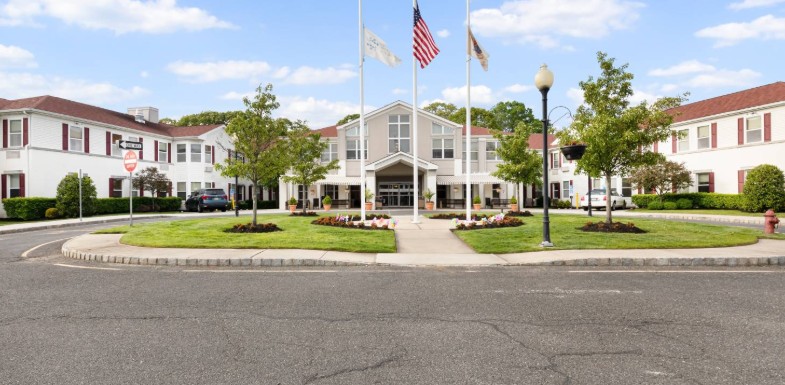
Complete Care at Wall NJ
Rehabilitation Facilities 1725 Meridian Trail, Wall Township, New Jersey, 07719At Complete Care at Wall, we provide post-acute rehabilitation programs to help patients recover from illness, injury, or surgery, regain their strength, and transition home as soon as possible. We also provide advanced clinical specialties for those who require more time and assistance, in addition to around-the-clock nursing care, in a welcoming setting that feels like home. We provide extensive rehabilitation services up to seven days a week, tailored to individual needs and goals. In order to help progress and recovery, we adjust therapies based on our patients abilities and tolerance so their quality of life can continue to improve after transitioning home.
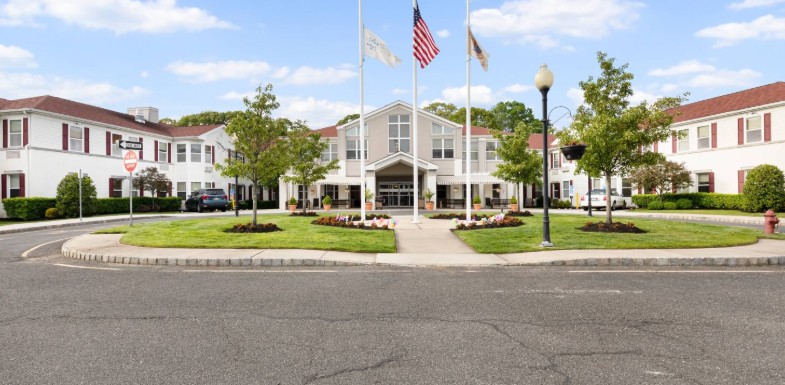
Complete Care at Wall
Skilled Nursing 1725 Meridian Trail, Wall Township, New Jersey, 07719At Complete Care at Wall, we provide post-acute rehabilitation programs to help patients recover from illness, injury, or surgery, regain their strength, and transition home as soon as possible. We also provide advanced clinical specialties for those who require more time and assistance, in addition to around-the-clock nursing care, in a welcoming setting that feels like home. Our long-term care programs provide 24/7 support for individuals with chronic illnesses, disabilities, or cognitive impairments who require ongoing assistance with activities of daily living. These programs offer comprehensive medical oversight, nursing care, personal care services, and social engagement to support residents health, safety, and quality of life. We provide long-term care in a homelike environment, with a focus on maintaining dignity, comfort, and functional independence for as long as possible.
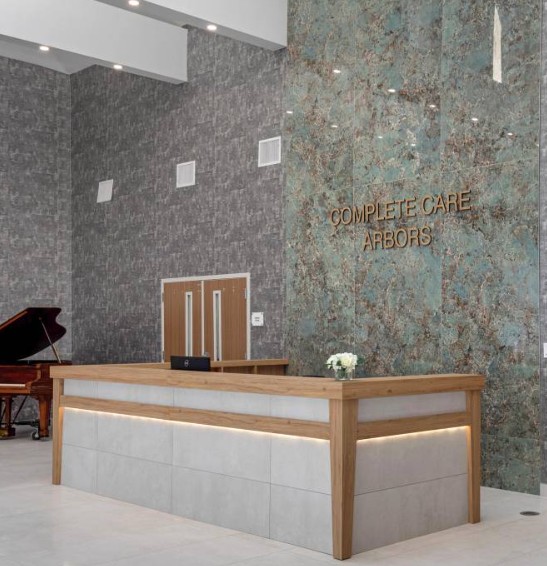
Complete Care at Arbors
Hospice 1750 New Jersey 37, Toms River, New Jersey, 08757At Complete Care at Arbors, we provide post-acute rehabilitation programs to help patients recover from illness, injury, or surgery, regain their strength, and transition home as soon as possible. We also provide advanced clinical specialties for those who require more time and assistance, in addition to around-the-clock nursing care, in a welcoming setting that feels like home.