Brain Health Monitoring in Senior Care
SENIOR HELPERS PITTSBURGH
For more information about the author, click to view their website: Senior Helpers of Northwest Pittsburgh
May 28, 2026
Pennsylvania - Greater Pittsburgh Area


As seniors age, maintaining brain health becomes
increasingly important. For caregivers, monitoring cognitive function is
essential to ensuring seniors lead fulfilling, independent lives. Senior Helpers will
provide practical insights and strategies to help caregivers in this role.
What to Know About Brain Health in Seniors
Cognitive function is the mental ability necessary for
thinking, reasoning, and remembering. It is a cornerstone of senior care
because it affects everything from daily tasks to overall well-being. While
some cognitive changes are universal as we age, understanding these changes can
help caregivers provide better support.
Lifestyle Factors Supporting Cognitive Function
Several lifestyle factors can influence seniors’ brain
health:
- Balanced
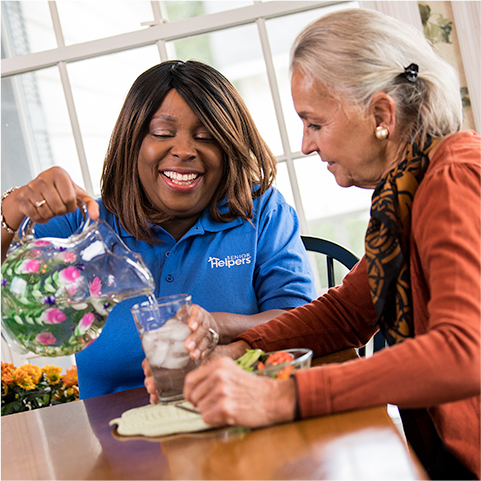
Diet and Hydration: A diet rich in fruits, vegetables, whole
grains, lean proteins, and healthy fats can support
cognitive function. Staying well-hydrated is equally crucial.
- Physical
Exercise: Regular physical activity boosts blood flow to the brain, which
helps keep it sharp. Activities like walking, swimming, or yoga can be
both enjoyable and beneficial.
- Social
Engagement: Staying socially active can help prevent feelings of
loneliness and depression, which are linked to cognitive decline.
Encouraging seniors to maintain connections with friends and
family can positively impact their brain health.
- Mental
Stimulation: Lifelong learning keeps the brain engaged. Reading,
learning a new language, or picking up new hobbies can all contribute to
mental acuity.
Seniors should always consult a doctor before starting a new
exercise routine or changing their lifestyle.
Warning Signs of Cognitive Decline
Early detection of cognitive decline can lead to better
management and care. Memory loss and confusion are among the most common
warning signs, particularly when seniors have difficulty remembering recent
events or familiar faces. Behavioral changes can also signal potential
problems, including sudden shifts in mood, personality, or behavior that seem
out of character.
Routine appointments with healthcare providers help identify
cognitive changes early, allowing timely intervention and support. If the
senior in your care shows persistent cognitive changes, seek professional
advice.
Incorporating Brain-Healthy Activities
Establishing consistent daily routines provides structure
and stability, which can support seniors’ brain health. Simple changes, such as
following a regular schedule or adding a few minutes of mindfulness practice
each day, can make a meaningful difference in mental clarity and focus. Brain
games and puzzles offer excellent opportunities for cognitive stimulation.
Activities such as crossword puzzles, Sudoku, or online brain games challenge
the mind and help maintain mental sharpness.
Encouraging seniors to pursue hobbies or learn new skills promotes mental flexibility and keeps the brain active. Whether it's painting, gardening, playing a musical instrument, or exploring a new subject, these activities provide purpose and satisfaction while supporting cognitive health.

- To view the original version of this article visit www.seniorhelpers.com/resources/blogs/2026-03-07/
- Seniors Blue Book was not involved in the creation of this content.
Other Articles You May Like
How Do You Know When a Parent Needs More Help at Home?
A parent may need more help at home when everyday tasks become unsafe, inconsistent or so difficult that they stop doing them. The clearest signs are usually repeated problems with meals, hygiene, mobility, appointments, medication routines or being alonenot simply reaching a certain age. Families in Broomfield, Colorado, can use these changes to decide whether occasional assistance, regular personal care or more extensive supervision is appropriate. Start With What Has Actually ChangedThink about the past month rather than the past day. Has your parent stopped cooking foods they once enjoyed? Are there unopened groceries, missed appointments or frequent calls for help getting out of a chair? Have they become reluctant to bathe because they are worried about falling? These changes are more useful than a general statement that someone is slowing down.Ask what feels hardest and listen to the answer. Someone may be physically able to prepare food but too tired to shop. Another person may have plenty of energy but feel anxious leaving the house alone. Matching care to the real obstacle helps avoid both too little support and unnecessary restrictions. When Is Companionship Enough?Companionship may be a good starting point when a person can manage personal hygiene and move around safely but needs social interaction, help staying active, or an extra set of hands for errands. A caregiver might share a meal, accompany someone to an activity, help with light household tasks or provide conversation during the day.If the main concern is loneliness or difficulty getting to appointments, these visits may fill an important gap. But companionship alone is not a substitute for hands-on support when bathing, dressing, toileting or transfers are no longer safe. When Does Personal Care Make More Sense?Personal care becomes more relevant when basic self-care takes considerable effort or creates risk. Common examples include needing assistance stepping into a shower, putting on clothes, moving between a bed and chair, or maintaining a regular hygiene routine. Some families also arrange support around meal preparation and medication reminders, depending on the service plan.It helps to ask which activities can still be done independently and which require a nearby helper. The answer may vary by time of day. A person who is steady in the morning might have difficulty moving safely when tired in the evening. Care should be tailored to those patterns instead of assuming the same level of help is necessary all day. What if Your Parent Has Alzheimers or Another Dementia?Memory changes introduce different questions. Does the person become disoriented outside the home, forget meals, repeat tasks unsafely or have trouble following familiar routines? Consistent companionship and dementia-informed activities may help someone stay engaged, but supervision needs should be assessed carefully. A medical professional can evaluate new or worsening symptoms and help rule out treatable causes of confusion.Friends for Life offers Alzheimers and dementia care as part of its non-medical services. Families should describe the specific behaviors and times of day that are difficult, then ask how the agency would address those needs within a home care plan. Does Your Family Need Respiteor a Longer Care Schedule?Sometimes the older adults needs have not dramatically changed, but the family caregiver is reaching a limit. Interrupted sleep, missed work, reduced social time and constant worry can signal the need for respite care. Scheduled relief allows a spouse or adult child to step away while another caregiver provides agreed-upon support.For more complex situations, ask about extended shifts, 24-hour care and live-in care. These terms should not be treated as interchangeable: staffing arrangements, sleep expectations, coverage and prices can differ. Clarify who is present during overnight hours and what happens if the person needs help multiple times at night. If medical monitoring or treatment is required, ask a clinician about appropriate medical services alongside non-medical care. Five Questions to Ask Before Hiring HelpBefore choosing an agency, make sure you can answer five practical questions: What tasks will the caregiver do? How many hours and which days are needed? What screening and training are provided? Who covers a missed shift? How will changes in the care plan be handled? Ask for the written terms, including visit minimums and cancellation policies, so that everyone understands the arrangement.Include your parent in decisions wherever possible. Try framing the conversation around one difficult task or a trial schedule rather than announcing that they can no longer manage on their own. Protecting dignity is part of making home care sustainable. Where Can Broomfield Families Start?You do not need to predict every future need before asking for help. Begin with the routines that are becoming difficult, then revisit the plan as circumstances change. Friends for Life provides companionship, personal care, family respite, dementia support and other non-medical home care options in Broomfield and the greater Denver metro area. To talk through a parents situation or arrange a consultation, visit https://friendsforlifeinc.com/ or call (303) 321-2822.
In-Home Personal Care in Broomfield, CO Helps Seniors Stay Comfortable
For many older adults in Broomfield, the goal is simple: keep living at home while getting a little help with the tasks that have become difficult. In-home personal care can make that possible. Rather than changing where someone lives, a caregiver comes to the home to assist with everyday routines, from getting dressed to preparing a meal. The right arrangement protects independence without ignoring practical safety needs. What Does In-Home Personal Care Include?Personal care is hands-on help with activities of daily living. Depending on the persons needs and the care plan, this may include bathing, grooming, dressing, toileting, walking, transfers and reminders to take medication. It is different from skilled home health care, which involves medical services delivered by appropriately licensed clinicians. Families should be clear about which type of help they need before arranging visits.Friends for Life provides non-medical in-home support in Broomfield and across the Denver metro area. Its personal care services address everyday tasks that may be challenging because of age, limited mobility or changing health. A caregiver can also help keep the day organized, while the person receiving care continues to make choices about routines and preferences. Signs It May Be Time to Arrange Help at HomeA need for care does not always begin with a major event. Small changes often appear first. A parent may wear the same clothes for several days because dressing hurts, or begin skipping showers out of fear of slipping. Grocery bags may sit unopened, and household chores may pile up. Someone who used to attend regular appointments may start canceling because getting ready and leaving the house is exhausting.Look for patterns rather than a single off day. Repeated difficulty with hygiene, unsafe transfers, missed meals, growing isolation or caregiver fatigue all merit a conversation. If a loved one has sudden confusion, a fall with injury or another acute medical change, seek medical advice promptly instead of assuming non-medical care will solve it. Support Beyond Bathing and DressingKeeping a home routine manageable often takes more than personal care alone. Meal planning and preparation may help someone eat consistently. Light housekeeping and laundry can reduce clutter. Companionship can add conversation and activities to an otherwise quiet day. Accompaniment can make appointments, errands or a trip out with friends easier to manage.These services can work together, but they should be selected around the individual rather than automatically bundled. A senior who manages bathing independently might only want help with shopping and cooking. Another person may need regular assistance with dressing and safe movement, while family members continue to handle other errands. How to Choose a Home Care Schedule in BroomfieldStart with the hardest parts of the day. Is getting ready in the morning the main concern? Does a spouse need coverage while attending work or appointments? Are evenings more difficult because fatigue affects mobility or judgment? Writing down those specific times makes the first conversation with an agency much more useful.Ask about minimum visit lengths, caregiver availability, how coverage is handled when a regular caregiver is absent, and what happens if needs increase. Discuss costs, cancellation terms and whether the agency is private pay. Friends for Life lists different service options, including companion care, personal care and longer-duration support; families should confirm current rates and the schedule that fits their circumstances. What to Discuss During an In-Home AssessmentAn assessment should cover more than a checklist of chores. Explain how the person moves around the home, any trouble with stairs or bathing, preferred meals, communication needs and daily habits. Share the tasks family members can continue to do and those they cannot reliably cover. Invite the older adult into the conversation as much as possible; a workable plan depends on their comfort and preferences.It is also worth asking how caregivers are screened, how care instructions are shared and whom to call when a schedule needs adjusting. A good fit involves practical competence and personal rapport. If needs change, the care plan should be reviewed instead of continuing on autopilot. Getting Started With Local In-Home CareHome care works best when it solves a clearly identified problem while preserving the persons daily choices. For Broomfield families exploring help with personal care, meals, companionship or respite, Friends for Life offers a consultation and customized care planning. To discuss available services or request an in-home assessment, visit https://friendsforlifeinc.com/ or call (303) 321-2822.
You Don't Have to Face a Health Crisis Alone
You Don't Have to Face a Health Crisis Alone: How Vital Voice Healthcare Navigation Can Help. A serious health diagnosis can change your life in an instant. Whether you or someone you love has been diagnosed with cancer, is managing a chronic medical condition, preparing for surgery, or simply trying to understand complicated medical information, navigating the healthcare system can feel overwhelming. Suddenly, there are appointments to schedule, specialists to consult, test results to review, treatment options to consider, and important decisions to make. You may find yourself trying to understand unfamiliar medical terminology while managing fear, uncertainty, and concerns about what comes next. For many patients and families, the hardest part is not knowing where to turn for answers or how to make sense of everything happening around them. The good news is that you do not have to navigate these challenges alone. At Vital Voice Healthcare Navigation, the goal is to provide compassionate, personalized guidance to individuals and families facing healthcare challenges. Having someone knowledgeable by your side can help bring clarity to confusing situations, organize important information, and give you the confidence to become a more active participant in your healthcare journey. When Healthcare Becomes Overwhelming, Having an Advocate Matters The healthcare system can be complicated, especially when multiple medical professionals are involved in your care. Patients may receive information from several specialists, encounter different treatment recommendations, and struggle to understand what each step means for their health. Even routine medical appointments can become stressful when you are dealing with an unexpected diagnosis or trying to manage a long-term condition. You may find yourself asking: Am I asking my doctor the right questions? Do I fully understand my diagnosis? Are there other treatment options I should consider? Should I seek a second medical opinion? How do I coordinate care between multiple specialists? What should I do if I receive conflicting medical information? Am I making the best decisions for my health and quality of life? These are important questions, and you deserve to have the time and support needed to explore them. A healthcare advocate provides an additional layer of guidance, helping you organize your concerns, prepare for medical appointments, understand the information you receive, and identify appropriate resources. Rather than feeling like you are trying to figure everything out on your own, you have someone helping you navigate the process. Facing a Cancer Diagnosis: Finding Clarity During an Uncertain Time A cancer diagnosis can be one of the most frightening experiences a person and their family will ever face. Along with the emotional impact of the diagnosis, patients may need to undergo additional testing, meet with multiple specialists, consider treatment options, and make decisions about surgery, chemotherapy, radiation, or other therapies. The amount of information can be overwhelming. Patients may leave appointments with unanswered questions or struggle to remember everything their physicians discussed. Family members may also feel uncertain about how to help or what questions they should be asking. Having a healthcare advocate can make a meaningful difference during this difficult time. Support may include: Helping patients better understand medical terminology and diagnostic information. Preparing questions for appointments with oncologists and specialists. Organizing medical records, test results, and treatment information. Helping patients evaluate their satisfaction with their current healthcare team. Discussing when obtaining a second medical opinion may be appropriate. Providing a supportive presence during medical appointments, including virtual attendance when arranged. Helping patients and families identify additional resources and support services. Cancer treatment is rarely a simple or straightforward process. Having someone who can help you stay organized, ask important questions, and better understand your options can provide reassurance during an uncertain time. Most importantly, you deserve to feel heard and supported throughout your cancer journey. Managing a Chronic Condition: You Don't Have to Figure It All Out Alone Living with a chronic illness often means making healthcare decisions and managing medical responsibilities over an extended period. Conditions such as diabetes, lupus, heart disease, asthma, Alzheimer's disease, Hashimoto's disease, and multiple sclerosis may require ongoing appointments, medication management, testing, and communication with different healthcare professionals. Over time, the responsibilities can become exhausting. You may feel frustrated trying to coordinate multiple specialists or uncertain about whether your current treatment plan is meeting your needs. You may also have questions about new symptoms, lifestyle changes, or additional resources that could help improve your daily life. Healthcare navigation can provide support by helping you: Better understand your diagnosis and available information. Prepare questions for your healthcare providers. Organize medical records and treatment recommendations. Evaluate whether your current medical team is meeting your needs. Explore the possibility of a second opinion. Identify helpful educational materials and healthcare resources. Develop a more organized approach to managing your ongoing care. Living with a chronic condition can involve many adjustments, but having guidance and support can help make the process less confusing. You deserve to understand your healthcare choices and feel confident when discussing your needs with your medical team. Preparing for Surgery: Feel More Confident About the Road Ahead Preparing for surgery can bring a combination of emotions. You may feel hopeful that a procedure will improve your health while also experiencing anxiety about the surgery itself, recovery, and what to expect afterward. Whether you are preparing for a joint replacement, neck or back surgery, or another medical procedure, having a clear understanding of the process is important. Patients often have questions about surgical recommendations, recovery expectations, medications, rehabilitation, and follow-up care. A healthcare advocate can help you prepare for these conversations and organize the information you receive from your medical team. Support may include: Preparing a list of questions for your surgeon. Helping you understand the information provided about your procedure. Organizing medical instructions and important documents. Helping identify concerns that should be discussed with your healthcare providers. Providing a supportive listener during virtual appointments. Helping you understand follow-up instructions and recovery recommendations. Having someone help you prepare for surgery can make you feel more informed and less overwhelmed. It can also help family members better understand how they can support you during recovery. The Importance of Having Someone in Your Corner During Medical Appointments Medical appointments are important opportunities to ask questions, discuss symptoms, review test results, and understand treatment recommendations. Unfortunately, patients sometimes leave appointments feeling that they did not get all the answers they needed. When you are worried about your health, it can be difficult to remember every question or process all the information being discussed. This is especially true when receiving unexpected medical news or meeting with several different specialists. Having an additional person involved can provide valuable support. Vital Voice Healthcare Navigation offers remote appointment support, allowing an advocate to participate virtually as a supportive listener and note-taker when arranged with the patient and provider. This additional set of ears can help you: Remember important information discussed during the appointment. Keep track of questions and concerns. Identify information that may need further clarification. Review notes and instructions after the visit. Develop follow-up questions for your healthcare team. Sometimes, simply having someone help you organize your thoughts before an appointment can make the entire experience more productive. You should never feel uncomfortable asking your doctor to explain something again or clarify information you do not understand. Your healthcare journey should include your voice, your questions, and your concerns.
Local Services By This Author
Senior Helpers of Northwest Pittsburgh
Non-MedicalLocally Owned. Personally Invested.We are a locally owned and family-operated home care agency, and that shapes everything we do. We take pride in truly knowing our clients and caregiversnot just filling schedules. Our team is carefully selected, thoroughly trained, and supported to provide dependable, compassionate care. We understand how important consistency is, which is why we work diligently to ensure shifts are covered and care is never interrupted. Above all, we prioritize each clients individual needs, preferences, and dignity in every aspect of care.Care You Can Trust at HomeWe provide a wide range of personalized in-home care services designed to help seniors maintain independence and quality of life. Whether a client needs companionship, assistance with daily activities, or more specialized support, our caregivers are there with reliability, respect, and genuine connection.Backed by a Nationally Recognized LeaderAs part of the nationally recognized Senior Helpers network, we combine our personal, local approach with the strength and resources of an established franchise. Senior Helpers is known for its innovative care programs, including the LIFE Profile Assessment, which helps us better understand each clients unique needs and risks, and specialized training in Alzheimers and dementia care through the Senior Gems program. Our caregivers receive ongoing education and utilize proven care techniques that focus on enhancing independence and overall well-being.Learn MoreWe would be honored to support your family. To learn more about our services or to get in touch, please visit our website: www.seniorhelpers.com/pa/northwest-pittsburgh

Senior Helpers Greensburg
Non-MedicalFamilies in Greensburg and throughout Westmoreland County who are caring for aging loved ones often face an important question: how to provide the right level of support while still allowing their loved one to remain safely at home. Senior Helpers Greensburg offers personalized in-home senior care services designed to help older adults maintain independence, dignity, and comfort in familiar surroundings while receiving the assistance they need.Serving Greensburg and the surrounding Pittsburgh suburbs, Senior Helpers specializes in non-medical home care that supports seniors in their day-to-day lives. For many older adults, remaining at home is a top priority, and in-home care provides a practical solution that allows individuals to age in place while receiving consistent, reliable support. The Greensburg office serves families throughout Westmoreland County and parts of Eastern Allegheny County, providing flexible care options that can be tailored to each individuals needs. Senior Helpers Greensburg offers a wide range of in-home care services designed to support both seniors and their families. Care plans are personalized and may include companion care, personal care, respite care, and specialized support for individuals living with chronic conditions or cognitive decline. By focusing on individualized care, the team ensures that each client receives the right level of assistance while maintaining as much independence as possible.One of the most requested services is companion care, which focuses on providing social interaction, emotional support, and assistance with everyday activities. Many seniors experience isolation, especially if they live alone or have limited mobility. Companion care helps address this by providing meaningful interaction, conversation, and engagement, all of which contribute to improved emotional well-being and overall quality of life.In addition to companionship, Senior Helpers Greensburg provides hands-on personal care services. These services are designed to assist with activities of daily living such as bathing, dressing, grooming, toileting, mobility support, and meal preparation. Personal care services are delivered with respect and sensitivity, helping seniors maintain dignity while receiving the support they need to remain safe and comfortable at home. For families managing the demands of caregiving, respite care is another essential service. Caring for a loved one can be physically and emotionally exhausting, and many caregivers struggle to find time for themselves. Respite care allows family members to take a break while ensuring their loved one continues to receive professional, attentive care. This support helps reduce caregiver burnout while maintaining continuity of care.Senior Helpers Greensburg is also known for its specialized Alzheimers and dementia care programs. Caring for someone with memory loss requires a unique skill set, and caregivers are trained to understand the behaviors, communication challenges, and safety concerns associated with these conditions. In-home dementia care allows individuals to remain in a familiar environment, which can help reduce confusion and anxiety while maintaining a sense of routine and stability.Another important aspect of care is assistance with household tasks and daily routines. Services may include light housekeeping, laundry, grocery shopping, transportation to appointments, and medication reminders. These services help create a safe and manageable home environment while allowing seniors to focus on their well-being rather than daily responsibilities.Senior Helpers Greensburg takes a proactive approach to care planning. Each client begins with an initial assessment to evaluate their needs, preferences, and daily routines. Based on this assessment, a customized care plan is developed, and services can be adjusted over time as needs change. This flexibility allows families to start with a lower level of care and increase support as necessary.A key benefit of in-home care is the ability to maintain independence. Many seniors prefer to stay in their own homes rather than move into assisted living or a nursing facility. Home care provides a solution that supports independence while still addressing safety concerns and health needs. With the right level of support, seniors can continue to enjoy familiar surroundings, maintain routines, and stay connected to their communities.Senior Helpers also emphasizes caregiver matching, ensuring that clients are paired with caregivers who align with their personality, preferences, and care needs. This relationship-based approach helps build trust and consistency, which are essential for both comfort and effective care. Families often find peace of mind knowing that their loved one is supported by a caregiver who understands their unique situation.For individuals transitioning home after a hospital stay, in-home care can also play a critical role in recovery. Support with mobility, medication reminders, and daily activities can help reduce the risk of hospital readmission and support a smoother recovery process. Transitional care services help bridge the gap between hospital and home, ensuring that individuals receive the support they need during this important phase.Service Area: Senior Helpers Greensburg serves individuals and families throughout Greensburg, Westmoreland County, and surrounding communities including Irwin, North Huntingdon, Murrysville, Latrobe, and Eastern Allegheny County.Families often begin searching for home care services when they notice that a loved one is struggling with daily activities, becoming more isolated, or experiencing changes in memory or mobility. In-home care offers a flexible and compassionate solution that allows seniors to receive the support they need without leaving the comfort of home.For those searching for home care in Greensburg, personal care services for seniors, or Alzheimers and dementia care at home, Senior Helpers Greensburg provides a trusted and personalized approach. By combining compassionate caregivers, customized care plans, and a focus on independence, the organization helps seniors live safely and confidently in the place they call home.

Senior Helpers of Southwest Pittsburgh
Non-MedicalNOW OFFERING MEDICAL PROCEDURE ESCORT SERVICE !!Families in Pittsburghs South Hills who are exploring options for in-home senior care are often looking for a solution that balances independence with the right level of support. For many older adults, remaining at home is not just a preferenceits essential to their sense of comfort, routine, and quality of life. Senior Helpers Southwest Pittsburgh provides personalized in-home care services designed to help seniors continue living safely and confidently in their own homes while receiving the assistance they need.Serving Bethel Park and surrounding communities throughout Southwest Pittsburgh, this locally operated home care provider focuses on delivering flexible, non-medical care that adapts to each individuals lifestyle and evolving needs. Their services are designed for seniors who may need occasional support, as well as those who require more consistent, hands-on assistance with daily living.What sets Senior Helpers Southwest Pittsburgh apart is its emphasis on building care around the individualnot just the task. Each client begins with an in-home assessment, where a care plan is developed based on personal preferences, routines, and health considerations. This approach ensures that care feels natural and supportive rather than disruptive, allowing seniors to maintain a sense of normalcy and independence.One of the foundational services offered is companion care, which focuses on reducing isolation and improving emotional well-being. Many seniors living at home experience loneliness, especially if mobility becomes limited or social circles begin to shrink. Caregivers provide meaningful companionship through conversation, shared activities, and daily interaction, helping seniors stay engaged and connected.For individuals who require more hands-on support, personal care services are available to assist with essential activities of daily living. This includes help with bathing, dressing, grooming, toileting, mobility, and meal preparation. These services are delivered with dignity and respect, allowing seniors to maintain comfort and confidence while receiving necessary assistance.Senior Helpers Southwest Pittsburgh also offers specialized Alzheimers and dementia care, recognizing that memory loss requires a unique and compassionate approach. Caregivers are trained to understand the behaviors and challenges associated with dementia, providing support that focuses on consistency, safety, and routine. Receiving this level of care at home can be especially beneficial, as familiar surroundings often help reduce confusion and anxiety.Respite care is another important service for families. Caregiving can be physically and emotionally demanding, and many family caregivers need time to rest and recharge. Respite care allows families to step away with confidence, knowing their loved one is receiving attentive, professional care in their absence. This support can be essential in preventing caregiver burnout and maintaining long-term care stability.In addition to direct care, caregivers assist with everyday household tasks that can become increasingly difficult over time. Light housekeeping, laundry, grocery shopping, transportation to appointments, and medication reminders all contribute to a safer and more manageable home environment. These services allow seniors to focus on their well-being rather than the stress of daily responsibilities.A key advantage of in-home care is its flexibility. Services can be scheduled for a minimal hours each week, daily visits, overnight care, or even live-in support, depending on the individuals needs. As those needs change, care plans can be adjusted to provide the appropriate level of assistance without requiring a move to a different care setting.For seniors recovering from a hospital stay or managing chronic health conditions, in-home care can also play an important role in maintaining stability and preventing setbacks. Support with mobility, reminders, and daily routines can help reduce the risk of falls, medication errors, and hospital readmissions, creating a smoother transition back to everyday life.Another important element of care is caregiver matching. Senior Helpers Southwest Pittsburgh places a strong emphasis on pairing clients with caregivers who align with their personality, preferences, and care needs. This relationship-based approach helps build trust, comfort, and consistency, which are essential for both emotional well-being and effective care.Families often begin searching for home care services when they notice subtle changes in a loved ones ability to manage daily life. This might include missed medications, difficulty preparing meals, increased fall risk, or signs of memory loss. In-home care provides an early intervention solution that can help address these challenges before they escalate into more serious concerns.The ability to age in place is a priority for many older adults, and home care makes that possible. Remaining at home allows seniors to maintain their routines, stay connected to their community, and enjoy a familiar environment that supports emotional and mental well-being. With the right level of support, many individuals can continue living independently for years.Senior Helpers Southwest Pittsburgh also works collaboratively with families, healthcare providers, and other professionals to ensure a coordinated approach to care. This team-based model helps ensure that all aspects of a seniors well-being are considered, from physical health to emotional support and daily functioning.Service Area: Senior Helpers Southwest Pittsburgh serves seniors and families throughout Bethel Park, Upper St. Clair, Mt. Lebanon, Bridgeville, South Park, Canonsburg, McDonald, and surrounding South Hills communities.Families also search for home care when they want to support a loved ones independence without compromising safety. Whether the need is companionship, personal care, or specialized dementia support, having access to reliable in-home care can make a meaningful difference.For those searching for home care in Bethel Park, in-home senior care in Southwest Pittsburgh, or personalized support for aging loved ones, Senior Helpers Southwest Pittsburgh offers a compassionate and flexible solution. By combining individualized care plans, experienced caregivers, and a focus on independence, they help seniors continue living life on their own termsright at home.