Breath of Fresh Air: Finding Exceptional Home Health Care this Summer
Nursing Liaisons
For more information about the author, click to view their website: Nursing Liaisons
Jun 20, 2026
Massachusetts - Boston Metro West

Email US
Click to Email Us
 June always feels like a breath of fresh air. The days grow longer, gardens begin to bloom, and many of us naturally spend more time reconnecting with family, friends, and ourselves. June also reminds us of the importance of caring for both our physical and emotional well-being. It is National Fruits and Vegetables Month — a sweet reminder of the role nutrition plays in healing and health — and also National PTSD Awareness Month, which encourages greater understanding of trauma, mental health, resilience, and the importance of compassionate support.
Over the course of a medical diagnosis or life challenge, we all navigate the journey differently. Some immerse themselves in research and seek every possible detail, while others fully trust the information provided by their medical team. Many look to connect with people who have endured similar experiences for comfort, perspective, and reassurance. Very quickly, support systems form, and loved ones naturally offer opinions, guidance, and emotional support. No one approach is right or wrong—but sometimes, good intentions are not enough. Exceptional care starts with understanding each individual’s comfort level, emotional needs, and personal goals; even the most well-intended caregivers may not be able to read their family members’ nuances or agree with a loved one’s medical choices.
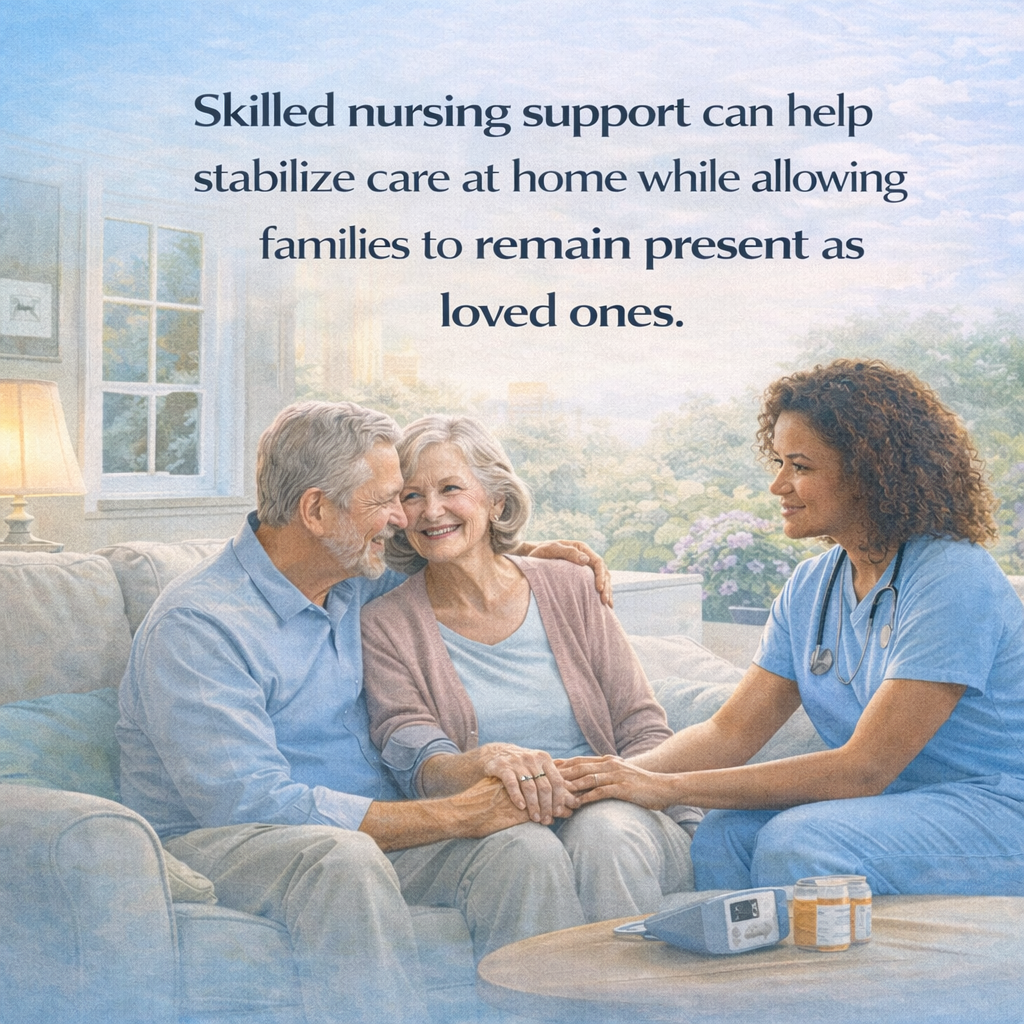
This is often where Nursing Liaisons are called upon to help. We understand that every situation is deeply personal. We take the time to truly listen to the patient, their loved ones, and their support system. We recognize that these are vulnerable and emotionally overwhelming moments, and we enter respectfully with compassion, professionalism, and empathy. Sometimes what people need most is not immediate answers, but the opportunity to feel heard, understood, and supported.
Listening is one of the most important skills in healthcare, especially for those coping with trauma, anxiety, grief, or PTSD. Experiences that affect emotional health are often invisible to others, yet they can deeply impact how someone processes medical information, makes decisions, or feels safe during times of uncertainty. Being present, patient, and attentive can make an enormous difference.
In addition to coordinating care, we serve as a trusted resource to explain the medical implications of decisions in a clear and unbiased way. As nurses, we understand that being invited into someone’s personal space is a gift—a symbol of trust and an honor. Caring for someone during one of the most important and vulnerable times in life is a responsibility we never take lightly.
One of the greatest things Nursing Liaisons can offer, which hospitals often cannot due to the pace of care, is time. We are not rushed. We listen carefully and intentionally. We maintain documentation that patients and families can revisit, helping them ask questions, process information, and better understand the plan moving forward. We include family and friends because we recognize how essential a strong support system can be during difficult times.
Nursing Liaisons provide dignity, privacy, advocacy, and guidance while supporting the patient’s goals every step of the way. Our goal is the patient’s goal—it is truly that simple. If you are uncertain about what matters most or what direction to take, we are here to help you define what is important to you and your loved ones.
We are grateful for every experience and value the trust patients and families place in us. Many of the phone calls we receive begin as simple conversations and evolve into meaningful discussions about needs, resources, options, and goals of care. Not every situation results in Nursing Liaisons providing direct patient care, but 100% of the time, we help families troubleshoot their most pressing concerns and feel less alone during challenging moments.
If you or someone you love is facing a medical challenge, feeling overwhelmed by healthcare decisions, or simply needs a compassionate and experienced guide along the way, Nursing Liaisons is here to help. Sometimes all it takes is one conversation to bring clarity, comfort, and peace of mind. Learn more at NursingLiaisons.com or call us at (888) 510-1594 to speak with a member of our team.
Wishing you a peaceful and joy-filled start to summer with time to rest and reflect, continue to stay healthy, safe, and connected to the people who matter most.
Whether you are caring for a loved one, planning for recovery at home, or supporting a client through a care transition, you do not have to manage it alone.
Visit us at NursingLiaisons.com or call 888.510.1594 to learn how we can help.
We are here for you!
Lisa & Ellie, Nursing LiaisonsCofounders & RNs
Other Articles You May Like
Comparing Senior Housing Options in Monmouth County, NJ
Choosing where an older loved one should live is rarely a simple real estate decision. Families must consider health, independence, finances, location, and personal preferences, often while managing emotional changes.A parent may be comfortable at home but tired of maintaining a large property. Another person may need help with daily activities, making assisted living worth exploring. Someone experiencing significant memory changes may require specialized supervision.Meanwhile, family members may be wondering what to do with a house that has been owned for decades.For families in Monmouth County, New Jersey, understanding the different housing options before making a commitment can help prevent rushed decisions.Senior housing planning involves matching a person's lifestyle, care needs, financial resources, and location preferences with a suitable residential environment.When a move involves selling or purchasing property, real estate guidance can become an important part of the process.Geraldine Athas Vazquez, a real estate professional with RE/MAX Revolution in Spring Lake, brings substantial residential real estate experience to home buying and selling decisions.Her background in property marketing, negotiations, and residential transactions can be relevant to families evaluating whether to remain in a longtime home, downsize, or relocate. Why Senior Housing Decisions Can Be ComplicatedFamilies often begin with one practical question: Where should our loved one live?The answer may depend on several independent considerations.Personal IndependenceCan the older adult safely manage bathing, dressing, medications, and everyday routines?Housing MaintenanceAre repairs, yard work, and household upkeep becoming difficult?Healthcare AccessDoes the location provide convenient access to medical services?TransportationCan the individual continue living comfortably without driving?Social OpportunitiesWould the person prefer a private home or a community with organized activities?Monthly CostsHow do the expenses of different arrangements compare?Long-Term PlansCould the next residence remain suitable if needs change?Understanding these questions before touring properties can make the process more focused. Understanding the Main Senior Housing OptionsDifferent residential settings provide different levels of support.Remaining at HomeSome older adults continue living independently with appropriate household modifications or outside services.DownsizingA smaller property can reduce maintenance and simplify daily responsibilities.Independent LivingIndependent living communities generally serve individuals who do not need routine hands-on personal care.Assisted LivingAssisted living provides housing and assistance with selected activities of daily living.Memory CareMemory care provides specialized support for individuals with dementia-related needs.Skilled NursingSkilled nursing facilities offer more extensive licensed nursing and rehabilitation services.An appropriate healthcare professional should help evaluate medical and functional care needs. Geraldine Athas Vazquez and Residential Housing DecisionsGeraldine Athas Vazquez is affiliated with RE/MAX Revolution in Spring Lake, New Jersey.Her public professional biography identifies approximately 20 years in residential real estate.She has experience in both buying and selling properties and previously worked in consumer marketing and advertising.Residential SalesGeraldine works with property owners navigating home sales.Home PurchasesShe assists buyers exploring appropriate residential properties.Property PresentationMarketing experience can be useful when preparing a house for sale.Pricing DiscussionsReal estate analysis can help sellers evaluate asking-price strategies.NegotiationGeraldine emphasizes negotiation and advocacy for clients.RelocationMoving from one property to another requires coordination of timelines and financial obligations.Important service distinction: Geraldine's verified credentials establish residential real estate experience. They do not independently establish that she performs clinical care assessments, operates a senior living referral network, or provides licensed healthcare placement. Families should confirm any specialized senior housing placement services directly. Verified Professional InformationGeraldine Athas Vazquez Real Estate SpecialistBrokerage: RE/MAX RevolutionLocation: Spring Lake, Monmouth County, New Jersey Begin With an Honest Assessment of Daily NeedsA beautiful home or community is not necessarily an appropriate match for someone's care requirements.Personal CareDoes the person require assistance with bathing or dressing?MedicationsAre prescriptions managed independently?MobilityCan the individual move comfortably around the residence?MemoryAre there concerns about orientation, judgment, or safety?MealsIs regular meal preparation manageable?Household ResponsibilitiesCan the person maintain the home without excessive physical strain?If significant care needs are present, families should obtain appropriate healthcare guidance before selecting a setting. Build a Realistic Housing BudgetCosts should be evaluated across all potential options.Staying at HomeInclude property taxes, insurance, maintenance, utilities, and any outside caregiving services.Condominium LivingReview association fees, special assessments, insurance, and maintenance.Independent LivingAsk which amenities, meals, and services are included.Assisted LivingReview base rent, personal care charges, and additional service fees.Memory CareSpecialized supervision may involve a different pricing structure.Home Sale ExpensesCommission arrangements, repairs, closing costs, and outstanding mortgages affect available proceeds.A financial advisor may help families understand the broader financial implications. Comparing Communities in Monmouth CountyMonmouth County includes numerous residential settings and neighborhoods.LocationConsider proximity to relatives, physicians, shopping, and familiar activities.AccessibilityAsk about elevators, stairs, bathrooms, and transportation.Social LifeExplore activities that reflect the individual's interests.Care AvailabilityConfirm exactly what assistance the community provides.PricingRequest current written costs and applicable contract terms.StaffingFor assisted living or memory care, ask about staffing and supervision.Future NeedsDetermine whether additional care would require another move.No community should be selected based solely on photographs or a marketing brochure. Coordinating the Existing Home With a New Housing ChoiceA housing transition may involve both finding a new residence and preparing an existing property.Determine the TimingSome families need to sell before purchasing or moving.Assess the Home's ValueA market analysis provides information for pricing discussions.Organize BelongingsDetermine what will move and what can be donated or sold.Plan Necessary RepairsIdentify work needed before the property is listed.Review the Move-In DateCoordinate closing dates with housing availability.Prepare for UncertaintyHome sale timing and senior living availability are not guaranteed.A real estate professional can help with the property transaction, while the receiving community must explain its admission requirements. Supporting an Older Adult's PreferencesFamily members sometimes have different ideas about the best living arrangement.Ask What Matters MostThe older adult may prioritize privacy, social activities, affordability, or location.Discuss ConcernsListen to worries about moving, leaving friends, or selling the home.Encourage ParticipationWhenever possible, include the person in property and community tours.Avoid Unnecessary PressureA decision should not be rushed simply because relatives favor a particular option.Preserve Personal ChoiceThe individual's rights and decision-making ability remain important.Seek Appropriate ExpertiseMedical, legal, and financial professionals may need to participate in certain decisions. What Families Should Ask a Housing Resource SpecialistIf specialized senior placement assistance is offered, clarify its scope.Which types of housing are included?Does the specialist personally evaluate care needs?Are specific senior living communities represented?How are referrals selected?Does the family pay a fee?Are referral commissions involved?Will the specialist arrange community tours?Can they help coordinate a home sale?Are moving and downsizing services handled directly or through referrals?These questions help families understand professional responsibilities and potential conflicts of interest. Why Housing Decisions Matter in Monmouth CountyThe Jersey Shore region offers a distinctive combination of coastal communities, suburban neighborhoods, and age-restricted housing.For older adults, housing decisions may involve both lifestyle and practical factors.Coastal ExpensesCertain properties may involve additional flood or storm-related considerations.Neighborhood FamiliarityLongtime residents may prefer staying close to established relationships.Property MaintenanceMaintenance requirements can differ substantially among homes and developments.TransportationSome locations are more convenient without a personal vehicle.Family InvolvementRelatives may live nearby or elsewhere in New Jersey.Personal GoalsA successful move should match the person's preferences, not just the family's timetable. Expert Tip for Comparing Senior HousingExpert Tip: Use a comparison worksheet with five categories: care needs, total monthly cost, location, social opportunities, and future flexibility.Score each housing option based on the older adult's actual priorities.Do not assume the most expensive community or the newest property will necessarily be the best fit. How to Get StartedIdentify why a housing change is being considered.Obtain appropriate medical guidance if personal care needs are involved.Determine preferred locations in Monmouth County.Establish a realistic budget.Review independent living, assisted living, or other appropriate options.Contact Geraldine through her RE/MAX profile for real estate-related questions.Confirm whether specialized senior placement or transition assistance is offered.Compare written costs, services, contracts, and real estate timelines before committing. Frequently Asked Questions1. What does a senior housing placement specialist do?A placement specialist may help families compare senior housing options based on care needs, location, lifestyle, and budget. Services and qualifications vary by provider.2. Is independent living the same as assisted living?No. Independent living generally serves people who manage personal activities independently, while assisted living offers hands-on support with selected everyday tasks.3. Can Geraldine Athas Vazquez assist with a home sale?Yes. Her documented professional experience includes residential real estate buying and selling through RE/MAX Revolution.4. Does Geraldine provide clinical senior placement assessments?Her public RE/MAX information does not independently confirm clinical assessments or a formal placement service. Families should ask directly about the services offered.5. Which areas does Geraldine serve?Her RE/MAX professional biography identifies a Spring Lake, Monmouth County base and describes residential real estate work across New Jersey. Make Senior Housing Decisions With Better InformationA senior housing transition often combines personal, medical, financial, and real estate considerations.Families benefit from understanding available care levels, asking questions, and comparing realistic costs before making decisions.Geraldine Athas Vazquez of RE/MAX Revolution can be a resource for residential real estate questions involving buying, selling, or relocating in New Jersey.For clinical care requirements and community admission decisions, families should also work directly with qualified care professionals and senior living providers. Find Senior Housing Resources on Seniors Blue BookExplore senior housing and resource specialist categories through Seniors Blue Book. Contact Geraldine Athas Vazquez for residential real estate assistance on SeniorsBlueBook.com.
Choosing Independent Living in Monmouth County, NJ
Retirement often brings a welcome opportunity to reconsider where and how we want to live. A house that was perfect for raising children may begin to feel too large. A beautiful yard may require more work than it once did. A two-story home may become less convenient when bedrooms, bathrooms, and laundry areas are spread across different floors.For many older adults in Monmouth County, New Jersey, the question is not simply whether to move. It is whether their current home continues to support the lifestyle they want.Some homeowners love their neighborhood and prefer to remain there with a few practical improvements. Others are interested in downsizing to a condominium, smaller house, or age-restricted community. Some want to explore independent living communities that offer social activities, dining, and maintenance services. Independent living decisions should consider lifestyle, housing expenses, accessibility, social opportunities, and long-term convenience rather than age alone. Geraldine Athas Vazquez, a real estate professional affiliated with RE/MAX Revolution in Spring Lake, helps buyers and sellers navigate residential real estate decisions in New Jersey.With approximately two decades of real estate experience, Geraldine brings knowledge of home marketing, negotiation, and property transactions to clients evaluating their next move.For seniors thinking about downsizing or relocating, understanding the differences between independent living options is an important starting point. What Does Independent Living Mean?Independent living generally refers to residential arrangements for older adults who can manage everyday personal activities without the routine hands-on assistance associated with assisted living.It can take several forms.Independent Living CommunitiesThese communities may offer private apartments, social activities, dining, maintenance, housekeeping, and transportation.Age-Restricted NeighborhoodsSome developments have age eligibility requirements, often associated with 55-plus housing.CondominiumsCondominiums may provide smaller living spaces and association-managed maintenance.Single-Level HomesSome buyers choose homes with accessible floor plans rather than moving into a senior-specific development.Continuing to Live at HomeIndependent living can also mean remaining in a familiar residence while adapting it to changing needs.The right choice depends on personal preferences, financial circumstances, and the services required. Geraldine Athas Vazquez and RE/MAX RevolutionGeraldine Athas Vazquez is a real estate professional associated with RE/MAX Revolution in Spring Lake, New Jersey.Her public professional biography describes approximately 20 years of experience in real estate, including buying and selling properties.She began her real estate career in the Los Angeles area before expanding her professional work into New Jersey.Her background also includes consumer product marketing and advertising, experience relevant to residential property presentation and marketing.Home SellingGeraldine assists property owners navigating the residential sales process.Home BuyingShe works with buyers evaluating properties and completing transactions.Property MarketingHer background supports discussions about positioning and presenting a home to prospective buyers.NegotiationHer professional biography emphasizes negotiation and client advocacy.Relocation DecisionsClients making significant housing changes can discuss the real estate aspects of relocating.Senior Housing ConsiderationsOlder buyers and sellers may benefit from evaluating accessibility, maintenance, location, and lifestyle before choosing a property.Geraldine is a real estate professional, not an independent living facility operator or healthcare provider. Availability of specialized senior community placement or care assessments should be confirmed directly. Business InformationGeraldine Athas VazquezBrokerage: RE/MAX RevolutionMarket: Spring Lake, Monmouth County, New JerseyBrokerage Office: 1218 Third Avenue, Spring Lake, NJ 07762 When Is It Time to Consider Downsizing?Moving into a smaller residence can simplify certain responsibilities, but it is not automatically the best decision for everyone.Unused Living SpaceA home may have several bedrooms that are rarely used.Increasing MaintenanceLandscaping, repairs, cleaning, and seasonal upkeep can become demanding.Accessibility ConcernsStairs, narrow bathrooms, and uneven walkways may create practical challenges.Housing ExpensesTaxes, insurance, utilities, and repairs can affect a retirement budget.Lifestyle PrioritiesSome older adults prefer spending less time maintaining a property and more time traveling or visiting family.Family ProximityRelocating may offer opportunities to live closer to children, grandchildren, or longtime friends.A thoughtful comparison should consider both the financial and emotional consequences of moving. Comparing Independent Living Communities and Private HomesIndependent living communities and conventional residential properties provide different benefits.Community AmenitiesIndependent living communities may offer shared dining, activities, and transportation.Homeownership ControlA privately owned house may provide greater freedom over renovations and property decisions.MaintenanceSome communities and condominium associations handle selected maintenance responsibilities.Monthly ExpensesIndependent living may involve monthly service fees, while homeowners face taxes, insurance, association charges, and repairs.Medical AssistanceNeither an ordinary private residence nor an independent living community automatically provides skilled nursing or assisted living services.Future ChangesOlder adults should consider whether the chosen setting can accommodate changing needs.Real estate guidance can help with buying or selling a property, while individual senior living communities must explain their services and admission arrangements. Exploring 55-Plus Housing in Monmouth CountyMonmouth County offers a variety of residential environments, from established coastal neighborhoods to suburban communities.For older buyers, age-restricted housing may be an option.Age EligibilityDevelopments may have specific occupancy restrictions.Association RulesBuyers should review governing documents, fees, and maintenance responsibilities.Property LayoutA home marketed to older adults is not necessarily fully accessible.AmenitiesSome communities offer clubhouses, pools, walking paths, or other shared spaces.TransportationAccess to shopping, healthcare, and family may be important.Ownership ExpensesAssociation charges and special assessments should be incorporated into the budget.A real estate professional can help buyers evaluate property features and obtain relevant community information. Why Location Matters in Monmouth CountyRetirement housing decisions often involve relationships with familiar places.Spring LakeSome residents value proximity to the Jersey Shore and its surrounding communities.Nearby FamilyA home closer to relatives may make regular visits more convenient.Healthcare AccessTravel to preferred physicians and medical facilities may influence the search.Daily ErrandsGrocery stores, pharmacies, and other services should be considered.WalkabilitySidewalks, crossings, and the distance to everyday destinations can affect convenience.Seasonal ConsiderationsCoastal properties may require particular attention to flood risks, insurance, and weather-related maintenance.The best location is the one that supports the individual's actual daily needs and preferences. Evaluating Accessibility Before BuyingA smaller home is not necessarily easier to navigate.EntrywaysConsider the number of steps at entrances.BathroomsReview shower access, available space, and possible future modifications.BedroomsA first-floor bedroom may appeal to someone seeking fewer stairs.LaundryThe laundry area should be convenient and accessible.Outdoor MaintenanceCompare yard size and landscaping requirements.ParkingConsider the distance from parking areas to the residence.For significant mobility needs, an occupational therapist or qualified accessibility professional can provide an assessment. Preparing a Longtime Home for SaleSelling a property after many years can involve substantial preparation.Review the Property's ConditionIdentify necessary repairs and potential concerns.Evaluate Comparable SalesA market analysis can help establish a reasonable pricing strategy.Organize BelongingsBegin sorting items that will be kept, donated, or sold.Consider PresentationAppropriate cleaning and staging can help buyers understand the space.Plan the TimelineCoordinate the home sale with the anticipated move.Review Closing CostsUnderstand commissions, taxes, mortgage payoff obligations, and other transaction expenses.Geraldine's real estate and marketing background is relevant to these stages of the process. Financial Considerations Before MovingDownsizing does not always result in lower total expenses.Sale ProceedsThe amount remaining after a sale depends on the closing price, outstanding mortgage, and transaction costs.New Property CostsBuying another residence may involve inspections, financing, and closing expenses.Association FeesCondominiums and age-restricted developments may require recurring fees.MaintenanceA newer or smaller property may reduce some expenses but not eliminate repairs.Property TaxesTaxes vary by property and municipality.Moving ExpensesPacking, transportation, storage, and professional moving services should be included.A financial or tax professional can help review implications that extend beyond the real estate transaction. Independent Living and Future Care NeedsOlder adults sometimes purchase a home based only on current abilities.However, considering future needs can be helpful.MobilityWould the layout remain convenient if walking became more difficult?TransportationWould daily life be manageable without driving?Social SupportAre family, friends, or community resources nearby?Home CareCould appropriate outside caregivers visit if assistance became necessary?Residential ServicesDoes the community provide additional support, or would another move be required?Financial FlexibilityWould sufficient resources remain for unexpected expenses?These questions encourage practical long-term thinking without assuming that everyone will require care. Expert Tip for Older HomebuyersExpert Tip: Before touring smaller homes or independent living communities, create two lists: features you need today and features that could make the property easier to use ten years from now.Consider stairs, bathroom access, parking, transportation, maintenance, and proximity to important relationships.Use those lists when comparing properties rather than focusing only on appearance or square footage. How to Get Started With Geraldine Athas VazquezDecide whether you want to remain at home, downsize, or explore a different residential setting.Identify your preferred Monmouth County communities.Establish a realistic housing budget.Prepare a list of accessibility and lifestyle preferences.Contact Geraldine through her RE/MAX profile.Discuss home buying, home selling, or relocation-related real estate needs.Review available properties and relevant market information.Consult individual senior living communities directly regarding care services and admission terms. Frequently Asked Questions1. What is independent living for seniors?Independent living generally describes residential options for older adults who can manage everyday personal activities but may prefer convenient housing, reduced maintenance, or community amenities.2. Can Geraldine Athas Vazquez help with downsizing?Geraldine is an experienced real estate agent whose verified work includes residential buying and selling. Families can contact her to discuss the real estate aspects of downsizing.3. Does independent living include medical care?Not necessarily. Independent living communities typically emphasize housing and lifestyle services. Medical and personal care arrangements vary.4. Are there 55-plus communities in Monmouth County?Monmouth County has age-restricted residential options. Buyers should verify each development's eligibility requirements, fees, and available amenities.5. Where is Geraldine Athas Vazquez based?Her RE/MAX affiliation is in Spring Lake, Monmouth County, New Jersey. Her profile is available through RE/MAX Revolution. Make Your Next Home Fit Your Next ChapterIndependent living is about creating a lifestyle that matches personal goals, finances, and practical needs.For some older adults, that means remaining in a longtime home. For others, it means downsizing or exploring a community with fewer maintenance responsibilities.Geraldine Athas Vazquez of RE/MAX Revolution provides residential real estate experience that may help buyers and sellers evaluate their housing options.Contact Geraldine through her RE/MAX profile to discuss property-related goals and the next steps in a potential move. Explore Independent Living Resources on Seniors Blue BookFind information about independent living and senior housing options in New Jersey, and connect with Geraldine Athas Vazquez for real estate questions on SeniorsBlueBook.com.
Falls Are Rising Among Older Adults
Falls Are Rising Among Older Adults. Heres How to Lower Your Risk at HomeAccidental fall deaths in the U.S. have roughly tripled since 2000, according to CDC data analyzed by USAFacts. For adults 65 and older, falls are now the leading cause of both fatal and non-fatal injury, and the increase shows up in every older age group.Several factors seem to be adding up: more prescription medication use, more drinking among older adults, and higher obesity rates. Fear of falling plays a part too. People who worry about falling often move less, and over time that can weaken strength and balance. Know your riskCommon risk factors include limited mobility, chronic conditions such as diabetes or arthritis, certain medications, changes in vision or hearing, and home hazards. The National Council on Agings free Falls CheckUp is a quick way to see where you stand. Build everyday habitsWear glasses and hearing aids as prescribed and keep up with regular eye and hearing exams.Review your medications with your doctor or pharmacist.Use a sturdy step stool, not a chair, to reach high places.Take your time, especially when standing up or changing direction. Make your home work for youFor stairs and steps, a stairlift, wheelchair ramp, home elevator or platform lift can make it easier to move between levels.Install grab bars and consider a shower seat or an accessible walk-in shower.Clear clutter, secure or remove loose rugs, and keep cords out of walkways.Add brighter lighting and nightlights. A few small changes can help you stay active and comfortable at home. Adapted from Deaths from Falls Are Rising. How Can You Reduce Your Fall Risk at Home? by Lifeway Mobility.Contact Person: Eric Rubel | Marketing [email protected]: 847.403.0132
Local Services By This Author

Nursing Liaisons
Home Health 464 Common Street, Belmont, Massachusetts, 02478At Nursing Liaisons, our team provides compassionate care, guidance, education, and support to Boston area clients-patients navigating a wide range of health conditions and life transitions. Every patient is unique, and so our care is always customized to best suit their comfort and provide peace of mind during often challenging times.We are passionate about making a difference in the lives of our patients.While managing often complex medical care, we also providing hope, encouragement, assistance, and ease.Leading our experienced team of Registered Nurses are Eleanor Ericson, R.N, and Lisa Hyde-Barrett, R.N. who have extensive backgrounds in many varied clinical settings. We're proud to have served 3000+ clients-patients across the Boston metro area. Let us support you and your loved ones.