Bringing Skilled Care to Seniors Where They Heal Best
BrightStar Care Colorado Springs
For more information about the author, click to view their website: BrightStar Home Health Care of Colorado Springs
Jun 27, 2026
Colorado - Colorado Springs


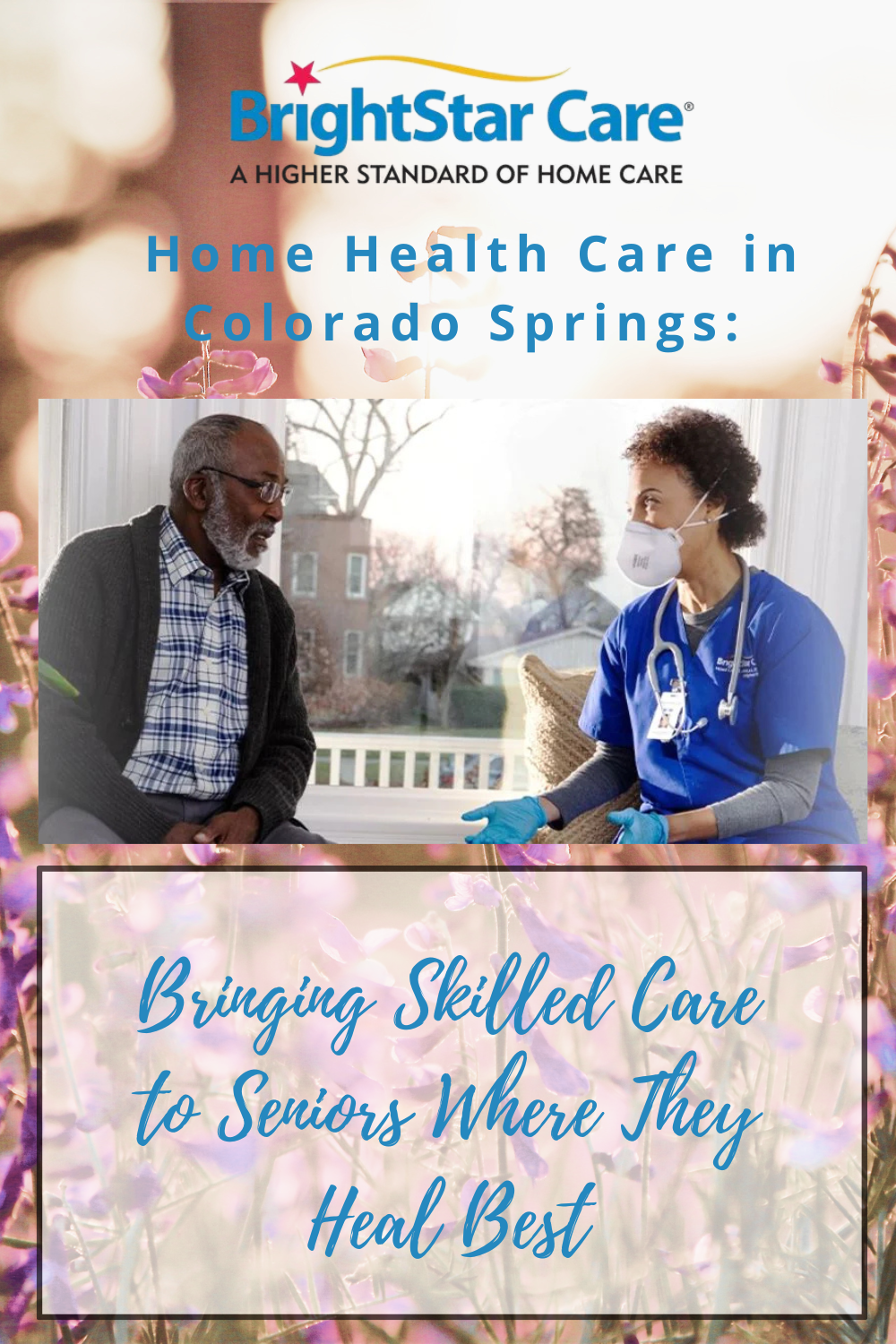
Home Health Care in Colorado Springs: Bringing Skilled Care to Seniors Where They Heal Best
When a senior returns home after surgery, hospitalization, or a major health event, families often feel relief—but also uncertainty.
What happens next?
How do you ensure recovery stays on track? Who helps monitor progress, medications, and ongoing health concerns?
For many families in Colorado Springs, home health care provides the answer.
Professional clinical support delivered at home helps seniors recover safely while maintaining comfort and independence.
Why Recovery at Home Is Becoming the Preferred Option
Home is often the best place to heal.
In Colorado Springs, seniors value independence and quality of life. Whether living near downtown, around Cheyenne Mountain, or close to Garden of the Gods, many prefer receiving care at home rather than in a facility.
Benefits of home-based recovery include:
- Familiar surroundings
- Lower stress levels
- Improved comfort
- Better family involvement
- Personalized care
These factors often contribute to stronger recovery outcomes.
What Is Home Health Care?
Home health care involves skilled medical services provided in the home under physician direction.
Services may include:
- Skilled nursing
- Wound care
- Physical therapy
- Occupational therapy
- Medication management
- Chronic condition monitoring
- Post-surgical care
Unlike non-medical caregiving, home health focuses on clinical treatment and rehabilitation.
Common Situations That Require Home Health
Families commonly explore home health after:
- Joint replacement surgery
- Stroke recovery
- Cardiac procedures
- Falls and injuries
- Hospital discharge
- Chronic disease complications
In these situations, professional oversight becomes critical.
BrightStar Home Health Care of Colorado Springs: Skilled Care with a Personal Touch
BrightStar Home Health Care of Colorado Springs provides skilled home health services designed to support recovery, rehabilitation, and long-term wellness.
Their team focuses on helping patients recover safely while minimizing complications and reducing unnecessary hospital readmissions.
Every care plan is personalized based on physician recommendations and patient-specific goals.
Personalized Care Plans Matter
No two recoveries look the same.
A patient recovering from surgery may need physical therapy and pain management. Another may need ongoing skilled nursing for chronic condition monitoring.
BrightStar prioritizes individualized care plans to ensure each patient receives the right support.
This tailored approach often improves both outcomes and confidence.
The Value of Clinical Coordination
Healthcare can feel complicated.
Families often juggle communication between:
- Hospitals
- Primary care doctors
- Specialists
- Therapists
- Caregivers
Strong care coordination makes all the difference.
BrightStar emphasizes communication and continuity to help keep everyone aligned.
As their team often says:
“The best recovery happens when skilled care, communication, and compassion all work together.”
That philosophy helps families feel supported throughout recovery.
Benefits of Home Health Care
Faster Recovery
Many patients feel more motivated in a familiar environment.
Reduced Hospital Readmissions
Regular monitoring helps identify concerns early.
Better Comfort
Patients remain in familiar surroundings.
Family Confidence
Loved ones gain reassurance from professional oversight.
FAQs About Home Health Care in Colorado Springs
Is home health covered by Medicare?
Many eligible home health services may be covered by Medicare depending on physician orders and patient qualifications.
How quickly can home health begin?
Services often begin shortly after physician referral and assessment.
Who qualifies for home health?
Patients recovering from illness, injury, surgery, or chronic condition complications often qualify.
Can therapy be provided at home?
Yes. Physical and occupational therapy are commonly delivered in home settings.
Skilled Care Where It Matters Most
Recovery is rarely simple—but the right support can make all the difference.
Home health care allows seniors to heal with expert guidance while remaining where they feel most comfortable.
BrightStar Home Health Care of Colorado Springs provides skilled, compassionate care that helps patients recover with confidence.
More information can be found on their Seniors Blue Book Listing here:
BrightStar Home Health Listing
Other Articles You May Like
My Loved One is Resisting Home Health Care: What To Do
Health challenges are common later in life. About 90% of adults age 65 or older live with at least one chronic condition, and around 40% of hospitalizations involve older adults. The right medical support can improve recovery after a hospital stay, surgery, or illness. Home health care services can be used after a hospitalization and provide trained professionals who bring care directly into the home. These services can support recovery and help seniors stay independent.However, many older adults hesitate when home health care is suggested. In this article, we will explain common concerns and offer ways that families can respond with patience and empathy. We also share a helpful approach to having a productive discussion that can result in mutual understanding and a solution that works best for your family.What is home health care?Home health care covers a wide range of services that can be temporary or ongoing, depending on a doctors recommendation and the individuals needs. These services include:- Skilled nursing to monitor vital signs, manage medications, and provide wound care.- Physical therapy to rebuild strength and mobility.- Occupational therapy to help with safer, easier ways to perform daily activities.- Speech therapy to support communication and swallowing.- Medical social services to connect families with resources and programs.- Personal care assistance, such as bathing, dressing, and meal preparation (but only for a short time, and only when deemed medically necessary while the person is also receiving skilled care).Because services are tailored, home health care can be a short-term plan after surgery or a longer-term arrangement for chronic conditions. It is not a one-size-fits-all solution.Next, lets look at some of the reasons older adults may be resistant to the idea of receiving home health care services.Hesitation 1: Fear of losing independenceMany seniors worry that home health care will take away their control. They may think the providers will run the household or make decisions for them. For someone who has been self-sufficient all their life, this loss of control can feel overwhelming.Solution: Explain to your loved one that the goal of home health care is to restore independence, not remove it. Therapists work to improve mobility and strength. Skilled nurses manage medical needs so their patient can safely remain at home, rather than having to be in the hospital. Services can be short-term and focused on recovery, which often reassures seniors that they are not giving up.Ask open-ended questions like What parts of your day are most important to you? or Which tasks would you like to keep doing on your own? Listening with empathy shows that you respect their independence. Reassure them that the plan can be flexible and designed around what matters most to them.Hesitation 2: Privacy concernsThe idea of inviting a stranger into the home can feel intrusive. Some seniors recall a negative past experience or worry about being judged. Others fear theft or feel uncomfortable having a stranger in their space.Solution: Let your loved one know that caregivers and medical staff are trained to respect boundaries. You can request a meeting with the nurse, therapist, or aide before services begin. This early contact often helps build trust and reduce discomfort.Acknowledge that letting someone into their private space is a big step. Ask, What would help you feel more comfortable about someone coming into the house? Encourage them to set boundaries up front so they feel in control of the arrangement.Hesitation 3: Denial of declining healthAdmitting to new limitations is difficult. Seniors may minimize struggles with mobility or daily tasks. Those experiencing memory loss may not realize how much they are forgetting. Many assume that rest alone is enough for recovery and do not see the importance of therapy.Solution: Frame the support for your loved one as a way to make life easier rather than a sign of weakness. Nurses and therapists target specific health needs, and early intervention prevents further decline and reduces the chance of another hospital stay.Approach conversations gently. Instead of pointing out what they cant do, ask, Would it help if someone made this part of the day easier for you? Focusing on comfort and safety helps them see home health care as supportive rather than threatening.Hesitation 4: Cost concernsEven with Medicare or insurance coverage, many seniors worry about expenses. A lifetime of saving and frugality can make paying for outside help feel unnecessary.Solution: Review coverage options with your loved one. Medicare often pays for in-home skilled nursing and therapy ordered by a doctor. Medicaid may also cover part of the cost. Emphasize that preventive care can actually save money by avoiding emergency visits or repeat hospitalizations.Treat financial worries with respect. Ask, Would you like me to look into what Medicare might cover? Offering to research together can make the process feel less overwhelming and show that you are working as a team.Hesitation 5: Misconceptions about home health care servicesSome seniors think home health care is only for those who are bedridden or very ill. Others assume that an aide will take over and leave them feeling like a guest in their own home.Solution: Clarify to your loved one that home health care is often used for recovery after surgery or illness, as well as to manage chronic conditions. Services can be as short or as long as needed. Many patients use home health care temporarily, regain independence, and then no longer need it.Ask, What do you picture when you hear home health care? This gives them the chance to share assumptions. Gently correct misinformation and explain that services are flexible, goal-oriented, and designed to keep them at home safely.How to approach the conversation about home health care with a loved oneIntroducing the idea of home health care can feel delicate. Many older adults associate it with losing independence or needing outside help, which can stir emotions. Starting the discussion with empathy and respect can make all the difference.1. Choose the right moment to talk about home health careBring up the topic when your loved one feels calm and comfortable, not during a stressful medical appointment or hospital discharge. Quiet, familiar surroundings can help them feel secure.2. Lead with care and concern, not authorityBegin with observations rather than directives. You might say, Ive noticed you seem more tired after your therapy appointments. Would it help to have a nurse check in at home? This keeps the focus on comfort and recovery rather than control or dependency.3. Involve them in planning for home health careAsk open-ended questions like What kind of help would make things easier for you? or Would you feel better knowing someone could check on your progress between doctor visits? Framing care as providers doing something with them, not for them, preserves dignity.4. Reassure and normalizeRemind your loved one that home health care is common and temporary for many people recovering from surgery, illness, or hospitalization. Its a bridge to getting stronger, not a sign of permanent decline.5. Take it one step at a timeYour loved one may need more than one conversation. Introduce the idea, give them time to think, and revisit it later with new information or their doctors recommendation. A slow, respectful approach often leads to more openness and trust.Conversations about home health care may take time. Your loved one may not agree after the first discussion, but steady communication builds trust. By listening with empathy, addressing specific concerns, and showing how home health care supports both independence and safety, you make it easier for them to accept care that improves recovery, prevents future decline, and strengthens their well-being.Oasis Senior Advisors Carrollton-Frisco can help your loved one with any other questions or concerns they might have about home health care. Contact your local advisor, Holly DeLisi, at (682) 375-9604 for assistance.
Falls Are Rising Among Older Adults
Falls Are Rising Among Older Adults. Heres How to Lower Your Risk at HomeAccidental fall deaths in the U.S. have roughly tripled since 2000, according to CDC data analyzed by USAFacts. For adults 65 and older, falls are now the leading cause of both fatal and non-fatal injury, and the increase shows up in every older age group.Several factors seem to be adding up: more prescription medication use, more drinking among older adults, and higher obesity rates. Fear of falling plays a part too. People who worry about falling often move less, and over time that can weaken strength and balance. Know your riskCommon risk factors include limited mobility, chronic conditions such as diabetes or arthritis, certain medications, changes in vision or hearing, and home hazards. The National Council on Agings free Falls CheckUp is a quick way to see where you stand. Build everyday habitsWear glasses and hearing aids as prescribed and keep up with regular eye and hearing exams.Review your medications with your doctor or pharmacist.Use a sturdy step stool, not a chair, to reach high places.Take your time, especially when standing up or changing direction. Make your home work for youFor stairs and steps, a stairlift, wheelchair ramp, home elevator or platform lift can make it easier to move between levels.Install grab bars and consider a shower seat or an accessible walk-in shower.Clear clutter, secure or remove loose rugs, and keep cords out of walkways.Add brighter lighting and nightlights. A few small changes can help you stay active and comfortable at home. Adapted from Deaths from Falls Are Rising. How Can You Reduce Your Fall Risk at Home? by Lifeway Mobility.Contact Person: Eric Rubel | Marketing [email protected]: 847.403.0132
Managing Complex Care Needs at Home in Mobile, AL
For older adults managing several medical conditions, receiving appropriate healthcare can involve a complicated schedule.A person living with diabetes may require wound monitoring and medication education. Someone with heart disease may need regular clinical assessments. Another patient may have recently undergone surgery and require skilled nursing and rehabilitation before returning to ordinary activities.When these needs overlap, coordinating multiple healthcare services can become difficult.Family members may be uncertain about which provider to contact, how to organize medications, or which symptoms require urgent attention.For eligible residents in Mobile, Alabama, skilled home health care can bring professional services into the residence while supporting coordination with the patient's healthcare team.Home health care provides medically necessary nursing, rehabilitation, and related services according to an individualized treatment plan.It is intended to help patients manage appropriate health needs and maintain or improve everyday functioning.Access Home Health Mobile offers professional in-home healthcare, including skilled nursing, wound and ostomy care, medication management, IV and infusion services, chronic disease support, rehabilitation, and medical social work.Based on Old Shell Road, the agency serves Mobile and surrounding counties.For families managing complex healthcare responsibilities, understanding how these services work together can help create a more organized approach to care.Understanding Complex Home Healthcare NeedsSome patients require one primary service.Others need several types of clinical support at the same time.Multiple Medical ConditionsAn individual may live with heart disease, diabetes, or other chronic illnesses.Medication ComplexitySeveral prescriptions may require careful coordination.Wound CareCertain wounds need professional assessment and treatment.RehabilitationPhysical limitations may require therapy.Infusion TreatmentSome individuals receive medically appropriate IV or infusion services.Care CoordinationHealthcare professionals may need to share information and review the treatment plan.Not every condition can be managed safely at home.The appropriate setting depends on the individual's medical needs.Access Home Health in MobileAccess Home Health Mobile is part of Access Home Health and Hospice.The Mobile location provides skilled in-home healthcare services across several Alabama counties.Skilled NursingLicensed nurses provide approved medical assessments, treatments, and education.Medication ManagementPatients may receive support understanding prescribed medications.Wound and Ostomy CareQualified clinicians address relevant wound and ostomy treatment requirements.IV and Infusion TherapyThe agency advertises selected infusion-related services.Chronic Disease ManagementPatients may receive education and monitoring for eligible conditions.Physical TherapyTherapy may address mobility, strength, and balance.Occupational TherapyTreatment may support everyday activities.Speech TherapySpeech-language pathology may address communication and swallowing.Medical Social WorkSocial workers help address relevant care-related practical concerns.Verified Contact InformationAccess Home Health MobileAddress: 3262 Old Shell Road, Suite B, Mobile, AL 36607County: Mobile County, AlabamaPhone: 251-380-0492Patients should verify geographic coverage and current service capacity.Skilled Nursing for Medical MonitoringSkilled nurses provide care that requires professional healthcare knowledge.Clinical AssessmentNurses evaluate relevant symptoms and medical needs.Medication ReviewThey may help patients understand prescribed treatment instructions.Chronic Condition MonitoringQualified nurses may observe certain changes and communicate findings to physicians.Patient EducationIndividuals can learn about approved self-care responsibilities.Family ParticipationCaregivers may receive appropriate instruction.Continued EvaluationCare plans may change when medical needs evolve.Home health nursing is intermittent under many insurance arrangements and does not automatically provide continuous 24-hour supervision.Managing Medications at HomeMedication routines can become complicated when multiple clinicians prescribe treatments.Current Medication ListPatients should maintain an accurate list of medications and doses.New PrescriptionsHospitalizations may result in medication changes.Potential InteractionsClinicians may need to evaluate prescribed drugs alongside nonprescription products and supplements.Medication RemindersPatients should understand the schedule provided by the responsible professional.Side EffectsNew or concerning symptoms should be reported.Avoid Independent ChangesDo not discontinue or adjust prescribed medicines without appropriate medical guidance.Access Home Health advertises medication management as part of its services.Wound and Ostomy CareCertain patients require professional wound or ostomy care at home.Surgical WoundsSome operations require continued treatment following discharge.Chronic WoundsUnderlying medical conditions may affect healing.Dressing ChangesClinicians may perform medically prescribed wound care.Ostomy EducationPatients may need instruction about managing ostomy equipment.Monitoring ChangesProfessionals can assess relevant wound characteristics.Reporting ConcernsUnexpected drainage, worsening pain, fever, or redness should be reported promptly.Severe infection symptoms require immediate medical assessment.IV and Infusion TherapySome prescribed treatments may be delivered intravenously.Access Home Health advertises IV and infusion services.Professional AssessmentThe agency determines whether home administration is clinically appropriate.Medical OrdersTreatments require appropriate prescriptions and documentation.EquipmentCertain therapies require specialized supplies.MonitoringClinicians assess treatment tolerance according to the care plan.Family ResponsibilitiesCaregivers should receive appropriate instructions if they have a role.Emergency PlanningPatients must understand which symptoms require urgent or emergency treatment.Not every infusion therapy is available or appropriate in the home setting.Home Health and Heart DiseaseSome individuals with heart-related conditions require continuing care after hospitalization.Medication EducationPatients may need help understanding prescribed treatment.Recognizing SymptomsClinical education may address changes requiring medical contact.Daily FunctioningReduced endurance may affect activity levels.Physical TherapySelected individuals benefit from appropriate rehabilitation.Physician CoordinationHome health clinicians communicate with the responsible healthcare team.Emergency SymptomsChest pain, severe difficulty breathing, or other concerning acute symptoms require emergency medical attention.Access Home Health identifies heart disease care among its service areas.Neurological Conditions and Stroke RecoveryNeurological conditions can affect movement, communication, swallowing, and independence.Skilled NursingPatients may require medical monitoring and education.Physical TherapyTreatment can address mobility and balance.Occupational TherapyCertain patients need help regaining functional abilities.Speech TherapyTherapy may address speech, language, or swallowing-related concerns.Family EducationRelatives may need appropriate guidance.Clinical CoordinationTreatment should reflect medical instructions and the patient's condition.New stroke symptoms require immediate emergency evaluation.Medical Social Work and Community ResourcesSome patients face barriers beyond medical treatment.Insurance QuestionsFamilies may need assistance understanding available information.Caregiver ConcernsRelatives may need help identifying support options.Community ServicesCertain individuals benefit from referrals to local resources.Discharge PlanningSocial workers may contribute to appropriate care transitions.Practical ChallengesTransportation, household support, and financial concerns can affect treatment arrangements.Professional BoundariesMedical social workers do not automatically provide legal representation or financial planning.Coordinating Care Between VisitsSkilled home health visits usually occur according to a scheduled plan.Patients may still need assistance between visits.Clarify ResponsibilitiesKnow which tasks are handled by clinicians and which require family or other caregivers.Prepare Written InstructionsKeep relevant treatment directions accessible.Identify ContactsMaintain the agency and physician telephone numbers.Report ChangesDo not wait for the next visit when concerning symptoms develop.Arrange Additional SupportSome patients need separate personal care or household assistance.Understand Emergency ProceduresHome health is not a replacement for emergency services.Why Home Health Matters in Mobile CountyMobile County residents may receive medical treatment at several hospitals and specialty practices.Care coordination becomes particularly important when a patient returns home.Bringing Care Into the ResidenceCertain services can be performed without additional travel.Supporting Family CaregiversRelatives may receive education about appropriate responsibilities.Addressing Multiple ConditionsNursing and therapy services can be coordinated.Home SafetyClinicians may identify functional concerns in the home.Broad Service AreaThe Mobile office advertises coverage across several counties.Severe Weather ConsiderationsPatients using medical equipment or requiring regular treatment should maintain emergency arrangements during hurricanes and other disruptions.Understanding Payment and EligibilityMedicare may cover qualifying skilled home health care when applicable requirements are met.Medical NecessityEligible skilled services must be required.Homebound StatusOriginal Medicare generally requires the patient to meet homebound criteria.Authorized PlanA healthcare professional must oversee the appropriate care plan.Medicare-Certified ProviderCoverage requires care from an eligible agency.Other InsurancePrivate plans and Medicare Advantage may have additional requirements.Covered ServicesEligible home health services generally have no patient charge under Original Medicare, although certain equipment involves cost sharing.Medicare does not automatically cover 24-hour in-home care, meals, or personal assistance when that is the only required service.Families should review insurance benefits and any expected charges before services begin.Expert Tip for Coordinating Home HealthcareExpert Tip: Keep one updated healthcare summary in the home that includes current medications, diagnoses, allergies, treating physicians, emergency contacts, and scheduled home health visits.Review the information whenever a treatment changes.This can help patients, family caregivers, and visiting clinicians communicate more effectively.How to Get Started With Access Home Health MobileStep 1: Discuss Healthcare NeedsConsult the treating clinician.Step 2: Contact the Mobile OfficeCall 251-380-0492.Step 3: Confirm Address CoverageAsk whether the agency currently serves the residence.Step 4: Review Required ServicesDiscuss nursing, wound care, infusion therapy, or rehabilitation.Step 5: Coordinate Medical OrdersProvide required records and referrals.Step 6: Confirm InsuranceReview eligibility, authorizations, and expected expenses.Step 7: Complete an AssessmentThe agency determines appropriate care and available staffing.Step 8: Follow the Care PlanMaintain communication and report significant changes.Frequently Asked Questions1. What services does Access Home Health Mobile offer?The agency provides skilled nursing, medication management, wound and ostomy care, IV and infusion therapy, chronic disease support, rehabilitation, and medical social work.2. Where is Access Home Health Mobile located?The office is at 3262 Old Shell Road, Suite B, Mobile, AL 36607. Call 251-380-0492.3. Does Access provide home wound care?Yes. Wound and ostomy care are included among its advertised clinical services, subject to assessment and medical need.4. Can Access help patients recovering from a stroke?The agency advertises stroke recovery and neurological support, including appropriate nursing and rehabilitation services.5. Does Medicare pay for Access Home Health services?Qualifying Original Medicare beneficiaries may receive covered skilled home health services under applicable eligibility requirements. Individual coverage must be confirmed.Coordinate Medical Support Where Daily Life HappensManaging several health conditions can create practical challenges for older adults and their families.Skilled home health services may help qualifying patients receive nursing, rehabilitation, and approved treatments while remaining in familiar surroundings.Access Home Health Mobile provides individualized in-home healthcare across Mobile County and surrounding areas.Families can contact the agency to discuss medically necessary services, admission requirements, and available care plans.Seniors Blue Book Listing: [https://seniorsbluebook.com/home-health-hospice/access-home-health-of-mobile-mobile-al]Find Access Home Health on Seniors Blue BookExplore skilled home health services and clinical support from Access Home Health Mobile.
Local Services By This Author

BrightStar Home Health Care of Colorado Springs
Non-Medical 3730 Sinton Road, Colorado Springs, Colorado, 80907BrightStar Care is your locally owned home care team serving the greater Colorado Springs area. Client Satisfaction is our priority. BrightStar Care has been recognized by independent polling agency, Home Care Pulse, as a Leader in Excellence, Provider of Choice, and Employer of Choice. Our Care Team designs a Care Plan tailored to your needs. From companion care, CNA care to skilled nursing care, you can count on our well trained and experienced team members to deliver a higher standard in home care! Please call BrightStar Care for your free in-home assessment.

BrightStar Home Health Care of Colorado Springs
Home Health 3730 Sinton Road, Colorado Springs, Colorado, 80907BrightStar Care provides Personalized Care, CNA's and Skilled Nursing service in your home 24 hours a day, 7 days a week. A Higher Standard of Care: Our Professional Care Team, led by a Registered Nurse Director of Nursing, designs a Care Plan specific to your needs to improve your daily quality of life. A Higher Standard of People -- Only BrightStar Care combines industry leading screening, training, and oversight practices to provide trustworthy, compassionate caregivers. A Higher Standard of Service -- Joint Commission Accreditation and Press Ganey Client Satisfaction Surveys validate our unmatched care standards. 9 out of 10 clients would recommend us. Need care in the Colorado Springs area? Call (719) 264-8800 and schedule a home care assessment today!