Care from Home Helpers Home Care

Author

Home Helpers Northern Colorado

For more information about the author, click to view their website: Home Helpers

Posted on

Jan 30, 2026

Care from Home Helpers Home Care

For many older adults in Loveland, Colorado, “home” means more than a physical space. It’s a place filled with memories, routines, and independence built over a lifetime. When daily tasks become harder—but moving out doesn’t feel right—non-medical home care can provide the bridge that keeps life familiar while adding essential support.

Home Helpers Home Care in Loveland offers non-medical services designed to help older adults remain safely and comfortably at home. Their approach focuses on supporting independence, easing daily challenges, and giving families peace of mind—without disrupting the rhythms of everyday life.


Non-Medical Home Care That Fits Real Life

Non-medical home care plays a vital role for seniors who don’t need clinical care but could benefit from an extra set of hands. In Northern Colorado, where many older adults value self-reliance and staying connected to their community, this type of care allows people to age in place without unnecessary upheaval.

Home Helpers Home Care supports seniors with the tasks that often become barriers to independence, while encouraging them to stay actively involved in their own lives.

Common non-medical services include:

  • Help with personal care such as bathing and dressing

  • Meal preparation and light housekeeping

  • Companionship and conversation

  • Transportation to appointments or errands

  • Medication reminders

These services adapt as needs change—providing flexibility without pressure.


Why Aging in Place Matters in Loveland

Loveland is known for its strong sense of community, access to outdoor spaces, and proximity to healthcare resources throughout Northern Colorado. Many seniors here have deep ties to their neighborhoods, churches, and local routines. Aging in place allows them to maintain those connections while receiving the support they need.

Non-medical home care makes it possible to stay home longer by addressing everyday challenges before they become safety concerns. This proactive approach often helps prevent falls, reduce isolation, and ease stress for both seniors and their families.


Care That Respects Independence and Choice

A key difference between non-medical home care and other forms of senior support is control. Clients maintain authority over their schedules, routines, and preferences. Caregivers are there to assist—not take over.

Home Helpers Home Care emphasizes partnership. Care plans are built around the individual’s lifestyle, habits, and comfort level. Whether someone needs a few hours of help each week or more consistent daily support, care adjusts accordingly.

As Kate Ricke explains, “Our goal is to support people in a way that preserves their independence and dignity. We’re there to help with the things that make life easier—so clients can continue living on their own terms.”

That philosophy resonates with many Loveland families seeking balance between support and autonomy.


Companionship as a Form of Care

One of the most overlooked aspects of non-medical home care is companionship. Loneliness and isolation can significantly impact health and well-being—especially for older adults who live alone.

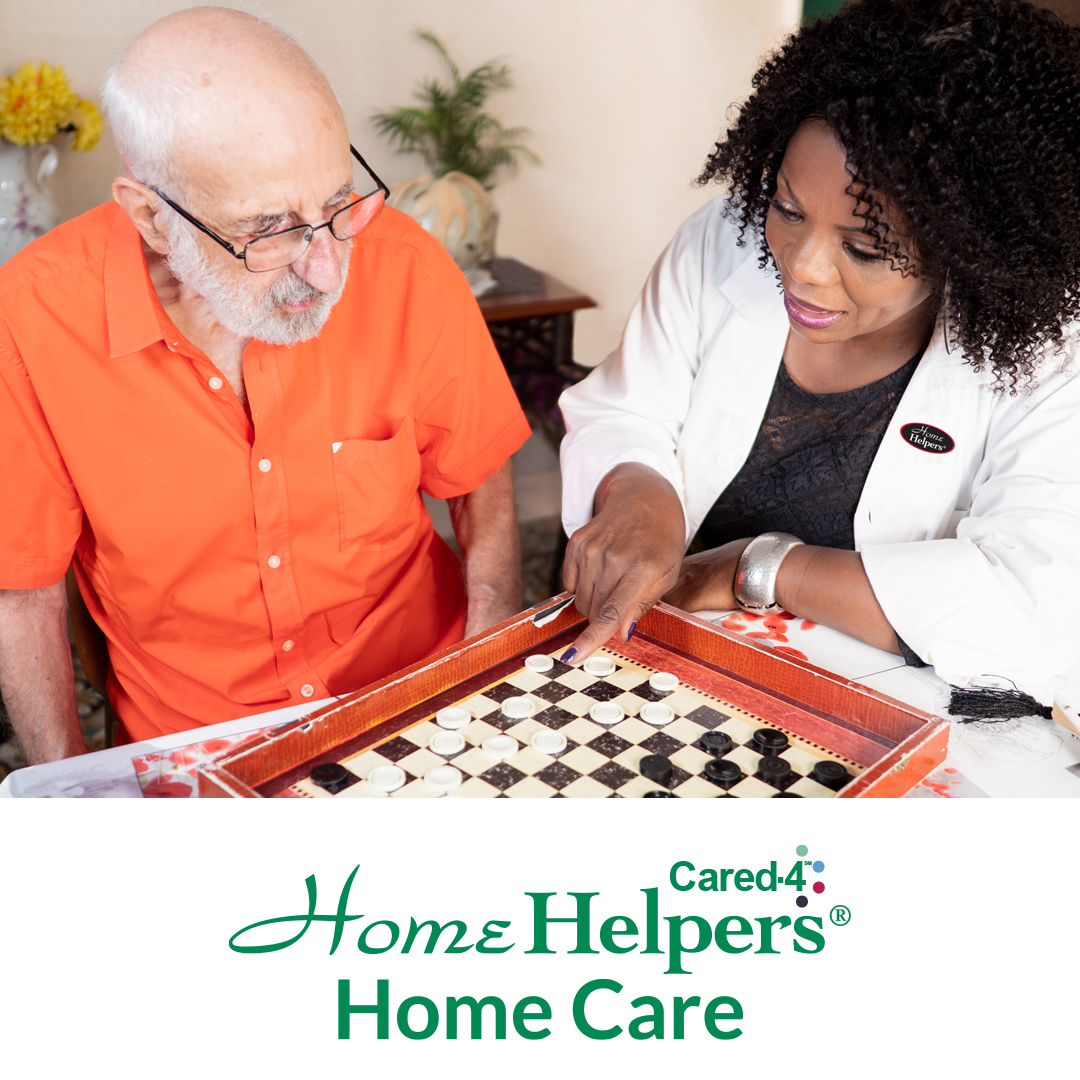
Caregivers from Home Helpers Home Care provide meaningful social interaction through conversation, shared activities, and simple presence. This human connection can improve mood, encourage engagement, and provide reassurance throughout the day.

Companionship services may include:

  • Friendly conversation and shared hobbies

  • Accompaniment on walks or outings

  • Support during appointments or errands

  • Help staying connected with family and friends

For many clients, this relationship becomes one of the most valuable parts of care.


Supporting Family Caregivers in Northern Colorado

Non-medical home care doesn’t just support seniors—it supports families, too. Many adult children and spouses in Loveland find themselves balancing work, family responsibilities, and caregiving. Over time, that role can become overwhelming.

Home Helpers Home Care helps relieve that pressure by sharing responsibilities and providing reliable support. Families gain peace of mind knowing their loved one is safe, supported, and not alone—especially during times they can’t be there themselves.

This collaborative approach allows families to focus on their relationship, rather than feeling consumed by daily caregiving tasks.


Flexible Care That Grows with Changing Needs

One of the advantages of non-medical home care is its adaptability. Needs rarely change overnight—they evolve gradually. Home Helpers Home Care designs services that can expand or shift as circumstances change.

This flexibility allows seniors to:

  • Start with minimal assistance

  • Increase support as needed

  • Avoid unnecessary transitions

  • Remain at home longer

By adjusting care incrementally, families can plan ahead rather than react during a crisis.


Safety, Trust, and Consistency

Inviting someone into your home requires trust. Home Helpers Home Care prioritizes caregiver matching, reliability, and consistency—helping clients feel comfortable and secure.

Caregivers are trained to notice changes in routine, mobility, or mood and communicate concerns appropriately. While services are non-medical, this attentiveness often helps families identify issues early and respond proactively.

Consistency in caregivers also fosters familiarity, which is especially important for seniors who thrive on routine.


When Non-Medical Home Care Is the Right Choice

Non-medical home care is often ideal when seniors:

  • Want to remain at home but need help with daily tasks

  • Feel isolated or lonely

  • Have family caregivers who need support

  • Are recovering from illness or surgery

  • Need assistance without medical intervention

Choosing care early can lead to better outcomes and a smoother experience for everyone involved.


Frequently Asked Questions About Non-Medical Home Care in Loveland

What does non-medical home care include?

It includes help with daily activities such as personal care, meals, housekeeping, companionship, and transportation—without medical procedures.

How is non-medical care different from home health care?

Non-medical care focuses on daily living support, while home health care involves medical services provided by licensed clinicians.

Can care schedules be customized?

Yes. Care plans are flexible and can range from a few hours a week to daily assistance.

Is non-medical home care temporary or long-term?

It can be either, depending on individual needs and family goals.

Does home care support family caregivers?

Absolutely. Home care often reduces caregiver stress and provides essential backup support.


Explore Non-Medical Home Care with Home Helpers Home Care

Staying at home shouldn’t mean struggling alone. Non-medical home care offers a practical, compassionate solution for seniors who want to remain independent while receiving everyday support.

To learn more about services, availability, and how care can be tailored to your needs, visit the Seniors Blue Book listing for Home Helpers Home Care in Loveland and explore care designed to support independence, dignity, and peace of mind throughout Northern Colorado.

Other Articles You May Like

When Care Needs Change, Starting Over Shouldn't Be Necessary

Aging rarely follows a predictable path.  Learn how CareAparent helps Minnesota seniors remain at home with personal care, skilled nursing, therapy and support that evolves as care needs change.One month, an older adult may be living completely independently. Later, they may need a little help around the house, assistance after a hospital stay, physical therapy to regain strength, medication management or more advanced nursing support.For families, each change can bring another round of questions.Who should we call? What kind of care does Mom need now? Will we need to find another provider? Who will coordinate everything?Those questions can become especially stressful when a family is already dealing with a hospitalization, illness or sudden change in a loved one's abilities.That's why having a care provider that can adapt as needs change can make such a difference.For more than 10 years, CareAparent has helped Minnesota seniors and their families receive personalized care in the place many older adults most want to remaintheir own home. Today, CareAparent provides a continuum of in-home services throughout the seven-county Twin Cities metro area. CareAparentIt May Start With Just a Little HelpSometimes the first sign that an aging parent needs assistance is subtle.Maybe Dad isn't keeping up with housekeeping like he once did. Mom may be having difficulty getting dressed or safely taking a shower. Meals aren't being prepared regularly, medications are becoming confusing, or an adult child is spending more and more time helping with everyday tasks.That doesn't necessarily mean an older adult can no longer live independently.The right support can help make independence possible for longer.CareAparent provides personal care that can include assistance with bathing, dressing and grooming, as well as light housekeeping, laundry and medication reminders. Care can be customized based on the individual's needs rather than forcing the person into a predetermined schedule or level of service. CareAparentFor families, that flexibility matters.The goal isn't to take over someone's life. It's to provide enough assistance so the person can continue participating in it.Then Something ChangesA fall occurs.There's a hospital stay.A chronic condition becomes more difficult to manage.An older adult needs help recovering from surgery.Suddenly, the type of support that worked six months ago may no longer be enough.This is where continuity of care becomes particularly important.Instead of requiring a family to begin searching for an entirely different organization, CareAparent can provide skilled services through licensed medical professionals, including skilled nursing, medication management, wound care, physical therapy and occupational therapy. CareAparentThat allows care to evolve along with the person.Coming Home From the Hospital Can Be a Vulnerable TimeDischarge day can feel like a victoryand it is.But getting home doesn't necessarily mean the recovery is finished.There may be new medications to manage, mobility limitations, wounds requiring attention, exercises to complete or everyday activities that suddenly feel more difficult.Family members may receive discharge instructions but still wonder how they're going to manage everything once their loved one gets home.CareAparent specifically works with individuals transitioning home from hospitals, rehabilitation centers and other acute-care settings. Its skilled services are designed to support recovery and continuity of care in the home. CareAparentFor an older adult, recovering in familiar surroundings can also mean sleeping in their own bed, following familiar routines and remaining close to the people and things that bring comfort.Therapy Can Help Restore IndependencePhysical and occupational therapy aren't simply about completing exercises.They can be important tools for maintaining independence.Physical therapists can work with older adults experiencing pain, injury, illness or age-related declines in mobility. Treatment can address strength, balance, endurance and safer movement.Occupational therapists look at everyday functionhelping individuals find safer and more effective ways to accomplish the activities that are important in daily life.Together, those services can help an older adult work toward a very meaningful goal:Doing more for themselves. CareAparentFamilies Need Support TooWhen someone needs care, the impact extends beyond that individual.Spouses and adult children frequently become caregivers themselvescoordinating appointments, checking medications, helping with meals, managing household responsibilities and worrying about what happens when they aren't there.Over time, those responsibilities can become overwhelming.Professional in-home care can provide something important for both generations.The older adult receives personalized assistance.The family gets to spend more time being family.That distinction matters.A daughter shouldn't always have to be the nurse, housekeeper or care coordinator. A spouse shouldn't have to handle every caregiving responsibility alone.Having trusted support can make the entire family's situation more manageable.Specialized Support for Minnesota VeteransVeterans and their families may also have access to services they don't realize are available.CareAparent serves veterans throughout the seven-county Twin Cities metro as a Home Health Community Provider. Depending upon eligibility and authorization, VA-supported services can include skilled nursing, therapy, respite care, homemaking and home health aide assistance. CareAparentFor families of veterans, understanding available benefits can be an important part of developing a long-term care plan.One Relationship as Needs EvolvePerhaps one of the most reassuring things a family can hear is:You don't have to figure out the next step alone.CareAparent's model is designed around continuity. Personal care, skilled nursing, therapy and additional support can work together so that when circumstances change, the care plan can change too. CareAparentThat can mean fewer unfamiliar faces, fewer transitions between organizations and less time for families spent searching for the next provider.Instead, there is one relationship and a care team that already understands the individual.Aging at Home Should Still Feel Like HomeUltimately, home care isn't simply about completing tasks.It's about helping someone continue living a life that feels familiar and meaningful.It's having coffee in your own kitchen.Sleeping in your own bed.Seeing neighbors you recognize.Following your own schedule.Having family visit without visiting hours.And continuing to make choices about how you live your day.CareAparent describes its approach as combining clinical care with hospitality and personalized attention. The organization has served Minnesota families for more than a decade and provides care throughout Anoka, Carver, Dakota, Hennepin, Ramsey, Scott and Washington counties. CareAparentAs needs change, the answer doesn't always have to be changing where someone lives.Sometimes, the answer is bringing the right care to where they already call home.   Learn more about CareAparent's personalized in-home care services and find resources to help your family navigate changing care needs.  Call us at 651-702-HOME (4663) or visit our website at www.careaparent.com

VA Respite Care in Fort Collins: In-Home Support for Veterans

There is a familiar principle in U.S. military culture: Leave no one behind.At Homewatch CareGivers of Fort Collins, we carry that idea into the way we support veterans and the people who care for them. Supporting a veteran means recognizing the important role that spouses, adult children, relatives, and other family caregivers play every day.When a veteran begins needing more help at home, a family member will often step in to provide that support. Over time, however, even dedicated caregivers need an opportunity to rest, attend to their own responsibilities, or simply step away from caregiving for a while.VA-authorized respite care can give family caregivers that opportunity. For eligible veterans, respite services provide temporary assistance while their regular caregiver takes time to recharge, attend appointments, spend time with family and friends, travel, or manage other personal commitments.Depending on a veterans circumstances and VA care plan, respite services may be available through VA health care benefits. At Homewatch CareGivers of Fort Collins, we provide professional, non-medical in-home care for veterans and families throughout Fort Collins and surrounding communities.If you are caring for a veteran, understanding how respite care works can help you determine whether additional support may be appropriate for your family.Key Takeaways: Understanding VA Respite CareVA respite care can provide temporary assistance for eligible veterans while their unpaid family caregiver takes time away.In-home respite care can allow veterans to remain in familiar surroundings while receiving one-on-one support.VA eligibility and authorization are based on the veterans individual needs, care plan, and caregiver circumstances.Respite care is intended to support the veteran while also helping family caregivers maintain their own well-being.Homewatch CareGivers of Fort Collins can help families understand their options and coordinate care after VA authorization.Table of ContentsWhat Is VA Respite Care?How Does VA Respite Care Differ From Home Health Aide Services?What Can In-Home VA Respite Care Look Like?How Homewatch CareGivers of Fort Collins Supports VeteransFrequently Asked Questions About VA Respite CareHomewatch CareGivers of Fort Collins: Supporting Veterans and Family CaregiversWhat Is VA Respite Care?VA respite care is intended to give an unpaid primary caregiver a temporary break from their regular caregiving responsibilities. During that period, an eligible veteran can receive support from an approved caregiver or through another authorized respite care setting.The goal is twofold: help the veteran continue receiving needed assistance and give the family caregiver time away without leaving their loved one without support.A veteran may be considered for respite care when they:Are enrolled in VA health careNeed assistance with everyday activities because of age, illness, injury, or disabilityHave an unpaid family member or another person serving as their primary caregiverMeet the VAs eligibility requirements and receive authorization through their care teamThe VA considers the veterans individual circumstances when determining eligibility. Factors may include the level of assistance required, medical and functional needs, living situation, and the role of the primary caregiver.If you are unsure whether respite care may be appropriate, a veterans VA primary care provider or care team can explain the eligibility process and available options.How Does VA Respite Care Differ From Home Health Aide Services?VA respite care and Home Health Aide (HHA) services can both involve support in the home, but they serve different purposes.VA HHA services are generally intended to help eligible veterans who need assistance with activities of daily living (ADLs). Depending on the veterans authorized care plan, assistance may include:BathingDressingGroomingToiletingMobilityOther personal care activitiesThe amount and type of HHA support a veteran receives depend on their individual needs and the services authorized by the VA.Respite care, on the other hand, is specifically intended to provide temporary relief to an unpaid primary caregiver. The purpose is to give that caregiver time away while ensuring the veteran continues to receive appropriate support.Respite services may be delivered in different settings, including the veterans home, an adult day health care program, or a nursing home, depending on the veterans authorization and care plan.A veteran may qualify for HHA services, respite care, or both. These benefits are not automatically interchangeable, and eligibility is determined based on the veterans individual situation.What Can In-Home VA Respite Care Look Like?Inviting a professional caregiver into the home can be a significant decision for families, particularly when a spouse or adult child has been providing most of the veterans care.For some families, respite care provides a manageable way to introduce additional support without immediately changing the veterans established routine. A caregiver can step in to provide care while the family caregiver takes time to focus on other parts of life.That time might be used to:Attend a doctor's appointmentRun errands or grocery shopSpend time with children, grandchildren, or friendsTake a trip or vacationHandle work responsibilitiesCatch up on household tasksGet some much-needed restSimply have uninterrupted time to rechargeFor the veteran, having a consistent caregiver provide in-home care can help preserve familiar routines and surroundings. Respite care may allow a veteran to:Remain in the comfort of their own homeContinue established daily routinesSleep in their own bedStay connected with pets and familiar surroundingsReceive individualized attention and companionshipContinue participating in activities they enjoyThe specific services provided depend on the veterans authorized care plan and individual needs.How Homewatch CareGivers of Fort Collins Supports VeteransAt Homewatch CareGivers of Fort Collins, our caregivers provide non-medical home care designed to help veterans remain comfortable and supported at home.For veterans receiving VA-authorized care, services may include assistance with activities of daily living such as:Personal careBathing and groomingDressingToiletingMobility assistanceCaregivers may also provide support with everyday household and companionship needs, including:Meal planning and preparationLight housekeepingLaundryMedication remindersCompanionshipProtective oversight for veterans experiencing memory loss or cognitive changesOur team also understands that navigating VA benefits can be complicated. Homewatch CareGivers of Fort Collins has an in-house VA Benefits Specialist who can help veterans and their families better understand available benefits and the next steps in the process.Once VA-authorized services are in place, our team can help coordinate care around the veterans approved plan.Our goal is to help family caregivers step away when they need to without feeling that they are leaving their loved one without support.If you are exploring VA respite care options for yourself or a veteran family member, our Fort Collins team can help you understand what comes next after VA authorization.Homewatch CareGivers of Fort Collins: Supporting Veterans and Family CaregiversVeterans have dedicated years of their lives to serving our country. The family members who care for them also make an ongoing commitment, often providing assistance day after day, year after year.At Homewatch CareGivers of Fort Collins, we believe supporting veterans also means recognizing the needs of their caregivers. Respite care can provide an important opportunity for family caregivers to step away, take care of themselves, and return to caregiving with renewed energy.

Managing Care from a Distance for an Aging Loved One in Boulder

When your aging parent or loved one needs more support at home and youre managing care from another city or state, the distance can make an already difficult situation feel overwhelming.You might suddenly find yourself coordinating care from afar, scheduling appointments, making sure they have groceries, arranging transportation, and helping your loved one stay safe at home, all while balancing your own work, family, and personal responsibilities. It can feel like too much to manage, especially when youre doing it from miles away.If youre caring for an aging loved one living in Boulder or the surrounding area and struggling with coordinating care from a distance, youre not alone. Professional non-medical in-home care can provide practical support and peace of mind while taking on some of the weight youve been carrying.Key Takeaways: Managing Care from a DistanceLong-distance caregiving for an aging parent or loved one can be challenging, but introducing non-medical in-home care can make things feel more manageable. In-home care can provide your loved one with local support for daily activities, transportation, meals, and companionship. An outside caregiver can help fill in the gaps between family visits and check-ins. When a loved one has dementia, consistent in-home care can provide additional oversight. In-home care companies like Homewatch CareGivers of Boulder can help older adults maintain their independence while giving families greater peace of mind.Table of ContentsWhen You Cant Be There Every DayHow Home Care Lets You Stay Involved from AfarProviding Peace of Mind While Supporting IndependenceHomewatch CareGivers of Boulder: Helping You Manage Care from a DistanceWhen You Can't Be There Every DayWhen caring for an aging parent or loved one from a distance, you may worry about your loved one's safety at home, wonder whether theyre eating well, or feel guilty you can't visit them more often. You may also feel anxious youre missing signs they need more help, especially if they are hesitant to share their struggles due to fear or losing their independence.Caring for a loved one living with dementia can be especially difficult from a distance. You may feel worried or guilty when you learn something is becoming more difficult for them or notice changes in their memory, communication, personality, or abilities.But having a trusted caregiver nearby can help fill in some of the gaps when you or other family members cant visit as often as youd like. At Homewatch CareGivers of Boulder, our caregivers provide compassionate, non-medical home care for older adults who need assistance with everyday activities. Depending on your loved one's needs, care may include:Assistance with bathing, dressing, grooming, and other personal care tasksMeal preparation and light housekeepingTransportation to appointments and errandsMedication remindersMobility assistanceCompanion care24-hour home careDementia careRespite care for family caregiversHow Home Care Lets You Stay Involved from AfarIntroducing in-home care can make it possible for you to stay involved in your aging parents life while living far away, without feeling like you need to personally manage every detail of their care.With in-home care in place, you can still call your parent in the evenings, visit when your schedule allows, and stay involved in important care decisions. Meanwhile, a professional caregiver is there to help with hands-on needs in and provide companion care between your visits. That division of labor can take some pressure off: You have someone local to help with day-to-day details while you stay as involved as you choose to be.In-home care can also help preserve your relationship with your loved one. Now, visits don't have to center entirely around caregiving tasks. Instead of spending your time figuring out how to get groceries delivered or arranging a ride to the doctor, you can go out to lunch, take a walk, and just enjoy quality time together.Providing Peace of Mind While Supporting IndependenceIn a 2024 AARP survey, about 75 percent of adults surveyed said they hoped to remain at home for as long as possible as they age. While many older adults want to stay home, at a certain point, family members may worry that this scenario is no longer safe or realistic.Its a difficult position for families to be in. You want your loved one to remain as independent as they can be, but you also need to know they have someone nearby if they need help.For many families, home care can be that middle ground: A professional caregiver can assist with the tasks your loved one finds difficult while they remain involved in daily routines and decisions.At Homewatch CareGivers of Boulder, our caregivers are trained to respect older adults desire to remain independent. Rather than taking over, they provide gentle guidance and support when its needed, allowing your loved one to maintain the dignity and independence they deserve.Homewatch CareGivers of Boulder: Helping You Manage Care from a DistanceWhile supporting a parent or loved one as they age can be fulfilling, doing it from another city or state can be logistically challenging and emotionally overwhelming.With a reliable local home care team, you can continue being their daughter, son, spouse, or sibling while trusted caregivers who live nearby help them with day-to-day tasks and routines. Its a partnership that lets you stay involved without having to be physically present for their every need.For families feeling overwhelmed by long-distance caregiving, our team is here to help. Call Homewatch CareGivers of Boulder at (303) 444-1133 or contact us online to discuss your loved ones needs and learn how in-home care can support your family.

Local Services By This Author

Home Helpers Home Care

Non-Medical 154 East 29th Street, Loveland, Colorado, 80538

At Home Helpers Home Care, we have been providing professional in-home care services since 1997. For over 20 years, our one-on-one compassionate care has been allowing our clients to stay right where they belong: at home. Our team of Caregivers will work with you to fully understand your loved ones needs and make the best decisions for their quality of life and peace of mind. We are one of the nations leading providers of senior care and deliver comprehensive services for clients dealing with a wide variety of conditions and struggles. Our services and schedules are customizable, so whether you or your loved one are looking for assistance for just a few hours a day or around-the-clock, we can accommodate your needs. During your free In-Home Care Assessment, well discuss these needs and further discuss the services we provide. Resources are also available even when our Caregivers arent there through 24 hour monitoring.