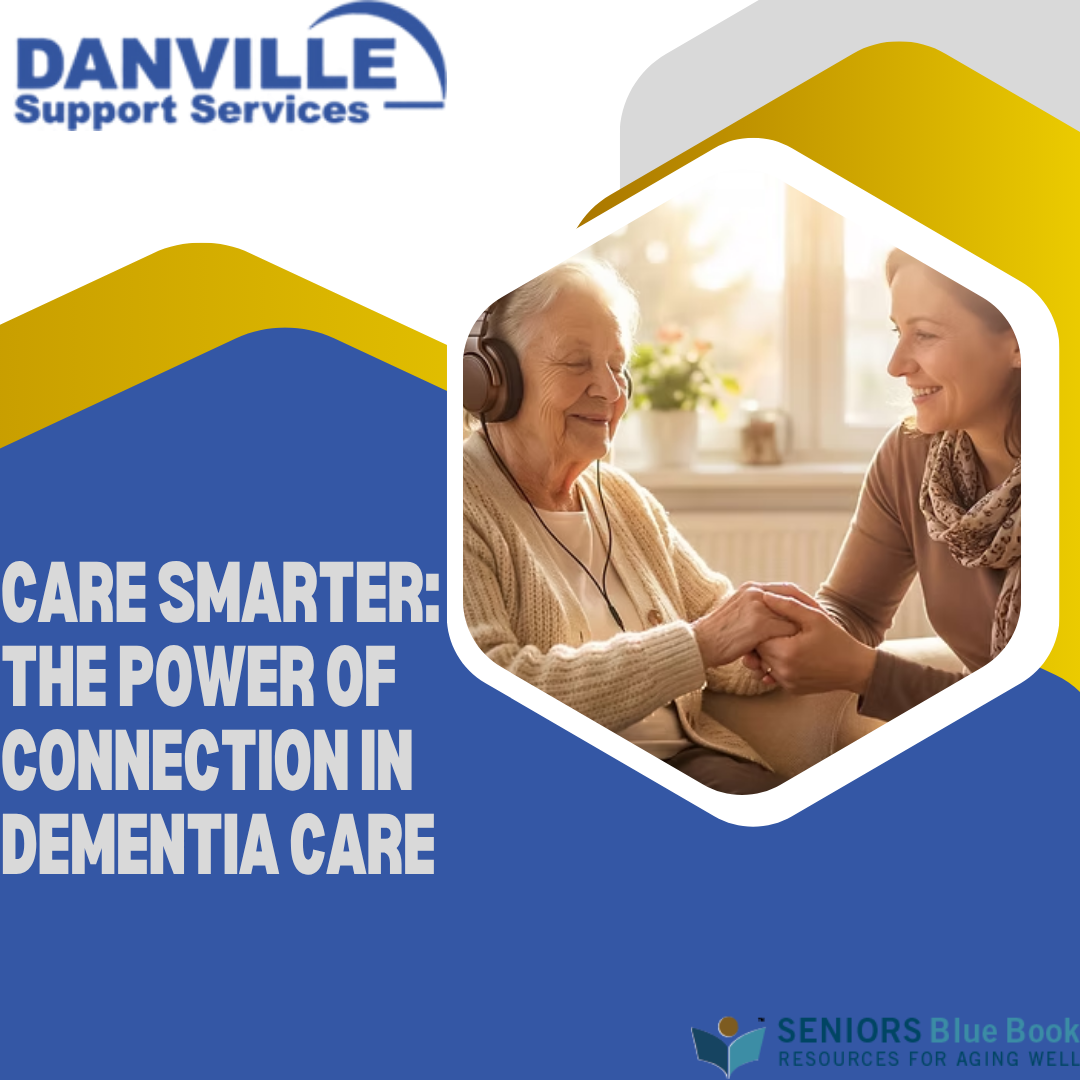
Care Smarter: The Power of Connection in Dementia Care
Danville Support Services
For more information about the author, click to view their website: Danville Support Services
Aug 25, 2026
Utah - Utah


When caring for someone living with dementia, it's easy to
focus on completing daily tasks, getting dressed, taking medications, eating
meals, or keeping a routine. While those things are important, one of the most
powerful tools a caregiver has doesn't come from a checklist.
It comes from connection. ❤️
As dementia progresses, a person's memory and communication
may change, but their need to feel safe, valued, and understood remains just as
strong. Taking a few extra moments to slow down, make eye contact, smile, or
simply sit beside your loved one can make a tremendous difference in how they
respond throughout the day.
🌼 Connection
builds trust.
Before offering instructions or correcting a mistake, try connecting first. Use
a calm voice, say their name, hold their hand if appropriate, or talk about
something familiar and comforting. When a person feels emotionally safe,
they're often more willing to participate and less likely to become anxious or
frustrated.
💬 Meet them where
they are.
Rather than trying to bring someone living with dementia
back into our reality, try stepping into theirs.
If they're talking about a memory from years ago, join the conversation instead
of correcting the details. Validating their feelings can reduce stress and
create moments of joy, even if the facts aren't perfectly accurate.
🤝 Small moments
matter.
A favorite song, looking through old family photos, sharing
a laugh, or simply enjoying a quiet cup of coffee together can strengthen your
relationship in ways that words alone cannot. These meaningful moments remind
your loved one that they are more than their diagnosis—they are still a person
deserving of dignity, respect, and companionship.
At Danville Support Services, we believe exceptional
care goes beyond helping with daily tasks. It means building genuine
relationships and creating meaningful connections that help older adults feel
seen, heard, and valued every day. Sometimes, the greatest act of caregiving
isn't doing more—it's simply slowing down long enough to connect. 💙
- To view the original version of this article visit www.danvillesupports.com/post/care-smarter-the-power-of-connection-in-dementia-care
- Seniors Blue Book was not involved in the creation of this content.
Other Articles You May Like
Family & Caregiver Support FAQs
1. How to Talk to Your Parent About Needing HelpStart early, choose a calm moment, lead with concern rather than criticism, ask open-ended questions, and involve your parent in every decision. Plan for several short conversations instead of one big talk.Before You Talk Get aligned with siblings or family so your parent hears one consistent message. Gather specifics: note what you have actually observed, such as missed bills, spoiled food, or a recent fall. Pick the right setting: a private, relaxed time, not during a crisis or a holiday gathering. How to Start the ConversationOpen with care and curiosity. Helpful starters include: "I've noticed the stairs seem harder lately. How are you feeling about them?" "If something happened, what would you want us to do?" "What would make life easier for you right now?" What Works Listen first. Let your parent describe their own worries and priorities. Use "I" statements. Say "I worry when you drive at night" rather than "You can't drive anymore." Offer choices. Options such as a few hours of home help or a medical alert device preserve a sense of control. Start small. Suggest a trial, such as a housekeeper twice a month. Bring in a trusted voice, such as a doctor, clergy member, or longtime friend. What to Avoid Ultimatums, guilt, or talking about them as if they were not in the room. Pushing for a major decision, such as moving, in the first conversation. Dismissing their fears about independence. 2. Signs Your Loved One Needs CareCommon signs include difficulty with daily activities, weight loss, unpaid bills, a messy or unsafe home, medication mistakes, frequent falls, memory changes, and social withdrawal. Several signs together suggest it is time for a professional assessment.Physical Signs Noticeable weight loss or poor appetite. Poor hygiene, wearing the same clothes, or body odor. Bruises, unexplained injuries, or repeated falls. Trouble walking, getting out of a chair, or using stairs. Cognitive and Emotional Signs Forgetting appointments, repeating questions, or getting lost in familiar places. Confusion with money, such as unpaid bills, unusual purchases, or scam victimization. Mood changes, anxiety, irritability, or signs of depression. Pulling away from friends, hobbies, or faith activities. Home and Daily Living Signs Spoiled food in the refrigerator or an empty pantry. Piles of mail, clutter, or a home that is not being kept up. Burned pots, unsafe stove use, or dents on the car. Missed, doubled, or mixed-up medications. Understanding the Level of NeedDoctors often look at activities of daily living (bathing, dressing, eating, toileting, and moving) and instrumental activities (cooking, driving, managing money, and medications). Difficulty with several of these points to a need for outside help. 3. How to Balance Caregiving with Your Own LifeBalance caregiving by setting clear limits, sharing tasks with family and paid help, using respite care, protecting your own health and time, and asking for support early rather than waiting until you are exhausted.Why Balance Is HardCaregivers often juggle jobs, children, and household duties while supporting a loved one. Without breaks, stress, poor sleep, and isolation can lead to caregiver burnout.Strategies That Help Define your role. Decide what you can do, what you can share, and what you will pay for or delegate. Hold a family meeting. Divide tasks by strengths and availability, including remote tasks like bill paying or scheduling. Create a shared calendar for appointments, medications, and visits. Use respite care. Even a few hours a week from a relative, volunteer, aide, or adult day program restores energy. Set boundaries at work. Talk with your employer about flexible hours, remote work, or leave options. Protect your health. Keep your own medical appointments, move your body, eat regularly, and sleep. Stay connected. Keep up friendships and activities that recharge you. Signs of Caregiver Burnout Constant exhaustion or frequent illness. Feeling hopeless, resentful, or overwhelmed. Withdrawing from others. Changes in appetite or sleep. If you notice these, speak with your doctor or a counselor. 4. Support Available for Family CaregiversFamily caregivers can access respite care, counseling, support groups, caregiver training, adult day programs, financial assistance, and workplace protections. Local Area Agencies on Aging are the best first stop in the United States.Types of Support Respite care: Short-term relief, at home or in a facility. Adult day programs: Supervised daytime care and activities. Support groups and counseling: In person, by phone, or online. Training: Courses on lifting, dementia care, and medication management. Home care and meals: Aides, home-delivered meals, and transportation. Financial and Legal Help Medicaid home and community-based programs, which in some states can pay for care at home, and in a few, family caregivers. VA Caregiver Support Program for those caring for veterans. Tax benefits, such as possible medical expense deductions or dependent credits; ask a tax professional. Elder law attorneys for powers of attorney, benefits planning, and long-term care planning. Workplace ProtectionsIn the U.S., the Family and Medical Leave Act (FMLA) may allow eligible employees up to 12 weeks of unpaid, job-protected leave a year to care for a family member with a serious health condition. Some states offer paid family leave, and some employers offer caregiver benefits.Programs vary by country and region. Outside the U.S., contact your local government aging or social services office. 5. How to Handle Resistance to Care?Resistance usually stems from fear of losing independence, not stubbornness. Respond with empathy, find the root concern, offer choices, introduce help gradually, and know when safety risks require stepping in.Why Older Adults Resist Help Fear of losing independence or control. Embarrassment or denial about declining abilities. Worry about cost or being a burden. Distrust of strangers in the home. Cognitive changes, including dementia, that reduce awareness of problems. Strategies That Work Ask why. Understand the specific fear before offering solutions. Reframe the help. Present it as support for staying independent: "This will help you stay in your home longer." Go slow. Start with a few hours of help or a friendly companion, and build up. Offer choices. Let your parent pick the caregiver, schedule, or tasks. Use a trusted messenger. Doctors often carry more weight than family. Pick your battles. Focus on safety and health priorities rather than minor preferences. Try a trial period. "Let's try it for a month and then decide together." When Dementia Is InvolvedArguing facts rarely helps. Stay calm, validate feelings, redirect gently, and keep routines consistent. Ask the doctor about evaluation and dementia care strategies.When to Step InA capable adult has the right to make their own choices, even risky ones. But if there is immediate danger, such as wandering, unsafe driving, neglect, or serious medical needs, contact their doctor. If your parent lacks decision-making capacity, an elder law attorney can explain options such as guardianship, and Adult Protective Services can respond to self-neglect or abuse concerns.Disclaimer: This content is for educational purposes and does not replace professional medical, legal, or financial advice. Consult qualified professionals about your family's situation.
Caregiver Support FAQs: Resources for Family Caregivers
Family caregivers provide most long-term care for older adults. These answers help caregivers protect their own health while caring for someone else.What is caregiver burnout?Caregiver burnout is a state of physical, emotional and mental exhaustion caused by prolonged caregiving stress. Signs include constant fatigue, irritability, withdrawal from friends, sleep problems, getting sick often, and feeling hopeless or resentful.How can I prevent caregiver burnout?Set realistic limits, accept help, keep your own medical appointments, and schedule regular breaks. Joining a caregiver support group and using respite care are two of the most effective strategies.What is respite care?Respite care is short-term relief for primary caregivers, provided at home, at an adult day center or in a residential facility for a few hours to several weeks. It gives caregivers time to rest, handle errands or recover.Can caregivers get paid?Sometimes. Some state Medicaid programs, VA programs and long-term care insurance policies allow family members to be paid caregivers. Eligibility depends on the program, so contact your Area Agency on Aging to learn what exists locally.Where can I find caregiver support near me?The Eldercare Locator (1-800-677-1116) connects caregivers to local Area Agencies on Aging. Many agencies offer counseling, training, respite funding and support groups through the National Family Caregiver Support Program.How do I talk to a parent who refuses help?Start with listening and focus on their goals, such as staying independent at home. Introduce help gradually, involve their doctor, and frame support as a way to keep their independence rather than lose it.Can I take time off work to care for a family member? The federal Family and Medical Leave Act allows eligible employees up to 12 weeks of unpaid, job-protected leave per year to care for a qualifying family member. Some states and employers offer paid family leave, so check both.
When Going Home Isnt the Next Step: Guide for Monmouth & Ocean Cty
When Going Home Isnt the Next Step: A Guide for Monmouth & Ocean County FamiliesWhen an older loved one needs more support, families in Monmouth and Ocean Counties often find themselves navigating unfamiliar territory. A hospital discharge may lead to rehabilitation. A fall may reveal that living alone is no longer safe. Or a family caregiver may realize that managing medications, meals, personal care, and medical appointments has become too much to handle alone.The good news is that senior care isn't one-size-fits-all. Depending on a person's needs, there are options ranging from short-term rehabilitation to assisted living and long-term skilled nursing care.For families across the Jersey Shore, Complete Care provides a continuum of senior care services through multiple communities in Monmouth and Ocean Counties, including locations in Holmdel, Long Branch, Ocean Grove, Wall, Shrewsbury, Toms River, and Brick.Understanding the Right Level of CareOne of the most important steps in choosing senior care is understanding what type of support a loved one actually needs.Post-Acute RehabilitationAfter a hospitalization, surgery, stroke, illness, or injury, an older adult may not be ready to return home immediately. Post-acute rehabilitation provides a bridge between the hospital and home, helping individuals regain strength, mobility, and independence.Depending on the location and individual needs, Complete Care provides physical, occupational, and speech therapy along with nursing and clinical support.For families in Toms River, Brick, Wall, and surrounding communities, having rehabilitation options nearby can make it easier for family members to remain involved during recovery.Skilled NursingSome individuals need more than therapy. Skilled nursing may be appropriate for people who require ongoing medical monitoring, wound care, medication management, chronic disease management, or other specialized clinical services.Complete Care communities offer a variety of clinical programs, with services differing by location. These may include orthopedic and postsurgical care, cardiac care, wound care, neurological and stroke care, pulmonary care, and memory care.When comparing skilled nursing communities, families should ask specifically about the clinical services available at each location.Assisted LivingAssisted living can be a good option for older adults who need help with daily activities but still want to maintain as much independence as possible.Support may include assistance with bathing, dressing, medications, meals, and other everyday routines, along with opportunities for social engagement and activities.For families in Holmdel, Middletown, Red Bank, Freehold, and neighboring Monmouth County communities, assisted living can offer an alternative to managing increasing care needs at home.Long-Term CareFor some seniors, rehabilitation is only one step in a longer care journey. Chronic illness, cognitive impairment, disability, or increasing difficulty with daily activities may eventually require ongoing nursing support.Long-term care provides assistance around the clock while also addressing the social and emotional needs that contribute to quality of life.A Local Presence MattersFor families choosing senior care, location can be an important consideration.Being close to home makes it easier for spouses, children, grandchildren, and friends to visit regularly and remain involved in care. That's particularly meaningful in Monmouth and Ocean Counties, where families may live in neighboring communities but still want their loved one to remain close to their established support system.Complete Care has a broad local presence, with communities serving residents throughout the region. Its Monmouth County locations include communities in Holmdel, Long Branch, Ocean Grove, Wall Township, and Shrewsbury. Ocean County options include multiple communities in Toms River and Brick Township.Because services vary by location, families should contact the individual community to determine which level of care and specialized programs are available.What Should Families Look For?Whether you're looking for assisted living in Monmouth County, skilled nursing in Ocean County, or rehabilitation following a hospital stay, consider more than just the building.Ask: What level of care does my loved one need today? What happens if their needs change? What rehabilitation and therapy services are available? Does the community offer specialized clinical care? How involved can family members be in the care plan? What activities and social opportunities are available? How close is the community to family? And whenever possible, visit in person.Notice how staff interact with residents. Ask questions. Talk with the admissions and care teams. Pay attention to whether residents appear engaged and comfortable.These observations can help families understand what daily life may actually feel like for their loved one.Planning Before a CrisisMany families begin researching senior care only after a crisisa fall, hospitalization, diagnosis, or caregiver burnout.Planning ahead can provide more choices and less pressure.Even if your loved one isn't ready for assisted living or long-term care today, learning about senior care communities in Monmouth and Ocean Counties can help your family understand what resources are available if circumstances change.Having these conversations early also gives older adults an opportunity to participate in decisions about their own future.Complete Care in Monmouth & Ocean CountiesFor families looking for assisted living, post-acute rehabilitation, skilled nursing, or long-term care in Monmouth and Ocean Counties, Complete Care offers multiple local communities and a range of care services.The right choice will depend on your loved one's medical needs, level of independence, preferences, and family circumstances. Taking the time to understand those needsand exploring local options before a crisis occurscan make the process easier for everyone.Frequently Asked QuestionsWhat types of care does Complete Care provide?Complete Care offers assisted living, post-acute rehabilitation, skilled nursing, and long-term care. Specific services and clinical programs vary by location.Where does Complete Care serve Monmouth County?Complete Care has communities in areas including Holmdel, Long Branch, Ocean Grove, Wall Township, and Shrewsbury.Where does Complete Care serve Ocean County?Complete Care has multiple communities in Toms River and Brick Township, among other nearby locations.What is post-acute rehabilitation?Post-acute rehabilitation helps individuals recover after hospitalization, surgery, illness, or injury. Therapy and nursing services are designed to help patients regain function and return home safely when possible.If you're researching senior care options in Monmouth or Ocean County, NJ, visit Complete Care's Seniors Blue Book listing for more information about available services and local care options.
Local Services By This Author

Danville Support Services
Non-Medical 7351 Union Park Avenue, Cottonwood Heights, Utah, 84093Caring for people who are elderly or have a disability is hard work: physically, mentally and emotionally. We can help! Danville Support Services is a leading provider of in-home, support services for people who are elderly, have disabilities or just need some extra assistance. We deliver a welcome release from the constant demands of being a primary caregiver by providing professional, caring in-home support services for your loved one. Danville Support Services works with you to design and implement an in-home care system that relieves your stress and helps you to spend quality time with your loved one.