When “Going Home” Isn’t the Next Step: Guide for Monmouth & Ocean Cty
Complete Care - Ocean/Monmouth/Middlesex Multiple Locations
For more information about the author, click to view their website: Complete Care
Oct 04, 2026
New Jersey - Ocean & Monmouth Counties

Email US
Click to Email Us
When “Going Home” Isn’t the Next Step: A Guide for
Monmouth & Ocean County Families
When an older loved one needs more support, families in
Monmouth and Ocean Counties often find themselves navigating unfamiliar
territory. A hospital discharge may lead to rehabilitation. A fall may reveal
that living alone is no longer safe. Or a family caregiver may realize that
managing medications, meals, personal care, and medical appointments has become
too much to handle alone.
The good news is that senior care isn't one-size-fits-all.
Depending on a person's needs, there are options ranging from short-term
rehabilitation to assisted living and long-term skilled nursing care.
For families across the Jersey Shore, Complete Care provides
a continuum of senior care services through multiple communities in Monmouth
and Ocean Counties, including locations in Holmdel, Long Branch, Ocean Grove,
Wall, Shrewsbury, Toms River, and Brick.
Understanding the Right Level of Care
One of the most important steps in choosing senior care is
understanding what type of support a loved one actually needs.
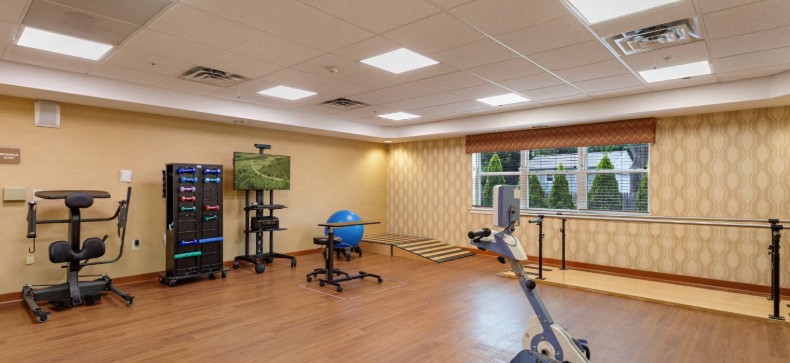
Post-Acute Rehabilitation
After a hospitalization, surgery, stroke, illness, or
injury, an older adult may not be ready to return home immediately. Post-acute
rehabilitation provides a bridge between the hospital and home, helping
individuals regain strength, mobility, and independence.
Depending on the location and individual needs, Complete
Care provides physical, occupational, and speech therapy along with nursing and
clinical support.
For families in Toms River, Brick, Wall, and surrounding
communities, having rehabilitation options nearby can make it easier for family
members to remain involved during recovery.
Skilled Nursing
Some individuals need more than therapy. Skilled nursing may
be appropriate for people who require ongoing medical monitoring, wound care,
medication management, chronic disease management, or other specialized
clinical services.
Complete Care communities offer a variety of clinical
programs, with services differing by location. These may include orthopedic and
postsurgical care, cardiac care, wound care, neurological and stroke care,
pulmonary care, and memory care.
When comparing skilled nursing communities, families should
ask specifically about the clinical services available at each location.
Assisted Living
Assisted living can be a good option for older adults who
need help with daily activities but still want to maintain as much independence
as possible.
Support may include assistance with bathing, dressing,
medications, meals, and other everyday routines, along with opportunities for
social engagement and activities.
For families in Holmdel, Middletown, Red Bank, Freehold, and
neighboring Monmouth County communities, assisted living can offer an
alternative to managing increasing care needs at home.
Long-Term Care
For some seniors, rehabilitation is only one step in a
longer care journey. Chronic illness, cognitive impairment, disability, or
increasing difficulty with daily activities may eventually require ongoing
nursing support.
Long-term care provides assistance around the clock while
also addressing the social and emotional needs that contribute to quality of
life.
A Local Presence Matters
For families choosing senior care, location can be an
important consideration.
Being close to home makes it easier for spouses, children,
grandchildren, and friends to visit regularly and remain involved in care.
That's particularly meaningful in Monmouth and Ocean Counties, where families
may live in neighboring communities but still want their loved one to remain
close to their established support system.
Complete Care has a broad local presence, with communities
serving residents throughout the region. Its Monmouth County locations include
communities in Holmdel, Long Branch, Ocean Grove, Wall Township, and
Shrewsbury. Ocean County options include multiple communities in Toms River and
Brick Township.
Because services vary by location, families should contact
the individual community to determine which level of care and specialized
programs are available.
What Should Families Look For?
Whether you're looking for assisted living in Monmouth
County, skilled nursing in Ocean County, or rehabilitation following a hospital
stay, consider more than just the building.
Ask:
- What
level of care does my loved one need today?
- What
happens if their needs change?
- What
rehabilitation and therapy services are available?
- Does
the community offer specialized clinical care?
- How
involved can family members be in the care plan?
- What
activities and social opportunities are available?
- How
close is the community to family?
And whenever possible, visit in person.
Notice how staff interact with residents. Ask questions.
Talk with the admissions and care teams. Pay attention to whether residents
appear engaged and comfortable.
These observations can help families understand what daily
life may actually feel like for their loved one.
Planning Before a Crisis
Many families begin researching senior care only after a
crisis—a fall, hospitalization, diagnosis, or caregiver burnout.
Planning ahead can provide more choices and less pressure.
Even if your loved one isn't ready for assisted living or
long-term care today, learning about senior care communities in Monmouth and
Ocean Counties can help your family understand what resources are available if
circumstances change.
Having these conversations early also gives older adults an
opportunity to participate in decisions about their own future.
Complete Care in Monmouth & Ocean Counties
For families looking for assisted living, post-acute
rehabilitation, skilled nursing, or long-term care in Monmouth and Ocean
Counties, Complete Care offers multiple local communities and a range of care
services.
The right choice will depend on your loved one's medical
needs, level of independence, preferences, and family circumstances. Taking the
time to understand those needs—and exploring local options before a crisis
occurs—can make the process easier for everyone.
Frequently Asked Questions
What types of care does Complete Care provide?
Complete Care offers assisted living, post-acute
rehabilitation, skilled nursing, and long-term care. Specific services and
clinical programs vary by location.
Where does Complete Care serve Monmouth County?
Complete Care has communities in areas including Holmdel,
Long Branch, Ocean Grove, Wall Township, and Shrewsbury.
Where does Complete Care serve Ocean County?
Complete Care has multiple communities in Toms River and
Brick Township, among other nearby locations.
What is post-acute rehabilitation?
Post-acute rehabilitation helps individuals recover after
hospitalization, surgery, illness, or injury. Therapy and nursing services are
designed to help patients regain function and return home safely when possible.
If you're researching senior care options in Monmouth or Ocean County, NJ, visit Complete Care's Seniors Blue Book listing for more information about available services and local care options.

Other Articles You May Like
What Level of Senior Care Does My Parent Need?
The right level of senior care depends on what a person can safely do each day, the type of help they need, and how often that help must be available. Independent living may suit someone who manages personal care but wants fewer household responsibilities. Assisted living supports everyday tasks. Memory care is designed for people whose cognitive changes call for specialized support, while long-term nursing care serves people with more extensive ongoing care needs. A short-term rehabilitation stay serves a different purpose: recovery after illness, injury, or hospitalization. Families in Greeley, Colorado, often encounter these terms while making decisions under pressure. Understanding the differences can turn a confusing search into a more useful conversation about a loved ones actual needs. Independent Living: Fewer Chores, More Personal FreedomIndependent living is generally a good fit for an older adult who can bathe, dress, take medications, and manage most daily decisions independently. The appeal is a residential setting with opportunities for social connection and less responsibility for maintaining a home.At Grace Pointe Senior Care Community, independent living includes private apartments with nearby medical expertise and 24-hour emergency response systems. Families should still confirm which services are part of independent living and which require a different level of care. An emergency response system does not replace routine personal or nursing assistance. Assisted Living: Help with Daily ActivitiesAssisted living may be appropriate when someone needs ongoing help with bathing, dressing, moving around, medication routines, or getting to meals, but does not necessarily require continuous nursing care. It should support independence where possible, not take over every decision.For example, a parent who can enjoy activities and make personal choices but needs assistance with bathing and reminders about medication may benefit from a personalized assisted living plan. Ask how often staff check in, which services are available, and how the plan is updated after a health change. Memory Care: Support for Cognitive ChangesMemory care addresses needs associated with Alzheimers disease and other forms of dementia. Those needs can include difficulty finding the way around, changes in judgment, distress, or requiring frequent prompts to complete familiar activities. Not everyone with memory loss immediately needs memory care; an assessment should consider both cognition and day-to-day safety.Grace Pointe describes its memory care approach as care for the person rather than the diagnosis. Its team receives specialized training, and the program includes activities designed around residents interests and abilities. During a visit, ask how staff respond to confusion, communicate with families, adapt activities, and determine when a resident needs additional support. Long-Term Nursing Care: More Extensive Ongoing SupportA person may need long-term nursing care when medical needs or physical limitations exceed what assisted living can safely manage. Examples can include a need for close monitoring, substantial help with movement and personal care, or nursing support throughout the day and night. The appropriate setting depends on a clinical assessment, not simply a persons age.Grace Pointe offers long-term care with 24-hour monitoring and assistance from nurses and certified nursing assistants. Families should discuss the individuals medical needs, the available services, admission requirements, and payment arrangements directly with the community. Rehabilitation Is Often TemporaryRehabilitation is not another name for permanent senior housing. Following surgery, an injury, or a hospital stay, someone may need therapy and professional support to regain function before returning to their previous living arrangement. Grace Pointe has an on-site rehabilitation center that develops individualized therapeutic plans. Ask whether a particular rehabilitation program is appropriate for the patients goals and what the discharge plan would look like. What If My Parents Needs Change Later?A continuing care campus offers more than one kind of support in a shared location. That can simplify planning for families whose loved one may eventually need a different level of care. Grace Pointe provides independent living, assisted living, memory care, long-term care, and rehabilitation services on its Greeley campus. The ability to move between settings depends on clinical suitability, assessments, and availability, so it is worth discussing transitions before they become urgent. Five Questions to Help Narrow the ChoiceCan my parent consistently bathe, dress, eat, and move safely without help?Are medication mistakes, wandering, or confusion becoming safety concerns?Is the need for support occasional, daily, or available around the clock?Is this a temporary recovery period or an ongoing change?What does my parent want, and what does their healthcare team recommend? Write down concrete examples before talking with a community. A recent fall, missed medications, or new nighttime confusion tells the care team much more than saying a parent is slowing down. Include the older adult in decisions whenever possible and request a professional assessment when safety or medical needs are uncertain. Talk Through the Options with Grace PointeGrace Pointe Senior Care Community in Greeley can explain its different living and care options and help your family explore a personalized plan. Call (970) 304-1919 or visit https://gracepointegreeley.com/ to ask questions or schedule a tour.
What Families Should Look for Before Choosing a Community
When everyday tasks become harder but a senior still wants control over daily life, assisted living can offer a practical middle ground. In Greeley, Colorado, families comparing communities should look beyond apartment sizes and dining rooms. The most important questions concern the help a resident can receive, how that help changes over time, and whether the setting feels like somewhere they would want to live.What Assisted Living Usually IncludesAssisted living combines a residential setting with support for activities of daily living. Depending on the resident and community, that might include help getting dressed, bathing, moving safely, managing medications, or getting to meals. It is different from independent living, which generally suits adults who can manage daily personal care without regular hands-on assistance.Not every resident needs the same services. Someone may want a little help in the morning but otherwise keep a full schedule. Another person may need frequent reminders and closer supervision. Ask each community how it assesses needs and whether its care plan can change without requiring an immediate move.How to Compare Assisted Living Communities in GreeleyStart with the residents daily routineMake a short list of the tasks that are going well and those that cause difficulty. Consider bathing, dressing, walking, getting up at night, remembering medications, preparing meals, and keeping medical appointments. Bring that list to tours. Specific examples give staff a clearer picture than a general statement such as Mom needs a little help.Ask who provides assistance and whenFind out how residents request help, how nighttime needs are addressed, and what happens when someone has a sudden change in health. Ask whether the staff available and the services provided match the persons present needs. For a resident who falls often or needs extensive medical support, request a candid explanation of what the assisted living setting can and cannot safely provide.Understand the full monthly costAsk for a written breakdown of the apartment charge, included services, optional assistance, and any additional fees. Some communities offer bundled care levels; others price services according to what the resident actually uses. Clarify how fees are reviewed if the person begins needing more help. Medicare generally does not pay for room and board in assisted living, so families should also review savings, long-term care insurance, and any benefits for which they may qualify.Pay attention to ordinary momentsA tour during an activity is useful, but everyday interactions can be more revealing. Notice whether residents can make choices, whether common areas invite conversation, and whether staff answer questions clearly. Ask about meals, visitors, transportation, activities, and the process for raising concerns. If possible, involve the prospective resident in the tour and decision.A Local Option with Multiple Types of Senior CareGrace Pointe Senior Care Community is a family-owned senior living campus at 1919 68th Avenue in Greeley. Its assisted living residents work with a care coordinator to develop personalized plans, with assistance tailored to individual needs. Residents can furnish and arrange their own living spaces, helping a move feel less like giving up home and more like settling into a new one.The campus also offers independent living, memory care, long-term nursing care, and a rehabilitation center. This range matters to families planning ahead: if someones needs change, there may be another appropriate care setting on the same campus. A transition is not automatic, however. Families should ask about assessments, availability, costs, and criteria for each level of care.Questions Worth Asking on an Assisted Living TourWhat help is included today, and what would cost extra later?How will the care team communicate changes to family members?How are medications, falls, and overnight requests handled?Can residents bring personal furniture and maintain familiar routines?Under what circumstances would a higher level of care be recommended?How to Know When It Is Time to Explore Assisted LivingThere is no single age or diagnosis that determines the right time. More useful signs include skipped meals, difficulty with personal care, repeated medication mix-ups, increasing isolation, or a home routine that has become difficult to manage safely. A conversation with the older adult and their healthcare professional can help separate problems that may be addressed at home from needs that call for a different living arrangement.You do not need to make a final decision during the first tour. Comparing care plans, asking for written costs, and making a second visit can help everyone feel more comfortable with the choice.Visit Grace Pointe in GreeleyTo learn how assisted living could fit your familys needs, contact Grace Pointe Senior Care Community at (970) 304-1919 or visit https://gracepointegreeley.com/ to request a tour and discuss available care options.
Expert Insights on Senior Care: What Families Need to Know
Deciding on care for an aging parent, spouse or loved one is one of the biggest decisions a family will make. Its also one of the most overwhelming. With medical needs, safety issues, finances and emotions all involved, it can be hard to know where to begin.Thats why we compiled the most consistent expert insights on senior care from geriatric care managers, physicians, nurses and elder care professionals. Whether you are anticipating a change or reacting to an unexpected one, these insights can help you make confident, compassionate choices for the seniors you love.1. Start the Conversation EarlyGeriatric experts agree on one point above all others: the best time to talk about senior care is before a crisis. Families who wait until after a fall, hospital stay, or diagnosis often have to make rushed decisions under stress.Expert tip: Lead with questions, not solutions. Try, "What would you want your life to look like if you needed more help someday?" Seniors are far more open to planning when they feel respected rather than managed. 2. Know the Early Warning Signs That a Senior Needs More HelpMost older adults want to stay independent, so they may hide their struggles. Care professionals recommend watching for these changes: Changes in appearance or hygiene, such as wearing the same clothes or neglecting bathing Unexplained weight loss or an empty refrigerator and expired food Missed medications or confusion about doses Unopened mail, unpaid bills, or unusual financial activity New bruises, falls, or trouble with balance Memory lapses that disrupt daily life, such as getting lost in familiar places Withdrawal from friends and activities, or signs of loneliness and low mood One sign alone may not mean much. A pattern of several signs is a good reason to schedule a medical evaluation. 3. Understand the Types of Senior CareThere is no single "right" kind of care. The best choice depends on health needs, budget, personality, and preferences. Here are the main options experts walk families through: In-Home Care Independent Living Assisted Living Memory Care Skilled Nursing Facilities Adult Day ProgramsExpert tip: Needs change over time. Ask any community or provider how they handle a resident whose needs increase, so you are not forced into another move later. 4. Prioritize Safety at HomeThe Centers for Disease Control and Prevention reports that about one in four older adults falls each year, and falls are a leading cause of injury among seniors. Fortunately, many falls are preventable. Experts suggest: Remove loose rugs and clear walkways of clutter Install grab bars in bathrooms and handrails on stairs Improve lighting, especially at night Wear sturdy, non-slip footwear Review medications with a doctor or pharmacist, since some cause dizziness Stay active with strength and balance exercises approved by a healthcare provider A home safety evaluation by an occupational therapist can identify risks you might never notice. 5. Focus on Whole-Person Health, Not Just Medical CareGood senior care goes beyond doctor visits. Experts emphasize four pillars of healthy aging: Nutrition Movement Social connection Mental and emotional well-being 6. Plan for the Cost of Senior CareCost is one of the biggest worries families share, and misunderstandings are common. Experts stress a few key points: Original Medicare generally does not pay for long-term custodial care, such as help with bathing, dressing, or eating. It may cover limited skilled nursing or home health care after a qualifying hospital stay. Medicaid may help cover long-term care for those who meet financial and medical eligibility rules, which vary by state. Long-term care insurance, veterans' benefits, and personal savings may all play a role. Elder law attorneys and financial planners can help families protect assets and explore benefits. 7. Support the Caregivers, TooFamily caregivers provide a huge share of senior care, and many pay a price in stress, exhaustion, and their own health. Care experts urge caregivers to: Ask siblings and relatives to share specific tasks Use respite care or adult day programs for regular breaks Join a caregiver support group, online or in person Keep up with their own medical appointments and sleep Accept help without guilt Caregiver burnout is real, and a rested, supported caregiver provides better care. 8. Get the Legal and Medical Paperwork in OrderEven families who avoid hard topics benefit from having these documents in place: Durable power of attorney for finances Healthcare proxy or medical power of attorney Advance directive or living will An up-to-date list of medications, doctors, and allergies Contact information for key family members and advisors Having these ready can prevent confusion and conflict during emergencies. 9. How to Choose a Senior Care Provider or CommunityWhen evaluating options, geriatric care professionals recommend you: Visit more than once, at different times of day, including mealtimes. Observe staff interactions. Do residents appear comfortable, engaged, and treated with dignity? Ask about staffing, including ratios, training, and turnover. Check licensing and inspection records with your state's agency. Read contracts carefully, ideally with an elder law attorney. Trust your instincts. If something feels off, keep looking. A geriatric care manager, often a nurse or social worker, can also assess needs, coordinate services, and guide families through the process. Frequently Asked Questions About Senior CareWhat is the first step in finding senior care? Start with a conversation with your loved one and a medical evaluation to understand their needs. From there, you can compare care options that match their health, budget, and preferences.How do I know when it is time for assisted living? Common signs include difficulty managing daily activities, repeated falls, medication mistakes, poor nutrition, isolation, or caregiver exhaustion. A doctor or care manager can help you decide.What is the difference between home care and home health care? Home care provides non-medical help like meals, bathing, and companionship. Home health care involves skilled medical services ordered by a doctor, such as nursing or therapy.Does Medicare pay for long-term care? Original Medicare generally does not cover long-term custodial care. It may cover short-term skilled care in specific situations. Review your coverage with a qualified benefits counselor.How can I help a senior who refuses help? Stay patient, ask about their concerns, and start small, such as a few hours of help per week. Involving a trusted doctor, friend, or clergy member can also help. Explore trusted resources, guides, and tools at SeniorsBlueBook.com to find the care and support that fit your family.This article is for informational purposes only and is not medical, legal, or financial advice. Consult qualified professionals about your loved one's specific situation.
Local Services By This Author
Complete Care at Monmouth
Skilled NursingAt Complete Care at Monmouth, we provide post-acute rehabilitation programs to help patients recover from illness, injury, or surgery, regain their strength, and transition home as soon as possible. We also provide advanced clinical specialties for those who require more time and assistance, in addition to around-the-clock nursing care, in a welcoming setting that feels like home.

Complete Care at Bea Lea
Assisted LivingAt Complete Care at Bey Lea Assisted Living, we offer an experience that is completely yours. We tailor our services and support so the time you spend with us is comfortable, enriching, and engaging. In addition to beautifully appointed living spaces, we provide personal care, meals, medication assistance, and supervision.

Complete Care at Brick
Rehabilitation FacilitiesAt Complete Care at Brick, we provide post-acute rehabilitation programs to help patients recover from illness, injury, or surgery, regain their strength, and transition home as soon as possible. We also provide advanced clinical specialties for those who require more time and assistance, in addition to around-the-clock nursing care, in a welcoming setting that feels like home. We provide extensive rehabilitation services up to seven days a week, tailored to individual needs and goals. In order to help progress and recovery, we adjust therapies based on our patients abilities and tolerance so their quality of life can continue to improve after transitioning home.