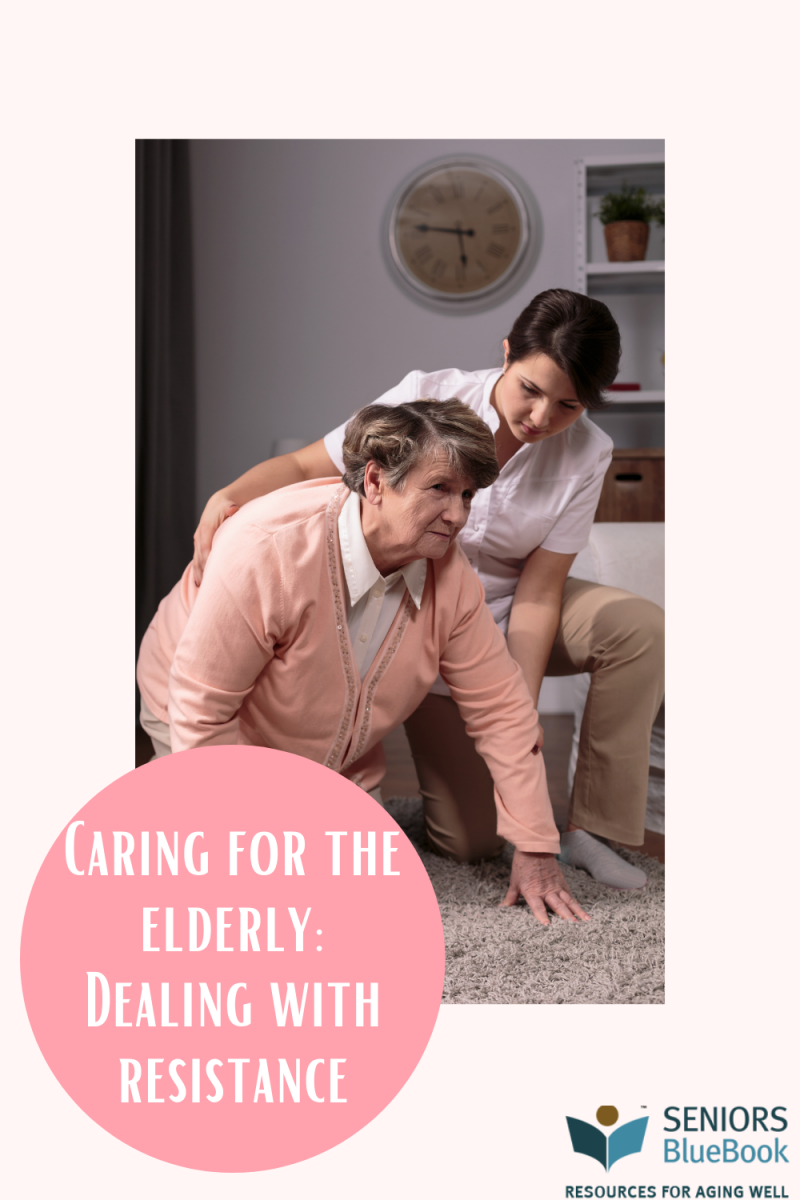
Caring for the elderly: Dealing with resistance

Email US
Click to Email Us
One of the toughest challenges you can face when caring for the elderly is resistance to care. How do you help a loved one who doesn't want help? Understand why resistance to care might develop and strategies for fostering cooperation.
What causes resistance to care?
If your loved one is in need of care, he or she is likely dealing with loss physical loss, mental loss, the loss of a spouse or the loss of independence. Accepting help might mean relinquishing privacy and adjusting to new routines. As a result, your loved one might feel frightened and vulnerable, angry that he or she needs help, or guilty about the idea of becoming a burden to family and friends.
In some cases, your loved one might be stubborn, have mental health concerns or simply think it's a sign of weakness to accept help. He or she might also be worried about the cost of certain types of care. Memory loss might also make it difficult for your loved one to understand why he or she needs help.
What's the best way to approach a loved one about the need for care?
In some cases, the doctor will start a discussion with your loved one about his or her care needs. If you're starting the conversation and you suspect that your loved one will be resistant to care whether from family, other close contacts or a service consider these tips:
Determine what help is needed. Make an honest assessment of what kind of help your loved one needs and which services might work best.
Choose a time when you and your loved one are relaxed. Thiswill make it easier for you and your loved one to listen to each other and speak your minds.
Ask about your loved one's preferences. Does your loved one have a preference about which family member or what type of service provides care? While you might not be able to meet all of your loved one's wishes, it's important to take them into consideration. If your loved one has trouble understanding you, simplify your explanations and the decisions you expect him or her to make.
Enlist the help of family members. Family and friends might be able to help you persuade your loved one to accept help.
Don't give up. If your loved one doesn't want to discuss the topic the first time you bring it up, try again later.
What are the most effective strategies for managing resistance to care?
To encourage cooperation, you might:
Suggest a trial run. Don't ask your loved one to make a final decision about the kind of care he or she receives right away. A trial run will give a hesitant loved one a chance to test the waters and experience the benefits of assistance.
Describe care in a positive way. Refer to respite care as an activity your loved one likes. Talk about a home care provider as a friend. You might also call elder care a club, or refer to your loved one as a volunteer or helper at the center.
Explain your needs. Consider asking your loved one to accept care to make your life a little easier. Remind your loved one that sometimes you'll both need to compromise on certain issues.
Address cost. Your loved one might resist care out of concern about the cost. If your loved one's care is covered by Medicaid or other funding, share that information to help ease his or her worries.
Pick your battles. Do your best to understand your loved one's point of view, and focus on the big picture. Avoid fighting with your loved one about minor issues related to his or her care.
Keep in mind that these strategies might not be appropriate when dealing with a loved one who has dementia
What else can be done?
If your loved one continues to resist care and is endangering himself or herself, enlist the help of a professional. Your loved one might be more willing to listen to the advice of a doctor, lawyer or care manager about the importance of receiving care.
Resistance to care is a challenge that many caregivers face. By keeping your loved one involved in decisions about his or her care and explaining the benefits of assistance, you might be able to help your loved one feel more comfortable about accepting help.
Submitted and Written By: Golden Care
Other Articles You May Like
Family & Caregiver Support FAQs
1. How to Talk to Your Parent About Needing HelpStart early, choose a calm moment, lead with concern rather than criticism, ask open-ended questions, and involve your parent in every decision. Plan for several short conversations instead of one big talk.Before You Talk Get aligned with siblings or family so your parent hears one consistent message. Gather specifics: note what you have actually observed, such as missed bills, spoiled food, or a recent fall. Pick the right setting: a private, relaxed time, not during a crisis or a holiday gathering. How to Start the ConversationOpen with care and curiosity. Helpful starters include: "I've noticed the stairs seem harder lately. How are you feeling about them?" "If something happened, what would you want us to do?" "What would make life easier for you right now?" What Works Listen first. Let your parent describe their own worries and priorities. Use "I" statements. Say "I worry when you drive at night" rather than "You can't drive anymore." Offer choices. Options such as a few hours of home help or a medical alert device preserve a sense of control. Start small. Suggest a trial, such as a housekeeper twice a month. Bring in a trusted voice, such as a doctor, clergy member, or longtime friend. What to Avoid Ultimatums, guilt, or talking about them as if they were not in the room. Pushing for a major decision, such as moving, in the first conversation. Dismissing their fears about independence. 2. Signs Your Loved One Needs CareCommon signs include difficulty with daily activities, weight loss, unpaid bills, a messy or unsafe home, medication mistakes, frequent falls, memory changes, and social withdrawal. Several signs together suggest it is time for a professional assessment.Physical Signs Noticeable weight loss or poor appetite. Poor hygiene, wearing the same clothes, or body odor. Bruises, unexplained injuries, or repeated falls. Trouble walking, getting out of a chair, or using stairs. Cognitive and Emotional Signs Forgetting appointments, repeating questions, or getting lost in familiar places. Confusion with money, such as unpaid bills, unusual purchases, or scam victimization. Mood changes, anxiety, irritability, or signs of depression. Pulling away from friends, hobbies, or faith activities. Home and Daily Living Signs Spoiled food in the refrigerator or an empty pantry. Piles of mail, clutter, or a home that is not being kept up. Burned pots, unsafe stove use, or dents on the car. Missed, doubled, or mixed-up medications. Understanding the Level of NeedDoctors often look at activities of daily living (bathing, dressing, eating, toileting, and moving) and instrumental activities (cooking, driving, managing money, and medications). Difficulty with several of these points to a need for outside help. 3. How to Balance Caregiving with Your Own LifeBalance caregiving by setting clear limits, sharing tasks with family and paid help, using respite care, protecting your own health and time, and asking for support early rather than waiting until you are exhausted.Why Balance Is HardCaregivers often juggle jobs, children, and household duties while supporting a loved one. Without breaks, stress, poor sleep, and isolation can lead to caregiver burnout.Strategies That Help Define your role. Decide what you can do, what you can share, and what you will pay for or delegate. Hold a family meeting. Divide tasks by strengths and availability, including remote tasks like bill paying or scheduling. Create a shared calendar for appointments, medications, and visits. Use respite care. Even a few hours a week from a relative, volunteer, aide, or adult day program restores energy. Set boundaries at work. Talk with your employer about flexible hours, remote work, or leave options. Protect your health. Keep your own medical appointments, move your body, eat regularly, and sleep. Stay connected. Keep up friendships and activities that recharge you. Signs of Caregiver Burnout Constant exhaustion or frequent illness. Feeling hopeless, resentful, or overwhelmed. Withdrawing from others. Changes in appetite or sleep. If you notice these, speak with your doctor or a counselor. 4. Support Available for Family CaregiversFamily caregivers can access respite care, counseling, support groups, caregiver training, adult day programs, financial assistance, and workplace protections. Local Area Agencies on Aging are the best first stop in the United States.Types of Support Respite care: Short-term relief, at home or in a facility. Adult day programs: Supervised daytime care and activities. Support groups and counseling: In person, by phone, or online. Training: Courses on lifting, dementia care, and medication management. Home care and meals: Aides, home-delivered meals, and transportation. Financial and Legal Help Medicaid home and community-based programs, which in some states can pay for care at home, and in a few, family caregivers. VA Caregiver Support Program for those caring for veterans. Tax benefits, such as possible medical expense deductions or dependent credits; ask a tax professional. Elder law attorneys for powers of attorney, benefits planning, and long-term care planning. Workplace ProtectionsIn the U.S., the Family and Medical Leave Act (FMLA) may allow eligible employees up to 12 weeks of unpaid, job-protected leave a year to care for a family member with a serious health condition. Some states offer paid family leave, and some employers offer caregiver benefits.Programs vary by country and region. Outside the U.S., contact your local government aging or social services office. 5. How to Handle Resistance to Care?Resistance usually stems from fear of losing independence, not stubbornness. Respond with empathy, find the root concern, offer choices, introduce help gradually, and know when safety risks require stepping in.Why Older Adults Resist Help Fear of losing independence or control. Embarrassment or denial about declining abilities. Worry about cost or being a burden. Distrust of strangers in the home. Cognitive changes, including dementia, that reduce awareness of problems. Strategies That Work Ask why. Understand the specific fear before offering solutions. Reframe the help. Present it as support for staying independent: "This will help you stay in your home longer." Go slow. Start with a few hours of help or a friendly companion, and build up. Offer choices. Let your parent pick the caregiver, schedule, or tasks. Use a trusted messenger. Doctors often carry more weight than family. Pick your battles. Focus on safety and health priorities rather than minor preferences. Try a trial period. "Let's try it for a month and then decide together." When Dementia Is InvolvedArguing facts rarely helps. Stay calm, validate feelings, redirect gently, and keep routines consistent. Ask the doctor about evaluation and dementia care strategies.When to Step InA capable adult has the right to make their own choices, even risky ones. But if there is immediate danger, such as wandering, unsafe driving, neglect, or serious medical needs, contact their doctor. If your parent lacks decision-making capacity, an elder law attorney can explain options such as guardianship, and Adult Protective Services can respond to self-neglect or abuse concerns.Disclaimer: This content is for educational purposes and does not replace professional medical, legal, or financial advice. Consult qualified professionals about your family's situation.
Caregiver Support FAQs: Resources for Family Caregivers
Family caregivers provide most long-term care for older adults. These answers help caregivers protect their own health while caring for someone else.What is caregiver burnout?Caregiver burnout is a state of physical, emotional and mental exhaustion caused by prolonged caregiving stress. Signs include constant fatigue, irritability, withdrawal from friends, sleep problems, getting sick often, and feeling hopeless or resentful.How can I prevent caregiver burnout?Set realistic limits, accept help, keep your own medical appointments, and schedule regular breaks. Joining a caregiver support group and using respite care are two of the most effective strategies.What is respite care?Respite care is short-term relief for primary caregivers, provided at home, at an adult day center or in a residential facility for a few hours to several weeks. It gives caregivers time to rest, handle errands or recover.Can caregivers get paid?Sometimes. Some state Medicaid programs, VA programs and long-term care insurance policies allow family members to be paid caregivers. Eligibility depends on the program, so contact your Area Agency on Aging to learn what exists locally.Where can I find caregiver support near me?The Eldercare Locator (1-800-677-1116) connects caregivers to local Area Agencies on Aging. Many agencies offer counseling, training, respite funding and support groups through the National Family Caregiver Support Program.How do I talk to a parent who refuses help?Start with listening and focus on their goals, such as staying independent at home. Introduce help gradually, involve their doctor, and frame support as a way to keep their independence rather than lose it.Can I take time off work to care for a family member? The federal Family and Medical Leave Act allows eligible employees up to 12 weeks of unpaid, job-protected leave per year to care for a qualifying family member. Some states and employers offer paid family leave, so check both.
Creating a Vibrant Lifestyle at The Glenview
When Rachel Ritter first walked through the doors of The Glenview, she wasnt leading concerts, organizing excursions, or planning community-wide celebrations.She was 15 years old, bussing tables in the dining room.Today, more than three decades later, Rachel has come full circle as The Glenviews new Lifestyle Director a role that perfectly combines her lifelong dedication to the community with her passion for enriching the lives of residents.Along the way, Rachel earned both a nursing degree and a degree in history, supported in part by a scholarship from The Glenview Scholarship Fund. She worked at The Glenview throughout college, held numerous leadership roles in Dining Services, and built lasting relationships with residents and team members alike.Now, she has found what she calls her true calling.After 31 years at The Glenview, Ive discovered that my greatest passion is creating a vibrant lifestyle for our residents, said Rachel. Dining Servies allowed me to create exceptional experiences around the table, but I wanted to contribute even more to daily life here. My goal is simple: every resident should wake up each morning with something exciting to look forward to.That philosophy is reflected in every square of The Glenviews bustling Activities Calendar. A Calendar Packed with PossibilityRachels vision is ambitious: create enough variety that every resident can find something that sparks joy, curiosity, connection, or purpose.Its my job to bring joy to peoples lives, said Rachel. I take that responsibility very seriously.Each month, residents enjoy an extraordinary mix of entertainment, education, wellness, social events, and excursions. Signature Events & EntertainmentTwo to three major events each month bring the community together for unforgettable experiences. From jazz ensembles and classical concerts to vocal performances and thought-provoking lectures by college professors, residents can explore topics ranging from history and philosophy to pop culture and current events. Culinary ExperiencesFood lovers eagerly await the monthly cooking demonstrations led by Executive Chef David Chidsey or Pastry Chef Ashley Yedeski. Residents learn professional techniques, enjoy generous tastings, and occasionally see favorite recipes make their way onto the dining room menu.The culinary fun continues with themed luncheons and tea parties. Recent favorites have included French and Asian-inspired lunches, farm-to-table seasonal luncheons, a Southern Tea Party, and a whimsical Mad Hatter Tea complete with imaginative desserts.Ashley has a gift for creating memorable pastries, said Rachel. Together, we love finding ways to surprise residents with something delicious and unexpected. Wellness for the Whole PersonAt The Glenview, wellness extends far beyond exercise.Working alongside Director of Health & Wellness Navigation Kari Bone, Rachel helps create programming that supports all eight Dimensions of Wellness: physical, emotional, social, spiritual, intellectual, vocational, health services, and environmental health.Recent speakers have included cardiologists, dietitians, meditation specialists, IT & fraud advocates, and other experts all lectures paired with refreshments and opportunities for discussion.Our residents are incredibly curious and engaged, said Kari Bone. Its a pleasure working with Rachel to bring in exceptional speakers on topics that matter most to the quality of life for our seniors. Lifelong learning is alive and well at The Glenview!Residents can also choose from 13 fitness classes every week, including yoga, meditation, cardio exercise, balance training, chair fitness, Tai Chi, and specialized classes led by physical therapy professionals. For independent workouts, the Fitness Center offers access to state-of-the-art equipment seven days a week. Adventure Awaits in Pelican BayWhile there is always something exciting happening on campus, Rachel also loves taking residents on the road. Recent outings have included a Rhythm & Blooms Jazz Concert at the Naples Botanical Garden, rooftop happy hour at The Perry Hotel, and visits to every new exhibition opening at the Artis Naples Museum.Rachel also coordinates transportation for residents who are season ticket holders for Naples Players productions and Artis Naples Masterworks Concerts.One of the best parts of my job is helping residents continue exploring the community they love, said Rachel. Theres always another adventure waiting in Pelican Bay. The Power of Shared InterestsSome of the communitys most beloved activity programs are resident-led. Book lovers can join either the Fiction Book Club, led by resident Lynn Nolan, or the Non-Fiction Book Club, led by resident Cynthia Bye. Creative residents can gather for the Social Crafting Bee, where simple projects are paired with cookies, lemonade, and conversation. The newest project a handmade greeting card was suggested and organized by resident Carol Levy.The Card Room is always a hub of activity at The Glenview. Card players gather regularly for bridge, Mexican Train, mahjongg, and other favorite games, while movie enthusiasts enjoy Saturday matinees complete with buttered popcorn.Rachel has a remarkable talent for turning resident ideas into reality, said Lynn Nolan, resident and Chair of the Lifestyle Committee. She listens, encourages participation, and helps create the sense of community that makes The Glenview so special. Rachel is much loved by all our residents. Giving Back TogetherSome activities focus on something even bigger than fun.Through a partnership with Meals for Hope, residents participate in quarterly philanthropy events that help organize and distribute food for local families in need.Many residents want hands-on ways to serve others, Rachel said. This program allows them to make a direct impact while working together as a community.The Glenview knitting group has found a similarly meaningful mission by connecting with the global non-profit Knitted Knockers, where they create soft knitted prostheses for women recovering from breast surgery.Its amazing to watch residents use their talents to comfort someone theyve never met, said Rachel. The project gives purpose to every stitch. A Scholarship That Came Full CircleOne activity especially close to Rachels heart is the monthly Scholarship Bingo fundraiser. All proceeds benefit The Glenview Scholarship Fund, which helps employees further their education.I was fortunate enough to receive one of those scholarships myself, said Rachel. It changed the course of my life. Every time we host Scholarship Bingo, Im reminded of how much this community invests in its people. Always Looking AheadRachel is already looking to expand the already full Activities Calendar.A new Dining Out Club is in development, giving residents opportunities to explore local restaurants together. Rachel is also working with yoga instructor Marjorie to launch a Senior Salsa class and continues partnering with the resident-led Lifestyle Committee to bring new ideas to life.The best ideas often come from residents, said Rachel. When people share their passions, we can create even more opportunities for connection and fun.Resident Judy Johansen agrees. Rachels enthusiasm is contagious, said Judy. She creates opportunities for everyone to get involved, make friends, and try something new. Theres always something exciting on the horizon here.For Executive Director Daniel Gomez, Rachels impact is impossible to miss. Rachel brings tremendous energy, creativity, and heart to everything she does, said Daniel. Her decades of experience at The Glenview, combined with the genuine relationships shes built with residents, make her truly irreplaceable. She helps create the culture of joy that defines this community.Rachel sums up her vision with characteristic enthusiasm: I want The Glenview to feel like a cruise ship that never leaves the dock, she said. There should always be great food, lively conversation, and exciting activities waiting around every corner!Judging by the packed calendar and the smiles it creates Rachel has certainly contributed to making The Glenview a destination of choice for seniors.We invite you to experience The Glenview personally. Join us for lunch, tour the community, meet the residents, and see firsthand why so many discerning individuals choose to call it home.To learn more about our community or schedule a visit, call us at (239) 977-9744 or complete our Contact Us form.