Cleaning Smarter as We Get Older
Companion Cleaning
For more information about the author, click to view their website: Companion Cleaning
Jul 16, 2026
Pennsylvania - Greater Pittsburgh Area

Email US
Click to Email Us
Cleaning
Smarter as We Get Older
(As Featured in SW PA Seniors, Washington Observer-Reporter, July 2026)
I'll admit
it—I'm approaching 60, and I've started noticing that some of the things I used
to do, without thinking, are a little tougher.
It makes me wonder, "Is there an easier (safer) way?"
Cleaning
is one of those things.
There was
a time when I would drag out a heavy vacuum, climb on a chair to dust the
ceiling fan, and spend an entire day scrubbing the house from top to bottom.
Today, I still like a clean home, and help clean the homes of others, but I've
learned that working smarter is much better than working harder.
As we get
older, our balance changes and our knees remind us….”PSST, I’m right down here!”
Getting down on the floor is as hard as getting back up. That's normal. The key
is adjusting how we do things so we can continue living safely and
independently.
One of the best changes I've made is using lightweight cleaning tools with longer handles. They save my back, keep me from bending so much, and make it much easier to reach those high and low spots. Microfiber cloths have become another favorite because they clean well with very little effort and many times without chemicals. Chemicals can dry our skin, no matter how well we try to keep the gloves on. OH-and gloves! I just bought a four pair pack of bright purple reusable cleaning gloves on “A…” for less than $20. They also have a selection of “extendable lightweight cleaning” tools and “extendable grabbers”. If you need help to shop online, please ask for assistance. (You can call me if you’d like). I've also stopped trying to clean the whole house in one day. Instead, I tackle one room or one task at a time. Fifteen or twenty minutes here and there adds up, and I'm a lot less sore the next day. This past Sunday, I did all the dusting, stretched, relaxed for an hour, then tackled the mighty kitchen, taking a break every 30 minutes.
Here's another piece of friendly advice: standing on kitchen chairs or unstable stools to reach something is simply unsafe. Falls are one of the biggest reasons older adults end up in the emergency room, and they're often preventable. If something is out of reach, use an extension tool or ask for help. I've also discovered that clutter has a way of sneaking up on all of us. A stack of mail, a pair of shoes left by the door, or that extension cord running across the room may not seem like much until it's the thing that causes a fall. Taking a few minutes to clear walkways can make your home both safer and more relaxing.
I’m
learning, asking for help doesn't mean giving up your independence. Sometimes
it's the smartest way to keep it. Whether it's a family member helping with a
heavy job or hiring someone for the tasks that have become difficult, there's
nothing wrong with saving your energy for the things you enjoy most.
At this
stage of life, our goal isn't to have a picture-perfect house every day. It's
to create a home that's safe, healthy and comfortable, where we can continue
making memories with family and friends.
Your back, your knees, and your future self will thank you for making a few simple changes.
Reach out to Companion Cleaning for a "Consult Clean". We will work together with you to discuss your challenges and find a way to overcome!
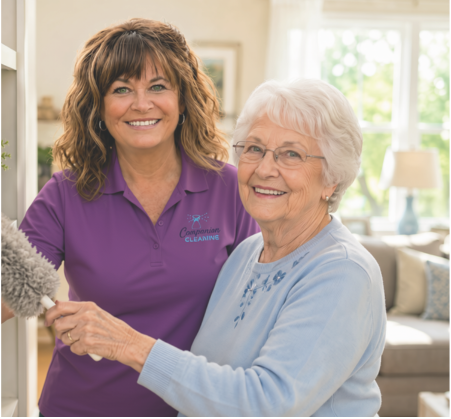
- To view the original version of this article visit www.companioncleaningpgh.com/post/cleaning-smarter-as-we-get-older
- Seniors Blue Book was not involved in the creation of this content.
Other Articles You May Like
Hearing Loss in Older Adults: What Families Should Know
Hearing loss is common as we get older, but that doesn't mean it should be ignored. For many older adults, hearing changes happen gradually. They may not realize how much their hearing has changed, or they may become accustomed to asking people to repeat themselves, turning up the television, or avoiding conversations in noisy environments.Family members are often among the first people to notice that an older loved one may be having difficulty hearing. Recognizing the signs and approaching the subject with patience and understanding can make it easier for a senior to receive the hearing care they need.Understanding Hearing Loss in Older AdultsAge-related hearing loss can develop slowly over time. Rather than suddenly losing the ability to hear, an older adult may gradually have more difficulty understanding certain voices, following conversations, or hearing higher-pitched sounds.Hearing loss can affect more than the ability to hear words. It can make communication more challenging and may cause an older adult to miss important information or feel frustrated during conversations.Because hearing loss often develops gradually, a person may not realize that others are speaking normally while their ability to hear and understand has changed.Signs Your Loved One May Have Hearing LossFamily members may notice signs of hearing loss before an older adult recognizes them.Some common signs include: Frequently asking others to repeat themselves Turning the television or radio volume up very high Having difficulty following conversations Struggling to hear in restaurants or other noisy environments Frequently misunderstanding what people say Having difficulty hearing on the telephone Watching people's faces closely while they speak Complaining that everyone seems to mumble Avoiding social gatherings or group conversations Responding inappropriately because they misunderstood a question If several of these behaviors sound familiar, it may be worthwhile to encourage your loved one to have their hearing evaluated.Hearing Loss Can Affect More Than CommunicationIt can be easy to think of hearing loss as simply a problem with hearing conversations. However, communication difficulties can affect many areas of an older adult's daily life.Someone who struggles to hear may become frustrated when talking with family and friends. They may stop participating in group conversations because they cannot follow what is being said.Over time, an older adult may begin avoiding restaurants, community activities, family gatherings, or other social situations where hearing is difficult.Helping a loved one address hearing difficulties can make it easier for them to remain engaged with the people and activities they enjoy.Why Some Seniors Resist Hearing CareIt isn't unusual for an older adult to be reluctant to acknowledge hearing loss.They may believe that their hearing is "good enough," feel embarrassed about needing hearing aids, or worry that others will view them differently. Some people may also assume that hearing loss is simply an unavoidable part of aging.Family members should approach the conversation with compassion rather than criticism.Instead of saying, "You can't hear anything anymore," try explaining how better hearing could make everyday conversations easier and help your loved one stay connected with family and friends.Start the Conversation With UnderstandingTalking about hearing loss can be sensitive. Choose a quiet, comfortable time to discuss your concerns rather than bringing up the subject during a frustrating conversation.You might explain that you've noticed they are having difficulty hearing and that you would like to help them find out why.It can also help to make the conversation about their quality of life rather than focusing on what they are doing wrong.For example, you can point out that a hearing evaluation could help them hear conversations more comfortably at family gatherings, restaurants, or other activities they enjoy.Encourage a Hearing EvaluationIf you or your loved one notices signs of hearing difficulty, the next step is a professional hearing evaluation.A hearing evaluation can help determine whether hearing loss is present and provide information about the type and degree of hearing difficulty.Depending on the results, a hearing professional can discuss available options and help determine what may be appropriate for the individual's hearing needs and lifestyle.It's important not to purchase hearing aids simply because someone else has had success with a particular model. Hearing needs vary from person to person, so professional guidance is valuable.Hearing Aids May HelpFor some people with hearing loss, hearing aids can make communication easier.Modern hearing aids come in a variety of styles and features. A hearing professional can help determine which options may be appropriate based on an individual's hearing loss, lifestyle, comfort, and personal preferences.It can take some time for a person to adjust to wearing hearing aids. Family members can support the process by being patient and encouraging their loved one as they become comfortable with their devices.How Family Members Can Improve CommunicationEven when an older adult is receiving treatment for hearing loss, family members can make conversations easier.Try these simple communication strategies:Get Their Attention FirstMake sure your loved one knows you are speaking to them before beginning a conversation.Face Them When You SpeakFacing the person can make communication easier and allows them to see your facial expressions and other visual cues.Reduce Background NoiseTurn off the television or move to a quieter area when having an important conversation.Speak ClearlySpeak at a natural pace and avoid shouting. Speaking louder does not always make speech easier to understand.Be PatientGive your loved one time to process what you've said and respond. If they don't understand, try rephrasing the statement rather than simply repeating the same words louder.Don't Ignore Sudden Hearing ChangesWhile gradual hearing loss is common, sudden changes in hearing should not be ignored.If an older adult experiences sudden hearing loss, particularly in one ear, they should seek prompt medical attention. Sudden hearing changes can have different causes and may require urgent evaluation.Other symptoms such as dizziness, severe ear pain, drainage, or sudden neurological symptoms should also be evaluated by a healthcare professional.Hearing Care Can Help Older Adults Stay ConnectedHearing is an important part of maintaining relationships and participating in everyday life. When an older adult has difficulty hearing, the effects can extend beyond conversations.Families can play an important role by recognizing potential signs of hearing loss, approaching the subject with compassion, and encouraging professional hearing care.If you suspect that a parent, grandparent, spouse, or another loved one is experiencing hearing loss, don't wait until communication becomes extremely difficult. A professional hearing evaluation can provide valuable information and help your loved one understand their options.Darrell M. Sipe Opticians & Hearing Aids provides hearing care services designed to help individuals better understand their hearing needs and explore appropriate solutions.Better hearing can mean more meaningful conversations, greater participation, and more opportunities to stay connected with the people who matter most.If you're concerned about a loved one's hearing, start the conversation today. A hearing evaluation can be an important first step toward better communication and a better quality of life.
How to Help Protect Your Vision as You Age
Our eyes allow us to enjoy many of life's most important momentsfrom seeing the faces of family and friends to reading a favorite book, driving, working, and enjoying the outdoors. As we age, however, changes in our vision become more common.Some changes are a natural part of getting older, while others may be related to eye diseases or other health conditions. The good news is that there are steps you can take to help protect your vision and support healthy eyes throughout your life.Here are some important ways to care for your eyes as you age.Schedule Regular Eye ExaminationsOne of the best things you can do for your vision is to have regular comprehensive eye examinations.An eye exam isn't only about determining whether you need a stronger prescription for your glasses. Your eye care professional can also evaluate the health of your eyes and look for signs of potential problems.Some eye conditions can develop without obvious symptoms in their early stages. Regular examinations can help identify changes early, when they may be easier to manage.Your recommended examination schedule may depend on your age, health, family history, medications, and individual eye-care needs.Don't Ignore Changes in Your VisionAs you get older, you may notice changes such as needing more light to read, having difficulty seeing at night, or experiencing increased sensitivity to glare.While some vision changes can be associated with normal aging, you should not ignore significant or unexpected changes.Contact an eye care professional if you experience: Persistent blurry vision Difficulty seeing at night New or increasing floaters Flashes of light Distorted vision Double vision Loss of peripheral vision A sudden change in your eyesight A sudden change in vision can require prompt medical attention, so don't wait to have it evaluated.Protect Your Eyes From the SunYour eyes are exposed to ultraviolet (UV) radiation throughout your lifetime. Protecting them from excessive sunlight is an important part of maintaining healthy eyes.When outdoors, wear sunglasses that provide 100% UVA and UVB protection. A wide-brimmed hat can provide an additional layer of protection.If you wear prescription glasses, prescription sunglasses can provide both vision correction and protection from bright sunlight. Polarized lenses may also help reduce glare from surfaces such as roads, water, and snow.Eat for Your Eye HealthA healthy, balanced diet supports your overall health and can contribute to healthy eyes.Include a variety of fruits and vegetables in your diet, particularly colorful produce and leafy green vegetables. Fish, nuts, and other nutrient-rich foods can also be part of a balanced eating pattern.If you are considering vitamins or supplements specifically for eye health, talk with your healthcare provider or eye care professional before taking them.Manage Your Overall HealthYour overall health and your eye health are closely connected.Certain conditions, including diabetes and high blood pressure, can affect the eyes. Following your healthcare provider's recommendations for managing these conditions is an important part of protecting your vision.Take prescribed medications as directed, attend recommended medical appointments, and discuss any new vision symptoms with your healthcare providers.Protect Your Eyes From InjuryEye injuries can happen at any age. Wearing appropriate protective eyewear can help reduce the risk of injury when working with tools, chemicals, machinery, or other materials that could potentially harm your eyes.Protective eyewear may also be appropriate for certain sports and hobbies.Don't assume that an activity is safe simply because you have done it many times before. A moment of protection can help prevent a serious eye injury.Take Breaks From Digital ScreensComputers, smartphones, tablets, and other digital devices are part of everyday life for many older adults.Spending extended periods looking at screens can contribute to digital eye strain. Symptoms may include tired eyes, dryness, headaches, and temporary blurry vision.Try following the 20-20-20 rule: every 20 minutes, look at something approximately 20 feet away for at least 20 seconds.Adjusting your screen position, brightness, and lighting can also make digital devices more comfortable to use.Avoid SmokingSmoking can negatively affect your overall health and is also associated with an increased risk of several eye-related problems.If you smoke, quitting can be an important step toward improving your overall health and supporting your long-term eye health.If you are interested in quitting, speak with your healthcare provider about resources that can help.Get Enough SleepYour eyes need rest, just like the rest of your body.Not getting enough sleep may contribute to tired, dry, or irritated eyes. Establishing a consistent sleep routine and giving your eyes a break throughout the day can help promote greater comfort.If you regularly experience significant eye discomfort or dryness, talk with an eye care professional.Review Your Medications With Your Healthcare ProviderAs we age, many people take medications for a variety of health conditions. Some medications can affect the eyes or cause changes such as dryness or blurred vision.Don't stop taking a prescribed medication on your own. Instead, talk with your healthcare provider if you notice new vision-related symptoms or have concerns about your medications.Keep Your Prescription Up to DateYour vision prescription can change as you age. Even if your glasses are still in good physical condition, the prescription may no longer provide the clearest vision possible.Signs that your prescription may need to be updated can include: Squinting to see clearly Frequent headaches Blurry vision Eye strain Difficulty reading Trouble seeing at night Difficulty seeing clearly at a computer An eye examination can determine whether your prescription needs to be changed.Be Aware of Age-Related Eye ConditionsAs we get older, the risk of developing certain eye conditions increases. These may include cataracts, glaucoma, age-related macular degeneration, and other conditions that can affect vision.Some of these conditions may not cause noticeable symptoms during their early stages. That's another reason regular eye examinations are so important.Your eye care professional can help you understand your individual risk factors and recommend appropriate care.Protecting Your Vision Is a Lifelong CommitmentYou can't prevent every change that may occur in your vision as you age, but you can take steps to support your eye health and identify potential problems early.Regular eye examinations, healthy lifestyle choices, UV protection, appropriate protective eyewear, and paying attention to changes in your vision are all important pieces of a long-term eye health plan.Don't wait until a vision problem begins interfering with your daily life before seeking help. If you've noticed changes in your eyesight or it's been a while since your last eye examination, consider making an appointment with your eye care professional.Darrell M. Sipe Opticians & Hearing Aids is committed to helping patients maintain clear, comfortable vision with professional eye care and quality optical services.Your eyes have been with you for a lifetime. Taking care of them today can help you continue to see the people, places, and experiences that matter most for years to come.
Helping a Loved One Adjust to Memory Care
Moving a loved one with dementia into a memory care community can be an emotional and challenging experience for both the individual and their family. Adjusting to a new environment, routine, and group of caregivers takes time, but there are ways families can help make the transition feel more comfortable and familiar. From having important conversations before the move to staying involved afterward, small steps can make a meaningful difference.Supporting Your Loved One Through the Transition to Memory CareHave a Conversation Before the MoveBefore a transition to memory care, it may be beneficial to have a conversation about the move with your loved one. Start by sitting down with them one-on-one in a calm and quiet space when you feel the time is right. Explain what they can expect from their move and new day-to-day in a simple, reassuring way and give them the opportunity to express any thoughts or concerns. Also try to involve them in decisions where possible.Make Their New Space Feel Like HomeYou dont want to move your loved one into a space that feels unfamiliar and cold. Not every piece of furniture or decor has to be brand new either. They want to feel comfortable and at home, and there are plenty of ways to do that for them. During the move, bring familiar furniture with them, their beloved photographs, knick-knacks, artwork, and other meaningful items.Another way to make their space feel like home is to incorporate familiar scents or items that remind them of home. Familiarity can be especially comforting for individuals with dementia, as recognizable belongings, surroundings, and even scents can give them a sense of security in an unfamiliar environment.You can also maintain that sense of familiarity by implementing their everyday routines into new daily life. Whether its enjoying morning coffee, listening to their favorite music, or enjoying daily walks, these familiar routines can help make the new environment feel a little more like home. Routines help to promote independence and reduce stress for individuals with dementia.Stay InvolvedStaying involved after a move provides a variety of emotional and situational benefits for both you and your loved one. For your loved one, seeing a familiar face regularly will help reduce feelings of anxiety and unease. Additionally, regular visits will help them feel valued, comforted, and connected to the people they know and love.For you, visiting your loved one and their community will allow you to build a relationship with staff. This can allow you to get to know the people who take care of your loved one day to day as well as share your own insight into your loved ones unique personality, habits, preferences, and history. You also will be able to get regular updates on how your loved one is doing and adjusting and receive updates on changes to their care plan.Your visits dont have to be lengthy, but ensure that youre getting the most out of them. You can participate in activities or community events or just drop in whenever youd like. Bring photos, your loved ones favorite snacks, or something you can do together like a game or craft.Give Them Time to AdjustA new environment, daily routine, and unfamiliar faces can feel overwhelming for someone with dementia. It may take time for them to become comfortable with their new surroundings and to recognize the people around them. If you experience a particularly difficult transition initially, its important to keep in mind that it doesnt mean you made the wrong decision. There may be good days and difficult days as your loved one adjusts, and thats okay.Let the Care Team HelpYou dont have to navigate a transition alone.From Executive Directors and nursing staff to the culinary and activities teams, your loved ones care team is there to support you both throughout the transition. The team will learn your loved ones preferences, routines, unique personality, and needs in order to make their experience lively and comfortable. Additionally, you should share any information with the care team that you think is relevant, whether its what comforts your loved one, what they enjoy, or what might cause frustration or discomfort with them. You can also check in with the staff whenever you feel the need.At Northland Heights, our team takes the time to get to know each resident as an individual and wants each resident to feel comfortable, valued, and at home every day.Give Yourself GraceLastly, as a caregiver and family member, its vital to give yourself some grace in the process.Its normal to experience guilt, sadness, or uncertainty during a transition to memory care. It can be difficult to let someone else take on some of the responsibilities of taking care of your loved one, and because of that your role may look different now. Choosing memory care for your loved one doesnt mean that youve stopped caring. Youre still a huge source of comfort, familiarity, and connection for them.If youre struggling with feelings of guilt as a caregiver, remember youre not alone. Learn more about caregiver guilt and overcoming these feelings in our recent blog post.Adjustment Takes TimeTransitioning to memory care is a big change, and its completely normal for both you and your loved one to take time to adjust.Its crucial to remember that you dont have to navigate any of it alone. By creating a familiar environment, staying involved, maintaining routines, and keeping in the loop with your loved ones care team, you can make the process feel more comfortable and reassuring. There may be challenges, but with time, patience, and support, your loved one can begin to feel comfortable, connected, and at home in their new community.
Local Services By This Author

Companion Cleaning
House Cleaning Services 277 McMurray Road, Pittsburgh, Pennsylvania, 15241Companion Cleaning Helping Seniors Maintain Safe, Healthy & Independent HomesCompanion Cleaning is a locally owned, senior-focused cleaning company proudly serving Pittsburgh, Allegheny County, Washington County, We specialize in residential cleaning services for seniors, older adults, busy families, caregivers, and individuals recovering from illness or injury who need a helping hand to keep their homes clean, organized, and safe.As we age, maintaining a home can become physically demanding. There is often a period between complete independence and needing traditional home care services. Many seniors don't require personal care or medical assistancethey simply need help with cleaning, organizing, decluttering, or tackling household tasks that have become difficult. That's where Companion Cleaning makes a difference.Unlike a traditional maid service, our mission is to help older adults remain safely and comfortably in the homes they love. We believe a clean home contributes to better health, greater independence, reduced stress, and improved quality of life.More Than a Cleaning CompanyAt Companion Cleaning, we understand that inviting someone into your home requires trust. Our goal is not only to provide exceptional cleaning services but also to build lasting relationships with the individuals and families we serve.We are not a home care agency, and we do not provide personal care services or assistance with Activities of Daily Living (ADLs) such as bathing, dressing, medication reminders, or transportation. Instead, we focus exclusively on creating clean, healthy, organized, and safe living environments that support independent living.Many of our team members have previous experience working with seniors as caregivers, Certified Nursing Assistants (CNAs), healthcare professionals, or direct support workers. That experience helps us understand the unique needs of older adults while maintaining appropriate professional boundaries.Residential Cleaning ServicesWhether you need occasional help or recurring housekeeping, Companion Cleaning offers flexible residential cleaning services designed around your needs.Our services include:Routine house cleaningWeekly, bi-weekly, or monthly cleaningDeep cleaning servicesKitchen cleaning and sanitizingBathroom cleaning and disinfectingDusting and vacuumingSo much more.Every home is different, and every client receives a customized cleaning plan.Senior Cleaning ServicesOur specialty is working with seniors who want to remain independent while enjoying the comfort of a clean, organized home.Senior cleaning services may include:Regular housekeepingFall hazard reduction through clutter removalBathroom sanitationKitchen safety cleaningDecluttering frequently used spacesAssistance preparing for family visitsSeasonal cleaningHoliday preparation cleaningDownsizing assistanceMove preparation cleaningWe work respectfully and patiently, allowing clients to participate if they wish or simply relax while we do the work.Deep Cleaning ServicesSometimes a home needs more than routine maintenance.Our deep cleaning services are ideal for:Spring cleaningHomes that haven't been professionally cleaned in yearsPreparing for surgery or recoveryReturning home from rehabilitationEstate preparationSelling a homePreparing for new occupantsFamily gatheringsHoliday entertainingA professional deep clean creates a healthier, fresher environment while providing families with peace of mind.Organizing & DeclutteringMany older adults have lived in the same home for decades. Over time, belongings naturally accumulate, making daily life more challenging.Companion Cleaning offers compassionate organizing and decluttering services that help clients regain control of their living space without feeling overwhelmed.Our organizing services include:Closet organizationPantry organizationKitchen organizationBedroom organizationBasement organizationGarage organizationHome office organizationPaper sortingGeneral declutteringWe never pressure clients to part with belongings. Instead, we work together to create safer, more functional living spaces.Move-In, Move-Out & Transition CleaningLife transitions can be emotional and physically demanding.Whether moving to a retirement community, assisted living residence, independent living apartment, or simply preparing a home for sale, Companion Cleaning can help.Our transition services include:Pre-listing cleaningRealtor preparation cleaningEstate clean-upDownsizing supportMove-in cleaningMove-out cleaningApartment turnover cleaningFamily home preparationThese services are especially valuable for adult children coordinating care for aging parents.Helping FamiliesMany of our clients are actually the adult children of aging parents.If you live out of town or simply don't have time to help maintain a loved one's home, Companion Cleaning provides reliable support that gives families peace of mind.Knowing someone is regularly helping maintain a clean, healthy, and organized home reduces stress for everyone involved.Why Families Choose Companion CleaningFamilies choose Companion Cleaning because we understand that our work is about more than cleaning.We provide:Compassionate serviceProfessional cleaningRespect for every clientFlexible schedulingCustomized cleaning plansDependable communicationReliable serviceExperienced professionalsSenior-friendly approachSafe cleaning practicesEvery client receives personalized service based on their goals, preferences, and comfort level.Service AreasCompanion Cleaning proudly serves Pittsburgh City South, South Hills, Washington County. Our PromiseAt Companion Cleaning, we believe there is a gap between complete independence and needing home care. We proudly fill that gap by providing practical household support that helps seniors maintain their homes, their dignity, and their independence.Whether you need a one-time deep clean, ongoing housekeeping, organizing assistance, or help preparing a home for a move or sale, we're here to provide as much help as you wantas little as you need.If you're searching for senior cleaning services in Pittsburgh, house cleaning for seniors, deep cleaning services, professional organizers, decluttering services, move-out cleaning, move-in cleaning, aging-in-place support, housekeeping for seniors, or trusted residential cleaning services, Companion Cleaning is ready to help.Companion CleaningHelping Seniors Maintain Safe, Healthy & Independent Homes.