Commercial Deep Cleaning in Monmouth County, NJ
ServPro
For more information about the author, click to view their website: ServPro Team Majeski
Oct 15, 2026
New Jersey - Ocean & Monmouth Counties


Commercial Deep Cleaning in Monmouth County, NJ
A commercial property can appear clean while still facing conditions that require more than ordinary housekeeping. Persistent odors, water-damaged materials, accumulated residue, and specialized contamination can create difficult challenges for business owners and facility managers.
These situations may arise unexpectedly.
A plumbing failure may leave moisture beneath flooring. A small fire may produce smoke residue throughout several rooms. An incident involving bodily fluids may require careful cleaning and disposal procedures. A renovation project may leave construction dust in occupied areas.
While routine janitorial services remain important for everyday maintenance, certain conditions require a different level of equipment, training, and planning.
For businesses throughout Monmouth County, New Jersey, knowing when to seek professional commercial deep cleaning can help managers respond appropriately and reduce avoidable operational disruptions.
Serv Pro Team Majeski, NJ provides specialty commercial cleaning and property restoration services through the SERVPRO Team Majeski organization.
Its local services include deep cleaning, odor removal, virus and pathogen cleaning, biohazard cleanup, sewage remediation, and specialized restoration following water, smoke, and fire damage.
The team also offers emergency restoration response when unexpected incidents affect commercial properties.
Understanding these services helps business owners select the appropriate response rather than treating every cleaning problem as an ordinary maintenance task.
What Is Commercial Deep Cleaning?
Commercial deep cleaning involves more intensive cleaning procedures than those typically performed during routine housekeeping.
It may address accumulated dirt, difficult residues, specialized surfaces, or conditions requiring professional equipment.
The work can vary considerably depending on the property and the type of problem.
Commercial Deep Cleaning May Involve
Specialty cleaning of floors and surfaces
Removing accumulated residue
Cleaning certain ventilation components
Addressing persistent odors
Post-construction cleaning
Specialized contamination cleanup
Cleaning affected contents
Restoration-related surface treatment
Professional cleaning after certain incidents
Deep Cleaning Is Not a Single Standardized Procedure
The term does not automatically mean that every surface is disinfected or that a property has been cleared of all environmental risks.
A proper service agreement should identify the surfaces, methods, and objectives involved.
Why an Assessment Matters
The right approach depends on what caused the problem, which materials are affected, and whether additional restoration work is needed.
Specialty Commercial Cleaning From SERVPRO Team Majeski
SERVPRO Team Majeski provides commercial cleanup and restoration services supported by trained technicians and professional-grade equipment.
Its offerings extend beyond everyday carpet or surface cleaning to situations involving specialized contamination and property damage.
Verified Service Capabilities
These include:
Specialty residential and commercial cleaning
Odor removal and deodorization
Biohazard and trauma cleanup
Virus and pathogen cleaning
Sewage cleanup
Air duct and HVAC cleaning
Post-construction and renovation cleanup
Contents cleaning and restoration
Fire and smoke restoration
Water damage restoration
Services for Commercial Properties
Commercial cleaning needs differ by facility type, occupancy, and operating requirements.
A property manager may need to coordinate work around employees, residents, tenants, customers, or other building users.
Match the Service to the Problem
A persistent odor may require source investigation.
A sewage backup may require specialized remediation.
A post-renovation cleanup may involve construction residue.
Each condition should receive an appropriate assessment.
Recognizing When Routine Cleaning Is Not Enough
Everyday janitorial services can handle many recurring cleaning tasks.
However, some problems continue despite repeated surface treatment.
Warning Signs That Specialty Cleaning May Be Needed
These include:
Persistent odors
Recurring stains
Visible smoke residue
Water-damaged materials
Sewage contamination
Extensive construction dust
Unusual surface residue
Suspected biological contamination
Difficult-to-clean affected contents
Evidence of concealed moisture
Recurring Problems Deserve Investigation
Repeatedly cleaning the same area may not resolve an underlying moisture or contamination problem.
For example, a stain returning after cleaning may indicate that residue remains beneath the surface.
Avoid Treating Unknown Contamination Casually
If a substance may pose a hazard, building occupants should avoid unnecessary contact until its nature and the appropriate response have been determined.
Odor Removal for Commercial Properties
Persistent odors can interfere with comfort and normal use of a commercial space.
An unpleasant smell may also indicate a condition that needs investigation.
Common Sources of Commercial Odors
These may include:
Smoke
Water-damaged materials
Sewage
Food residue
Upholstery
Carpeting
Certain biological materials
Mold-related moisture problems
Other building conditions
Why Air Fresheners May Not Resolve the Problem
Fragrance products can temporarily cover an odor without removing its source.
If contaminated materials remain, the smell may return.
Professional Odor Assessment
SERVPRO Team Majeski offers odor removal services using specialized cleaning solutions, techniques, and equipment.
The process depends on the type of odor and the affected materials.
Address the Cause First
Effective odor management generally requires identifying and addressing the source, followed by suitable cleaning or treatment of affected areas.
Smoke and Soot Odor Treatment
Even a relatively limited fire may produce smoke that travels beyond the room where the incident occurred.
Smoke can affect furnishings, ventilation pathways, and building materials.
Common Smoke-Related Problems
These may include:
Persistent smoky odors
Soot on surfaces
Discoloration
Residue on equipment
Affected upholstered furniture
Contaminated contents
Why Specialized Cleaning Matters
Different types of smoke residue require different cleaning techniques.
Using an inappropriate method may spread soot or damage sensitive surfaces.
Restoration Versus Ordinary Cleaning
If fire damage affects structural materials, electrical equipment, or other building systems, restoration and safety assessments may be required before normal operations resume.
SERVPRO Team Majeski's Role
The company provides commercial fire, smoke, and odor restoration services, allowing managers to discuss both the visible residue and the underlying property damage.
Understanding Cleaning, Sanitization, and Disinfection
Commercial property managers should understand the differences between cleaning, sanitizing, and disinfecting.
Although these terms are related, they describe different processes.
Cleaning
Cleaning removes visible dirt, debris, and other materials from surfaces.
It may also physically remove some microorganisms.
Sanitizing
Sanitizing reduces certain microorganisms to a level specified by an applicable standard or product claim.
Disinfecting
Disinfecting involves using a suitable product or validated method to inactivate specified microorganisms on eligible surfaces.
Why These Differences Matter
A surface can appear clean without having been disinfected.
Likewise, using a disinfectant incorrectly may fail to achieve the intended result.
The appropriate process depends on the setting, contamination concerns, and applicable requirements.
Proper Disinfection Requires the Right Procedures
Some commercial environments require targeted disinfection in addition to cleaning.
However, applying a disinfectant does not automatically mean a surface is safe for every use.
Important Considerations
These include:
Surface compatibility
Product label directions
Required contact time
Proper dilution, if applicable
Appropriate ventilation
Worker protection
Occupant access restrictions
Intended microorganisms
EPA-Registered Products
In the United States, chemical disinfectants used on environmental surfaces are generally regulated by the Environmental Protection Agency.
Products should be used according to their approved labeling.
Avoid Unsupported Guarantees
No professional service should be assumed to eliminate every possible pathogen or prevent future contamination.
Confirm the Service Objective
Businesses should ask whether the work is intended for routine cleaning, targeted disinfection, contamination remediation, or another clearly defined purpose.
Virus and Pathogen Cleaning Services
Certain commercial situations may require more specialized environmental cleaning.
Examples include concerns involving a known contamination event or the need for additional cleaning measures in a shared environment.
SERVPRO's Specialized Service
SERVPRO Team Majeski advertises virus and pathogen cleaning through its specialty cleaning offerings.
Its published information also identifies the Certified: SERVPRO Cleaned program.
Important Questions for Managers
Before arranging a project, ask:
Which areas will be treated?
What cleaning methods are proposed?
Are specific disinfectants being used?
What safety precautions are required?
How long will the process take?
When may occupants return?
What documentation is provided?
Cleaning Is Only One Part of Prevention
Infection prevention may also involve ventilation, appropriate hygiene practices, medical guidance, and workplace policies.
Cleaning alone cannot guarantee that infectious illness will not spread.
Deep Cleaning in Senior-Serving Facilities
Senior living residences and businesses serving older adults may have additional operational considerations during specialty cleaning.
Residents, visitors, and staff may use the building throughout the day.
Some occupants may have mobility limitations or other health considerations.
Planning Around Building Occupants
Property managers should consider:
Resident schedules
Dining times
Common-area access
Staff responsibilities
Ventilation
Noise
Temporary closures
Cleaning product restrictions
Reopening procedures
Coordinating With Facility Leadership
Cleaning providers should receive relevant information about occupied areas and operational constraints before starting.
Specialized Healthcare Requirements
Where clinical care is provided, responsible infection prevention and healthcare professionals should determine applicable disinfection protocols.
Avoid Assuming All Spaces Have the Same Requirements
An administrative office, communal dining room, and clinical treatment area may require different procedures.
SERVPRO Team Majeski can discuss the scope of its cleaning services while facility management remains responsible for applicable operating and compliance requirements.
Biohazard Cleaning in Commercial Environments
Some incidents involve materials that may present biological or chemical hazards.
These conditions should not be treated as ordinary spills.
Examples of Potential Biohazard Situations
These may include:
Blood contamination
Certain bodily fluids
Trauma-related contamination
Sewage
Certain waste materials
Other potentially infectious substances
Why Specialized Training Is Important
Improper handling may expose workers or occupants to hazards.
A professional response may require protective equipment, containment, appropriate cleaning agents, and regulated waste handling.
SERVPRO Team Majeski's Biohazard Services
The local franchise advertises commercial, residential, and industrial biohazard cleanup, including trauma-related situations.
Its official information emphasizes an initial safety and damage assessment before cleaning.
Confirm Applicable Procedures
The exact cleanup requirements depend on the incident and materials involved.
Property managers should use appropriately qualified professionals and follow applicable laws and facility procedures.
Responding to Trauma-Related Cleaning Situations
Incidents involving serious injury or death may leave a property requiring specialized cleanup.
These situations can also be emotionally difficult for employees, residents, relatives, and other affected individuals.
A Respectful Response May Involve
Restricting unnecessary access
Contacting emergency services when appropriate
Preserving the area for any required investigation
Arranging qualified specialty cleanup
Protecting personal belongings
Communicating discreetly
Coordinating reoccupation
Do Not Interfere With an Active Investigation
Cleanup should begin only after the appropriate authorities have released the area when an investigation is required.
Privacy and Dignity Matter
Information about traumatic incidents should be handled respectfully and shared only as appropriate.
Professional Cleaning Responsibilities
SERVPRO Team Majeski offers trauma and crime scene cleanup services.
Managers can discuss cleanup requirements and building access once the appropriate preliminary steps are complete.
Sewage Cleanup and Contamination Concerns
Sewage backups can create serious property and sanitation concerns.
Wastewater may contain microorganisms and other contaminants requiring specialized handling.
Possible Sources of Sewage Problems
These may include:
Plumbing blockages
Sewer system failures
Drain backups
Damaged pipes
Certain flooding conditions
Why Ordinary Cleaning Is Insufficient
Sewage contamination may affect porous building materials and create hazards that cannot be addressed by routine mopping.
Professional Remediation
SERVPRO Team Majeski identifies sewage cleanup among its specialty and emergency services.
Appropriate work may involve containment, extraction, removal of affected materials, cleaning, and drying.
Reopening Affected Areas
Property managers should restrict access until appropriate evaluation and remediation have been completed.
The specific requirements depend on the extent and nature of the contamination.
Post-Construction and Renovation Cleanup
Renovation projects can leave commercial properties with substantial dust, residue, and debris.
Even after construction is complete, spaces may need additional cleaning before returning to normal use.
Common Post-Construction Concerns
These may include:
Fine dust
Residue on surfaces
Construction-related marks
Dust on walls and ceilings
Affected window treatments
Flooring debris
Dust in accessible fixtures
SERVPRO's Cleaning Services
SERVPRO Team Majeski advertises post-construction and renovation cleanup through its general cleaning services.
Protecting Finished Materials
New flooring, painted walls, and installed fixtures may require particular cleaning methods.
Managers should communicate the materials involved and any manufacturer recommendations.
Coordinate With Contractors
Cleaning schedules should account for whether construction, painting, or final inspections are still underway.
Cleaning too early may create repeated work.
Air Duct and HVAC Cleaning
Commercial ventilation systems can accumulate dust and other debris.
In certain circumstances, professional inspection or cleaning may be appropriate.
Reasons to Evaluate a System
These may include:
Visible contamination
Renovation-related dust
Certain post-damage conditions
Unusual debris accumulation
Identified HVAC maintenance issues
SERVPRO Team Majeski Services
The local franchise offers air duct and HVAC cleaning.
Avoid Assuming Duct Cleaning Is Always Necessary
The appropriate approach depends on system condition and professional assessment.
Routine duct cleaning should not be presented as a guaranteed solution for health concerns.
Address Moisture and System Problems
If contamination is related to leaks or mechanical defects, those underlying issues should also be corrected.
HVAC repairs may require separate qualified contractors.
Cleaning and Restoring Affected Contents
Unexpected property damage may affect more than walls and floors.
Furniture, documents, office equipment, and other business contents may be contaminated or damaged.
Contents That May Require Evaluation
Examples include:
Furniture
Office supplies
Documents
Upholstery
Certain electronics
Decorative items
Stored inventory
Other business materials
Cleaning Versus Replacement
Some materials can be restored.
Others may be too damaged or contaminated to retain.
Packout and Contents Services
SERVPRO Team Majeski advertises contents restoration, including inventorying, cleaning, storing, and returning eligible items.
Protecting Important Documents
Its published services also identify document restoration for certain materials affected by water, fire, or other incidents.
Managers should discuss confidentiality, handling procedures, and the feasibility of restoration before transferring sensitive records.
Water Damage Cleanup and Deep Cleaning
Water damage can require more than removing visible water from a floor.
Moisture may remain in carpets, walls, subflooring, or other building components.
Common Water Damage Concerns
These may include:
Standing water
Wet carpeting
Saturated drywall
Damaged furniture
Moisture beneath flooring
Persistent damp odors
Concealed water intrusion
Why Drying Matters
Cleaning a surface without addressing underlying moisture can leave the property vulnerable to additional deterioration.
Commercial Restoration Services
SERVPRO Team Majeski offers commercial water extraction, drying, and restoration.
When Specialty Cleaning Follows
After appropriate mitigation and drying, further cleaning may be needed to address residue, odors, or affected contents.
A professional assessment determines the necessary sequence.
Coordinating Business Operations During Specialty Cleanup
Unexpected cleaning needs can disrupt daily business activity.
Managers may need to protect occupants while limiting unnecessary downtime.
Operational Planning Questions
Consider:
Which areas must be closed?
Can unaffected operations continue?
What safety restrictions apply?
When can equipment be moved?
Will ventilation be affected?
How will employees be informed?
Are visitors or residents involved?
What determines whether an area is ready for use?
Containment and Separation
Certain projects may require isolating affected areas from normal operations.
The appropriate method depends on the contamination and restoration scope.
Communicate Realistic Timelines
An initial estimate may change if additional damage is discovered.
Managers should request updates when the work scope or schedule changes.
Emergency Cleaning Versus Scheduled Deep Cleaning
Some projects can be planned weeks in advance.
Others require urgent attention.
Scheduled Projects May Include
Post-renovation cleaning
Specialty floor treatment
Odor investigation
Certain duct cleaning projects
Planned contents cleaning
Emergency Situations May Include
Sewage backups
Significant water intrusion
Fire and smoke damage
Hazardous contamination
Other incidents affecting safe property use
Why the Distinction Matters
Emergency restoration may require immediate action to stabilize a property.
Scheduled specialty cleaning can often be coordinated around normal business operations.
SERVPRO's Emergency Availability
The official SERVPRO Team Majeski franchise advertises 24-hour emergency response for restoration incidents.
Routine cleaning appointment availability should be confirmed separately.
Preparing for a Specialty Cleaning Consultation
The more information a property manager can provide, the easier it may be to identify the appropriate service.
Useful Information to Gather
This may include:
Type of property
Approximate affected area
Description of the problem
Date the condition began
Relevant photographs
Known contamination sources
Building occupancy
Previous cleaning attempts
Urgency
Accessibility concerns
Describe the Problem Accurately
Instead of requesting general deep cleaning, explain whether the issue involves smoke residue, sewage, odor, or another condition.
Ask About the Proposed Work
Managers should understand what the provider intends to clean, remove, repair, or restore.
Commercial Cleaning Costs and Insurance Considerations
Specialty cleaning costs vary depending on the nature of the project.
A post-construction cleaning appointment differs significantly from hazardous contamination cleanup.
Pricing Factors May Include
Property size
Affected materials
Contamination type
Equipment requirements
Labor
Safety precautions
Project urgency
Disposal needs
Restoration complexity
Request Written Estimates
Businesses should ask for an explanation of the proposed work and any circumstances that could affect costs.
Insurance Coverage Is Not Automatic
Some property damage incidents may qualify for commercial insurance coverage.
Others may be excluded or treated as ordinary maintenance.
Coverage depends on the policy and claim circumstances.
Document the Incident
Photographs, invoices, estimates, and relevant communications may assist with recordkeeping.
SERVPRO Team Majeski advertises assistance coordinating restoration-related insurance claims.
Expert Tip: Contain the Problem Before Choosing the Cleaning Method
Commercial Deep Cleaning Tip: When a business discovers sewage, bodily fluid contamination, smoke residue, or unexplained moisture, limit access to the affected area and identify the source before beginning ordinary cleaning. Contact qualified professionals to determine the appropriate cleanup method. Preventing unnecessary exposure and additional damage is often more important than immediately making the area look clean.
A structured response helps managers distinguish cosmetic cleaning concerns from situations requiring specialized remediation.
Frequently Asked Questions About Specialty Commercial Cleaning
1. Does Serv Pro Team Majeski, NJ offer commercial deep cleaning?
Yes. SERVPRO Team Majeski provides commercial specialty cleaning services, including intensive cleaning, post-construction cleanup, odor removal, and certain contamination-related services. Project details should be confirmed with the local franchise.
2. Can SERVPRO Team Majeski remove persistent odors from commercial properties?
The company offers odor removal services using specialized cleaning techniques and equipment. The appropriate treatment depends on identifying the odor source and evaluating affected materials.
3. Does the company provide biohazard and sewage cleanup?
Yes. The local franchise advertises biohazard, trauma-related, and sewage cleanup for applicable residential and commercial situations. Proper assessment and safety procedures are necessary before work begins.
4. Is professional deep cleaning the same as disinfection?
No. Cleaning removes dirt and other material, while disinfection uses suitable products or methods to inactivate specified microorganisms. When disinfection is requested, businesses should confirm the procedures, products, intended surfaces, and applicable safety requirements.
5. Can SERVPRO Team Majeski help after commercial fire or water damage?
Yes. The company provides commercial restoration services for water, fire, smoke, and other damage. Its local franchise advertises 24/7 emergency response for restoration incidents.
Choosing the Right Response to Commercial Cleaning Challenges
Commercial deep cleaning can involve much more than ordinary surface maintenance.
Persistent odors, sewage backups, biological contamination, construction residue, and damage from fire or water may require specialized techniques.
Choosing the correct approach begins with understanding what caused the problem and which materials are affected.
For businesses and organizations throughout Monmouth County, New Jersey, Serv Pro Team Majeski, NJ provides specialty cleaning and property restoration services that address a range of commercial challenges.
Its service capabilities include odor treatment, biohazard cleanup, virus and pathogen cleaning, sewage remediation, post-construction cleaning, and restoration-related work.
These services can be particularly relevant when a commercial environment experiences unexpected contamination or conditions beyond the scope of routine housekeeping.
Property managers should communicate safety concerns, request a clearly defined service plan, and confirm the requirements for safely resuming normal operations.
By responding thoughtfully and using appropriately qualified professionals, businesses can address specialized cleaning needs while protecting property, supporting occupants, and reducing unnecessary disruption.
Learn More About Serv Pro Team Majeski, NJ
Need specialty commercial cleaning, odor removal, or post-damage cleanup in Monmouth County, New Jersey?
Visit Serv Pro Team Majeski, NJ on SeniorsBlueBook.com to explore its Commercial Cleaning listing and learn more about specialty cleanup and commercial property restoration services.
Whether a project involves planned specialty cleaning or an urgent restoration concern, understanding the condition of the property can help determine the appropriate next steps.
Other Articles You May Like
Medicare/Medicaid/Insurance in Lafayette, CO
When an older adult needs help at home and sees several clinicians, a coverage decision can affect everything from prescription refills to rides. If youre considering TRU PACE in Lafayette, start by asking how enrollment would change the care and coverage you already use. How Medicare and Medicaid Fit Into PACEPACE is the Program of All-Inclusive Care for the Elderly. It coordinates healthcare and support for eligible adults who meet a state standard for nursing home-level care and can live safely in the community with PACE support at enrollment. Applicants must also be 55 or older and live in the programs service area. TRU PACE and Your Current CoveragePhone: 303-665-0115Medicare says people with Medicaid pay no monthly PACE premium. Medicare beneficiaries without Medicaid pay premiums for the long-term care portion and Medicare Part D drugs. Medicare also says participants owe no deductible, copayment, or coinsurance for drugs, services, or care approved by their PACE team. Ask TRU PACE for an estimate based on your individual coverage before enrolling. Doctors, Prescriptions, and Existing ServicesTRU PACE says it becomes the participants insurance provider at enrollment. Participants generally receive care through the programs provider network. Bring a list of your doctors, medications, and scheduled services. Ask which providers are in the network and how the team would coordinate any changes. Why This Matters in LafayetteIf you regularly see a clinician near home or have a specialist visit scheduled outside Lafayette, give the enrollment team the names and dates. Ask which appointments can continue and what to do about any refill due around the enrollment date. How to Get Started1. Gather Your Coverage InformationHave your Medicare and Medicaid information, if applicable, along with details of any current plan. List the appointments and prescriptions you rely on most.2. Ask for an Enrollment and Cost ReviewCall TRU PACE and ask for your expected monthly cost, when any coverage change would take effect, and who would help coordinate the transition. Related Seniors Blue Book CategoriesPACE Adult Day Services Care Management
Funeral Cremation & Mortuary Services in Lafayette, CO
After a death, families may have to make several decisions in a short time. Others prefer to talk through their wishes ahead of time. In either situation, it helps to separate the practical arrangements from the decisions about how to gather, remember, and say goodbye. What Funeral and Mortuary Services CoverA funeral home can help arrange transportation and care of the person who died, assist with paperwork, and coordinate burial or cremation. A family may also arrange a viewing, funeral, memorial, or private gathering. Ask which decisions need to be made immediately and which can wait. The Natural Funeral in LafayettePhone: 720-515-2344The Natural Funeral lists natural burial, flame cremation, water cremation, and terramation, also called natural organic reduction. Water cremation uses an alkaline water process, and terramation transforms remains into soil. If one of these options interests you, ask what the process involves, how long it typically takes, and what the family receives afterward. Planning a Gathering and Reviewing CostsThe Lafayette funeral home is at 102 W Chester Street in Old Town. Ask what can take place at the Lafayette location and which parts would involve another venue or a cemetery. Request a General Price List and a written breakdown of your choices so you can see which fees cover the funeral homes work and which come from outside providers. Why This Matters in LafayetteIf relatives are coming from out of town or some guests have limited mobility, ask about parking, step-free access, and how many people the gathering space can accommodate. If you plan to hold a service and burial at different locations, check how much time guests will need between them. How to Get Started1. Write Down the Persons WishesLook for written instructions and note any cultural or religious preferences. If youre planning ahead, tell a trusted person where you keep your instructions and whom to call.2. Ask for a Written PlanCall 720-515-2344 and ask what is needed on the first call. Once youve discussed options, request the expected timeline and itemized costs before approving arrangements. Related Seniors Blue Book CategoriesCounseling Hospice Advance Care Planning
Adult Day Services in Lafayette, CO
When an older adult spends most weekdays alone, families may need more than a place for them to go. They may also be juggling transportation, appointments, and help at home. TRU PACE in Lafayette offers a day center as part of a program that coordinates those needs for eligible older adults. What Are Adult Day Services?Adult day services offer daytime support outside the home. Depending on the program, participants may spend time with peers, eat a meal, take part in activities, or receive help with daily needs. Some centers accept people directly. The Lafayette TRU PACE center serves people enrolled in its broader Program of All-Inclusive Care for the Elderly. TRU PACE in LafayettePhone: 303-665-0115TRU PACEs Lafayette center is at 2593 Park Lane. The program coordinates medical and social services and arranges transportation to the day center and medical visits as needed. Ask the enrollment team what a typical center day includes, how often a participant might attend, and how the team decides what support to arrange at home. Who May QualifyPACE applicants must be at least 55, live in the programs service area, meet the states standard for nursing home-level care, and be able to live safely in the community with PACE support at enrollment. Ask how enrollment would affect access to current doctors and prescription coverage before making a decision. Why This Matters in LafayetteWhen family members already drive someone to several appointments a week, a coordinated schedule can change who needs to be available and when. Ask how pickup would work at the persons Lafayette address and who to call if a ride or appointment changes. How to Get Started1. Ask for an Eligibility ReviewCall TRU PACE. Have the participants ZIP code, current coverage, and a short list of the help they need. 2. Ask to Visit the CenterFind out what the participant might do on a center day, how transportation works, and what changes to their current care arrangements enrollment would involve. Related Seniors Blue Book CategoriesCare Management Transportation Respite Care
Local Services By This Author
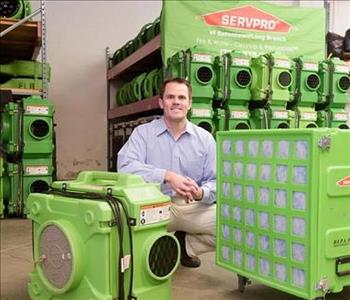
ServPro Team Majeski
Commercial CleaningWhen disaster strikes, SERVPRO Team Majeski is the team you can rely on to restore your residential or commercial property and peace of mind throughout our four service areas: Eatontown/Long Branch, Marlboro/Tinton Falls, Hackensack/Little Ferry, and Jersey City North/The Heights. We prioritize urgency, safety, clear communication, accessibility, and genuine care to help people and businesses get back to normal quickly with minimal disruption. We handle water, fire, smoke, mold, biohazard, mitigation, and construction, with the highest level of professionalism and expertise. Backed by a highly trained team and accessible leadership, we respond quickly, take decisive action, and work efficiently to minimize interruption, downtime, and stress. Our ability to tackle jobs of any size with consistent quality and professional-grade equipment, combined with the strength of a national brand and the responsiveness of local ownership, makes us a trusted partner for both residential and commercial clients. We are driven by long-term goals, a commitment to growth, and a focus on helping people through challenging moments with integrity and reliability.Each job is a chance for us to restore normalcy and provide relief, ultimately making it feel like it never even happened.