Compassionate Support and Meaningful Living at MorningStar Senior Livi
MorningStar Assisted Living & Memory Care at Observatory Park
For more information about the author, click to view their website: MorningStar Senior Living at Observatory Park
Jun 19, 2026
Colorado - Denver Metro


Compassionate Support and Meaningful Living at MorningStar Senior Living at Observatory Park
A dementia or Alzheimer’s diagnosis changes life in ways families often never expected. What begins as occasional forgetfulness can gradually evolve into more significant cognitive challenges that affect daily routines, communication, safety, and overall well-being.
For families, the journey can feel emotional, uncertain, and overwhelming.
Questions often arise quickly:
- Is home still safe?
- How can we provide the best care?
- What support is available?
- When is memory care the right next step?
These decisions are rarely easy.
But the right support can make an enormous difference.
For families in Denver, Colorado, communities like MorningStar Senior Living at Observatory Park provide specialized memory care designed to support residents with compassion, dignity, and purpose.
Their memory care services focus on creating safe, structured, and meaningful daily experiences for individuals living with cognitive decline.
What Is Memory Care?
Memory care is a specialized form of senior living designed specifically for individuals living with:
- Alzheimer’s disease
- Dementia
- Memory loss
- Cognitive decline
Unlike traditional assisted living, memory care communities provide enhanced support and environments built around the unique needs of individuals with memory impairment.
These communities often offer:
- Secure environments
- Specialized staff training
- Personalized care plans
- Structured routines
- Cognitive engagement programs
The goal is to provide safety while improving quality of life.
Memory care focuses not only on support—but also on preserving dignity, comfort, and meaningful daily connection.
Why Memory Care Matters in Denver
Denver is home to a growing senior population and offers access to excellent healthcare resources, family support networks, and specialized senior care services.
Many families want loved ones to remain close to:
- Family members
- Medical providers
- Familiar neighborhoods
- Community connections
Remaining local allows families to stay involved and connected throughout the care journey.
As dementia progresses, having access to specialized memory care becomes increasingly important.
Families often find peace of mind knowing their loved one is receiving expert care in a safe, supportive environment.
Challenges Families Face with Dementia Care
Caring for a loved one with dementia at home can become increasingly difficult.
Families often face challenges such as:
- Wandering
- Medication management
- Behavioral changes
- Sleep disruption
- Safety concerns
- Caregiver burnout
Even the most devoted family caregivers can eventually feel overwhelmed.
This is common.
The emotional, physical, and mental demands of caregiving can become significant over time.
Choosing memory care is not giving up.
In many cases, it is one of the most compassionate decisions families can make.
It ensures loved ones receive specialized care designed around their needs.
What Makes Memory Care Different?
Memory care goes beyond basic assistance with daily tasks.
It provides structured support tailored to cognitive challenges.
Key features often include:
Secure and Safe Environments
Safety is a top priority in memory care.
Communities are designed to reduce risks associated with:
- Wandering
- Falls
- Confusion
- Disorientation
Secure layouts allow residents to move safely while maintaining comfort and familiarity.
Structured Daily Routines
Routine helps reduce confusion and anxiety.
Predictable schedules create comfort and stability.
Daily routines often include:
- Meals
- Activities
- Social interaction
- Quiet time
- Rest periods
Structure supports emotional wellness.
Specialized Cognitive Engagement
Meaningful engagement remains essential for quality of life.
Memory care programs often include activities such as:
- Music therapy
- Art
- Gentle exercise
- Brain games
- Sensory activities
- Social interaction
These activities help create joy, connection, and purpose.
Personalized Support
Every dementia journey is different.
Personalized care plans ensure residents receive support based on their needs, preferences, and stage of cognitive decline.
Individualized care improves comfort and daily quality of life.
How MorningStar Senior Living at Observatory Park Supports Residents
MorningStar Senior Living at Observatory Park focuses on creating a nurturing environment where residents feel safe, respected, and valued.
Their philosophy emphasizes compassionate care, meaningful connection, and daily support tailored to each resident.
Quality memory care means meeting residents where they are.
It means supporting both physical and emotional needs.
The goal is to help residents experience comfort, dignity, and meaningful moments every day.
Supporting Families Through the Journey
Memory loss impacts the entire family.
Adult children and spouses often carry significant emotional burdens.
Common feelings include:
- Stress
- Guilt
- Exhaustion
- Uncertainty
- Emotional overwhelm
Families need support too.
The right memory care community helps reduce caregiving burdens while offering reassurance and guidance.
This support improves life for both residents and families.
Knowing When Memory Care May Be Needed
Families often wonder when memory care becomes the right next step.
Common signs include:
- Increased confusion
- Wandering behavior
- Missed medications
- Safety concerns
- Frequent disorientation
- Caregiver burnout
Recognizing these signs early allows families to plan thoughtfully.
Planning before a crisis often leads to better outcomes.
Preserving Dignity and Quality of Life
A dementia diagnosis changes many things, but it does not change the importance of dignity, connection, and joy.
Quality memory care helps residents continue experiencing meaningful moments.
This may include:
- Social connection
- Emotional comfort
- Personalized routines
- Daily engagement
Even small moments matter.
Those moments can create meaningful quality of life for residents and families alike.
Guidance Families Can Trust
Choosing memory care is one of the most emotional decisions families face.
Trust matters deeply.
Families need confidence that loved ones will be treated with compassion, respect, and expertise.
Tina Collins of MorningStar Senior Living at Observatory Park shares:
“Memory care is about creating meaningful moments while providing safety, comfort, and compassion. Our goal is to support residents and families through every stage of the journey.”
That philosophy reflects what exceptional memory care should provide.
Why Families Choose MorningStar Senior Living at Observatory Park
Families in Denver often choose MorningStar because they value:
- Specialized memory care
- Compassionate support
- Safe environments
- Personalized care
- Meaningful engagement
These services help residents live with dignity while giving families peace of mind.
FAQs About Memory Care in Denver, CO
What is memory care?
Memory care is specialized senior care for individuals living with dementia or Alzheimer’s.
How is memory care different from assisted living?
Memory care provides secure environments and specialized support for cognitive challenges.
When should families consider memory care?
When safety, daily function, or caregiver stress becomes difficult to manage.
Can memory care improve quality of life?
Yes. Quality memory care supports safety, comfort, and meaningful engagement.
Find Trusted Memory Care Resources with Seniors Blue Book
Choosing memory care can feel overwhelming, but the right support makes a meaningful difference.
Seniors Blue Book helps families connect with trusted senior care providers across Colorado.
To learn more about MorningStar Senior Living at Observatory Park, visit their Seniors Blue Book listing and explore memory care resources designed to support safety, dignity, and quality of life.
The right memory care community can provide more than care—it can provide comfort, connection, and peace of mind throughout every stage of the journey.

Other Articles You May Like
Memory Care in Golden, CO
When a loved one begins to struggle with memory, families often feel they are losing someone little by little. There may be missed medications, wandering, confusion in familiar places, or nights when no one in the household gets any sleep. Caring for someone with Alzheimers disease or another form of dementia at home can be rewarding, but it can also become exhausting and unsafe over time. Many families in Golden reach a point where they ask whether a specialized setting would be better for everyone.What Is Memory Care?Memory care is a type of senior living designed specifically for people with Alzheimers disease, dementia, and other memory impairments. It combines housing, personal care, and daily support with a secure environment and staff who are trained to understand the unique needs of people with memory loss.Memory care communities typically offer secured entrances and exits, calm and easy to navigate layouts, structured daily routines, and activities meant to engage the mind and bring comfort. Staff help with bathing, dressing, medications, and meals, and they use approaches that reduce confusion and anxiety.Memory care is best for individuals who may wander, who are confused about time or place, or who need more supervision than a standard assisted living setting can provide. It is also for families who need relief from round-the-clock caregiving and want to know their loved one is safe and well cared for.Golden Lodge Assisted Living and Memory CarePhone: 720-605-2111 Address: 1111 Newstar Way, Golden, CO 80403About the CommunityGolden Lodge is a locally owned and operated senior living community that offers memory care, assisted living, and respite services. It is described as Goldens newest senior living community and is located at the foot of the Rocky Mountains. The community was designed with a separate single-story building for memory care, which helps create a quieter, easier to navigate setting for residents who benefit from a more focused environment.The Memory Care NeighborhoodThe memory care residence at Golden Lodge is a secured unit with studio apartments. Listings for the community describe 36 memory care units, a secured courtyard, and a closely monitored building that helps keep residents safe. A secured courtyard gives residents a chance to enjoy fresh air and the outdoors without the risk of wandering off, which is a priority for many families.Care and SupportResidents receive support tailored to their individual needs. Services listed for the community include help with personal care, medication management, diabetic care, and incontinence care. Doctor visits are also listed among the services available, which can make it easier to keep up with medical care without the stress of travel.The care approach centers on dignity and comfort, with support meant to help residents feel calm and secure. The community describes mind-stimulating activities and spiritual and emotional support, including meditation, faith-based services, and counseling.Dining and NutritionGood nutrition plays an important role for people living with dementia. Golden Lodge provides three chef-prepared meals each day in a restaurant-style setting, along with healthy snacks. Dietary accommodations, such as low sodium options, are available, so residents with special diets can still enjoy their meals.Activities and Daily LifeAn activities director plans programs that keep residents engaged, such as social events, gardening, and other activities suited to different abilities. Predictable routines and purposeful activities can help reduce anxiety and bring moments of joy, even as memory changes.Respite and FlexibilityGolden Lodge offers respite care on a daily, weekly, or monthly basis. For family caregivers who are worn down, a respite stay can offer rest and a chance to see how their loved one adjusts to a new setting. The community also offers assisted living, so families can talk with the team about how care may change over time.Cost and PricingMemory care typically costs more than standard assisted living because of the added supervision and specialized support, and published estimates for Golden Lodge vary by source. The best way to get accurate current pricing is to call the community directly at 720-605-2111 and ask what is included in the monthly rate.Why This Matters LocallyMemory care works best when families can stay involved. A loved one with dementia often benefits from regular visits from familiar faces, and a community close to home makes that possible. Families in Golden and the surrounding Jefferson County area can choose a memory care option nearby, so spouses, children, and grandchildren can visit often, join meals, and stay part of daily life.Local ownership can also help. Families often want to meet the people who will care for their loved one, ask questions in person, and build a relationship with the team. A locally owned community in Golden makes that kind of hands-on connection easier than choosing a facility far from home.How to Get Started Talk with your loved ones doctor. Ask for a clear picture of their diagnosis, current abilities, and the level of supervision they need. Notice the warning signs. Wandering, unsafe behavior, missed medications, and caregiver burnout are common signs it may be time to consider memory care. Gather important documents. Have medical records, medication lists, and legal paperwork such as power of attorney ready. Set a budget. Review savings, income, long-term care insurance, and veterans benefits so you know what options are realistic. Call Golden Lodge at 720-605-2111. Ask about availability, suite options, pricing, and how the memory care team supports residents. Tour in person. Pay attention to how staff speak with residents, how secure and calm the space feels, and how the courtyard and common areas are used. Ask about the care plan. Ask how needs are assessed, how care is adjusted, and how the team communicates with families. Plan a gentle transition. Bring familiar photos, furniture, and favorite items, and ask the team for advice on making move-in day as calm as possible. Related CategoriesFamilies researching memory care often explore related options. Assisted Living Hospice Skilled Nursing
Memory Care in Boulder, CO
When someone you love begins to forget familiar faces, wander from home, or struggle with everyday tasks, the whole family feels it. Many families in Boulder try to manage on their own for as long as they can, and then reach a point where safety, exhaustion, or changing needs make it clear that more support is necessary. That moment is rarely easy, and the options can feel overwhelming.Memory care is designed for exactly this stage. It offers a secure setting, specially trained staff, and daily routines built around the needs of people living with Alzheimers disease and other forms of dementia. This guide explains what memory care is, who it is for, and how two Boulder communities approach it, so you can make a confident and informed choice for your family.What Is Memory Care?Memory care is a type of senior living built specifically for people with Alzheimers disease, dementia, or other forms of memory loss. It combines housing, personal care, meals, and supervision in a secure environment, with staff who understand how memory loss changes behavior, communication, and routine.Memory care communities typically offer: Secured entrances and exits to help prevent wandering Staff available around the clock Help with bathing, dressing, grooming, and medications Structured activities that support memory, connection, and calm Dining designed for comfort and nutrition Care plans that are updated as needs change Who Is Memory Care For?Memory care is generally a good fit when a person with memory loss needs more supervision and hands-on help than they can safely receive at home or in standard assisted living. Common signs include wandering, repeated safety concerns such as leaving the stove on, confusion about time and place, changes in sleep patterns, difficulty with personal care, and caregiver burnout.How Memory Care Differs from Assisted LivingAssisted living supports people who need help with daily activities but can largely manage their own routines. Memory care adds a secured setting, higher staffing levels, and programming specifically for cognitive decline. Some communities offer both on one campus, which can make it easier to move to a higher level of support later without leaving a familiar community.2 Memory Care Communities in Boulder, COMorningStar Assisted Living & Memory Care of BoulderPhone: 720-809-8715Address: 575 Tantra Drive, Boulder, CO 80305MorningStar Assisted Living & Memory Care of Boulder offers both assisted living and memory care on one campus. Its memory care neighborhood, called Reflections, features 46 suites designed for residents living with Alzheimers disease and other forms of dementia. The community opened in 2015 with 94 suites in total, 48 for assisted living and 46 for memory care.Because assisted living and memory care share the same community, families have the option to start with one level of care and move to another as needs change. That continuity can be especially comforting for couples or for families who want to avoid a second move during a difficult time.Services at the community include medication management and support for residents with memory loss, along with life enrichment activities and dining. MorningStar of Boulder is part of MorningStar Senior Living, a Colorado-based family of communities founded in 2003. Reviewers on senior living sites often describe the staff as warm and responsive, and the tour experience as helpful. As with any community, it is wise to visit in person and ask about staffing, communication with families, and how care plans are updated.The Meadows Assisted Living at Frasier, Memory SupportPhone: 720-562-4473Address: 4950 Thunderbird Drive, Boulder, CO 80303The Meadows Assisted Living at Frasier offers memory support in a smaller, close-knit setting with 19 secure memory support apartments, including different studio floor plans and one bedroom options. Residents live on Frasiers 20-acre campus in a residential part of Boulder, which brings a more neighborhood feel than many larger communities.Frasier is a life plan community, which means the full range of care sits on one campus: independent living, assisted living, memory support, skilled nursing, and day programs. If a memory support resident later needs round-the-clock nursing or rehabilitation, The Summit Care Center, Frasiers skilled nursing neighborhood, is on the same grounds. Physical, speech, and occupational therapy are also available.Frasiers philosophy is that residents can continue to learn and grow at any age, even with cognitive challenges. Staff, residents, and families work together to build a personal, whole-person care plan for each resident. Staff is scheduled 24 hours a day, seven days a week. Frasier is a nonprofit community affiliated with the Rocky Mountain United Methodist Conference and is licensed by the State of Colorado.Two practical points are worth knowing. The Meadows does not accept Medicaid, though many long-term care insurance policies cover licensed assisted living and memory support. Frasier also lists different monthly fees for members, who have paid an entrance fee, and non-members, so ask for the current fee sheet. Pricing is listed starting around $12,165 per month, so call to confirm current rates.Why This Matters LocallyBoulder is a community that values connection, health, and the outdoors, and families here often want their loved ones to stay close to home. Choosing a memory care community in Boulder means visits are easier, doctors and specialists are nearby, and family members can stay involved in daily life instead of making long drives.Local options also tend to reflect the character of the area. Smaller, home-like settings and campus communities with multiple levels of care are both available, which gives families real choices about size, atmosphere, and how much future flexibility they want. Because memory care is a long-term decision, being close enough to visit often can make a meaningful difference in how connected your loved one stays.It also helps to be aware of cost. Memory care is typically a private-pay expense. Medicare does not generally cover long-term custodial care, so many Boulder families use savings, long-term care insurance, or veterans benefits. Understanding this early helps you plan with fewer surprises.How to Get Started Talk with your loved ones doctor. A physician can confirm a diagnosis, describe the level of care needed, and provide any paperwork communities request. Write down the daily challenges. Note safety concerns, wandering, medication needs, sleep, and personal care. This helps communities tell you honestly whether they are a fit. Set a budget and review funding. Look at savings, income, long-term care insurance, and eligibility for veterans benefits. Ask each community how fees are structured. Call and schedule tours. Reach out to MorningStar at 720-809-8715 and The Meadows at 720-562-4473. Visit at different times of day if you can. Ask the right questions. Ask about staffing levels at night, staff training in dementia care, how care plans change, how families are updated, and what happens if needs increase. Observe daily life. Notice whether residents look engaged and comfortable, how staff speak to them, and whether the space feels calm and welcoming. Review the agreement carefully. Understand fees, level-of-care charges, and move-out policies before you sign. Plan the transition. Bring familiar photos, furniture, and favorite items to help your loved one settle in, and ask the community how it supports new residents. For education and emotional support, the Alzheimers Association offers a free 24/7 Helpline at 800-272-3900.A quick note: details in this guide come from public sources and can change. Call each community to confirm availability, pricing, and services before you decide.Related Categories Assisted Living Skilled Nursing Independent Living
What Level of Senior Care Does My Parent Need?
The right level of senior care depends on what a person can safely do each day, the type of help they need, and how often that help must be available. Independent living may suit someone who manages personal care but wants fewer household responsibilities. Assisted living supports everyday tasks. Memory care is designed for people whose cognitive changes call for specialized support, while long-term nursing care serves people with more extensive ongoing care needs. A short-term rehabilitation stay serves a different purpose: recovery after illness, injury, or hospitalization. Families in Greeley, Colorado, often encounter these terms while making decisions under pressure. Understanding the differences can turn a confusing search into a more useful conversation about a loved ones actual needs. Independent Living: Fewer Chores, More Personal FreedomIndependent living is generally a good fit for an older adult who can bathe, dress, take medications, and manage most daily decisions independently. The appeal is a residential setting with opportunities for social connection and less responsibility for maintaining a home.At Grace Pointe Senior Care Community, independent living includes private apartments with nearby medical expertise and 24-hour emergency response systems. Families should still confirm which services are part of independent living and which require a different level of care. An emergency response system does not replace routine personal or nursing assistance. Assisted Living: Help with Daily ActivitiesAssisted living may be appropriate when someone needs ongoing help with bathing, dressing, moving around, medication routines, or getting to meals, but does not necessarily require continuous nursing care. It should support independence where possible, not take over every decision.For example, a parent who can enjoy activities and make personal choices but needs assistance with bathing and reminders about medication may benefit from a personalized assisted living plan. Ask how often staff check in, which services are available, and how the plan is updated after a health change. Memory Care: Support for Cognitive ChangesMemory care addresses needs associated with Alzheimers disease and other forms of dementia. Those needs can include difficulty finding the way around, changes in judgment, distress, or requiring frequent prompts to complete familiar activities. Not everyone with memory loss immediately needs memory care; an assessment should consider both cognition and day-to-day safety.Grace Pointe describes its memory care approach as care for the person rather than the diagnosis. Its team receives specialized training, and the program includes activities designed around residents interests and abilities. During a visit, ask how staff respond to confusion, communicate with families, adapt activities, and determine when a resident needs additional support. Long-Term Nursing Care: More Extensive Ongoing SupportA person may need long-term nursing care when medical needs or physical limitations exceed what assisted living can safely manage. Examples can include a need for close monitoring, substantial help with movement and personal care, or nursing support throughout the day and night. The appropriate setting depends on a clinical assessment, not simply a persons age.Grace Pointe offers long-term care with 24-hour monitoring and assistance from nurses and certified nursing assistants. Families should discuss the individuals medical needs, the available services, admission requirements, and payment arrangements directly with the community. Rehabilitation Is Often TemporaryRehabilitation is not another name for permanent senior housing. Following surgery, an injury, or a hospital stay, someone may need therapy and professional support to regain function before returning to their previous living arrangement. Grace Pointe has an on-site rehabilitation center that develops individualized therapeutic plans. Ask whether a particular rehabilitation program is appropriate for the patients goals and what the discharge plan would look like. What If My Parents Needs Change Later?A continuing care campus offers more than one kind of support in a shared location. That can simplify planning for families whose loved one may eventually need a different level of care. Grace Pointe provides independent living, assisted living, memory care, long-term care, and rehabilitation services on its Greeley campus. The ability to move between settings depends on clinical suitability, assessments, and availability, so it is worth discussing transitions before they become urgent. Five Questions to Help Narrow the ChoiceCan my parent consistently bathe, dress, eat, and move safely without help?Are medication mistakes, wandering, or confusion becoming safety concerns?Is the need for support occasional, daily, or available around the clock?Is this a temporary recovery period or an ongoing change?What does my parent want, and what does their healthcare team recommend? Write down concrete examples before talking with a community. A recent fall, missed medications, or new nighttime confusion tells the care team much more than saying a parent is slowing down. Include the older adult in decisions whenever possible and request a professional assessment when safety or medical needs are uncertain. Talk Through the Options with Grace PointeGrace Pointe Senior Care Community in Greeley can explain its different living and care options and help your family explore a personalized plan. Call (970) 304-1919 or visit https://gracepointegreeley.com/ to ask questions or schedule a tour.
Local Services By This Author
MorningStar Senior Living at Observatory Park
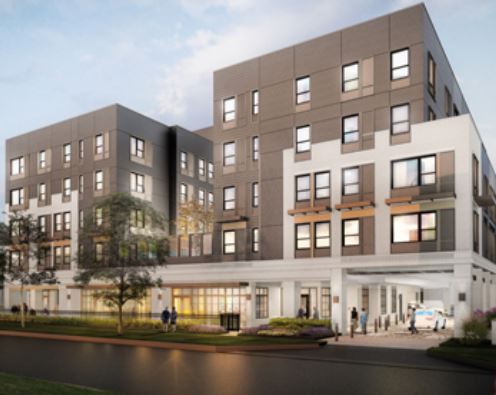
Assisted LivingMorningStar Assisted Living & Memory Care at Observatory Park offers exceptional assisted living South Denver seniors can rely on. MorningStar provides residents with freedom and choices, resort-style amenities, maintenance-free living and best-in-class dining and hospitality. We are a true home distinguished by comfort, wellness and love, made possible through a dedicated team.With 85,000 square feet across five-stories, we offer 83 assisted living and memory care suites available in a variety of floor plans and configurations that range from: 400 to 968 square feet, one- and two-bedrooms, equipped with large handicap-accessible bathrooms, high-end finishes and sweeping views from oversized windows.Located in the historic DU neighborhood in South Denver just blocks away from Observatory Park, the site of the Chamberlin Observatory and the University of Denvers beautiful campus. Proximity to two major hospitals in the area. 1.7 miles from Porter Adventist Hospital and 2.9 miles from Swedish Medical Center. The area is home to mature trees, lovely gardens, eclectic eateries, local coffee shops and a brewery. Wide streets and grassy lawns make for a lovely walk and include the scenic East Harvard Gulch Trail. Our own community offers groomed grounds, enclosed courtyard, a rooftop terrace and bocce ball court with striking city and mountain views. As an assisted living resident at MorningStar at Observatory Park, you will receive support for activities of daily living to help you maintain independence to the fullest extent possible. Our compassionate caregivers are available 24/7, along with access to licensed nurses, medication management and more. To meet the needs of those with Alzheimers or other forms of dementias, we provide holistic memory care individualized for each resident. Observatory Park also offers respite care, a relaxing environment to recuperate from illness or surgery; and trial stays (from a week to a month) to try out our community without commitment. Our amenities, hospitality services and wellness programs provide residents the ideal environment to foster new interests, hobbies and address personal needs.MorningStar at Observatory Parks unique mission statement to honor, to serve, to invest sets us apart from other senior living communities. Please contact us to learn more about the most trusted assisted living Denver offers.

MorningStar Senior Living at Observatory Park
Memory CareMorningStar Assisted Living & Memory Care at Observatory Park offers exceptional assisted living South Denver seniors can rely on. MorningStar provides residents with freedom and choices, resort-style amenities, maintenance-free living and best-in-class dining and hospitality. We are a true home distinguished by comfort, wellness and love, made possible through a dedicated team.With 85,000 square feet across five-stories, we offer 81 assisted living and memory care suites available in a variety of floor plans and configurations that range from: 400 to 968 square feet, one- and two-bedrooms, equipped with large handicap-accessible bathrooms, high-end finishes and sweeping views from oversized windows.Located in the historic DU neighborhood in South Denver just blocks away from Observatory Park, the site of the Chamberlin Observatory and the University of Denvers beautiful campus. Proximity to two major hospitals in the area. 1.7 miles from Porter Adventist Hospital and 2.9 miles from Swedish Medical Center. The area is home to mature trees, lovely gardens, eclectic eateries, local coffee shops and a brewery. Wide streets and grassy lawns make for a lovely walk and include the scenic East Harvard Gulch Trail. Our own community offers groomed grounds, enclosed courtyard, a rooftop terrace and bocce ball court with striking city and mountain views. As an assisted living resident at MorningStar at Observatory Park, you will receive support for activities of daily living to help you maintain independence to the fullest extent possible. Our compassionate caregivers are available 24/7, along with access to licensed nurses, medication management and more. To meet the needs of those with Alzheimers or other forms of dementias, we provide holistic memory care individualized for each resident. Observatory Park also offers respite care, a relaxing environment to recuperate from illness or surgery; and trial stays (from a week to a month) to try out our community without commitment. Our amenities, hospitality services and wellness programs provide residents the ideal environment to foster new interests, hobbies and address personal needs.Our Reflections Neighborhood provides compassionate, dedicated memory care for those with Alzheimers and other forms of dementia. We train our entire team in MorningStars own Lavender Sky philosophy and programming of supported living for the memory-impaired.MorningStar at Observatory Parks unique mission statement to honor, to serve, to invest sets us apart from other senior living communities. Please contact us to learn more about the most trusted assisted living Denver offers.