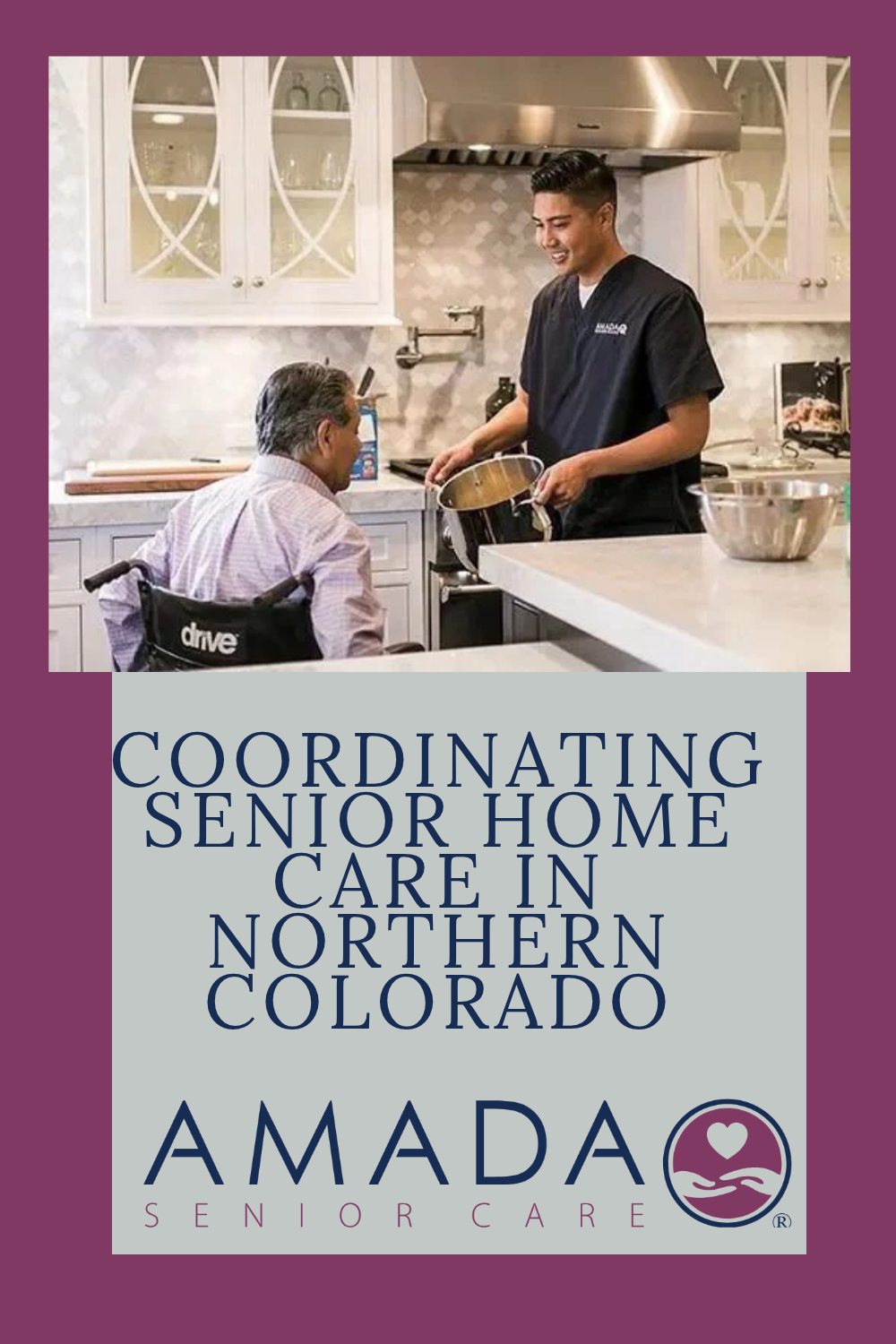
Coordinating Senior Home Care in Northern Colorado
Amada Senior Care
For more information about the author, click to view their website: Amada Senior Care
Oct 17, 2026
Colorado - Northern Colorado


Coordinating Senior Home Care in Northern Colorado
A handwritten note on the refrigerator says, "Mom has a haircut Thursday."
Another note reminds someone to buy milk. A third contains a phone number nobody recognizes.
Meanwhile, one family member thinks the groceries were ordered, another assumes the laundry is finished, and a caregiver is trying to understand which activities matter most to the person receiving assistance.
Sound familiar?
When several people help an older adult remain at home, important details can easily get lost between conversations, text messages, and busy schedules.
For families throughout Northern Colorado, a simple home care communication system can turn scattered information into a more organized daily routine.
Amada Senior Care provides personalized non-medical home care in Northern Colorado, helping seniors and families coordinate everyday assistance while maintaining familiar lifestyles.
Why Good Home Care Requires Good Communication
Senior care often involves more people than families initially realize.
An older adult may receive help from adult children, neighbors, professional caregivers, and other trusted individuals.
Each person contributes something valuable, but without a shared understanding of responsibilities, everyday tasks may be overlooked or unnecessarily repeated.
For example, one relative might assume someone else arranged transportation. Another may purchase groceries that are already in the refrigerator.
These situations aren't necessarily caused by a lack of effort. Often, everyone is working with different information.
A clear communication plan helps identify responsibilities, recognize changing needs, and maintain consistency without requiring constant phone calls.
Start With a Simple Home Care Communication Log
A communication log doesn't need expensive software or complicated forms.
For many households, a notebook kept in an agreed location can provide a useful starting point.
The purpose is to document practical information that helps everyone understand what happened and what needs attention.
What Should Go Into the Log?
Consider including five sections:
- Daily activities: Meals prepared, errands completed, and household tasks.
- Upcoming responsibilities: Appointments, shopping trips, and scheduled visits.
- Personal preferences: Favorite activities, preferred routines, and important requests.
- Observations: Changes in everyday abilities or behavior that may need attention.
- Follow-up tasks: Questions or concerns requiring a response from the appropriate person.
Keep entries brief, factual, and respectful.
Rather than writing, "Dad was difficult today," document a specific observation, such as, "Dad preferred to postpone his afternoon walk because he felt tired."
This communicates useful information without making judgments.
The Three-Minute Caregiver Handoff
One of the most valuable communication habits is a short update whenever caregiving responsibilities change hands.
It doesn't need to become a formal meeting.
A three-minute conversation can cover three essential questions:
1. What Happened Today?
Share completed activities, including meals, errands, or scheduled tasks.
If an older adult enjoyed a particular activity, mention it.
Positive observations help caregivers understand which routines bring comfort and enjoyment.
2. What Needs Attention?
Identify unfinished tasks, upcoming commitments, or concerns.
For example, a caregiver might explain that a prescription pickup still needs to be arranged.
Any concerning health changes should be communicated promptly through the appropriate channels rather than waiting for the next routine update.
3. What Matters Tomorrow?
Discuss the next day's priorities.
Perhaps the senior wants to attend a family gathering, prepare a favorite recipe, or receive assistance with bathing before breakfast.
A short handoff helps the next caregiver begin with a clear understanding of the person's preferences.
Keep the Senior at the Center of Every Update
A communication system should never make an older adult feel as though everyone is discussing their life without including them.
Whenever possible, invite the senior to participate.
Ask questions such as:
- "What would you like help with tomorrow?"
- "Is there anything you'd prefer to do differently?"
- "Which activities would you like to keep doing yourself?"
- "Who would you like us to contact about your schedule?"
Personal preferences should guide caregiving arrangements whenever possible.
Coordinating Care Across Northern Colorado Communities
Northern Colorado families often balance responsibilities across several cities.
An adult child living in Fort Collins may help a parent in Loveland, while another relative works in Greeley or Windsor.
The distance between communities can make spontaneous visits difficult, especially when work schedules and other family obligations overlap.
A shared calendar can help families coordinate responsibilities more effectively.
Use One Schedule Everyone Understands
Whether families prefer a paper calendar or a secure digital tool, it should clearly identify:
- Who is providing assistance.
- What time visits are scheduled.
- Which appointments are coming up.
- Who is responsible for transportation.
- Which tasks still need attention.
For digital systems, obtain the older adult's permission before sharing personal information and limit access to authorized individuals.
Know When Community Resources Can Help
The Larimer County Office on Aging offers information, caregiver resources, and assistance identifying services for older adults in communities including Fort Collins and Loveland.
Its Answers on Aging Resource Guide helps families explore local programs.
For residents of Greeley and other Weld County communities, the Weld County Area Agency on Aging provides information about available aging-related services and caregiver resources.
These organizations can complement privately arranged non-medical home care by helping families understand additional community support options.
How Amada Senior Care Helps Families Coordinate Daily Assistance
Amada Senior Care in Northern Colorado provides non-medical in-home support tailored to each older adult's needs, habits, and preferences.
Its services include assistance with:
- Bathing, dressing, and personal care.
- Meal preparation and grocery shopping.
- Light housekeeping.
- Medication reminders.
- Walking and mobility.
- Transportation and everyday errands.
- Companionship and meaningful activities.
The company's care planning process incorporates input from clients and their families.
Amada also describes regular check-ins with caregivers, clients, and families to review changing needs and adjust services when appropriate.
Families can discuss communication preferences during the initial consultation, including who should receive routine updates and how concerns should be reported.
Because every household has different needs, the communication process should be established as part of the individualized care arrangement.
Know When a Written Note Isn't Enough
A communication log is useful for routine coordination, but it should never replace urgent conversations.
If a caregiver observes sudden confusion, a serious fall, breathing difficulties, or another potentially dangerous situation, immediate action may be necessary.
Call 911 for medical emergencies.
For non-emergency health concerns, contact the appropriate healthcare professional and follow the established care plan.
Professional non-medical caregivers can document observations and communicate concerns, but medical diagnosis and treatment remain the responsibility of qualified healthcare providers.
Clear boundaries help ensure important information reaches the right person.
Frequently Asked Questions About Home Care Coordination in Northern Colorado
1. How Can Families Improve Communication With Home Caregivers?
Begin with a shared schedule, clearly defined responsibilities, and an agreed method for routine updates. Ask the home care agency how communication and changes to the care plan are handled.
2. Does Amada Senior Care Offer Personalized Care Plans?
Yes. Amada Senior Care develops individualized non-medical home care plans based on client needs, preferences, and family input. Contact its Northern Colorado team to discuss specific services and communication arrangements.
3. Can Family Members Help Coordinate Care From Different Northern Colorado Cities?
Yes. Families can use shared calendars, scheduled check-ins, and authorized communication channels to coordinate responsibilities between Fort Collins, Loveland, Greeley, Windsor, and surrounding communities.
4. Where Can Families Find Additional Senior Care Resources in Northern Colorado?
The Larimer County Office on Aging and Weld County Area Agency on Aging provide aging-related information, referrals, and caregiver resources. Availability and eligibility vary by program.
Make Everyday Senior Care Easier to Coordinate
Good communication doesn't require everyone to be available every minute.
It requires a reliable way to share information, clarify responsibilities, and keep the older adult's wishes at the center of daily decisions.
A simple care log, consistent updates, and clearly defined responsibilities can make caregiving more organized for everyone involved.
Amada Senior Care in Northern Colorado helps older adults manage daily activities through personalized non-medical home care while working with families to establish appropriate support.
Whether your loved one needs assistance with personal care, meal preparation, companionship, or household responsibilities, Amada can help you explore caregiving options.
Looking for reliable non-medical home care in Northern Colorado?
Visit the Amada Senior Care listing on Seniors Blue Book to learn more about available services and connect with their team.
Discover how personalized caregiving and thoughtful coordination can help make everyday life more manageable for seniors and their families.
Other Articles You May Like
Supporting Senior Couples at Home in Northern Colorado
Supporting Senior Couples at Home in Northern ColoradoFor 45 years, they divided household responsibilities without much discussion. She handled the cooking. He took care of the shopping and household repairs. Together, they built a comfortable routine.Then something changed.A health condition made everyday tasks more difficult for one spouse. Suddenly, the other was preparing meals, managing appointments, handling laundry, and providing personal assistance.The relationship was still strong, but their daily responsibilities had changed dramatically.This situation is familiar to many older couples throughout Northern Colorado. When one partner begins needing additional assistance, the other often becomes the primary caregiver without fully anticipating the demands involved.Amada Senior Care provides personalized non-medical home care throughout Northern Colorado, helping older adults receive everyday assistance while allowing couples to preserve familiar routines, shared experiences, and meaningful time together.When Marriage Becomes a Caregiving PartnershipMarriage often involves supporting each other through life's challenges. However, becoming a spouse's primary caregiver introduces responsibilities that may be unfamiliar.A husband who once managed household finances may now need help dressing. A wife who enjoyed preparing family dinners may begin struggling with standing for extended periods.These changes can affect both individuals.The spouse providing assistance may gradually take responsibility for nearly every household task. Meanwhile, the partner receiving care may feel frustrated about needing help with activities they previously managed independently.Neither experience is unusual.Recognizing these changing responsibilities allows couples to discuss what assistance would make everyday life more comfortable.Protecting the Relationship Beyond CaregivingOne important consideration often gets overlooked: Couples still need opportunities to enjoy their relationship outside daily care responsibilities.When every conversation revolves around medications, appointments, meals, or household chores, familiar moments of connection may become less frequent.Make Room for Shared ExperiencesCouples may benefit from maintaining simple activities they have always enjoyed together.These might include:Drinking morning coffee together without rushing.Watching a favorite television program.Sharing meals at their usual dining table.Looking through family photographs.Enjoying a short outing when appropriate.Spending time with visiting grandchildren.These experiences help preserve the personal connection that existed long before caregiving became necessary.Professional non-medical caregivers can assist with certain daily responsibilities, potentially giving couples more time and energy for activities they enjoy.Divide Responsibilities Without Creating ResentmentOne of the biggest challenges for senior couples is determining which tasks each person can realistically manage.The goal shouldn't be to recreate an earlier household arrangement exactly. Instead, couples can develop a new routine that respects their current abilities.Identify Tasks That Have Become DifficultBegin by reviewing everyday responsibilities.Consider meal preparation, grocery shopping, bathing, dressing, housekeeping, transportation, and mobility assistance.Ask which activities are manageable and which have become physically demanding or stressful.Some tasks may require occasional help, while others may benefit from regularly scheduled assistance.Let Both Partners Participate in DecisionsWhenever possible, include both spouses in discussions about home care.The person receiving assistance should have opportunities to express preferences about personal care, daily routines, and caregiver compatibility.The spouse providing assistance should also feel comfortable discussing practical limitations.A successful care arrangement considers the well-being of both individuals rather than focusing exclusively on completing household tasks.How Non-Medical Home Care Supports Senior CouplesAmada Senior Care in Northern Colorado provides non-medical assistance tailored to individual needs and preferences.Its professional caregivers help older adults manage activities of daily living and everyday household responsibilities.Available services include assistance with bathing, dressing, walking, medication reminders, meal preparation, light housekeeping, transportation, and companionship.Personal Care Without Placing Every Responsibility on a SpouseHelping a partner bathe, dress, or move around the home can become physically demanding.Professional caregivers may provide assistance with these activities according to an individualized care plan.This can reduce the amount of hands-on assistance a spouse must provide while supporting the older adult's privacy and dignity.Helping Maintain Household RoutinesWhen one partner needs additional assistance, familiar household responsibilities can become difficult to manage.A caregiver may help prepare meals, complete light housekeeping, or assist with essential errands.These services can make daily routines more manageable without requiring couples to completely change how they live.Providing Assistance That Fits the HouseholdSome couples need support during busy mornings. Others may benefit from assistance several afternoons each week.Amada develops customized care plans based on the client's needs, preferences, and family input.Families should discuss scheduling, caregiver availability, service limitations, and household responsibilities during their consultation.Maintaining Familiar Lifestyles in Northern ColoradoNorthern Colorado offers a combination of established neighborhoods, growing communities, and rural surroundings.Senior couples living in Fort Collins, Loveland, Greeley, Windsor, or nearby communities may have spent decades building connections with neighbors, local organizations, and familiar businesses.For some, remaining at home means continuing to enjoy a garden or nearby walking path. Others value attending religious services, visiting relatives, or maintaining lifelong friendships.Non-medical home care can help support these routines through appropriate assistance with transportation, mobility, and everyday activities.Finding Additional Community ResourcesCouples in Fort Collins and Loveland can explore aging-related information through the Larimer County Office on Aging.The Weld County Area Agency on Aging provides information, caregiver support, and community resources for eligible residents of Greeley and surrounding Weld County communities.These organizations may help families explore additional services that complement privately arranged in-home care.Recognizing When a Spouse Needs Additional HelpMany older adults hesitate to request assistance because they believe caregiving is simply part of marriage.However, recognizing personal limitations is an important part of maintaining a sustainable household routine.Consider whether caregiving responsibilities are interfering with sleep, personal appointments, hobbies, or other essential activities.If helping a spouse move, bathe, or complete daily tasks has become physically difficult, professional assistance may be appropriate.Working With Amada Senior CareAmada Senior Care's Northern Colorado team helps families explore non-medical home care options through personalized consultations.The company emphasizes individualized care planning and caregiver matching based on client needs and preferences.Amada also provides assistance navigating long-term care insurance benefits, helping families understand policies and available coverage options.Because insurance benefits vary, families should confirm eligibility, documentation requirements, and potential out-of-pocket expenses before arranging services.The goal is to establish practical assistance that respects the older adult's preferences while supporting a manageable daily routine.Frequently Asked Questions About Home Care for Senior Couples in Northern Colorado1. Can Amada Senior Care Help When Only One Spouse Needs Assistance?Yes. Amada provides individualized non-medical home care for older adults who need help with everyday activities. Couples can discuss the specific assistance required and how caregiving visits may fit into their household routine.2. Can Professional Home Care Reduce Responsibilities for a Spouse?Yes. Depending on the care plan, professional caregivers may assist with personal care, meal preparation, light housekeeping, and other daily tasks. This can allow the other spouse to spend less time managing hands-on caregiving responsibilities.3. Can Senior Couples Choose How Frequently Caregivers Visit?Amada offers flexible care arrangements based on individual needs and scheduling availability. Families should discuss visit minimums, preferred times, and service frequency directly with the Northern Colorado team.4. Where Can Northern Colorado Couples Find Additional Caregiving Resources?The Larimer County Office on Aging and Weld County Area Agency on Aging provide information about caregiver support, community programs, and aging-related services. Eligibility and availability depend on the specific program.5. Does Long-Term Care Insurance Cover Non-Medical Home Care?Some long-term care insurance policies cover qualifying non-medical home care services. Coverage depends on policy terms, benefit requirements, and eligibility. Amada Senior Care offers assistance understanding benefits and navigating claims.Supporting Each Other Shouldn't Mean Doing Everything AloneA lifelong partnership is built on shared experiences, familiar routines, and mutual understanding.When one spouse begins needing additional assistance, the relationship doesn't have to become defined entirely by caregiving responsibilities.The right support can help couples maintain meaningful activities, manage everyday tasks, and continue enjoying the comfort of their home together.Amada Senior Care in Northern Colorado provides personalized non-medical home care for older adults who need assistance with daily activities.Whether your household needs occasional personal care support, help with meals and errands, or more consistent caregiving assistance, Amada can help you explore available options.Looking for trusted non-medical home care for your spouse in Northern Colorado?Visit the Amada Senior Care listing on Seniors Blue Book to learn more about available services and connect with their team.Discover how personalized in-home care can help senior couples maintain their routines, share meaningful moments, and continue enjoying life together.
Helping Northern Colorado Seniors Manage Medical Appointments
Helping Northern Colorado Seniors Manage Medical AppointmentsA doctor's appointment might last just 20 minutes. Getting there, preparing for it, and following through afterward can take most of the day.For an older adult in Northern Colorado, a routine medical visit may involve finding transportation, gathering paperwork, remembering questions, navigating a large medical building, and understanding instructions afterward.These responsibilities can become increasingly difficult when mobility limitations, fatigue, or memory changes are involved.While medical professionals provide diagnosis and treatment, non-medical home care can help seniors manage the everyday responsibilities surrounding their healthcare visits.Amada Senior Care, serving Northern Colorado, offers personalized in-home assistance that can help older adults prepare for appointments, arrange transportation, and maintain essential daily routines.The Challenges That Happen Outside the Exam RoomHealthcare appointments involve more than conversations with doctors.For seniors managing multiple medical conditions, a single visit may require considerable preparation.Common challenges include:Arranging reliable transportation.Getting dressed and ready on time.Managing mobility limitations.Remembering appointment details.Organizing medical documents.Navigating unfamiliar healthcare facilities.Completing errands after appointments.For older adults who live alone, these responsibilities may feel especially demanding.Family members often step in to help, but work schedules, childcare responsibilities, and travel distances can make consistent assistance difficult.Having dependable support with practical tasks can make healthcare appointments more manageable.Before the Appointment: Preparation Makes a DifferenceA successful medical visit often begins several days before the appointment.Organize Important InformationThe National Institute on Aging recommends bringing an updated medication list, insurance information, and written questions to healthcare appointments.Seniors may benefit from keeping essential documents in one location.Consider preparing a folder containing:Appointment confirmation and location.Insurance cards and identification.Current medication and supplement lists.Questions for the healthcare provider.Information about recent health changes.Emergency contact information.Non-medical caregivers may assist with organizing everyday materials and reminding clients about upcoming appointments.However, medical questions and medication decisions should always be directed to qualified healthcare professionals.Prepare Without RushingGetting ready for an appointment can take longer when someone experiences arthritis, reduced mobility, or difficulty dressing.Caregivers can help with personal care routines, clothing selection, and other daily activities.Allowing additional preparation time may help reduce unnecessary stress.A calm morning can make the entire appointment experience more comfortable.Getting There: Transportation Is Only Part of the JourneyNorthern Colorado includes established communities such as Fort Collins, Loveland, Greeley, Windsor, and surrounding towns.Healthcare appointments may require traveling between communities, particularly when a specialist practices outside the patient's immediate neighborhood.For someone who no longer drives, transportation can become a significant obstacle.More Than a RideTransportation assistance is not always limited to taking someone from one address to another.Depending on the individual's needs and the caregiver's approved responsibilities, additional help may include:Preparing to leave home.Walking to and from a vehicle.Carrying necessary personal belongings.Locating the appropriate medical office.Providing companionship during the outing.Returning home after the appointment.Amada Senior Care offers transportation assistance as part of its non-medical home care services, helping older adults attend appointments and complete everyday errands.Families should confirm transportation arrangements, accessibility requirements, and caregiver availability directly with the local team.During the Appointment: Keeping Seniors InvolvedOlder adults should remain active participants in healthcare decisions whenever possible.Some appreciate having a trusted companion nearby. Others prefer speaking privately with their healthcare provider.Both preferences deserve respect.Encourage Clear CommunicationBefore the appointment, ask what type of assistance the senior wants.Would they appreciate someone helping them remember questions? Do they prefer a companion in the waiting room?If a family member or authorized companion participates in the medical conversation, they should allow the senior to speak for themselves whenever possible.Healthcare providers must also follow applicable patient privacy and consent requirements.Non-medical caregivers can provide practical assistance and reassurance, but they do not diagnose medical conditions, interpret clinical findings, or make treatment decisions.After the Appointment: The Often-Forgotten ResponsibilitiesLeaving the doctor's office doesn't necessarily mean the day's responsibilities are finished.A healthcare provider may recommend additional appointments, laboratory testing, prescription changes, or adjustments to daily routines.These instructions can create another round of tasks.Make Follow-Through More ManageableFamilies can help seniors create a simple follow-up plan.For example:Place the next appointment on a calendar.Keep written medical instructions in an accessible folder.Arrange transportation for future visits.Schedule time for necessary errands.Contact the healthcare provider when instructions are unclear.A non-medical caregiver may assist with reminders and routine organization according to the agreed care plan.Caregivers should not independently change medications or provide skilled medical services outside their authorized scope.How Amada Senior Care Supports Everyday Healthcare RoutinesAmada Senior Care provides non-medical home care services for older adults who need assistance with daily living.Its Northern Colorado service area includes communities such as Greeley, Fort Collins, Loveland, and Windsor.Caregivers can help with essential responsibilities that often surround medical appointments.Services may include:Transportation to appointments and errands.Assistance with bathing and dressing.Walking and mobility support.Medication reminders.Meal preparation.Light housekeeping.Companionship and personal assistance.These services can be tailored to individual needs and scheduling arrangements.For example, a senior who manages most daily activities independently may need occasional transportation assistance. Another individual may benefit from more consistent help with personal care and household routines.Amada also provides guidance related to long-term care insurance, helping eligible families explore potential coverage for non-medical caregiving services.Actual benefits depend on the individual's policy, eligibility requirements, and insurer decisions.Building a Reliable Support Network in Northern ColoradoProfessional caregivers are one part of a broader support system.Families may also benefit from exploring local organizations that provide aging-related information and community resources.Larimer County Office on AgingThe Larimer County Office on Aging helps older adults and families in communities such as Fort Collins and Loveland locate resources for transportation, caregiving, and other aging-related concerns.Its Answers on Aging Resource Guide offers information about available services throughout Larimer County.Families can contact the office for assistance identifying relevant community programs.Coordination Makes a DifferenceWhen several people help an older adult, communication becomes especially important.Families can create a shared appointment calendar identifying:Upcoming medical visits.Transportation responsibilities.Important contact numbers.Follow-up tasks.Changes to caregiving schedules.Keep medical information accessible only to people authorized to receive it.A consistent system can reduce missed details while respecting the senior's privacy and independence.Frequently Asked Questions About Senior Appointment Assistance in Northern Colorado1. Can Amada Senior Care Help Seniors Get to Medical Appointments?Yes. Amada Senior Care includes transportation among its non-medical home care services. Families should contact the Northern Colorado team to discuss scheduling, transportation arrangements, and individual assistance needs.2. Can a Non-Medical Caregiver Attend a Doctor's Appointment With a Senior?Depending on the care arrangement and the senior's preferences, a caregiver may provide accompaniment and practical support. Participation in medical conversations requires appropriate consent and must remain within the caregiver's authorized responsibilities.3. Does Medicare Cover Non-Medical Transportation and Companion Services?Original Medicare generally does not cover routine transportation or standalone non-medical companion care. Certain Medicare Advantage plans may offer supplemental benefits. Families should review their specific insurance coverage.4. Where Can Northern Colorado Families Find Additional Senior Care Resources?The Larimer County Office on Aging offers information and referrals for older adults and caregivers. Families can also contact Amada Senior Care to discuss available in-home assistance and potential payment options.Make Healthcare Appointments Less Stressful With Amada Senior CareMedical appointments are an important part of maintaining health, but the responsibilities surrounding them shouldn't become an overwhelming burden.From getting ready in the morning to arranging transportation and managing everyday follow-up tasks, practical assistance can help older adults approach healthcare visits with greater confidence.Amada Senior Care in Northern Colorado provides personalized non-medical home care designed to support seniors with transportation, personal care, companionship, and everyday responsibilities.Whether your loved one needs occasional appointment assistance or more regular support at home, Amada's team can help families explore appropriate care options.Looking for dependable non-medical home care in Northern Colorado?Visit the Amada Senior Care listing on Seniors Blue Book to learn more about available services and connect with their team.Discover how personalized in-home assistance can make daily responsibilities and healthcare appointments easier to manage while helping seniors maintain their independence.
Hearing-Friendly Home Care for Northern Colorado Seniors
Hearing-Friendly Home Care for Northern Colorado Seniors"Could you repeat that?"It's a question many families hear more frequently as their loved ones grow older. The television gets louder, phone conversations become frustrating, and family dinners are harder to follow.Sometimes, relatives assume an older adult isn't paying attention. In reality, hearing changes may be making ordinary conversations difficult.For seniors throughout Northern Colorado, hearing loss can affect much more than communication. It may influence confidence, household routines, social participation, and the ability to respond to important sounds.While hearing loss requires appropriate medical evaluation and treatment, non-medical home care can provide practical assistance that makes everyday life easier.Amada Senior Care, serving Northern Colorado communities including Fort Collins, Loveland, Greeley, and Windsor, offers personalized in-home support that can help older adults maintain comfortable routines while navigating age-related challenges.Why Hearing Loss Deserves More AttentionHearing changes are common with age, but they shouldn't automatically be dismissed as an unavoidable inconvenience.According to the National Institute on Aging, approximately one-third of older adults experience hearing loss, and the likelihood increases with age.Hearing difficulties can affect everyday situations that families sometimes take for granted.For example, an older adult may struggle to:Understand conversations when several people speak simultaneously.Hear someone calling from another room.Follow telephone conversations.Recognize doorbells, timers, or warning alarms.Participate comfortably in social gatherings.Understand instructions when background noise is present.These challenges can create frustration for both seniors and their families.Recognizing hearing difficulties early allows individuals to seek professional evaluation and explore appropriate communication strategies.The Emotional Side of Hearing DifficultiesImagine attending a family gathering where everyone is laughing, but you cannot follow the conversation.You smile occasionally, hoping no one notices. Eventually, participating becomes exhausting, and you begin declining invitations.For some older adults, hearing loss contributes to social withdrawal.The National Institute on Aging notes that hearing difficulties may affect emotional well-being and increase the likelihood of feeling isolated.Family members can help by adapting communication rather than assuming their loved one is uninterested.Small adjustments can make conversations more comfortable and encourage continued participation.Five Everyday Changes That Make Communication EasierSupporting someone with hearing loss often begins with changing how people communicate.1. Face the Person Before SpeakingFacial expressions and visible mouth movements provide useful communication cues.Approach someone from the front, gain their attention, and maintain comfortable eye contact.Speaking from another room may make communication unnecessarily difficult.2. Reduce Background NoiseTelevisions, kitchen appliances, and overlapping conversations can interfere with understanding speech.Before starting an important discussion, consider turning down background noise.A quieter environment allows the listener to focus more easily.3. Speak Clearly Without ShoutingSpeaking louder isn't always the solution.Use a natural speaking pace, pronounce words clearly, and avoid exaggerated speech.If someone doesn't understand, try rephrasing the sentence instead of repeating the same words louder.4. Make Important Information VisibleWritten reminders can complement spoken communication.Consider using:Large-print appointment calendars.Clearly labeled household instructions.Written shopping lists.Visual reminders for daily activities.Phones with accessibility features.These tools can help seniors manage information without relying entirely on hearing.5. Encourage Comfortable ConversationsAllow additional time for responses.Avoid interrupting or finishing sentences unnecessarily.Ask what communication methods work best rather than assuming every person with hearing loss has the same preferences.How Non-Medical Home Care Can HelpProfessional caregivers do not diagnose hearing loss or prescribe hearing aids.However, they can help older adults manage everyday activities that become more challenging when communication is difficult.Amada Senior Care in Northern Colorado provides individualized non-medical home care, including companionship, meal preparation, medication reminders, personal care, transportation, and assistance with daily routines.Supporting Clear Daily CommunicationA caregiver who understands a client's communication preferences can adapt ordinary interactions.For example, someone may prefer face-to-face conversations, written reminders, or additional time to understand instructions.Families can discuss these preferences when developing a personalized care plan.Providing Meaningful CompanionshipRegular companionship creates opportunities for conversation and enjoyable activities.Caregivers may spend time discussing favorite hobbies, looking through photographs, listening to music at a comfortable volume, or participating in activities chosen by the senior.The objective isn't simply to fill the day. It's to help maintain meaningful engagement.Helping With Everyday ResponsibilitiesHearing difficulties may complicate certain household tasks, especially those involving telephone communication or spoken reminders.Depending on the agreed care plan, caregivers may assist with:Organizing daily schedules.Providing medication reminders.Preparing meals.Completing light household tasks.Accompanying seniors on errands.Supporting comfortable daily routines.These services can reduce everyday frustrations while respecting the older adult's abilities and preferences.Hearing-Friendly Living in Northern ColoradoNorthern Colorado offers numerous opportunities for older adults to remain involved in community life.Residents of Fort Collins, Loveland, Greeley, and Windsor may enjoy local recreation programs, community gatherings, neighborhood activities, and family outings.However, busy public spaces can create communication challenges.A crowded restaurant in downtown Fort Collins or a lively community event in Loveland may be difficult for someone who struggles to distinguish speech from background noise.Families can make outings more enjoyable by:Choosing quieter locations.Visiting during less crowded hours.Sitting away from loudspeakers.Selecting seating arrangements that allow face-to-face conversation.Asking about available accessibility accommodations.Public programs and recreation facilities may offer accessibility features, but families should confirm availability before attending.When Professional Hearing Care Is NecessaryNon-medical assistance is valuable, but it should complementnot replaceprofessional hearing healthcare.Seniors who frequently struggle with conversations, increase television volume, or misunderstand spoken information should consider discussing these concerns with a healthcare professional.A physician may recommend evaluation by an audiologist or an ear, nose, and throat specialist.Hearing aids and other assistive technologies may be appropriate depending on the individual's needs.Sudden hearing loss is a medical emergency and requires immediate medical attention.Families should also avoid adjusting prescribed hearing devices or attempting earwax removal without appropriate professional guidance.How Amada Senior Care Supports Personalized RoutinesAmada Senior Care recognizes that older adults have different needs, preferences, and lifestyles.Its Northern Colorado team develops individualized care plans with input from seniors and their families.For someone experiencing hearing difficulties, this process provides an opportunity to discuss preferred communication methods alongside other daily assistance needs.Care plans may include companionship, assistance with household responsibilities, transportation, personal care, and additional non-medical support.Families can request a care consultation to discuss available services, scheduling, and caregiver compatibility.Frequently Asked Questions About Hearing Loss and Senior Home Care1. Can Non-Medical Caregivers Help Seniors With Hearing Loss?Yes. Non-medical caregivers can provide companionship, written or verbal reminders, assistance with daily activities, and communication accommodations. Diagnosis and treatment remain the responsibility of qualified healthcare professionals.2. Does Amada Senior Care Provide Hearing Loss Treatment?No. Amada Senior Care provides non-medical in-home assistance rather than audiology treatment. Families can discuss communication preferences and everyday support needs with its Northern Colorado team.3. What Are Common Signs of Hearing Loss in Older Adults?Frequently requesting repetition, difficulty following group conversations, increased television volume, and trouble understanding telephone conversations may indicate hearing difficulties. A healthcare professional can provide an appropriate evaluation.4. Where Can Northern Colorado Seniors Find Additional Hearing Support?Residents can consult their primary healthcare provider for referrals to local audiologists or hearing specialists. Families may also explore hearing-assistance technology and community accessibility resources.5. Can Home Care Services Be Personalized for Seniors With Communication Challenges?Yes. Amada Senior Care offers individualized care planning. Families can discuss communication preferences, daily routines, and additional assistance needs when exploring available services.Better Communication Begins With UnderstandingHearing loss can change how older adults experience everyday conversations, but it doesn't have to eliminate meaningful connections or enjoyable routines.Clear communication, accessible environments, appropriate medical care, and personalized daily assistance can help seniors remain engaged in the activities they value.Amada Senior Care in Northern Colorado provides non-medical home care designed to support older adults with companionship, household assistance, personal care, and other everyday needs.Whether your loved one is experiencing communication difficulties or needs additional support managing daily responsibilities, Amada's team can help you explore personalized caregiving options.Looking for dependable non-medical home care in Northern Colorado?Visit the Amada Senior Care listing on Seniors Blue Book to learn more about available services and connect with their team.Discover how thoughtful in-home assistance can help make everyday life more comfortable, connected, and manageable.
Local Services By This Author

Amada Senior Care
Non-Medical , , ,In-Home Support for Seniors and Families Across Denvers West MetroWhen an older adult needs help at home, families often find themselves trying to make several decisions at once. They may be wondering how much support is needed, whether a loved one can remain safely at home, how to manage insurance benefits, or how to find dependable non-medical care that fits daily routines.Amada Senior Care Denver West helps seniors and families navigate those decisions with in-home care services designed to support everyday independence, safety, and comfort.Serving Denver West, Boulder, Arvada, Westminster, Louisville, Golden, and surrounding communities, the local Amada team provides non-medical caregiving, support with activities of daily living, assistance for individuals living with specific health conditions, and guidance related to long-term care insurance and veteran care resources.The Denver West office is led by Lilla ODwyer, a nurse and Denver native whose personal family experiences with senior care shaped her understanding of what older adults and their families need during major care transitions.For many families, that support begins with one simple question: What would make daily life at home easier and safer right now?Helping Older Adults Remain Supported at HomeHome is familiar. It is where routines, memories, neighbors, pets, and personal belongings are already part of everyday life.As needs change, however, common daily tasks can become harder to manage independently. A senior may need help preparing meals, getting dressed, moving around the home, or keeping track of everyday routines. Family caregivers may also find that their loved one needs more support than they can consistently provide on their own.Amada Senior Care Denver West offers non-medical in-home caregiving that can be tailored to the individual's needs.Services may include assistance with:BathingDressingMeal preparationLight housekeepingWalking and ambulationMedication remindersToileting and incontinence careTransportationCompanionship and everyday supportThe level and type of assistance can vary from person to person. Some seniors may need help with only a few daily activities, while others may require more regular support throughout the week.Activities of Daily Living SupportActivities of daily living, often referred to as ADLs, are the routine tasks people perform every day to care for themselves and manage daily life.When these tasks become difficult, even small amounts of help can make a meaningful difference.Bathing and Personal CareBathing can become more challenging when a person has reduced strength, balance difficulties, or mobility limitations.Caregiver assistance can provide added support during personal-care routines while helping the senior maintain dignity and comfort.Dressing AssistanceButtons, shoes, changes in balance, or limited range of motion can make getting dressed more difficult than it once was.Having a caregiver nearby can help simplify the process and reduce frustration.Meal PreparationGood nutrition remains important throughout older adulthood, but shopping, cooking, and cleaning up can become tiring.Amada caregivers can assist with meal preparation as part of a senior's daily routine.Light HousekeepingEveryday chores can require more energy and mobility than people realize.Light housekeeping support can help maintain a more comfortable living environment while reducing some of the physical burden on the senior or family caregiver.Mobility and Ambulation SupportMoving safely from one room to another, getting up from a chair, or walking through the home may become more difficult because of age, illness, or recovery needs.Caregiver support with walking and ambulation can help make daily movement more manageable.Medication RemindersFor seniors who take several medications, staying on schedule can be difficult.Non-medical caregivers can provide reminders as part of the individual's routine.Toileting and Incontinence CarePersonal assistance with toileting and incontinence can be a sensitive need for seniors and their families.Caregivers can provide help with these routines while maintaining respect and privacy.TransportationGetting to appointments, completing errands, or staying connected with activities outside the home may become difficult when driving is no longer comfortable or possible.Transportation assistance can help seniors continue participating in essential appointments and everyday activities.Support for Seniors Living With Dementia and Alzheimers DiseaseMemory changes can affect far more than a person's ability to remember names or appointments.Dementia and Alzheimer's disease may influence routines, communication, judgment, safety, and the ability to complete daily activities independently.Amada Senior Care Denver West provides dementia care and Alzheimer's care among its in-home services.For family members, caring for someone with memory loss can become physically and emotionally demanding. Daily routines may require more supervision, repetition, patience, and assistance than before.In-home caregiving can help support:Familiar daily routinesPersonal-care needsMeal preparationMobilityCompanionshipHousehold tasksTransportationOngoing supervision and everyday assistanceRemaining in familiar surroundings may also be important to many families when caring for a loved one with cognitive changes.Every person's dementia journey is different, so families should discuss their loved one's specific needs directly with the Amada Denver West team.In-Home Care for Specific Health-Related NeedsAmada Senior Care Denver West also provides caregiving support for individuals living with or recovering from certain health conditions.These include:COPDCongestive heart failure, or CHFStroke recoveryDementiaAlzheimer's diseaseNon-medical home care does not replace medical treatment from physicians, nurses, therapists, or other healthcare professionals.Instead, caregivers can help with the daily routines surrounding a person's care.For example, someone recovering from a stroke may need assistance with dressing, meal preparation, ambulation, transportation, or household tasks while working toward greater independence.A person living with COPD or CHF may benefit from help with daily activities that have become more tiring or difficult.Quick takeaway: Amada's role is to support day-to-day living at home alongside the individual's existing medical care plan.A Local Perspective on Senior CareAmada Senior Care Denver West is locally led by Lilla ODwyer, who brings both professional nursing experience and personal family experience to her work.As a Denver native, Lilla has seen family members experience different levels of care during later life.Those experiences shaped her belief that seniors need to be listened to, treated with care, and supported by people who will advocate for their needs.That local perspective may be especially meaningful to families trying to navigate senior care in communities such as Denver West, Boulder, Arvada, Westminster, Louisville, and Golden.Families are often managing decisions while balancing work, caregiving responsibilities, finances, and concern for their loved one's well-being. Having a local resource can help them better understand what services may be available and which next steps deserve attention first.Long-Term Care Insurance Claim SupportPaying for long-term support can be one of the most confusing parts of senior care.Many families have long-term care insurance policies but are unsure how to use them. They may not know what benefits are included, what documentation is required, whether their loved one qualifies to begin receiving benefits, or how the claims process works.Amada Senior Care Denver West provides assistance with long-term care insurance claims.According to the client-provided information, the Amada team can help families understand:Policy benefitsEligibility requirementsCoverage considerationsClaimsPolicy reviewsLong-term care insurance optionsThe office also states that it will file and manage long-term care insurance claims at no additional charge.This support can be especially useful for families who already have a policy but feel overwhelmed by the administrative process involved in using it.Insurance policies vary, so coverage and eligibility will depend on the individual's specific plan.Support for Veterans and Their FamiliesAmada Senior Care Denver West is also identified as a VA Accredited Provider, with NPI #1063233229 listed in the client-provided information.The organization helps veterans and their families explore ways to fund and coordinate non-medical caregiving.In-home support for veterans may include:Meal preparationLight housekeepingTransportation to appointmentsCompanionshipSchedule supportRespite for family caregiversErrandsMobility assistanceSocial and recreational engagementAssistance with activities of daily livingFor veterans who want to continue living independently, these services can provide additional support while helping family caregivers manage their own responsibilities.Veterans' benefits and eligibility requirements can vary, so families should speak directly with the Amada Denver West team regarding available options and the steps involved.Giving Family Caregivers Additional SupportIn-home care does not only affect the person receiving services.It can also provide important support for spouses, adult children, relatives, and friends who may already be helping with care.Family caregivers often manage many responsibilities at once. They may coordinate appointments, provide transportation, prepare meals, help with household tasks, communicate with healthcare professionals, and provide emotional support.Over time, those responsibilities can become difficult to sustain without additional help.Professional caregiving can provide another layer of support while allowing family members to focus more of their time on being a spouse, son, daughter, grandchild, or friend.Care may also provide respite when family caregivers need time for work, appointments, rest, or other responsibilities.When Should a Family Consider In-Home Care?There is not always one clear moment when care becomes necessary.Sometimes the signs develop gradually.Families may begin considering in-home support when they notice:Personal-care routines becoming harderDifficulty preparing mealsIncreasing challenges with walking or mobilityTransportation becoming a concernHousehold chores going unfinishedMemory changes affecting daily routinesA family caregiver becoming overwhelmedA loved one returning home after a stroke or health eventIncreasing need for companionship or supervisionThe right time to ask about care is often before a situation becomes unmanageable.Starting the conversation early can give families more time to understand their options and decide what type of assistance may be most helpful.Serving Denver West and Nearby Colorado CommunitiesAmada Senior Care Denver West provides in-home senior care throughout Denver West and nearby communities, including:BoulderArvadaWestminsterLouisvilleGoldenDenver WestSurrounding areasLocal care allows seniors to receive assistance in their own homes while continuing their existing routines and community connections.Families can speak with the Amada Denver West team to determine whether a specific address falls within the office's service area.Frequently Asked QuestionsWhat type of care does Amada Senior Care Denver West provide?Amada Denver West provides non-medical in-home senior care. Services can include assistance with bathing, dressing, meals, housekeeping, mobility, medication reminders, toileting, transportation, companionship, and other everyday needs.Does Amada provide dementia and Alzheimers care?Yes. Dementia care and Alzheimer's care are among the services listed by Amada Senior Care Denver West. Families can discuss their loved one's individual needs with the local team to determine the appropriate level of support.Can Amada help with long-term care insurance?Yes. Amada Denver West provides guidance related to long-term care insurance, including understanding policy benefits, eligibility, policy reviews, and claims. The office also states that it files and manages LTC insurance claims without an additional fee.Does Amada work with veterans?Yes. Amada Senior Care Denver West is identified as a VA Accredited Provider and offers non-medical caregiving support for veterans. Families should contact the office to discuss eligibility and available funding options.What areas does Amada Senior Care Denver West serve?The office serves Denver West, Boulder, Arvada, Westminster, Louisville, Golden, and surrounding communities.Find In-Home Senior Care Support Through Seniors Blue BookDeciding that a loved one needs help at home can bring up many questions, but families do not have to have every answer before beginning the conversation.Whether the immediate need involves personal care, meal preparation, mobility assistance, dementia support, transportation, stroke recovery, veteran care, or long-term care insurance guidance, Amada Senior Care Denver West can help families explore available in-home support.Visit the Amada Senior Care Denver West listing on SeniorsBlueBook.com to review contact information, learn more about available services, and connect directly with the local team.