Creating Personalized Therapy Plans for Optimal Recovery
Deep Creek Physical Therapy
For more information about the author, click to view their website: Deep Creek Physical Therapy
Nov 24, 2026
Florida - Sarasota, Bradenton & Charlotte Counties

Email US
Click to Email Us
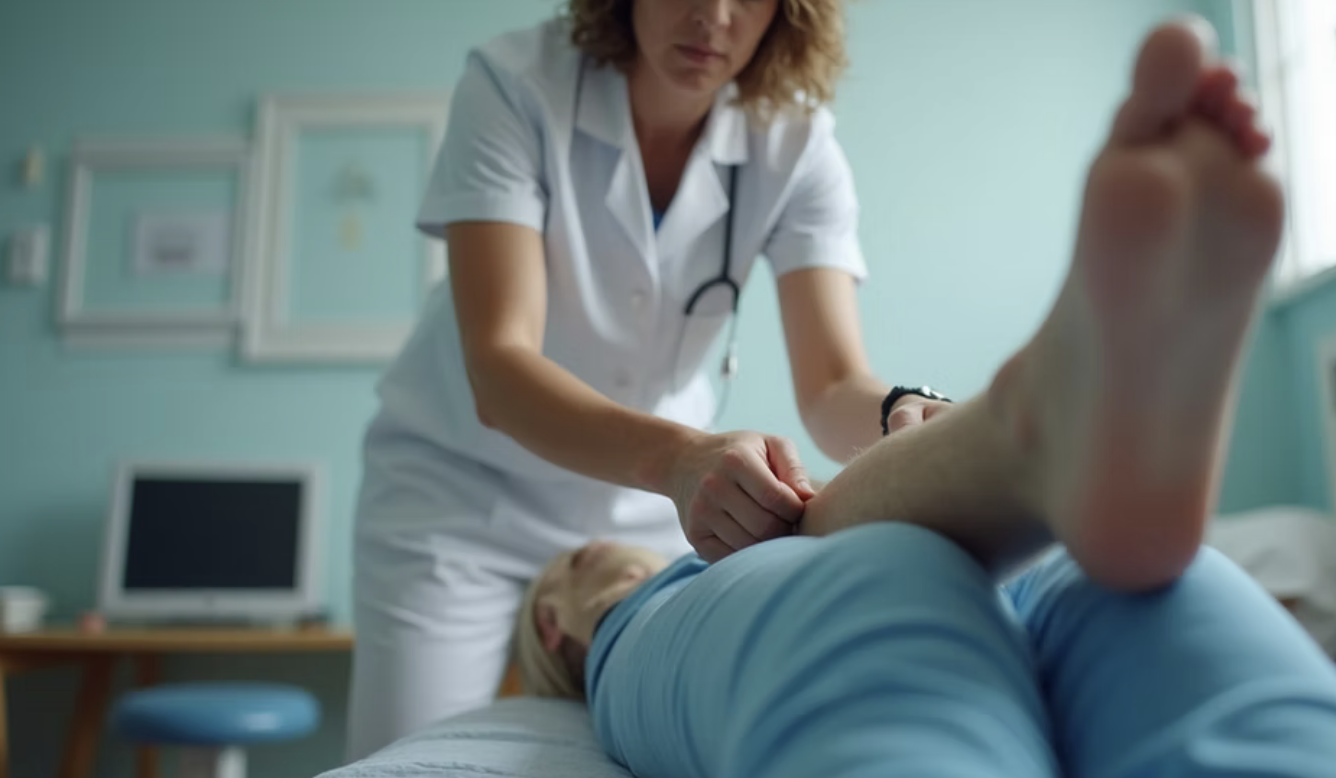
When it comes to healing and regaining strength, no two journeys are exactly alike. I’ve learned that the path to recovery is deeply personal, shaped by your unique body, experiences, and goals. That’s why creating customized rehabilitation plans is so important. It’s about more than just following a routine - it’s about crafting a plan that fits you perfectly, like a well-tailored garment, supporting every step you take toward feeling whole again.
Imagine waking up each day knowing your therapy is designed just for you. It’s not a generic checklist but a thoughtful, evolving process that listens to your body’s whispers and cheers on your progress. This approach transforms recovery from a daunting task into a hopeful, empowering journey.

Why Customized Rehabilitation Plans Matter
You might wonder, why not just follow a standard therapy program? The truth is, our bodies and circumstances vary so much that a one-size-fits-all approach often falls short. Customized rehabilitation plans recognize this diversity. They take into account your age, physical condition, lifestyle, and even your emotional well-being.
For example, a young adult recovering from a sports injury will have different needs than a senior managing arthritis. A tailored plan considers these differences, ensuring exercises and treatments are safe, effective, and motivating. It also adapts as you improve, preventing plateaus and keeping you engaged.
Here’s what a customized plan typically includes:
Initial assessment: Understanding your current abilities and challenges.
Goal setting: Defining what recovery means to you personally.
Targeted exercises: Focusing on areas that need the most attention.
Progress tracking: Regular check-ins to adjust the plan as needed.
Supportive therapies: Incorporating massage, heat, or other modalities if beneficial.
This thoughtful approach not only speeds up recovery but also reduces the risk of re-injury. It’s a partnership between you and your therapist, built on trust and clear communication.

Customized Rehabilitation Plans: A Closer Look
Let’s dive deeper into what makes these plans so effective. When I work with someone, I start by listening carefully. What are your pain points? What activities do you want to return to? How does your body respond to movement? These questions guide the creation of a plan that feels right for you.
For instance, if balance is a concern, we might include gentle stability exercises that gradually challenge your coordination. If stiffness is an issue, stretching and mobility work become priorities. The beauty of customization is that it respects your pace and preferences.
Another key element is education. Understanding why certain exercises matter helps you stay motivated. I often explain how strengthening specific muscles can protect joints or improve posture. This knowledge empowers you to take an active role in your recovery.
Remember, recovery is not just physical. Emotional support and encouragement are woven into every session. Celebrating small victories, no matter how tiny, builds confidence and resilience.
What is personalization in therapy?
Personalization in therapy means tailoring every aspect of your treatment to fit your individual needs. It’s about recognizing that your body, your history, and your goals are unique. This approach moves away from generic protocols and embraces flexibility and creativity.
In practice, personalization might look like adjusting the intensity of exercises based on your daily condition or incorporating activities you enjoy to keep therapy engaging. It also means being responsive to feedback - if something doesn’t feel right, the plan changes.
For example, if you’re a senior who loves gardening, your therapy might include movements that mimic those tasks, helping you return to what you love. If you’re a young adult aiming to get back to running, your plan will focus on building strength and endurance safely.
This kind of therapy respects your individuality and fosters a deeper connection between you and your recovery process. It’s a gentle reminder that healing is not a race but a personal journey.
How to Get Started with Your Own Customized Plan
Starting your own customized rehabilitation plan might feel overwhelming, but it doesn’t have to be. Here are some practical steps to guide you:
Find a trusted therapist: Look for someone who listens and values your input.
Be honest about your goals and limitations: The more open you are, the better your plan will fit.
Commit to regular sessions: Consistency is key to progress.
Stay engaged: Ask questions, share how you feel, and celebrate your improvements.
Be patient: Healing takes time, and your plan will evolve with you.
If you’re ready to take that first step, consider exploring personalized therapy plans that focus on your unique needs. The right support can make all the difference.
Embracing Your Recovery Journey
Recovery is a dance between effort and rest, challenge and comfort. Customized rehabilitation plans invite you to listen to your body’s rhythms and respond with kindness. They remind you that every small step forward is a victory worth celebrating.
As you move through this process, you might notice not just physical improvements but a renewed sense of hope and strength. Your body remembers how to heal when given the right guidance and care.
So, take a deep breath, trust the process, and know that your journey is uniquely yours. With a plan designed just for you, optimal recovery is not just a goal - it’s a promise.
Thank you for joining me in exploring the power of customized rehabilitation plans. May your path to wellness be filled with gentle progress and bright moments of triumph.
- To view the original version of this article visit www.deepcreekphysicaltherapy.com/post/creating-personalized-therapy-plans-for-optimal-recovery
- Seniors Blue Book was not involved in the creation of this content.
Other Articles You May Like
South Florida Luxury Market Sees Q3 2026 Surge
Both high-end single-family and condominium sectors enjoy substantial year-over-year gainsSouth Florida's luxury market saw significant year-over-year gains in both transactions and average sales price during the third quarter of 2026, according to The Keyes Company and Illustrated Properties' latest Luxury Market Report. The high-end single-family and condominium sectors each posted significant increases in sales activity and pricing.Across Miami-Dade, Broward, Palm Beach, the Treasure Coast and Southwest Florida, luxury single-family sales surged 19.1% year-over-year to 6,409 in the third quarter of 2026. The high-end condominium sector enjoyed a 13.3% year-over-year jump in transactions, reaching 1,561.Every territory tracked in the quarterly report recorded year-over-year increases in single-family sales. On the condo side, Miami-Dade and Palm Beach counties joined Southwest Florida in driving the year-over-year transaction gains.Buyers again showed a willingness to pay premiums for South Florida high-end homes and condos. The region's average single-family sales price rose 11.6% year-over-year to $2.5 million. The average condo sales price posted a strong 10.1% year-over-year increase to $2.52 million, with Broward and Palm Beach counties and Southwest Florida recording substantial pricing gains."While the global economy and many U.S. housing markets grapple with major challenges, South Florida's luxury market continues to defy broader trends," said Keyes/Illustrated President Christina Pappas. "The collective gains across high-end single-family and condominium markets across our region represent an improvement over recent quarters, where pricing in some instances was flat or slightly down year-over-year. We are now seeing sales activity and pricing increase in lockstep."Other key findings in the third-quarter luxury report include:Miami-Dade County's luxury single-family transactions jumped 20.6% year-over-year to 850, with the average sales price rising 13.2% to $3.29 million. Its high-end condo sector rose 6.5% year-over-year to 477 transactions, while the average sales price dropped 4.5% to $2.74 million.Broward County's luxury single-family market posted a 22.6% year-over-year jump in $1 million-and-up sales to 1,114, with the average sales price up 4.0% to $2.01 million. The county's high-end condo sector saw an 11.2% year-over-year drop in transactions to 183, while the average sales price rose 21.6% to $2.13 million.Palm Beach County's high-end single-family sales jumped 21.0% year-over-year to 1,983, with the average sales price gaining 14.0% to $2.69 million. The county's luxury condominium market rose 7.3% year-over-year to 396 transactions, as its average sales price rose 9.7% to $2.43 million.The Treasure Coast/Martin County luxury residential market kept pace with its neighboring territories, with single-family transactions up 15.2% year-over-year to 288, while the average sales price slipped 1.6% to $2.53 million. Luxury condominium sales fell 21.1% year-over-year, with the average sales price increasing 3.0% to $1.69 million.Southwest Florida posted a 15.6% year-over-year jump in luxury single-family sales to 2,174, with the average sales price rising 13.6% to $2.26 million. Its high-end condo sector continued its surge, with total transactions climbing 45.8% year-over-year to 490 and the average sales price gaining 29.9% to $2.55 million."As strong as the South Florida luxury sector currently is, the future is what makes market observers the most excited," said Keyes/Illustrated CEO Mike Pappas. "Our region is still maturing, which creates even more potential for growth. The billions of dollars being invested now by Ken Griffin and other ultra-wealthy individuals across South Florida will drive unprecedented growth for generations to come."The complete third-quarter luxury report can be found here: http://keyesluxuryreport.com/
Navigating Your Next Chapter: Real Estate Guidance for Seniors
Moving is about more than finding a new home. For many older adults, it represents an important life transition that can involve years of memories, changing lifestyle needs, financial considerations, and decisions about the future. Having the right real estate professional by your side can make all the difference. Patricia Dec of The Keyes Company is dedicated to helping seniors and families navigate these transitions with confidence, compassion, and thoughtful guidance.Serving Sarasota and Manatee Counties, Patricia specializes in senior real estate transitions, downsizing, relocation, and residential real estate. As a Senior Real Estate Specialist (SRES), she understands the unique considerations that come with making housing decisions later in life. Whether someone is considering aging in place, selling a longtime family home, moving closer to loved ones, or finding a more manageable living environment, Patricia takes the time to understand each client's individual needs and goals.What sets Patricia apart is her extensive financial background. Before entering real estate, she spent nearly 30 years working on Wall Street as a Risk and Compliance Director in San Francisco, New York City, and London. With a bachelor's degree in accounting and an MBA in taxation, she brings valuable financial insight and attention to detail to every transaction. This experience helps her guide clients through important considerations involving retirement income, property sales, downsizing, and relocation.Patricia believes that not every transition needs to begin with selling a home. Sometimes aging in place is the best decision. When moving is the right choice, she helps clients navigate the process, understand their options, and coordinate the steps involved in making a successful transition.For seniors and families preparing for a new chapter, having an experienced professional who understands both the emotional and financial sides of real estate can provide tremendous peace of mind.Patricia Dec | The Keyes CompanyRealtor | Senior Real Estate Specialist (SRES)Serving Sarasota and Manatee CountiesPhone: 407-921-4351Email: [email protected]: patriciadec.keyes.com
Helping Seniors Stay Active: Importance of Movement in Assisted Living
The importance of movement becomes more significant as we age. For older adults, staying physically active isnt just about exercise; its about preserving independence, maintaining health, and improving quality of life.Movement is woven into daily routines in assisted living communities to support strength, balance, and overall well-being. Whether its a short walk, chair yoga, or stretching in the morning, these simple activities make a meaningful difference.This article explores why movement matters for seniors, how its supported in assisted living, and how it contributes to a longer, healthier life.Why Is Movement Important for Seniors?As people age, natural changes in the body, like loss of muscle mass, joint stiffness, and reduced flexibility, can make physical activity more difficult. But thats also when movement becomes more essential.Staying active can help:Prevent muscle weakeningMaintain balance and coordinationSupport circulation and heart healthReduce the risk of fallsAccording to the CDC, regular physical activity in older adults can lower the risk of heart disease, stroke, type 2 diabetes, and certain cancers. It also improves mood and mental sharpness.Even small movements, if done consistently, can lead to lasting improvements in strength and mobility.What Are the Positive Effects of Movement for Seniors?Movement doesnt always mean going to a gym. Simple, consistent physical activity creates powerful results for seniors across multiple areas of life.Physical BenefitsImproves strength and balanceActivities like standing leg lifts or walking improve lower-body strength and help prevent falls.Boosts energy and staminaRegular movement can combat fatigue and keep seniors more energized during the day.Enhances flexibilityGentle stretches can improve mobility, making daily tasks easier and less painful.Supports bone densityWeight-bearing activities like walking help prevent bone loss and reduce fracture risk.Mental and Emotional BenefitsReduces stress and anxietyMovement triggers the release of endorphins, which improve mood and lower stress levels.Builds confidence and purposeAchieving simple physical goals helps seniors feel more capable and in control of their lives.Promotes better sleepLight activity during the day has been shown to improve nighttime rest.Encourages social interactionGroup activities like walking clubs or exercise classes also support emotional connection.Cognitive Health BenefitsSupports brain healthRegular movement increases blood flow to the brain and has been linked to slower cognitive decline.Improves focus and alertnessShort activity breaks throughout the day can reduce confusion or mental fatigue.Supports memory care residentsStructured movement reduces agitation, improves sleep, and enhances overall well-being in those living with Alzheimers or dementia.Importance of Movement in Assisted Living CommunitiesAssisted living communities are designed to support movement safely and consistently, even for residents with mobility challenges.Safe, Accessible EnvironmentsFeatures like handrails, non-slip flooring, wide hallways, and accessible outdoor paths help make movement easier and safer.Structured Activity ProgramsResidents have access to daily movement options like:Chair yogaStrength and balance trainingDance or music-based exerciseStretching and relaxation classesSupervised walking groupsThese programs are often led by wellness staff or visiting physical therapists, who ensure that exercises are safe and adapted to all ability levels.Encouragement Without PressureOne of the most significant benefits of assisted living is having gentle encouragement to stay active. Residents are free to choose how much they participate, but staff are there to motivate, help, and support every step of the way.How Parkside Encourages Movement and ExerciseAt Parkside Assisted Living and Memory Care, movement is part of our daily wellness philosophy. We focus on supporting every residents physical and emotional well-being through personalized activity plans and community involvement.Here are some of the ways we support the importance of movement in assisted living:Wellness classes tailored to different abilitiesChair yoga and guided stretching sessionsOutdoor walks on secure paths around the communityStrength training using resistance bandsBalance and posture workshops to reduce fall riskMusic and movement classes to support memory and motor skillsMovement is also integrated into memory care, where routine-based physical activity helps residents feel more at ease and grounded in their environment.Our approach is always focused on encouragement, not pressure. We allow each resident to move at their own pace, with support when needed.What Are the Benefits of Movement Activities for Memory Care Residents?Residents with dementia or Alzheimers often respond well to rhythmic and routine-based activities. Movement in memory care helps with:Mood regulationGentle movement reduces frustration and restlessness.Cognitive engagementActivities like walking or light dancing stimulate both physical and mental processes.Routine buildingScheduled activity helps structure the day, providing calm and predictability.Reduced agitation and improved sleepPhysical activity supports circadian rhythm and decreases sundowning behaviors.Tips for Families: Encouraging Seniors to Stay ActiveFamilies can play a significant role in helping older loved ones stay physically engaged. Here are some simple tips:Encourage short walks after mealsHelp create a routine that includes light stretchingChoose fun movement activities like gardening or dancingJoin in together when visiting, such as walking in the garden or attending a group classAsk care staff how your loved one is participating and what support they may needIf your loved one lives alone and youre noticing signs of inactivity, such as stiffness, low energy, or disinterest in daily tasks, assisted living may offer the structured support they need.Movement Is More Than Exercise Its About IndependenceFor seniors, movement isnt about fitness goals; its about living confidently, staying connected, and feeling in control.At Parkside Assisted Living and Memory Care, movement is part of the everyday experience. Whether walking to breakfast, stretching during morning wellness, or dancing with friends in an afternoon class, every step counts.If youre looking for a community that values health, dignity, and daily support, we invite you to schedule a visit to Parkside. Come see how movement is built into the environment and helps residents live fully and freely.
Local Services By This Author
Deep Creek Physical Therapy
Aquatic Classes & Therapy , , ,Deep Creek Physical Therapy is a trusted in-home physical therapy provider serving the Port Charlotte, Florida area with personalized, one-on-one care designed to help patients move better, recover stronger, and live with greater independence. Owned and operated by Robert Bob Dolata, MSPT, a licensed physical therapist with over 28 years of experience, Deep Creek Physical Therapy brings professional rehabilitation services directly into the comfort and safety of each patients home.The practice focuses on hands-on, individualized treatment plans built around each patients goals, condition, and lifestyle. Rather than using a one-size-fits-all approach, Deep Creek Physical Therapy works to identify the root cause of pain, mobility limitations, weakness, or balance concerns so patients can regain confidence in their daily activities.Services include in-home physical therapy, joint pain and arthritis care, stroke recovery, post-surgical rehabilitation, balance training, fall prevention, chronic condition management, low back pain treatment, neck pain treatment, meniscal tear rehabilitation, rotator cuff injury care, ligament strain recovery, tendonitis treatment, osteoarthritis support, fracture rehabilitation, and joint replacement rehab for the hip, shoulder, and knee. Deep Creek Physical Therapy also provides care for patients managing multiple sclerosis, Parkinsons disease, CVA/stroke recovery, peripheral neuropathy, balance disorders, and plantar fasciitis.With a strong background in outpatient orthopedic care and geriatric rehabilitation, Deep Creek Physical Therapy is especially focused on helping seniors, post-operative patients, and individuals with chronic mobility challenges receive safe, convenient, and effective care without the stress of traveling to a clinic. The company accepts Medicare and most major insurance plans, helping make quality physical therapy more accessible for the people who need it most.At its core, Deep Creek Physical Therapy is built on compassionate care, clinical experience, and a commitment to helping patients restore strength, reduce pain, improve movement, and maintain independence from home.
Deep Creek Physical Therapy
Physical Therapy , , ,Deep Creek Physical Therapy is a trusted in-home physical therapy provider serving the Port Charlotte, Florida area with personalized, one-on-one care designed to help patients move better, recover stronger, and live with greater independence. Owned and operated by Robert Bob Dolata, MSPT, a licensed physical therapist with over 28 years of experience, Deep Creek Physical Therapy brings professional rehabilitation services directly into the comfort and safety of each patients home.The practice focuses on hands-on, individualized treatment plans built around each patients goals, condition, and lifestyle. Rather than using a one-size-fits-all approach, Deep Creek Physical Therapy works to identify the root cause of pain, mobility limitations, weakness, or balance concerns so patients can regain confidence in their daily activities.Services include in-home physical therapy, joint pain and arthritis care, stroke recovery, post-surgical rehabilitation, balance training, fall prevention, chronic condition management, low back pain treatment, neck pain treatment, meniscal tear rehabilitation, rotator cuff injury care, ligament strain recovery, tendonitis treatment, osteoarthritis support, fracture rehabilitation, and joint replacement rehab for the hip, shoulder, and knee. Deep Creek Physical Therapy also provides care for patients managing multiple sclerosis, Parkinsons disease, CVA/stroke recovery, peripheral neuropathy, balance disorders, and plantar fasciitis.With a strong background in outpatient orthopedic care and geriatric rehabilitation, Deep Creek Physical Therapy is especially focused on helping seniors, post-operative patients, and individuals with chronic mobility challenges receive safe, convenient, and effective care without the stress of traveling to a clinic. The company accepts Medicare and most major insurance plans, helping make quality physical therapy more accessible for the people who need it most.At its core, Deep Creek Physical Therapy is built on compassionate care, clinical experience, and a commitment to helping patients restore strength, reduce pain, improve movement, and maintain independence from home.