Debit Card No-No’s
Shell Point Retirement Community
For more information about the author, click to view their website: Shell Point Retirement Community
Aug 31, 2023
Florida - Southwest

Email US
Click to Email Us
Q: I like the convenience of using my debit card, but I’m worried about the security. Are there places I should avoid using my debit card?
A: Local law enforcement recently sent a fraud alert that warns consumers to be careful using debit cards in certain places. This warning comes after skimmer machines were discovered on gas pumps at several local gas stations. The Lee County Sheriff’s office urges people to think twice before using debit cards at the following locations:
- Online – Hackers and vulnerable websites are two reasons you should avoid using your debit card online. If your card number is stolen and used, the money comes directly out of your checking account and it could take weeks, if not longer, to get it back.
- Restaurants – When using a debit card at a restaurant, you give up control of your debit card and trust your personal information will be protected. Although most servers are trustworthy, you may not want to risk getting that unscrupulous server who secretly brings a handheld card skimmer to work.
- Big Ticket Items – It’s safer to use a credit card when purchasing expensive items, such as electronics, vacation rentals, entertainment tickets, etc. When you use a credit card, you can dispute a charge after a purchase, whereas with a debit card, the money comes directly out of your checking account.
- Gas Stations – Fuel pumps are a favorite target for card skimming thieves as mentioned above. The devices are used to fraudulently collect credit and debit card numbers and they can be difficult to spot.
- Suspicious-Looking ATMS – Just like at gas stations, skimmers can be attached to ATMs, so it’s important to take a good look at an ATM before you use it. If anything looks suspicious, just walk away.
FineMark National Bank & Trust has an office on The Island at Shell Point Retirement Community. If you have questions about this article, contact us by phone at (239) 461-5999.

- To view the original version of this article visit www.shellpoint.org/blog/debit-card-no-nos/
- Seniors Blue Book was not involved in the creation of this content.
Other Articles You May Like
The $7.7 Billion Fraud Problem Facing Older Adults
A phone call sounds exactly like your grandson. He is frightened, says he has been arrested, and needs money immediately.A text appears to come from your bank.An online investment group shows months of impressive profits.A computer warning tells you to call "tech support" before your accounts are compromised.Every one of these situations can feel legitimate, especially when a criminal already knows your name, relatives, bank, or other personal information.That is why senior fraud prevention has become more urgent. According to the FBI's 2025 Internet Crime Complaint Center report, adults age 60 and older filed 201,266 complaints and reported $7.748 billion in losses. Complaints increased 37% from 2024, while reported losses jumped 59%. The average reported loss among complainants 60+ was approximately $38,500, and 12,444 complainants reported losing more than $100,000. Why Older Adults Stand Out in the Fraud DataThe FBI's numbers are striking when compared with other age groups. Age Group 2025 IC3 Complaints Reported Losses 60+ 201,266 $7.75 billion 50 to 59 124,820 $3.68 billion 40 to 49 167,066 $2.96 billion 30 to 39 153,293 $1.74 billion 20 to 29 112,069 $563 million Adults 60+ reported both the highest complaint count and the largest dollar loss among the age categories shown in the FBI's 2025 report. But that should not be interpreted as meaning older adults are simply more gullible.The FBI notes that criminals may target older people because they believe potential victims have accumulated savings, own valuable assets, spend more time alone, or are more willing to engage with unsolicited communications. Modern scams are also increasingly sophisticated.Investment Scams Took the Most MoneyAmong adults 60+, investment fraud produced approximately $3.52 billion in reported losses in 2025, making it the costliest individual crime category for this age group. These scams may begin through: Social media Dating apps Text messages Investment groups Online advertisements Someone claiming to be an investment expert Cryptocurrency frequently appears in these schemes. Complaints from people 60+ that involved cryptocurrency totaled more than $4.3 billion in reported losses, although cryptocurrency is a descriptor that can overlap with several different fraud categories. A convincing website may even show an account balance growing steadily.The problem becomes obvious only when the victim tries to withdraw the supposed profits. The criminal may suddenly demand taxes, fees, or another deposit before disappearing with the money. The FBI describes this pattern as common in cryptocurrency investment fraud. Tech Support Scams Remain ExpensiveA message appears on the computer:WARNING: Your bank information has been compromised. Call immediately.The phone number connects to someone who sounds professional and helpful.That is exactly the setup criminals want.Adults 60+ reported more than 21,000 tech and customer support complaints in 2025, with losses exceeding $1 billion. The supposed technician may ask for remote access to the computer, direct the victim to move money, or claim that funds must be transferred to a "safe account."Legitimate security does not require blindly following financial instructions from someone who unexpectedly contacted you.Grandparent Scams Are Becoming Harder to RecognizeThe traditional grandparent scam relies on panic.A caller claims to be a child, grandchild, attorney, police officer, or hospital employee. There has supposedly been an accident, arrest, or other emergency.Then comes the pressure:Do not tell anyone. Send money now.The FBI advises people receiving this type of call to resist pressure, hang up, and independently contact the relative or another family member to verify what happened. Today, there is another complication.Artificial intelligence can imitate a person's voice using audio obtained online. The FTC warns that a caller may therefore sound remarkably similar to the relative they are impersonating. The safest response is still to hang up and contact the supposed family member using a phone number you already know. Create a Family Safe WordOne low-tech defense can be surprisingly useful.Choose a private family code word or phrase.Every close family member should know it, but it should not be something posted publicly or easily guessed from social media.If someone calls claiming to be your grandson and urgently needs money, ask:"What's our family safe word?"AARP recommends this strategy specifically as protection against increasingly convincing AI-assisted family emergency scams. The code word should be only one layer of protection, however.Even if the caller knows personal details, verify the emergency independently before sending money.Five Rules That Can Stop Many ScamsFamilies do not need sophisticated cybersecurity training to adopt useful defenses.1. Urgency Means Slow Down2. Verify Through a Different Channel3. Never Trust Caller ID Alone4. Be Suspicious of Unusual Payment Instructions5. Never Keep a Financial Emergency SecretIf Money Has Already Been Sent, Move FastEmbarrassment can cost valuable time.If you realize that money may have been sent to a scammer, contact your financial institution immediately and ask whether the transaction can be stopped or recalled. Then report the incident to the FBI's Internet Crime Complaint Center.The FBI emphasizes that time matters when attempting to freeze fraudulently transferred money. There is evidence that quick reporting can make a difference.In 2025, the FBI's Financial Fraud Kill Chain process was initiated in 642 incidents involving victims age 60+, representing about $65.4 million in reported losses. The process helped freeze approximately $32.9 million in those particular incidents. That does not mean half of all senior fraud losses are recovered. These were selected cases where the FBI's rapid financial-intervention process could be initiated.The lesson is simpler:Report suspected fraud as quickly as possible.Watch Out for the Second ScamLosing money once can make someone a target again.The FBI reports an increase in recovery scams, where criminals claim they can retrieve money previously lost to fraud. Adults 60+ reported 2,529 such complaints in 2025, involving roughly $540.5 million in losses, though the FBI notes those loss figures may include money lost in the original scams that prompted contact with the supposed recovery service. Someone claiming to be an attorney, government employee, investigator, or recovery company may say:"We found your stolen cryptocurrency.""We recovered your investment.""We just need a fee before returning the money."That may simply be another fraud attempt.Families Can Make Fraud Prevention RoutineFraud prevention works better when it becomes a normal family conversation instead of something discussed only after money disappears.Consider agreeing on a few family rules: Use a private safe word for emergencies. Never send large sums based on one phone call. Call another family member before responding to an emergency request. Verify banks and government agencies independently. Talk openly about new online relationships and investments. Never shame someone for almost falling for a scam. Scams are intentionally designed to manipulate fear, trust, love, hope, and urgency.The right response is not embarrassment.It is verification.Frequently Asked QuestionsHow much did older Americans lose to online fraud in 2025?People age 60 and older reported approximately $7.748 billion in losses through the FBI's IC3 in 2025, 59% more than in 2024. Which scam costs seniors the most money?Investment fraud was the largest individual loss category for people 60+, accounting for approximately $3.52 billion in reported losses in 2025. What is a family code word?It is a private word or phrase known only to trusted family members. If someone calls claiming to be a relative in an emergency, asking for the phrase can provide an additional way to challenge the caller's identity. Can scammers copy someone's voice?Yes. The FTC warns that criminals can use AI voice cloning to imitate a loved one's voice during family-emergency scams. Independently contacting the real person remains important. What should someone do immediately after sending money to a scammer?Contact the financial institution immediately, request a recall or other available intervention, preserve transaction details, and file an IC3 complaint as soon as possible. Seniors Blue Book helps connect families with senior-focused providers and resources in their communities.If your organization serves older adults, a free Seniors Blue Book listing can make it easier for potential clients to discover your services. Providers who want greater visibility can also explore upgraded listing and advertising opportunities designed to reach more seniors, families, and caregivers.Email us at [email protected] or call us at 800-201-9989.
Fraud Checklist: What to Do if Youve Been Scammed
You thought this could never happen to you or your aging loved one: the heartbreaking loss of a hard-earned life savings as a result of a scam.But the growing incidence of older adult fraud is putting many in harms way. Its important to know how to move forward if fraud does occur.Steps to Take if You or Someone You Know is Scammed Close your accounts. If you notice any accounts under your name or that of an aging loved one that have been tampered with or opened without consent, close them immediately. Contact the police. File a report with your local police department. If the theft did not take place in your area, file a report with the police from the area where you believe the theft took place. Get a copy of the police report. You may need that documentation to support your claims to credit bureaus, creditors, debt collectors or other companies. If you are unable to obtain a copy of the police report, be sure to get the report number. Eliminate fraudulent new accounts. If a new account has been opened without you or your aging loved ones knowledge and consent, ask the company with which the account has been opened if it has a fraud department. Initiate a fraud alert. Place a fraud alert on the credit file that has been compromised as well as review the credit report. This will prevent a thief from opening any more accounts in you or your loved ones name. You should contact the major credit bureaus. If you place a fraud alert with one credit bureau, that credit bureau is required by law to contact the other bureaus. Follow-up. After a fraud alert is included in the credit history, you or your aging loved one is entitled to receive a free copy of his or her credit report from each of the credit bureaus. Important Documents for Victims of ScamsThe following are important documents to keep on hand if youve been scammed. If your aging loved one won't be able to keep the originals of some of these important documents, it is important that you make a copy. Police report Identity Theft Affidavit Bills with fraudulent charges Documentation of accounts opened in your name without your consent Copies of letters sent to credit bureaus and creditors Credit bureau contact information: Equifax- 800-525-6285 Experian- 888-397-3742 Transunion 800-680-7289 (U.S.) 800-663-9980 (Canada) If you or your loved one is a victim of fraud, acting quickly is key. Begin working through the fraud checklist above as soon as possible to help minimize the damage.
What to Do If You Get a Voice Fraud Call That Is AI-Generated
Scammers are increasingly adopting new methods to deceive unsuspecting victims, especially older adults. One of the latest threats is AI-generated voice fraud, also known as vishing (voice phishing). These scams use sophisticated AI technology to create highly realistic voices that mimic trusted individuals or organizations.Lets talk about what you should do if you receive such a call and how to protect your sensitive information.Understanding AI-Generated Voice FraudAs mentioned, scammers perform AI-generated voice fraud using synthetic voices that sound convincingly like a family member, friend, or legitimate entity such as a bank or government agency. These calls can be exceptionally persuasive and dangerous since the synthetic voices replicate the speech patterns and tone of the impersonated individuals. Additionally, fraudsters can manipulate caller ID to make it look like the call is coming from a trusted source when it is not.Common Tactics Used in AI-Generated Fraud CallsBe on alert for the following AI-generated fraud calls:Impersonation of Family Members: Scammers may claim to be a relative in urgent need of money due to an emergency. The voice will sound distressingly familiar, making it easy to fall for the ploy.Bank Representative Scams: Fraudsters impersonate bank representatives, asking for account details or prompting money transfers to secure accounts.Tech Support Scams: Callers pose as tech support from reputable companies, convincing victims to grant remote access to their computers or pay for unnecessary services.Government Agency Impersonation: They may mimic officials from agencies like the IRS or Social Security Administration, threatening legal action or demanding immediate payment of fines or taxes.Utility and Phone Company Scams: Fraudsters imitate representatives from utilities or phone companies, claiming issues with the account and requesting payment or personal details to resolve them.Steps to Take If You Receive a Suspicious CallSo, what should you do if you receive such calls that are highly convincing? Here are some essential steps to take:Stay Calm and Dont Panic: Scammers often create a sense of urgency to pressure you into making quick decisions.Verify the Callers Identity: If the caller claims to be a family member, ask specific questions only that person would know. If the caller claims to be from a legitimate organization, hang up and call the organizations official number to verify.Never Share Personal Information: Legitimate entities like the bank or the government will never ask for sensitive information over the phone. Do not provide personal, financial, or account details to the caller.Report the Call: Report the incident to your bank, local authorities, or the Federal Trade Commission (FTC). This helps to alert others and potentially track down the scammers.Educate Yourself and Others: Stay informed about the latest scam tactics and share this information with friends and family. Awareness is a key defense against fraud.If you need assistance or have concerns about potential scams, dont hesitate to seek help. At The Oberon House in Arvada, CO, we prioritize the safety and security of our residents. Contact us today to ensure your loved ones are in a safe space 303-420-7258!
Local Services By This Author

Shell Point- The Arbor
Assisted Living 8100 Arbor Ct., Fort Myers, Florida, 33908The Arbor offers assisted living services located in The Woodlands at a Shell Point. Setting the highest standards of personal care and attentiveness, this residential-style assisted living provides larger residences, most with kitchenettes and screened-in lanais. The Arbor has its own self-contained Medical Center, so doctor's appointments are incredibly convenient. The Arbor has one main dining area, but each of the four floors also features a country kitchen, which provide bites to eat throughout the day.
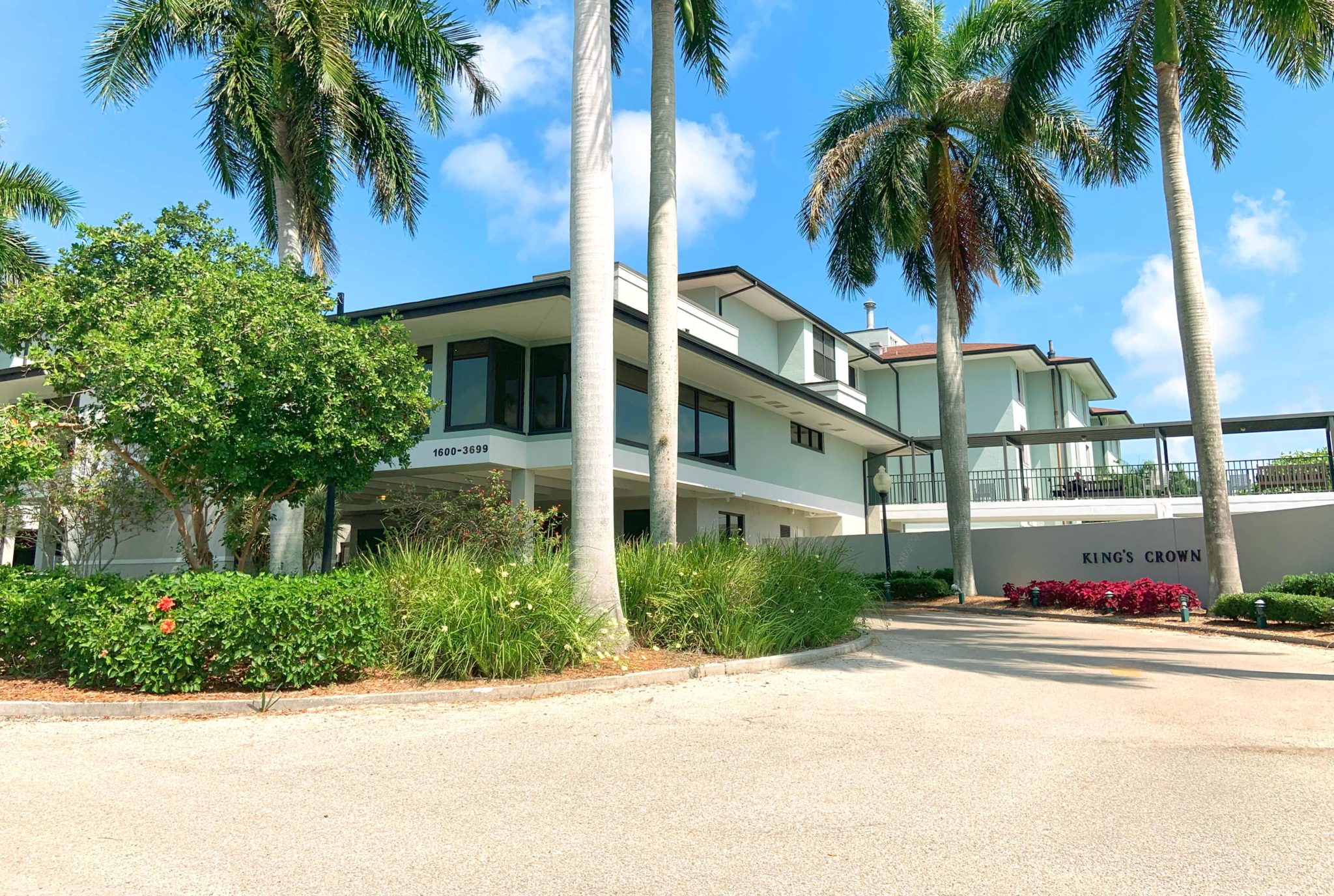
Shell Point - King's Crown
Assisted Living 3699 King Crown Court, Fort Myers, Florida, 33908Assisted Living at Kings Crown includes 120 private residences featuring full baths and kitchenettes. Open to both Shell Point residents and outside community members, we provide a resort-style living experience coupled with personalized care services.Located on The Island at Shell Point, Kings Crown is surrounded by natural beauty, offering residents a tropical paradise with activities like watching manatees in the lagoon, dining with friends, strolling through the park, or enjoying outdoor concerts.Our recreational staff plans daily and weekly events that encourage social, spiritual, educational, physical, and emotional growth. Residents enjoy amenities such as a media screening room, billiards room, beauty salon, activity and craft rooms, sunrooms, and a fitness center with supervised classes.The medical staff includes dedicated physicians skilled in gerontological medicine. Daily personal care and assistance are tailored to individual medical needs, enhancing quality of life through supportive services.Our elegant dining room offers panoramic views and serves delicious meals three times a day, seven days a week. Residents and guests enjoy restaurant-style dining with menus that change daily. Residences at Kings Crown are designed to create a homelike environment while offering a resort-style experience. Our services include 24/7 medical response, medication administration, weekly housekeeping and linen service, an on-site country store, 24-hour security, and a variety of floor plans to choose from.For information about Assisted Living at Shell Point, please call (239) 454-2077.

Shell Point - The Springs
Assisted Living 13901 Shell Point Plaza, Fort Myers, Florida, 33908Assisted Living at The Springs at Waterside at Shell Point offers a premier senior living experience in the heart of Southwest Florida. With 105 private residences, The Springs provides a comfortable and supportive environment for seniors needing assisted living services.Our priority is your health and well-being. Our recreational staff plans daily and weekly events to challenge residents socially, spiritually, educationally, physically, and emotionally. These efforts are designed to support your overall health and happiness.Residents at The Springs enjoy a variety of amenities, including a state-of-the-art media screening room, billiards room, beauty salon, activity and craft rooms, and sunrooms with floor-to-ceiling windows. Our full-time activities staff coordinates programs and activities, while the onsite fitness center offers supervised fitness classes.For added peace of mind, The Springs has a dedicated medical staff of physicians skilled in gerontological medicine available 24/7. In addition to medical services, our dining room offers restaurant-style service with daily changing menus, ensuring a pleasant dining experience for residents and their guests.Friends and family are always welcome at The Springs. Residents have private apartments and access to parlors, seating areas, and activity rooms for entertaining guests. Outdoor areas like the covered patio and poolside area offer opportunities to enjoy the Florida sunshine. Transportation is also readily available for shopping, recreational programs, and medical appointments.With medical response by licensed nursing staff 24/7, complimentary WiFi in common areas, assistance with medication administration and management, and other services, The Springs at Waterside at Shell Point provides a comfortable and caring environment for seniors. Contact us at (239) 454-2077 for more information about Assisted Living at Shell Point. Our case managers and moving coordinator are available to assist individuals or families in making the transition to our community seamless and stress-free.