Discover Personalized Senior Living at The Watermark at Marco Island
The Watermark at Marco Island
For more information about the author, click to view their website: The Watermark at Marco Island
Aug 31, 2026
Florida - Southwest

Email US
Click to Email Us

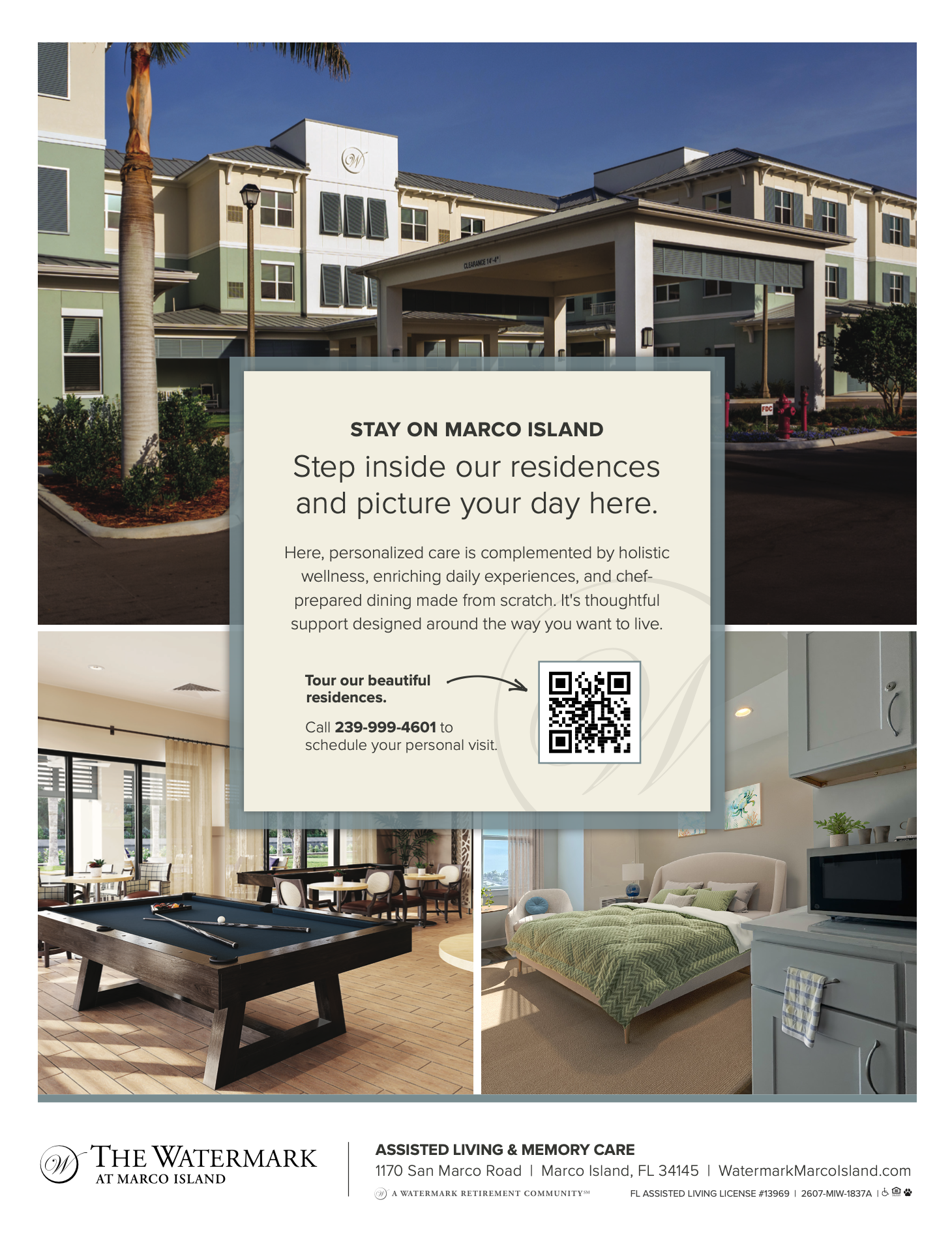
When it comes to choosing a senior living community, finding the right balance of personalized care, wellness, engaging experiences, and comfort is essential. At The Watermark at Marco Island, residents can enjoy a thoughtfully designed lifestyle in a beautiful setting while receiving support tailored to the way they want to live.
A Place to Call Home on Marco Island
Located at 1170 San Marco Road in Marco Island, Florida, The Watermark at Marco Island offers assisted living and memory care in a welcoming residential environment.
The community is designed to provide more than just a place to live. Here, personalized care is complemented by opportunities for wellness, enriching daily experiences, social connection, and chef-prepared dining.
For seniors and their families, that means having support available while maintaining independence and enjoying the lifestyle that makes each day meaningful.
Personalized Care Designed Around You
Every resident has unique needs, interests, routines, and preferences. The Watermark at Marco Island takes a personalized approach to care, creating support around the individual rather than expecting residents to fit into a one-size-fits-all model.
Whether a senior needs assistance with daily activities or specialized support associated with memory care, the goal is to help residents feel comfortable, confident, and engaged in their surroundings.
This thoughtful approach allows families to have greater peace of mind while their loved ones enjoy a community designed around their well-being.
Wellness and Enriching Experiences
Life at The Watermark at Marco Island extends beyond care. The community incorporates holistic wellness and enriching daily experiences designed to encourage residents to remain active, connected, and engaged.
Common areas provide opportunities to socialize with friends, participate in activities, enjoy hobbies, or simply relax in a comfortable environment. From a game of pool to sharing a meal or spending time with neighbors, residents have opportunities to make each day their own.
The emphasis is on supporting the whole person—mind, body, and spirit.
Dining Made From Scratch
Good food is an important part of a fulfilling lifestyle, and dining at The Watermark at Marco Island is designed to be an enjoyable part of each day.
Residents can experience chef-prepared meals made from scratch, offering the opportunity to enjoy delicious food while dining in a social and welcoming environment.
Meals can be more than simply meeting nutritional needs—they can provide residents with another opportunity to connect, celebrate, and enjoy the pleasures of everyday life.
Comfortable Residences
The Watermark at Marco Island offers thoughtfully designed residences intended to provide comfort, privacy, and a sense of home.
Bright interiors, comfortable furnishings, and inviting living spaces create an environment where residents can settle in and feel at ease. Families can visit and spend quality time with their loved ones in a setting that feels warm and welcoming.
The community's design also provides convenient access to shared spaces where residents can socialize and participate in daily activities.
See Your Day Here
Choosing senior living is a significant decision, and seeing a community in person can make all the difference. A personal visit allows seniors and their families to experience the environment, explore the residences, learn about available care, and get a better understanding of everyday life at the community.
The Watermark at Marco Island invites prospective residents and their families to step inside, tour the residences, and picture what their day could look like here.
To schedule a personal visit, call 239-999-4601.
The Watermark at Marco Island
1170 San Marco Road
Marco Island, FL 34145
WatermarkMarcoIsland.com
Other Articles You May Like
Creating a Vibrant Lifestyle at The Glenview
When Rachel Ritter first walked through the doors of The Glenview, she wasnt leading concerts, organizing excursions, or planning community-wide celebrations.She was 15 years old, bussing tables in the dining room.Today, more than three decades later, Rachel has come full circle as The Glenviews new Lifestyle Director a role that perfectly combines her lifelong dedication to the community with her passion for enriching the lives of residents.Along the way, Rachel earned both a nursing degree and a degree in history, supported in part by a scholarship from The Glenview Scholarship Fund. She worked at The Glenview throughout college, held numerous leadership roles in Dining Services, and built lasting relationships with residents and team members alike.Now, she has found what she calls her true calling.After 31 years at The Glenview, Ive discovered that my greatest passion is creating a vibrant lifestyle for our residents, said Rachel. Dining Servies allowed me to create exceptional experiences around the table, but I wanted to contribute even more to daily life here. My goal is simple: every resident should wake up each morning with something exciting to look forward to.That philosophy is reflected in every square of The Glenviews bustling Activities Calendar. A Calendar Packed with PossibilityRachels vision is ambitious: create enough variety that every resident can find something that sparks joy, curiosity, connection, or purpose.Its my job to bring joy to peoples lives, said Rachel. I take that responsibility very seriously.Each month, residents enjoy an extraordinary mix of entertainment, education, wellness, social events, and excursions. Signature Events & EntertainmentTwo to three major events each month bring the community together for unforgettable experiences. From jazz ensembles and classical concerts to vocal performances and thought-provoking lectures by college professors, residents can explore topics ranging from history and philosophy to pop culture and current events. Culinary ExperiencesFood lovers eagerly await the monthly cooking demonstrations led by Executive Chef David Chidsey or Pastry Chef Ashley Yedeski. Residents learn professional techniques, enjoy generous tastings, and occasionally see favorite recipes make their way onto the dining room menu.The culinary fun continues with themed luncheons and tea parties. Recent favorites have included French and Asian-inspired lunches, farm-to-table seasonal luncheons, a Southern Tea Party, and a whimsical Mad Hatter Tea complete with imaginative desserts.Ashley has a gift for creating memorable pastries, said Rachel. Together, we love finding ways to surprise residents with something delicious and unexpected. Wellness for the Whole PersonAt The Glenview, wellness extends far beyond exercise.Working alongside Director of Health & Wellness Navigation Kari Bone, Rachel helps create programming that supports all eight Dimensions of Wellness: physical, emotional, social, spiritual, intellectual, vocational, health services, and environmental health.Recent speakers have included cardiologists, dietitians, meditation specialists, IT & fraud advocates, and other experts all lectures paired with refreshments and opportunities for discussion.Our residents are incredibly curious and engaged, said Kari Bone. Its a pleasure working with Rachel to bring in exceptional speakers on topics that matter most to the quality of life for our seniors. Lifelong learning is alive and well at The Glenview!Residents can also choose from 13 fitness classes every week, including yoga, meditation, cardio exercise, balance training, chair fitness, Tai Chi, and specialized classes led by physical therapy professionals. For independent workouts, the Fitness Center offers access to state-of-the-art equipment seven days a week. Adventure Awaits in Pelican BayWhile there is always something exciting happening on campus, Rachel also loves taking residents on the road. Recent outings have included a Rhythm & Blooms Jazz Concert at the Naples Botanical Garden, rooftop happy hour at The Perry Hotel, and visits to every new exhibition opening at the Artis Naples Museum.Rachel also coordinates transportation for residents who are season ticket holders for Naples Players productions and Artis Naples Masterworks Concerts.One of the best parts of my job is helping residents continue exploring the community they love, said Rachel. Theres always another adventure waiting in Pelican Bay. The Power of Shared InterestsSome of the communitys most beloved activity programs are resident-led. Book lovers can join either the Fiction Book Club, led by resident Lynn Nolan, or the Non-Fiction Book Club, led by resident Cynthia Bye. Creative residents can gather for the Social Crafting Bee, where simple projects are paired with cookies, lemonade, and conversation. The newest project a handmade greeting card was suggested and organized by resident Carol Levy.The Card Room is always a hub of activity at The Glenview. Card players gather regularly for bridge, Mexican Train, mahjongg, and other favorite games, while movie enthusiasts enjoy Saturday matinees complete with buttered popcorn.Rachel has a remarkable talent for turning resident ideas into reality, said Lynn Nolan, resident and Chair of the Lifestyle Committee. She listens, encourages participation, and helps create the sense of community that makes The Glenview so special. Rachel is much loved by all our residents. Giving Back TogetherSome activities focus on something even bigger than fun.Through a partnership with Meals for Hope, residents participate in quarterly philanthropy events that help organize and distribute food for local families in need.Many residents want hands-on ways to serve others, Rachel said. This program allows them to make a direct impact while working together as a community.The Glenview knitting group has found a similarly meaningful mission by connecting with the global non-profit Knitted Knockers, where they create soft knitted prostheses for women recovering from breast surgery.Its amazing to watch residents use their talents to comfort someone theyve never met, said Rachel. The project gives purpose to every stitch. A Scholarship That Came Full CircleOne activity especially close to Rachels heart is the monthly Scholarship Bingo fundraiser. All proceeds benefit The Glenview Scholarship Fund, which helps employees further their education.I was fortunate enough to receive one of those scholarships myself, said Rachel. It changed the course of my life. Every time we host Scholarship Bingo, Im reminded of how much this community invests in its people. Always Looking AheadRachel is already looking to expand the already full Activities Calendar.A new Dining Out Club is in development, giving residents opportunities to explore local restaurants together. Rachel is also working with yoga instructor Marjorie to launch a Senior Salsa class and continues partnering with the resident-led Lifestyle Committee to bring new ideas to life.The best ideas often come from residents, said Rachel. When people share their passions, we can create even more opportunities for connection and fun.Resident Judy Johansen agrees. Rachels enthusiasm is contagious, said Judy. She creates opportunities for everyone to get involved, make friends, and try something new. Theres always something exciting on the horizon here.For Executive Director Daniel Gomez, Rachels impact is impossible to miss. Rachel brings tremendous energy, creativity, and heart to everything she does, said Daniel. Her decades of experience at The Glenview, combined with the genuine relationships shes built with residents, make her truly irreplaceable. She helps create the culture of joy that defines this community.Rachel sums up her vision with characteristic enthusiasm: I want The Glenview to feel like a cruise ship that never leaves the dock, she said. There should always be great food, lively conversation, and exciting activities waiting around every corner!Judging by the packed calendar and the smiles it creates Rachel has certainly contributed to making The Glenview a destination of choice for seniors.We invite you to experience The Glenview personally. Join us for lunch, tour the community, meet the residents, and see firsthand why so many discerning individuals choose to call it home.To learn more about our community or schedule a visit, call us at (239) 977-9744 or complete our Contact Us form.
Meet Kari Bone: Helping Residents Optimize Life at The Glenview
When you move to The Glenview, youre gaining more than a beautiful apartment home. Youre gaining a trusted guide dedicated to helping you stay healthy, connected, independent, and confident as you embrace this exciting new chapter.That guide is Kari Bone, Director of Health & Wellness Navigation.My goal is simple, Kari said. I want every resident to feel supported, confident, and excited about whats ahead. Whether someone needs help finding a new physician, has questions about available services, or wants to learn new ways to stay healthy and active, Im here for them.Its a role thats part educator, part advocate, part problem-solver and one that helps residents truly optimize life at The Glenview.Wellness That Helps You Live Your Best LifeWellness at The Glenview isnt measured by the number of fitness classes on the calendar. Its about creating opportunities to live with greater purpose, energy, and peace of mind. Kari develops engaging programming that supports all eight Dimensions of Wellness physical, emotional, social, spiritual, intellectual, occupational, financial, and environmental health giving residents new ways to learn, connect, and thrive.On the first Wednesday of every month, residents gather for Health & Wellness Presents, a popular speaker series featuring physicians, therapists, dietitians, wellness experts, and other specialists discussing topics that matter most as we age.Our residents are incredibly curious, Kari said. Every month we have a wonderful turnout because people genuinely enjoy learning something new. They ask great questions, share their experiences, enjoy a healthy lunch or cooking demonstration, and spend time with friends. You leave feeling a little smarterand a little happier.Recent presentations have explored everything from heart health and nutrition to mobility, meditation, fraud prevention, and healthy aging. Interactive demonstrations and lively discussions turn every program into an opportunity to learn something practical while building meaningful friendships.Between presentations, Kari also shares practical advice through her popular Navigator Nuggets easy-to-save wellness guides included in the monthly resident newsletter. Covering topics like hydration, fall prevention, and seasonal wellness, theyre another way The Glenview helps residents make informed choices that support healthy, independent living.More Than Answers Peace of MindKari also introduces residents to the many services available to support successful aging in place, including GlenCare, The Glenviews personalized in-home support program.I never want someone to feel like theyre on their own, Kari said. Whatever question comes up, whatever challenge they face, well figure it out together. Thats what were here for.That reassurance begins long before move-in day.Kari is a results-driven leader with a humanitarian heart, said Krisandra Panting, Director of Marketing & Sales. Shes an incredible resource for prospective residents and their families because she has a solution for virtually every question or concern. She has a remarkable way of helping people feel comfortable, cared for, and confident about their decision to move to The Glenview.Helping Residents ThriveThis October, Kari will launch LifePlus, an exciting new wellness initiative built around four pillars of healthy aging: Connection, Movement, Nutrition, and Longevity. The program debuts with a week-long celebration featuring presentations given by nationally recognized physicians, wellness talks, fitness classes, interactive demonstrations, pop-up events, and the One Million Step Challenge, where residents join forces to track their steps throughout the month, turning walking and healthier habits into a shared community goal.Kari brings so much heart to everything she does, said Daniel Gomez, Executive Director. She doesnt just organize outstanding programs she builds relationships. She helps people discover new interests, make new friends, and feel confident that theyre supported every step of the way. Her guidance is one of the many things that makes life at The Glenview so special.For Kari, thats the real purpose behind every program, every conversation, and every connection.When someone chooses The Glenview, theyre choosing so much more than a place to live, she said. Theyre choosing a community that wants them to feel their best, keep learning, stay connected, and enjoy every stage of life. Seeing residents discover new friendships, new interests, and new confidence thats why I love what I do.Optimizing your life isnt about doing more. Its about living in a community where youre encouraged to be healthier, stay curious, build meaningful relationships, and embrace each day with confidence.Thats the difference youll discover at The Glenview.We invite you to experience The Glenview personally. Join us for lunch, tour the community, meet the residents, and see firsthand why so many discerning individuals choose to call it home.Schedule your private visit today by calling (239) 977-9744 or click here.
I Only Wish Id Moved Sooner: Jeanne Findlaters Glenview Story
For Jeanne Findlater, moving to The Glenview at Pelican Bay wasnt just a change of address it was a discovery. I wish Id done it years ago, she said. I simply didnt realize what this lifestyle could offer.Jeanne knows a thing or two about recognizing exceptional opportunities. In 1979, she made history as the first woman in the country to lead a television station in a Top 10 market, when ABC appointed her Vice President and General Manager of WXYZ-TV in Detroit. Today, the Michigan Journalism Hall of Fame member, says one of the best decisions shes ever made was choosing The Glenview. I love having my own home and my privacy, Jeanne said. But I also love knowing that everything is taken care of. I dont worry about maintenance, repairs, or the little things anymore. Its incredibly freeing.The Freedom to Enjoy Every DayMost afternoons, Jeanne relaxes with a glass of wine, a mystery novel, and sweeping views of the Gulf before heading to dinner in The Glenviews elegant dining room. When shes ready to be social, all she has to do is open her front door. Its like living in a beautiful boutique hotel, Jeanne said. There are concerts, lectures, fitness classes, bridge, mahjongg, and wonderful people everywhere. It all comes together to create a very rich life.An Unmatched LocationFor Jeanne, The Glenviews location is equally extraordinary. Theres nothing else like it, she said. Were surrounded by the beauty of Pelican Bays protected mangroves, and I can take the complimentary tram to the beach whenever I want, enjoy lunch by the Gulf, then walk to waterside shops, the Artis Naples Performing Arts Center, or the Baker Museum. Everything is right here.A Home Thats Truly Her OwnJeanne also appreciates that residents own their homes, allowing her to create a space thats uniquely hers. I opened up my kitchen, added granite, and created a home thats perfect for entertaining, she said. It feels exactly the way I wanted it to.The Difference is the PeopleAbove all, Jeanne says its the people who make The Glenview exceptional. The staff is extraordinary, she said. Theyre caring, thoughtful, and always looking out for us. You feel supported every single day.Looking back, Jeanne has only one regret. I waited too long, she said. Life here is everything I hoped retirement could be.
Local Services By This Author

The Watermark at Marco Island
Assisted Living 1170 San Marco Road, Marco Island, Florida, 34145About The Watermark at Marco IslandNestled in the heart of beautiful Marco Island, The Watermark at Marco Island offers an elevated senior living experience where coastal elegance meets personalized care. Our premier Assisted Living and Memory Care community provides thoughtfully designed residences, exceptional dining, engaging wellness programs, and compassionate support tailored to each resident's unique needs. With concierge-style services, enriching lifestyle opportunities, and a team dedicated to helping every resident thrive, we empower older adults to enjoy each day with confidence, comfort, and purposeall while embracing the relaxed charm of Southwest Florida.Amenities & ServicesEnjoy a worry-free lifestyle with amenities and services designed to enhance every day. Residents benefit from restaurant-style dining, housekeeping, maintenance-free living, a state-of-the-art fitness center, full-service salon and barber shop, concierge-inspired services, engaging wellness programs, and personalized transportation. From enriching social experiences and innovative wellness offerings to compassionate support and beautiful gathering spaces, every detail is thoughtfully designed to help residents live comfortably, confidently, and with purpose.The NeighborhoodSurrounded by the natural beauty of Southwest Florida, The Watermark at Marco Island offers residents the best of island living. From pristine white-sand beaches and scenic waterways to charming local restaurants, boutique shopping, and vibrant community events, there is always something to explore. Just minutes from Naples and the Everglades, our community provides the perfect balance of coastal relaxation, outdoor adventure, and small-town charm.Life at WatermarkAt The Watermark at Marco Island, life is about more than exceptional careit's about living with purpose, connection, and joy. From engaging signature programs and lifelong learning opportunities to chef-inspired dining, wellness experiences, and meaningful social connections, every day offers something to look forward to. Our dedicated associates are committed to creating an environment where residents feel empowered, celebrated, and truly at home. The best way to discover everything our community has to offer is to see it for yourself. Contact us today to schedule your private tour and experience the vibrant lifestyle, beautiful surroundings, and personalized hospitality that make The Watermark at Marco Island an extraordinary place to call home. General Property Features Resort-style Assisted Living & Memory Care community Beautifully appointed studio and one-bedroom residences Restaurant-style dining with chef-prepared meals Elegant dining room and open display kitchen 360Well comprehensive wellness program State-of-the-art fitness center Full-service salon & barber shop EngageVR virtual reality experiences Watermark University lifelong learning programs Extraordinary Outings and social events Housekeeping and linen services Complete maintenance-free living Concierge-inspired services Scheduled transportation Pet-friendly community Beautiful indoor and outdoor gathering spaces In-house cable channel Compassionate care and support Personalized wellness and life enrichment programs Prime Marco Island location near beaches, shopping, dining, and golf Property Services Bi-Lingual Staff Associate support Personalized care plans Licensed nursing oversight Medication management Assistance with activities of daily living (ADLs) Housekeeping and linen services Maintenance-free living Scheduled local transportation Concierge services Restaurant-style dining with flexible meal options Wellness and fitness programs Life enrichment activities and events Emergency response system Move-in coordination and support Pet-friendly accommodations Family communication and support Levels of Housing Care Offered Assisted Living Memory CarePets All Pets Considered Assisted Living Website: watermarkmarcoisland.com AL License #: 13969 Number of Units: 70 Lowest Monthly Price: $6498 Payment Options: Medicaid Waiver, Private Pay, Private Insurance, Long Term Care Insurance Pricing Structure: Price Dependent Levels of Care, Price All Inclusive Licensed Capacity (FL Only) Unit Sizes: Studio, 1 BR Additional Property Features: Doctor Visits, Off Campus Outings, Kitchenette Assisted Living Licensing - State Specific: Extended Congregate Care (FL-Only)
The Watermark at Marco Island
Memory Care 1170 San Marco Road, Marco Island, Florida, 34145About The Watermark at Marco IslandNestled in the heart of beautiful Marco Island, The Watermark at Marco Island offers an elevated senior living experience where coastal elegance meets personalized care. Our premier Assisted Living and Memory Care community provides thoughtfully designed residences, exceptional dining, engaging wellness programs, and compassionate support tailored to each resident's unique needs. With concierge-style services, enriching lifestyle opportunities, and a team dedicated to helping every resident thrive, we empower older adults to enjoy each day with confidence, comfort, and purposeall while embracing the relaxed charm of Southwest Florida.Amenities & ServicesEnjoy a worry-free lifestyle with amenities and services designed to enhance every day. Residents benefit from restaurant-style dining, housekeeping, maintenance-free living, a state-of-the-art fitness center, full-service salon and barber shop, concierge-inspired services, engaging wellness programs, and personalized transportation. From enriching social experiences and innovative wellness offerings to compassionate support and beautiful gathering spaces, every detail is thoughtfully designed to help residents live comfortably, confidently, and with purpose.The NeighborhoodSurrounded by the natural beauty of Southwest Florida, The Watermark at Marco Island offers residents the best of island living. From pristine white-sand beaches and scenic waterways to charming local restaurants, boutique shopping, and vibrant community events, there is always something to explore. Just minutes from Naples and the Everglades, our community provides the perfect balance of coastal relaxation, outdoor adventure, and small-town charm.Life at WatermarkAt The Watermark at Marco Island, life is about more than exceptional careit's about living with purpose, connection, and joy. From engaging signature programs and lifelong learning opportunities to chef-inspired dining, wellness experiences, and meaningful social connections, every day offers something to look forward to. Our dedicated associates are committed to creating an environment where residents feel empowered, celebrated, and truly at home. The best way to discover everything our community has to offer is to see it for yourself. Contact us today to schedule your private tour and experience the vibrant lifestyle, beautiful surroundings, and personalized hospitality that make The Watermark at Marco Island an extraordinary place to call home. General Property Features Resort-style Assisted Living & Memory Care community Beautifully appointed studio and one-bedroom residences Restaurant-style dining with chef-prepared meals Elegant dining room and open display kitchen 360Well comprehensive wellness program State-of-the-art fitness center Full-service salon & barber shop EngageVR virtual reality experiences Watermark University lifelong learning programs Extraordinary Outings and social events Housekeeping and linen services Complete maintenance-free living Concierge-inspired services Scheduled transportation Pet-friendly community Beautiful indoor and outdoor gathering spaces In-house cable channel 24/7 compassionate care and support Personalized wellness and life enrichment programs Prime Marco Island location near beaches, shopping, dining, and golf Property Services Bi-Lingual Staff, 24/7 associate support Personalized care plans Licensed nursing oversight Medication management Assistance with activities of daily living (ADLs) Housekeeping and linen services Maintenance-free living Scheduled local transportation Concierge services Restaurant-style dining with flexible meal options Wellness and fitness programs Life enrichment activities and events Emergency response system Move-in coordination and support Pet-friendly accommodations Family communication and support Levels of Housing Care Offered Assisted Living Memory CarePets All Pets ConsideredMemory Care Website: watermarkmarcoisland.com MC License #: 13969 Number of Units: 22 Lowest Monthly Price: $7,495.00 Pricing Structure: Price Dependent Levels of Care, Price All Inclusive Licensed Capacity (FL Only): 22 Unit Sizes: Studio, 1 BR Additional Services: Doctor Visits, Off Campus Outings, Secured Courtyard, Activities Memory Care Licensing - State Specific: Extended Congregate Care (FL-Only)