Early Detection of Colorectal Cancer Can Save Your Life
Assisting Hands Home Care
For more information about the author, click to view their website: https://assistinghands.com/
Jan 04, 2024
Idaho - Boise and the Treasure Valley

Email US
Click to Email Us
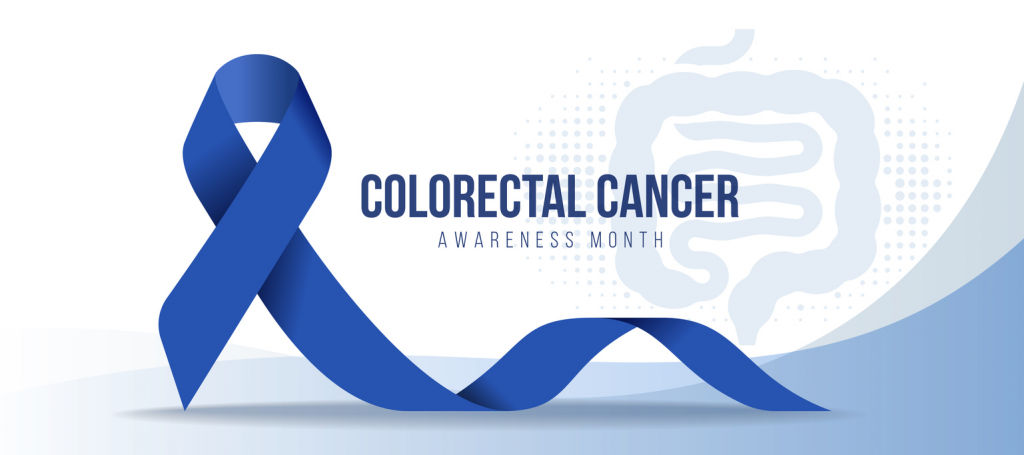
Colorectal cancer, sometimes referred to as colon cancer, is one of the leading causes of cancer-related deaths in the United States, but with early detection and proper treatment, it can be prevented and managed. March is Colorectal Cancer Awareness Month, and at Assisting Hands Home Care, we want to spread awareness and educate the public on the importance of screening and early detection.
Colorectal cancer begins in the colon or rectum and can spread to other parts of the body if not detected early. The good news is that colorectal cancer can often be prevented with regular screening and detected early through screening tests such as colonoscopies. The American Cancer Society recommends that people at average risk of colorectal cancer start regular screening at age 45 and continue until age 75.
Symptoms of colon cancer can include changes in bowel habits, rectal bleeding, abdominal pain, weakness, and fatigue. If you experience any of these symptoms, seeing a doctor promptly is important.
There are several risk factors that can increase the chances of developing colon cancer, including age, family history of colorectal cancer, personal history of colorectal polyps, a personal history of inflammatory bowel disease, and lifestyle factors such as a diet high in red and processed meats and low in fruits and vegetables, as well as physical inactivity and smoking.
To reduce the risk of colon cancer, medical experts often recommend a diet low in animal fats and high in fruits, vegetables, and whole grains to reduce the risk of other chronic diseases, such as coronary artery disease and diabetes.
According to the NIH, a significant association was observed between high nut consumption and a reduction in colorectal cancer among women (in those with an intake of ≥ 3 servings of nuts per week compared to those that declared no nut consumption).
Some studies suggest that people may reduce their risk of developing colon cancer by increasing physical activity, keeping a healthy weight, limiting alcohol consumption, and avoiding tobacco. For more information on reducing your risk, visit the CDC website.
At Assisting Hands Home Care, we understand the importance of early detection and management of colorectal cancer. Our trained and compassionate care providers are available to assist with transportation to and from doctor appointments and provide support during recovery from any necessary treatments. We also offer assistance with daily activities such as meal preparation and housekeeping, allowing our clients to focus on their health and recovery.
In conclusion, colorectal cancer is a serious health concern, but regular screening and early detection can prevent and manage it. At Assisting Hands, we are committed to educating and supporting our clients and their families on the importance of colorectal cancer awareness and early detection. If you or a loved one is in need of support and assistance during a cancer journey, contact us today to learn more about our in-home care services.
To find an Assisting Hands location near you, visit https://assistinghands.com/location-finder/
- To view the original version of this article visit assistinghands.com/blog/early-detection-of-colorectal-cancer-can-save-your-life/
- Seniors Blue Book was not involved in the creation of this content.
Other Articles You May Like
Cancer Treatment Centers in Sarasota, FL
Finding out that a skin biopsy is cancerous naturally brings up one urgent question: What happens next?Fortunately, many skin cancers can be treated successfully, particularly when they are identified early. The correct treatment, however, depends on exactly what type of skin cancer is present, where it is located, its size and depth, whether it has previously been treated, and whether there is evidence that it has spread.For people searching for cancer treatment centers in Sarasota, FL, it is important to understand that different centers specialize in different cancers. Sunshine State Dermatology and Skin Cancer Center specializes specifically in dermatologic and skin cancer care.What Does a Cancer Treatment Center Do?Cancer treatment centers may offer diagnostic testing, surgery, medication, radiation, or coordination with other specialists.For skin cancer, treatment can include: Standard surgical excision Mohs micrographic surgery Curettage and electrodesiccation Cryosurgery Topical treatments Photodynamic therapy Radiation therapy Immunotherapy Targeted therapy The appropriate method varies by diagnosis.The National Cancer Institute lists multiple accepted treatments for basal cell and squamous cell carcinoma. For localized disease, options may include conventional surgical excision, Mohs surgery, and several other local treatments.Melanoma is treated differently and may require a multidisciplinary cancer team depending on its stage.Sunshine State Dermatology and Skin Cancer CenterPhone: 941-282-3376The practice has locations in Venice and North Port and serves patients across Sarasota and Charlotte counties. It is led by dermatologist and Mohs surgeon Dr. Adam S. Greenberg.The practice's cancer-related services include evaluation and treatment of: Basal cell carcinoma Squamous cell carcinoma Melanoma Suspicious lesions Precancerous changes Mohs Surgery for Appropriate Skin CancersMohs micrographic surgery is one of the most specialized treatments available through Sunshine State Dermatology.Unlike a standard excision in which the specimen is generally processed separately, Mohs surgery combines staged removal of tissue with microscopic examination during the procedure.The goal is to identify and remove remaining cancer cells while conserving surrounding healthy tissue.The American Cancer Society notes that Mohs surgery can be particularly useful for certain basal cell carcinomas at higher risk of returning, cancers in areas where conserving healthy tissue is especially important, poorly defined tumors, large tumors, and some recurrent cancers.Sunshine State Dermatology specifically offers Mohs surgery and recommends consultation to determine whether a patient is an appropriate candidate.Why Tumor Location MattersWhere a skin cancer develops may influence treatment.A lesion on the nose, eyelid, ear, scalp, finger, or another cosmetically or functionally sensitive area may require particular attention to tissue preservation.The patient's dermatologist considers the type, location, size, and characteristics of the cancer before recommending a procedure.What About Melanoma?Melanoma requires a different treatment pathway from most basal and squamous cell cancers.Localized melanoma is generally treated surgically. More advanced melanoma may involve immunotherapy, targeted treatment, radiation, additional surgery, or combinations of therapies.Patients diagnosed with melanoma should ask Sunshine State Dermatology whether care can be completed within the dermatology practice or whether referral to surgical oncology, medical oncology, or another specialist is needed.Treatment Is Only Part of the ProcessCancer treatment should also include a follow-up plan.After skin cancer treatment, patients may need: Wound-care instructions Follow-up examinations Monitoring of the treatment site Periodic full-body skin exams Sun-protection education Evaluation of future suspicious lesions A prior skin cancer history can affect recommendations for future surveillance.Why Skin Cancer Treatment Matters in SarasotaSarasota County's year-round warm climate supports an active outdoor lifestyle.Residents may spend significant time at beaches, pools, golf courses, parks, gardens, or on the water. Over a lifetime, ultraviolet exposure contributes to skin damage and can increase skin cancer risk.Sarasota County also has a notably older population, with approximately 38% of residents age 65 or older according to current Census data.For local seniors, convenient access to dermatology and skin cancer surgery within Sarasota County can reduce the burden of traveling long distances for evaluation and follow-up.Sunshine State Dermatology's Venice and North Port offices provide options within the county's southern communities.How to Get Started1. Obtain an Exact Diagnosis2. Ask About the Recommended Procedure 3. Ask Who Performs the Procedure4. Discuss Medication Use5. Understand the Follow-Up Plan6. Ask About Referrals When NeededRelated CategoriesCancer Care Oncology Radiation Oncology
Cancer Care in Sarasota, FL
A cancer diagnosis can quickly turn everyday life into a series of appointments, decisions, and unfamiliar medical terms. For older adults and their families, one of the first challenges is understanding exactly what type of cancer has been found and which specialist should become part of the care team.For skin cancer, that care often begins with a dermatologist. Basal cell carcinoma, squamous cell carcinoma, and melanoma are different diseases, and treatment depends on the type of cancer, its location, its size, whether it has spread, and the patient's overall health.What Is Cancer Care?Cancer care covers the services involved in identifying, treating, monitoring, and managing cancer.Depending on the diagnosis, a patient's care team might include: Primary care physicians Dermatologists Dermatologic surgeons Medical oncologists Radiation oncologists Surgical oncologists Pathologists Nurses Rehabilitation professionals Palliative-care specialists In dermatology, cancer care commonly centers on skin cancer.The National Cancer Institute identifies basal cell carcinoma, squamous cell carcinoma, and melanoma as major types of skin cancer. Basal and squamous cell cancers are much more common, while melanoma is less common but is more likely to invade nearby tissues or spread elsewhere in the body.Who Should Consider Dermatologic Cancer Care?A dermatology appointment may be appropriate when someone notices: A new or changing mole A sore that does not heal A growth that bleeds repeatedly A rough or scaly patch that persists A lesion that changes in shape, size, or color A suspicious spot identified by another healthcare professional A history of previous skin cancer People with a personal history of skin cancer may also need regular follow-up examinations according to their dermatologist's recommendations.Sunshine State Dermatology and Skin Cancer CenterPhone: 941-282-3376The physician-owned practice is led by Dr. Adam S. Greenberg, M.D., FAAD, a board-certified dermatologist and Mohs micrographic surgeon. Its current offices are located in Venice and North Port, and the practice states that it serves patients throughout Sarasota and Charlotte counties.Current locations include:Venice 1415 East Venice Avenue Venice, FL 34292North Port 12497 S. Tamiami Trail, Unit 1 North Port, FL 34287The practice currently reports that it is accepting new patients.Skin Cancer Screening and Early DetectionSunshine State Dermatology provides full-body skin examinations and evaluates suspicious lesions.Skin examinations can be especially important when an older adult has accumulated decades of sun exposure. Rather than assuming a new spot is simply part of aging, a dermatologist can examine it and determine whether additional testing or biopsy is necessary.The practice's medical dermatology services include detection and treatment of: Basal cell carcinoma Squamous cell carcinoma Melanoma Precancerous skin lesions Other suspicious growths Sunshine State Dermatology also treats common noncancerous conditions such as psoriasis, eczema, acne, rosacea, and dermatitis.Mohs Micrographic SurgeryOne of the practice's major areas of specialization is Mohs micrographic surgery.During Mohs surgery, cancerous tissue is removed in thin layers and examined microscopically during the procedure. Additional layers are removed until the examined margins are clear of cancer.This approach allows the surgeon to remove cancer while preserving as much surrounding healthy tissue as possible. The National Cancer Institute lists Mohs surgery among established treatment options for localized basal cell and squamous cell carcinomas.Sunshine State Dermatology states that Dr. Greenberg performs Mohs surgery for appropriate patients at the practice.When Care May Require Other Cancer SpecialistsSunshine State Dermatology is a dermatology and skin cancer practice, not a comprehensive treatment center for every type of cancer.Some patientsparticularly those with melanoma or advanced skin cancermay require additional specialists.For example, melanoma treatment can involve surgery, immunotherapy, targeted therapy, radiation therapy, or other treatments depending on the stage and characteristics of the disease.Patients should ask who will coordinate care if an oncology referral becomes necessary.Why Cancer Care Matters Locally in SarasotaSarasota County has one of Florida's largest concentrations of older residents. Current U.S. Census Bureau data show that roughly 38% of Sarasota County residents are age 65 or older.For many local residents, years of outdoor living, boating, golf, gardening, walking, and other activities may also mean substantial lifetime sun exposure.That makes access to dermatologic evaluation and skin cancer treatment particularly relevant.Skin cancer care matters because early evaluation can help determine whether a suspicious lesion is harmless, precancerous, or malignantand whether prompt treatment is appropriate.How to Get Started1. Check Your Skin Regularly2. Schedule a Dermatology Examination3. Bring Your Medical History 4. Ask What the Biopsy Shows5. Discuss Treatment Options 6. Confirm Insurance Before TreatmentRelated CategoriesCancer Treatment Centers Oncology Primary Care Providers
Cancer Treatment Centers in Port Charlotte, FL
Finding the Right Place to Fight Cancer, Close to HomeA cancer diagnosis changes everything overnight. Suddenly you're not just thinking about treatment options you're thinking about where that treatment will actually happen. Will it be a sterile, unfamiliar facility an hour away? Will your parent or spouse have to make that drive several times a week, exhausted, for weeks at a time?For many seniors and families in Port Charlotte, the choice of treatment center is just as important as the treatment plan itself. The right center doesn't just deliver medical technology it offers a calm, supportive environment, a team that knows your name, and a location close enough that treatment doesn't take over your entire day.What Is a Cancer Treatment Center, and Who Is It For?A cancer treatment center is a dedicated medical facility equipped to deliver active cancer treatment most commonly radiation therapy, though some centers also offer infusion therapy, diagnostic imaging, and supportive services under one roof. Unlike a hospital, many treatment centers are outpatient facilities, meaning patients come in for their session and go home the same day.Cancer treatment centers are typically built around a few core capabilities: Radiation therapy delivery using specialized equipment to target and treat tumors with precision Treatment planning and simulation imaging and mapping used to design a personalized treatment approach before therapy begins On-site physician oversight board-certified oncologists who monitor progress and adjust treatment as needed Supportive care coordination helping patients manage side effects and stay on track with their treatment schedule A dedicated treatment center is the right fit for: Patients who have been diagnosed with cancer and referred for radiation therapy Seniors managing a recurrence who need ongoing or repeat treatment Patients seeking a second opinion or evaluating treatment options before committing to a plan Families who want the reassurance of a facility with modern equipment and an experienced clinical team nearby Because many radiation treatment plans involve daily visits over several weeks, the physical location and day-to-day experience of the center matter enormously not just the technology inside it. Featured Cancer Treatment Center in Port CharlotteAdvocate Radiation OncologyAddress: 3080 Harbor Blvd, Port Charlotte, FL 33952 Phone: (941) 883-2199Advocate Radiation Oncology operates a dedicated radiation treatment center right in Port Charlotte, giving local patients access to advanced cancer treatment technology without having to travel to Fort Myers, Sarasota, or beyond. The practice is locally owned and operated a distinction the group notes is unique in the region which means the physicians treating patients are also the ones invested in the day-to-day quality of the center itself.Inside the Advocate Radiation Oncology treatment center, patients have access to: Advanced radiation delivery technology, including IMRT/VMAT (intensity-modulated and volumetric-modulated arc therapy), image-guided radiation therapy (IGRT), stereotactic body radiation therapy (SBRT), stereotactic radiosurgery (SRS), and high-dose-rate brachytherapy Individualized treatment planning, where each patient's simulation and treatment mapping is customized to their specific tumor location, size, and cancer type designed to maximize effectiveness while protecting healthy surrounding tissue A multidisciplinary physician team, with radiation oncologists trained at institutions such as Harvard, Yale, MD Anderson Cancer Center, and the University of Michigan Long-standing local expertise, including Dr. David Rice, who has practiced radiation oncology in Port Charlotte since 1999 and previously served as Chief of Staff at Fawcett Memorial Hospital Experience treating a wide range of cancers, including breast, prostate, lung, head and neck, skin, gastrointestinal, brain, and lymphoma Bilingual patient support, with several physicians fluent in Spanish to better serve Port Charlotte's Hispanic community Streamlined new patient onboarding, with registration forms available online in both English and Spanish so patients can complete paperwork before their first appointment Because Advocate Radiation Oncology is part of a broader Southwest Florida physician network with additional centers in Fort Myers, Cape Coral, Venice, Naples, and Bonita Springs patients who need specialized equipment not available on-site, or who split time between homes seasonally, can often continue care at a sister location without starting over.Best for: Patients who need radiation therapy delivered by an experienced, board-certified team using modern technology, in a facility close enough to make daily or weekly treatment visits manageable.Note: Some online directories associate this practice with its parent organization, Precision Healthcare Specialists. Patients in Port Charlotte will continue to be treated under the Advocate Radiation Oncology name at the Harbor Boulevard location. Why Local Cancer Treatment Centers Matter in Port CharlottePort Charlotte's population skews notably older than the national average, which means cancer diagnoses and the need for accessible treatment touch a large share of local families. A nearby, well-equipped treatment center makes a real difference in several ways: Radiation therapy is a marathon, not a sprint. Many treatment plans call for daily sessions over several weeks. A center 10 minutes away is far more sustainable than one an hour down the highway. Treatment causes fatigue. Long drives on top of the physical toll of therapy can make an already difficult process harder. Local access reduces that burden. Caregivers need to stay involved. When the treatment center is close to home, family members can more easily attend appointments, ask questions, and provide support without losing entire days to travel. Consistency improves outcomes. Receiving care from the same local team throughout treatment allows physicians to closely track progress and adjust plans quickly if something isn't working. It offers peace of mind during an uncertain time. Knowing that advanced, board-certified cancer treatment is available right in the community is one less thing for Port Charlotte families to worry about. How to Get StartedIf you or a loved one needs to find a cancer treatment center in Port Charlotte, here's how to begin: Get a referral or request a consultation. Most patients are referred by their primary care physician, oncologist, or surgeon, but you can also contact a treatment center directly to ask about scheduling a consultation. Call ahead to ask questions. Reach Advocate Radiation Oncology's Port Charlotte office at (941) 883-2199 to ask about the types of treatment offered, what technology is used, and what a typical treatment schedule looks like. Gather your medical history. Bring pathology reports, imaging scans, and a current medication list to your first visit so the treatment team can build an accurate plan. Complete registration in advance. Advocate Radiation Oncology offers new patient forms online in English and Spanish, which can help your first appointment go more smoothly. Ask about logistics early. Find out how many sessions are involved, how long each visit typically takes, and whether transportation assistance is available if needed. Bring a support person. Having a family member or trusted friend at appointments can help you absorb information, ask follow-up questions, and stay organized throughout treatment. Related CategoriesCancer Care in Port Charlotte, FL Home Health Care in Port Charlotte, FL Medical Transportation in Port Charlotte, FL
Local Services By This Author
Assisting Hands Home Care
Non-Medical 5700 E Franklin Rd Ste 105, Nampa, Idaho, 83687Quality Home Care You Can Trust, Assisting Hands provides professional in-home health care services allowing our clients to remain safely and comfortably in their own homes. Their Mission Statement: To offer our clients personalized non-medical support services in their homes, assisting the elderly, disabled and others needing assistance to maintain quality of life. Our services support the individuals choices and preferences in order to maintain their dignity and independence. We assist clients in a spirit of concern for their welfare, gaining satisfaction and a sense or pride for the value that we add to their lives.