From Hospital to Home: How Skilled Nursing Rehab Helps Seniors
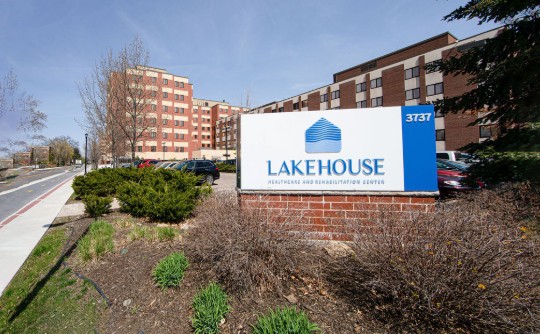
Lakehouse Healthcare and Rehabiliation
For more information about the author, click to view their website: Lakehouse Healthcare and Rehabilitation Center
Jul 16, 2026
Minnesota - Twin Cities Metro Area

Email US
Click to Email Us
When a loved one is discharged from the hospital, families often face an important question: What level of care is needed next? While some seniors are ready to return home with minimal assistance, many benefit from a period of skilled nursing rehabilitation to regain strength, restore independence, and recover safely.
For families throughout Minneapolis and the Twin Cities, choosing the right rehabilitation center can make all the difference. A skilled nursing facility provides around-the-clock medical care, rehabilitation therapies, and personalized support designed to help seniors recover after surgery, illness, injury, or hospitalization.
Why the Transition After a Hospital Stay Matters
Leaving the hospital is an exciting milestone, but it is also one of the most vulnerable times in a person's recovery. Without the proper support, seniors may experience setbacks that can lead to additional hospital visits or slower healing.
A skilled nursing rehabilitation center bridges the gap between the hospital and home by providing medical supervision, therapy, and individualized care plans focused on recovery.
Whether someone is recovering from a joint replacement, stroke, cardiac event, pneumonia, or a fall, having experienced healthcare professionals available 24 hours a day provides peace of mind for both residents and their families.
What Is Skilled Nursing Rehabilitation?
Skilled nursing rehabilitation combines medical care with therapeutic services to help individuals recover as safely and efficiently as possible.
Residents may receive:
- Skilled nursing care
- Medication management
- Physical therapy
- Occupational therapy
- Speech therapy
- Wound care
- Pain management
- Nutritional support
- Care coordination
- Discharge planning
Each care plan is customized to the resident's medical needs, personal goals, and physician recommendations.
A Team Approach to Recovery
Successful rehabilitation requires collaboration.
Nurses, therapists, physicians, dietitians, social workers, and other healthcare professionals work together to monitor progress and adjust treatment plans as recovery continues.
Physical therapists focus on improving strength, balance, mobility, and endurance.
Occupational therapists help residents regain the skills needed for everyday activities such as dressing, bathing, cooking, and safely navigating the home.
Speech-language pathologists assist individuals recovering from strokes or neurological conditions by improving communication and swallowing abilities.
This coordinated approach helps residents build confidence while working toward greater independence.
Recovery Is About More Than Therapy
Although rehabilitation sessions are an important part of recovery, healing continues throughout the day.
Residents benefit from:
- Twenty-four-hour nursing supervision
- Regular physician oversight
- Medication monitoring
- Nutritional meals
- Social engagement opportunities
- Personalized assistance with daily activities
Having professional caregivers available around the clock allows potential health concerns to be addressed quickly while providing reassurance to families.
Choosing the Right Rehabilitation Center
When evaluating skilled nursing facilities, families should consider several important factors.
Ask questions such as:
- Is rehabilitation offered seven days a week when appropriate?
- Are therapy plans individualized?
- How does the care team communicate with families?
- What discharge planning services are available?
- How does the facility coordinate with physicians and hospitals?
Touring the community and meeting staff members can also help families feel confident about their decision.
Serving Minneapolis and the Twin Cities
Families throughout Minneapolis and the surrounding Twin Cities often need rehabilitation services following hospitalization at area medical centers. Choosing a nearby skilled nursing facility can make it easier for family members to visit, participate in care planning, and support their loved one's recovery.
Convenient access, experienced healthcare professionals, and compassionate care all contribute to a positive rehabilitation experience.
Frequently Asked Questions
How long does a rehabilitation stay usually last?
The length of stay varies depending on each person's medical condition and recovery goals. Some residents stay a few weeks, while others require a longer rehabilitation program.
Does Medicare cover skilled nursing rehabilitation?
Many short-term rehabilitation services are covered by Medicare when eligibility requirements are met. Families should discuss coverage with the facility and their healthcare provider.
What conditions are commonly treated?
Skilled nursing rehabilitation frequently helps individuals recovering from joint replacement surgery, strokes, fractures, cardiac events, pneumonia, infections, and generalized weakness following hospitalization.
Can families participate in care planning?
Yes. Family involvement is encouraged, and communication with caregivers is an important part of creating a successful recovery plan.
What happens after rehabilitation?
The care team develops a personalized discharge plan that may include returning home, receiving home health services, or transitioning to another level of care depending on the resident's needs.
Learn More
If you or someone you love is preparing for life after a hospital stay, learning about skilled nursing rehabilitation can help you make an informed decision.
For additional information about Lakehouse Healthcare & Rehabilitation Center, visit their Seniors Blue Book listing to explore services, contact information, and available resources.
Other Articles You May Like
Regaining Strength, Confidence, and Everyday Independence
Regaining Strength, Confidence, and Everyday IndependenceRecovering from surgery, a serious illness, or an unexpected injury can change an older adult's everyday routine. Activities that once required little effortwalking to the kitchen, getting dressed, climbing stairs, or carrying on a conversationmay suddenly become more challenging.A hospital stay can also affect strength, endurance, and confidence. Even after the initial medical condition has stabilized, a person may need additional support before returning to normal activities.For many older adults, rehabilitation plays an important role in this next stage of recovery.Physical therapy can help address movement and balance. Occupational therapy focuses on the practical skills needed for daily activities. Speech therapy may support communication, cognitive-communication abilities, and swallowing difficulties.Together, these services can help individuals work toward meaningful recovery goals.For seniors and families throughout Ocean County, New Jersey, understanding the rehabilitation process can make it easier to choose appropriate care and prepare for a successful transition after hospitalization.Complete Care at Arbors provides personalized post-acute rehabilitation services for individuals recovering from illness, injury, surgery, and certain neurological conditions.The facility offers physical therapy, occupational therapy, and speech therapy up to seven days a week, with treatment plans adjusted to each patient's abilities, tolerance, and rehabilitation goals.Through individualized therapy, coordinated healthcare support, and discharge planning, Complete Care at Arbors helps patients work toward their best achievable level of functioning.Understanding Post-Acute RehabilitationPost-acute rehabilitation refers to therapy and related healthcare services provided after an acute medical event.A patient may no longer require hospitalization but still need professional assistance to regain strength, movement, communication, or independence in everyday activities.Common Reasons for RehabilitationThese may include:Hip or knee replacementBone fracturesStrokeOrthopedic injuriesMajor surgerySerious illnessExtended hospitalizationReduced mobilityPhysical deconditioningCertain neurological conditionsRecovery Is Different for EveryoneSome patients may need a short course of therapy, while others require a longer rehabilitation program.The expected duration depends on medical condition, functional abilities, treatment goals, and progress.The Purpose of RehabilitationThe goal is not simply to complete exercises.It is to help individuals recover or adapt the abilities needed for meaningful everyday activities.Rehabilitation Services at Complete Care at ArborsComplete Care at Arbors provides post-acute rehabilitation as part of its broader healthcare services.Its official website confirms access to three primary rehabilitation disciplines.Verified Therapy ServicesPhysical therapyOccupational therapySpeech therapyTherapy AvailabilityThe community advertises rehabilitation services up to seven days a week, based on individual care plans and clinical needs.Personalized Rehabilitation ProgramsTherapy plans are developed according to the patient's condition, abilities, goals, and tolerance.Coordinated Healthcare SupportComplete Care at Arbors also provides nursing and medical services to help address clinical needs during recovery.These services support rehabilitation but are distinct from the therapy disciplines themselves.Physical Therapy: Restoring Movement and StrengthPhysical therapy focuses on movement, strength, coordination, balance, and functional mobility.These abilities can be affected by surgery, injury, neurological conditions, and extended periods of inactivity.Physical Therapy May AddressWalkingStandingBalanceMuscle strengthEnduranceTransfersStair navigationCoordinationMobility aid useRebuilding Confidence in MovementAn older adult may feel uncertain about walking after a fall or hospitalization.Physical therapy can provide structured opportunities to practice appropriate movements under professional guidance.Functional ProgressA patient may work toward transferring from a bed to a chair, walking a suitable distance, or navigating a familiar environment.Individualized TreatmentExercises and mobility activities should reflect the patient's medical condition and current abilities.Therapy does not guarantee a return to previous functioning, but it can support progress toward realistic goals.Occupational Therapy: Making Daily Activities EasierOccupational therapy focuses on everyday activities that contribute to independence and personal well-being.Someone recovering from surgery may be able to walk but still have difficulty getting dressed, bathing, or preparing a simple meal.Occupational therapy addresses these practical challenges.Everyday Skills May IncludeDressingBathingGroomingToiletingEatingUsing household objectsFine motor coordinationHand functionPersonal care routinesPracticing Meaningful TasksA therapist may help someone learn techniques for dressing with limited mobility or using appropriate adaptive equipment.Adapting to Physical ChangesNot every rehabilitation goal involves returning to exactly the same method of performing an activity.Sometimes learning a safer or more manageable technique is an important achievement.Preparing for HomeOccupational therapy can also help identify potential challenges involving bathrooms, bedrooms, kitchens, and other everyday environments.Speech Therapy: Communication and Swallowing RecoverySpeech-language pathology addresses conditions affecting speech, language, communication, cognition, and swallowing.These difficulties may occur after stroke, neurological illness, surgery, or other medical conditions.Speech Therapy May SupportSpeech clarityWord retrievalLanguage understandingExpressing needsCognitive-communication skillsVoiceSwallowing functionCommunication Is Part of IndependenceAn older adult may need to explain discomfort, ask questions, communicate preferences, or participate in healthcare decisions.Speech therapy may help address challenges that interfere with these activities.Swallowing Needs Require Clinical AttentionDifficulty swallowing can affect nutrition and health.A speech-language pathologist may evaluate swallowing function and recommend appropriate strategies or further assessment.Individualized GoalsTherapy may focus on clearer speech, more effective communication, or safer eating and drinking, depending on the patient's needs.Rehabilitation After Joint Replacement SurgeryHip and knee replacement procedures often require a period of recovery involving mobility and daily activity training.An older adult may have temporary movement restrictions, pain, weakness, or difficulty performing routine tasks.Rehabilitation Goals May IncludeStanding safelyImproving walking abilityPracticing transfersManaging appropriate stairsIncreasing strengthDeveloping balanceUsing mobility equipmentReturning to personal care routinesFollowing Surgical PrecautionsThe treating surgeon and healthcare team may establish movement restrictions or other postoperative instructions.Therapists incorporate these requirements into the rehabilitation plan.Complete Care at Arbors' Orthopedic ProgramThe facility specifically identifies orthopedic and post-surgical rehabilitation among its clinical services.Progress Is IndividualRecovery time and abilities vary according to the procedure, medical history, and response to therapy.Rehabilitation After a Fracture or FallAn injury involving a broken bone can affect an older adult's confidence as well as mobility.Some individuals become hesitant to stand or walk after experiencing a fall.Potential Rehabilitation PrioritiesThese may include:Strengthening appropriate muscle groupsImproving transfersPracticing safe walkingAddressing balanceUsing prescribed mobility aidsManaging daily activitiesPreparing for accessibility needs at homeUnderstanding Fall RiskFalls can involve several factors, including weakness, balance difficulties, vision changes, medications, and environmental hazards.Rehabilitation and PreventionTherapists may identify strategies that address relevant mobility limitations.Safety Comes FirstPatients should follow medical weight-bearing restrictions and other instructions throughout recovery.Stroke Recovery and RehabilitationA stroke can affect several different abilities.Some individuals experience weakness on one side of the body. Others develop communication difficulties, changes in coordination, or swallowing problems.Because symptoms vary, stroke rehabilitation often requires an individualized, interdisciplinary approach.Physical Therapy After StrokeMay address walking, balance, transfers, strength, and movement control.Occupational Therapy After StrokeMay address dressing, grooming, hand use, coordination, and other daily activities.Speech Therapy After StrokeMay help individuals experiencing communication, language, cognitive-communication, or swallowing difficulties.Complete Care at Arbors' Stroke ServicesThe facility identifies neurological and stroke recovery as part of its specialized clinical offerings.Recovery Goals Must Be RealisticStroke rehabilitation progress depends on factors such as the type and severity of injury, health conditions, and treatment response.Therapy should be guided by qualified professionals and adjusted as needs change.Rebuilding Strength After Extended HospitalizationOlder adults may experience weakness and reduced endurance after spending significant time in the hospital.A person who previously walked independently may need assistance standing, transferring, or covering short distances.Possible Changes After HospitalizationReduced muscle strengthIncreased fatigueDecreased enduranceBalance limitationsDifficulty performing personal careLower confidence in mobilityWhat Is Deconditioning?Physical deconditioning refers to a reduction in strength or functional capacity associated with illness, inactivity, or other circumstances.Rehabilitation GoalsTherapy may focus on gradually rebuilding appropriate activity tolerance and daily functioning.The Importance of PacingPatients should not be expected to perform activities beyond their current medical or physical abilities.Care plans should accommodate rest, fatigue, and gradual progress.Creating an Individualized Rehabilitation PlanEffective rehabilitation begins with understanding the patient's current abilities and goals.A person recovering from knee surgery may have different needs from someone recovering from a stroke.An Assessment May ConsiderMedical conditionPrevious level of independenceCurrent mobilityStrength and balancePersonal care abilitiesCommunicationSwallowing concernsPain or fatigueHome environmentAvailable caregiversSetting Meaningful GoalsA goal might involve walking to the bathroom safely, preparing for a family meal, or managing dressing with less assistance.Measuring ProgressThe rehabilitation team can evaluate functional changes and determine whether therapy goals should be modified.Family ParticipationWith appropriate consent, relatives may share details about the patient's usual routines and home environment.This information can help therapists develop more practical goals.How Often Does Rehabilitation Take Place?Therapy frequency depends on the patient's medical condition, rehabilitation plan, and ability to tolerate treatment.Complete Care at Arbors advertises therapy services up to seven days a week.When Does Therapy Begin?The facility states that its goal is to begin therapy within 24 hours of admission when appropriate to the individual's care plan.Does Every Patient Receive Therapy Daily?Not necessarily.The schedule depends on clinical needs, orders, tolerance, and applicable coverage or authorization arrangements.Rest and Recovery Are ImportantPatients may require periods of rest between therapy and other care activities.Ask About the Daily RoutineFamilies can request a general schedule to help coordinate visits without unnecessarily interrupting treatment.Why Rehabilitation Goals May ChangeRecovery does not always occur in a straight line.Some patients improve steadily, while others experience fatigue, complications, or changes that require adjustments.Reasons for Modifying GoalsThese may include:Improvement in physical abilityIncreased enduranceChanges in medical conditionPain or fatigueNew mobility limitationsChanges in discharge arrangementsRegular ReassessmentThe rehabilitation team should evaluate progress and update treatment plans when appropriate.Celebrating Meaningful MilestonesProgress may include walking farther, dressing with less assistance, or communicating more effectively.Avoid Comparing PatientsTwo people with similar diagnoses may have very different rehabilitation experiences.The focus should remain on each individual's functional goals.The Role of Nursing During RehabilitationRehabilitation patients may also require nursing support while they recover.Nursing services can help address clinical needs that affect therapy participation.Nursing Support May IncludeMedication administrationMonitoring medical conditionsWound carePain-related treatment coordinationObservation of clinical changesAssistance with daily careCommunication with physiciansCoordinated TreatmentTherapists and nursing professionals may work together when a patient's medical condition affects participation.Clinical Stability MattersA patient experiencing medical complications may require adjustments to the rehabilitation schedule.Appropriate Professional OversightRehabilitation should be delivered within an individualized healthcare plan rather than treated as a general fitness program.Nutrition and Energy During RecoveryRecovering from illness, injury, or surgery can affect appetite, hydration, and nutritional needs.Adequate nutrition is one consideration in supporting the body's recovery processes.Factors That May Affect NutritionReduced appetiteFatigueDietary restrictionsSwallowing difficultiesMedical conditionsChanges in eating habitsDining at Complete Care at ArborsThe facility advertises chef-inspired meals and dining options in communal areas or private rooms.Clinical Dietary RequirementsMedical diets and swallowing-related precautions should follow qualified professional recommendations.Mealtime PreferencesComfortable dining arrangements may help patients maintain familiar routines during their stay.Emotional Confidence During RehabilitationPhysical recovery is not the only concern following a major health event.An older adult may feel uncertain about leaving the hospital, returning home, or performing activities that were previously easy.Common ConcernsThese may include:Fear of fallingWorry about becoming dependentFrustration with slower progressAnxiety about going homeChanges in daily routineUncertainty about future mobilitySupportive CommunicationPatients should have opportunities to express concerns and ask questions about rehabilitation goals.Recognizing ProgressMeaningful milestones may help patients see how their abilities are changing.When Additional Support Is NeededPersistent emotional distress should be evaluated by appropriately qualified healthcare or mental health professionals.Preparing for a Safe Return HomeFor many rehabilitation patients, returning home is an important goal.However, successful discharge planning involves more than deciding that therapy is complete.The patient must be able to function appropriately in the intended environment, with available assistance where needed.Important Discharge ConsiderationsWalking abilityTransfersBathroom accessStairsMedication routinesMeal preparationMobility equipmentPersonal careTransportationAvailable family supportUnderstand the Home LayoutA person returning to a residence with stairs may need different preparation from someone living in a single-level home.Consider Support After DischargeSome patients require home healthcare, outpatient therapy, or non-medical caregiving after rehabilitation.A Personalized PlanComplete Care at Arbors describes developing individualized discharge plans that may include home health resources, therapy recommendations, and patient or family education.Home Safety and AccessibilityThe home environment can affect how safely an older adult performs everyday activities after rehabilitation.Potential ConcernsThese may include:Poor lightingLoose rugsNarrow walkwaysStairsBathroom accessDifficult furniture transfersInadequate space for mobility equipmentPossible Accessibility ImprovementsDepending on professional recommendations, changes may include improved lighting, safer walking routes, grab bars, or appropriate equipment.Occupational Therapy InputAn occupational therapist may help identify practical strategies for managing daily tasks in the home.Avoid Unnecessary AssumptionsNot every patient needs every type of modification.Recommendations should reflect the person's abilities and environment.Understanding Mobility EquipmentSome patients leave rehabilitation using a walker, cane, wheelchair, or other mobility aid.Important QuestionsWhich equipment is appropriate?How should it be adjusted?Does the patient know how to use it?Are caregivers trained to assist?Is the home accessible?How will equipment be obtained?Equipment Must Be SuitableThe correct type and fit should be determined by qualified professionals.Training MattersImproper use can create additional safety risks.Planning Before DischargeNecessary equipment arrangements should be addressed before the patient returns home whenever possible.Family Caregiver PreparationFamily members may provide additional assistance after an older adult returns home.However, they should understand what help will realistically be required.Questions Families Should AskCan the patient get out of bed independently?Is help needed with bathing?How should transfers be assisted?Are special precautions necessary?What appointments are scheduled?Will home therapy continue?Who should be contacted with concerns?Training Before DischargeFamilies should ask whether the care team can provide relevant instruction for approved assistance techniques.Caregiver AvailabilityThe discharge plan should account for when family members are actually available.Professional AssistanceHome care or other support services may be necessary when family help is insufficient.Continuing Rehabilitation After Returning HomeSome patients need further therapy after leaving a post-acute rehabilitation facility.Follow-Up Options May IncludeHome-based physical therapy when eligibleOutpatient physical therapyOccupational therapySpeech therapyPhysician follow-upOther prescribed servicesWhy Continuity MattersA transition plan should identify which ongoing services are appropriate.Following Professional InstructionsPatients should follow their clinicians' recommendations regarding exercises, mobility precautions, and treatment schedules.ReassessmentIf functional abilities change after discharge, the individual may require additional evaluation.Preventing Avoidable Hospital ReadmissionsReturning home is an important achievement, but managing care after discharge is also important.Complete Care at Arbors identifies a Complete Catch program that focuses on strategies intended to reduce preventable hospital readmissions following post-acute care.Potential Planning PrioritiesThese may include:Understanding medicationsScheduling follow-up visitsRecognizing changes in conditionArranging suitable supportCoordinating therapyClarifying who to contact with concernsA Discharge Plan Should Be UnderstandablePatients and authorized caregivers should know what assistance is needed and what instructions to follow.Medical Changes Require AttentionWorsening symptoms or new health concerns should be evaluated appropriately.No Outcome Is GuaranteedDischarge planning and readmission-prevention strategies can support continuity of care but cannot guarantee that hospitalization will never be needed again.Celebrating Rehabilitation MilestonesRecovery can involve substantial effort.Acknowledging progress can be meaningful for patients who have worked toward functional goals.Complete Success at ArborsComplete Care at Arbors describes its Complete Success program as recognizing patients who reach rehabilitation goals and successfully transition home.Examples of Meaningful MilestonesThese may include:Walking with greater independenceCompleting personal care tasksImproving transfersReturning to family activitiesCommunicating more effectivelyPreparing for dischargeProgress Is PersonalA small improvement may represent a significant achievement for someone recovering from a serious medical event.The Focus Is Functional IndependenceA successful outcome should reflect the patient's condition, goals, and appropriate next level of care.Understanding Insurance and Rehabilitation CoverageRehabilitation services may be covered under Medicare, Medicaid, or private insurance when applicable requirements are satisfied.However, coverage is not automatic.Original Medicare Skilled Nursing Facility CoverageOriginal Medicare Part A may cover qualifying skilled nursing facility services, including appropriate rehabilitation, when the beneficiary meets relevant requirements.These generally include a qualifying inpatient hospital stay, a need for covered skilled services, and admission to a Medicare-certified facility.Medicare AdvantagePlans may have different authorization, network, and coverage procedures.Private InsuranceCoverage depends on the policy and any applicable authorizations.Questions to Ask Before AdmissionFamilies should confirm:Whether the facility participates with the insurance planWhether prior authorization is requiredWhat costs may applyHow coverage duration is determinedWhat happens if coverage ends before the patient is ready to leaveComplete Care at Arbors identifies Medicare, Medicaid, and private insurance among its accepted payment arrangements, subject to verification.Choosing a Rehabilitation FacilityThe right rehabilitation setting should match the patient's medical needs, therapy requirements, and realistic goals.Questions About TherapyAre physical, occupational, and speech therapies available?How soon is therapy expected to begin?How are goals established?How frequently is progress reviewed?What happens when progress changes?Questions About Clinical SupportWhich nursing services are available?How are medical conditions managed?What specialists may be involved?How are changes communicated?Questions About Returning HomeWhen does discharge planning begin?Can families participate in planning?What equipment may be required?Are home health referrals coordinated?How are follow-up therapy arrangements discussed?Questions About InsuranceRequest current information about plan participation, authorizations, and potential out-of-pocket costs.Expert Tip: Connect Every Therapy Goal to Real LifeSenior Rehabilitation Tip: Before rehabilitation begins, identify three everyday activities your loved one wants to perform again, such as walking to the dining table, getting dressed independently, or communicating clearly with family members. Share these priorities with the therapy team. Meaningful rehabilitation goals should connect clinical progress with the activities that matter most to the individual.This approach can help patients and families understand why specific therapy activities are included in the recovery plan.Frequently Asked Questions About Rehabilitation at Complete Care at Arbors1. Does Complete Care at Arbors offer short-term rehabilitation?Yes. Complete Care at Arbors provides post-acute rehabilitation for eligible patients recovering from illness, injury, or surgery. Services are tailored to individual medical and functional needs.2. What types of therapy are available?The facility offers physical therapy, occupational therapy, and speech therapy. Its published program provides therapy services up to seven days a week, based on individual care plans and treatment tolerance.3. Can Complete Care at Arbors help patients recovering from joint replacement surgery or stroke?Yes. The facility advertises orthopedic and post-surgical rehabilitation as well as neurological and stroke recovery services. Admission and treatment plans depend on a professional assessment of each patient's needs.4. How does Complete Care at Arbors prepare patients to return home?The facility describes developing individualized discharge plans that may include home health resources, therapy recommendations, education, and coordination of the patient's next care arrangements. The plan depends on functional progress and available support.5. How can families learn about rehabilitation admission and insurance coverage?Families can contact Complete Care at Arbors to discuss clinical eligibility, therapy services, current availability, accepted insurance plans, possible authorizations, and estimated costs. Coverage depends on the individual's plan and applicable requirements.Moving Toward Greater Independence After RehabilitationRecovery after surgery, illness, or injury often requires patience, professional guidance, and a realistic understanding of functional abilities.For some older adults, the greatest challenge is regaining strength and mobility.Others may need assistance with dressing, bathing, communication, or swallowing.Physical therapy, occupational therapy, and speech therapy address these different aspects of recovery and can work together to support meaningful everyday goals.For seniors and families throughout Ocean County, New Jersey, Complete Care at Arbors offers individualized post-acute rehabilitation with therapy services available up to seven days a week.Its programs include orthopedic rehabilitation, post-surgical recovery, stroke-related care, and functional support following other medical events.The facility also emphasizes personal rehabilitation goals, communication with families, and planning for life after discharge.Families can support the process by sharing information about the patient's previous abilities, understanding therapy goals, reviewing progress, and preparing the intended home environment.Rehabilitation does not guarantee that every person will return to their previous level of independence.However, individualized treatment and thoughtful discharge planning can help patients work toward their best achievable level of function.Learn More About Complete Care at Arbors RehabilitationLooking for post-acute rehabilitation in Ocean County, New Jersey?Visit Complete Care at Arbors on SeniorsBlueBook.com to explore its Rehabilitation Facilities listing and learn more about physical therapy, occupational therapy, speech therapy, orthopedic recovery, and stroke rehabilitation.The admissions team can explain how individualized rehabilitation plans are developed and how the facility helps patients prepare for their next stage of recovery.
Speech and Language Rehabilitation After Stroke
Speech and Language Rehabilitation After Stroke in Monmouth County, NJRecovering from a stroke or neurological illness can be a life-changing experience. While much of the attention following a medical event focuses on physical strength and mobility, changes in speech, language, cognition, and swallowing can be equally challenging.An individual who previously enjoyed conversations with family members may suddenly struggle to find familiar words. Someone else may understand what others are saying but have difficulty forming sentences or speaking clearly.For some older adults, neurological conditions also affect memory, attention, problem-solving, or swallowing, making everyday activities more complicated.These challenges can influence confidence, independence, social relationships, and overall quality of life.For seniors and families throughout Monmouth County, New Jersey, specialized speech and language rehabilitation can provide valuable support during recovery.Mind2Mouth Rehabilitation Speech Therapy offers personalized, in-home speech-language rehabilitation for adults experiencing communication, cognitive, and swallowing difficulties following stroke or neurological illness.Through individualized assessments, evidence-based treatment strategies, and practical exercises based on everyday needs, Mind2Mouth helps patients work toward meaningful rehabilitation goals.Understanding the role of speech-language rehabilitation can help families recognize changes, participate in recovery, and explore appropriate care options.Understanding Speech and Language RehabilitationSpeech-language rehabilitation is a specialized healthcare service that helps individuals address difficulties involving communication, language, voice, cognition, or swallowing.These changes may occur following a stroke, brain injury, or certain neurological conditions.A licensed speech-language pathologist evaluates the person's abilities and develops an individualized treatment plan.Areas Speech Rehabilitation May AddressSpeech clarityWord retrievalLanguage comprehensionSentence formationReading and writingVoice functionAttention and memoryProblem-solvingCognitive communicationSwallowing coordinationFunctional communicationThe appropriate treatment depends on the patient's diagnosis, symptoms, medical recommendations, and personal goals.Why Speech Rehabilitation Matters After a StrokeA stroke occurs when blood flow to part of the brain is interrupted or when bleeding occurs within the brain.Depending on the area affected, stroke survivors may experience changes in movement, sensation, communication, cognition, or swallowing.Some individuals experience several of these challenges simultaneously.Common Communication Changes After StrokeThese may include:Difficulty finding wordsSlurred speechTrouble forming sentencesDifficulty understanding conversationsProblems reading or writingReduced speech coordinationChanges in memory or attentionDifficulty communicating personal needsWhy Communication Rehabilitation Is ImportantCommunication affects many everyday activities.An individual may need to explain pain or symptoms during a medical appointment, communicate preferences to family members, or participate in important decisions.When speech or language becomes difficult, these activities can require additional support.Speech-language rehabilitation focuses on improving or adapting communication abilities so patients can participate more effectively in their daily lives.Recovery varies, and therapy cannot guarantee that every person will regain all previous abilities.In-Home Stroke Rehabilitation at Mind2MouthMind2Mouth provides individualized stroke-related speech therapy in patients' homes throughout Monmouth County, New Jersey.Home-based rehabilitation offers an opportunity to practice communication in the environment where many everyday interactions occur.Benefits of In-Home Speech RehabilitationHome-based treatment may provide:Familiar surroundingsPersonalized one-on-one attentionReduced transportation demandsOpportunities to practice real conversationsTherapy based on everyday routinesFamily education when appropriateFunctional treatment goalsStrategies that can be used between appointmentsMaking Rehabilitation PracticalA patient recovering from stroke may have difficulty using the telephone, expressing meal preferences, or remembering important information.Instead of focusing only on isolated exercises, functional rehabilitation can incorporate activities that reflect these real situations.This approach helps connect therapy with the patient's everyday goals.Aphasia Rehabilitation: Rebuilding Language SkillsAphasia is a language disorder that commonly occurs following stroke or brain injury.It affects the ability to understand or express language.Some individuals experience difficulty finding words, while others struggle to understand spoken or written information.Aphasia does not necessarily affect intelligence.A person may know exactly what they want to communicate but be unable to express it in the usual way.Common Aphasia SymptomsThese may include:Difficulty naming familiar objectsTrouble finding specific wordsProblems forming sentencesDifficulty understanding spoken languageReduced reading comprehensionDifficulty writingUsing unintended wordsFrustration during conversationsHow Mind2Mouth Supports Aphasia RehabilitationMind2Mouth offers individualized aphasia therapy focused on meaningful communication.Treatment may involve:Word retrieval exercisesNaming activitiesSentence practiceLanguage comprehension strategiesFunctional conversationReading and writing activitiesAlternative communication methodsFamily educationCommunication Beyond Spoken WordsSome patients benefit from gestures, written keywords, pictures, or communication technology.These strategies may help individuals express needs while continuing to work on language abilities.The goal is to support communication rather than insist that every message be delivered through speech alone.Addressing Speech Clarity After Neurological IllnessNot every speech difficulty following stroke involves aphasia.Some individuals experience changes in the strength, coordination, or control of the muscles used for speaking.These challenges can make speech sound slurred, slow, or difficult to understand.Dysarthria and Motor Speech DifficultiesDysarthria is a motor speech disorder that may occur when neurological changes affect the muscles involved in speaking.Symptoms can include:Slurred speechReduced speaking volumeUnclear pronunciationChanges in speaking rateDifficulty coordinating breathing and speechRehabilitation StrategiesDepending on the person's condition, speech-language therapy may focus on:Improving speech clarityUsing appropriate speaking strategiesAdjusting speech rateSupporting breath controlPracticing meaningful phrasesDeveloping alternative communication methodsTreatment should be guided by professional assessment.Why Functional Speech MattersAn important goal may be communicating effectively with family members, caregivers, or healthcare professionals.Even when speech remains difficult, appropriate strategies may improve the person's ability to participate in conversations.Cognitive-Communication RehabilitationStroke and neurological illness can affect thinking skills that support communication.Some individuals experience difficulties with memory, attention, organization, or problem-solving.These changes may not be immediately obvious during a short conversation, but they can affect daily routines.Mind2Mouth provides cognitive-communication therapy focused on practical activities.Cognitive-Communication Challenges May IncludeDifficulty remembering instructionsReduced attentionTrouble following conversationsDifficulty organizing informationProblems planning daily activitiesReduced problem-solving abilityDifficulty managing multiple tasksHow Rehabilitation May HelpSpeech-language pathologists may introduce strategies involving:Memory aidsWritten remindersStructured routinesAttention exercisesProblem-solving activitiesTask organizationFunctional communication practiceSupporting Everyday IndependenceFor example, an individual may need help organizing information for medical appointments or remembering steps in a familiar routine.Therapy can focus on practical strategies that help manage these challenges.The treatment approach should reflect the person's cognitive abilities and available support.Swallowing Rehabilitation After StrokeSwallowing difficulties, also known as dysphagia, may occur after stroke or certain neurological conditions.These difficulties can affect eating, drinking, and taking medications safely.Some swallowing disorders increase the risk of aspiration, which occurs when food, liquid, or other material enters the airway.Mind2Mouth provides swallowing therapy for adults with appropriate clinical needs.Possible Signs of Swallowing DifficultiesThese may include:Coughing during mealsChoking when eating or drinkingDifficulty swallowing certain foodsChanges in voice quality after swallowingRepeated difficulty managing liquidsFood feeling stuckProlonged mealtimesNot every swallowing difficulty is obvious.Professional evaluation is important when concerns arise.What Swallowing Therapy May InvolveDepending on clinical assessment, treatment may include:Swallowing exercisesCoordination strategiesTechniques for safer swallowingEducation about swallowing precautionsMonitoring functional progressCollaboration with medical professionalsNeuromuscular Electrical StimulationMind2Mouth identifies neuromuscular electrical stimulation, or NMES, as a treatment option that may be considered when clinically appropriate.NMES uses controlled electrical stimulation in selected therapeutic applications.It is not appropriate for every swallowing disorder, and its use should depend on professional assessment.Important Safety ConsiderationsFamilies should not independently change prescribed food textures or liquid consistency.Swallowing recommendations must follow appropriate medical and speech-language evaluations.Sudden difficulty swallowing, especially with other new neurological symptoms, requires urgent medical attention.Rehabilitation Following Other Neurological ConditionsSpeech, language, cognition, and swallowing can be affected by neurological conditions beyond stroke.Mind2Mouth also provides adult speech-language services for individuals with Parkinson's disease and other neurological disorders.Parkinson's DiseaseParkinson's disease may affect voice volume, speech clarity, and swallowing.Treatment may involve exercises and strategies designed to support communication and functional abilities.Mind2Mouth offers the SPEAK OUT! program for appropriate individuals with Parkinson's disease.Brain InjuryBrain injuries may affect communication, attention, memory, and organization.Therapy may focus on functional communication and strategies for everyday activities.Other Neurological ConditionsSome neurological disorders affect speech coordination, cognitive communication, or swallowing.A professional evaluation helps determine whether speech-language rehabilitation is appropriate.Personalized Treatment GoalsEvery person experiences neurological recovery differently.One patient may prioritize speaking more clearly.Another may want to communicate with family members using familiar words and phrases.Someone experiencing swallowing difficulties may need treatment focused on appropriate eating and drinking strategies.Examples of Rehabilitation GoalsThese may include:Expressing basic needsFinding familiar wordsParticipating in conversationsImproving speech clarityUnderstanding instructionsFollowing daily routinesUsing memory strategiesCommunicating during medical appointmentsManaging swallowing difficultiesUsing communication aidsWhy Meaningful Goals MatterRehabilitation should address activities that are important to the patient.A goal involving a favorite hobby, family conversation, or everyday responsibility may be more personally meaningful than an exercise that is unrelated to daily life.Mind2Mouth emphasizes functional treatment based on each individual's needs, interests, and routines.What to Expect During a Speech Rehabilitation EvaluationAn evaluation helps the speech-language pathologist understand the patient's condition, abilities, and treatment priorities.The Initial Assessment May IncludeReview of medical historyDiscussion of the stroke or neurological diagnosisAssessment of speech clarityLanguage evaluationCognitive-communication assessmentSwallowing assessment when indicatedReview of everyday communication concernsDiscussion of treatment goalsDeveloping an Individualized Treatment PlanAfter evaluating the patient, the therapist can recommend an appropriate treatment plan.This may include therapy goals, session frequency, practical exercises, and family education when appropriate.Mind2Mouth states that sessions may last approximately 3045 minutes, although the recommended schedule depends on individual evaluation findings.The Importance of Family InvolvementFamily members can play an important role in rehabilitation after stroke.They often understand the patient's communication habits, interests, and previous abilities.With the patient's permission, relatives may participate in learning strategies that support everyday communication.Helpful Ways Families Can ParticipateAllow additional time for responsesReduce background distractionsAvoid interrupting unnecessarilyUse clear languageConfirm understandingEncourage communication attemptsPractice recommended activitiesRespect the patient's preferencesSupporting Someone With AphasiaA person with aphasia may struggle to express words but still understand the situation.Family members should avoid speaking about the individual as though they are not present.Whenever possible, patients should be included in conversations and decisions.Encouraging Communication Without PressureRecovery may involve good days and difficult days.Families can provide encouragement while recognizing that communication difficulties may cause fatigue or frustration.Therapy strategies should be practiced according to professional recommendations.Emotional Well-Being During Neurological RecoveryCommunication difficulties can affect emotional health.Some stroke survivors feel frustrated when they cannot express themselves as easily as before.Others withdraw from conversations because they worry about being misunderstood.Common Emotional ChallengesThese may include:FrustrationReduced confidenceAnxiety during conversationsSocial withdrawalFear of making mistakesDifficulty adjusting to new limitationsConcern about independenceWhy Social Connection MattersMeaningful relationships remain important even when communication changes.Family conversations, familiar hobbies, and appropriate social activities can help patients stay connected.Persistent depression, anxiety, or significant emotional changes should be discussed with qualified healthcare professionals.Measuring Progress in Speech RehabilitationRecovery is not always predictable.Some individuals make noticeable improvements, while others experience slower changes or continue to need communication strategies.Progress May Be Evaluated ThroughSpeech clarityWord retrievalLanguage comprehensionFunctional communicationAttentionMemory strategiesParticipation in conversationSwallowing functionAbility to use communication aidsWhy Progress Looks Different for EveryoneFactors that may influence recovery include:Type and severity of neurological injuryAreas of the brain affectedPrevious communication abilitiesExisting medical conditionsCognitive functioningFatigueTreatment responseAvailable supportTherapy should focus on realistic improvements rather than guarantee complete recovery.Why Home-Based Rehabilitation Can Be HelpfulFor some older adults, traveling to appointments can be difficult following stroke or neurological illness.Mobility limitations, transportation requirements, and fatigue may create additional challenges.Mind2Mouth's in-home approach allows patients to receive individualized treatment within familiar surroundings.Practical Benefits of Home-Based RehabilitationThese may include:Reduced travel demandsFamiliar communication partnersOpportunities to practice real-life situationsIndividualized treatmentConvenient participation in daily routinesFamily education when appropriateConnecting Therapy With Daily LifeA patient may practice ordering a meal, explaining a need, or participating in a family conversation.These activities can help reinforce communication strategies in meaningful situations.Home-based services do not replace emergency care or medically necessary hospital treatment.They are intended for individuals whose needs are appropriate for this treatment setting.Understanding Referrals and InsuranceBefore starting rehabilitation, families should verify insurance coverage, physician referral requirements, and appointment availability.Mind2Mouth states that a physician prescription or referral is required before beginning speech therapy.Insurance ParticipationThe practice identifies the following insurance arrangements:MedicareHorizon Blue Cross Blue ShieldAetnaCoverage depends on the individual's specific plan, eligibility, benefits, and medical necessity.Some insurance plans may offer out-of-network benefits.Questions Families Should AskIs the provider in network?Does the plan cover in-home speech therapy?Is prior authorization required?Is a physician referral necessary?Are copayments or deductibles involved?How many visits may be covered?Is telepractice covered when appropriate?Current coverage should be verified before beginning treatment.Choosing a Speech Rehabilitation ProviderNot every speech therapy practice focuses on adult neurological rehabilitation.When choosing a provider, families should consider the clinician's experience, treatment approach, and ability to address the patient's needs.Important QuestionsDoes the provider treat adults recovering from stroke?Is aphasia therapy available?Can cognitive-communication concerns be addressed?Are swallowing evaluations and therapy offered?Is treatment provided in the patient's home?How are functional goals established?How is progress reviewed?Can family members participate?What insurance plans are accepted?What documentation is required?Mind2Mouth specializes in adult speech-language therapy with a focus on functional outcomes and individualized care.Expert Tip: Make Communication Goals PersonalStroke Rehabilitation Tip: Before beginning speech-language rehabilitation, identify three everyday situations that have become challenging. These might include speaking with family, explaining symptoms during medical appointments, finding words, or eating safely. Discuss these examples with the therapist so treatment can focus on meaningful daily activities.Small, practical improvements can make a significant difference in confidence and everyday participation.Frequently Asked Questions About Speech Rehabilitation1. Can speech therapy help after a stroke?Yes. Speech-language therapy may help address communication, language, cognitive-communication, and swallowing difficulties following stroke. Treatment depends on professional assessment and individual needs.2. Does Mind2Mouth provide aphasia rehabilitation?Yes. Mind2Mouth offers individualized aphasia therapy for adults experiencing language difficulties after stroke or brain injury.3. Can speech therapy help with swallowing difficulties?Speech-language pathologists can evaluate and treat certain swallowing disorders. Mind2Mouth provides swallowing therapy, including NMES when clinically appropriate.4. Are rehabilitation sessions provided at home?Yes. Mind2Mouth provides personalized, one-on-one speech-language rehabilitation in patients' homes throughout Monmouth County, New Jersey.5. Is a physician referral required?Yes. Mind2Mouth requires a physician prescription or referral before beginning speech therapy. Families should also confirm insurance coverage and current appointment availability.Rebuilding Communication and Confidence After Neurological IllnessA stroke or neurological condition can affect speech, language, memory, attention, and swallowing in ways that influence everyday independence.Although recovery varies, specialized speech-language rehabilitation can help individuals work toward meaningful functional goals.For adults and families throughout Monmouth County, New Jersey, Mind2Mouth Rehabilitation Speech Therapy provides personalized, in-home services focused on communication, cognition, and swallowing.Its treatment approach includes stroke rehabilitation, aphasia therapy, cognitive-communication support, and swallowing therapy.By connecting professional treatment with familiar routines and personal goals, Mind2Mouth helps patients practice skills that matter in their daily lives.Learn More About Mind2Mouth Rehabilitation Speech TherapyLooking for speech and language rehabilitation after stroke or neurological illness in Monmouth County, New Jersey?Visit Mind2Mouth Rehabilitation Speech Therapy on SeniorsBlueBook.com to explore its rehabilitation services listing and learn more about available treatment options.Understanding the available rehabilitation services can help patients and families take informed steps toward improved communication, everyday independence, and quality of life.
Rebuilding Independence After Serious Injury
Rebuilding Independence After Serious Injury Through Inpatient Rehabilitation in Ocean County, NJRecovering from a serious injury, major orthopedic procedure, or life-changing medical condition can affect nearly every part of everyday life. Activities that once seemed simple, such as walking, getting dressed, standing from a chair, or moving safely around the home, may suddenly become difficult.For older adults, these changes can be especially challenging when recovery involves several medical conditions or reduced physical strength.Although emergency medical treatment and surgery may address the immediate health concern, many patients still require additional rehabilitation before they can return to their normal routines.For seniors and families throughout Ocean County, New Jersey, inpatient rehabilitation can provide an important stage of recovery.Encompass Health Rehabilitation Hospital of Toms River offers comprehensive inpatient rehabilitation services for individuals recovering from serious illnesses, injuries, and medical conditions affecting functional independence.The hospital provides intensive physical therapy, occupational therapy, speech therapy, around-the-clock rehabilitation nursing, and frequent physician visits.Its coordinated approach focuses on helping patients regain or adapt essential abilities while preparing for the next stage of care.Understanding how inpatient rehabilitation works can help families make informed decisions about recovery, treatment expectations, and long-term support.Understanding Inpatient Rehabilitation HospitalsAn inpatient rehabilitation hospital provides intensive therapeutic services and medical oversight for individuals recovering from serious injuries, illnesses, or surgeries.Unlike outpatient rehabilitation, which involves attending scheduled therapy appointments, inpatient rehabilitation requires patients to stay at the hospital while receiving coordinated treatment.The primary objective is to improve functional abilities and help individuals prepare for an appropriate discharge setting.Who May Benefit From Inpatient Rehabilitation?Depending on medical eligibility, patients may require rehabilitation following:Hip fracturesJoint replacement surgeryComplex orthopedic injuriesStrokeBrain injurySpinal cord injuryAmputationNeurological conditionsSerious illness causing substantial weaknessMedical events affecting mobility and independenceNot every patient requires an inpatient rehabilitation hospital.A physician and rehabilitation team should determine whether this level of care is medically appropriate.Why Rehabilitation Matters in Ocean CountyMany older adults throughout Ocean County value maintaining independence and participating in familiar routines.A serious injury or illness can interrupt these activities by affecting movement, balance, strength, and endurance.For some patients, the greatest challenge after hospitalization is regaining the ability to complete essential daily tasks.Others must learn new techniques or use adaptive equipment because their physical abilities have changed.Benefits of Local RehabilitationReceiving inpatient rehabilitation within Ocean County may make it easier for families to:Visit their loved onesParticipate in treatment discussionsUnderstand rehabilitation goalsCommunicate with healthcare professionalsPrepare for dischargeCoordinate follow-up servicesLearn safe assistance techniquesMaintain important family relationshipsFamily involvement can help the rehabilitation team understand the patient's previous abilities, home environment, and personal priorities.Inpatient Rehabilitation at Encompass HealthEncompass Health Rehabilitation Hospital of Toms River provides hospital-based rehabilitation through a coordinated team of healthcare professionals.Its standard intensive rehabilitation program generally involves at least three hours of therapy per day, five days per week, with treatment individualized to the patient's medical condition and tolerance.The hospital also provides 24-hour nursing care and frequent physician involvement.Services May IncludePhysical therapyOccupational therapySpeech-language therapyRehabilitation nursingPhysician evaluationsMedication managementFunctional assessmentsPatient and caregiver educationDischarge planningWhy Individualized Rehabilitation MattersTwo people with similar injuries may have very different recovery needs.One patient may require assistance with walking and balance.Another may have difficulty dressing, bathing, or managing daily tasks.Some individuals also need continued medical monitoring because of chronic conditions.An individualized approach helps healthcare professionals establish goals appropriate to each patient.Orthopedic Rehabilitation After Injury or SurgeryOrthopedic injuries can significantly affect mobility and independence.Hip fractures, joint replacement procedures, and other musculoskeletal conditions may make it difficult to stand, walk, climb stairs, or complete everyday activities.Encompass Health Rehabilitation Hospital of Toms River provides rehabilitation for individuals recovering from complex orthopedic conditions.Common Orthopedic Rehabilitation GoalsThese may include:Improving walking abilityRebuilding muscle strengthPracticing safe transfersRestoring balanceIncreasing enduranceUsing recommended mobility equipmentManaging stairs when appropriateCompleting essential daily activitiesRecovery After Hip FractureA hip fracture may substantially affect an older adult's ability to walk and move independently.Following appropriate medical treatment, some patients benefit from intensive rehabilitation to address weakness, mobility limitations, and everyday functioning.Treatment should follow medical restrictions and individual recovery goals.Recovery After Joint ReplacementPatients recovering from hip or knee replacement may require therapy focused on movement, strength, mobility, and safe functional activities.Therapists must follow the surgeon's recommendations regarding weight-bearing and movement precautions.Physical Therapy: Rebuilding Strength and MobilityPhysical therapy is an important part of inpatient rehabilitation.Following serious injury or surgery, patients may experience weakness, reduced balance, limited endurance, or difficulty completing movements.Physical therapists evaluate these challenges and develop appropriate treatment activities.Physical Therapy May AddressMuscle strengthWalkingBalanceCoordinationEnduranceStanding toleranceSafe transfersStair navigationMobility equipment useFunctional movementPracticing WalkingSome patients need to relearn walking techniques or adapt to physical limitations.Therapists may recommend walkers, canes, or other equipment when appropriate.Improving BalanceBalance difficulties can increase the risk of falls.Physical therapy may include supervised activities designed to improve stability and safer movement.Building EnduranceProlonged hospitalization and reduced activity can affect stamina.Rehabilitation may help patients gradually increase appropriate activity based on medical recommendations.Occupational Therapy: Returning to Everyday ActivitiesWalking ability is only one part of functional independence.After a serious injury, patients may struggle with dressing, bathing, grooming, or managing household routines.Occupational therapy focuses on these practical daily activities.Occupational Therapy May AddressDressingBathingGroomingToiletingEatingHand coordinationFine motor skillsUsing adaptive equipmentFunctional daily routinesWhy Occupational Therapy MattersSomeone recovering from hip surgery may have difficulty bending or getting dressed.Another individual may require assistance with bathing or transferring safely.Occupational therapists help patients practice appropriate methods and identify adaptive tools when necessary.Preparing for Daily Life After DischargeTherapy may consider how patients will manage activities in their intended living environment.This includes discussing mobility restrictions, bathroom accessibility, available caregivers, and recommended equipment.Rehabilitation Following AmputationAmputation can create significant physical and emotional challenges.Patients may need to adapt to changes in mobility, balance, personal care, and everyday routines.Encompass Health Rehabilitation Hospital of Toms River provides rehabilitation for individuals recovering from amputation.Rehabilitation Goals May IncludeImproving strengthDeveloping safe transfer techniquesPracticing balanceLearning mobility strategiesUsing adaptive equipmentManaging personal carePreparing for prosthetic training when appropriateImproving functional independenceProsthetic TrainingSome individuals may eventually use a prosthetic device.When medically appropriate, rehabilitation professionals may help patients learn techniques for safe use and functional movement.Not every patient is immediately eligible for prosthetic training.Treatment depends on healing, medical condition, and professional evaluation.Brain Injury RehabilitationBrain injuries can affect movement, communication, memory, behavior, and everyday functioning.The effects vary according to the nature and severity of the injury.Encompass Health Rehabilitation Hospital of Toms River provides rehabilitation for individuals recovering from brain injuries.Rehabilitation May AddressBalanceMobilityStrengthCoordinationCognitive-communication abilitiesPersonal careFunctional movementAdaptive strategiesSafety awarenessCoordinated RehabilitationSome patients require several therapies simultaneously.Physical therapy may address movement.Occupational therapy may focus on personal care and daily functioning.Speech-language therapy may address communication or cognitive-communication difficulties.Rehabilitation nursing and physicians provide appropriate clinical support.Spinal Cord Injury RehabilitationSpinal cord injuries can affect mobility, strength, sensation, and functional independence.The effects depend on the location and severity of the injury.Encompass Health Rehabilitation Hospital of Toms River provides spinal cord injury rehabilitation.Treatment Goals May IncludeDeveloping mobility strategiesPracticing safe transfersUsing assistive equipmentStrengthening available muscle functionLearning adaptive techniquesManaging daily activitiesPreparing for dischargeAdapting to Functional ChangesSome patients experience lasting physical limitations.Rehabilitation may help individuals identify practical strategies that support independence and quality of life.Treatment should focus on realistic, individualized goals rather than guarantee restoration of lost function.Speech Therapy and Communication SupportAlthough orthopedic injuries primarily affect movement, some rehabilitation patients also experience neurological or communication difficulties.Encompass Health Rehabilitation Hospital of Toms River offers speech-language therapy when medically appropriate.Speech Therapy May AddressSpeech clarityLanguage comprehensionExpressing thoughtsCommunication strategiesCognitive-communication abilitiesSwallowing concernsWhy Communication MattersPatients need ways to express symptoms, preferences, concerns, and treatment questions.When neurological conditions affect communication, speech-language therapy may help address these challenges.Swallowing DifficultiesSome medical conditions can affect swallowing.A qualified speech-language pathologist may evaluate swallowing function and recommend appropriate treatment.Families should follow prescribed swallowing precautions and dietary recommendations.Rehabilitation Nursing and Medical OversightIntensive rehabilitation involves more than therapy sessions.Some patients also require medication administration, medical monitoring, or prescribed clinical treatments.Encompass Health Rehabilitation Hospital of Toms River provides 24-hour nursing care and frequent physician visits.Nursing Services May IncludeMedication administrationMonitoring medical conditionsAssessing changes in symptomsProviding prescribed treatmentsSupporting personal careCoordinating with physiciansReinforcing safety recommendationsCommunicating with therapistsWhy Medical Oversight MattersA patient's medical condition can influence therapy participation.For example, pain, fatigue, respiratory symptoms, or blood pressure changes may affect activity tolerance.Communication among healthcare professionals helps ensure that rehabilitation remains appropriate.Onsite Dialysis and Complex Medical NeedsSome patients requiring rehabilitation also have kidney-related medical needs.Encompass Health Rehabilitation Hospital of Toms River has introduced an onsite dialysis suite to provide hemodialysis services for eligible patients.Why Coordinating Dialysis and Rehabilitation MattersDialysis can affect scheduling, fatigue, and overall medical management.Having appropriate dialysis services available within the rehabilitation setting may help coordinate treatment with therapy schedules.Individual Eligibility Is ImportantNot every patient requiring dialysis is automatically eligible for inpatient rehabilitation.Healthcare professionals must consider medical stability, treatment requirements, and the ability to participate in intensive therapy.Families should confirm current dialysis availability, clinical eligibility, and insurance arrangements directly with the hospital.Advanced Rehabilitation Equipment and TechnologySome rehabilitation programs use specialized equipment to support mobility, movement practice, and functional activities.Encompass Health describes using rehabilitation technologies and real-world simulations within its broader treatment approach.Technology May SupportBalance trainingMovement practiceWalking activitiesFunctional mobilityCoordination exercisesAdaptive techniquesWhy Technology Is Only One Part of CareEquipment alone does not determine rehabilitation success.Professional assessment, individualized treatment, medical oversight, and patient participation remain essential.The availability of specific devices should be confirmed with the hospital.Setting Meaningful Recovery GoalsEffective rehabilitation focuses on abilities that matter in everyday life.For some patients, the goal is walking independently with appropriate equipment.For others, it may involve transferring safely, completing personal care, or learning adapted techniques.Examples of Rehabilitation GoalsA patient may work toward:Standing with less assistanceWalking safelyGetting out of bedTransferring to a chairUsing the bathroomDressing more independentlyImproving balanceIncreasing enduranceUsing adaptive equipmentNavigating familiar environmentsWhy Measurable Goals MatterA broad goal such as becoming stronger may be difficult to evaluate.A specific goal involving walking distance, transfer assistance, or daily activities provides a clearer way to assess progress.Recovery Timelines VaryProgress depends on the individual's diagnosis, medical condition, previous abilities, and response to treatment.Rehabilitation should not promise a fixed outcome or timeline.Managing Pain and Fatigue During RecoveryPain and fatigue can affect rehabilitation participation.Some individuals experience discomfort following orthopedic surgery.Others feel unusually tired after serious illness or prolonged hospitalization.Symptoms Worth ReportingPatients should inform their healthcare team about:New or worsening painDizzinessUnusual fatigueShortness of breathChanges in mobilityDifficulty sleepingMedication concernsNew weaknessHealthcare professionals can determine whether additional evaluation or treatment adjustments are needed.Balancing Activity and RestAppropriate recovery involves both therapeutic activity and rest.More exercise is not always better.Treatment intensity should reflect medical recommendations and individual tolerance.Emotional Well-Being During RehabilitationA serious injury or illness can affect emotional health.Patients may feel frustrated when familiar activities become difficult.Others worry about returning home or needing additional assistance.Common Emotional ChallengesThese may include:Fear of fallingReduced confidenceAnxiety about recoveryFrustrationChanges in independenceDifficulty adjusting to physical limitationsUncertainty about the futureSupporting Emotional AdjustmentPatients may benefit from:Clear communicationRealistic treatment goalsRecognition of progressFamily encouragementParticipation in care decisionsAppropriate mental health supportPersistent emotional distress should be discussed with qualified healthcare professionals.The Importance of Discharge PlanningDischarge planning is a major part of inpatient rehabilitation.For many patients, returning home is the desired outcome.However, the appropriate discharge destination depends on medical needs, functional abilities, and available support.Discharge Planning May AddressWalking abilityPersonal care requirementsMedication managementHome accessibilityRecommended equipmentCaregiver availabilityFollow-up appointmentsContinued therapyTransportationSafety concernsWhy Early Planning MattersFamilies may need time to arrange equipment, prepare the home, or coordinate additional services.Discussing discharge needs early can help make the transition more manageable.Preparing the Home After RehabilitationA home that was comfortable before an injury may present new challenges afterward.Someone who previously walked independently may now require mobility equipment.Stairs, bathrooms, furniture arrangements, and walking surfaces may need attention.Home Safety ConsiderationsDepending on professional recommendations, changes may include:Removing loose rugsImproving lightingKeeping walkways clearInstalling suitable grab barsUsing recommended mobility devicesMaking frequently used items accessibleReviewing stair safetyArranging caregiver assistanceA qualified professional can help determine which modifications are appropriate.How Families Can Support RecoveryFamily members may play an important role during and after rehabilitation.They can provide information about the patient's previous abilities, home layout, routines, and personal preferences.Helpful Family InvolvementRelatives may:Attend care planning discussionsAsk about treatment goalsCommunicate with rehabilitation professionalsLearn safe mobility techniquesPrepare recommended equipmentCoordinate transportationArrange follow-up appointmentsProvide emotional encouragementBe Realistic About Available AssistanceA discharge plan should reflect the assistance that will actually be available.Families should communicate honestly about their ability to provide physical support or personal care.Additional services may be necessary when caregiving needs exceed available assistance.Understanding Insurance Coverage for Inpatient RehabilitationInsurance coverage depends on medical necessity, plan requirements, and individual eligibility.An inpatient rehabilitation hospital is different from a skilled nursing facility or a long-term acute care hospital.These settings have different coverage rules and clinical requirements.Medicare CoverageOriginal Medicare Part A may cover medically necessary inpatient rehabilitation hospital services when applicable eligibility requirements are met.Coverage may involve deductibles, benefit periods, and other cost-sharing.Private InsuranceSome insurance plans require prior authorization or participation in approved provider networks.Important Financial QuestionsFamilies should ask:Is the hospital covered by the patient's insurance?Is prior authorization required?What medical eligibility criteria apply?Which services are covered?Are deductibles or copayments involved?What happens when coverage changes?Are additional services billed separately?Coverage and financial responsibilities should be verified before admission whenever possible.What to Ask When Choosing an Inpatient Rehabilitation HospitalChoosing a rehabilitation hospital involves evaluating medical services, therapy intensity, functional goals, and discharge planning.Important QuestionsWhat conditions does the hospital treat?Which therapies are available?How are treatment schedules established?What rehabilitation nursing services are provided?How frequently are physicians involved?How is progress measured?What specialized medical services are available?How are families involved?When does discharge planning begin?Which insurance plans are accepted?Families should also ask whether the hospital can meet the patient's specific medical and rehabilitation needs.Expert Tip: Prepare for Independence Beyond RehabilitationSenior Rehabilitation Tip: Before beginning inpatient rehabilitation, identify the activities the patient wants to resume after discharge. Discuss walking, bathing, dressing, stairs, mobility equipment, and available caregiver assistance. Clear functional goals can help the rehabilitation team prepare for the next stage of recovery.Rehabilitation should focus on meaningful daily abilities while recognizing that some individuals may need adaptive strategies or continued support.Frequently Asked Questions About Inpatient Rehabilitation in Ocean County, NJ1. Is Encompass Health Rehabilitation Hospital of Toms River a long-term acute care hospital?No. It is an inpatient rehabilitation hospital. Its primary focus is intensive rehabilitation for medically appropriate patients recovering from serious illnesses, injuries, and conditions affecting functional independence.2. What services does Encompass Health Rehabilitation Hospital of Toms River provide?The hospital provides intensive physical therapy, occupational therapy, speech therapy, 24-hour rehabilitation nursing, frequent physician visits, and coordinated medical care.3. What conditions are treated at the hospital?The hospital provides rehabilitation for patients recovering from stroke, brain injury, spinal cord injury, amputation, complex orthopedic conditions, and certain serious illnesses.4. How much therapy do patients typically receive?The hospital's standard inpatient rehabilitation program generally provides at least three hours of therapy per day, five days per week. Treatment is individualized according to medical condition and tolerance.5. Can families contact the hospital to discuss admission?Yes. Families can contact Encompass Health Rehabilitation Hospital of Toms River to discuss rehabilitation eligibility, referral procedures, specialized services, insurance participation, and current availability.Moving Forward With Inpatient RehabilitationRecovering from a serious injury or illness can involve physical, emotional, and practical challenges.For some patients, meaningful progress means walking more safely or completing personal care with less assistance.For others, rehabilitation may involve learning new movement strategies, using adaptive equipment, or preparing for continued support.For seniors and families throughout Ocean County, New Jersey, Encompass Health Rehabilitation Hospital of Toms River provides intensive inpatient rehabilitation designed around individual medical and functional needs.Its coordinated approach includes rehabilitation physicians, nurses, physical therapists, occupational therapists, speech-language pathologists, and other healthcare professionals.The hospital focuses on helping eligible patients regain or adapt everyday abilities while preparing for the next stage of care.Understanding the available rehabilitation services can help patients and families make informed decisions about recovery.Learn More About Encompass Health Rehabilitation Hospital of Toms RiverLooking for an inpatient rehabilitation hospital in Ocean County, New Jersey?Visit Encompass Health Rehabilitation Hospital of Toms River on SeniorsBlueBook.com to explore its rehabilitation hospital listing and learn more about available services.Choosing an appropriate rehabilitation setting can help patients and families focus on meaningful recovery goals, functional independence, and a safer transition to everyday life.
Local Services By This Author
Lakehouse Healthcare and Rehabilitation Center
Transition Specialists 3737 Bryant Avenue South, Minneapolis, Minnesota, 55409Located in Minneapolis at 3737 Bryant Ave S., Lakehouse Healthcare and Rehabilitation Center offers a comprehensive and modern suite of amenities and services designed to support seniors at every stage of care. Whether an individual needs short-term rehabilitation, long-term skilled nursing, memory support, respite, or hospice care, this facility specializes in delivering personalized, holistic support. Services OverviewLakehouse divides its services into clear care pathways:Transitional Care (Short-Term Rehabilitation): This program is ideal for those recovering from surgery, stroke or other acute medical events who need a bridge between hospital and home. Therapists and clinicians work on restoring strength, mobility, and daily living skills. Long-Term Care: For residents requiring ongoing assistance with daily living, Lakehouse provides 24/7 nursing, medication management, social engagement and comfortable accommodations. Memory Care: Specialized programs and staff cater to those living with dementia or cognitive impairment, ensuring a safe, supportive environment. Hospice Care: Compassionate end-of-life services are available in a peaceful setting, focusing on dignity and comfort. Respite Care: For families needing short-term relief, Lakehouse offers temporary stays, letting caregivers take a break while ensuring their loved one is wellcared-for. Facility AmenitiesLakehouses modern facility is designed to foster comfort, independence, and social engagement. Below are key amenities that set Lakehouse apart:State-of-the-Art Therapy & Rehabilitation GymWithin the transitional care program, residents benefit from a dedicated therapy gym and Activities of Daily Living (ADL) suite. The ADL suite includes a kitchen setup with refrigerator, dishwasher, and bed-training area to simulate home tasks and ease transition back to independent living. Comfortable Living SpacesThe long-term care section offers personalized accommodations with the option of private or semi-private rooms. Residents can bring personal items, TVs and phones to make the space their own. Social & Leisure SpacesLakehouse hosts a library for quiet a reading space; family-friendly lounges for visits; outdoor courtyards and tranquil gazebos for fresh air and relaxation. Fine Dining & NutritionMeals are chef-prepared and well-balanced, delivered either in open-concept family dining rooms or to residents rooms/apartments. Kitchenette access is also available in some areas to support semi-independent dining. Salon & Grooming ServicesOn-site salon services such as haircuts, styling and manicures help residents maintain dignity and feel their best. Transportation & Community ExcursionsLakehouse provides transportation to nearby appointments and organizes off-site excursions so residents remain connected with the broader community. Holistic Wellness ApproachThe facility emphasizes holistic care not just physical health, but emotional and spiritual well-being too. On-site religious and non-denominational services, social activities, and a vibrant community culture are part of the experience. Why Choose Lakehouse? Expert, personalized care: The staff tailors services and care plans to each individuals needs and preferences Modern facility with full amenities: Comfortable living spaces, high-end rehab gym, outdoor areas and community integration all support quality of life. Seamless transitions across care levels: Whether recovering with transitional care, moving into long-term care, or requiring memory or hospice support, Lakehouse supports changing needs without disruptive transitions. Peace of mind for families: With 24/7 care capabilities, comprehensive therapies, social programming and a supportive culture, families can feel confident their loved one is in a caring, well-equipped community. In short, Lakehouse Healthcare and Rehabilitation Center offers a well-rounded living experience where medical care, comfort, social engagement and resident choice come together. Its designed to not only meet health and safety needs but also support meaningful living recovering, thriving and feeling at home. If youd like, I can pull together sample room photos, therapy equipment descriptions, and details of the upcoming activity calendar to further showcase Lakehouses environment.
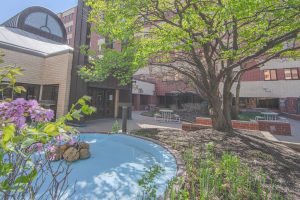
Lakehouse Healthcare and Rehabilition Center
Memory Care 3737 Bryant Avenue South, Minneapolis, Minnesota, 55409Located in Minneapolis at 3737 Bryant Ave S., Lakehouse Healthcare and Rehabilitation Center offers a comprehensive and modern suite of amenities and services designed to support seniors at every stage of care. Whether an individual needs short-term rehabilitation, long-term skilled nursing, memory support, respite, or hospice care, this facility specializes in delivering personalized, holistic support. Services OverviewLakehouse divides its services into clear care pathways:Transitional Care (Short-Term Rehabilitation): This program is ideal for those recovering from surgery, stroke or other acute medical events who need a bridge between hospital and home. Therapists and clinicians work on restoring strength, mobility, and daily living skills. Long-Term Care: For residents requiring ongoing assistance with daily living, Lakehouse provides 24/7 nursing, medication management, social engagement and comfortable accommodations. Memory Care: Specialized programs and staff cater to those living with dementia or cognitive impairment, ensuring a safe, supportive environment. Hospice Care: Compassionate end-of-life services are available in a peaceful setting, focusing on dignity and comfort. Respite Care: For families needing short-term relief, Lakehouse offers temporary stays, letting caregivers take a break while ensuring their loved one is wellcared-for. Facility AmenitiesLakehouses modern facility is designed to foster comfort, independence, and social engagement. Below are key amenities that set Lakehouse apart:State-of-the-Art Therapy & Rehabilitation GymWithin the transitional care program, residents benefit from a dedicated therapy gym and Activities of Daily Living (ADL) suite. The ADL suite includes a kitchen setup with refrigerator, dishwasher, and bed-training area to simulate home tasks and ease transition back to independent living. Comfortable Living SpacesThe long-term care section offers personalized accommodations with the option of private or semi-private rooms. Residents can bring personal items, TVs and phones to make the space their own. Social & Leisure SpacesLakehouse hosts a library for quiet a reading space; family-friendly lounges for visits; outdoor courtyards and tranquil gazebos for fresh air and relaxation. Fine Dining & NutritionMeals are chef-prepared and well-balanced, delivered either in open-concept family dining rooms or to residents rooms/apartments. Kitchenette access is also available in some areas to support semi-independent dining. Salon & Grooming ServicesOn-site salon services such as haircuts, styling and manicures help residents maintain dignity and feel their best. Transportation & Community ExcursionsLakehouse provides transportation to nearby appointments and organizes off-site excursions so residents remain connected with the broader community. Holistic Wellness ApproachThe facility emphasizes holistic care not just physical health, but emotional and spiritual well-being too. On-site religious and non-denominational services, social activities, and a vibrant community culture are part of the experience. Why Choose Lakehouse? Expert, personalized care: The staff tailors services and care plans to each individuals needs and preferences Modern facility with full amenities: Comfortable living spaces, high-end rehab gym, outdoor areas and community integration all support quality of life. Seamless transitions across care levels: Whether recovering with transitional care, moving into long-term care, or requiring memory or hospice support, Lakehouse supports changing needs without disruptive transitions. Peace of mind for families: With 24/7 care capabilities, comprehensive therapies, social programming and a supportive culture, families can feel confident their loved one is in a caring, well-equipped community. In short, Lakehouse Healthcare and Rehabilitation Center offers a well-rounded living experience where medical care, comfort, social engagement and resident choice come together. Its designed to not only meet health and safety needs but also support meaningful living recovering, thriving and feeling at home. If youd like, I can pull together sample room photos, therapy equipment descriptions, and details of the upcoming activity calendar to further showcase Lakehouses environment.
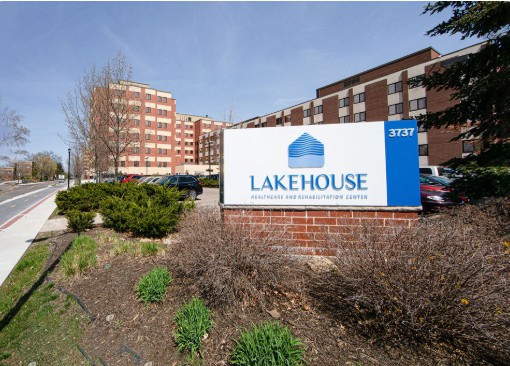
Lakehouse Healthcare and Rehabilitation Center
Inpatient Rehab Facilities 3737 Bryant Avenue South, Minneapolis, Minnesota, 55409Located in Minneapolis at 3737 Bryant Ave S., Lakehouse Healthcare and Rehabilitation Center offers a comprehensive and modern suite of amenities and services designed to support seniors at every stage of care. Whether an individual needs short-term rehabilitation, long-term skilled nursing, memory support, respite, or hospice care, this facility specializes in delivering personalized, holistic support. Services OverviewLakehouse divides its services into clear care pathways:Transitional Care (Short-Term Rehabilitation): This program is ideal for those recovering from surgery, stroke or other acute medical events who need a bridge between hospital and home. Therapists and clinicians work on restoring strength, mobility, and daily living skills. Long-Term Care: For residents requiring ongoing assistance with daily living, Lakehouse provides 24/7 nursing, medication management, social engagement and comfortable accommodations. Memory Care: Specialized programs and staff cater to those living with dementia or cognitive impairment, ensuring a safe, supportive environment. Hospice Care: Compassionate end-of-life services are available in a peaceful setting, focusing on dignity and comfort. Respite Care: For families needing short-term relief, Lakehouse offers temporary stays, letting caregivers take a break while ensuring their loved one is wellcared-for. Facility AmenitiesLakehouses modern facility is designed to foster comfort, independence, and social engagement. Below are key amenities that set Lakehouse apart:State-of-the-Art Therapy & Rehabilitation GymWithin the transitional care program, residents benefit from a dedicated therapy gym and Activities of Daily Living (ADL) suite. The ADL suite includes a kitchen setup with refrigerator, dishwasher, and bed-training area to simulate home tasks and ease transition back to independent living. Comfortable Living SpacesThe long-term care section offers personalized accommodations with the option of private or semi-private rooms. Residents can bring personal items, TVs and phones to make the space their own. Social & Leisure SpacesLakehouse hosts a library for quiet a reading space; family-friendly lounges for visits; outdoor courtyards and tranquil gazebos for fresh air and relaxation. Fine Dining & NutritionMeals are chef-prepared and well-balanced, delivered either in open-concept family dining rooms or to residents rooms/apartments. Kitchenette access is also available in some areas to support semi-independent dining. Salon & Grooming ServicesOn-site salon services such as haircuts, styling and manicures help residents maintain dignity and feel their best. Transportation & Community ExcursionsLakehouse provides transportation to nearby appointments and organizes off-site excursions so residents remain connected with the broader community. Holistic Wellness ApproachThe facility emphasizes holistic care not just physical health, but emotional and spiritual well-being too. On-site religious and non-denominational services, social activities, and a vibrant community culture are part of the experience. Why Choose Lakehouse? Expert, personalized care: The staff tailors services and care plans to each individuals needs and preferences Modern facility with full amenities: Comfortable living spaces, high-end rehab gym, outdoor areas and community integration all support quality of life. Seamless transitions across care levels: Whether recovering with transitional care, moving into long-term care, or requiring memory or hospice support, Lakehouse supports changing needs without disruptive transitions. Peace of mind for families: With 24/7 care capabilities, comprehensive therapies, social programming and a supportive culture, families can feel confident their loved one is in a caring, well-equipped community. In short, Lakehouse Healthcare and Rehabilitation Center offers a well-rounded living experience where medical care, comfort, social engagement and resident choice come together. Its designed to not only meet health and safety needs but also support meaningful living recovering, thriving and feeling at home. If youd like, I can pull together sample room photos, therapy equipment descriptions, and details of the upcoming activity calendar to further showcase Lakehouses environment.