Grasons Opens Sarasota-Venice Location Serving Florida’s Gulf Coast
Grasons Estate Sales & Liquidation Services
For more information about the author, click to view their website: Grasons of Sarasota-Venice, FL
Apr 20, 2026
Florida - Sarasota, Bradenton & Charlotte Counties


Grasons, a leading estate sale and business liquidation company and member of Evive Brands, announced today the opening of its newest location, Grasons of Sarasota-Venice, FL. The new franchise will serve Bradenton, Sarasota, Venice and surrounding communities, providing professional estate sale and business liquidation services to local families and businesses navigating major life transitions.
The Sarasota-Venice, FL location is owned and operated by Nicole and Jakob Gutierrez, a husband-and-wife team who bring a combined 20 years of experience in marketing and strategic partnerships across multiple industries. After relocating from New York City to Florida in 2024, the Gutierrez family was inspired to establish roots in their new community and pursue business ownership through a franchise model.
“Grasons stood out to us not just as a business opportunity, but a meaningful way to serve our local community,” said Nicole Gutierrez. “Estate sales often come at a time of transition, and we feel a deep responsibility to support clients with empathy, professionalism and care. Our goal is to take the burden off families while helping them move forward with confidence.”
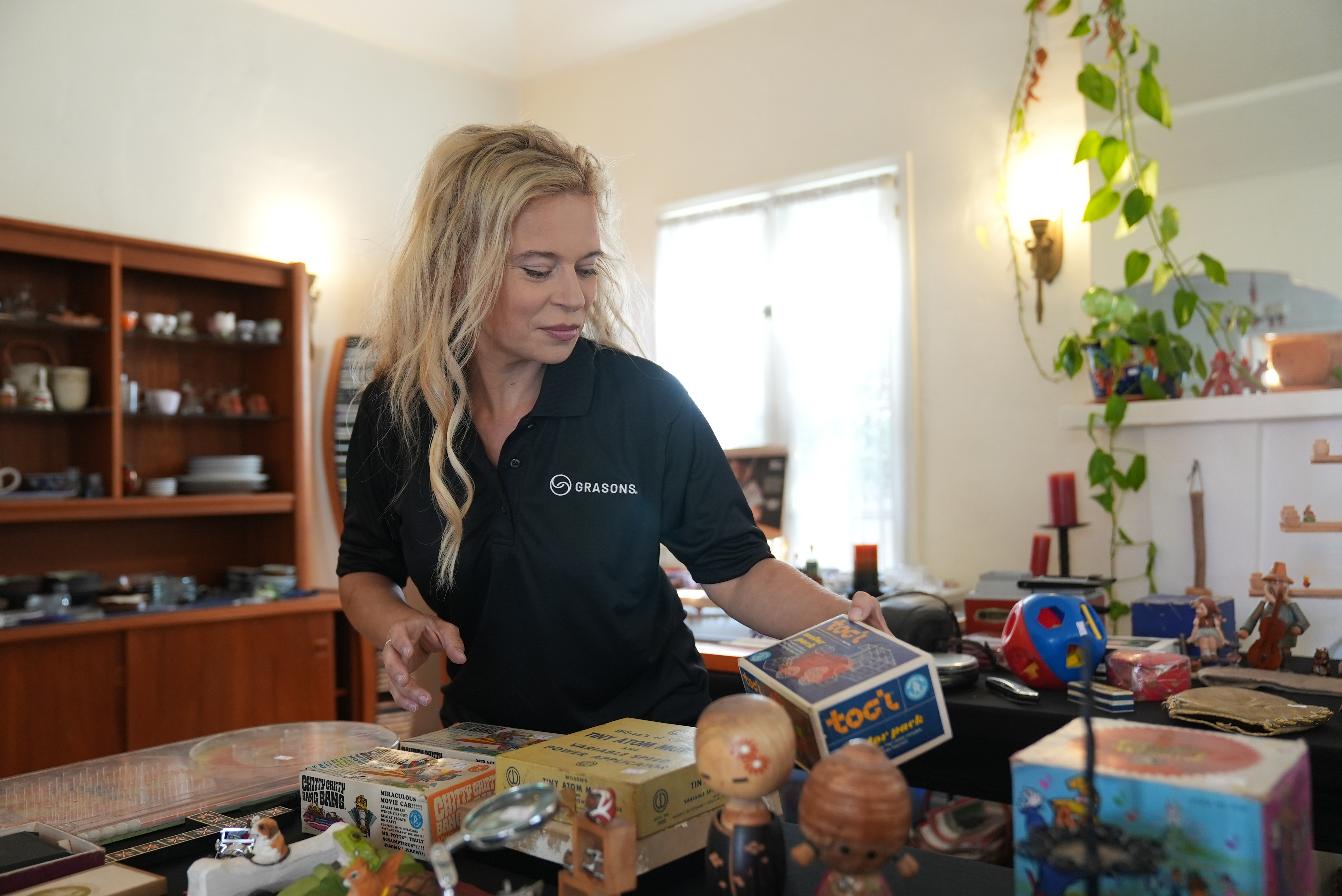
Grasons of Sarasota-Venice, FL will offer comprehensive services including estate sales, business liquidations, downsizing and relocation sales. Each project follows a structured process, from initial consultation and planning to staging, pricing, hosting the sale and post-sale reporting. The Gutierrez family also plans to build a strong local partner network to support donations, cleanouts and additional client needs.
Jakob Gutierrez will focus on operational strategy and systems, while Nicole Gutierrez will lead client experience and community engagement. Together, they aim to combine thoughtful service with efficient execution, leveraging their backgrounds to deliver a high level of organization and transparency.
“Nicole and Jakob exemplify the heart and professionalism that define the Grasons brand,” said Brandon Ciaccio, Brand President of Grasons. “Their passion for community connection and their strong business acumen position them well to serve families across the Sarasota and Venice markets. We are excited to welcome them to the Grasons network.”
Grasons is known for its expertise in managing estate sales and business liquidations with care and efficiency, helping clients maximize value while reducing stress during often complex transitions.
For more information about Grasons of Sarasota-Venice, FL, visit https://www.grasons.com/sarasota-venice-fl/ or contact the team at (941) 205-6703. Stay updated on upcoming sales and community involvement by following Grasons of Sarasota-Venice on Facebook and Instagram @grasonssarasotavenicefl.

Other Articles You May Like
When Seniors Need Behavioral Health Care in Bay Minette, AL
When Seniors Need Behavioral Health Care in Bay Minette, ALAging can bring meaningful opportunities for personal growth, family connections, and new experiences. However, later life may also involve difficult transitions that affect emotional well-being.An older adult may be adjusting to retirement, grieving the loss of a spouse, managing chronic medical conditions, or experiencing changes in memory and independence.Sometimes these challenges lead to emotional distress that improves with family support, counseling, or other outpatient services. In other situations, symptoms become severe enough to interfere with daily functioning and require a more intensive level of treatment.For families in Bay Minette, Alabama, understanding the difference can help them make appropriate healthcare decisions.Senior behavioral health services focus on assessing and treating mental, emotional, and behavioral conditions that affect older adults.These services may involve psychiatric evaluations, psychotherapy, medication management, or hospital-based treatment, depending on the individual's needs.North Baldwin Infirmary Senior Behavioral Health, part of Infirmary Health, offers specialized inpatient psychiatric care for adults age 55 and older.Located at North Baldwin Infirmary in Bay Minette, the program provides clinical assessments, individualized treatment planning, individual and group therapy, medication-related care, and support for families.For residents throughout Baldwin County, knowing when professional behavioral health treatment may be appropriate is an important part of supporting an older loved one's overall health.Understanding Senior Mental Health and CounselingMental health affects how people think, feel, communicate, and respond to everyday experiences.Mental health conditions can occur at any age, including later adulthood.Some conditions develop gradually, while others appear following a major event or medical change.Common Concerns Affecting Older AdultsThese may include:DepressionAnxietyPersistent emotional distressGrief and lossMood changesSignificant social withdrawalSleep disturbancesBehavioral changes associated with dementiaDifficulty managing everyday activitiesSuicidal thoughtsNot everyone experiencing these concerns requires hospitalization.The appropriate treatment depends on symptom severity, medical factors, personal safety, and clinical evaluation.When Emotional Changes May Require Professional EvaluationEveryday emotions naturally change.Feeling sad after a loss or worried about an important decision does not automatically indicate a psychiatric disorder.However, persistent symptoms or meaningful changes in functioning deserve attention.Withdrawal From Familiar ActivitiesA previously social individual may stop attending family gatherings or participating in hobbies.Persistent SadnessAn older adult may appear consistently discouraged or lose interest in activities they previously enjoyed.Increasing AnxietyExcessive worry may interfere with sleep, concentration, or everyday responsibilities.Changes in EatingSome people experience substantial changes in appetite.Sleep DisturbancesAn individual may sleep unusually long hours or experience ongoing insomnia.Neglecting Personal NeedsChanges in grooming, nutrition, hygiene, or household responsibilities may indicate that additional assessment is appropriate.Concerning StatementsExpressions of hopelessness, wanting to die, or suicidal thoughts should be taken seriously.A qualified healthcare professional can assess these symptoms and help determine appropriate care.North Baldwin Infirmary Senior Behavioral HealthNorth Baldwin Infirmary Senior Behavioral Health is a specialized psychiatric treatment program located within North Baldwin Infirmary.The hospital is part of Infirmary Health, which provides senior behavioral health services in Bay Minette and Mobile.North Baldwin Infirmary serves residents of Baldwin County and surrounding areas.Its senior behavioral health unit focuses on older adults experiencing emotional, psychiatric, and behavioral concerns requiring inpatient evaluation and treatment.Specialized Care for Adults 55 and OlderInfirmary Health states that its senior behavioral health programs serve adults age 55 and older.Psychiatric EvaluationsThe program begins with an assessment intended to identify the causes and contributing factors behind changes in behavior or emotional functioning.Inpatient TreatmentNorth Baldwin Infirmary provides 24-hour inpatient behavioral health care.Individualized Care PlansTreatment is developed around each patient's psychiatric, medical, and personal needs.Individual and Group TherapyTherapeutic services may help patients address emotional concerns and develop coping strategies.Medication ManagementQualified professionals evaluate medication-related treatment as appropriate.Social Work and EducationThe program includes social work monitoring, education, and assistance addressing related needs.Family ParticipationInfirmary Health emphasizes involving appropriate family members in treatment and recovery planning.Verified Contact InformationNorth Baldwin Infirmary Senior Behavioral HealthOrganization: Infirmary HealthAddress: 1815 Hand Avenue, Bay Minette, AL 36507Senior Behavioral Health Phone: 251-580-1770North Baldwin Infirmary Main Phone: 251-937-5521Website: https://www.infirmaryhealth.org/services/senior-behavioral-health/Hospital Information: https://www.infirmaryhealth.org/locations/north-baldwin-infirmary/Primary Category: Mental Health & CounselingProgram Type: Hospital-based inpatient senior behavioral healthAge Group: Adults age 55 and olderAdmissions: Infirmary Health advertises 24-hour admissions and clinical assessments.Families should contact the dedicated program number to discuss assessment procedures, clinical eligibility, insurance requirements, and current availability.Outpatient Counseling Versus Inpatient Behavioral HealthMental health services are provided in different settings.Understanding these differences helps families identify an appropriate starting point.Outpatient CounselingOutpatient counseling generally involves scheduled appointments with a qualified mental health professional.The individual continues living at home and attends appointments according to a treatment plan.This may be appropriate for certain emotional concerns that can be managed safely outside a hospital.Psychiatric Outpatient CareSome individuals require evaluation or follow-up with a psychiatrist or another qualified prescribing clinician.Treatment may involve medication management and psychotherapy.Inpatient Behavioral HealthInpatient care involves hospital admission for a period of structured psychiatric treatment and supervision.This level of care may be appropriate when symptoms are severe or when a person cannot be managed safely through a less intensive arrangement.North Baldwin's RoleNorth Baldwin Infirmary Senior Behavioral Health is primarily an inpatient psychiatric program.It should not be presented as a routine walk-in counseling center.Families seeking ordinary outpatient counseling should ask about appropriate community providers and current follow-up services.Depression in Later AdulthoodDepression can affect older adults and may be overlooked when symptoms are attributed to aging.It can involve more than sadness.Emotional SymptomsA person may experience persistent hopelessness, discouragement, or reduced enjoyment.Physical SymptomsFatigue, changes in sleep, and changes in appetite may occur.Thinking and ConcentrationSome individuals experience difficulties concentrating or making decisions.Behavioral ChangesWithdrawal from relationships and everyday responsibilities may become noticeable.Medical ConsiderationsDepression may occur alongside chronic illness, pain, grief, or medication-related factors.TreatmentDepending on the diagnosis, treatment may involve psychotherapy, medication, or other evidence-based approaches.North Baldwin Infirmary identifies depression among the conditions evaluated through its senior behavioral health program.Anxiety, Life Stress, and Changes in RoutineAnxiety may develop or worsen when older adults experience health concerns, financial stress, caregiving responsibilities, or significant changes in independence.Common SymptomsThese may include:Persistent worryRestlessnessDifficulty sleepingIrritabilityTrouble concentratingAvoidance of certain activitiesPhysical tensionMedical Causes Should Be ConsideredSome medical conditions and medications can produce symptoms resembling anxiety.Individualized TreatmentA qualified healthcare professional should determine whether counseling, medication, medical evaluation, or another approach is suitable.Family SupportRelatives can help by listening, respecting the person's concerns, and encouraging appropriate professional care.Grief and Loss in Older AdulthoodLoss is an experience many older adults encounter.Some individuals grieve the death of loved ones, while others struggle with changes in health, independence, or familiar routines.Grieving does not automatically mean someone has a mental health disorder.However, certain symptoms may require additional attention.Persistent Difficulties With Daily FunctioningSomeone may struggle to eat, sleep, or manage everyday responsibilities.Severe WithdrawalA person may stop interacting with relatives or friends.Feelings of HopelessnessPersistent hopelessness deserves professional assessment.Suicidal ThoughtsStatements about wanting to die require urgent attention.Supportive TreatmentCounseling and appropriate psychiatric services may help when grief is complicated by a mental health condition.North Baldwin Infirmary identifies grief and loss as concerns addressed by its senior behavioral health services.When Memory Changes and Behavioral Health OverlapMemory loss and behavioral health symptoms can sometimes appear together.For example, a person living with dementia may develop anxiety, depression, or behavioral distress.However, cognitive changes can also have other causes.Depression and ConcentrationDepression may affect memory and the ability to concentrate.Dementia-Related SymptomsSome individuals experience changes in judgment, communication, orientation, or behavior.Medication EffectsMedication-related problems may affect alertness and thinking.DeliriumA sudden change in attention or awareness can indicate a medical condition requiring prompt evaluation.Why Accurate Assessment MattersThese conditions should not automatically be treated as interchangeable.A professional assessment helps determine whether psychiatric, neurological, or other medical services are needed.Understanding the Program's RoleNorth Baldwin's inpatient behavioral health unit can address appropriate psychiatric and behavioral concerns in older adults.It is not the same as permanent residential memory care or skilled nursing.When Sudden Behavioral Changes Are an EmergencySome symptoms should not be managed through an ordinary appointment request.Seek Immediate Medical Assistance forSudden confusion or major changes in alertnessFacial droopingNew weakness on one sideDifficulty speakingSevere unexplained headacheLoss of consciousnessChest painSevere breathing difficultiesThese symptoms may indicate serious medical conditions.Immediate Safety ConcernsIf someone has made a suicide attempt, is in immediate danger of self-harm, or cannot be kept safe, call 911 or seek emergency medical care.In the United States, individuals experiencing a suicide-related or emotional crisis can also call or text 988.A routine behavioral health telephone inquiry is not a substitute for emergency assessment.What Happens During a Senior Behavioral Health Assessment?North Baldwin Infirmary describes an assessment process that considers both emotional and medical contributors.Reviewing SymptomsClinicians ask about changes in mood, behavior, thinking, sleep, and daily functioning.Considering Medical HistoryExisting diagnoses and current medical concerns may affect evaluation.Reviewing MedicationsThe care team may examine prescribed medications and potential medication-related concerns.Assessing SafetyClinicians consider whether the individual requires hospital-level psychiatric treatment.Determining an Appropriate Care PlanThe treatment team decides which services are clinically indicated.Admission DecisionsHospital admission depends on professional evaluation and applicable requirements.Not every individual contacting the program will require or qualify for inpatient care.Individualized Treatment During HospitalizationA person admitted to senior behavioral health may receive several forms of treatment.Psychiatric CareQualified professionals assess mental health conditions and guide treatment.Individual TherapyOne-on-one sessions may address emotional concerns and treatment goals.Group TherapyGroup activities may provide structured therapeutic interaction.Medication ManagementClinicians may prescribe, review, or adjust medication as medically appropriate.Lifestyle EducationPatients may receive education addressing coping strategies and general health needs.Social Work SupportSocial workers may assist with family communication and discharge-related concerns.Ongoing ReassessmentTreatment may be adjusted as the patient's condition changes.The actual services depend on the individualized clinical plan.Why Family Involvement MattersOlder adults often have important relationships with spouses, adult children, siblings, and other trusted individuals.Families may provide useful information during an assessment.Sharing Behavioral HistoryRelatives may describe changes that occurred before hospitalization.Communicating Personal PreferencesUnderstanding familiar routines and individual interests can help inform care planning.Reviewing Medical HistoryFamily members may help organize relevant medical information.Understanding Treatment GoalsAppropriate participation can help relatives understand the clinical plan.Preparing for DischargeFamilies may need to coordinate transportation, appointments, and home support.Respecting Patient RightsParticipation and access to medical information depend on consent, legal authorization, and applicable privacy requirements.Why Senior Behavioral Health Matters in Baldwin CountyBaldwin County includes older adults living independently, with spouses, or with family caregivers.Some residents have established relationships with local physicians, while others may need referrals for specialized services.Access to Specialized Inpatient CareNorth Baldwin Infirmary offers hospital-based psychiatric treatment in Bay Minette.Support for Family CaregiversRelatives may need professional guidance when emotional or behavioral symptoms become severe.Understanding Treatment OptionsKnowing the differences between outpatient counseling, emergency evaluation, and inpatient care can help families take more appropriate action.Coordinating Local HealthcareHospital-based services may help patients receive appropriate assessment and discharge recommendations.Planning Beyond HospitalizationFollow-up care and family support remain important after inpatient treatment ends.Preparing for a Conversation With the ProgramFamilies can organize relevant information before contacting North Baldwin Senior Behavioral Health.Describe the ConcernExplain the emotional or behavioral changes that prompted the inquiry.Identify the TimelineRecord when symptoms began and whether they changed suddenly or gradually.Review Daily FunctioningConsider whether the person is eating, sleeping, maintaining hygiene, or managing everyday responsibilities.Prepare Medical InformationGather diagnoses, current medications, recent hospitalizations, and physician contact information.Identify Safety ConcernsCommunicate concerns involving suicidal thoughts, severe confusion, or inability to manage basic needs.Review InsurancePrepare current insurance details for verification.Ask About Next StepsConfirm whether an evaluation, referral, or another service is recommended.In an emergency, seek immediate help rather than delaying care to collect records.Understanding Visiting HoursInfirmary Health publishes separate visiting policies for its different hospital departments.For North Baldwin Infirmary Senior Behavioral Health, the current guest information identifies:Monday through Friday: 3:00 PM to 4:00 PMSaturday and Sunday: 2:00 PM to 4:00 PMThe unit generally limits visits to two visitors at a time.Behavioral health visitation may be modified according to clinical circumstances or hospital policies.Families should contact the program to confirm current rules, age restrictions, permitted belongings, and visiting arrangements.Planning for Care After DischargeDischarge planning helps identify services and support that may be needed after inpatient treatment.Follow-Up AppointmentsA patient may need continued psychiatric or other healthcare appointments.Medication InstructionsThe patient and appropriate caregivers should understand prescribed medication changes.CounselingSome individuals may benefit from continued psychotherapy.Family SupportRelatives may need information about warning signs and ways to support the care plan.Daily Living NeedsCertain individuals require additional assistance with transportation, meals, or household responsibilities.Appropriate HousingDischarge planning may consider whether returning home is suitable.Ongoing CommunicationFamilies should know whom to contact if symptoms recur or concerns develop.North Baldwin Infirmary describes continued support and outpatient-related planning, but specific services and availability should be confirmed with the team.Understanding Insurance and PaymentBehavioral health coverage depends on the patient's insurance plan, clinical eligibility, and treatment setting.MedicareOriginal Medicare may cover medically necessary inpatient psychiatric hospital treatment subject to applicable coverage rules and cost-sharing requirements.Medicare AdvantageMedicare Advantage plans have their own network and authorization procedures.MedicaidCoverage depends on eligibility and applicable program rules.Private InsuranceBenefits differ according to the insurer and policy.Questions to AskFamilies should confirm:Whether the program accepts the specific insurance planWhether authorization is requiredWhich inpatient services are coveredExpected deductibles or other expensesCoverage limitationsHow treatment and discharge decisions affect billingRequest clarification from both the program and insurer before a planned, nonemergency admission.Expert Tip for Families Concerned About Mental HealthExpert Tip: When contacting a senior behavioral health provider, explain how symptoms have changed the older adult's ability to function.Instead of saying only that someone seems anxious or withdrawn, describe specific examples, such as missing meals, staying in bed, declining appointments, or no longer participating in familiar activities.These details can help professionals assess severity and determine whether outpatient care, urgent medical evaluation, or inpatient treatment may be appropriate.How to Get Started With North Baldwin Infirmary Senior Behavioral HealthStep 1: Identify the Main ConcernReview changes in mood, thinking, behavior, sleeping, eating, or daily functioning.Step 2: Check for Immediate Safety IssuesSeek emergency medical assistance when symptoms suggest an urgent medical or psychiatric crisis.Step 3: Contact the ProgramCall 251-580-1770.Step 4: Ask About Clinical AssessmentDiscuss symptoms, age eligibility, referral requirements, and assessment procedures.Step 5: Gather Relevant InformationPrepare medication lists, medical history, clinician contacts, and insurance details.Step 6: Review Recommended TreatmentThe clinical team determines whether inpatient behavioral healthcare is appropriate.Step 7: Discuss Family ParticipationAsk about treatment communication, visiting hours, and involvement in discharge planning.Step 8: Plan for Follow-UpUnderstand the recommended next steps after hospitalization.Frequently Asked Questions About Senior Behavioral Health in Bay Minette1. What conditions does North Baldwin Infirmary Senior Behavioral Health treat?The program evaluates and treats appropriate psychiatric and behavioral concerns in older adults, including depression, anxiety, grief-related difficulties, social withdrawal, suicidal thoughts, and behavioral symptoms associated with dementia.2. Where is North Baldwin Infirmary Senior Behavioral Health located?The program is located at 1815 Hand Avenue, Bay Minette, AL 36507. Its dedicated telephone number is 251-580-1770.3. Does the program provide inpatient psychiatric treatment?Yes. North Baldwin Infirmary Senior Behavioral Health provides a 24-hour inpatient psychiatric treatment program for eligible older adults, with individualized evaluation and treatment planning.4. What age group does North Baldwin Senior Behavioral Health serve?Infirmary Health states that its senior behavioral health services focus on adults age 55 and older. Admission depends on clinical assessment and other program requirements.5. Can family members visit someone receiving treatment?Yes, subject to hospital policies and clinical considerations. Current published visiting hours are Monday through Friday, 3:00 PM to 4:00 PM, and Saturday and Sunday, 2:00 PM to 4:00 PM. Families should confirm current arrangements before visiting.Help Older Loved Ones Access the Right Behavioral Health SupportChanges in mood, thinking, or behavior can be difficult for older adults and their families to understand.Some concerns may improve with outpatient counseling and medical follow-up. Others may require more intensive psychiatric care.Recognizing the difference begins with paying attention to symptoms, changes in daily functioning, and immediate safety needs.North Baldwin Infirmary Senior Behavioral Health provides specialized inpatient psychiatric evaluation and treatment for older adults in Bay Minette and surrounding Baldwin County communities.Through its individualized approach, clinical assessment, therapy, medication management, and family-centered planning, the program helps address complex emotional and behavioral concerns.Families who are worried about an older loved one's mental health can contact the program to discuss appropriate evaluation and treatment options.Featured Seniors Blue Book ListingNorth Baldwin Infirmary Senior Behavioral HealthRecommended Main SBB Category: Mental Health & CounselingOrganization: Infirmary HealthAddress: 1815 Hand Avenue, Bay Minette, AL 36507County: Baldwin County, AlabamaSenior Behavioral Health Phone: 251-580-1770Hospital Main Phone: 251-937-5521Website: https://www.infirmaryhealth.org/services/senior-behavioral-health/Hospital Website: https://www.infirmaryhealth.org/locations/north-baldwin-infirmary/Program Type: Inpatient Senior Behavioral HealthAge Group: Adults 55 and olderServices: Psychiatric assessment, 24-hour inpatient treatment, individualized care plans, individual and group therapy, medication management, education, social work support, family-centered treatment, and discharge planning.Concerns Addressed: Depression, anxiety, grief, social withdrawal, medication-related psychiatric concerns, suicidal thoughts, memory-related symptoms, and behavioral changes associated with dementia.Visiting Hours: Monday through Friday, 3:00 PM to 4:00 PM; Saturday and Sunday, 2:00 PM to 4:00 PM, subject to hospital policies.Admissions: 24-hour admissions and assessment services, subject to clinical evaluation.Insurance: Contact the program to confirm Medicare, Medicaid, Medicare Advantage, and private insurance requirements.Important Care Distinction: The program provides hospital-based inpatient psychiatric treatment and is not a permanent memory care residence or general walk-in counseling service.Seniors Blue Book Business Profile: https://seniorsbluebook.com/listings/north-baldwin-infirmary-senior-behavioral-healthFind North Baldwin Infirmary Senior Behavioral Health on Seniors Blue BookLooking for mental health and counseling resources for older adults in Bay Minette, Alabama?Explore North Baldwin Infirmary Senior Behavioral Health through its dedicated Seniors Blue Book listing.Learn about psychiatric assessment, inpatient behavioral healthcare, individualized treatment, and family-centered support.Contact the program at 251-580-1770 to discuss evaluation procedures and available services.
Recognizing Senior Mental Health Changes in Mobile, AL
Recognizing Senior Mental Health Changes in Mobile, ALGrowing older brings many changes, including retirement, evolving family relationships, medical concerns, and adjustments to everyday routines. While some transitions are welcome, others can create emotional challenges that deserve attention.An older adult who once enjoyed spending time with friends may begin avoiding social activities. Someone who previously slept well may experience ongoing insomnia. Another individual may become unusually anxious, irritable, withdrawn, or confused.Families sometimes assume these changes are simply a normal part of aging. However, persistent emotional, behavioral, or cognitive changes may signal a condition that requires professional evaluation.For older adults and families in Mobile, Alabama, understanding the importance of senior mental health can help identify concerns before they become more serious.Mental health conditions can affect people at any age, and older adults deserve access to appropriate evaluation, treatment, and emotional support.Conditions such as depression and anxiety may occur alongside chronic illness, medication changes, grief, or memory-related disorders. Determining the underlying cause can be complicated, particularly when several factors affect a person's health.Mobile Infirmary Senior Behavioral Health, part of Infirmary Health, provides specialized psychiatric and behavioral healthcare for older adults.The program offers 24-hour inpatient care, psychiatric assessment, individualized treatment planning, therapy, medication management, education, and family-centered support.For families throughout Mobile County, learning when professional behavioral health services may be necessary is an important step toward supporting an older loved one's well-being.What Is Senior Behavioral Health?Senior behavioral health focuses on identifying and treating mental, emotional, and behavioral conditions affecting older adults.These conditions may influence mood, thinking, sleeping, daily functioning, relationships, and overall quality of life.Common Behavioral Health ConcernsOlder adults may experience:DepressionAnxietyPersistent emotional distressSignificant changes in behaviorGrief-related difficultiesMood instabilityPsychiatric symptoms associated with cognitive disordersChanges in sleep or appetiteDifficulty managing everyday responsibilitiesThoughts of self-harmSome symptoms can also result from physical illness, medication effects, or other medical conditions.A professional evaluation helps identify possible causes and determine appropriate treatment.Why Mental Health Changes Should Not Be Dismissed as AgingGrowing older does not automatically cause depression, severe anxiety, or substantial behavioral changes.Unfortunately, symptoms may be overlooked when families attribute them to retirement or declining health.Changes Can Develop GraduallyAn older adult may become less interested in hobbies or social interaction over several weeks.Physical Symptoms May Be PresentMental health conditions can sometimes involve fatigue, sleep difficulties, appetite changes, or unexplained physical complaints.Medical Conditions May Complicate SymptomsChronic pain, illness, and other medical conditions may influence emotional well-being.Medication Effects May ContributeCertain medications or interactions may affect mood, alertness, or behavior.Cognitive Conditions May OverlapDementia, delirium, depression, and other conditions may produce some similar symptoms but require different treatment approaches.Early Evaluation MattersRecognizing a change and discussing it with a qualified healthcare professional may help identify appropriate services.Mobile Infirmary Senior Behavioral HealthMobile Infirmary Senior Behavioral Health is a specialized program within Infirmary Health.Located on the Mobile Infirmary hospital campus, the program serves older adults experiencing significant psychiatric, behavioral, or emotional concerns.It operates as an inpatient behavioral health service rather than an ordinary drop-in counseling office.Specialized Psychiatric EvaluationThe program provides assessments to help determine whether behavioral changes are associated with psychiatric, emotional, medical, or other contributing factors.24-Hour Inpatient CareMobile Infirmary Senior Behavioral Health provides hospital-based inpatient care with professional staffing.Individualized Treatment PlansThe clinical team develops treatment recommendations based on each patient's circumstances.Individual and Group TherapyTherapeutic approaches may involve individual or group sessions when clinically appropriate.Medication ManagementPsychiatric and medical professionals evaluate medications and determine appropriate treatment.Social Work SupportSocial workers may assist with emotional concerns, family communication, and care planning.Family-Centered TreatmentInfirmary Health emphasizes helping relatives participate appropriately in treatment and recovery planning.Discharge PlanningThe team works to develop follow-up recommendations and an ongoing care plan.Verified Contact InformationMobile Infirmary Senior Behavioral HealthOrganization: Infirmary HealthAddress: 5 Mobile Infirmary Circle, Mobile, AL 36607Senior Behavioral Health Phone: 251-435-5153Mobile Infirmary Main Phone: 251-435-2400Website: https://www.infirmaryhealth.org/services/senior-behavioral-health/Hospital Location: https://www.infirmaryhealth.org/locations/mobile-infirmary/Category: Mental Health & CounselingProgram Type: Hospital-based inpatient senior behavioral health servicesAdmissions: The program describes 24-hour admissions and assessments.Published Senior Behavioral Health Visiting Hours: Daily, 12:00 PM to 1:00 PM and 5:00 PM to 6:00 PM.Families should confirm admission procedures, visitation arrangements, eligibility, and insurance coverage directly with the program.Recognizing Depression in Older AdultsDepression is a medical condition that can affect mood, physical functioning, concentration, and daily activities.It is not an inevitable consequence of aging.Emotional SymptomsPossible signs include:Persistent sadnessHopelessnessLoss of motivationIrritabilityFrequent tearfulnessFeelings of worthlessnessBehavioral SymptomsAn individual may withdraw from friends or lose interest in familiar activities.Physical ChangesSleep, appetite, energy, and activity levels may change.Changes in ThinkingDepression may affect concentration, memory, and decision-making.When to Seek HelpPersistent symptoms or meaningful changes in everyday functioning deserve professional evaluation.A medical or behavioral health professional can assess possible causes and recommend appropriate treatment.Understanding Anxiety in Later LifeSome older adults experience anxiety associated with medical conditions, finances, personal safety, caregiving responsibilities, or major life transitions.Occasional worry is common.However, anxiety that becomes persistent or interferes with daily life may need clinical attention.Possible SymptomsThese can include:Excessive worryRestlessnessDifficulty sleepingIrritabilityTrouble concentratingPhysical tensionAvoidance of everyday situationsAnxiety and Medical ConditionsCertain physical illnesses or medications can cause symptoms that resemble anxiety.Treatment OptionsDepending on the diagnosis, treatment may involve psychotherapy, medications, lifestyle strategies, and other clinical interventions.The Role of FamilyRelatives can provide reassurance and encourage appropriate professional evaluation without dismissing the person's concerns.Grief, Loss, and Emotional Well-BeingOlder adults may experience significant losses, including the death of a spouse, changing independence, retirement, or separation from familiar activities.Grief is a natural human response.However, some individuals experience persistent distress that interferes with daily functioning.Different Grief ExperiencesThere is no universal timetable for grieving.Changes in Daily LifeA person may struggle to establish new routines following a major loss.Recognizing Additional ConcernsPersistent hopelessness, severe withdrawal, or thoughts of self-harm require professional attention.Seeking SupportCounseling, support networks, and other services may help people process difficult transitions.Professional AssessmentA qualified clinician can help distinguish grief from depression or other conditions requiring treatment.Infirmary Health identifies grief and loss among the concerns addressed through its senior behavioral health services.Behavioral Changes Associated With DementiaDementia can affect memory, communication, judgment, and behavior.However, not every behavioral change in an individual with dementia is caused directly by dementia.Pain, infection, medication effects, delirium, and other conditions may contribute.Potential ChangesFamilies may notice:Increased agitationAnxietySleep disruptionEmotional distressConfusionChanges in behaviorDifficulty communicating needsUnderstanding Underlying CausesProfessional evaluation is important when symptoms are new, worsening, or affecting safety.Individualized TreatmentBehavioral health care may address psychiatric symptoms while considering the individual's cognitive and medical conditions.Family CommunicationRelatives can help clinicians understand the patient's usual behavior, personal history, and recent changes.Important DistinctionSenior behavioral health hospitalization is not the same as long-term residential memory care.Inpatient psychiatric treatment focuses on assessment, stabilization, and an appropriate treatment plan.Sudden Confusion Requires Special AttentionA sudden change in awareness or thinking should never be assumed to represent normal aging.Acute confusion may indicate delirium or another urgent medical condition.Possible Warning SignsThese may include:Abrupt confusionDifficulty maintaining attentionSignificant changes in alertnessNew disorientationSudden behavioral changesRapidly worsening symptomsPotential Medical CausesInfections, dehydration, medication effects, metabolic problems, and other conditions can contribute.Why Medical Evaluation Is ImportantA sudden change may require prompt medical assessment rather than routine counseling.When to Seek Emergency HelpIf a person develops sudden confusion with symptoms such as facial drooping, weakness, speech difficulty, or other signs of a stroke, call 911.Families should not delay emergency evaluation while arranging a behavioral health consultation.How Inpatient Senior Behavioral Health Treatment WorksMobile Infirmary describes a structured assessment and treatment process.Initial ContactThe family, patient, or appropriate healthcare professional contacts the behavioral health program.AssessmentClinical professionals evaluate psychiatric symptoms and potential medical contributors.Admission DeterminationThe care team determines whether inpatient treatment is clinically appropriate.Individualized Treatment PlanningThe treatment team develops a plan based on the assessment.Therapeutic ServicesDepending on the patient's needs, treatment may include:Individual therapyGroup therapyMedication managementLifestyle educationSocial work supportClinical monitoringAdditional assessment and care coordinationFamily ParticipationAppropriate family involvement may support treatment and discharge planning.Transition PlanningThe team develops recommendations for care after hospitalization.What Makes Inpatient Behavioral Health Different From Counseling?The category Mental Health & Counseling includes several types of care.However, not every service provides the same level of support.Outpatient CounselingA person may attend scheduled therapy appointments while continuing to live at home.Psychiatric Medication ManagementA qualified prescriber may evaluate medications used to treat psychiatric symptoms.Inpatient Behavioral HealthHospital-based inpatient services provide more intensive assessment and care for individuals whose condition warrants admission.Emergency Psychiatric CareA person experiencing an immediate psychiatric or medical emergency may need emergency department evaluation.Choosing the Appropriate ServiceA qualified healthcare professional can help determine which level of care is appropriate.Mobile Infirmary Senior Behavioral Health specializes in inpatient treatment rather than serving as a general outpatient counseling center.Why Senior Behavioral Health Matters Locally in Mobile CountyFamilies throughout Mobile County may need help identifying appropriate mental health services for aging relatives.Some older adults live alone.Others live with spouses, adult children, or caregivers who recognize changes in behavior.Access to Specialized AssessmentBehavioral health services designed for older adults can help evaluate psychiatric symptoms while considering aging-related medical concerns.Supporting Family CaregiversRelatives may need guidance when changes in mood, thinking, or behavior become difficult to manage.Coordinating Medical TreatmentHospital-based programs can assess behavioral symptoms alongside relevant healthcare concerns.Supporting Appropriate TransitionsSome patients need continued treatment or community support after discharge.Maintaining Family InvolvementLocal services may make participation in treatment discussions more practical for nearby relatives.The Role of Family During TreatmentFamily members may provide information that helps clinicians understand the patient's history.Describe Recent ChangesExplain when symptoms began and how they have affected daily life.Share Medical InformationProvide relevant diagnoses and medication information.Discuss Previous BehaviorClinicians may benefit from knowing the individual's usual routines, personality, and functioning.Identify Sources of StressRecent losses, changes in living arrangements, or medical events may provide useful context.Participate AppropriatelyFamilies can ask how they may be involved in care discussions and discharge planning.Respect PrivacyClinical information sharing must follow patient consent and applicable privacy requirements.Preparing for a Senior Behavioral Health AssessmentFamilies can organize information before contacting the program.SymptomsDocument changes in mood, sleep, appetite, thinking, or behavior.TimelineRecord when the changes began and whether symptoms appeared suddenly or gradually.Medical HistoryPrepare relevant information about chronic conditions and recent hospitalizations.Medication ListInclude prescription drugs, over-the-counter products, and supplements.Recent ChangesNote new prescriptions, illnesses, injuries, or major life events.Safety ConcernsExplain any concerns involving self-harm, inability to care for basic needs, or dangerous behavior.Insurance InformationHave current insurance details available for coverage verification.A family should not delay urgent medical or emergency psychiatric care simply to complete this information.Treatment and Recovery PlanningBehavioral health treatment should consider what will happen after the patient leaves the hospital.Clinical Follow-UpA psychiatrist, therapist, or other healthcare professional may be involved in ongoing treatment.Medication InstructionsThe patient and appropriate caregivers should understand the prescribed medication plan.Family SupportRelatives may need guidance about symptoms that require follow-up.Community ResourcesSome individuals benefit from support services outside the hospital.Monitoring ChangesFamilies should understand when to contact a healthcare professional if symptoms recur or worsen.Appropriate Living ArrangementsDischarge plans should consider whether the individual can return home safely or needs another level of support.Infirmary Health describes outpatient and day-hospital options in its overall continuing-care approach, but families should confirm current availability and eligibility for any specific service.Understanding Insurance CoverageMental health coverage depends on the patient's insurance plan, clinical needs, and admission requirements.MedicareMedicare Part A may cover eligible inpatient psychiatric hospital care subject to applicable rules, deductibles, and coinsurance.Medicare AdvantageMedicare Advantage plans provide Medicare-covered benefits but may have additional network and authorization procedures.MedicaidCoverage depends on eligibility and program-specific requirements.Private InsuranceBenefits vary by plan, network, and medical necessity rules.Questions to AskBefore a nonemergency admission, confirm:Whether the facility accepts the insurance planWhether prior authorization is necessaryExpected deductibles and copaymentsWhich services are coveredHow coverage decisions are madeWhether follow-up care is coveredCoverage should be verified directly with the insurer and admissions team.Supporting Mental Health After DischargeRecovery does not always end when inpatient treatment is complete.Some individuals need continued outpatient care, medication follow-up, or family support.Follow the Discharge PlanReview written recommendations before leaving the hospital.Attend Follow-Up AppointmentsOngoing evaluation may help clinicians assess treatment response.Take Medications as PrescribedMedication changes should be discussed with the appropriate prescriber.Maintain Daily RoutinesConsistent meals, sleep schedules, and appropriate activities may help support general well-being.Encourage Social ConnectionMeaningful relationships can remain an important part of daily life.Recognize Concerning ChangesFamilies should know when to request routine follow-up and when urgent evaluation is necessary.Expert Tip for Families Noticing Behavioral ChangesExpert Tip: When an older loved one begins acting differently, write down the specific changes rather than describing the behavior only as "not acting like themselves."Record changes in sleep, appetite, mood, memory, medication routines, and daily functioning.Also note whether symptoms developed suddenly or gradually.This information can help healthcare professionals evaluate possible medical and psychiatric causes and recommend the appropriate level of care.How to Get Started With Mobile Infirmary Senior Behavioral HealthStep 1: Identify the ConcernReview changes in mood, behavior, thinking, sleep, or daily functioning.Step 2: Determine Whether Emergency Care Is NeededIf someone is in immediate danger, call 911 or seek emergency medical assistance.For a suicide or emotional crisis in the United States, call or text 988.Step 3: Contact the ProgramCall 251-435-5153 for Mobile Infirmary Senior Behavioral Health information.Step 4: Discuss Assessment ProceduresAsk how clinical evaluations and admission decisions are arranged.Step 5: Gather Relevant InformationPrepare medication lists, medical history, recent symptoms, and insurance details.Step 6: Review the Recommended Care LevelThe clinical team determines whether inpatient behavioral health services are appropriate.Step 7: Discuss Family InvolvementAsk about communication, visitation, and participation in care planning.Step 8: Plan for Follow-UpUnderstand how ongoing care needs will be addressed after hospitalization.Frequently Asked Questions About Senior Mental Health in Mobile1. What does Mobile Infirmary Senior Behavioral Health treat?The program evaluates and treats significant psychiatric, emotional, and behavioral concerns in older adults, including depression, anxiety, grief-related difficulties, suicidal thoughts, and behavioral symptoms associated with dementia.2. Where is Mobile Infirmary Senior Behavioral Health located?The program is located at 5 Mobile Infirmary Circle, Mobile, AL 36607. Families can call 251-435-5153 for information.3. Does Mobile Infirmary Senior Behavioral Health provide inpatient care?Yes. The program provides 24-hour inpatient behavioral health treatment, including assessment, individualized treatment planning, psychiatric care, therapy, and related support.4. Can family members participate in treatment?Infirmary Health emphasizes family-centered treatment and appropriate involvement in the patient's care plan. Participation depends on patient consent, clinical considerations, and privacy requirements.5. What are the visiting hours for Senior Behavioral Health?Mobile Infirmary publishes Senior Behavioral Health visiting hours daily from 12:00 PM to 1:00 PM and 5:00 PM to 6:00 PM. Families should confirm current visitation procedures before arriving.Mental Health Care Is an Important Part of Healthy AgingEmotional well-being deserves the same attention as physical health.Persistent sadness, severe anxiety, significant behavioral changes, or difficulty managing everyday responsibilities should not automatically be dismissed as ordinary aging.These symptoms may reflect treatable psychiatric concerns, underlying medical conditions, medication effects, or a combination of factors.A professional evaluation can help identify the appropriate next steps.For older adults and families throughout Mobile County, Mobile Infirmary Senior Behavioral Health provides specialized hospital-based psychiatric assessment and treatment through Infirmary Health.Its inpatient program combines clinical evaluation, individualized therapy, medication management, family involvement, and discharge planning.Families who are concerned about an older loved one's emotional or behavioral health can contact the program to discuss assessment procedures and available services.Seeking appropriate care can be an important step toward improving comfort, functioning, and quality of life.Featured Seniors Blue Book ListingMobile Infirmary Senior Behavioral HealthRecommended Main SBB Category: Mental Health & CounselingOrganization: Infirmary HealthAddress: 5 Mobile Infirmary Circle, Mobile, AL 36607County: Mobile County, AlabamaSenior Behavioral Health Phone: 251-435-5153Hospital Main Phone: 251-435-2400Website: https://www.infirmaryhealth.org/services/senior-behavioral-health/Service Type: Inpatient Senior Behavioral HealthServices: Psychiatric assessment, individualized behavioral health treatment, inpatient care, group therapy, individual therapy, medication management, social work involvement, patient and family education, and discharge planning.Conditions Addressed: Depression, anxiety, mood and behavioral changes, grief-related distress, suicidal thoughts, and psychiatric or behavioral symptoms associated with cognitive disorders.Admissions: 24-hour admissions and assessment availability described by Infirmary Health; admission is subject to clinical evaluation.Visiting Hours: Daily, 12:00 PM to 1:00 PM and 5:00 PM to 6:00 PM, subject to current hospital policies.Payment: Verify Medicare, Medicaid, Medicare Advantage, and private insurance participation for the individual patient.Important Care Distinction: This is a hospital-based inpatient behavioral health program, not a long-term memory care residence or routine walk-in counseling center.Seniors Blue Book Business Profile: https://seniorsbluebook.com/listings/mobile-infirmary-senior-behavioral-healthFind Mobile Infirmary Senior Behavioral Health on Seniors Blue BookLooking for senior mental health and counseling resources in Mobile, Alabama?Explore Mobile Infirmary Senior Behavioral Health through its dedicated Seniors Blue Book listing.Learn about specialized inpatient behavioral healthcare, psychiatric assessment, individualized treatment, and family-centered support.Contact Mobile Infirmary Senior Behavioral Health at 251-435-5153 to discuss evaluation procedures and available services.
Downsizing and Relocation in Mobile
Downsizing and Relocation in Mobile, ALOpening a closet filled with decades of belongings can bring back countless memories. There might be photographs from family vacations, holiday decorations passed down through generations, or furniture that has been part of the household for years.For many older adults in Mobile, Alabama, deciding what to keep when moving into a smaller home can be one of life's more emotional challenges.Downsizing is not simply about getting rid of possessions. It involves making thoughtful decisions about what remains useful, what carries personal meaning, and what will fit comfortably into the next living space.Whether a senior is moving into independent living, assisted living, a smaller residence, or a home closer to family, the process often requires careful organization and planning.Transition Solutions, a locally owned moving and storage company based in Mobile, helps older adults and their families manage downsizing and relocation through packing, moving, storage, organizing, and home setup services.For families throughout Mobile County, understanding how professional downsizing assistance works can make the transition more manageable while respecting the older adult's preferences.What Are Downsizing and Relocation Services?Downsizing and relocation services help individuals reduce, organize, and move household belongings when transitioning into a different living arrangement.Unlike a traditional move, downsizing usually involves making decisions about possessions before transportation begins.The goal is to create a living space that meets the person's current needs without feeling unnecessarily crowded or unfamiliar.What Does Downsizing Typically Involve?Depending on individual circumstances, the process may include:Reviewing household belongingsIdentifying essential furnitureMeasuring the new living spaceSorting items into practical categoriesPacking important possessionsCoordinating donations or other disposition arrangementsIdentifying items requiring storageTransporting furniture and boxesUnpacking and organizing belongingsArranging furniture in the new residenceNot every family requires all these services.Some older adults prefer to manage most decisions independently while hiring professionals for packing and transportation.Others need more comprehensive assistance because of mobility limitations, family schedules, or the size of the household.Why Downsizing Can Be Difficult for Older AdultsA longtime home represents more than a collection of household items.It may be where children were raised, relatives gathered for celebrations, or important milestones occurred.Moving away from that environment can bring feelings of sadness, uncertainty, relief, or excitement.Emotional Attachments to PossessionsAn item that appears ordinary to someone else may hold considerable personal meaning.A dining table might represent decades of family meals.A box of letters may contain memories of a spouse or parent.These attachments deserve respect.Families should avoid making assumptions about which items are important.Physical ChallengesSorting and packing may require bending, lifting, reaching, and standing for extended periods.Older adults living with arthritis, chronic pain, or reduced mobility may find these tasks particularly demanding.Professional assistance can help reduce the physical workload.Decision FatigueDownsizing requires making many decisions.When people must decide what to keep, donate, sell, store, or discard repeatedly, the process can become exhausting.Breaking the work into manageable sessions can help.Different Family OpinionsRelatives may disagree about furniture, sentimental belongings, or what the new residence should contain.A clear decision-making process can prevent unnecessary conflict.Whenever possible, the older adult should remain the primary decision-maker regarding personal possessions.Transition Solutions in Mobile, AlabamaTransition Solutions provides professional moving, downsizing, storage, and relocation assistance for individuals and families throughout the Mobile area.The company is locally owned and focuses on helping customers manage important household transitions.Its published services include senior moving, organizing and downsizing assistance, professional packing, transportation, storage, warehousing, unpacking, and decorating or setting up a new residence.This combination of services can be particularly useful when an older adult is moving from a larger home into senior housing.Personalized Downsizing AssistanceEvery household contains different possessions and priorities.Some seniors have lived in the same home for several decades.Others may need to reduce belongings after retirement or a change in housing circumstances.Transition Solutions helps families approach these situations through personalized relocation planning.The process may involve reviewing the moving destination, identifying belongings that will fit, and organizing the remaining items according to the family's preferences.A clear plan can help prevent last-minute decisions.Professional Packing ServicesPacking can become especially challenging when a household contains fragile or valuable possessions.Transition Solutions offers packing assistance and moving supplies.Professional packing may be useful for items such as:GlasswareArtworkFamily photographsDecorative collectionsSmall household appliancesFurnitureElectronicsOther belongings requiring careful handlingFamilies should identify any high-value or irreplaceable items and discuss packing methods and liability coverage before the move.Local and Long-Distance RelocationTransition Solutions provides local and long-distance moving services.Its Seniors Blue Book profile identifies the company as licensed for interstate moving within the contiguous United States and insured, including coverage for customer cargo.Families should verify current licensing, insurance terms, and availability when requesting a quote.Relocation services may be especially helpful when an older adult is moving closer to family members living outside Mobile County.Storage and Warehousing SolutionsOne of the most difficult downsizing decisions involves possessions that will not fit in the new home but are not ready to be discarded.Transition Solutions offers self-storage and warehousing services.The company's published information describes a storage network with more than 1,500 units across four facilities.Self-StorageSelf-storage may be appropriate for families who prefer to manage access to their belongings.Items can remain stored while family members decide what to do with them.Company-Managed WarehousingWarehousing arrangements may be useful when families want assistance handling the logistics of storing, retrieving, or delivering possessions.The exact services, access procedures, and fees should be confirmed directly.Unpacking and New-Home SetupArriving at a new residence does not automatically mean the relocation is complete.Boxes still need to be unpacked, furniture arranged, and familiar belongings placed where they can be accessed safely.Transition Solutions advertises decorating and home setup assistance.These services can help families create an organized living space while preserving familiar elements of the previous home.Contact Transition SolutionsTransition SolutionsLocation: Mobile, AlabamaPhone: 251-377-9048Website: https://transitionsolutionsmobile.com/Families can contact the company to discuss their downsizing goals, moving schedules, storage needs, and available services.Why Downsizing Matters in Mobile CountyMobile County has a significant older adult population.According to U.S. Census Bureau QuickFacts, approximately 19.3% of Mobile County residents are age 65 or older.As households move through retirement and later stages of life, housing preferences and practical needs may change.Some people want to reduce home maintenance responsibilities.Others may need an accessible living arrangement or prefer to reside closer to relatives.Downsizing can support these changes when the new residence fits the person's needs.Smaller Homes May Be Easier to MaintainLarge homes often require regular cleaning, repairs, yard work, and maintenance.A smaller residence may reduce some of these responsibilities.However, downsizing should not be viewed as the best choice for everyone.The decision depends on personal preferences, finances, accessibility, and available support.Housing Transitions Can Involve Several CommunitiesMobile County includes Mobile, Saraland, Semmes, Prichard, Tillman's Corner, and other surrounding communities.Some residents move within the county, while others relocate to nearby Baldwin County or elsewhere along the Gulf Coast.Families should account for transportation distances, service availability, and moving schedules when planning.Gulf Coast Weather Can Affect Moving PlansMobile's coastal location makes seasonal weather an important consideration.Heavy rain and tropical weather can affect transportation and loading schedules.Families should discuss how weather-related delays are handled and whether alternative dates are available.Planning ahead may help protect belongings and reduce disruption.When Should Someone Consider Downsizing?Downsizing is a personal decision, but several circumstances may prompt a conversation.The Home Has Become Difficult to MaintainAn older adult may struggle with cleaning, yard work, stairs, or household repairs.A smaller living space may be more practical.Most Rooms Are No Longer UsedSome seniors remain in large family homes after adult children have moved away.Reducing unused space may simplify household responsibilities.Retirement Has Changed Financial PrioritiesProperty taxes, utilities, maintenance, and other housing expenses can affect retirement budgets.Families may want to compare the full cost of remaining in the current home with alternative housing arrangements.A qualified financial or real estate professional can help with the financial comparison.Accessibility Needs Have ChangedMobility limitations may make stairs, bathrooms, or narrow pathways more challenging.A different residence or appropriate home modifications may improve accessibility.Moving Closer to Family Is a PrioritySome older adults choose to relocate near adult children or other relatives.Downsizing can make the move easier when the destination has less space.How to Downsize Without Feeling OverwhelmedThe most effective approach is usually to begin early and work through one manageable area at a time.Step 1: Understand the New SpaceBefore deciding which furniture to keep, obtain the floor plan of the destination.Measure major furniture and consider available closets, cabinets, and storage areas.This can prevent transporting items that will not fit.Step 2: Begin With Less Emotional AreasStart with a linen closet, laundry area, or storage cabinet.These spaces may contain items that are easier to sort.Leave emotionally significant collections until the family has established a comfortable process.Step 3: Create Practical Sorting CategoriesA useful system may include:Keep and moveGive to familyDonateSellStoreRecycle or dispose of appropriatelyClearly labeled areas can help prevent confusion.Step 4: Work in Short SessionsSorting an entire home in a weekend may be physically and emotionally exhausting.Shorter sessions allow time for rest and thoughtful decisions.Step 5: Prioritize Daily EssentialsIdentify items used regularly.These may include clothing, kitchen equipment, bedding, medical supplies, and favorite furniture.Step 6: Make a Plan for Sentimental BelongingsNot every cherished possession must be discarded.Some items may be stored, photographed, passed to relatives with permission, or incorporated into the new home.The Four-Category Method for Difficult DecisionsFamilies sometimes struggle to choose what should happen to individual belongings.A simple four-category approach can help.KeepItems that are useful, meaningful, and appropriate for the new residence belong in this category.ShareBelongings that family members or friends would genuinely value may be transferred with the owner's permission.StoreCertain possessions may need to remain available while decisions are postponed.Storage can be useful, but families should consider ongoing costs.ReleaseItems that are no longer needed may be donated, sold, recycled, or discarded responsibly.The goal is not to remove as much as possible.It is to create a comfortable living arrangement that reflects the older adult's needs and preferences.What Should Never Be Packed Away Without a Plan?Some belongings should remain accessible during relocation.Important DocumentsThese may include:IdentificationInsurance informationMedical recordsLegal documentsFinancial paperworkEmergency contactsStore sensitive documents securely and keep them with an authorized person.Medications and Medical SuppliesPrescription medications, necessary equipment, and other medical essentials should remain accessible throughout the move.Valuables and Irreplaceable ItemsJewelry, important family documents, and certain keepsakes may require separate handling.Everyday EssentialsPrepare a personal bag containing clothing, hygiene products, chargers, glasses, and other necessities.Helping an Aging Parent Downsize RespectfullyAdult children often want to make the process easier for their parents.However, moving too quickly or discarding possessions without permission can create unnecessary distress.Ask Before Making DecisionsEven when an item appears unimportant, ask the older adult what it means to them.Listen to StoriesSorting possessions may bring back memories.Allowing time for these conversations can make the experience more positive.Avoid PressureNot every decision needs to be made immediately.When possible, establish reasonable deadlines while leaving room for difficult choices.Respect Personal PreferencesA smaller home should still reflect the person living there.The objective is not to create a perfect-looking space at the expense of comfort or identity.Creating a Safe and Comfortable New HomeAfter downsizing, the next priority is arranging the new residence.Keep Walking Paths ClearFurniture placement should allow safe movement, especially for someone using a cane, walker, or wheelchair.Place Frequently Used Items Within ReachEveryday belongings should be easy to access without excessive reaching or climbing.Recreate Familiar SpacesA favorite chair, family photographs, familiar bedding, or cherished decorations may help the new residence feel welcoming.Prioritize the Bedroom and BathroomThese spaces should be functional and accessible from the beginning.Avoid Excessive ClutterLeaving adequate space around furniture can improve comfort and movement.An occupational therapist or other qualified professional can provide individualized accessibility recommendations when needed.Common Downsizing Mistakes Families Can AvoidEven well-intentioned families can create additional work by making decisions too quickly.Waiting Until the Final WeekRushed sorting often leads to unnecessary stress and misplaced items.Moving Everything Before MeasuringFurniture may not fit through doorways or into the new residence.Renting Storage Without a Long-Term PlanStorage can be useful, but costs may accumulate.Families should periodically review what remains in storage.Forgetting Important DocumentsLegal, financial, and medical records should be organized before moving day.Making Decisions Without the Older AdultWhenever possible, the person moving should remain involved in decisions about personal belongings.Underestimating Packing TimeA home containing decades of possessions may require more preparation than expected.Professional assistance can help families develop a realistic schedule.Expert Tip for Families Planning to DownsizeExpert Tip: Start by measuring the new residence and identifying the furniture that will fit comfortably. Then build the downsizing plan around that space. This approach reduces unnecessary packing and helps ensure the new home remains functional rather than overcrowded.How to Get Started With Downsizing and Relocation in MobileStep 1: Identify the Reason for MovingDetermine whether the goal is reduced maintenance, accessibility, senior housing, or proximity to family.Step 2: Review the New ResidenceObtain room measurements and identify available storage.Step 3: Create a Household InventoryList major furniture, essential belongings, and items requiring special handling.Step 4: Contact Transition SolutionsCall 251-377-9048 to discuss downsizing, packing, moving, and storage needs.Step 5: Request a Written EstimateClarify which services are included, any additional fees, and relevant insurance provisions.Step 6: Establish a Sorting ScheduleBreak the process into manageable sessions.Step 7: Confirm the Moving ArrangementsReview transportation, storage, unpacking, and destination access before moving day.Step 8: Prepare the New HomePrioritize furniture placement, essential belongings, and safe walking paths.Frequently Asked Questions About Downsizing and Relocation1. When should seniors begin downsizing?Beginning several weeks or months before a planned move can reduce pressure. The appropriate timeline depends on the size of the home, number of belongings, and moving deadline.2. Does Transition Solutions help with downsizing before a move?Yes. Its Seniors Blue Book listing describes assistance with prioritizing, decluttering, and deciding which belongings should move into a new residence.3. Can families store furniture instead of getting rid of it?Yes. Transition Solutions offers self-storage and warehousing options. Families should review current availability, fees, and storage terms before making arrangements.4. How can adult children help a parent who does not want to part with belongings?Begin with respectful conversations and ask which possessions are meaningful. Avoid making decisions without permission, and consider shorter sorting sessions to reduce stress.5. Does Transition Solutions help arrange belongings in the new home?The company advertises decorating and new-home setup assistance, including furniture arrangement and displaying personal items. Families should confirm the services included in their agreement.A Smaller Home Can Still Hold a Lifetime of MemoriesDownsizing does not mean letting go of everything that makes a home meaningful.It is an opportunity to identify what matters most, organize possessions thoughtfully, and create a living space that fits changing needs.For many older adults, the most successful transition is one that balances practicality with personal comfort.Professional downsizing assistance can help families manage difficult tasks while preserving the older adult's independence and involvement.Transition Solutions provides moving, downsizing, storage, and home setup services for families in Mobile County and surrounding Gulf Coast communities.Whether you are preparing for independent living, assisted living, a smaller home, or relocation closer to family, beginning the process early can help make important decisions more manageable.Contact Transition Solutions to discuss your downsizing goals and explore a personalized relocation plan.Featured Seniors Blue Book ListingTransition SolutionsCategory: Downsizing and RelocationLocation: Mobile, Mobile County, AlabamaPhone: 251-377-9048Services: Downsizing assistance, household organization, senior moving, professional packing, transportation, self-storage, warehousing, unpacking, and new-home setup.Find Transition Solutions on Seniors Blue BookPreparing to downsize or relocate in Mobile County?Explore Transition Solutions and learn about available downsizing, moving, and storage services through its SeniorsBlueBook.com listing.Connect with the company to discuss household organization, relocation planning, storage options, and support for setting up a new residence.
Local Services By This Author
Grasons of Sarasota-Venice, FL Estate Sales & Business Liquidations
Estate Clean Out 3810 Deer Drive, Sarasota, Florida, 34240Grasons of Sarasota-Venice, FL offers a full range of professional services designed to help individuals, families, and business owners manage major transitions with less stress and more efficiency. Their services include estate sales, business liquidations, relocation sales and downsizing support, all handled with a structured, hands-on approach from beginning to end. Rather than simply hosting a sale, their team helps clients organize belongings, prepare items for market, stage the property, market & promote the sale, manage on-site transactions, and provide post-sale follow-up and reporting.What sets Grasons apart is their exceptional customer service. They take pride in ensuring a stress-free process from the time of initial consultation through completion of the sale and delivery of payment. Life transitions can be difficult to navigate, but Grasons' experienced team members are here to handle your needs with empathy, integrity, and transparency. Grasons is certified, insured, and bonded, offering peace of mind throughout the estate sale process. They also work with local partners to coordinate removal and donation of any items that dont sell, providing a one-stop solution to expedite settlement of your estate.No matter what you're facing, don't tackle it alone. Grasons can manage the complete sale process for personal property within a home, making it easier for clients dealing with life events such as the loss of a loved one, a move, or a major downsizing decision. They shoulder the burden to manage your estate sale in an organized and efficient way, with the goal of maximizing value while preserving your time and energy for other tasks. For business owners, Grasons also provides business liquidation services to help sell equipment, inventory, office furnishings, fixtures, and other company assets in a professional and streamlined manner.

Grasons of Sarasota-Venice, FL Estate Sales & Business Liquidations
Real Estate 3810 Deer Drive, Sarasota, Florida, 34240Grasons of Sarasota-Venice, FL offers a full range of professional services designed to help individuals, families, and business owners manage major transitions with less stress and more efficiency. Their services include estate sales, business liquidations, relocation sales and downsizing support, all handled with a structured, hands-on approach from beginning to end. Rather than simply hosting a sale, their team helps clients organize belongings, prepare items for market, stage the property, market & promote the sale, manage on-site transactions, and provide post-sale follow-up and reporting.What sets Grasons apart is their exceptional customer service. They take pride in ensuring a stress-free process from the time of initial consultation through completion of the sale and delivery of payment. Life transitions can be difficult to navigate, but Grasons' experienced team members are here to handle your needs with empathy, integrity, and transparency. Grasons is certified, insured, and bonded, offering peace of mind throughout the estate sale process. They also work with local partners to coordinate removal and donation of any items that don't sell, providing a one-stop solution to expedite settlement of your estate.No matter what you're facing, don't tackle it alone. Grasons can manage the complete sale process for personal property within a home, making it easier for clients dealing with life events such as the loss of a loved one, a move, or a major downsizing decision. They shoulder the burden to manage your estate sale in an organized and efficient way, with the goal of maximizing value while preserving your time and energy for other tasks. For business owners, Grasons also provides business liquidation services to help sell equipment, inventory, office furnishings, fixtures, and other company assets in a professional and streamlined manner.

Grasons of Sarasota-Venice, FL Estate Sales & Business Liquidations
Home Maintenance & Handyman Services 3810 Deer Drive, Sarasota, Florida, 34240Grasons of Sarasota-Venice, FL offers a full range of professional services designed to help individuals, families, and business owners manage major transitions with less stress and more efficiency. Their services include estate sales, business liquidations, relocation sales and downsizing support, all handled with a structured, hands-on approach from beginning to end. Rather than simply hosting a sale, their team helps clients organize belongings, prepare items for market, stage the property, market & promote the sale, manage on-site transactions, and provide post-sale follow-up and reporting.What sets Grasons apart is their exceptional customer service. They take pride in ensuring a stress-free process from the time of initial consultation through completion of the sale and delivery of payment. Life transitions can be difficult to navigate, but Grasons' experienced team members are here to handle your needs with empathy, integrity, and transparency. Grasons is certified, insured, and bonded, offering peace of mind throughout the estate sale process. They also work with local partners to coordinate removal and donation of any items that dont sell, providing a one-stop solution to expedite settlement of your estate.No matter what you're facing, don't tackle it alone. Grasons can manage the complete sale process for personal property within a home, making it easier for clients dealing with life events such as the loss of a loved one, a move, or a major downsizing decision. They shoulder the burden to manage your estate sale in an organized and efficient way, with the goal of maximizing value while preserving your time and energy for other tasks. For business owners, Grasons also provides business liquidation services to help sell equipment, inventory, office furnishings, fixtures, and other company assets in a professional and streamlined manner.