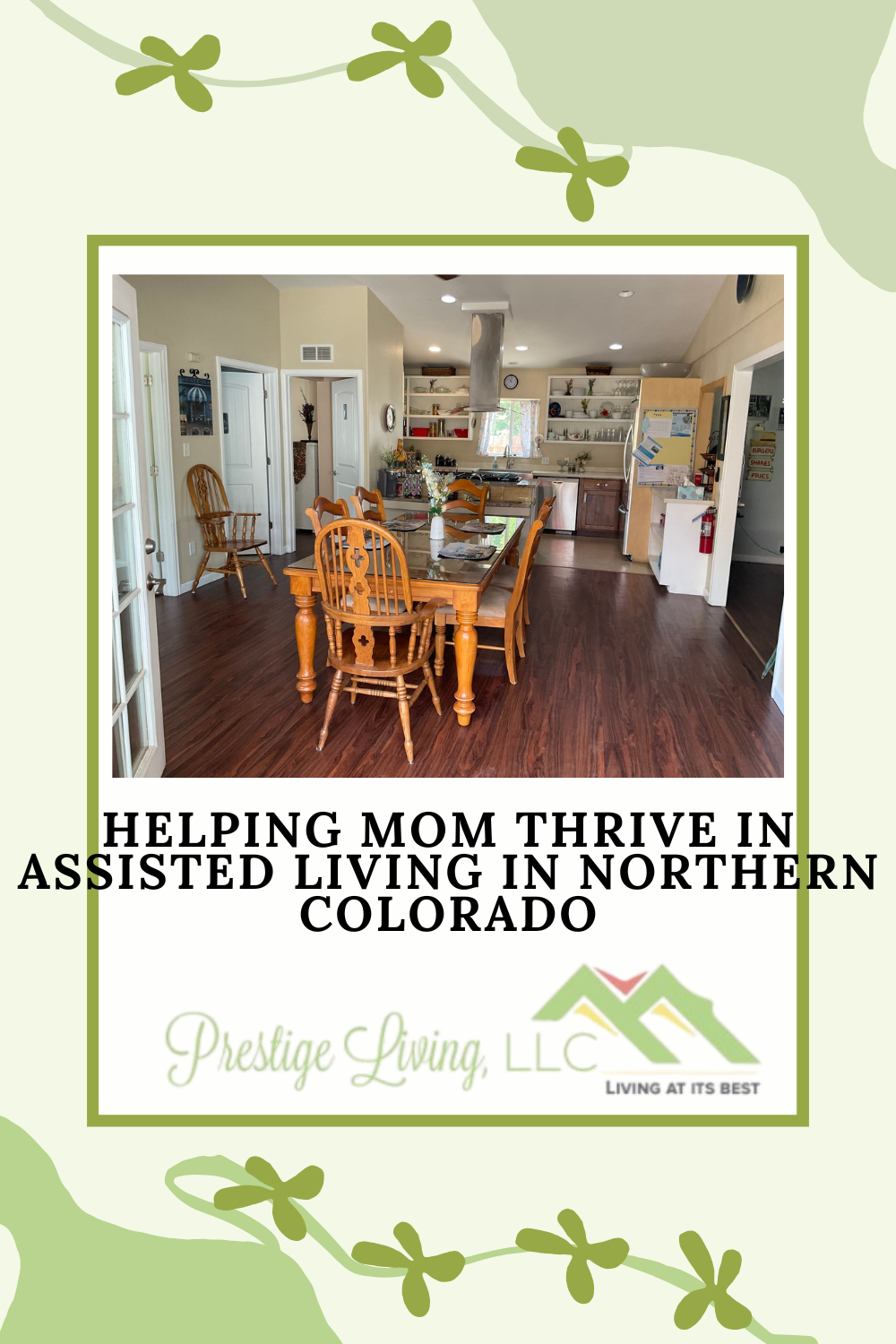
Helping Mom Thrive in Assisted Living in Northern Colorado
Prestige Assisted Living
For more information about the author, click to view their website: Prestige Assisted Living
May 27, 2026
Colorado - Northern Colorado


A Daughter’s Journey: Helping Mom Thrive in Assisted Living in Northern Colorado
When Karen first noticed changes in her mother, Eleanor, she brushed them aside. A missed doctor’s appointment here. Forgotten groceries there. But after Eleanor experienced a fall during an icy Northern Colorado winter, Karen realized her mother needed more support than occasional family visits could provide.
Like many families throughout Fort Collins and surrounding communities, Karen faced difficult questions:
- How can Mom remain independent safely?
- Who will help with medications and meals?
- What happens if another emergency occurs?
After researching options, Karen discovered assisted living communities like Prestige Assisted Living, where seniors receive support while continuing to enjoy active and fulfilling lives.
The Changing Needs of Aging Parents
Many adult children throughout Northern Colorado are balancing careers, children, and caregiving responsibilities. As parents age, everyday tasks can become increasingly difficult.
Common challenges include:
- Medication management
- Cooking nutritious meals
- Driving safely
- Preventing falls
- Maintaining social connections
Families often feel overwhelmed trying to provide full-time support alone.
“Caregiving can become emotionally exhausting for families,” says the team at Prestige Assisted Living. “Our role is to help seniors maintain dignity while easing the burden on loved ones.”
Assisted Living Is About Independence — Not Limitation
One of Karen’s biggest fears was that her mother would lose her independence. Instead, the opposite happened.
At Prestige Assisted Living, Eleanor:
- Made new friends
- Joined exercise classes
- Enjoyed chef-prepared meals
- Participated in social activities
- Felt secure knowing staff were nearby
Within months, Karen noticed her mother smiling more, sleeping better, and regaining confidence.
Why Seniors Love Northern Colorado
Northern Colorado offers a unique environment for retirement living. Seniors appreciate:
- Walkable downtown areas
- Access to excellent healthcare
- Outdoor recreation
- Mild climate with abundant sunshine
- Strong sense of community
Communities like Loveland and Fort Collins provide the perfect setting for seniors who want both comfort and activity.
What Families Should Look for in Assisted Living
Not all assisted living communities are the same. Families should evaluate:
- Staff responsiveness
- Personalized care options
- Dining quality
- Activity calendars
- Safety features
- Resident engagement
Visiting communities in person often provides the clearest picture.
Questions Families Should Ask
- How are care plans customized?
- What social programs are available?
- How are emergencies handled?
- Are transportation services offered?
- How does staff communicate with families?
The Importance of Social Connection
Loneliness can negatively impact senior health just as much as physical conditions. Assisted living communities create opportunities for daily interaction and friendship.
Residents often participate in:
- Game nights
- Book clubs
- Group fitness
- Music programs
- Holiday celebrations
These activities encourage emotional wellness and help seniors stay mentally active.
Supporting Family Relationships
One surprising benefit Karen discovered was how assisted living improved her relationship with her mother.
Before the move, most conversations centered around stress:
- Bills
- Safety concerns
- Medication reminders
- Scheduling appointments
Afterward, visits became enjoyable again. They could simply spend time together as mother and daughter.
Planning Ahead Creates Better Outcomes
Families often delay conversations about senior care because they feel uncomfortable discussing aging. However, planning proactively provides more options and less stress.
Early planning allows seniors to:
- Participate in decisions
- Explore communities comfortably
- Transition gradually
- Maintain greater control over their future
FAQs About Assisted Living in Northern Colorado
What services are included in assisted living?
Services often include meals, housekeeping, medication assistance, social activities, and personal care support.
Are pets allowed in assisted living communities?
Policies vary by community, but many assisted living locations welcome pets or offer pet visitation opportunities.
Can couples live together in assisted living?
Yes. Many communities accommodate couples with different care needs.
What makes Northern Colorado appealing for seniors?
Northern Colorado offers healthcare access, scenic beauty, outdoor activities, and welcoming retirement-friendly communities.
How can families start the conversation about assisted living?
Focus on safety, quality of life, and support rather than loss of independence. Listening with empathy is essential.
Families across Northern Colorado are discovering that assisted living can open the door to safer, happier, and more connected lives. Prestige Assisted Living helps seniors thrive while giving families confidence that their loved ones are receiving compassionate support.
For families seeking trusted senior living resources, more information can be found on their Seniors Blue Book Listing
Other Articles You May Like
Assisted Living in Lafayette, CO
An older adult may still enjoy their own space even when meals, bathing, or getting ready in the morning take more effort. When visiting an assisted living community, picture how an ordinary day would go. That can tell you whether the help on offer fits the way you want to live. What Is Assisted Living?Assisted living combines a place to live with regular help for daily activities. Depending on the residence and care plan, support can include bathing, dressing, medication management, dining, and housekeeping. It may suit someone who wants their own living space and would benefit from having help nearby. Waneka Park Assisted LivingPhone: 720-410-3889 Waneka Park is at 225 Waneka Parkway in Lafayette. Its brochure describes individualized care plans, staff available around the clock with nurse oversight, an emergency response system, and bathing assistance. Ask how the team would handle a specific routine, such as an evening shower or help getting ready for an early appointment. Meals, Outings, and Short StaysWaneka Park describes three daily meals, activities, outings, and scheduled local transportation to medical appointments. Its brochure also describes respite stays. Ask whether a short stay is currently available if you need temporary support and confirm what is included before booking. Why This Matters in LafayetteIf staying close to friends or keeping a regular visit to the Lafayette Senior Center matters, bring those details on the tour. Ask which outings you can continue, how rides are arranged, and what a weekday visit would look like for family. How to Get Started1. Bring Examples from a Typical DayWrite down the tasks you handle yourself and the ones youd like help with. Include weekends and overnight needs if they affect the decision.2. Tour and Request a Written EstimateCall 720-410-3889. Ask to see an available room, try the route to the dining area, and request a written estimate showing what the monthly rate includes and which services cost extra. Related Seniors Blue Book CategoriesIndependent Living Non-Medical Home Care Respite Care
Signs Families Should Notice
It may be time to consider assisted living when an older adult can no longer handle certain daily tasks safely or consistently, even with occasional help from family. The decision is rarely based on age alone. What matters is whether support with personal care, medications, meals, or supervision would make everyday life more manageable while preserving as much independence as possible. Which Changes Suggest More Support Is Needed? One difficult day does not automatically mean a move is necessary. Patterns, however, deserve attention. Repeated trouble getting dressed, skipping showers because of fall concerns, forgetting medications, or struggling to prepare meals can all suggest that the current arrangement needs to change. Families should also watch for a growing need for reassurance or assistance at night. Someone may be physically capable of many tasks but feel unsafe living alone. Another person may be comfortable at home yet need so much hands-on help that relatives cannot provide it consistently. How Is Assisted Living Different From Other Options? In-home care brings assistance into a persons current home. It can be appropriate when the home remains workable and needed support can be scheduled reliably. Assisted living adds a residential setting with staff availability, shared meals, activities, and help with everyday personal needs. Independent living usually focuses on housing, convenience, and community activities for people who can largely manage personal care themselves. Skilled nursing, by contrast, is intended for people who require a higher level of clinical nursing or rehabilitation services. Assisted living does not replace hospital treatment, and a community must evaluate whether it can meet a prospective residents specific needs. Does Needing Help Mean Losing Independence? Not necessarily. Accepting assistance with a few difficult tasks can leave more energy for the things a person enjoys. Independence can mean choosing when to socialize, deciding how to spend the afternoon, maintaining family relationships, and being included in care decisions. The amount and type of help should be matched to actual needs rather than based on assumptions about age. At Waneka Park Assisted Living Residence in Lafayette, Colorado, the stated approach emphasizes individualized care plans, dignity, privacy, and help with daily activities. The residence lists assistance with bathing and dressing, medication management or oversight, and 24-hour wellness monitoring. These are useful topics for a family discussion, but the care team should confirm whether it can accommodate the persons particular circumstances. What If a Parent Resists the Conversation? Start with observations rather than a conclusion. I noticed the stairs are harder lately is more productive than You cannot live alone anymore. Ask which tasks feel frustrating and what the person would change if help were readily available. When possible, involve the older adult in selecting communities and touring them. Avoid treating the first visit as a commitment to move. It can simply be a chance to learn how care is delivered, what residents do during the day, and what the costs might be. Families can then compare those answers with the amount of help available at home. What Questions Help Families Make the Decision? Which activities of daily living now require regular assistance? Are medication routines reliable, and who currently checks them? Is the person eating regularly and moving around the home safely? Can family caregivers sustain the current schedule without gaps? Would a residence with staff available around the clock address the main concerns? What matters most to the older adult: privacy, activities, location, or familiar routines? A primary care clinician can help families understand whether changes are related to a treatable condition and whether additional medical evaluation is needed. If memory loss, falls, or new confusion are involved, those concerns should be assessed rather than assumed to be an inevitable part of aging. What Should You Look for During a Tour? Ask a community to walk through a realistic day for someone with your family members needs. Explore staffing and overnight response, medication procedures, care-plan updates, meals, visitor policies, activities, and potential added charges. Notice whether explanations are clear and whether the prospective resident feels heard. Waneka Park lists an enclosed courtyard, dining services, planned activities, scheduled transportation, and an onsite nurse among its community features. Those details may help families determine whether the setting supports both daily care and personal interests. Confirm all current terms and service availability during your visit. A Practical Next Step for Lafayette Families Make a brief inventory of what is going well at home and what is no longer working. Then speak with communities about the needs that are most likely to change. A thoughtful decision considers safety, preferences, care capabilities, and family involvement together. Families exploring assisted living can contact Waneka Park Assisted Living Residence in Lafayette at (303) 666-0691 or visit https://wanekapark.com/ to arrange a visit and discuss individualized care options.
Assisted Living in Lafayette, CO
For an older adult who values familiar routines but needs help with bathing, dressing, or medications, assisted living can offer a middle ground between managing alone and receiving more intensive medical care. Families searching for assisted living in Lafayette, Colorado, should look beyond the floor plan. The important questions are what staff can help with, how support changes over time, and whether residents can continue making everyday choices. What Does Assisted Living Include? Assisted living combines housing, daily personal assistance, meals, activities, and supervision in a residential setting. It is generally designed for people who need support with some activities of daily living, often called ADLs, but do not require hospital-level treatment or continuous skilled nursing. Services differ by community, so families should ask precisely what is included and what requires an additional arrangement or fee. Common reasons to explore assisted living include difficulty bathing safely, missed medications, limited mobility, inconsistent meals, or growing concern about being alone overnight. Someone may still enjoy conversation, outings, reading, and hobbies while needing practical help at predictable times during the day. Personal Care and 24-Hour Oversight at Waneka Park Waneka Park Assisted Living Residence, at 225 Waneka Parkway in Lafayette, offers assisted living with staff present 24 hours a day, seven days a week. Its published services include help with bathing and dressing, medication oversight or management, 24-hour wellness monitoring and assistance, and individualized personal care plans. A nurse is available onsite according to the communitys service information. That combination can matter when needs are not identical from one resident to another. A person who is comfortable choosing clothes and eating independently may need help getting into the shower. Another may manage most of the day well but benefit from medication oversight and staff availability. An individual care plan gives families a starting point for discussing those differences with the care team. Daily Life Beyond Personal Assistance A good community fit also depends on what daily life feels like after the essential care needs are met. Waneka Park lists three meals each day in its dining room, planned activities, scheduled transportation, and a beauty/barber shop among its offerings. Its enclosed, park-like courtyard creates outdoor space within the community; the Lafayette neighborhood also provides access to nearby shops and restaurants. Activities should be considered an invitation, not a requirement. Some residents like group games, gardening, or entertainment. Others prefer quiet time, visiting with family, or keeping their own routine. During a visit, ask how staff support both social participation and privacy. Questions to Ask on an Assisted Living Tour in Lafayette A tour is more useful when families bring questions tied to the prospective residents actual needs. Consider asking: Who assesses bathing, dressing, mobility, and medication needs before move-in? How are individualized care plans reviewed when a residents condition changes? What help is available overnight, and what situations require outside medical care? Which services are included in the quoted rate, and which may cost extra? How are families informed about changes in care needs or day-to-day concerns? Ask to see living and common areas, notice how residents and staff interact, and review what a typical day looks like. Confirm current availability, pricing, and eligibility directly with the community rather than assuming information shown online applies to every resident. Why Local Fit Matters in Lafayette Choosing a residence close to familiar people and places can make it easier for family members to visit and stay involved. Lafayette families may also want to consider transportation arrangements, access to appointments, and whether the setting feels comfortable across different seasons. The best option is not necessarily the largest or the one with the longest amenities list; it is the one that can reliably meet the persons care needs while respecting their preferences. How to Get Started Write down the tasks that have become difficult, note any recent falls or medication concerns, and discuss what the older adult wants to preserve in daily life. Bring that information to a conversation with the residence so staff can explain whether its services are appropriate. To learn more about assisted living and schedule a visit, contact Waneka Park Assisted Living Residence at (303) 666-0691 or visit https://wanekapark.com/. Touring the community can help you compare its care approach, living spaces, and day-to-day atmosphere with your familys priorities.
Local Services By This Author
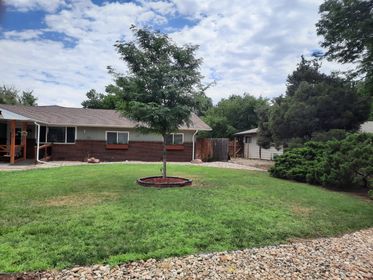
Prestige Assisted Living
Assisted LivingThere comes a time in everyone's life....When it is time to kick back, enjoy life, make new friendships, play games, laugh, talk, have an ice cream float!!! We offer long and short term care.