How a Senior Health Clinic Can Simplify Care in Grand Junction
PrimeHealth+ Medical Clinic
For more information about the author, click to view their website: PrimeHealth+
Jul 21, 2026
Colorado - Western Slope


How a Senior Health Clinic Can Simplify Care in Grand Junction
Health care often becomes more complicated with age. One appointment may focus on blood pressure, another on diabetes, and another on dental pain or mood changes. Add several medications, different specialists, insurance questions, and transportation across Grand Junction, and routine care can feel like a full-time responsibility.
A dependable health-care home can make the process easier. PrimeHealth+, formerly MarillacHealth, provides medical, dental, behavioral health, pharmacy, and support services for patients of all ages, including older adults. The nonprofit Federally Qualified Health Center has served Western Colorado since 1988 and welcomes people regardless of age, income, insurance status, language, or health condition.
Why Older Adults Benefit From Coordinated Care
Many seniors live with more than one ongoing condition. High blood pressure may need to be monitored alongside arthritis, diabetes, heart disease, depression, or medication side effects. When care is scattered among offices that do not communicate well, important details can be missed.
PrimeHealth+ uses a multidisciplinary model that includes medical providers, nurses, patient navigators, and case managers. Its teams coordinate with community resources and specialists when patients need services outside the clinic.
Coordinated care can help answer practical questions:
- Who should review all current medications?
- Are preventive screenings up to date?
- Could fatigue be related to illness, mood, sleep, or medication?
- Does a specialist have the latest laboratory results?
- Are costs causing the patient to delay care?
The goal is to understand how medical, emotional, oral, and financial factors affect the whole person.
Make the Medicare Annual Wellness Visit Count
PrimeHealth+ provides Medicare Annual Wellness Visits, primary care, chronic disease management, preventive screenings, laboratory services, and patient navigation.
An Annual Wellness Visit focuses on preventive planning rather than treatment of a new illness. PrimeHealth+ provides a questionnaire for Medicare patients and encourages them to bring identification, medication and supplement lists, medical history, and insurance cards.
Before the appointment, write down:
- Recent falls or balance concerns
- Changes in memory, appetite, sleep, or mood
- New difficulty completing daily activities
- Medication questions or side effects
- Specialists seen during the past year
Honest information helps the care team create a useful prevention plan. A person should not minimize a fall, confusion episode, or skipped medication because it happened only once.
Chronic Conditions Need Regular Follow-Up
Diabetes and high blood pressure can change gradually without obvious symptoms. Regular appointments let providers review home readings, laboratory results, medications, nutrition, activity, and possible complications.
Bring blood pressure or glucose records, note missed doses, and explain what makes the treatment plan difficult. Cost, transportation, complicated instructions, or trouble opening medication containers are all relevant concerns.
PrimeHealth+ also operates an on-site pharmacy at its Main Clinic. It accepts Medicare, Medicaid, commercial insurance, and qualifying sliding-fee patients, with walk-in, drive-up, and free home-delivery options.
Connecting pharmacy and medical services may make it easier to clarify prescriptions and reduce extra trips across Mesa County.
Mental Health Is Part of Physical Health
Grief, isolation, anxiety, depression, and major life changes can affect sleep, appetite, energy, memory, and a person’s willingness to manage medical conditions.
PrimeHealth+ integrates behavioral health providers into its care teams. Medical and behavioral health professionals can collaborate because emotional and physical health influence one another. Services include brief therapy and support for anxiety, depression, grief, trauma, substance use, and life transitions.
Older adults do not need to wait for a crisis. Persistent sadness, worry, withdrawal, or loss of interest should be mentioned during an appointment.
Oral Health Is Part of Senior Health
Dental problems can affect eating, speech, confidence, nutrition, and comfort. PrimeHealth+ Dental welcomes patients from newborns through seniors and emphasizes the connection between oral health and overall well-being.
Families should seek dental guidance when an older adult has pain, loose teeth, mouth sores, difficulty chewing, bleeding gums, broken dentures, or unexplained changes in food choices. Someone who suddenly avoids firm foods may be experiencing dental discomfort rather than a lack of appetite.
Affordable Access Matters in the Grand Valley
Health-care costs can cause older adults to postpone appointments, ration medication, or ignore dental and behavioral health needs. PrimeHealth+ accepts Medicare, Medicare Advantage, Medicaid, commercial insurance, and patients who are uninsured or underinsured. Its sliding-scale program uses household size and income to determine whether a patient qualifies for discounted care.
Chief Development Officer Kristy Schmidt has worked with the organization since 2003 and has more than 30 years of health-care-related experience. Her responsibilities include grants, communications, partnerships, and community relations.
During PrimeHealth+’s 2025 rebrand, Schmidt described the organization’s expanded community presence: “We’re a very large health system now with three full clinics here in Grand Junction, two school-based health centers, a couple of outreach clinics.”
For seniors, that growth means more ways to connect with preventive and ongoing care close to home.
Preparing for a First Appointment
Bring photo identification, Medicare and other insurance cards, medication and supplement lists, medical history, specialist contacts, recent test results when available, and a written list of questions.
PrimeHealth+ asks new patients to complete registration paperwork and encourages everyone to apply for financial assistance because some patients may qualify for more support than expected.
Frequently Asked Questions
Is PrimeHealth+ only for low-income or uninsured patients?
No. PrimeHealth+ welcomes insured, underinsured, and uninsured patients. It accepts Medicare, Medicare Advantage, Medicaid, and commercial insurance while offering financial assistance to qualifying households.
Does PrimeHealth+ serve seniors exclusively?
No. It serves patients of all ages. Services relevant to older adults include primary care, chronic disease management, preventive screenings, Medicare Annual Wellness Visits, behavioral health, dental care, pharmacy services, and patient navigation.
Where are the Grand Junction clinics?
The Main Clinic is at 526 29½ Road and offers medical, dental, behavioral health, pharmacy, Convenient Care, and after-hours call support. The 12th Street Clinic is at 2139 North 12th Street, Suite 2, and provides medical and behavioral health services.
Are Saturday appointments available?
PrimeHealth+ lists Saturday medical appointments and Saturday Convenient Care hours at its Main Clinic. Confirm current hours when scheduling.
How Can Someone Become a Patient?
Call 970-200-1600, complete the new-patient and financial-assistance forms, and submit the paperwork before the first visit.
Connect With PrimeHealth+ Through Seniors Blue Book
A senior health clinic should do more than respond when someone becomes sick. It should help older adults plan preventive care, manage chronic conditions, review medications, address emotional wellness, protect oral health, and understand financial support.
Visit the PrimeHealth+ Seniors Blue Book listing to review current information and connect with the Grand Junction team. Establishing a consistent health-care home now can make future appointments, referrals, and care decisions easier for older adults and their families.
Other Articles You May Like
Family Health Clinics in Meridian, ID
Finding a primary care clinic that listens, coordinates treatment, and understands changing health needs can make everyday care easier for older adults and their families.A local family health clinic may become the central point for preventive care, medication discussions, laboratory services, referrals, and follow-up after an illness or other health change.What Are Family Health Clinics?Family health clinics provide primary medical care for people across different stages of life.Services commonly available through family health clinics include: Routine checkups Preventive screenings Treatment for common illnesses Chronic condition monitoring Medication management Laboratory coordination Specialist referrals General health education Older adults may benefit from having one primary care team maintain a broad view of their health. This can be especially important when several medical conditions, medications, or specialists are involved.Services, insurance participation, and appointment availability should always be confirmed directly with the clinic.Cherry Heights Family ClinicPhone Number and LocationPhone: 208-650-4888Address: 1560 North Crestmont Drive, Suite A, Meridian, ID 83642Cherry Heights Family Clinic is a Meridian family medicine practice serving individuals and families in Meridian and the Boise area.The clinic describes its approach as personalized, patient-centered, and focused on supporting each person's health over time.Its published primary care information includes coordinating laboratory services, prescribing medications, and managing referrals to specialists and other healthcare professionals when needed.The clinic also lists preventive health services and women's health among its offerings. Specific services may depend on the provider, medical need, appointment type, and insurance coverage.Older adults preparing for a first appointment should consider bringing: A complete medication and supplement list Recent laboratory or imaging results Names of current specialists Immunization records Relevant medical history A list of symptoms or concerns Questions about treatment and follow-up Patients should ask whether Cherry Heights Family Clinic is accepting new patients and whether the clinic participates with their insurance plan.It is also helpful to ask how urgent concerns, prescription refills, test results, referrals, and after-hours questions are handled.Why This Matters LocallyA Meridian-based primary care relationship can reduce travel time and make follow-up more manageable for seniors and caregivers in the Treasure Valley.A local primary care provider may also help connect patients with nearby laboratories, imaging centers, rehabilitation providers, specialists, pharmacies, and community resources.Consistent records and regular appointments are particularly valuable when several health conditions or prescriptions must be monitored together.How to Get Started Call 208-650-4888 and ask whether the clinic is accepting new patients. Explain whether the patient needs routine primary care, a preventive appointment, or care for a specific concern. Confirm insurance participation, copays, referral requirements, and paperwork that should be completed before the appointment. Prepare a complete medication and supplement list, including doses and prescribing clinicians. Bring identification, insurance cards, medical records, and written questions. Before leaving the appointment, confirm follow-up timing, test instructions, medication changes, and how results will be communicated. Related CategoriesPrimary Care Providers in Meridian, IDGeriatric Care Management in Meridian, IDCare Management Services in Meridian, ID
Senior Health Clinics in Englewood FL
Health care often becomes more complicated with age.An older adult who once visited the doctor only when something felt wrong may eventually be managing several medications, preventive screenings, blood pressure, diabetes, arthritis, breathing concerns, specialist appointments, and changes in mobility or memory at the same time.Families may also find themselves asking new questions.Is Mom due for a Medicare Wellness Visit? Should Dad's dizziness be evaluated? Who is keeping track of all the medications prescribed by different specialists? Does a new symptom require urgent care, a specialist, or simply a call to the primary care physician?A senior-focused health clinic can provide a central place to address these questions.Senior health clinics typically emphasize primary and preventive care for older adults, helping patients manage chronic conditions, stay current with screenings and vaccinations, review medications, coordinate specialists, and respond when new concerns develop.What Is a Senior Health Clinic?Senior health clinic is not one specific medical license or specialty.Rather, the term commonly describes a medical practice that places particular emphasis on the health needs of older adults. A senior-focused clinic may be especially useful for someone whose health care has become too complicated to manage through occasional urgent-care visits alone.How Is Senior-Focused Primary Care Different?The medical fundamentals of primary care remain the same, but older adults often need attention to several issues simultaneously. VIPcare describes its broader primary-care model as emphasizing preventive and wellness care, chronic disease management, diagnostic services, and coordinated specialty care rather than focusing only on treating illness after it occurs.Who Can Benefit From a Senior Health Clinic?Senior-focused primary care can be useful for adults with very different levels of health.Healthy Older Adults Who Want to Stay Ahead of ProblemsSomeone does not need to have a major illness to benefit from consistent primary care.Preventive care may help identify health risks before they create larger problems.Medicare covers many eligible preventive services, including screenings related to cardiovascular disease, diabetes, certain cancers, osteoporosis, depression, and other conditions, along with several vaccines.A regular clinic can help patients understand which screenings are appropriate based on their age, health history, and individual risk factors.People Taking Multiple MedicationsMedication management becomes increasingly important when several physicians are involved.An older adult may receive prescriptions from a primary care doctor, cardiologist, orthopedic specialist, pulmonologist, and other providers. VIPcare Englewood currently lists Medication Management among its services.Seniors Who Have Recently Been HospitalizedA hospital stay often results in new medications, specialist appointments, testing, and follow-up instructions.Primary care after discharge can help reconnect the pieces.VIPcare's broader care model includes coordination with specialists, pharmacists, and hospitalization-related care.VIPcare Englewood465 S Indiana Ave, Englewood, FL 34223Phone: 941-208-2370The Englewood clinic states that it specializes in primary care for seniors and uses individualized care plans with an emphasis on prevention, chronic-condition management, and maintaining long-term relationships with patients.Current Englewood Physician Robert Hummer MDVIPcare currently identifies Robert Hummer, MD as the physician serving its Englewood clinic.Dr. Hummer practices Internal Medicine. His current biography states that he earned his medical degree at Eastern Virginia Medical School and completed residency training at Emory University in Atlanta.Before moving into primary care, he spent 21 years working as a hospitalist in Northeast Georgia. His VIPcare biography explains that his hospital experience helped shape his interest in accessible primary care and building ongoing relationships with patients.Provider schedules can change, so patients should confirm the current care team when scheduling an appointment.Senior Health and MedicareVIPcare focuses heavily on Medicare-age patients.The organization currently states that it specializes in Medicare Advantage. Its FAQ notes that some locations also accept Original Medicare, while the main VIPcare site states that most clinics accept Original Medicare and Medicare Advantage plans.Because participation can vary by clinic and insurance plan, Englewood patients should verify their exact coverage before an appointment.Do not ask only:"Do you take Medicare?"Instead ask:"Is Dr. Robert Hummer and the VIPcare Englewood clinic currently in network with my exact insurance plan?"That question is more likely to prevent unexpected coverage problems.Why Senior Health Clinics Matter in EnglewoodSenior-focused health care is especially relevant in Englewood because older adults make up an unusually large share of the community.According to current U.S. Census Bureau QuickFacts data, 60.1% of Englewood residents are age 65 or older.Englewood had a population of 20,800 at the 2020 Census, and the current 20202024 data also identify approximately 2,505 veterans in the community.In other words, roughly six out of every ten Englewood residents are seniors.A Retirement Community Needs Senior-Focused Primary CareMany people move to Southwest Florida after retirement.That may mean leaving behind: A longtime primary care physician Familiar specialists A preferred hospital system Years of locally stored medical records Establishing a local primary care relationship soon after moving can help seniors build a new health-care network before an urgent need develops.Aging Often Means More Providers, Not FewerAs people grow older, they may add specialists rather than replace them.That makes having one consistent medical home increasingly valuable.A senior health clinic can help organize: Preventive health Chronic conditions Medications Specialist referrals Laboratory monitoring Follow-up after hospitalization Englewood's Veteran Population Adds Another LayerSome local seniors may receive health services through the U.S. Department of Veterans Affairs while also using Medicare, Medicare Advantage, or private providers.Patients receiving care from multiple systems should keep every provider informed about medications, diagnoses, testing, and treatment changes.How to Get Started With a Senior Health Clinic1. Confirm Your Insurance2. Ask Whether the Provider Is Accepting New Patients 3. Transfer Recent Medical Records4. Prepare a Complete Medication List5. Write Down the Most Important Health Concerns 6. Ask About the Annual Wellness Visit7. Review Preventive Screenings8. Bring a Family Member When Helpful9. Share Information About Every Specialist10. Learn How to Contact the Clinic Between Visits Building a Long-Term Health-Care RelationshipSenior health care works best when it is more than a series of isolated appointments.Over time, a consistent primary care provider becomes familiar with: Medical history Medications Personal health goals Chronic conditions Specialist involvement Preventive needs Changes in function That history makes it easier to recognize when something is changing.A blood pressure reading is more meaningful when compared with prior visits.A new medication is easier to evaluate when the physician knows the complete list.A memory concern can be viewed alongside past cognitive assessments.For Englewood seniors, VIPcare provides one local option focused specifically on older-adult primary care, prevention, chronic-disease management, and coordinated health support.Related Seniors Blue Book CategoriesDementia Care Nutrition Services Advanced Care Planning
Why More Seniors Are Being Asked to Join Clinical Trials
Here's something that might surprise you. For decades, older adults were often left out of clinical research entirely. Now that's changing, and if you've recently been asked about joining a trial, there's a good reason why.It's not random. It's a real shift in how medicine is being tested, and it's happening because seniors were missing from the data for far too long.The Problem With Leaving Seniors OutThink about this for a second. Older adults take the majority of prescription medications in the country, yet historically, most of those medications were tested primarily on younger, healthier participants.That gap matters more than it might seem, because aging changes how the body handles treatment: Kidney function typically declines with age, affecting how drugs are processed and cleared Liver metabolism can slow down, changing how medications break down in the body Body composition shifts, which alters how treatments distribute and act Multiple medications taken together create more complex interaction risks In other words, a treatment tested only on 35-year-olds doesn't automatically work the same way in someone who's 75. Without seniors represented in trials, doctors have been left estimating rather than knowing.Why This Is Finally ChangingSeniors are now the fastest-growing age group in the population, and researchers can no longer afford to treat that as an afterthought.A few factors are driving the shift: Federal policy changes now require many federally funded studies to include participants across the full age range, including older adults, unless there's a specific scientific reason not to Growing demand for treatments related to age-related conditions like Alzheimer's, heart disease, and mobility loss Better recognition that results from younger participants don't reliably predict outcomes in older patients The result is more trials actively recruiting seniors, and more researchers designing studies with older adults in mind from the start.What's Actually In It for YouJoining a clinical trial isn't just about contributing to science, although that matters too. There are real, practical reasons seniors consider it.Potential benefits include: Early access to new treatments not yet widely available Closer monitoring from a dedicated research team throughout the study No cost for the study treatment or related monitoring in most cases Contributing to research that could improve care for future patients, including your own family The option to stop at any time, participation is always voluntary Many participants say the extra attention alone, more frequent check-ins, more thorough monitoring, makes a noticeable difference in how supported they feel.What to Ask Before You JoinNot every trial is the right fit, and that's okay. Before saying yes, it's worth asking: What is the trial actually studying, and how long does it last? What are the known risks and possible side effects? Will my regular doctor stay involved and informed throughout? Can I leave the study at any time if I change my mind? Is transportation or travel required, and how often? A reputable research team should walk you through every one of these clearly, in plain language, before you agree to anything.Talk to Your Doctor FirstIf a trial has come up in conversation, or you're simply curious, your primary care provider or specialist is the best place to start. They can help you understand whether a particular study fits your health history and goals, and whether it's worth pursuing.Finding Trusted Senior Health ResourcesWhether you're exploring clinical trials, looking for a geriatric specialist, or simply trying to find providers who understand the unique needs of older adults, Seniors Blue Book is built to make that search easier.Our directory connects seniors, caregivers, and families with vetted local providers across the full spectrum of senior care, so you're never left guessing who to trust.A Note for Providers Reading ThisIf your organization is involved in geriatric care, research recruitment, or specialized senior health services, families are actively looking for providers like you right now.Seniors Blue Book offers a free listing to help you get discovered by the caregivers and families already searching. It's a simple first step, and many providers choose to upgrade for even greater visibility once they see results.Ready to Connect?Whether you're a senior exploring your options or a provider ready to be found, Seniors Blue Book is here to help.Contact us today: Email us at [email protected] or call us at 800-201-9989.
Local Services By This Author


PrimeHealth+ Medical Clinic
Physicians 526 29 1/2 Road, Grand Junction, Colorado, 81504PrimeHealth+ is a community health center providing primary medical, dental, and behavioral health care for people of all ages. We welcome Medicaid, Medicare, Medicare Advantage, commercial insurance, and uninsured patients. A sliding fee is available based on income and family size. PrimeHealth+ serves Mesa County with locations in Grand Junction.
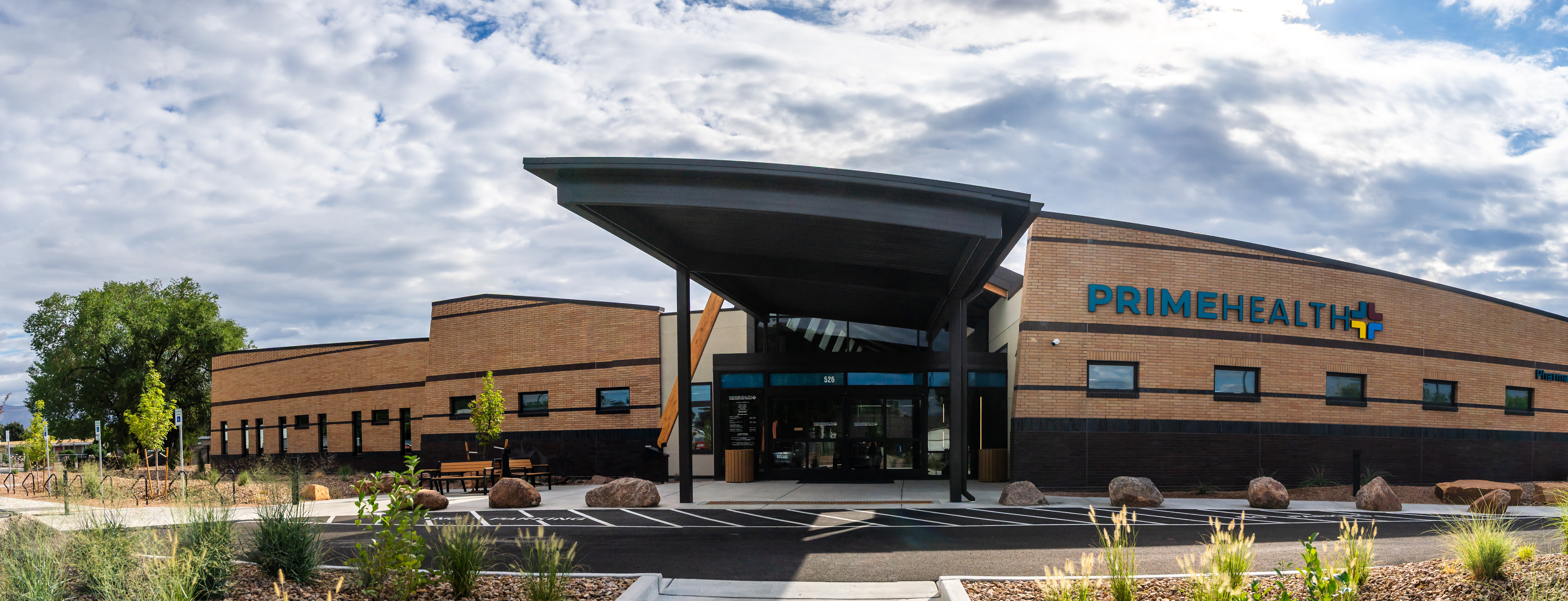
PrimeHealth+ Medical Clinic
Senior Health Clinics 526 29 1/2 Road, Grand Junction, Colorado, 81504At PrimeHealth+, based in Grand Junction, we are dedicated to providing exceptional senior health clinic services tailored to the unique needs of older adults. Our commitment to enhancing the quality of life for seniors is evident through our comprehensive, compassionate, and patient-centered approach. With a team of skilled healthcare professionals and state-of-the-art facilities, PrimeHealth+ stands as a trusted provider of senior healthcare in Western Colorado. Our Senior Health Clinic offers thorough geriatric assessments designed to evaluate the overall health status of seniors. These assessments include detailed medical history reviews, physical examinations, cognitive function tests, and mental health evaluations. By identifying potential health issues early, we can develop personalized care plans tailored to each patient's specific needs. Our goal is to help seniors on the Western Slope maintain their independence and quality of life. Managing chronic conditions such as diabetes, hypertension, arthritis, and heart disease is vital for seniors. At PrimeHealth+ we provide expert chronic disease management services, including medication management, lifestyle counseling, and regular monitoring. Our healthcare professionals work closely with patients to manage symptoms, prevent complications, and improve overall health outcomes. We emphasize patient education, empowering seniors to take an active role in their health and well-being. Preventive care is a cornerstone of our Senior Health Clinic services. We offer a wide range of screenings and preventive measures to detect potential health issues before they become serious problems. These include cancer screenings, bone density tests, vaccinations, and cardiovascular health assessments. Our proactive approach helps identify risk factors early, allowing for timely interventions that can significantly improve long-term health outcomes. Memory care is an essential component of our senior health services. Our clinic provides specialized care for patients with Alzheimer's disease, dementia, and other cognitive impairments. Our team includes experts in geriatric, behavioral health and psychiatry care who work together to create comprehensive care plans tailored to each patient's needs. We offer cognitive assessments, medication management, and support for caregivers to ensure the best possible care for our patients. Maintaining mobility and physical function is crucial for seniors to enjoy an active and independent lifestyle. PrimeHealth+ can coordinate and refer for rehabilitation and physical therapy services designed specifically for older adults if needed. Mental health is an integral part of overall well-being, and at PrimeHealth+, we prioritize the mental health of our senior patients. Our Senior Health Clinic offers comprehensive mental health services, including counseling, therapy, and medication management for conditions such as depression, anxiety, and other mental health disorders. We provide a supportive and understanding environment where seniors can receive the care they need to maintain emotional and psychological health. Proper nutrition is essential for maintaining health and vitality in older adults. Our Senior Health Clinic offers nutritional counseling services to help seniors make informed dietary choices that support their health goals. By promoting healthy eating habits, we help seniors enhance their overall well-being. Dental care is essential to quality of life and healthy eating. Our dental clinic is a full scope clinic providing emergency care, preventive care, restorative, as well as crowns, bridges and dentures. Our new state-of-the-art dental clinic was built in our new clinic in 2025. Our dental team works closely with the medical team to ensure that seniors receive quality integrated care. We recognize that caring for an elderly loved one can be challenging. PrimeHealth+ provides support for caregivers through education, resources, and referrals for respite care services. Our team offers guidance on managing the complexities of senior care, ensuring that caregivers have the tools and support they need to provide the best possible care for their loved ones while also taking care of their own well-being. At PrimeHealth+, we believe in a patient-centered approach to senior healthcare. This means that we take the time to listen to our patients, understand their concerns, and involve them in the decision-making process. Our goal is to build strong, trusting relationships with our patients and their families, ensuring that each individual receives the highest quality care tailored to their specific needs. Our Senior Health Clinic locations in Grand Junction are equipped with state-of-the-art facilities and advanced medical technology to provide the best possible care for our patients. We have comfortable treatment rooms and our clinics are designed to create a welcoming and efficient environment for seniors. PrimeHealth+is a full-service Community Health Center providing primary and preventive health care services, behavioral health, and dental for Mesa County and western slope seniors, insured or uninsured. Patients receive thorough and cost-effective diagnosis, treatment and follow-up care for a wide range of medical conditions. Accepts Medicare, Medicare Advantage, Medicaid. A Sliding Fee Discount Program is available based on income and household size. If you or a loved one is in need of comprehensive, compassionate senior healthcare services in Grand Junction contact PrimeHealth+ today. Our dedicated team is here to provide the highest level of care to support the health and well-being of older adults. Together, we can create a healthier, happier future for our senior patients in Western Colorado.