How Active Adult Communities Help Retirees Stay Engaged and Independen
V-Esprit
For more information about the author, click to view their website: V-Esprit Active Adult 55+ community
May 28, 2026
Colorado - Denver Metro


How Active Adult Communities Help Retirees Stay Engaged and Independent
For many adults entering their late 50s and 60s, retirement no longer means stepping away from life’s excitement. Instead, it marks the beginning of a new chapter focused on freedom, hobbies, wellness, and meaningful experiences.
Across Colorado, more adults are exploring active adult communities that support independent lifestyles while removing many of the burdens associated with traditional homeownership. In Aurora, communities like V-Esprit Active Adult 55+ Community are helping residents create lifestyles centered around convenience, social connection, and personal fulfillment.
Modern retirement living has evolved far beyond outdated stereotypes. Today’s active adults want flexibility, comfort, and opportunities to continue thriving.
Why Many Adults Are Rethinking Traditional Retirement
For decades, retirement was often associated with slowing down. However, many of today’s retirees are healthier, more active, and more socially engaged than previous generations.
Adults over 55 are increasingly prioritizing:
- Travel
- Fitness and wellness
- Lifelong learning
- Community involvement
- Simplified living
- Financial flexibility
- New friendships and experiences
Traditional single-family homes can sometimes become obstacles to these goals because of ongoing maintenance and rising costs.
Active adult communities offer an alternative lifestyle that emphasizes convenience and connection rather than constant upkeep.
Aurora Provides the Perfect Blend of Energy and Comfort
Aurora’s location makes it especially attractive for active adults seeking both recreation and accessibility.
Residents enjoy:
- Nearby golf courses
- Walking and biking trails
- Dining and entertainment options
- Access to Denver’s cultural attractions
- Beautiful Colorado scenery
- Excellent healthcare systems
The city’s growing population and diverse neighborhoods create an energetic atmosphere while still offering quieter residential areas ideal for retirees.
For adults who want to remain active without the congestion of downtown living, Aurora provides a strong balance.
Active Adult Communities Encourage Everyday Interaction
One challenge some retirees experience after leaving the workforce is reduced social interaction. Without regular office environments or busy family schedules, it can become harder to meet new people and maintain daily engagement.
55+ communities naturally encourage social connection through:
- Shared community spaces
- Resident events
- Fitness programs
- Hobby groups
- Casual neighborhood interaction
Peter Torrens of V-Esprit Active Adult 55+ Community says, “Residents often discover they feel more connected and energized after moving into an active adult environment where friendships and shared interests develop naturally.”
Social engagement plays a major role in emotional wellness and healthy aging.
Simplifying Life Can Reduce Stress
Many older adults realize they are spending more time managing homes than actually enjoying them.
Responsibilities such as:
- Lawn care
- Snow shoveling
- Repairs
- Cleaning large homes
- Exterior maintenance
can gradually become physically and emotionally draining.
Moving into an active adult community often creates a sense of relief.
Residents frequently report:
- More personal freedom
- Less stress
- Lower maintenance responsibilities
- Greater flexibility for travel
- Increased peace of mind
Simplifying daily life allows retirees to focus more on experiences and less on chores.
Wellness-Focused Living Supports Healthy Aging
Active adult communities increasingly incorporate wellness into daily life. Rather than focusing only on housing, many communities create environments that encourage physical activity and emotional wellness.
Residents may participate in:
- Walking groups
- Exercise classes
- Yoga sessions
- Community gardening
- Social gatherings
- Educational workshops
Colorado’s outdoor lifestyle naturally complements these wellness-centered communities.
Aurora’s parks, trails, and nearby recreation opportunities make it easy for retirees to remain physically active while enjoying the beauty of the region.
Financial Predictability Becomes More Important After Retirement
Retirement often requires careful budgeting, especially for adults living on fixed incomes or managing long-term savings.
Active adult housing can help reduce unexpected expenses associated with traditional homeownership such as:
- Emergency repairs
- Property maintenance
- Landscaping costs
- Seasonal upkeep
Predictable housing expenses can provide greater financial stability and peace of mind during retirement years.
For many retirees, this financial simplicity becomes just as valuable as the lifestyle benefits themselves.
Independence Remains the Priority
One reason active adult communities continue growing in popularity is because they allow residents to maintain complete independence while benefiting from age-friendly environments.
Residents continue controlling their own schedules, activities, and lifestyles while enjoying:
- Accessible housing layouts
- Community support
- Safer environments
- Opportunities for socialization
This balance helps older adults continue living confidently and comfortably without sacrificing autonomy.
Building Community Through Shared Interests
Many active adult communities create opportunities for residents to connect around common interests and life experiences.
Shared activities may include:
- Cooking clubs
- Movie nights
- Fitness groups
- Volunteer projects
- Book discussions
- Holiday celebrations
These opportunities help residents build friendships organically instead of feeling isolated at home.
Strong social relationships are increasingly recognized as a major factor in emotional health and longevity.
Planning for the Future Without Giving Up the Present
Some adults begin exploring 55+ communities because they want to plan ahead while they are still healthy and active.
Moving earlier often allows residents to:
- Adjust more comfortably
- Build stronger social networks
- Fully enjoy community amenities
- Simplify life before health challenges arise
Rather than waiting for a crisis or physical limitation, many retirees now proactively choose active adult living as a lifestyle enhancement.
Discover Active Adult Living at V-Esprit
Retirement should feel exciting, empowering, and fulfilling. Active adult communities are helping older adults create lifestyles focused on wellness, freedom, and connection.
V-Esprit Active Adult 55+ Community in Aurora offers a welcoming environment designed for independent adults who want maintenance-free living and meaningful social engagement.
Visit their Seniors Blue Book listing to learn more about available housing opportunities, amenities, and active adult living options in the Denver metro area.
FAQs
What age qualifies for a 55+ community?
Most active adult communities require at least one resident in the household to be age 55 or older.
Are active adult communities good for independent seniors?
Yes. These communities are specifically designed for independent adults who want convenience, social interaction, and maintenance-free living.
What makes Aurora attractive for retirees?
Aurora offers healthcare access, outdoor recreation, dining, shopping, and proximity to Denver while maintaining suburban comfort.
Do active adult communities include medical care?
No. Active adult communities are designed for independent living and generally do not provide medical or personal care services.
Why are more retirees downsizing?
Many retirees want simpler lifestyles with fewer maintenance responsibilities, lower stress, and greater freedom to travel or pursue hobbies.
Other Articles You May Like
Time to Downsize? A Guide to Right-Sizing Your Home in Ocean County
For many adults approaching retirement or entering their 50s and 60s, the family home represents decades of memories. It may be where children grew up, holidays were celebrated, and neighbors became lifelong friends. Yet as life changes, the home that once fit perfectly may begin to feel like more responsibility than freedom.For homeowners in Ocean County, New Jersey, deciding whether to stay, sell, or move to a smaller property can open the door to a new chapter. From the coastal communities of Long Beach Island (LBI) to Manahawkin, Barnegat, Stafford Township, and beyond, there are many lifestyle factors to consider when choosing where to live next.Working with a knowledgeable local real estate professional such as Carol Grinbaum, Realtor with Better Homes and Gardens Real Estate Murphy & Co., can help homeowners evaluate their options and make informed decisions about their next move.What Does Downsizing Really Mean?Downsizing is often associated with moving into a smaller house. However, for today's active adults over 50, the process is better understood as right-sizing: choosing a home that better matches current priorities, financial goals, and plans for the future.That might mean moving from a four-bedroom colonial to a two-bedroom ranch, trading a large yard for a condominium, or relocating closer to shopping, healthcare providers, family, and recreational activities.Some homeowners may even decide that a smaller property is not the right choice. They may prefer to remain in their current home and make practical improvements instead.The goal is not necessarily to have less space. It is to have a home that supports the life you want to live.Why Ocean County Homeowners Consider a Move After 50Less maintenance, more freedomA large property can require considerable time and money. Lawn care, snow removal, exterior painting, roof repairs, and landscaping may become increasingly burdensome when homeowners would rather spend their time traveling, golfing, visiting family, or enjoying the Jersey Shore.A smaller home may reduce some of those responsibilities, although maintenance obligations vary by property type and community.A different financial pictureSelling a longtime residence may provide an opportunity to access home equity, reduce monthly housing costs, or redirect money toward retirement priorities.However, the financial outcome depends on more than the sale price. Buyers should account for closing costs, moving expenses, property taxes, homeowners insurance, association fees, and potential renovations. Coastal properties may also require additional attention to flood insurance and storm-related risks.A real estate agent can help estimate a property's market value and compare potential alternatives. Financial, legal, and tax professionals can provide guidance on the broader implications of selling.A location that fits the next chapterSome residents want to remain close to the beaches and familiar neighborhoods they love. Others may want to move closer to adult children or choose a community with convenient access to daily services.Manahawkin offers a useful starting point for exploring the mainland near Long Beach Island, while Barnegat, Waretown, Toms River, and other Ocean County communities offer different property types and lifestyles.The best location depends on individual priorities, including transportation, social activities, healthcare access, and the amount of driving a homeowner is comfortable doing.What Housing Options Should You Explore?Ocean County offers several types of homes worth considering. Ranch-style homes: Single-level living may reduce the need to navigate stairs and can make daily routines more convenient. Condominiums: Some offer shared exterior maintenance, although buyers should carefully review association fees, rules, reserves, and responsibilities. Adult communities: Depending on the community, residents may find organized activities, recreational amenities, and opportunities to connect with neighbors. Age requirements and services differ. Smaller single-family homes: These can provide privacy and outdoor space without the upkeep of a larger property. Coastal properties: A home near LBI may support a beach-oriented lifestyle, but buyers should investigate flood exposure, insurance costs, evacuation considerations, and seasonal traffic. No single housing choice works for everyone. Touring different options can help clarify what feels comfortable and practical.How a Realtor Can Help You Make the TransitionSelling a longtime home is both a financial transaction and a personal milestone. A local Realtor can help break the process into manageable steps.Carol Grinbaum can be a starting point for discussing the local real estate market, evaluating a potential sale, and identifying properties that align with a homeowner's goals.A thoughtful moving plan should include: Clarifying priorities. Decide what matters most: fewer stairs, less maintenance, proximity to family, a particular community, or access to coastal recreation. Understanding the property's value. Review comparable sales and current competition rather than relying solely on online estimates. Estimating the full cost of moving. Consider selling expenses, purchasing costs, taxes, insurance, repairs, and monthly carrying costs. Planning the timeline. Determine whether you need to sell before buying, whether temporary housing might be necessary, and how much time you need to sort belongings. Preparing the property. Focus on repairs, decluttering, and presentation that make sense for the home's likely market. Suggested quote for Carol's approval: Downsizing is about finding the right fit for the next stage of life. Understanding what matters most to you helps guide the search toward a home that supports your lifestyle, comfort, and long-term plans.Don't Overlook the Emotional Side of DownsizingLeaving a family home can bring unexpected emotions. A dining room may hold memories of celebrations, while a backyard may represent years of watching children play.Rather than rushing the process, homeowners can begin by identifying the belongings they most want to preserve. Family photographs, heirlooms, and meaningful furniture can be prioritized while duplicate items and things no longer needed are gradually sorted.Adult children may want to help, but the homeowner should remain central to decisions whenever possible. The process is more likely to feel positive when it reflects the person's own preferences.For homeowners who need additional support, professional organizers, movers, and trusted family members can help make the transition more manageable.Frequently Asked QuestionsWhen should I start planning to downsize in Ocean County?Starting several months or even a year before a desired move can give you time to understand the market, compare housing options, organize belongings, and coordinate finances. The right timeline depends on your circumstances.Is Manahawkin a good place to consider when moving closer to LBI?Manahawkin is located on the mainland near Long Beach Island and may appeal to people who want access to Shore activities without living directly on the barrier island. Individual commute times, property costs, and lifestyle preferences should guide the decision.Should I buy my next home before selling my current one?That depends on your finances, available equity, lending options, and local market conditions. Discuss the risks and logistics with your real estate agent and lender before deciding.Are adult communities the same as assisted living?No. Adult communities generally provide residential housing, sometimes with age restrictions and shared amenities. Assisted living provides support services for eligible residents who need help with daily activities. Confirm the specific services and requirements of any property.How do I find a Realtor familiar with Ocean County?Review the agent's service area, communication approach, and experience with the property type and transaction you are considering. Carol Grinbaum's Seniors Blue Book listing provides a place to start.Take the First Step Toward Your Next ChapterWhether you are preparing to sell a longtime family home, exploring a smaller property, or considering a move closer to the Jersey Shore, thoughtful planning can make the transition easier.Visit Carol Grinbaum, Realtor's Seniors Blue Book listing to learn more about her real estate services and explore whether she is the right resource for your Ocean County housing plans. More information: Carol Grinbaum, Realtor Seniors Blue Book Listing
Housing Placement & Resource Specialists in Fairhope, AL
A family searching for senior housing can quickly accumulate a long list of names without feeling any closer to a decision. One community may suit the budget but not the assistance needed. Another may look appealing online yet be inconvenient for visits or appointments. Comparing those details takes time, especially during a sudden change in circumstances.Housing placement and resource specialists in Fairhope, AL help families organize that search. Prime Senior Placement Mobile and Baldwin County provides local senior living guidance, including support with identifying options and navigating a move. The value of the process begins with a clear description of the person who will live in the community.What housing placement specialists doA placement specialist helps turn preferences, budget, location, and support needs into a more focused housing search. Families can use that assistance to identify questions, arrange visits, and compare the information they receive.The specialist does not replace a communitys admission assessment or make every decision for the family. Ask how information is gathered, what options are considered, and how the final choice remains with the older adult and the authorized decision-makers.Identify the decision before choosing the addressStart by clarifying whether the person wants a different lifestyle, needs more daily help, or is facing a care transition. Those are related concerns, but they do not necessarily lead to the same setting.Describe the current routine, what has become difficult, and which priorities are nonnegotiable. A useful search brief might include proximity to family, an accessible bathroom, a comfortable monthly budget, and the assistance the person needs now.Prime Senior Placement serving FairhopePhone: 251-277-3338A process built around the householdPrimes official local page describes beginning with preferences, budget, lifestyle, and community fit. It then outlines narrowing the search, helping coordinate introductions and tours, supporting comparisons, and assisting through the transition and later questions. Ask how that process would apply to your situation. If there is a short timeline, explain the deadline. If you are planning ahead, ask which steps can be completed now without committing to a move.The local page identifies Jennifer Scott as a senior placement specialist serving Baldwin and Mobile counties. When calling, ask who will handle the search and how the family will receive updates.Understanding the no-cost servicePrime describes its placement guidance as free to families. That refers to the guidance, not the cost of housing or care.Ask how the service is compensated, which communities are included in its referral network, and whether options outside that network will be discussed. Request a clear explanation before sharing information or arranging tours so the family understands the scope of the recommendations.Turn recommendations into a useful comparisonAfter receiving suggested communities, request the reasons each option was included. Ask what has been confirmed directly and what still needs to be established through a tour or admission assessment.Useful comparison points include:Ability to meet the persons current support needsWritten costs and potential additional chargesAvailable apartment or room layoutLocation and transportation arrangementsPolicies for changing needs or a future moveThe residents own comfort with the settingKeep notes using the same questions for each visit. A consistent comparison makes it easier to see meaningful differences rather than choosing solely on first impressions.Why local placement guidance matters in FairhopeFor families on the Eastern Shore, a housing choice can affect how often relatives visit and how appointments are managed. A Fairhope location may be important, but some households may want to compare options in Daphne, Spanish Fort, or another part of Baldwin or Mobile County.Discuss those boundaries early. Explain which trips the family can realistically make, whether the resident relies on someone else to drive, and what connections they want to maintain.Local guidance is most useful when it translates those preferences into questions about actual daily life. Ask how a suggested community fits the persons routines, budget, and support network instead of relying only on a broad description of amenities.How to get started1. Prepare a short summary of current needs, preferred location, budget, and timeline.2. Call Prime Senior Placement at the Seniors Blue Book number, 251-277-3338.3. Explain who is involved in the decision and how the prospective resident wants to participate.4. Ask about the services scope, compensation, community network, and communication process.5. Review recommendations, visit appropriate communities, and request written costs directly.6. Confirm admission suitability with the selected community and review its agreement before committing.7. Ask what transition support and follow-up Prime will provide.Practical tip: Separate essential requirements from preferences. That helps the specialist narrow the search while preserving the features that matter most to the resident. Related categoriesAssisted Living in Fairhope Independent Living in Baldwin County
55+ Communities in Monmouth and Ocean: What Should Seniors Look For?
55+ Communities in Monmouth and Ocean Counties: What Seniors Should Look For Beyond the AmenitiesA swimming pool.A clubhouse.A fitness center.A golf course.Those features may appear prominently in advertisements for 55+ communities across New Jersey, but choosing the right community involves much more than checking off a list of amenities.For older adults considering an active-adult or 55+ community in Monmouth or Ocean County, the most important question may be:Will this community fit the way I actually want to live?That requires looking beyond the brochure.Start With Your LifestyleImagine an ordinary Tuesday rather than a Saturday afternoon open house.Where will you have coffee?Where will you grocery shop?How far will you drive to see your children?Will you participate in clubs?Do you want neighbors who are socially active?Would you use a pool or fitness center?How important is golf?Do you want easy access to restaurants?These questions can reveal more than a list of amenities.Monica Reddin specializes in working with buyers age 55 and older and holds the Seniors Real Estate Specialist designation.Not All 55+ Communities Are the SameThe term 55+ community covers a wide variety of housing environments.Some are large developments with extensive amenities and hundreds or thousands of residents.Others are smaller neighborhoods.Some emphasize golf.Others focus on clubs, pools, fitness or social activities.There are communities where homeowners own single-family homes, while others offer condominiums, villas or attached residences.Homeowners should compare the details carefully.Five Questions to Ask Before Buying1. What Are the Monthly Costs?The purchase price is only one piece of the financial picture.Ask about: HOA fees Community fees Property taxes Special assessments Maintenance responsibilities Recreation fees Transfer fees Other recurring expenses Understand what is included before making a decision.2. What Does the HOA Cover?A lower-maintenance lifestyle can be a major reason for moving to an active-adult community.But low maintenance can mean different things in different communities.Find out who handles landscaping, exterior maintenance, snow removal, roofs, roads and other responsibilities.3. What Is the Community Actually Like?Visit when residents are actually there.Talk to people.Observe whether neighbors gather outdoors.Ask about clubs and activities.Look at community calendars.A community can have dozens of amenities, but if they do not align with your interests, they may not add much value to your lifestyle.4. How Close Is Everything Else?A clubhouse may be five minutes away, but what about the grocery store?What about restaurants?Healthcare?Family?Places of worship?Golf?The beach?Shopping?Theater?Location outside the community matters just as much as what is inside it.5. What Happens If Your Needs Change?No one can predict exactly what life will look like 10 years from now.That does not mean buyers should make decisions based on worst-case scenarios.But it is reasonable to consider future flexibility.Is the home easy to navigate?Are there stairs?Could a first-floor bedroom work?How accessible are bathrooms?Could the home accommodate changing mobility needs?Monmouth and Ocean County Offer Different Lifestyle ChoicesThe Central Jersey and Jersey Shore region gives prospective buyers many options.A senior who loves Red Bank's restaurants, shops and cultural atmosphere may have different priorities from someone who wants a quieter community near golf.Someone who wants to remain near Middletown may prioritize proximity to family and familiar services.Another buyer may prefer Freehold, Howell, Toms River, Brick or Jackson.Monica's professional experience throughout Monmouth and Ocean Counties can help buyers compare communities based on both property characteristics and lifestyle priorities.Consider the Social SideOne of the potential benefits of an active-adult community is having built-in opportunities to meet people.That can matter significantly after retirement or following a move.Look at the actual activities available: Card groups Fitness classes Pickleball Golf Walking groups Book clubs Arts and crafts Volunteer opportunities Dining groups Holiday events Educational programs But remember that a schedule on a website does not necessarily tell the whole story.Ask residents what they actually participate in.A REALTOR Can Help Compare the Whole PictureSearching online can provide a tremendous amount of information, but it can also make the process confusing.A senior-focused real-estate professional can help organize the search around the buyer's priorities.Monica's professional background includes extensive experience in business and finance, followed by her real-estate career. Her current professional credentials include SRES and ABR designations.Her approach is centered on understanding the client's needs rather than simply matching a buyer with a property.As Monica says:Understanding the challenges that come with moving to a new town, not just a new home, I work closely with my clients to ensure their transition is smooth and enjoyable.Frequently Asked QuestionsWhat should seniors look for in a 55+ community?Look beyond amenities. Consider monthly costs, maintenance responsibilities, location, social opportunities, home design, accessibility and proximity to family and services.Are all 55+ communities in New Jersey the same?No. Communities vary substantially in size, housing styles, amenities, HOA structures, fees, activities and location.Is a 55+ community appropriate for someone who wants to stay active?It can be an option for people seeking an active-adult lifestyle, but each community should be evaluated individually based on its amenities and social environment.What questions should I ask before buying in a 55+ community?Ask about HOA fees, maintenance, taxes, assessments, community rules, amenities, activities, resale considerations and what is included in the monthly costs.How can I find a REALTOR who understands 55+ communities?Look for a REALTOR with experience working with older adults and specialized credentials such as the Seniors Real Estate Specialist designation.Learn MoreThinking about a move to a 55+ or active-adult community? Learn more about Monica Reddin's senior real-estate services through her Seniors Blue Book Listing: Homepage - MonicaReddin
Local Services By This Author
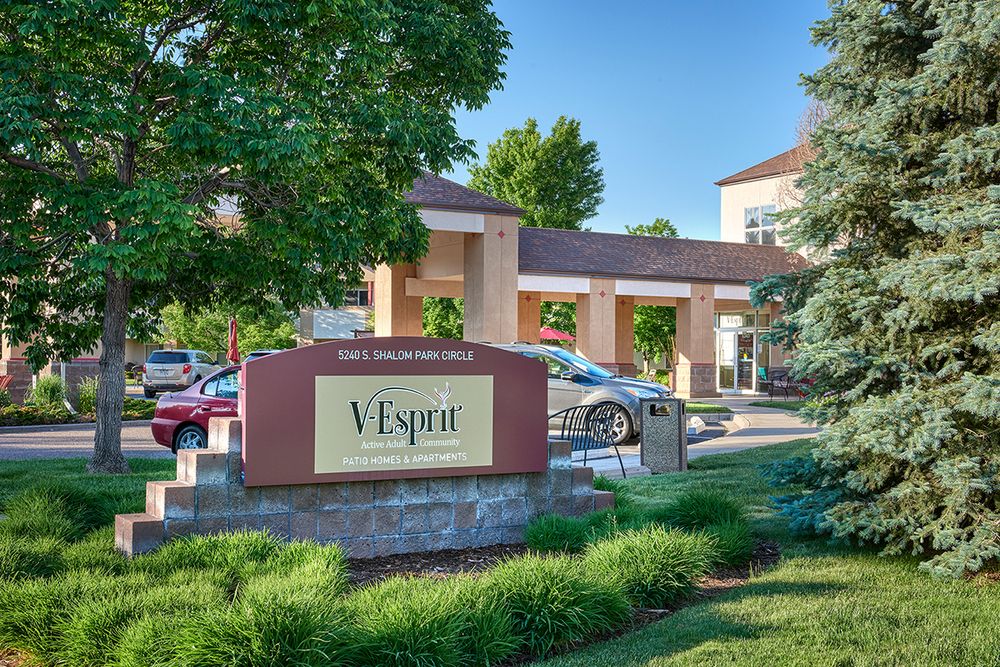
V-Esprit Active Adult Community
Independent Living 5240 S Shalom Park Circle, Aurora, Colorado, 80015V-Esprit 55+ Active Adult Community offers an unparalleled Independent Living experience designed for those seeking a vibrant, maintenance-free lifestyle. Spanning 14 meticulously landscaped acres, our community provides breathtaking panoramic views of the Rocky Mountains, stretching from Boulder to Colorado Springs. At V-Esprit, residents enjoy the perfect blend of comfort, convenience, and engaging social opportunities, all without the burdens of homeownership.Thoughtfully Designed Independent Living ResidencesV-Esprit offers a variety of spacious, well-appointed residences tailored to meet the needs of active adults. Choose from elegant 2-bedroom/2-bath + den Villas, charming 2-bedroom/2-bath + sunroom Patio Homes, or modern 1- and 2-bedroom Apartments in our Main Building. Each residence is designed with contemporary finishes, open-concept layouts, and high-end amenities to promote both comfort and functionality.Maintenance-Free Living for an Effortless LifestyleSay goodbye to household chores and property upkeep! Our monthly fee covers all essential living expenses, including utilities (electric, gas, water, and trash), cable TV, high-speed Internet, and Wi-Fi. Residents also benefit from complimentary home maintenance, light housekeeping, and extensive concierge services that ensure a worry-free lifestyle. V-Esprit takes care of everything so you can spend more time doing what you love.Unmatched Amenities for Active AdultsV-Esprit is more than just a place to liveits a vibrant, engaging community designed to enhance your well-being and social life. Our impressive lineup of amenities includes:Fitness Center & Pool Membership Stay active with our state-of-the-art fitness center, indoor heated swimming pool, and wellness programs tailored for active adults.In-House Theater & Library Enjoy movie nights, educational seminars, and a wide selection of books in our beautifully designed library.Social & Recreational Activities Participate in daily events, including fitness classes, arts and crafts, educational workshops, and group outings.Convenient On- and Off-Campus Transportation Explore Aurora and beyond with ease, thanks to our scheduled transportation services.Beautifully Landscaped Grounds Take in the natural beauty of our lush 14-acre campus with walking trails, gardens, and outdoor seating areas perfect for relaxation.A Welcoming, Engaging CommunityOne of the standout features of V-Esprit is its strong sense of community. Our residents form lasting friendships through social events, group outings, and communal spaces designed to foster interaction and engagement. Whether youre enjoying a meal with neighbors, attending an educational seminar, or participating in a fitness class, youll find that V-Esprit offers a warm and welcoming atmosphere where everyone feels at home.Prime Location in Aurora, COConveniently located in Aurora, V-Esprit provides easy access to shopping, dining, entertainment, healthcare services, and outdoor recreational activities. Whether you want to explore local parks, visit nearby cultural attractions, or enjoy the stunning views of the Rocky Mountains, our community places you in the perfect location for an active and fulfilling lifestyle.Experience the V-Esprit DifferenceAt V-Esprit, Independent Living means embracing a lifestyle of freedom, convenience, and community. We invite you to visit us and experience firsthand what makes our 55+ Active Adult Community so special. Schedule a tour today and take the first step toward a carefree, enriching future in one of Colorados premier independent living communities.
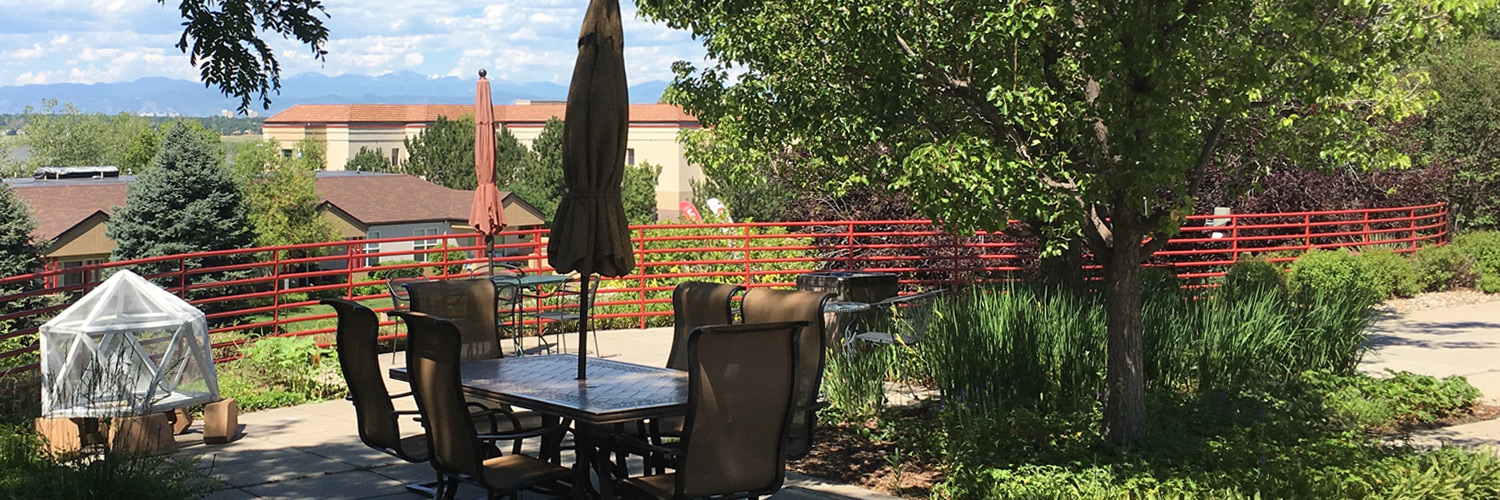
V-Esprit Active Adult 55+ community
Housing - Other Types 5240 South Shalom Park Circle, Aurora, Colorado, 80015Discover V-Esprit: The Premier 55+ Active Living Community in Aurora, ColoradoWelcome to V-Esprit, the foremost 55+ active living community in Aurora, Colorado, where vibrant and fulfilling senior living meets unparalleled luxury. Spread across 14 acres of beautifully landscaped grounds, V-Esprit offers an idyllic setting for active adults looking to enjoy their golden years with comfort, style, and a strong sense of community. Our community is designed to cater to the unique needs and desires of active seniors, providing a wealth of amenities, activities, and services that ensure a fulfilling lifestyle.Luxurious Living SpacesV-Esprits 55+ active living community in Aurora, Colorado, features a variety of meticulously designed living spaces. Our one and two-bedroom apartments offer modern, open-concept layouts with high-end finishes and fixtures. Each unit includes spacious closets, private balconies or patios with stunning views, and fully equipped kitchens perfect for entertaining family and friends. At V-Esprit, we combine elegance and practicality to create homes where our residents can live comfortably and independently.Expansive 14-Acre Landscaped GroundsOne of the highlights of V-Esprit is our expansive 14-acre landscaped grounds. Our 55+ active living community in Aurora, Colorado, is surrounded by lush gardens, scenic walking paths, and tranquil outdoor seating areas. Residents can enjoy morning walks, afternoon picnics, or simply relax and take in the natural beauty. Our thoughtfully designed outdoor spaces provide the perfect setting for socializing, exercising, or finding a peaceful moment of solitude.Active Lifestyle and Social EngagementAt V-Esprit, we understand that maintaining an active lifestyle is crucial for overall well-being. Our 55+ active living community in Aurora, Colorado, offers a plethora of activities and programs to keep our residents engaged and energized. From fitness classes like yoga, Pilates, and water aerobics to hobby clubs, art classes, and cultural events, there is always something exciting happening at V-Esprit. Our residents enjoy a rich calendar of activities that promote physical health, mental stimulation, and social connection.State-of-the-Art Fitness CenterHealth and wellness are at the forefront of our community. V-Esprits state-of-the-art fitness center is equipped with the latest exercise machines and offers a variety of fitness classes tailored to the needs of active adults. Our certified trainers provide personalized fitness programs, ensuring that each resident can achieve their health and wellness goals. Whether you prefer a rigorous workout or a gentle stretching session, our fitness center has something for everyone.Gourmet Dining OptionsDining at V-Esprit is a culinary delight. Our 55+ active living community in Aurora, Colorado, offers gourmet dining options that cater to diverse tastes and dietary needs. Our chefs prepare delicious, nutritious meals using fresh, locally sourced ingredients. Residents can enjoy their meals in our elegant dining room, which provides a warm and welcoming atmosphere, or opt for private dining experiences in their own apartments. We take pride in offering a dining experience that rivals the finest restaurants.Convenient Services and AmenitiesLife at V-Esprit is designed to be as convenient and enjoyable as possible. Our 55+ active living community in Aurora, Colorado, offers a wide range of on-site services and amenities. From housekeeping and laundry services to scheduled transportation and concierge assistance, we take care of the details so our residents can focus on enjoying their retirement. Our community also features a library, a business center, and a beauty salon, providing everything needed for a comfortable and fulfilling lifestyle.Engaging Social Programs and EventsV-Esprit is committed to fostering a sense of community and belonging. Our 55+ active living community in Aurora, Colorado, offers a robust schedule of social programs and events designed to bring residents together. From weekly social hours and themed parties to educational seminars and volunteer opportunities, there are countless ways to connect with fellow residents and build lasting friendships. Our vibrant community spirit ensures that every resident feels valued and included.Beautifully Maintained Outdoor SpacesOur 14-acre landscaped grounds are more than just a pretty view; they are a vital part of life at V-Esprit. Our 55+ active living community in Aurora, Colorado, features beautifully maintained outdoor spaces that encourage residents to enjoy nature and stay active. With garden plots for those with a green thumb, shaded seating areas for relaxation, and scenic walking paths for daily exercise, our outdoor amenities are designed to enhance the quality of life for our residents.Prime Location in Aurora, ColoradoV-Esprit is ideally situated in Aurora, Colorado, providing residents with easy access to a wealth of local attractions and amenities. Our 55+ active living community is just a short drive from shopping centers, restaurants, medical facilities, and cultural venues. Auroras beautiful parks and recreational areas offer ample opportunities for outdoor activities, while the nearby city of Denver provides even more cultural and entertainment options. Our prime location ensures that our residents can enjoy the best of both worlds a peaceful, secluded community with the convenience of urban living.Exceptional Staff and Personalized CareAt V-Esprit, our dedicated staff is committed to providing exceptional service and personalized care. Our 55+ active living community in Aurora, Colorado, is staffed by a team of professionals who are passionate about enhancing the lives of our residents. From planning engaging activities to assisting with daily needs, our staff is always available to support and serve our community. We take pride in creating a warm, welcoming environment where every resident feels at home.Why Choose V-Esprit 55+ Active Living Community?Choosing V-Esprit means choosing a lifestyle of luxury, activity, and community. Our 55+ active living community in Aurora, Colorado, offers everything active adults need to enjoy a vibrant and fulfilling retirement. With our expansive 14-acre grounds, comprehensive amenities, engaging social programs, and beautiful living spaces, V-Esprit is the ideal place to call home.Schedule a Tour TodayDiscover the V-Esprit difference for yourself. We invite you to schedule a tour of our 55+ active living community in Aurora, Colorado, and experience firsthand the vibrant lifestyle we offer. Meet our friendly staff, explore our beautiful grounds, and see why V-Esprit is the premier choice for active adult living.Contact UsFor more information about V-Esprit 55+ Active Living Community in Aurora, Colorado, or to schedule a tour, please contact us at [insert contact details]. We look forward to welcoming you to our community and helping you embark on a new chapter of vibrant, active living.
V-Esprit, The Villas Patio Homes (New Now Leasing)
Independent Living 5240 South Shalom Park Circle, Aurora, Colorado, 80015V-Esprit is a locally owned/managed serviced based, maintenance free active adult community located on a beautiful 14 acre walking campus. Services include, concierge, transportation, on-site maintenance and more. Also enjoy a host of amenity spaces and beautiful mountain views. Call today for a tour