How Care Management Supports Long-Distance Caregiving for Bailey Famil
Aging Services Consultants
For more information about the author, click to view their website: Aging Services Consultants, LLC - Audrey Krebs, MA, CSA, QMAP
Jun 09, 2026
Colorado - Denver Metro


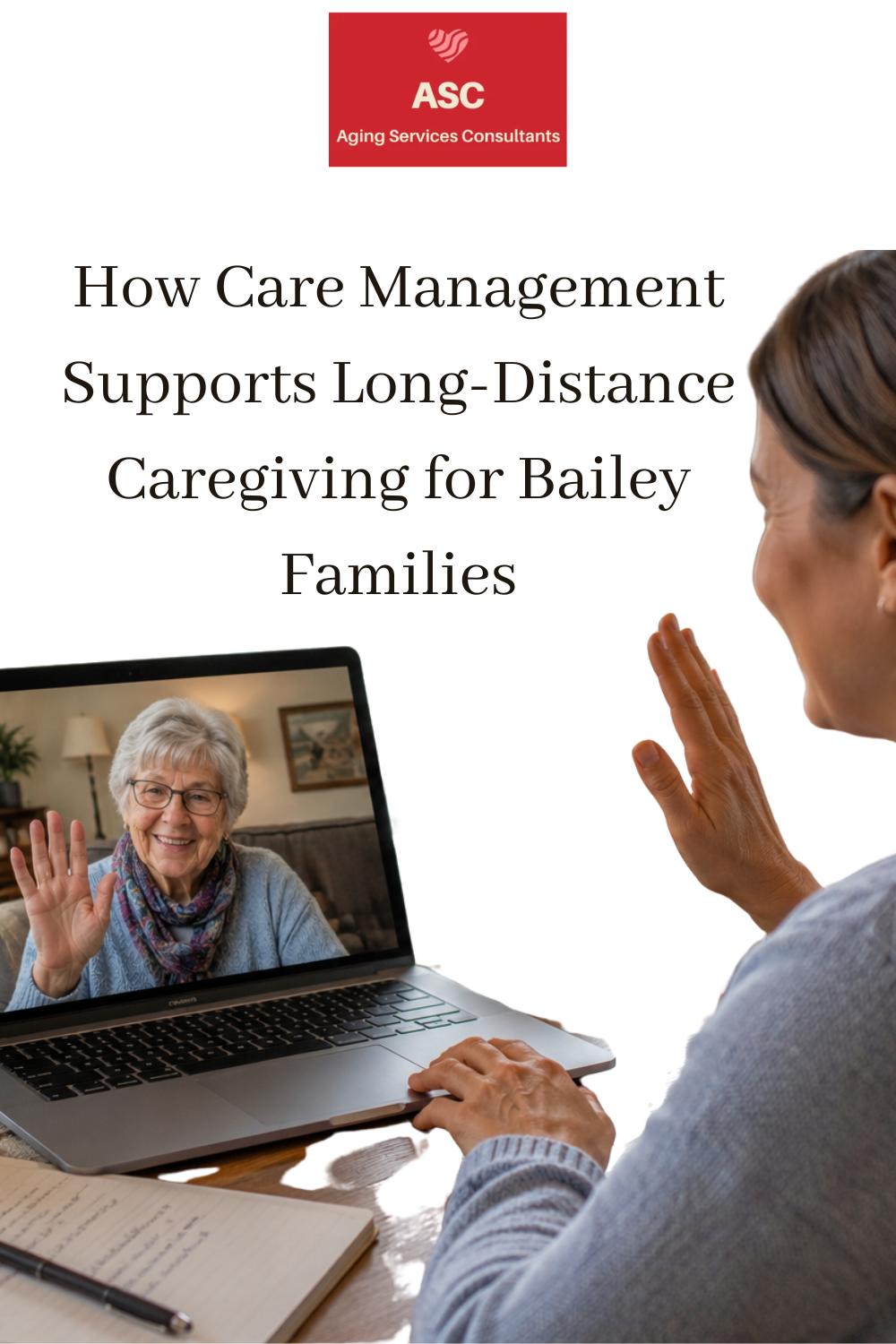
How Care Management Supports Long-Distance Caregiving for Bailey Families
Modern families often find themselves spread across the country. Children move for careers, grandchildren attend schools in other states, and retirement plans take families in different directions. While distance may be common, it can create significant challenges when aging parents need support.
For families with loved ones living in Bailey, Colorado, maintaining peace of mind from hundreds—or even thousands—of miles away can feel overwhelming. Adult children frequently worry about medication management, home safety, transportation needs, healthcare appointments, and unexpected emergencies. Phone calls and occasional visits only reveal part of the picture.
Fortunately, professional care management provides a valuable solution that helps bridge the gap between seniors and their long-distance family members.
The Growing Reality of Long-Distance Caregiving
According to aging experts, millions of Americans provide support to older relatives while living in a different city or state. Technology helps families stay connected, but video calls cannot replace in-person observation and advocacy.
Questions often linger after every conversation:
- Is Mom eating properly?
- Has Dad been taking his medications?
- Are there signs of memory changes?
- Is the home still safe?
- What happens if an emergency occurs during a snowstorm?
These concerns become even more significant in rural mountain communities where resources may not be as immediately accessible as they are in larger metropolitan areas.
Why Bailey Presents Unique Caregiving Considerations
Nestled in Colorado's scenic foothills, Bailey offers a peaceful lifestyle that many seniors cherish. Residents enjoy mountain views, outdoor recreation, and a close-knit community atmosphere.
However, aging in a mountain town comes with its own considerations:
Weather Challenges
Winter storms can impact travel and transportation access.
Distance from Specialized Healthcare
Many specialty providers are located along the Front Range, requiring travel for appointments and treatments.
Rural Living
Neighbors may not always be close by, and services can be spread across a larger geographic area.
Aging Homes
Many mountain properties were not originally designed with aging-in-place features.
For adult children living elsewhere, monitoring these factors can be difficult without local support.
The Role of a Professional Care Manager
Care managers act as trusted advocates who help coordinate care while serving as a local resource for families.
Rather than waiting for problems to develop, they take a proactive approach that focuses on prevention, planning, and communication.
Services often include:
- Comprehensive assessments
- Healthcare coordination
- Medication oversight
- Home safety evaluations
- Resource recommendations
- Family communication
- Crisis management
- Long-term planning
This allows family members to remain involved without carrying the entire responsibility alone.
A Local Partner Families Can Trust
One of the greatest advantages of care management is having someone nearby who understands the local healthcare system and community resources.
A professional care manager becomes the eyes and ears on the ground.
They can:
- Attend appointments when family members cannot
- Monitor changing needs
- Coordinate services
- Communicate concerns promptly
- Help navigate difficult decisions
For seniors, this often means receiving personalized support while maintaining independence and dignity.
For families, it provides reassurance that someone knowledgeable is looking out for their loved one's best interests.
Communication That Reduces Stress
Many caregiving conflicts arise from uncertainty.
One sibling may believe everything is fine while another worries constantly. Family members can have different opinions regarding safety, housing, or healthcare decisions.
A care manager provides objective assessments and professional recommendations based on direct observations.
This often helps families:
- Make informed decisions
- Reduce misunderstandings
- Improve communication
- Focus on solutions
- Feel more confident about future planning
According to Audrey Krebs, MA, CSA, QMAP, of Aging Services Consultants, LLC, "Families often feel relief when they realize they do not have to navigate every challenge alone. Having a professional advocate nearby allows adult children to focus on being family instead of trying to manage every detail from a distance."
Recognizing Early Warning Signs
One of the greatest benefits of ongoing care management is the ability to identify changes before they become serious problems.
Subtle warning signs may include:
- Missed medications
- Increased confusion
- Unexplained weight loss
- Social withdrawal
- Difficulty managing finances
- Mobility concerns
- Home maintenance issues
Family members who visit only occasionally may not notice gradual changes.
A professional care manager can monitor these developments over time and recommend appropriate interventions before a crisis occurs.
Helping Seniors Remain Independent
Most older adults want to stay in their own homes as long as possible.
Care management supports that goal by identifying resources and services that help seniors age safely and successfully.
Examples may include:
Transportation Assistance
Helping seniors access medical appointments and community activities.
Home Modifications
Recommending improvements that reduce fall risks.
Community Resources
Connecting older adults with social programs and support services.
Healthcare Coordination
Ensuring medical providers communicate effectively and care plans remain organized.
These services help seniors maintain autonomy while reducing unnecessary risks.
Emergency Preparedness for Mountain Living
Emergency planning is particularly important for seniors living in Colorado's mountain communities.
Severe weather, power outages, and transportation disruptions can create unexpected challenges.
Care managers help families prepare by developing emergency response plans that may include:
- Emergency contact systems
- Backup medication supplies
- Transportation contingencies
- Healthcare provider coordination
- Safety check protocols
Preparation provides confidence for both seniors and their families.
When Is the Right Time to Contact a Care Manager?
Many families assume care management is only necessary during a crisis.
In reality, earlier involvement often produces better outcomes.
Families may benefit from care management when:
- Adult children live out of state
- A loved one has recently been hospitalized
- Memory concerns emerge
- Healthcare becomes more complex
- Family communication becomes difficult
- Long-term planning is needed
Seeking guidance early allows families to make thoughtful decisions instead of reacting under pressure.
Creating Peace of Mind for Everyone Involved
Long-distance caregiving will always involve challenges, but families do not have to face them alone.
Professional care management provides a bridge between seniors and their loved ones, helping everyone stay informed, connected, and prepared.
For families with loved ones in Bailey and surrounding mountain communities, that support can be invaluable.
By combining local expertise, personalized planning, and ongoing advocacy, care management helps older adults continue living fulfilling lives while giving family members greater confidence and peace of mind.
Visit Aging Services Consultants, LLC
If you are supporting an aging parent or relative from a distance, now may be the perfect time to explore professional care management services.
Visit the Aging Services Consultants, LLC listing on Seniors Blue Book to learn how Audrey Krebs and her team help families navigate aging with confidence, compassion, and expert guidance.
Frequently Asked Questions
What is long-distance caregiving?
Long-distance caregiving refers to providing support and decision-making assistance for an aging loved one while living in another city or state.
Can a care manager attend medical appointments?
Yes. Care managers often attend appointments, communicate with healthcare providers, and help families understand recommendations.
How often does a care manager check on a senior?
The frequency depends on the individual's needs and customized care plan.
Does care management replace family involvement?
No. Care management complements family involvement by providing professional guidance and local support.
Why is care management helpful in Bailey, Colorado?
Mountain communities present unique challenges related to healthcare access, transportation, and weather. Local care managers help families navigate these factors more effectively
Other Articles You May Like
Care Management - Nonprofit in Mobile, AL
When several people help an older adult, an important task can still fall through the cracks. One relative handles groceries, another schedules appointments, and a neighbor checks in. The family may have plenty of goodwill but no shared understanding of what support is needed or which services might be available.Care management can help organize those questions. For people exploring nonprofit care management in Mobile, AL, AgeSouth offers a route into public aging and disability resources, including program-specific case management. The first step is learning what assistance fits the persons needs and what requirements apply.What care management meansCare management generally involves identifying needs, planning support, coordinating services, and reviewing whether arrangements remain appropriate. Organizations use the term differently, so ask what a particular program provides and who will be responsible for follow-up.Public and nonprofit resource systems may offer screening, options counseling, or case management through specific programs. Those services should not be assumed to include continuous personal assistance, medical treatment, or an unrestricted private care manager for every caller.Recognize when coordination is the missing pieceA family may need coordination when tasks overlap, instructions are unclear, or support changes from week to week. Start by listing the responsibilities involved: meals, personal care, household needs, transportation, medicines, and communication with healthcare professionals.Mark which tasks are covered reliably and which are not. Include the older adults priorities and willingness to accept help. This gives a resource professional a clearer picture than a general statement that the family is overwhelmed. AgeSouths role in care coordinationPhone: 251-706-4680 AgeSouths official Medicaid waiver information describes the Elderly and Disabled Waiver as serving eligible older adults and people with disabilities at risk of nursing facility placement. Case managers develop person-centered plans based on medical needs. Depending on the plan, services may include personal care, homemaker assistance, respite, adult day health, companion services, or home-delivered frozen meals. The same page describes the Alabama Community Transition program for qualifying people leaving nursing facilities for home or community settings, and Personal Choices as a self-directed service option. Ask which program, if any, warrants screening for your situation. A service mentioned in a program description is not automatically available to every applicant.Clarify eligibility and the path to enrollmentAgeSouth states that its Medicaid waiver services require financial and medical eligibility and are provided at no cost to qualifying clients. [3] Request current requirements directly rather than applying a general income figure to your household.Ask who completes the assessment, what records are needed, and whether a physician or another professional must provide information. Confirm whether a referral, screening, or application has actually been initiated.Useful questions include:Which program are we discussing?What financial and medical criteria apply?Who completes each part of the review?What happens if the person is not eligible?Are approved services subject to availability or a waiting list?Establish who does whatIf the person enrolls in a program, ask how the plan identifies responsibilities. Clarify what the case manager coordinates, what a service provider delivers, and what remains the familys responsibility.Request instructions for reporting a missed visit, a change in needs, or a concern about the plan. Ask who handles questions outside ordinary office hours and which issues should go directly to the treating healthcare professional.Keep a current list of the organizations involved. Record the service, contact person, schedule, and method for reporting changes. This reduces the chance that family members assume someone else has made a necessary call.Build a plan around the persons dayCoordination works best when it reflects actual routines. Explain when assistance is most important and whether the person is alone during certain periods. Mention access issues, such as steps, pets, or instructions for entering the home.Include what the person can and wants to do independently. A support plan should describe where help is needed without overlooking abilities, preferences, and familiar ways of doing things.Review the arrangement when circumstances changeHospital care, a caregivers illness, or a change in mobility may affect the plan. Ask how reassessment works and what information the program needs when circumstances change.Avoid treating the original service schedule as permanent. Keep notes about uncovered needs and discuss them with the responsible professional. Ask what alternatives can be explored if a requested change is not available through the program.Why this matters locally in MobileFor Mobile households, a coordinated plan may need to fit relatives work schedules, travel across the county, and appointments at different offices. Identify who can respond locally if the usual caregiver cannot be there.Give AgeSouth the address where services would occur and explain transportation limitations. If the older adult is moving between a facility and home, describe the proposed destination and the help that will actually be present there.Weather disruptions can also affect schedules. Ask each organization how cancellations and changes are communicated, then create a family backup plan for tasks that cannot wait.How to get started1. List the older adults daily needs, preferences, and current sources of help.2. Call AgeSouth at 251-706-4680 and ask about screening for appropriate coordination or waiver services.3. Request current program requirements and the document checklist.4. Clarify whether your request is an inquiry, assessment, application, or enrollment.5. Review who will coordinate and deliver any approved support.6. Keep the plan and contact information current as circumstances change.Practical tip: Use a weekly calendar to show existing help and uncovered periods. Share it during planning so the discussion focuses on specific needs rather than a general request for more support. Related categoriesArea Agencies on Aging in MobileNon-Medical Home Care Adult Day Services
Care Management Services in Meridian, ID
Coordinating care for an older adult can quickly become a major responsibility. Families may be balancing medical appointments, transportation, benefits, home safety, caregiver stress, and decisions about whether a loved one can continue living independently.Care management services provide Meridian families with a place to begin, especially when an older adult needs help from several programs or providers.What Are Care Management Services?Care management is a coordinated process that identifies a person's needs, develops a practical plan, connects the person with appropriate resources, and follows up as circumstances change.Care management may be helpful for: Older adults living independently Adults with disabilities Family caregivers Seniors returning home after hospitalization People considering long-term care Families who need help navigating local resources Depending on eligibility and the organization involved, services may include assessments, information and assistance, referrals, caregiver resources, service coordination, and help understanding long-term care options.Area Agency on Aging PSA IIIPhone Number and LocationPhone: 208-898-7060Address: 1505 South Eagle Road, Suite 120, Meridian, ID 83642Area Agency on Aging PSA III, also known as the Southwest Idaho Area Agency on Aging or Area 3 Senior Services Agency, serves older adults, caregivers, and people with disabilities throughout southwest Idaho.Its service area includes Ada, Adams, Boise, Canyon, Elmore, Gem, Owyhee, Payette, Valley, and Washington counties.The agency provides access to a broad range of aging-related programs and resources. Its publicly listed services include: Information and assistance Case management Family caregiver support Transportation resources Nutrition programs Chore and homemaker assistance Health education Legal services Adult protection Long-term care ombudsman services Program availability and eligibility can vary. Families should contact the agency directly to describe their situation and determine which programs may be appropriate.Before calling, it can be helpful to gather information about the older adult's age, living arrangement, medical concerns, mobility, current services, insurance, caregiver situation, and immediate safety needs.The agency can explain the programs it administers and provide referrals when another local organization may be better suited to address a particular concern.Why This Matters LocallyMeridian is part of the growing Treasure Valley, and family members may not always live close enough to coordinate every aspect of an older adult's care.A regional agency can help families consider the full picture instead of treating transportation, nutrition, housing, caregiver relief, and safety as separate problems.Local knowledge is also important because program eligibility, service areas, funding, and waiting periods can differ among counties and providers.How to Get Started Write down the most urgent concerns, such as falls, missed meals, caregiver exhaustion, transportation problems, or confusion about benefits. Gather information about health conditions, medications, mobility, insurance, income, current services, and living arrangements. Call 208-898-7060 and ask about care management or the appropriate intake process. Take notes about eligibility requirements, documents, referrals, fees, and response times. Schedule a follow-up date so the care plan can be reviewed if circumstances change. Related CategoriesArea Agencies on Aging in Meridian, IDHome Delivered Meals in Meridian, IDNon-Medical HomeCare in Meridian, ID
Care Management Services in Sarasota, FL
Caring for an aging parent or loved one often starts with a few simple taskshelping with an appointment, picking up groceries, or checking in by phone. Over time, however, those responsibilities can grow into something much more complicated.Families may suddenly find themselves coordinating doctors, medications, home care, transportation, bills, insurance questions, housing decisions, and safety concerns at the same time. When relatives live out of town or disagree about the best next step, managing everything can become even more difficult.That is where care management services in Sarasota, FL can help.Professional care management gives older adults and their families a knowledgeable point of support for assessing needs, creating a plan, coordinating services, and navigating changes in health, housing, safety, and daily life.Sarasota families have different types of care-management resources available. Lutheran Services Florida provides adult advocacy and contract-based case management with services that can include care coordination, financial management, and guardianship-related support. Senior Care Authority Sarasota provides eldercare consulting, senior living guidance, advocacy, family coaching, and assistance navigating care transitions.Understanding those differences can help families choose the type of support that best matches their situation.What Is Care Management?Care management is a coordinated approach to helping an older adult or vulnerable person receive the services they need while maintaining as much safety, independence, dignity, and quality of life as possible.A care manager or eldercare advisor may help a family look at the entire situation rather than focusing on only one need. Care management does not necessarily mean that the care manager personally provides hands-on nursing or home care. Instead, the role often involves organizing the many people and services involved in an individual's care.Who Can Benefit From Care Management?Families do not have to wait until an emergency to ask for help.Care management may be useful when an older adult: Lives alone and needs increasing assistance Has multiple medical conditions Is experiencing memory or cognitive changes Has recently been hospitalized Is missing appointments or medications Has difficulty managing finances Needs help finding home care May need assisted living or memory care Has family members living outside Florida Is at risk of exploitation or neglect Has no nearby relative able to coordinate care Needs help navigating a complicated healthcare system It may also help when adult children or other relatives feel overwhelmed by the number of decisions they are being asked to make.Lutheran Services Florida5104 N. Lockwood Ridge Road, Suite 307, Sarasota, FL 34234 Phone: 941-358-6330The Sarasota program serves Sarasota, Manatee, and DeSoto counties.Lutheran Services Florida is a nonprofit organization that provides a broad range of services throughout Florida. Within its adult-services work, LSF provides guardianship and care management for elderly adults, people with disabilities, and individuals who may no longer be able to safely manage all aspects of their own affairs.Personalized Care ManagementLSF's Adult Advocacy program offers contract-based case management for families seeking professional help coordinating an individual's care.According to LSF, services may begin with a full assessment followed by the development and implementation of an individualized plan of care. Families can arrange as much or as little assistance as needed under the service contract.Services can include: Assessment of needs Development of a customized care plan Regular visits and on-site support Coordination of medical care Coordination of dental care Advocacy for mental health services Oversight of care plans Assistance accessing benefits and services Monthly bill payment and financial management Property oversight Protection of assets Advocacy for client rights On-call assistance when family members are unavailable or live out of town LSF specifically states that its case-management service is contract based and fee paying. Families should therefore ask about the scope and cost of services before entering an agreement.Supporting Families Who Live Far AwayCare management can be particularly useful when an older adult lives in Sarasota while adult children live in another state.A long-distance caregiver may be able to arrange appointments by phone, but it can be difficult to know what is happening inside the home, whether bills are being paid, whether the person is attending medical appointments, or whether their care needs have changed.LSF's program can include regular visitation, on-site assistance, medical coordination, financial oversight, and ongoing care-plan monitoring.That allows families to establish a local professional point of contact rather than trying to coordinate every issue remotely.Adult Advocacy and GuardianshipLSF's work extends beyond conventional care management.The Adult Advocacy program also provides private guardianship and contracts to provide court-ordered guardianship services within Florida's 1st and 12th Judicial Circuits. Its Sarasota-region services include Sarasota, Manatee, and DeSoto counties.The program identifies three major areas of focus:Protection: Assessing needs and helping protect vulnerable adults, property, and assets from potential abuse, neglect, or exploitation.Coordination: Helping with benefits, services, care plans, medical appointments, and treatment coordination while supporting the least restrictive safe environment.Advocacy: Helping individuals and families understand guardianship and alternatives to guardianship and advocating for the client's rights.Importantly, LSF describes guardianship as a last resort. If guardianship is not appropriate, staff can provide information about alternatives or other services that may better meet the person's needs.That distinction matters because needing help with care coordination does not automatically mean someone needs a legal guardian.Senior Care Authority Sarasota202 North Rhodes Avenue, Suite 104, Sarasota, FL 34237 Phone: 732-743-8383The Sarasota team provides eldercare consulting, senior living guidance, advocacy, care planning, and family support for older adults and their families.Senior Care Authority announced its current Sarasota-area franchise in August 2026. The local team serves Sarasota and surrounding Gulf Coast communities, including Longboat Key, Siesta Key, Osprey, Bradenton, Bradenton Beach, and Lakewood Ranch.Local Guidance From Rob and Yana KevlinThe Sarasota location is led by Rob and Yana Kevlin.Rob Kevlin is a Certified Senior Advisor, Certified Dementia Practitioner, and licensed Speech-Language Pathologist. His professional background includes work with seniors in rehabilitation, home care, assisted living, long-term care, and private practice.Senior Care Authority describes Yana Kevlin as bringing experience in education and healthcare advocacy to the Sarasota practice.Together, the team works with families to understand factors such as: Medical and care needs Lifestyle preferences Geographic preferences Financial considerations Family concerns Safety Long-term goals The goal is to create a clearer plan rather than asking families to research dozens of options on their own.Why Care Management Matters Locally in SarasotaCare management is particularly relevant in Sarasota because older adults make up a much larger portion of the population than in many other U.S. communities.According to current U.S. Census Bureau QuickFacts, 38.8% of Sarasota County residents are age 65 or older. The county's estimated population reached approximately 479,958 in 2025.Many Sarasota seniors also have adult children living elsewhere.That can create a common long-distance caregiving situation: a parent is living independently in Southwest Florida while children are hundreds or thousands of miles away.Everything may appear manageable until a hospitalization, fall, dementia diagnosis, driving concern, or other change suddenly requires local coordination.A care manager or eldercare consultant can help turn an overwhelming list of concerns into specific next steps.Rather than asking one family member to become an expert in home care, Medicare, assisted living, dementia services, transportation, guardianship, and local providers overnight, professional care-management resources can help families understand which services are actually relevant.How to Get Started With Care Management in Sarasota1. Identify the Immediate ProblemAsk what prompted the search for help.Is the main concern: Medical coordination? Dementia? Housing? Safety? Financial management? Caregiver burnout? Guardianship? Finding home care? Choosing assisted living? Identifying the primary concern can help determine which provider is the better starting point.2. Make a List of Current ServicesInclude doctors, home care agencies, therapists, senior programs, pharmacies, and family caregivers already involved.3. Gather Important InformationUseful documents may include: Medication lists Diagnoses Recent hospital records Insurance information Advance directives Power of attorney documents Contact information for physicians Monthly care expenses Only provide legal or financial documents when relevant and through appropriate secure channels.4. Schedule an Initial ConversationExplain the current situation and ask what services the organization recommends.For Lutheran Services Florida, ask whether contract-based care management, adult advocacy, or guardianship-related services best fit the situation.For Senior Care Authority Sarasota, ask whether the family needs eldercare consulting, placement assistance, advocacy, or another service.5. Ask About FeesDo not assume all care-management services are free.LSF identifies its case-management program as fee-based and provided under contract. Senior Care Authority provides placement services without a direct family fee in many cases, while other consulting services may involve charges.Ask for costs in writing when applicable.6. Establish Clear GoalsA care plan works best when everyone understands what they are trying to accomplish.Examples include: Keep Mom safely at home Find appropriate memory care Arrange medical transportation Reduce medication errors Organize bill payment Establish local oversight for an out-of-state family Provide respite for a spouse caregiver Determine whether guardianship is necessary 7. Revisit the Plan as Needs ChangeAging is not static.A person who needs only a few hours of assistance today may eventually require daily home care, adult day services, assisted living, memory care, or skilled nursing.Regular reassessment helps families respond before a small concern becomes an emergency.Related CategoriesGeriatric Care Management Senior Placement Services Housing Placement & Resource Specialists
Local Services By This Author

Aging Services Consultants, LLC - Audrey Krebs, MA, CSA, QMAP
Care Management 715 Clark Road, Bailey, Colorado, 80123A small company with a big heart! With over 20 years of experience, you can trust us to help make your life easier. We are experienced, certified professional senior advisors. Aging Services Consultants provides care management services as well as referral and placement into adult communities. As people age changes occur and Aging Services Consultants will assist you with the guidance you may need through life transitions. Let us help you thrive! Contact Audrey Krebs, MA, CSA, QMAP, Certified Senior Advisor [email protected] or call for a free consultation at Business - 720-328-1375 Cell - 303-903-4923.