How Do Red Light Therapy Pads Work?
Nov 16, 2026
Non-Book Market

Email US
Click to Email Us
Red and near-infrared light therapy pads use LEDs to expose
a targeted area to specific wavelengths of light. Some devices are intended to
provide temporary relief of minor aches or stiffness and to increase local
circulation. They are not a cure for arthritis, neuropathy, diabetes, or other
medical conditions, and results vary by person, product, and usage.
Understanding the intended use is the best starting point.
What Happens During a Light Therapy Session?
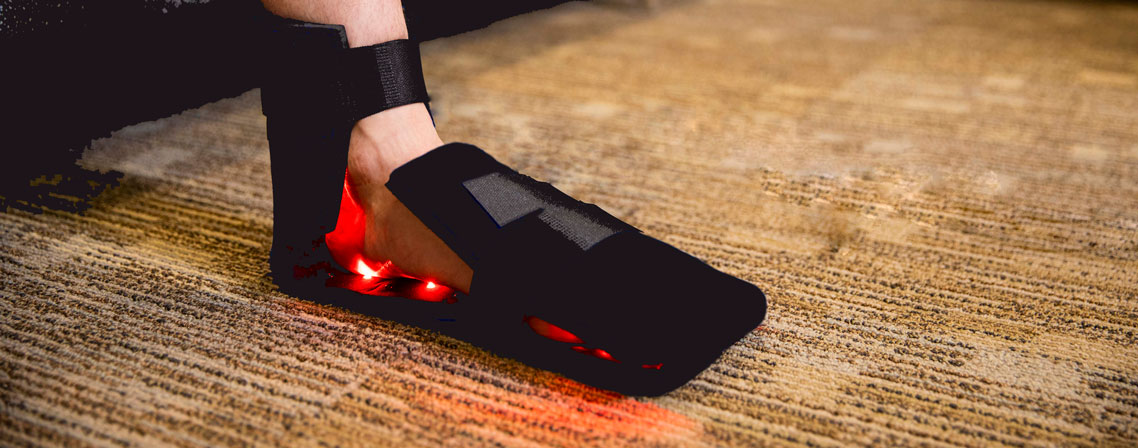
A flexible pad is placed over or near the area identified in
its instructions, then operated using a controller for the recommended
duration. The LEDs emit visible red light and, depending on the model,
near-infrared light that is less visible to the eye. The treatment is
noninvasive: no injections or incisions are involved. Users should follow the
specific manual rather than copying timing from a different brand or online
video.
Researchers study how light interacts with cells and
tissues, a field sometimes called photobiomodulation. However, laboratory
mechanisms and preliminary findings do not mean that every marketed health
benefit has been established in clinical studies. Device specifications,
treatment schedules, and the population studied matter when interpreting
evidence.
What Benefits Can Users Reasonably Expect?
HealthLight states that its products are intended for
temporary relief of minor muscle and joint aches and stiffness and temporarily
increased local blood circulation. Those are narrower claims than curing a
chronic illness or repairing damaged nerves. An individual may perceive warmth
or comfort during a session, while another may notice little change. Personal
reviews describe experiences, but they cannot predict results for a new user.
For someone with a diagnosed medical condition, the best
question is not simply whether red light therapy “works.” It is whether a
particular device has evidence and appropriate labeling for the specific
symptom being targeted, and whether it fits safely within the person’s existing
care plan.
Is At-Home Red Light Therapy Safe for Everyone?
Do not assume a light therapy pad is appropriate simply
because it does not involve a prescription medication. Read the manufacturer’s
precautions carefully, including instructions for eyes, skin, positioning,
electrical components, and treatment duration. Ask a healthcare professional
before use if there are significant medical conditions, unusual skin changes,
reduced sensation, or concerns about medications that may affect sensitivity to
light.
Stop a session and seek advice if discomfort, irritation, or
unexpected symptoms occur. New or worsening pain, a suddenly swollen limb, loss
of function, or other concerning changes deserve clinical evaluation rather
than repeated home treatment. Never change prescribed medication based solely
on a response to a light therapy pad.
What Should You Look for Before Purchasing?
A clearly defined intended use
Look for written labeling that states which temporary
symptoms the specific model is designed for. Terms such as “medical grade” do
not substitute for examining the device instructions or applicable regulatory
status.
A practical design and clear instructions
Consider whether you can position the pad without strain,
use its controller correctly, and maintain the device. A family caregiver may
need to assist with placement or monitor how the person responds. Confirm
whether the chosen pad is suitable for the body part of concern.
Transparent pricing and service
Ask for the complete purchase price, what comes in the
package, whether a controller is included, the warranty, and the repair
procedure. HealthLight provides product education and contact-based purchasing
guidance, including resources for healthcare practitioners and veterans.
Can Veterans Get a Light Therapy Device Through VA Care?
HealthLight offers information about ordering pathways for
veterans and says that devices may be accessible through VA programs when
ordered by an appropriate provider. That does not mean every veteran will
qualify or that approval is automatic. Discuss clinical suitability with the VA
care team and confirm whether the particular device and documentation meet
applicable requirements before expecting coverage.
How Can Families Evaluate the Results?
If a clinician considers the device appropriate, keep a
brief record of the symptom being addressed, how often the pad is used, and
whether daily activities feel easier. Use the same reasonable measures over
time, such as comfort when standing or completing a routine task. Avoid
treating impressions as proof that an underlying disease has improved.
A clinician can help decide when to continue, adjust the
overall care plan, or investigate symptoms further. Red light therapy is best
considered one possible supportive tool, not a substitute for diagnosis,
rehabilitation, or necessary medical care.
Learn More About HealthLight Devices
HealthLight develops red and near-infrared therapy pads for home and professional use. To ask about product selection, instructions, possible veteran coverage pathways, or pricing, visit https://healthlightllc.com/ or call (312) 789-4548. The company notes that its devices are not intended to diagnose, treat, cure, or prevent any disease.

Other Articles You May Like
How Do You Downsize a Parents Home Before a Move to Senior Living?
The most effective way to downsize a parents home is to start with the space available in the new residence, involve your parent in decisions, and work through belongings in short, organized sessions. Then make a clear plan for items that will be kept, gifted, sold, donated, or discarded. Families in Englewood and across Southwest Florida can use this approach whether the move is to independent living, assisted living, or another smaller home. Begin With the Destination, Not the Clutter Ask the new community for a floor plan and measurements. Check whether the apartment comes furnished, what appliances are provided, and whether there are limitations on rugs or larger furniture. Measure furniture before committing to move it. A favorite chair may be worth keeping, while a large cabinet may block the safe path from the bedroom to the bathroom. Create a short list of items that matter most: a familiar bed or chair, photographs, a favorite lamp, artwork, and everyday kitchen or bathroom supplies. When people see that the new home will still contain recognizable belongings, decisions about other items may become easier. How Far in Advance Should Downsizing Start? If the move is planned, begin several weeks or months ahead, particularly when a home has decades of possessions. Start with low-emotion areas such as linens, extra dishes, or duplicate tools. Leave photographs, family collections, and important keepsakes for sessions when there is enough time for discussion. When a medical change requires a quick move, concentrate on the immediate essentials and make a separate plan for the remaining household. Use Five Clear Categories Set up clearly marked areas or lists for keep, family, sell, donate, and discard. Add a temporary decide later category, but give it a review date so it does not swallow the whole project. Take photos of items relatives may want and ask them to decide by a specific deadline. The older adult should retain control of personal decisions wherever possible. Protect Documents and Valuables Before arranging donations or estate sales, separate identification documents, insurance papers, financial records, legal documents, jewelry, medications, and sentimental photographs. Store them securely and assign a responsible person to transport them. Check drawers, coat pockets, books, and old boxes before anything is removed from the property. What If Your Parent Is Reluctant to Let Go of Things? A move may feel like losing a home, a routine, or control over everyday life. Avoid treating the process as simply getting rid of clutter. Ask questions such as Which pieces would make the new living room feel like yours? instead of Why do you still need this? Offer choices in manageable groups and allow time for stories attached to important objects. If decisions are becoming exhausting, shorten the sessions. Ask whether a trusted relative or professional organizer would be more helpful for a particular conversation. When memory loss or cognitive changes complicate decisions, involve the appropriate legal decision-maker and the familys care team rather than expecting the person to manage the process alone. Plan for the Items That Are Not Moving Estate sale management, donation pickup, recycling, and disposal all require coordination. Determine whether items have resale value and whether the time and expense of a sale make sense. Ask for an itemized explanation of any sale or clean-out service, including fees, timelines, and what happens to unsold goods. Keep receipts or records for significant transactions when appropriate. Remember that a home does not have to be completely emptied on moving day if a separate clean-out can occur later. That approach may reduce pressure, provided the family has a clear schedule and understands ongoing property costs. Make the New Home Functional Before the First Night Unpack the bedroom, bathroom, and basic kitchen supplies first. Put frequently used items where they are easy to reach, and check that walkways are free of boxes and loose cords. Make sure the bed is ready, the phone or alert system is accessible, and everyday essentials are easy to find. For a senior living move, coordinate delivery and setup with the community ahead of time. It can help to recreate familiar details: the same bedside photograph, the usual reading lamp, or a favorite throw blanket. The first few days of a move are less confusing when the new surroundings feel personal rather than temporary. When Is Professional Senior Move Help Worth Considering? Consider a senior move manager when adult children live far away, the home contains a large volume of belongings, the move has a short deadline, or family members cannot safely handle packing and furniture. A move manager can also provide continuity across sorting, floor planning, packing, transportation, and settling in. Ask whether the company performs the physical move itself and what tasks are included. In Englewood, WeCare Senior Relocation Services, LLC provides downsizing, packing, moving, settling-in, and estate management support. Owner Kathy Parrish brings experience in senior living transitions, and the company offers a free in-home consultation. To discuss an upcoming move in Southwest Florida, visit https://wecareseniorrelocation.com/ or call (941) 380-6683.
Senior Move Management in Englewood, FL
A move from a longtime home to a smaller residence or senior living community involves much more than loading a truck. Families must decide what will fit, protect important belongings, arrange transportation, and make the new space comfortable. Senior move management in Englewood, Florida, brings those steps into one plan, helping older adults remain involved in decisions without managing every physical task themselves. What Does a Senior Move Manager Do? A senior move manager helps organize the practical work before, during, and after a relocation. Unlike a company hired only to transport furniture, move management can include sorting possessions, preparing a floor plan, coordinating the moving schedule, packing, and arranging the new home. The level of help depends on the person, the residence, and the timeline. For a move to independent living, assisted living, memory care, or a continuing care retirement community, the new room or apartment may have less storage and different furniture requirements. A thoughtful plan begins with the destination, not with packing boxes at the old house. Steps That Make a Move More Manageable Start With an In-Home Consultation Walk through the existing home and talk about what needs to move. Identify furniture with personal meaning, items used every day, and belongings that may require special handling. Ask who will make final decisions, who will be present on moving day, and whether the residence has elevator reservations or delivery rules. A written timeline can help family members who live elsewhere participate without duplicating work. Measure the New Space and Plan Furniture Placement Get the new residences room dimensions and note doorways, closets, and access to electrical outlets. Before deciding to bring a large dining table or bedroom set, compare actual measurements. Floor planning can also help identify clear walking routes and space for mobility equipment. It is much easier to make these choices before furniture is on a truck. Sort and Downsize in Smaller Sessions Deciding what to keep is often the hardest part of relocating. Work by category or by room rather than emptying the entire house at once. Keep important documents, medications, hearing aids, eyeglasses, chargers, and a few days of clothing readily accessible. For items that will not move, discuss whether to give them to relatives, donate them, sell them, or arrange disposal. Do not discard personal items without the older adults agreement or appropriate legal authority. Pack With the First Week in Mind Label boxes with their destination room and an easy-to-read description. Prepare a separate essentials bag, and photograph the arrangement of cords or electronics when useful. If someone has hearing, vision, or mobility challenges, prioritize familiar items, clear labels, and a predictable setup. The goal is not only to deliver possessions but to make the first evening in the new home easier. WeCare Senior Relocation Services in Southwest Florida WeCare Senior Relocation Services, LLC, based in Englewood, provides senior move management across Southwest Florida. The company describes its work as a combination of downsizing, organizing, packing, moving, and settling in. It also helps with internal moves within senior living communities and estate-related belongings. Its service area includes Englewood and communities such as Venice, North Port, Port Charlotte, Sarasota, and Bradenton. Owner Kathy Parrish is a Certified Relocation and Transition Specialist with a background in senior living and geriatric care. A notable distinction is that WeCare says it operates its own moving team rather than outsourcing the move to a separate moving company. That means families can discuss planning and physical moving together, including who is responsible for handling items on moving day. Confirm the exact scope, scheduling, and costs in a written agreement. Questions to Ask Before Scheduling a Senior Move Find out which services are included in the estimate, whether packing materials are charged separately, and how changes in the moving date are handled. Ask about insurance coverage, care of fragile belongings, disposal and donation arrangements, and whether someone will unpack and arrange the destination home. If the move involves a senior living community, confirm access hours and any requirements the community has for movers. Families should also establish a single point of contact. A nearby relative, an adult child in another state, and the older adult may all have useful input, but unclear instructions can lead to last-minute problems. A simple decision list helps everyone understand which items must move and which decisions remain open. Getting Started in Englewood An early conversation is useful even if the move is several months away. WeCare Senior Relocation Services offers a free in-home consultation to discuss the household, destination, and services needed. To explore senior move management in Englewood and surrounding Southwest Florida communities, visit https://wecareseniorrelocation.com/ or call (941) 380-6683.
A Guide for The Villages Families
After a hospital stay, the safest return home usually depends on more than the discharge date. Families need to understand the medical instructions, make sure the home is workable, and arrange help with daily tasks that may be difficult during recovery. For older adults returning to The Villages, Florida, planning these details before discharge can make the first days less confusing. What Should Families Arrange Before Discharge? Ask the hospital team for written instructions covering diagnoses, medicines, follow-up appointments, activity restrictions, equipment, and symptoms that require a call to the clinician or emergency care. Confirm which family member will receive the instructions and whom to contact with questions after arriving home. It is also important to distinguish medical services from non-medical home care. Home health clinicians may be ordered to provide skilled nursing or therapy when medically necessary. A non-medical caregiver supports everyday activities such as dressing, meal preparation, companionship, and mobility-related routines within the caregivers authorized scope. Some older adults benefit from both. Five Areas to Check Before the Person Returns Home 1. Safe movement through the house Walk the route from the bed to the bathroom and kitchen. Look for loose rugs, cords, dim lighting, awkward furniture, and steps that may become difficult with a walker. Ask the discharge team or therapist how much walking and transfer assistance is appropriate. Do not assume a caregiver can perform every transfer without assessing the persons needs and the equipment involved. 2. Meals, hydration, and routine tasks Someone who normally cooks independently may not be able to shop, stand at the stove, or carry groceries during recovery. Arrange simple meals and accessible drinks while following any prescribed dietary or fluid restrictions. A home caregiver may be able to assist with meal preparation, light housekeeping, and errands. 3. Personal care and privacy Bathing, grooming, toileting, and getting dressed can be challenging after surgery or illness. Ask what assistance is permitted and whether the bathroom needs equipment recommended by a clinician. Discuss personal preferences with the older adult so support feels respectful rather than intrusive. 4. Medication and appointment coordination Compare the discharge medication list with medicines already at home and ask a pharmacist or prescriber about discrepancies. Keep an updated list accessible to the person and their support team. Non-medical caregivers can often provide reminders and help maintain routines, but medication administration or changes require the appropriate licensed professional. Plan transportation before the first follow-up visit. 5. Someone to notice changing needs Recovery can be uneven. A person may seem ready for discharge but feel exhausted after ordinary activities at home. Decide who will check in, who will record concerns, and who will contact a clinician for worsening symptoms. Call emergency services for serious or immediately dangerous symptoms rather than relying on a routine caregiver visit. How Can Transitional Home Care Help? Transitional care is support organized around a change in health status or care setting. In the home care context, it can mean arranging non-medical assistance after discharge while the person regains a manageable daily routine. The amount of help may begin with frequent visits and be adjusted as the person improves or as a healthcare professional recommends a different level of care. HomeWell Care Services The Villages lists transitional care among its specialized support options and offers companion care, personal care, transportation, fall prevention support, and hourly or 24-hour schedules. Its Care Manager works with the client and family to assess needs, create a plan, and coordinate with outside care providers where appropriate. Families should confirm which services the local office can provide for the specific recovery situation. What If the Person Also Needs Skilled Medical Care? Non-medical home care does not replace orders for nursing, physical therapy, occupational therapy, wound care, or physician follow-up. If those services are needed, the discharge team can help identify the appropriate medical providers. Ask who is responsible for each part of the care plan so family members do not confuse everyday assistance with clinical treatment. For an older adult living with dementia, poor vision, or a chronic condition, explain existing routines and communication preferences to the caregiving team. Familiar patterns may help reduce distress during a transition, while the medical team addresses the underlying health concerns. Questions to Ask When Choosing Post-Hospital Support Before arranging help, ask what duties caregivers can perform, whether staff can assist safely with the persons mobility needs, how soon services can start, and how schedule changes are managed. Also clarify billing, minimum visit lengths if any, and how family members receive updates. Start with the tasks the older adult cannot safely manage today, then reassess as recovery progresses. Families in The Villages can request a personalized consultation with HomeWell Care Services to discuss non-medical transitional support. Visit https://homewellcares.com/in-home-care-fl-the-villages-fl1292/ or call (352) 504-3400.
Local Services By This Author

HealthLight Light Therapy Devices
Pain Management 110 Front Street, Jupiter, Florida, 33477HealthLight is a leading health technology company that specializes in developing and manufacturing innovative therapy pads based on low-level light therapy. Our mission is to provide safe, effective, and affordable solutions to help individuals find relief from pain and improve circulation. HealthLight offers drug-free, non-invasive, medical-grade relief. Our light therapy pads are typically found in doctor's offices, but are now available to the public.FDA-cleared and backed by 3,000 research studies, HealthLight offers powerful, tested pain relief. Join the thousands of people who got their lives back from often endless pain by using HealthLight light therapy pads at home and wherever they may be. Many of our customers reduce or even eliminate powerful pain meds from their daily regimen. Our team of experts includes doctors, engineers, and scientists who are dedicated to designing and developing cutting-edge technology that delivers real results. Our products are safe and easy to use.At HealthLight, we believe that everyone deserves access to the latest healthcare technology, which is why we offer our products at affordable prices. Our devices are easy to use, portable, and can be used in the comfort of your own home, making them ideal for busy individuals seeking effective pain management and injury recovery.Since our inception, HealthLight has earned a reputation as a trusted provider of health technology solutions. Independent testing has shown that HealthLight therapy pads stand apart from the competition, delivering more light energy to the skin than light therapy pads from other companies. This is due to our exclusive LED technology. If you are looking for a safe, effective, and affordable way to manage pain and improve circulation, look no further than HealthLight.
HealthLight Light Therapy Devices
Pain Management Device 110 Front Street, Jupiter, Florida, 33477HealthLight is a leading health technology company that specializes in developing and manufacturing innovative therapy pads based on low-level light therapy. Our mission is to provide safe, effective, and affordable solutions to help individuals find relief from pain and improve circulation. HealthLight offers drug-free, non-invasive, medical-grade relief. Our light therapy pads are typically found in doctor's offices, but are now available to the public.FDA-cleared and backed by 3,000 research studies, HealthLight offers powerful, tested pain relief. Join the thousands of people who got their lives back from often endless pain by using HealthLight light therapy pads at home and wherever they may be. Many of our customers reduce or even eliminate powerful pain meds from their daily regimen. Our team of experts includes doctors, engineers, and scientists who are dedicated to designing and developing cutting-edge technology that delivers real results. Our products are safe and easy to use.At HealthLight, we believe that everyone deserves access to the latest healthcare technology, which is why we offer our products at affordable prices. Our devices are easy to use, portable, and can be used in the comfort of your own home, making them ideal for busy individuals seeking effective pain management and injury recovery.Since our inception, HealthLight has earned a reputation as a trusted provider of health technology solutions. Independent testing has shown that HealthLight therapy pads stand apart from the competition, delivering more light energy to the skin than light therapy pads from other companies. This is due to our exclusive LED technology. If you are looking for a safe, effective, and affordable way to manage pain and improve circulation, look no further than HealthLight.