How Medical Alert Systems Give Families Peace of Mind in Castle Rock,
Personal Alert Systems
For more information about the author, click to view their website: Personal Alert Systems
Jun 19, 2026
Colorado - Denver Metro


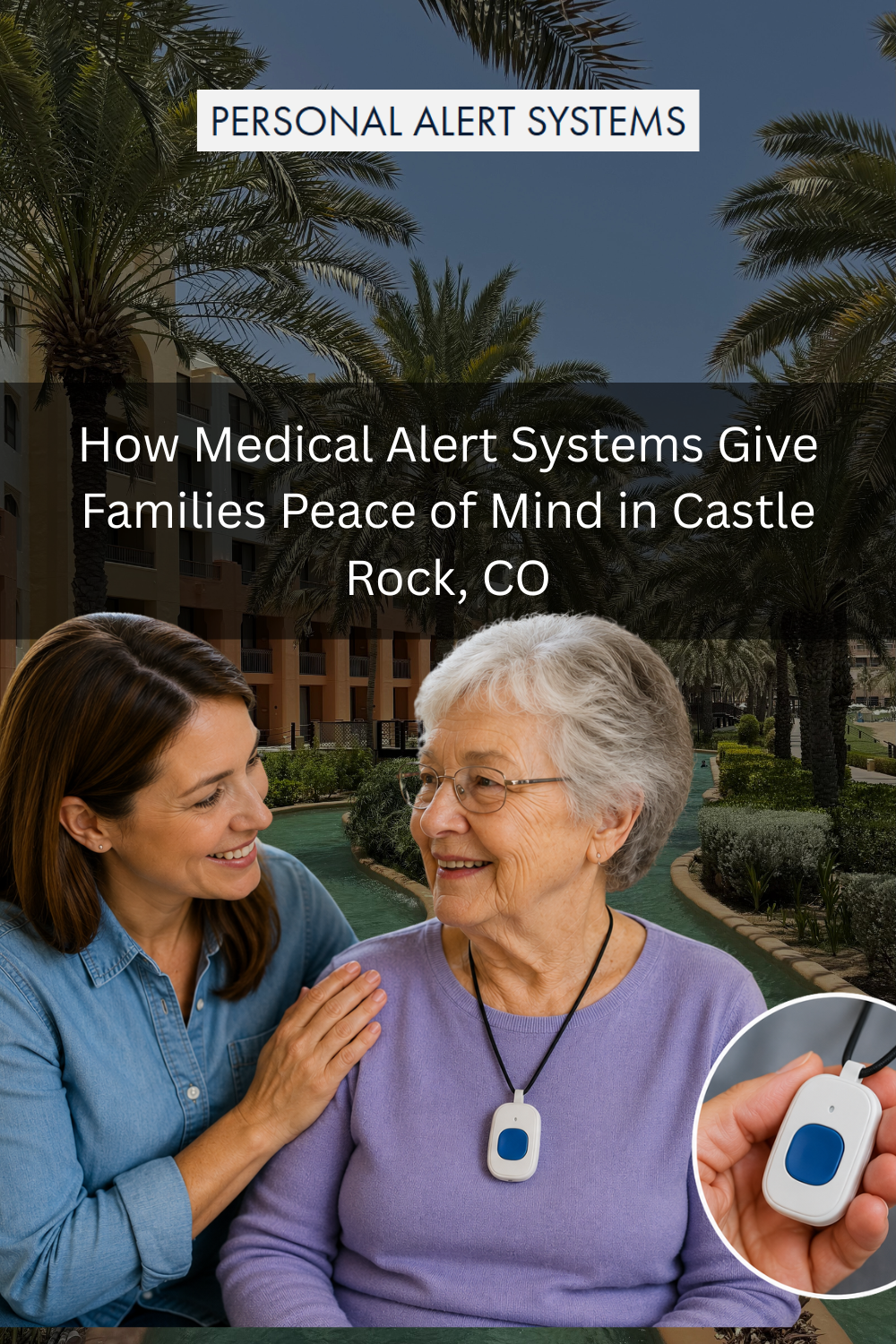
How Medical Alert Systems Give Families Peace of Mind in Castle Rock, CO
When aging parents choose to live independently, families often experience mixed emotions. There is happiness in seeing loved ones remain active and independent, but there is also concern about safety—especially during emergencies.
What happens if Mom falls while alone at home?
What if Dad experiences dizziness in the middle of the night?
What if a medical emergency happens and no one is nearby?
These worries are common among adult children and caregivers.
Even when seniors appear healthy and active, emergencies can happen unexpectedly.
That’s why more families in Castle Rock, Colorado are turning to emergency response technology for added protection and reassurance.
Personal Alert Systems helps families create a safer environment for seniors by providing reliable emergency response solutions that connect users to help quickly when it matters most.
These systems offer more than technology—they provide peace of mind.
The Hidden Stress of Long-Distance Caregiving
Many adult children today are balancing careers, children, and caregiving responsibilities all at once.
Some live minutes away from aging parents.
Others live hours—or even states—away.
Distance creates stress.
Common concerns include:
- Is my loved one safe?
- What happens during an emergency?
- How quickly can help arrive?
- Will anyone know if something goes wrong?
These questions can weigh heavily on families.
Even daily check-in calls don’t eliminate the uncertainty.
Emergency response systems help close this gap.
What Are Personal Alert Systems?
Personal alert systems are devices that allow seniors to quickly call for help during emergencies.
They are designed for speed, simplicity, and reliability.
Common options include:
- Wearable pendants
- Wristbands
- Mobile GPS units
- In-home base systems
- Fall detection devices
These systems ensure seniors can access help immediately.
Some devices even detect falls automatically.
This added layer of protection can be life-changing.
Why Emergency Preparedness Matters for Seniors
Emergencies rarely happen on a schedule.
They can happen while:
- Cooking
- Showering
- Sleeping
- Walking outdoors
- Moving around the house
A senior may suddenly experience:
- A fall
- Dizziness
- Chest pain
- Difficulty breathing
- Loss of balance
Without quick access to help, these situations can become far more dangerous.
Fast response matters.
Why Castle Rock Families Value Medical Alert Systems
Castle Rock is home to many active older adults who value independence and self-sufficiency.
The community’s scenic beauty and welcoming neighborhoods make it an excellent place for retirement.
But independence should not come at the expense of safety.
Families want loved ones to enjoy life while remaining protected.
Medical alert systems help make that possible.
These devices support safe, independent living without being intrusive.
Key Benefits of Personal Alert Systems
Emergency response systems offer important advantages for both seniors and families.
Immediate Access to Help
The most obvious benefit is fast access to emergency support.
In urgent situations, every second counts.
Quick response can improve outcomes during:
- Falls
- Heart-related emergencies
- Breathing issues
- Mobility incidents
Immediate help saves time—and potentially lives.
Reduced Anxiety for Families
Caregiver stress is real.
Families often worry constantly about loved ones living alone.
Emergency response systems reduce that burden.
Knowing help is available provides tremendous reassurance.
Peace of mind matters.
More Confidence for Seniors
Some seniors feel nervous about living alone.
Fear of falling or experiencing a medical emergency can affect daily life.
Having access to emergency support improves confidence.
Many seniors feel more secure moving through their day.
That confidence helps preserve independence.
Support for Aging in Place
Aging in place remains the preferred choice for many older adults.
They want to remain in the homes they love for as long as possible.
Personal alert systems help make aging in place safer.
Technology can provide the safety net that supports long-term independence.
Who Should Consider a Personal Alert System?
These systems can benefit many older adults, especially those who:
- Live alone
- Have mobility concerns
- Have experienced falls
- Manage chronic conditions
- Recover from surgery or illness
Even active seniors can benefit.
Emergency planning is smart at every stage of aging.
How Personal Alert Systems Helps Families
Personal Alert Systems focuses on helping seniors live safely while giving families confidence and reassurance.
Their solutions are designed to be:
- Easy to use
- Reliable
- Comfortable
- Effective in emergencies
The goal is simple:
Provide immediate access to help when it matters most.
That support can make a meaningful difference for families and seniors alike.
Technology That Supports Independence
Some seniors resist safety technology because they worry it signals dependence.
In reality, the opposite is true.
Medical alert systems support independence.
They help seniors continue enjoying life with added security.
That balance between freedom and safety matters.
Choosing the Right Safety Solution
Every senior has unique needs.
When evaluating alert systems, families should consider:
- Ease of use
- Mobility needs
- Fall history
- Lifestyle
- In-home or mobile needs
Choosing the right solution helps maximize safety and comfort.
Guidance Families Can Trust
Choosing safety technology for a loved one is an important decision.
Families want dependable solutions that offer real protection.
That trust matters.
Ronnie Smith of Personal Alert Systems shares:
“Families deserve peace of mind knowing their loved ones can access help immediately during emergencies. Emergency response systems provide security, confidence, and an important layer of protection.”
That reflects why these systems are becoming increasingly important.
Why Families Choose Personal Alert Systems
Families in Castle Rock choose Personal Alert Systems because they value:
- Reliable emergency response
- Senior safety support
- Fast access to help
- Improved independence
- Family peace of mind
These benefits help create safer, more confident living.
FAQs About Medical Alert Systems in Castle Rock, CO
What is a medical alert system?
It is a device that allows seniors to call for help during emergencies.
Are alert systems only for seniors with health issues?
No. Even active seniors can benefit from added emergency protection.
Do alert systems help with falls?
Yes. Many systems include fall detection features.
Can they support aging in place?
Absolutely. These systems help seniors live independently with added safety.
Find Trusted Senior Safety Resources with Seniors Blue Book
Safety and independence go hand in hand.
The right emergency response system can provide valuable protection for seniors while offering peace of mind to families.
Seniors Blue Book helps families connect with trusted senior care resources throughout Colorado.
To learn more about Personal Alert Systems, visit their Seniors Blue Book listing and explore emergency response solutions designed to support safety, independence, and confidence.
The right safety system can make all the difference during life’s most critical moments.
Other Articles You May Like
A Longmont Move-In Plan That Keeps Life Familiar
A Longmont Move-In Plan That Keeps Life FamiliarThe moving truck pulls away. The pictures are hung. There's a fresh set of keys on the counter.But for an older adult leaving a longtime Longmont home, the real adjustment may begin the next morning, when the coffee tastes different and the usual neighbor isn't waving from across the street.Choosing a senior living community is one decision. Feeling at home there is another. Families can make that second part easier by planning for the first 30 daysnot just moving day.Start With What Shouldn't ChangeBefore packing, ask your loved one a question that rarely appears on a moving checklist: "Which parts of your week would you miss most?"A weekly phone call or a familiar local appointment may matter more than amenities.Write down three kinds of familiar anchors: People: Friends, relatives, neighbors, faith communities, and longtime service providers. Places: Favorite shops, a regular medical office, a preferred park, or a familiar gathering place. Rituals: Morning walks, crossword puzzles after lunch, Friday takeout, or watching a certain program together. Label each anchor keep, adapt, or replace by choice. New activities shouldn't replace meaningful routines without the person's agreement.Keep Longmont in the PictureMoving into assisted living does not mean leaving the surrounding community behind. Ask how a residence supports outside interests.Turn Familiar Destinations Into a Transportation PlanThe Longmont Senior Center at 910 Longs Peak Avenue, near Roosevelt Park, is home to city Senior Services. Families can check its current programs and ask whether a new resident would like to continue attending familiar activities. RIDE Longmont lists $1 senior rides. Confirm current prices, accessibility, service areas, and reservation requirements before relying on transportation. Ask what transportation the residence includes and where outside help is needed.Protect Important RelationshipsArrange familiar visits early, but let your loved one choose their frequency.For some seniors, having grandchildren visit for Sunday lunch provides reassurance. Others might prefer a quiet afternoon followed by a phone conversation with a longtime friend.Maintaining these personal connections can make a new environment feel less unfamiliar.Make the First Month ManageableAdjustment isn't linear; a quiet day isn't automatically cause for alarm.Days 17: Build PredictabilityFocus on knowing the people, places, and routines that make the new environment easier to navigate. Identify a staff contact for routine questions. Check that glasses, hearing aids, chargers, and frequently used belongings are easy to find. Help staff understand preferred wake-up times, hobbies, and communication habits. Ask how your loved one can request help, including overnight. Let your loved one decide where belongings go.Even something as simple as choosing where to place a favorite photograph can reinforce a sense of ownership.Days 814: Open Doors Without PushingInvitenot insistyour loved one to try one appealing activity or shared meal.Ask open questions: "What felt comfortable today?" or "Was there anything you wished worked differently?"These often reveal more than simply asking, "Do you like it here?"A senior who declines a group activity may not be unhappy. They may simply prefer smaller conversations or need additional time to become comfortable.Days 1530: Review What Actually WorksCheck in with your loved one and community staff about meals, sleep, mobility, and concerns. Record agreed changes and follow-up responsibilities.If distress persists, seems severe, or accompanies a sudden change in health or thinking, contact an appropriate healthcare professional rather than assuming it's simply homesickness.Create a Care Handoff, Not Just a Moving ChecklistThe most important details don't fit in cardboard boxes.Before move-in, clarify who will manage medication administration, how prescription information will reach the community, whether a healthcare provider needs to supply orders, and how appointments will be coordinated.Also confirm: Emergency contacts: Who receives calls, in what order, and for which situations? Care services: What assistance is included, what costs extra, and when might charges change? Personal preferences: Dietary needs, cultural practices, privacy expectations, and preferred name. Records and permissions: Which documents are required, and who is authorized to receive updates? Use one primary family contact while respecting the resident's privacy and decision-making rights.Where a Longmont Housing Placement Specialist Fits InThe housing search should consider treasured routines, transportation, care, and proximity to loved ones.Always Best Care Senior Services in Longmont, Colorado, offers senior housing and assisted living referral services, helping families compare participating communities against care needs, preferences, location, and budget.Its Seniors Blue Book listing explains that the team can accompany families on selected community tours, helping them evaluate options before making a decision.The company's published information states that referral services are available at no charge to families because its contracted assisted living partners pay referral fees.Families should ask which communities are represented and what support is available after a placement is made. Services and follow-up arrangements should never be assumed. For Longmont families considering senior living, having access to a local housing placement specialist can help connect practical housing needs with the personal preferences that make daily life meaningful.Know Who Can Help After Move-InIf concerns arise about care or resident rights, Boulder County's Long-Term Care Ombudsman Program offers free, confidential advocacy for residents of assisted living residences and nursing homes.The program helps residents understand their rights and address concerns affecting their care and quality of life.Families can contact the Boulder County Long-Term Care Ombudsman Program at 303-441-1173 for more information. Knowing these resources are available provides an additional layer of support as seniors settle into their new surroundings.Frequently Asked Questions About Senior Living Transitions in Longmont1. How long does it take to adjust to assisted living?There is no universal timeline. Some residents settle in quickly; others need weeks or longer.Focus on comfort, choices, relationships, and whether concerns are being addressed rather than an arbitrary deadline.2. Can someone keep their Longmont doctor after moving?Often, yes, depending on insurance, transportation, the physician's practice, and the residence's care arrangements.Confirm appointment transportation and prescription coordination before moving into a senior living community.3. Can seniors continue participating in Longmont community activities after moving?Depending on their care needs and transportation arrangements, many older adults can continue attending local activities.Families can explore opportunities through Longmont Senior Services and ask prospective communities about transportation assistance and off-site outings.4. Can Always Best Care help if we're still comparing communities?Yes. Its Longmont-area team offers assisted living referral guidance for families exploring participating senior living options.Families can ask about geographic coverage, community suitability, available services, and the residences included in the company's referral network.Keep the Person at the Center of the MoveA new address should not erase old friendships, valued routines, or a senior's voice in daily decisions.With a realistic transition plan, Longmont families can prepare for both the practical and personal sides of senior living.Whether your family is beginning to explore assisted living or preparing for an upcoming transition, having knowledgeable local guidance can make the process more manageable.Always Best Care Senior Services helps families explore senior housing options that reflect their loved one's needs, preferences, and lifestyle.Ready to explore senior housing options in Longmont?Visit the Always Best Care Senior Services listing on Seniors Blue Book to learn more about available housing placement and referral services. Connect with their Longmont team and take the next step toward finding a senior living environment that supports comfort, familiarity, and quality of life.
What a Senior Living Tour Should Reveal to Longmont Families
What a Senior Living Tour Should Reveal to Longmont FamiliesA beautiful lobby makes a strong first impression. But what about an ordinary Tuesday?For an older adult moving from a familiar Longmont home, the little moments may matter more than the grand staircase. Is breakfast peaceful or rushed? Can someone enjoy a quiet afternoon without feeling forgotten? Does a staff member remember how a resident likes their coffee?These are the details worth noticing when touring assisted living or other senior housing in Longmont, Colorado. The goal is to look beyond the brochure and picture everyday life.Think Beyond the Scheduled TourCommunity tours are helpful, but they're carefully organized. You'll see available apartments, common areas, activity calendars, and dining rooms. To understand daily life, ask to visit during a normal activity or meal, if the community permits it.Invite your loved one into the conversation from the beginning. Someone who enjoys lively company may want a busy dining room. Someone who treasures solitude may prefer smaller gatherings and flexible schedules.Five Small Scenes That Reveal a Lot1. The Dining Room at MealtimeFood is about more than nutrition. Meals can provide companionship, structure, and pleasure.Ask whether residents choose where and with whom they sit. Are alternatives available when an entre doesn't appeal? Can someone who wakes up late still enjoy breakfast?Look for unhurried interactions instead of judging the menu alone.2. Conversations Between Staff and ResidentsWatch the everyday exchanges. Do employees greet residents by name? Does someone kneel or sit to speak with a person who has difficulty hearing? When a resident asks for help, is the response respectful?One pleasant interaction cannot establish overall care quality. Still, it can prompt better questions about staff training, supervision, and how concerns are handled.3. The Space Between ActivitiesA colorful activity calendar looks promising, but not everyone wants scheduled entertainment all day. Find out what happens between programs.Is there a comfortable reading corner? Can residents spend time outdoors safely? Are there places for private phone calls or family visits?Ask whether activities are accessible to residents with limited mobility or hearing differences.4. The Freedom to Keep Personal HabitsMaybe Dad likes the newspaper before breakfast. Perhaps Mom prefers an evening bath or spends Sunday afternoons with grandchildren.Ask which routines residents can control, including waking times, meals, visitors, and social participation.A good match should respect personal choices while providing the support each individual needs.5. The Plan When Care Needs ChangeToday's tour should also include tomorrow's questions.What happens if a resident starts needing more help with dressing, medication management, or mobility?Ask what services the community can provide, which require outside providers, how added assistance is priced, and what circumstances could require a move.Get important answers in writing.Bring a Notebook, Not Just a ChecklistAfter each visit, write down what your loved one noticed before discussing your own impressions.A simple three-column pagefelt welcoming, needs clarification, not a fitcan be more revealing than a star rating.Keep these questions handy:What does a typical weekday look like for a new resident?How do staff respond to overnight needs or emergencies?Which services are included, and which cost extra?How are care plans reviewed and families informed?What happens when a resident declines an activity or meal?May we return for another visit before deciding?For assisted living residences, request the written resident agreement and a clear breakdown of charges.Colorado regulations require agreements to address items such as fees, included services, and optional services. Don't rely solely on a verbal estimate.Remember the Longmont Life Outside the BuildingA senior living community shouldn't feel disconnected from the city someone calls home.Longmont's Senior Center, near Roosevelt Park at 910 Longs Peak Avenue, hosts local senior services and programs. If your loved one enjoys community events, ask whether a prospective residence can help them participate.Check transportation arrangements rather than assuming rides are included.Think about familiar destinations, too: a preferred place of worship, a longtime hairstylist, or regular visits with relatives in Niwot, Erie, or elsewhere in Boulder County.Ask about visitor parking, accessible outings, and transportation to medical appointments.A location that works beautifully on a map may feel different when a family member must make the trip several times a week.How Always Best Care Makes Tours More UsefulAlways Best Care Senior Services supports Longmont-area families exploring senior housing and assisted living options.Its local team works with participating communities, helps compare needs and budgets, and can personally accompany families on selected tours.This matters because families often leave visits with different impressions.A housing placement specialist can help organize observations into practical comparisons: care capabilities, location, lifestyle preferences, and anticipated costs.Always Best Care states that its assisted living referral service is offered at no charge to families because contracted communities compensate the company.Families should understand which communities are included in a referral search and feel free to consider additional options.Frequently Asked Questions About Senior Living Tours in Longmont1. Can we tour an assisted living community more than once?Ask about a second visit at a different time of day. A meal, afternoon program, or quieter period may reveal aspects of daily life you missed initially.2. Should my parent attend every community tour?When practical, include them. Their comfort, questions, and preferences deserve significant weight. If a long tour is tiring, ask about shorter visits or a virtual introduction first.3. Are Longmont assisted living prices all-inclusive?Not necessarily. Pricing varies by residence and care needs. Request itemized written information about rent, personal assistance, medication support, deposits, and possible future increases.4. Can residents continue participating in Longmont Senior Center programs?That depends on transportation, program eligibility, and the resident's preferences and abilities.Contact the Senior Center for current offerings and ask each residence how off-site activities are supported.5. Does Always Best Care charge for senior housing referrals?Its published information says assisted living referral services are free to families because participating senior living communities pay referral fees.Ask about the scope of participating options during your consultation.Take the Next Tour With Better QuestionsA senior living tour isn't an audition for the prettiest building. It's a chance to imagine breakfast, phone calls, favorite hobbies, and familiar faces in a new setting.For guidance with senior housing placement in Longmont, visit the Always Best Care Senior Services listing on Seniors Blue Book.Discover how its local team can help you turn everyday priorities into a more thoughtful community search.
Finding Senior Housing for Hearing & Vision Needs in Northern Colorado
Finding Senior Housing for Hearing and Vision Needs in Northern ColoradoThe apartment looks beautiful. The dining room is inviting. The activities calendar is full.But can your mother clearly read the signs directing her to the dining room?Can your father hear conversations during group activities?And if an emergency alarm sounds, will your loved one recognize it?These questions may not appear on a typical senior housing checklist, yet they can make a tremendous difference in everyday comfort and safety.For older adults experiencing changes in hearing or vision, finding the right residential environment requires looking beyond attractive amenities.Throughout Fort Collins, Loveland, Greeley, and Northern Colorado, families have access to various senior housing options. However, not every community provides the same accessibility features or communication accommodations.All About Seniors Inc. Northern Colorado, a housing placement and resource specialist serving Larimer, Weld, and Morgan counties, helps families explore residential options based on individual needs, preferences, and circumstances.Understanding accessibility considerations can help families make better-informed housing decisions.Why Hearing and Vision Matter in Senior HousingHearing and vision changes can influence how older adults experience their surroundings.Someone with reduced vision may have difficulty identifying stairs, reading small print, or navigating unfamiliar hallways.An individual with hearing loss may struggle to participate in conversations or understand spoken announcements.These challenges do not automatically mean someone needs assisted living.Many older adults with hearing or vision impairments continue living independently with appropriate accommodations and support.The important consideration is whether a residential environment meets the individual's everyday needs.Look Beyond the DiagnosisTwo people with similar hearing difficulties may require completely different accommodations.One person may benefit from reduced background noise and clearly spoken instructions.Another may use hearing aids, captioning technology, or written communication.The same principle applies to vision changes.Housing decisions should reflect individual abilities and preferences rather than assumptions about age or disability.Evaluating Senior Housing for Vision AccessibilityGood lighting is helpful, but accessible housing involves more than bright rooms.During a community tour, observe how easily residents can navigate the environment.Features Worth ExaminingConsider the following:Consistent lighting: Are hallways, entrances, and shared spaces adequately illuminated?Clear signage: Can residents easily identify apartment numbers and common areas?Contrasting surfaces: Are steps, doorways, and changes in flooring visually distinguishable?Unobstructed pathways: Are walkways free from unnecessary furniture and other obstacles?Accessible information: Can menus, schedules, and announcements be provided in readable formats?Ask whether the community can accommodate larger-print materials or accessible electronic documents.The Americans with Disabilities Act addresses effective communication for people with vision, hearing, and speech disabilities in covered settings. Specific legal obligations depend on the type of facility and service.What About Residents With Hearing Loss?Imagine sitting at a dining table surrounded by neighbors.Everyone is laughing and exchanging stories, but you cannot clearly follow the conversation.For someone with hearing difficulties, this situation can make social participation frustrating.When evaluating senior living communities, families should ask how staff communicate with residents who have hearing impairments.Questions That Reveal Important DetailsAre written announcements available?Can staff communicate through preferred methods?Are televisions equipped with captioning options?Can residents access information without relying exclusively on verbal announcements?Are emergency notification systems appropriate for residents with hearing loss?Some individuals may benefit from assistive listening technology or visual notification systems.Rather than assuming a community provides specific equipment, ask management to explain its current accommodations.Emergency Preparedness Deserves Special AttentionAccessibility becomes particularly important during emergencies.Northern Colorado experiences winter storms, severe thunderstorms, and other weather conditions that may require residents to receive urgent information.Families should understand how a community communicates emergency instructions to people with sensory disabilities.Ask management about:Visual and audible emergency notificationsAccessible evacuation routesStaff procedures for communicating urgent instructionsIndividual emergency assistance plans, when appropriateBackup communication procedures during power outagesPractical Tip: During a tour, ask the community representative to demonstrate how a resident with hearing or vision difficulties would receive emergency instructions.A clear explanation can help families evaluate whether the community's procedures align with their loved one's needs.Matching Accessibility Needs With the Right Care LevelNot every sensory impairment requires a higher level of residential care.Some individuals remain independent while using adaptive equipment or environmental accommodations.Others may require assistance with additional daily activities.Independent LivingIndependent living may be appropriate for older adults who manage personal care independently but prefer a residential environment with convenient amenities.Families should verify available accessibility features and whether outside assistance can be arranged when necessary.Assisted LivingAssisted living may be suitable when an individual needs help with activities such as dressing, bathing, or medication management.Ask whether the community can accommodate sensory disabilities alongside other personal care requirements.Memory Care and Skilled NursingIndividuals with additional cognitive or medical needs may require specialized residential services.Hearing or vision loss alone does not determine whether memory care or skilled nursing is appropriate.Healthcare professionals should help assess medical and functional needs.How All About Seniors Helps Families Evaluate AccessibilitySearching for senior housing becomes more specific when accessibility is a priority.All About Seniors Inc. Northern Colorado assists families researching independent living, assisted living, memory care, and skilled nursing communities.Its placement process considers activities of daily living, financial circumstances, geographic preferences, and individual requirements.For someone experiencing sensory changes, families can discuss accessibility priorities with a placement specialist before scheduling community tours.The specialist can help identify potential housing options and coordinate opportunities to ask detailed questions.As [Contact Name], a representative of All About Seniors Inc., explains in this proposed quote:"Finding the right senior living community means understanding how someone experiences everyday life. Small details, such as lighting, communication, and accessibility, can make a meaningful difference in helping residents feel comfortable and supported."All About Seniors advertises no-cost housing placement assistance for seniors and families, with compensation provided by participating communities.Local Accessibility Resources in Northern ColoradoFamilies may also benefit from specialized organizations and public programs.Resources in Larimer CountyThe Larimer County Office on Aging provides information about long-term services, disability resources, and community assistance.Its Aging and Disability Resource Center offers options counseling for older adults and individuals living with disabilities.Resources in Weld CountyThe Weld County Area Agency on Aging offers a Dental, Vision, and Hearing Program for eligible county residents aged 60 and older.Depending on eligibility and available resources, assistance may help with vision examinations, glasses, hearing aids, and related services.Families should contact these organizations directly to verify current eligibility and services.A Better Way to Compare Senior CommunitiesWhen touring communities, evaluate accessibility from the perspective of the person who will live there.Observe everyday tasks rather than focusing exclusively on recreational amenities.Can your loved one locate their apartment independently?Can they comfortably communicate with staff?Will they be able to access dining, activities, and important announcements?Record observations after each visit.Comparing these practical details can reveal differences that might otherwise be overlooked.Frequently Asked Questions About Accessible Senior Housing1. Can seniors with hearing loss live independently in Northern Colorado?Yes. Many older adults with hearing loss live independently. Appropriate housing depends on individual abilities, available accommodations, and any additional support requirements.2. What accessibility features should families look for in senior housing?Important considerations include adequate lighting, clear signage, accessible pathways, communication accommodations, and suitable emergency notification procedures.3. Does All About Seniors help families with specific accessibility requirements?All About Seniors offers individualized housing placement assistance based on residents' needs and preferences. Families can discuss hearing, vision, mobility, and other accessibility priorities during their consultation.4. Are there hearing and vision assistance programs in Northern Colorado?Yes. Weld County offers a Dental, Vision, and Hearing Program for eligible older adults. Larimer County also provides disability-related information and resource navigation through its Aging and Disability Resource Center.5. What areas does All About Seniors Northern Colorado serve?The organization serves Larimer, Weld, and Morgan counties, including Fort Collins, Loveland, Greeley, and surrounding Northern Colorado communities.Find Senior Housing That Fits Your Individual NeedsA welcoming senior living community should offer more than attractive surroundings.It should provide an environment where residents can communicate effectively, navigate their surroundings, and participate in everyday activities as comfortably as possible.All About Seniors Inc. Northern Colorado helps older adults and families explore senior housing options with individual requirements in mind.Whether you're researching housing in Fort Collins, assisted living in Loveland, or residential care throughout Northern Colorado, their team can help you investigate available communities.Ready to explore senior housing options that reflect your loved one's needs?Visit All About Seniors Northern Colorado on Seniors Blue Book to learn more about their housing placement services, find contact information, and connect with a resource specialist.Because the right home isn't simply about how it looks. It's about how well it works for the person living there.
Local Services By This Author

Personal Alert Systems
Emergency Response Systems 643 West Oakwood Lane, Castle Rock, Colorado, 80108In todays fast-paced world, ensuring the safety and well-being of yourself or a loved one is a top priority. Personal Alert Systems provides a comprehensive emergency response system designed to offer immediate assistance at the push of a button. Our personal alarm systems allow individuals to maintain their independence while giving family members and caregivers peace of mind knowing help is always within reach.How Personal Alert Systems WorkOur state-of-the-art medical alert systems are designed for ease of use and reliability. With a simple push of a wireless emergency button, users are instantly connected to a trained emergency response operator through a two-way communication system. Our 24/7 monitoring service ensures that help is dispatched immediately, whether its a family member, friend, neighbor, or emergency personnel.Key Features of Our Emergency Response System24/7 Emergency Monitoring Our dedicated operators are available around the clock to provide assistance whenever its needed.Two-Way Voice Communication Speak directly with a live operator who can assess the situation and take the appropriate action.Wireless Personal Alarm Button Designed for convenience and comfort, our wearable medical alert pendant or wristband ensures quick access to emergency support.Customizable Emergency Contacts Choose trusted friends, family members, or emergency responders as your first point of contact.Nationwide Coverage No matter where you are, our emergency alert system provides seamless connectivity.Fall Detection Technology Optional automatic fall detection ensures immediate alerts even if the user is unable to press the emergency button.Battery Backup Our system continues to function even during power outages, ensuring continuous protection.Waterproof Devices Our emergency alert buttons are designed to be water-resistant, so they can be worn in the shower or bath where falls are common.Who Can Benefit from a Personal Alarm System?Personal Alert Systems are ideal for a variety of individuals, including:Seniors living independently Aging in place is easier and safer with a reliable emergency response system.Individuals with medical conditions Those with heart conditions, diabetes, epilepsy, or other health concerns can have immediate access to medical assistance.Disabled individuals Our system ensures those with mobility challenges can easily call for help if needed.Post-surgical patients Recovery at home is safer with a medical alert device that provides instant emergency assistance.Caregivers and family members Gain peace of mind knowing your loved ones are protected 24/7.The Importance of a Medical Alert SystemWhen an emergency strikes, every second counts. Whether its a fall, medical emergency, fire, or home intrusion, having a personal emergency response system (PERS) ensures that help arrives quickly. Our medical alert systems help to:Reduce emergency response timeProvide immediate assistance, reducing complications from falls or injuriesEnable seniors to live independently longerOffer reassurance and confidence to users and their familiesWhy Choose Personal Alert Systems?Trusted by Thousands Our reliable personal alert services have helped countless families ensure the safety of their loved ones.Affordable & No Long-Term Contracts We offer competitive pricing with no hidden fees or long-term commitments.Simple Setup Our plug-and-play emergency system requires no complex installation.Dedicated Customer Support Our team is always available to assist with setup, troubleshooting, and questions.Get Started with Personal Alert Systems TodayTake control of your safety and stay connected with emergency response services at the push of a button. Personal Alert Systems offers a life-saving solution that empowers individuals to live independently while ensuring help is available at all times.