How Non-Medical Home Care Helps Loveland Seniors Age in Place With Confidence
Visiting Angels
For more information about the author, click to view their website: Visiting Angels
Jan 27, 2026
Colorado - Northern Colorado


How Non-Medical Home Care Helps Loveland Seniors Age in Place With Confidence
In Loveland, Northern Colorado, aging in place is more than a trend—it’s a way of life. Many seniors here want to remain in the homes they’ve built memories in, surrounded by familiar routines, neighbors, and community connections. Yet as the years pass, everyday tasks that once felt simple can quietly become more difficult.
The challenge often isn’t medical. It’s practical.
That’s where non-medical home care becomes a powerful support system—helping seniors remain safe, independent, and connected without uprooting their lives.
Visiting Angels, serving Loveland and surrounding Northern Colorado communities, provides personalized non-medical home care that adapts to each individual’s needs, preferences, and pace. Their approach emphasizes flexibility, dignity, and consistency—supporting seniors where life actually happens: at home.
As Jeff Daley from Visiting Angels explains, “Good home care should feel like a natural extension of someone’s life. When support is customized and respectful, seniors stay confident and families gain peace of mind.”
This article explores a locally grounded, lifestyle-focused topic: how non-medical home care in Loveland helps seniors maintain independence while reducing stress for families.
Why Aging at Home Becomes More Challenging Over Time
Most seniors don’t suddenly need help. Instead, small changes add up gradually:
-
Bathing feels tiring or unsafe
-
Meals become repetitive or skipped
-
Housekeeping tasks pile up
-
Driving feels stressful, so outings decrease
-
Days feel longer and lonelier
-
Family caregivers feel stretched thin
Individually, these changes may seem manageable. Together, they can impact safety, health, and overall quality of life.
Non-medical home care steps in early—before challenges turn into emergencies.
What Non-Medical Home Care Really Means
Non-medical caregivers focus on daily living and companionship, not clinical treatment. Their role is to support independence, not replace it.
Common areas of support include:
Personal Care
-
Bathing, grooming, and hygiene assistance
-
Dressing support
-
Mobility and fall-prevention awareness
Daily Living & Household Help
-
Meal preparation and hydration reminders
-
Light housekeeping and laundry
-
Grocery shopping and errands
Companionship
-
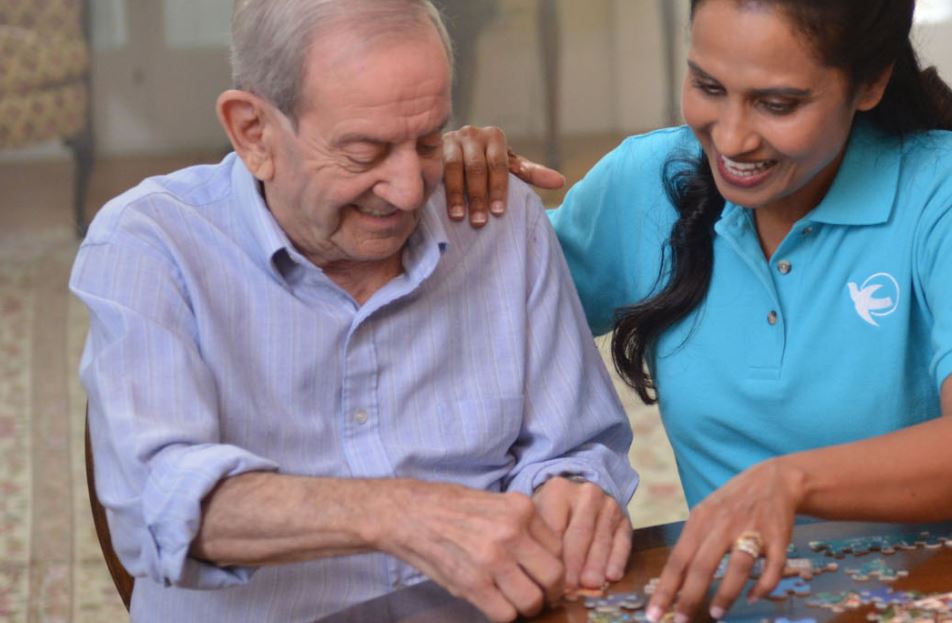
Conversation and shared activities
-
Emotional reassurance
-
Encouragement to stay engaged
Transportation
-
Medical appointments
-
Community outings
-
Social visits
Family Caregiver Relief
-
Scheduled respite care
-
Support during work hours or travel
-
Reduced burnout and stress
For many Loveland seniors, this type of care feels less like “assistance” and more like a trusted presence.
Independence With Backup: The Loveland Advantage
One of the biggest concerns seniors express is losing control over their lives. In reality, the right support often restores independence.
With non-medical home care in place, seniors often experience:
-
Greater confidence moving around the home
-
Improved nutrition and routine
-
More energy for hobbies and relationships
-
Less reliance on family for every need
Jeff Daley puts it this way: “When seniors know help is there if they need it, they feel freer—not more limited.”
How Families Use Home Care in Everyday Life
Non-medical home care is flexible by design. Many families in Loveland start small and adjust as needs evolve.
Light Support (6–10 hours per week)
-
A few visits weekly
-
Meals, housekeeping, companionship
Moderate Support (15–25 hours per week)
-
Weekday assistance
-
Personal care and errands
Ongoing Support (30+ hours per week)
-
Daily routines supported
-
Consistent caregivers
-
Reliable respite for families
Care can grow gradually—without sudden, stressful transitions.
Why Companionship Matters More Than People Expect
Loneliness can affect physical and emotional health just as much as mobility challenges.
A consistent caregiver provides:
-
Familiarity and routine
-
Emotional connection
-
Gentle encouragement
-
A sense of being seen and heard
For many seniors, companionship is just as valuable as hands-on help.
Signs It May Be Time to Explore Home Care
Families often reach out when they notice:
-
Worry when a loved one is alone
-
Declining hygiene or nutrition
-
Increased falls or near-falls
-
Caregiver exhaustion
-
Growing tension around caregiving responsibilities
Starting care early often prevents crises—and preserves family relationships.
Questions to Ask a Home Care Provider
When exploring non-medical home care in Loveland, consider asking:
-
How are caregivers matched with clients?
-
Will caregivers be consistent?
-
How flexible are schedules?
-
How is communication handled with families?
-
Can care increase as needs change?
-
What training do caregivers receive?
Trust and fit matter just as much as services.
FAQs: Non-Medical Home Care in Loveland, Northern Colorado
1) Is non-medical home care the same as home health care?
No. Non-medical care supports daily living and companionship. Home health provides skilled medical services.
2) Can caregivers help with medications?
They can provide reminders but typically do not administer medications.
3) How quickly can care begin?
Often within days, depending on availability and scheduling needs.
4) Can home care delay assisted living?
Yes. Many seniors remain safely at home longer with the right support.
5) What if my loved one is hesitant about help?
That’s common. Starting with light support—like meals or housekeeping—often feels more comfortable and builds trust.
Support That Keeps Life Moving Forward
Aging at home doesn’t have to mean doing everything alone—or placing all responsibility on family. With the right non-medical support, seniors can remain safe, engaged, and independent where they feel most comfortable.
If your family is exploring non-medical home care in Loveland or Northern Colorado, visit the Visiting Angels listing on Seniors Blue Book to learn more and connect with their team.

Other Articles You May Like
Choosing Trusted In-Home Senior Care in Daphne, AL
Finding the right caregiver for an aging loved one is an important decision. Families want someone who can provide practical assistance while respecting the older adult's independence, personality, and familiar routines.For many seniors, home represents comfort, stability, and a lifetime of memories. A favorite chair, familiar neighborhood, and daily habits can make a meaningful difference in how comfortable someone feels.However, as people age, certain activities may become more challenging.An older parent may need help preparing meals or managing household responsibilities. Another individual may require assistance with bathing, grooming, or dressing. Someone living alone may benefit from companionship and transportation to appointments.When these changes occur, families often begin exploring professional home care.For residents in Daphne, Alabama, non-medical home care provides an option for receiving personalized assistance while remaining in familiar surroundings.Non-medical home care helps older adults manage everyday activities through companionship, personal assistance, household support, and other services that do not ordinarily require skilled medical treatment.The goal is to provide the right amount of assistance while helping individuals maintain dignity, independence, and meaningful daily routines.Angels by Visiting Angels Daphne, operating as Visiting Angels Coastal Alabama, provides personalized in-home senior care throughout Baldwin County and the greater Mobile area.The agency offers companion care, personal care, Alzheimer's and dementia support, respite care, end-of-life support, hospital-to-home assistance, and flexible care schedules.For families considering professional caregiving, understanding what to look for in a home care provider can help make the decision more manageable.Understanding Non-Medical Home CareNon-medical home care provides assistance with daily responsibilities that may become difficult because of aging, illness, disability, or reduced mobility.Unlike skilled home health services, non-medical care focuses primarily on everyday activities rather than clinical treatments.Common Non-Medical Home Care ServicesThese may include:Bathing and grooming assistanceDressingToileting assistanceMeal preparationLight housekeepingLaundryGrocery shoppingTransportationMedication remindersCompanionshipMobility-related assistanceRespite careSupport with familiar daily routinesServices are individualized according to the person's needs and the caregiver's training.Non-medical caregivers do not replace physicians, nurses, rehabilitation therapists, or other licensed healthcare professionals when medical treatment is required.When Should Families Consider In-Home Care?There is no single age or health condition that determines when someone should begin receiving home care.The decision often develops as families notice changes in everyday functioning.Difficulty Managing Personal CareBathing, grooming, dressing, and toileting may become challenging.Increasing Household ResponsibilitiesAn older adult may struggle to maintain a clean home or prepare meals regularly.Transportation ChallengesSomeone who no longer drives may need help attending appointments or completing errands.Social IsolationLiving alone may reduce opportunities for meaningful interaction.Memory ChangesSome individuals need additional assistance because of Alzheimer's disease or another form of dementia.Family Caregiver LimitationsRelatives may be unable to provide assistance during every part of the day.Recovery After HospitalizationTemporary non-medical support may be useful while an individual regains strength and independence.Recognizing these needs early can help families explore available services before a situation becomes urgent.Angels by Visiting Angels DaphneVisiting Angels Coastal Alabama is a locally owned and operated senior home care agency serving Daphne, Baldwin County, and the greater Mobile area.The agency provides one-on-one non-medical assistance tailored to each individual's needs, preferences, and schedule.Its approach emphasizes respectful caregiving, personal independence, and helping older adults remain involved in their daily lives.Companion CareCaregivers provide conversation, shared activities, and assistance maintaining social connections.Personal CareThe agency offers assistance with bathing, grooming, dressing, toileting, and mobility-related routines.Meal PreparationCaregivers may help with grocery shopping, meal planning, and preparation.Light HousekeepingSupport may include selected cleaning, laundry, and organization tasks.TransportationCaregivers can assist with appropriate appointments, errands, and activities.Dementia CareVisiting Angels offers non-medical assistance for individuals living with Alzheimer's disease or other forms of dementia.Respite CareFamilies may arrange temporary assistance when their usual caregiver needs a break.Hospital-to-Home SupportThe agency provides transitional assistance through its Ready-Set-Go Home program.Flexible SchedulingCare arrangements may include occasional visits, regular daily assistance, overnight care, or extended support.Verified Visiting Angels Daphne Contact InformationAngels by Visiting Angels DaphneOfficial Business Name: Visiting Angels Coastal AlabamaAddress: 25369 US Highway 98, Suite A, Daphne, AL 36526County: Baldwin County, AlabamaPhone: 251-517-9700Families should confirm current caregiver availability, service rates, and the exact location where care is needed.What Makes a Good In-Home Caregiver?Choosing a home care agency involves more than reviewing the list of services.Families should also consider caregiver experience, training, communication, and compatibility.ReliabilityA caregiver should arrive according to the agreed schedule and communicate appropriately.RespectProfessional caregivers should treat older adults with dignity.PatienceSome daily activities require additional time or reassurance.CommunicationCaregivers should understand the individual's needs and provide appropriate updates.ExperienceRelevant experience may be helpful when supporting someone with mobility limitations or memory changes.Personal CompatibilityShared interests and compatible personalities may improve the caregiving relationship.AdaptabilityThe caregiver should understand how to respond when daily routines or support needs change.Visiting Angels Coastal Alabama emphasizes careful caregiver selection and personalized matching.How Visiting Angels Selects CaregiversIntroducing a professional caregiver into the home can feel unfamiliar.Families may worry about safety, trust, personality differences, or whether the caregiver will understand their loved one's preferences.Visiting Angels Coastal Alabama describes a caregiver selection process focused on both qualifications and personal characteristics.Background ChecksThe agency advertises comprehensive caregiver background screening.Experience and TrainingApplicants are evaluated for appropriate caregiving experience and skills.Personal QualitiesThe agency considers patience, reliability, and suitability for caregiving responsibilities.Ongoing TrainingVisiting Angels describes continued professional development for caregivers.Client PreferencesFamilies can discuss personality and scheduling preferences.Individual MatchingThe agency works to pair caregivers with clients according to their needs.Family FeedbackFamilies should ask how concerns or requests for a different caregiver are handled.A good match can help establish a more comfortable and consistent care experience.Personalized Care Plans That Respect IndependenceEvery older adult has different abilities and preferences.One individual may need assistance with housekeeping but remain independent with bathing and dressing.Another may need regular personal care but continue enjoying hobbies and social activities.Initial AssessmentVisiting Angels begins by discussing the individual's daily needs.Personal PreferencesThe care plan considers established routines and interests.SchedulingFamilies can discuss preferred days, times, and visit frequency.Specific ServicesCare responsibilities are selected according to the assessment.Caregiver CompatibilityThe agency considers appropriate caregiver matching.Changes Over TimeThe plan can be modified as circumstances evolve.Family ParticipationAuthorized relatives may help communicate concerns and preferences.The purpose of a personalized plan is to provide assistance where needed without unnecessarily limiting independence.Companionship and Meaningful Daily ActivitiesSome older adults manage personal care well but spend much of the day alone.Regular companionship may provide opportunities for conversation and enjoyable activities.Shared ConversationCaregivers can discuss family memories, hobbies, or everyday interests.Recreational ActivitiesA caregiver may participate in games, reading, crafts, or other suitable activities.MusicListening to favorite music may provide enjoyment.Social CommunicationSome individuals need assistance making telephone or video calls.Community OutingsCaregivers may help with appropriate visits or recreational activities.Familiar InterestsActivities can be selected based on what the individual enjoys.Personal ChoiceCompanionship should reflect the older adult's preferences rather than impose a fixed activity schedule.Personal Care With Respect and DignityPersonal care assistance can be especially important when physical limitations affect everyday routines.Visiting Angels Coastal Alabama provides assistance with several activities of daily living.BathingCaregivers may help individuals maintain appropriate hygiene according to the care plan.DressingSome people need assistance putting on clothing or managing buttons and fasteners.GroomingCare may include support with brushing hair and other personal routines.ToiletingThe agency advertises assistance with toileting needs.MobilityCaregivers may provide appropriate walking or transfer assistance.PrivacyPersonal care should respect the individual's comfort and preferences.Caregiver ResponsibilitiesFamilies should clarify which tasks are included and whether any requested assistance requires licensed medical personnel.Alzheimer's and Dementia Support at HomeAlzheimer's disease and other forms of dementia can affect memory, judgment, communication, and daily activities.Some families choose to provide care at home with professional assistance.Visiting Angels Coastal Alabama advertises Alzheimer's care and dementia care.Familiar SurroundingsRemaining in a familiar environment may help support established routines.Structured ActivitiesCaregivers can follow appropriate daily schedules.Personal CareIndividuals may require help with bathing, dressing, and meals.CompanionshipMeaningful activities can reflect the person's interests and abilities.CommunicationCaregivers may adapt communication to the individual's needs.Family InvolvementRelatives can provide information about personal history and preferences.ReassessmentCare requirements may change as the condition progresses.Non-medical dementia assistance does not replace medical evaluation or specialized residential care when more extensive supervision becomes necessary.Respite Care for Family CaregiversFamily caregiving can require substantial time and energy.Some relatives balance caregiving with employment, parenting, or other responsibilities.Respite care provides temporary assistance from a professional caregiver.When Respite May Be UsefulFamilies may arrange respite during:Work commitmentsPersonal medical appointmentsFamily responsibilitiesPlanned travelRest periodsChanges in the usual caregiving scheduleMaintaining Familiar RoutinesThe substitute caregiver should receive relevant instructions.SchedulingFamilies should confirm the required notice and minimum visit duration.Personal Care NeedsThe agency should understand which tasks must be completed.Family CommunicationAgree on who should receive updates.Continued SupportRespite can be arranged periodically when available.Hospital-to-Home AssistanceReturning home after hospitalization can create new practical challenges.Some individuals are medically ready for discharge but still need help with everyday activities.Visiting Angels offers its Ready-Set-Go Home program for non-medical transition support.Common Post-Hospital NeedsThese may include:Meal preparationBathing and dressingLight housekeepingTransportationGrocery shoppingCompanionshipMedication remindersAssistance maintaining daily routinesUnderstanding Medical NeedsSkilled nursing, wound care, injections, and rehabilitation must be provided by appropriately qualified professionals.Reviewing Discharge InstructionsFamilies should understand follow-up appointments and activity restrictions.Coordinating ResponsibilitiesHome care can complement prescribed medical services.Adjusting SupportVisit frequency may change as recovery progresses.Fall Prevention and Home SafetyFalls are an important concern for many older adults.Visiting Angels Coastal Alabama advertises fall prevention as part of its home care services.Clear WalkwaysReducing household clutter can help address certain hazards.Appropriate LightingWell-lit living spaces may make movement easier.Mobility AssistanceSome individuals need help walking or transferring.Bathroom ConcernsProfessional guidance may be necessary when accessibility equipment is considered.FootwearSuitable footwear may support safer movement.Medical FactorsVision problems, medication effects, dizziness, and muscle weakness can contribute to falls.Professional EvaluationIndividuals with repeated falls or new balance difficulties should receive appropriate medical assessment.Non-medical home care can support daily safety routines but cannot eliminate the risk of falling.Why Home Care Matters in Baldwin CountyDaphne and surrounding Baldwin County communities include older adults who value remaining close to family, friends, and familiar neighborhoods.Aging in PlaceNon-medical assistance may help some individuals continue living at home.Family SupportProfessional caregivers can complement assistance provided by relatives.TransportationSome seniors need help traveling to appointments or community activities.Household ResponsibilitiesMeal preparation, laundry, and light housekeeping may become physically demanding.Social RelationshipsCompanionship can provide opportunities for interaction.Flexible CareSchedules may be adjusted as needs change.Severe Weather PreparednessGulf Coast households should maintain emergency contact information, transportation arrangements, and backup care plans during hurricane season.Families should discuss how caregiver visits may be affected by major weather disruptions.Understanding Home Care CostsNon-medical home care expenses depend on the requested services and visit schedule.Visiting Angels Coastal Alabama does not publish one universal price for all care arrangements.Common Pricing FactorsThese may include:Number of hoursFrequency of visitsPersonal care requirementsOvernight assistanceWeekend or holiday schedulesExtended caregivingSpecialized non-medical supportPrivate PaymentMany families pay directly for non-medical home care.Long-Term Care InsuranceSome policies cover qualifying services.Veterans BenefitsCertain eligible veterans may qualify for assistance through applicable programs.Original MedicareOriginal Medicare generally does not cover ongoing companion or custodial care when that is the only service needed.Request Written PricingAsk for a detailed estimate, including minimum visit requirements and additional charges.Expert Tip for Choosing an In-Home CaregiverExpert Tip: During a home care consultation, describe the older adult's personality and daily routine, not just the tasks requiring assistance.Share favorite activities, preferred meal times, communication preferences, and any concerns about accepting outside help.A caregiver who understands these details may be better prepared to develop a comfortable relationship while providing appropriate assistance.How to Get Started With Visiting Angels Coastal AlabamaStep 1: Identify Current NeedsReview personal care, companionship, meals, transportation, and household responsibilities.Step 2: Contact Visiting AngelsCall 251-517-9700.Step 3: Request a Free ConsultationThe agency advertises a no-obligation home care consultation.Step 4: Discuss Personal PreferencesShare daily routines, interests, and relevant care needs.Step 5: Review Caregiver MatchingAsk how caregivers are selected for individual clients.Step 6: Establish a ScheduleDiscuss days, hours, and visit frequency.Step 7: Review Written CostsConfirm rates, minimum hours, and service terms.Step 8: Begin and Reassess CareMaintain communication and update the care plan when needs change.Frequently Asked Questions About Visiting Angels in Daphne1. What services does Visiting Angels Coastal Alabama provide?Visiting Angels offers non-medical companion care, personal assistance, meal preparation, light housekeeping, transportation, respite care, dementia support, hospital-to-home assistance, and other individualized caregiving services.2. Where is Visiting Angels Daphne located?The office is located at 25369 US Highway 98, Suite A, Daphne, AL 36526. The telephone number is 251-517-9700.3. Does Visiting Angels serve other communities in Baldwin County?Yes. The agency serves Daphne, Fairhope, Spanish Fort, Gulf Shores, Orange Beach, Bay Minette, and other Baldwin County communities, as well as the greater Mobile area. Exact coverage should be confirmed.4. Can Visiting Angels provide overnight or weekend care?Yes. The agency advertises flexible scheduling, including overnight, weekend, holiday, and extended care arrangements. Availability depends on individual needs and staffing.5. Does Visiting Angels provide free home care consultations?Yes. Visiting Angels Coastal Alabama advertises a free, no-obligation consultation to discuss the individual's needs, preferences, and appropriate care arrangements.Choose Home Care That Respects IndependenceProfessional home care can provide valuable assistance when everyday activities become more challenging.For many older adults, the most important goal is not simply receiving help. It is continuing to enjoy familiar surroundings, maintain relationships, and participate in meaningful daily routines.Visiting Angels Coastal Alabama provides personalized non-medical home care for older adults and families throughout Daphne, Baldwin County, and the greater Mobile area.Its services include companionship, personal care, dementia support, respite care, transportation, and hospital-to-home assistance.The agency's emphasis on caregiver selection, personalized schedules, and individualized care planning can help families explore arrangements suited to their circumstances.Contact Visiting Angels Coastal Alabama to discuss your loved one's needs and request a free home care consultation.Find Visiting Angels Coastal Alabama on Seniors Blue BookLooking for trusted non-medical home care in Daphne, Alabama?Explore Angels by Visiting Angels Daphne through Seniors Blue Book.Learn about personalized companionship, daily living assistance, respite care, dementia support, and flexible caregiver arrangements.Contact Visiting Angels Coastal Alabama at 251-517-9700 to request a free consultation and discuss your family's home care needs.
Creating a Personalized Home Care Routine in Mobile, AL
For many older adults, the comfort of home comes from familiar details. A favorite chair, a morning cup of coffee, regular telephone calls with family, and ordinary household routines can make everyday life feel predictable and meaningful.When additional assistance becomes necessary, families often want to preserve as much of that familiarity as possible.An older parent may begin needing help preparing meals but still enjoy choosing groceries. Another individual may have difficulty dressing or bathing but remain capable of making independent decisions. Someone living alone may benefit from companionship and transportation while managing most personal responsibilities.These situations demonstrate why home care should be built around the individual rather than a standard checklist.For families in Mobile, Alabama, personalized non-medical home care can provide practical assistance while respecting independence and personal preferences.Non-medical home care helps older adults manage everyday responsibilities through companionship, personal assistance, homemaking, transportation, and other supportive services.The right arrangement should account for physical abilities, household routines, family availability, and changing care needs.AMT Homecare, a locally owned home care provider serving Mobile and Baldwin Counties, offers individualized caregiving designed to support older adults in familiar surroundings.Its services include companion care, personal care, respite assistance, transportation, medication-related reminders, and flexible care arrangements.For Mobile County families, developing a thoughtful care routine can help make caregiving responsibilities more organized and sustainable.What Is Non-Medical Home Care?Non-medical home care involves assistance with activities that do not ordinarily require licensed medical treatment.Services are typically provided in the individual's home.Common ResponsibilitiesDepending on the provider and care plan, these may include:Companionship and conversationHelp with bathing and dressingGrooming assistanceMeal preparationLight housekeepingTransportationShopping and errandsMedication remindersMobility-related assistanceRespite for family caregiversHelp maintaining daily routinesThe specific services depend on the person's needs and the provider's qualifications.Non-medical home care is distinct from skilled nursing, which involves clinical assessment and treatments performed by appropriately licensed professionals.AMT Homecare in MobileAMT Homecare provides individualized home care for older adults and families throughout the Alabama Gulf Coast.The company describes itself as locally owned and family focused.Its care philosophy emphasizes understanding each person's routines, preferences, and personality before establishing a support plan.Companion CareCaregivers may provide conversation, shared activities, and assistance with ordinary household routines.Personal CareThe company advertises help with hygiene, dressing, grooming, mobility, feeding, and toileting.Respite CareTemporary support may help family caregivers attend to other responsibilities.TransportationCaregivers may assist with approved errands, appointments, and community activities.Household AssistanceServices may include meal preparation and selected household tasks.Memory-Related SupportAMT advertises Alzheimer's and dementia care services.Flexible SchedulingThe agency describes hourly, daily, and longer-term assistance arrangements.CommunicationFamily updates and daily activity summaries are among its advertised services.Verified AMT Homecare Contact InformationAMT HomecareAddress: 6157 Airport Boulevard, Plaza de Malaga 109, Mobile, AL 36608County: Mobile County, AlabamaPhone: 205-506-0078Some of the company's broader marketing mentions clinical services. Families should confirm any requested medical service, professional licensure, and agency capabilities separately rather than assuming that a non-medical caregiver can perform skilled nursing procedures.Building Care Around Familiar Daily RoutinesAn effective home care plan starts by learning how the individual prefers to spend each day.Morning RoutinesSome people like to get dressed and have breakfast early. Others prefer a slower start.MealtimesFavorite foods, dietary needs, and meal schedules may influence the plan.Personal ActivitiesReading, gardening, music, television programs, and other interests may remain important.Social ConnectionsCaregivers may assist with appropriate visits, telephone calls, or outings.Evening PreferencesSome individuals benefit from assistance preparing meals, getting ready for bed, or completing approved household tasks.Personal ChoiceCare plans should preserve the older adult's independence wherever appropriate.The caregiver's responsibility is to provide assistance, not unnecessarily take control of activities the individual can still manage.Determining How Much Assistance Is NeededNot every older adult requires the same schedule.Some individuals need occasional help with shopping and housework.Others require regular personal assistance.Occasional VisitsA few scheduled visits may address companionship or household responsibilities.Daily AssistanceMore frequent care may be suitable when routine tasks have become difficult.Respite SchedulingFamilies may arrange assistance during work obligations or planned time away.Extended AssistanceSome households need longer visits or multiple caregivers across the day.ReassessmentThe schedule should be reviewed when health, mobility, or family circumstances change.Understanding CostsMore hours and specialized assistance may increase total care expenses.AMT Homecare offers flexible arrangements, but specific schedules and prices should be confirmed through an individualized consultation.Companionship and Social EngagementPhysical assistance is only one part of non-medical home care.Some older adults spend long periods alone or have fewer opportunities to enjoy familiar activities.Meaningful ConversationA caregiver can discuss hobbies, family history, or current interests.Shared ActivitiesGames, reading, music, and other activities may be incorporated into the day.Family CommunicationSome older adults benefit from assistance staying in contact with relatives.Community OutingsTransportation and companionship may support suitable social activities.Emotional Well-BeingRegular interaction can provide opportunities for connection.Individual PreferencesSome people enjoy active conversation, while others prefer quieter companionship.AMT's personalized approach emphasizes matching assistance to the individual's personality and interests.Personal Care With DignityAssistance with bathing, dressing, and toileting can involve sensitive personal needs.A thoughtful plan should respect privacy and comfort.BathingCaregivers may provide approved assistance with hygiene.DressingHelp may involve choosing suitable clothing or managing fasteners.GroomingSome individuals need assistance maintaining familiar appearance routines.MobilityCaregivers may help with ordinary movement within their training and the agreed care plan.CommunicationThe older adult should have opportunities to express preferences.Professional BoundariesFamilies should confirm whether more complex needs require a licensed healthcare professional.Medication Reminders and Caregiver ResponsibilitiesSome older adults take several prescriptions at different times.Non-medical caregivers may assist with reminders and approved routines.Reviewing the ScheduleFamilies should provide current written medication instructions.CommunicationChanges made by a prescribing clinician should be shared with the agency.RemindersA caregiver may provide permitted reminders according to the care plan.Medical ProceduresAdministering injections, evaluating blood glucose results, or changing prescriptions may require appropriately qualified healthcare personnel.Clarifying AMT's OfferingsAMT advertises broader medication-related and diabetic care services, but the qualifications and authorization for each procedure should be confirmed before scheduling.SafetyPatients should not change prescriptions without medical guidance.Supporting Families Managing DementiaAlzheimer's disease and other forms of dementia can affect communication, memory, and daily functioning.Familiar ActivitiesMaintaining known routines may help some individuals feel more comfortable.CommunicationCaregivers may use clear language and provide additional time for responses.Personal CareAssistance may be needed with dressing, grooming, and meals.Family EducationRelatives can explain the person's preferences and history.Changing NeedsCare plans may require revision as symptoms progress.Medical AssessmentNew confusion, worsening symptoms, or abrupt behavioral changes should be evaluated by a healthcare professional.AMT advertises dementia-related caregiving, but families should confirm the supervision and caregiver training appropriate for the individual.Respite Support for Family CaregiversFamily members may provide care while balancing employment, children, and personal responsibilities.Respite care provides temporary assistance.Planned BreaksRelatives may arrange support for appointments or other commitments.Recurring CoverageSome families schedule regular respite visits.Family EmergenciesShort-term arrangements may be helpful when ordinary schedules change.ConsistencySharing established routines can help the substitute caregiver provide suitable assistance.CommunicationFamilies should establish who will receive updates.Advance PlanningCaregiver availability and minimum visit requirements should be confirmed before relying on a particular schedule.Why Home Care Matters in Mobile CountyMobile County includes older adults who live independently, with spouses, or in multigenerational households.Aging in PlacePractical assistance may help some people remain in familiar homes.Working FamiliesAdult children may be unable to provide support during every workday.Transportation NeedsRegular errands and appointments may become difficult without driving.Household MaintenanceSelected homemaking services can reduce physical demands.Social ParticipationCompanionship may support continued community engagement.Severe Weather PlanningMobile households should maintain emergency contacts, evacuation plans, and backup care arrangements during hurricanes or major storms.Expert Tip for Creating a Home Care PlanExpert Tip: Prepare a one-page daily routine before your first home care consultation.Include wake-up times, meal preferences, favorite activities, personal care needs, approved medication reminders, emergency contacts, and important household information.Review the plan after any major change in health or caregiving arrangements.This can help preserve familiar routines while ensuring important responsibilities are addressed.How to Get Started With AMT HomecareStep 1: Identify the Main NeedsReview companionship, personal care, meals, housekeeping, and transportation.Step 2: Discuss PreferencesInclude the older adult whenever possible.Step 3: Contact AMT HomecareCall 205-506-0078.Step 4: Request a ConsultationAsk about current service coverage and available schedules.Step 5: Discuss Caregiver MatchingShare relevant personality preferences and daily routines.Step 6: Confirm ServicesClarify which tasks are non-medical and which require licensed personnel.Step 7: Review CostsRequest current pricing and service terms.Step 8: Establish CommunicationAgree on family updates and procedures for changes.Frequently Asked Questions1. What services does AMT Homecare provide in Mobile?AMT advertises companion care, personal care, respite care, transportation, household assistance, medication-related reminders, and dementia support. Clinical services should be confirmed separately.2. Where is AMT Homecare located?Its Seniors Blue Book listing gives 6157 Airport Boulevard, Plaza de Malaga 109, Mobile, AL 36608. The primary published number is 205-506-0078.3. Does AMT Homecare serve Baldwin County?Yes. Its published service area includes Mobile and Baldwin Counties and surrounding communities.4. Can families request flexible care schedules?AMT advertises hourly, daily, and longer-term assistance. Scheduling depends on an individualized assessment and caregiver availability.5. Does Medicare cover non-medical home care?Original Medicare generally does not cover ongoing custodial or companion care when that is the only service needed. Other benefits may apply under qualifying programs or insurance policies.Keep Daily Life Personal With the Right Home CareProfessional home care should address practical needs without unnecessarily changing the routines that make home comfortable.AMT Homecare offers individualized non-medical support intended to help older adults manage everyday activities while maintaining personal preferences.For families in Mobile County, a thoughtful care assessment can help establish suitable assistance, scheduling, and communication expectations.Contact AMT Homecare to discuss available services and develop a personalized plan.Seniors Blue Book Profile: https://seniorsbluebook.com/home-health-hospice/amt-homecareFind AMT Homecare on Seniors Blue BookExplore personalized non-medical home care services and assistance options available through AMT Homecare.
Meaningful Daily Engagement With Home Care in Pensacola, FL
Meaningful Daily Engagement With Home Care in Pensacola, FLFor many older adults, maintaining independence involves more than receiving assistance with everyday tasks. It also means continuing to enjoy conversations, hobbies, relationships, and activities that make life meaningful.An older parent may no longer feel comfortable driving to the grocery store but still enjoy choosing ingredients for favorite meals. Someone recovering from illness may need help moving around the house while wanting to remain involved in ordinary routines. Another individual may spend long hours alone and benefit from regular companionship.These situations demonstrate why home care should consider emotional and social well-being alongside practical assistance.For families in Pensacola, Florida, non-medical home care can provide an opportunity to maintain familiar routines while receiving personalized support.Non-medical home care helps older adults with daily activities, companionship, and household responsibilities without requiring them to leave their homes.However, receiving assistance does not necessarily mean becoming passive.Comfort Keepers Pensacola emphasizes Interactive Caregiving, an approach that encourages older adults to participate in appropriate activities instead of simply having every task completed for them.The agency provides personal care, companionship, meal preparation, transportation, dementia-related support, respite care, and other non-medical services throughout Pensacola and surrounding communities.For families in Escambia County, understanding how meaningful engagement fits into caregiving can help them develop a more personalized home care plan.What Is Non-Medical Home Care?Non-medical home care provides practical assistance with activities that do not ordinarily require licensed medical treatment.Services are designed around the individual's abilities and daily needs.Common ServicesNon-medical home care may include:Bathing assistanceDressing and groomingToileting and incontinence-related supportMeal preparationLight housekeepingTransportationErrands and shoppingCompanionshipMedication remindersMobility assistanceRespite for family caregiversThese services differ from skilled nursing, physical therapy, and other licensed medical treatments.A person needing medical care may require separate services from qualified healthcare professionals.Comfort Keepers in PensacolaComfort Keepers Pensacola provides customized home care to older adults and other individuals needing assistance.The agency serves Pensacola, Cantonment, Gulf Breeze, Milton, Pace, Navarre, and nearby Florida communities.Its services focus on helping people remain engaged in daily life while receiving appropriate assistance.Personal CareCaregivers provide help with bathing, grooming, dressing, toileting, and selected mobility needs.Companion CareCaregivers spend time talking, participating in activities, and helping clients maintain social connections.HomemakingServices include meal preparation, light housekeeping, and other approved household responsibilities.TransportationCaregivers may assist with medical appointments, shopping, and appropriate community outings.Dementia SupportComfort Keepers advertises specialized non-medical assistance for individuals living with Alzheimer's disease or other forms of dementia.Respite CareTemporary assistance may provide family caregivers with scheduled relief.Extended CareThe agency advertises 24-hour care arrangements, subject to assessment and staffing availability.Verified Contact InformationComfort Keepers PensacolaAddress: 1149 Creighton Road, Suite 5, Pensacola, FL 32504County: Escambia County, FloridaPhone: 850-791-6700Website: https://www.comfortkeepers.com/offices/florida/pensacola/Contact Page: https://www.comfortkeepers.com/offices/florida/pensacola/contact/contact-us/Florida AHCA License: 299993834, as published by the agency.Main Category: Non-MedicalService Area: Pensacola and surrounding Florida communities.Consultation: Free initial consultation advertised.Families should confirm the exact service address, caregiver availability, scheduling requirements, and current rates.Understanding Interactive CaregivingComfort Keepers promotes an approach known as Interactive Caregiving.The concept emphasizes encouraging older adults to remain appropriately engaged in daily life.Participating in Familiar ActivitiesA caregiver might assist with preparing a meal while encouraging the older adult to choose ingredients or participate in manageable steps.Encouraging ConversationMeaningful discussion may involve personal interests, family memories, current events, or hobbies.Supporting MovementAppropriate activity may help individuals remain involved in familiar routines.Maintaining Social RelationshipsCaregivers may assist with communication and community outings when available.Respecting Individual AbilitiesThe level of participation should depend on the person's health, preferences, and abilities.Preserving IndependenceThe goal is to provide help while supporting the activities the older adult can still complete.Companionship and Social WellnessSome older adults experience fewer social interactions after retirement, relocation, or changes in mobility.Regular companionship may make daily life more enjoyable.Shared HobbiesCaregivers may participate in games, music, reading, or other interests.Everyday ConversationSimple conversations can create opportunities for connection.Family CommunicationComfort Keepers advertises assistance with technology, including video calls and messaging.Community ActivitiesTransportation and companionship may support appropriate outings.Emotional Well-BeingSocial interaction can contribute to a sense of belonging.Respecting PreferencesSome individuals enjoy frequent conversation, while others prefer quiet companionship.Personal Care With DignityPersonal care can be sensitive because it involves private daily activities.Comfort Keepers provides assistance with bathing, grooming, dressing, and toileting.BathingCaregivers can help with approved hygiene tasks according to the care plan.DressingSome individuals benefit from assistance selecting or putting on clothing.GroomingCaregivers may help with selected personal appearance routines.MobilityAssistance may be available for walking or transfers within caregiver training and service limits.CommunicationThe older adult should remain involved in decisions whenever possible.Professional BoundariesFamilies should clarify which tasks caregivers are qualified and authorized to perform.Supporting Older Adults Living With DementiaDementia can affect memory, communication, orientation, and everyday functioning.Comfort Keepers advertises non-medical Alzheimer's and dementia care.Familiar RoutinesConsistent daily activities may help provide structure.Personalized EngagementCaregivers can consider favorite music, photographs, hobbies, and interests.Personal CareSome individuals need assistance with meals, grooming, or dressing.Family CommunicationRelatives can provide important information about the person's history and preferences.Appropriate SupervisionThe required level of support depends on the individual's condition.Medical EvaluationNew confusion, sudden changes, or concerning symptoms require appropriate professional assessment.Non-medical dementia care does not replace medical treatment or specialized residential care when necessary.Helping Family Caregivers Maintain BalanceFamily members often manage caregiving alongside work and other responsibilities.Temporary ReliefRespite care allows another caregiver to provide selected assistance.Regular SchedulingSome families arrange recurring visits.Unexpected ChangesTemporary assistance may be useful when ordinary caregiving arrangements are disrupted.Clear InstructionsFamilies should share routines, contact information, and relevant limitations.Caregiver CompatibilityComfortable relationships may support continuity.Backup PlanningAsk how the agency handles schedule changes and caregiver absences.Why Home Care Matters in Escambia CountyPensacola and surrounding Escambia County communities include retirees, longtime residents, and multigenerational households.Familiar SurroundingsOlder adults may prefer remaining in homes they know well.Family ConnectionsHome care can complement assistance from relatives.TransportationProfessional support may help individuals attend appointments or run errands.Social OpportunitiesCompanionship and appropriate outings may help maintain community relationships.Gulf Coast WeatherFamilies should establish hurricane and severe weather plans, including emergency contacts, medications, and transportation.Flexible AssistanceCare can be adjusted when personal or household needs change.Understanding Home Care CostsComfort Keepers' Seniors Blue Book profile publishes a lowest hourly rate of $33 and a four-hour minimum visit. These figures may change and are not guaranteed for every service or schedule.Factors Affecting CostsPricing can depend on:Number of hoursCare frequencyPersonal care requirementsOvernight or extended schedulesSpecialized supportTransportationHoliday arrangementsPayment SourcesFamilies may use private funds or eligible long-term care insurance benefits.Certain veterans programs may assist qualifying individuals.Original Medicare generally does not pay for ongoing non-medical custodial care as a standalone service.Request a current written estimate from Comfort Keepers before scheduling.Expert Tip for More Engaging Home CareExpert Tip: Before the first caregiver visit, prepare a list of five activities your loved one enjoys.Include familiar hobbies, favorite music, preferred meals, conversation topics, or meaningful community activities.Share the list with the agency so the care plan includes opportunities for enjoyable participation, not only household and personal assistance.How to Get StartedStep 1: Identify NeedsReview personal care, companionship, meals, mobility, and transportation.Step 2: Contact Comfort KeepersCall 850-791-6700.Step 3: Request a ConsultationDiscuss individual needs and preferred schedules.Step 4: Review Caregiver MatchingExplain personality and routine preferences.Step 5: Discuss ActivitiesIdentify meaningful ways the older adult can remain engaged.Step 6: Confirm PricingAsk about hourly rates, minimum visits, and billing.Step 7: Begin ServicesEstablish communication expectations.Step 8: Review the ArrangementAdjust care when appropriate.Frequently Asked Questions1. What services does Comfort Keepers Pensacola provide?Comfort Keepers offers companionship, personal care, homemaking, transportation, respite care, dementia-related assistance, and extended non-medical caregiving arrangements.2. Where is Comfort Keepers Pensacola located?The agency is located at 1149 Creighton Road, Suite 5, Pensacola, FL 32504. Its phone number is 850-791-6700.3. What is Interactive Caregiving?Interactive Caregiving is Comfort Keepers' approach to encouraging older adults to remain appropriately involved in activities, routines, hobbies, and social interactions.4. Does Comfort Keepers offer dementia care?Yes. The agency advertises non-medical Alzheimer's and dementia support. Families should discuss the required level of supervision and caregiver capabilities.5. Can Comfort Keepers provide respite or around-the-clock care?The agency advertises respite and 24-hour care arrangements. Specific schedules depend on staffing, the assessment, and service terms.Build a Home Care Routine Around What MattersNon-medical home care can help older adults remain comfortable in familiar surroundings.The most useful arrangement considers more than physical assistance. It also makes room for personal interests, relationships, independence, and choice.Comfort Keepers Pensacola combines practical support with its Interactive Caregiving philosophy.Families in Escambia County can contact the agency to explore personalized services and discuss a care plan that supports everyday participation.Featured Seniors Blue Book ListingComfort Keepers PensacolaRecommended Main SBB Category: Non-MedicalAddress: 1149 Creighton Road, Suite 5, Pensacola, FL 32504Phone: 850-791-6700Website: https://www.comfortkeepers.com/offices/florida/pensacola/Services: Companion care, personal care, homemaking, transportation, dementia support, respite care, and extended caregiving.Florida License: 299993834Published Starting Rate: $33/hour, subject to current verification.Seniors Blue Book Profile: https://seniorsbluebook.com/home-health-hospice/comfort-keepers-pensacolaFind Comfort Keepers on Seniors Blue BookExplore Comfort Keepers Pensacola for personalized non-medical home care and caregiver support.
Local Services By This Author
Visiting Angels
Non-Medical 5441 Boeing Drive, Loveland, Colorado, 80538Visiting Angels of Larimer and Weld Counties: Compassionate In-Home Care for SeniorsAt Visiting Angels, our mission has always been clear: to brighten the home and better the health of our dear clients as we joyfully assist them with their activities of daily living. Since 2005, we have proudly served seniors across Larimer and Weld Counties as a licensed non-medical home care agency, helping families feel confident that their loved ones are safe, supported, and valued in the comfort of home.Why Choose Visiting Angels?Aging comes with unique challenges, and every senior deserves care that is respectful, personalized, and delivered with compassion. Visiting Angels was founded on the belief that seniors should not have to face these challenges alone. By focusing on the whole personmind, body, and spiritwe provide not just practical support, but also emotional companionship that truly makes a difference.For over two decades, families in northern Colorado have trusted us because weDeliver care at home. Seniors can age in place in the comfort of their own familiar surroundings.Hire experienced caregivers. Our caregivers are trained, compassionate, and carefully matched with clients to ensure compatibilityOffer flexible care. Whether a few hours a week or around-the-clock care, we adjust to fit the familys needs.Respect independence. We focus on supporting seniors so they can maintain dignity and choice in their daily lives.Our Range of ServicesVisiting Angels offers a broad spectrum of non-medical home care services, ensuring that each senior receives help tailored to their specific needs. These services are designed to reduce stress on family caregivers while improving the quality of life for seniors.Light HousekeepingA clean and safe home makes life easier and more enjoyable. Our caregivers assist with dusting, vacuuming, laundry, bed making, and general tidying so seniors can relax in a comfortable environment.Meal PreparationGood nutrition is essential for health. We plan and prepare balanced meals that meet dietary restrictions and preferences. Caregivers can also assist with grocery shopping to make sure the kitchen is always stocked with fresh, healthy options.Shopping and ErrandsFrom picking up prescriptions to running to the post office, our caregivers handle the everyday errands that can feel overwhelming for older adults. Seniors may also accompany caregivers on outings to stay active and socially engaged.TransportationWe provide safe, reliable transportation to medical appointments, social events, religious services, and family gatherings. This service helps seniors stay connected with their community and maintain independence.Medication RemindersWhile caregivers cannot administer medications, they provide gentle reminders to ensure seniors take their prescriptions on time, supporting better health outcomes and reducing risk of missed doses.Personal CareDignified support with bathing, grooming, dressing, and mobility is available for those who need it. Our caregivers respect each clients privacy and comfort, making daily routines more manageable.Incontinence CareWe understand the sensitivity of this type of care. Our team approaches incontinence support with compassion and discretion, ensuring seniors feel respected while maintaining hygiene and health.CompanionshipLoneliness is one of the greatest challenges seniors face. Our caregivers provide more than physical supportthey engage in meaningful conversation, share hobbies, play games, and offer genuine friendship that brightens each day.Care Tailored to Each FamilyEvery senior has unique needs, preferences, and rhythms of life. Thats why we begin with a free in-home consultation. This visit allows us to meet with the family, learn about the clients health and lifestyle, and design a care plan that meets both short-term and long-term goals.We also take the time to carefully match each senior with a caregiver whose personality, skills, and schedule align best. If at any time the match does not feel right, we are committed to making adjustments until the family is completely comfortable.Flexible Payment OptionsQuality care should be accessible and stress-free. At Visiting Angels, we accept:Private Pay Families who prefer to directly cover the cost of services.Long-Term Care Insurance We help families navigate policies to maximize their benefits.Veterans Administration Benefits Eligible veterans and their spouses may qualify for financial support to cover home care.By providing multiple payment avenues, we help families focus on what matters mostthe well-being of their loved ones.The Visiting Angels Difference in Larimer and Weld CountiesSince our doors opened in 2005, we have been proud to serve seniors in Fort Collins, Loveland, Greeley, Windsor, Estes Park, and surrounding communities. Our local roots mean we understand the unique needs of families in northern Colorado, from navigating snowy winters to staying connected with vibrant local communities.Families choose Visiting Angels because they value:Experience you can trust. Two decades of service in this region has made us a reliable partner for families.Community focus. We are not a distant corporate entitywe are your neighbors, serving neighbors.Consistency of care. Many of our caregivers have been with us for years, building strong, lasting relationships with clients.Supporting Families, Not Just SeniorsWe know that caring for an aging parent or loved one can be overwhelming. Family caregivers often juggle careers, children, and personal responsibilities while trying to ensure their loved ones needs are met. Visiting Angels steps in to provide relief, allowing family members to rest and recharge, confident that their loved one is receiving quality care.Commitment to QualityEvery caregiver on our team undergoes thorough background checks, reference reviews, and skills assessments before joining us. Once part of our agency, caregivers receive ongoing training and supervision to ensure the highest standards of care. We also encourage open communication with families, adjusting care plans as needs change over time.Call Today for Your Free In-Home ConsultationIf you or a loved one could benefit from in-home care, we invite you to experience the Visiting Angels difference. Our compassionate caregivers are ready to bring peace of mind, improved health, and brighter days to seniors across Larimer and Weld Counties. Call today to schedule your free in-home consultation. Let us show you how we can support your family with dignity, respect, and joy.