How Senior Housing Communities Support Active Living in Littleton
Concordia on the Lake
For more information about the author, click to view their website: Concordia on the Lake
May 24, 2026
Colorado - Denver Metro

Email US
Click to Email Us
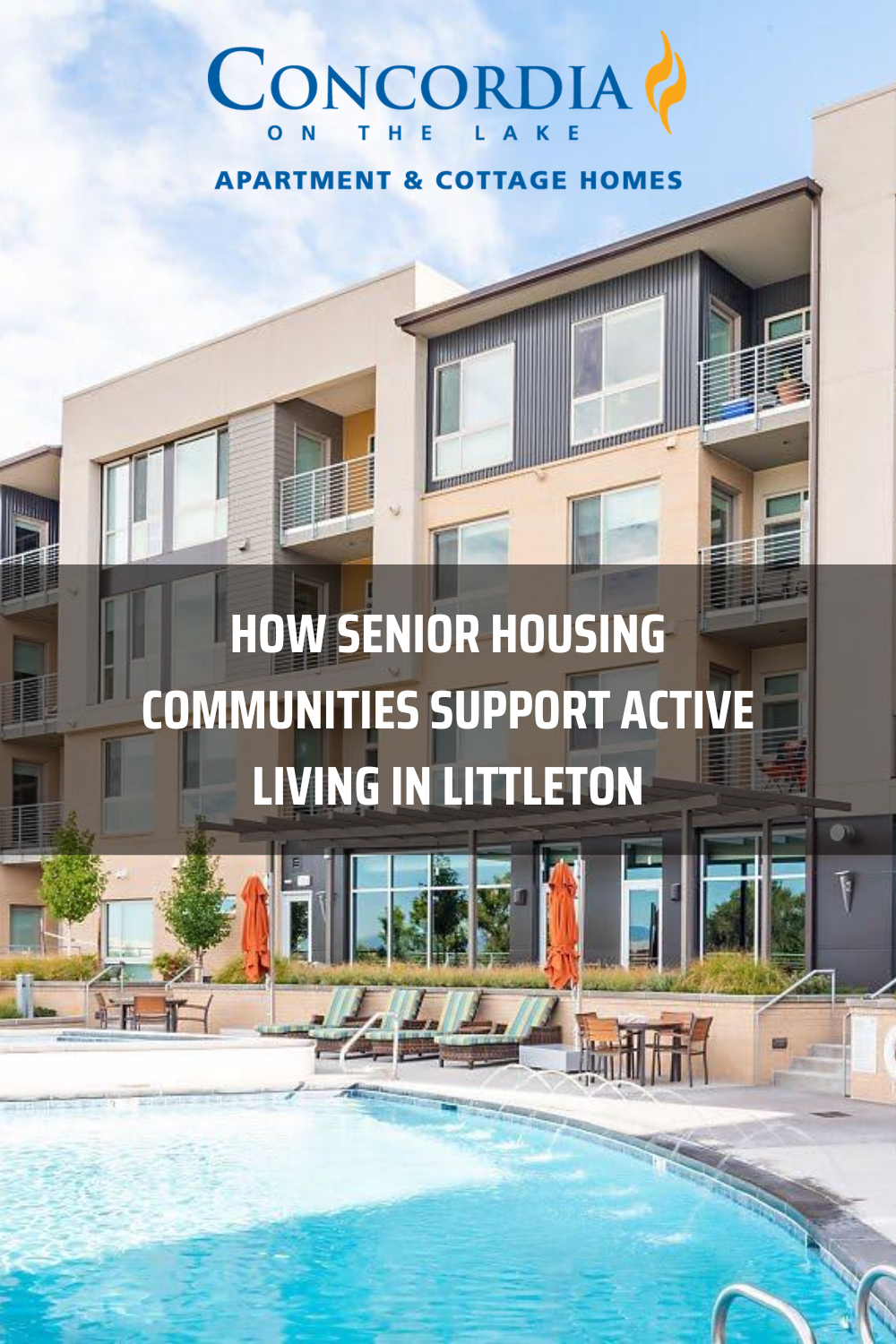
How Senior Housing Communities Support Active Living in Littleton
Retirement can be one of life’s most rewarding transitions. After decades spent raising families, building careers, and managing busy schedules, many older adults begin looking for something different—less stress, more connection, and a lifestyle centered around comfort and enjoyment.
In Littleton, Colorado, seniors are increasingly discovering that the right housing community can offer far more than a place to live. It can provide opportunities for friendship, wellness, recreation, and renewed independence.
Surrounded by Colorado’s natural beauty and close to parks, restaurants, healthcare providers, and family-friendly neighborhoods, Concordia on the Lake reflects the changing expectations seniors now have for retirement living.
Today’s older adults want environments that support active, fulfilling lifestyles while removing the burdens that often come with maintaining a traditional home.
Why More Seniors Are Downsizing Intentionally
For many older adults, downsizing is no longer viewed as giving something up. Instead, it is about simplifying life and creating room for experiences that matter most.
Large homes can eventually become difficult to maintain. Tasks such as:
- Yard work
- Snow removal
- Cleaning
- Repairs
- Climbing stairs
- Managing household upkeep
can create unnecessary stress and physical strain.
By moving into a senior-focused housing community, residents often gain freedom from these responsibilities while still maintaining privacy and independence.
“Retirement should feel enjoyable and empowering,” says Nicki Geiger of Concordia on the Lake. “Many residents discover that simplifying daily responsibilities allows them to spend more time focusing on friendships, hobbies, wellness, and the activities they truly love.”
This shift often creates greater emotional balance and improved quality of life.
The Emotional Benefits of Community Living
One of the greatest advantages of senior housing is the opportunity for social connection.
As people age, social circles may naturally become smaller due to retirement, relocation, or the loss of loved ones. Isolation can negatively impact emotional and physical health, making community engagement increasingly important.
Senior communities help residents remain socially active through:
- Shared events
- Group activities
- Wellness programs
- Educational opportunities
- Volunteer involvement
- Casual daily interactions
Even simple moments—sharing coffee with neighbors, attending a game night, or participating in group fitness classes—can significantly improve emotional wellness.
Many residents report feeling more connected and energized after moving into community-oriented environments.
Littleton Offers the Perfect Setting for Retirement
Littleton has become a highly desirable area for retirees because of its balance between peaceful suburban living and access to city amenities.
Older adults enjoy proximity to:
- South Platte River trails
- Historic Downtown Littleton
- Community centers and libraries
- Local healthcare networks
- Shopping and dining districts
- Scenic mountain views
The city’s welcoming atmosphere and slower pace make it especially appealing for seniors seeking comfort without feeling disconnected.
For families, knowing loved ones remain close to familiar surroundings and healthcare providers often brings reassurance during the transition into senior housing.
Modern Senior Housing Prioritizes Wellness
Today’s retirement communities are focused on creating healthier lifestyles rather than simply providing accommodations.
This includes attention to:
Physical Wellness
Many communities encourage movement and activity through fitness classes, walking paths, and wellness programs.
Mental Engagement
Lifelong learning opportunities, games, creative hobbies, and social programs help residents remain mentally stimulated.
Emotional Health
Friendships, routine, and meaningful social interaction support emotional well-being.
Stress Reduction
Maintenance-free living eliminates many of the responsibilities that create frustration and exhaustion for older adults.
These wellness-focused environments can positively influence overall happiness and long-term health.
Housing Communities Create Greater Safety and Convenience
Safety becomes an increasingly important consideration as seniors age.
Many older homes were not designed with aging adults in mind. Features such as stairs, slippery bathrooms, and heavy household maintenance responsibilities may increase fall risks and stress.
Senior housing communities are often designed to support accessibility and convenience through:
- Easier navigation
- Maintenance support
- Accessible layouts
- Emergency response systems
- Community staff availability
Families often feel reassured knowing loved ones live in environments designed specifically to support older adults.
Retirement Today Looks Different Than It Did Years Ago
Older generations often associated retirement communities with limited independence or institutional settings. Today’s senior housing communities are dramatically different.
Residents now seek:
- Active lifestyles
- Personalized experiences
- Social opportunities
- Comfortable private living spaces
- Flexible routines
- Community engagement
Many seniors continue traveling, volunteering, pursuing hobbies, and maintaining active schedules well into retirement.
Communities like Concordia on the Lake help support these lifestyles while reducing the stressors associated with traditional homeownership.
Building New Friendships Later in Life
Friendship and belonging remain essential at every age.
For seniors who have experienced major life changes such as retirement, relocation, or loss, moving into a community setting can provide emotional renewal through social connection.
Residents often form friendships through:
- Shared interests
- Dining experiences
- Community events
- Wellness activities
- Volunteer opportunities
These relationships contribute to emotional resilience and overall happiness.
For many seniors, community living helps create a stronger sense of purpose and belonging.
Planning Ahead Leads to Better Transitions
One of the most helpful things families can do is begin conversations about retirement living early.
Waiting until a health crisis occurs can make transitions feel rushed and stressful. Exploring options proactively allows seniors to make thoughtful decisions about where and how they want to live.
Signs it may be time to explore senior housing include:
- Feeling isolated at home
- Difficulty maintaining property
- Concerns about future safety
- Desire for greater convenience
- Interest in more social interaction
Starting these discussions early helps preserve independence and choice.
Supporting a More Enjoyable Retirement Experience
Retirement should be a season filled with opportunity, connection, and peace of mind—not stress and isolation.
For seniors in Littleton seeking a welcoming environment that supports active living, social engagement, and simplified daily routines, Concordia on the Lake offers a lifestyle designed around comfort and community.
Modern senior housing is about helping older adults live fully, stay connected, and enjoy each day with confidence and support.
To learn more about retirement housing and senior living resources, visit the Seniors Blue Book listing for Concordia on the Lake.
Frequently Asked Questions
What makes senior housing communities different today?
Modern senior communities focus on active living, wellness, social engagement, and personalized lifestyles rather than institutional care.
Can seniors remain independent in housing communities?
Yes. Many communities are specifically designed to support independence while providing convenience and accessibility.
Why do seniors choose to downsize?
Many older adults downsize to reduce stress, eliminate maintenance responsibilities, and improve quality of life.
Does community living help reduce loneliness?
Yes. Social interaction and organized activities often improve emotional wellness and reduce isolation.
Is Littleton a good retirement destination?
Littleton offers scenic beauty, healthcare access, recreational opportunities, and a welcoming community atmosphere that appeals to retirees.
Other Articles You May Like
Time to Downsize? A Guide to Right-Sizing Your Home in Ocean County
For many adults approaching retirement or entering their 50s and 60s, the family home represents decades of memories. It may be where children grew up, holidays were celebrated, and neighbors became lifelong friends. Yet as life changes, the home that once fit perfectly may begin to feel like more responsibility than freedom.For homeowners in Ocean County, New Jersey, deciding whether to stay, sell, or move to a smaller property can open the door to a new chapter. From the coastal communities of Long Beach Island (LBI) to Manahawkin, Barnegat, Stafford Township, and beyond, there are many lifestyle factors to consider when choosing where to live next.Working with a knowledgeable local real estate professional such as Carol Grinbaum, Realtor with Better Homes and Gardens Real Estate Murphy & Co., can help homeowners evaluate their options and make informed decisions about their next move.What Does Downsizing Really Mean?Downsizing is often associated with moving into a smaller house. However, for today's active adults over 50, the process is better understood as right-sizing: choosing a home that better matches current priorities, financial goals, and plans for the future.That might mean moving from a four-bedroom colonial to a two-bedroom ranch, trading a large yard for a condominium, or relocating closer to shopping, healthcare providers, family, and recreational activities.Some homeowners may even decide that a smaller property is not the right choice. They may prefer to remain in their current home and make practical improvements instead.The goal is not necessarily to have less space. It is to have a home that supports the life you want to live.Why Ocean County Homeowners Consider a Move After 50Less maintenance, more freedomA large property can require considerable time and money. Lawn care, snow removal, exterior painting, roof repairs, and landscaping may become increasingly burdensome when homeowners would rather spend their time traveling, golfing, visiting family, or enjoying the Jersey Shore.A smaller home may reduce some of those responsibilities, although maintenance obligations vary by property type and community.A different financial pictureSelling a longtime residence may provide an opportunity to access home equity, reduce monthly housing costs, or redirect money toward retirement priorities.However, the financial outcome depends on more than the sale price. Buyers should account for closing costs, moving expenses, property taxes, homeowners insurance, association fees, and potential renovations. Coastal properties may also require additional attention to flood insurance and storm-related risks.A real estate agent can help estimate a property's market value and compare potential alternatives. Financial, legal, and tax professionals can provide guidance on the broader implications of selling.A location that fits the next chapterSome residents want to remain close to the beaches and familiar neighborhoods they love. Others may want to move closer to adult children or choose a community with convenient access to daily services.Manahawkin offers a useful starting point for exploring the mainland near Long Beach Island, while Barnegat, Waretown, Toms River, and other Ocean County communities offer different property types and lifestyles.The best location depends on individual priorities, including transportation, social activities, healthcare access, and the amount of driving a homeowner is comfortable doing.What Housing Options Should You Explore?Ocean County offers several types of homes worth considering. Ranch-style homes: Single-level living may reduce the need to navigate stairs and can make daily routines more convenient. Condominiums: Some offer shared exterior maintenance, although buyers should carefully review association fees, rules, reserves, and responsibilities. Adult communities: Depending on the community, residents may find organized activities, recreational amenities, and opportunities to connect with neighbors. Age requirements and services differ. Smaller single-family homes: These can provide privacy and outdoor space without the upkeep of a larger property. Coastal properties: A home near LBI may support a beach-oriented lifestyle, but buyers should investigate flood exposure, insurance costs, evacuation considerations, and seasonal traffic. No single housing choice works for everyone. Touring different options can help clarify what feels comfortable and practical.How a Realtor Can Help You Make the TransitionSelling a longtime home is both a financial transaction and a personal milestone. A local Realtor can help break the process into manageable steps.Carol Grinbaum can be a starting point for discussing the local real estate market, evaluating a potential sale, and identifying properties that align with a homeowner's goals.A thoughtful moving plan should include: Clarifying priorities. Decide what matters most: fewer stairs, less maintenance, proximity to family, a particular community, or access to coastal recreation. Understanding the property's value. Review comparable sales and current competition rather than relying solely on online estimates. Estimating the full cost of moving. Consider selling expenses, purchasing costs, taxes, insurance, repairs, and monthly carrying costs. Planning the timeline. Determine whether you need to sell before buying, whether temporary housing might be necessary, and how much time you need to sort belongings. Preparing the property. Focus on repairs, decluttering, and presentation that make sense for the home's likely market. Suggested quote for Carol's approval: Downsizing is about finding the right fit for the next stage of life. Understanding what matters most to you helps guide the search toward a home that supports your lifestyle, comfort, and long-term plans.Don't Overlook the Emotional Side of DownsizingLeaving a family home can bring unexpected emotions. A dining room may hold memories of celebrations, while a backyard may represent years of watching children play.Rather than rushing the process, homeowners can begin by identifying the belongings they most want to preserve. Family photographs, heirlooms, and meaningful furniture can be prioritized while duplicate items and things no longer needed are gradually sorted.Adult children may want to help, but the homeowner should remain central to decisions whenever possible. The process is more likely to feel positive when it reflects the person's own preferences.For homeowners who need additional support, professional organizers, movers, and trusted family members can help make the transition more manageable.Frequently Asked QuestionsWhen should I start planning to downsize in Ocean County?Starting several months or even a year before a desired move can give you time to understand the market, compare housing options, organize belongings, and coordinate finances. The right timeline depends on your circumstances.Is Manahawkin a good place to consider when moving closer to LBI?Manahawkin is located on the mainland near Long Beach Island and may appeal to people who want access to Shore activities without living directly on the barrier island. Individual commute times, property costs, and lifestyle preferences should guide the decision.Should I buy my next home before selling my current one?That depends on your finances, available equity, lending options, and local market conditions. Discuss the risks and logistics with your real estate agent and lender before deciding.Are adult communities the same as assisted living?No. Adult communities generally provide residential housing, sometimes with age restrictions and shared amenities. Assisted living provides support services for eligible residents who need help with daily activities. Confirm the specific services and requirements of any property.How do I find a Realtor familiar with Ocean County?Review the agent's service area, communication approach, and experience with the property type and transaction you are considering. Carol Grinbaum's Seniors Blue Book listing provides a place to start.Take the First Step Toward Your Next ChapterWhether you are preparing to sell a longtime family home, exploring a smaller property, or considering a move closer to the Jersey Shore, thoughtful planning can make the transition easier.Visit Carol Grinbaum, Realtor's Seniors Blue Book listing to learn more about her real estate services and explore whether she is the right resource for your Ocean County housing plans. More information: Carol Grinbaum, Realtor Seniors Blue Book Listing
Housing Placement & Resource Specialists in Fairhope, AL
A family searching for senior housing can quickly accumulate a long list of names without feeling any closer to a decision. One community may suit the budget but not the assistance needed. Another may look appealing online yet be inconvenient for visits or appointments. Comparing those details takes time, especially during a sudden change in circumstances.Housing placement and resource specialists in Fairhope, AL help families organize that search. Prime Senior Placement Mobile and Baldwin County provides local senior living guidance, including support with identifying options and navigating a move. The value of the process begins with a clear description of the person who will live in the community.What housing placement specialists doA placement specialist helps turn preferences, budget, location, and support needs into a more focused housing search. Families can use that assistance to identify questions, arrange visits, and compare the information they receive.The specialist does not replace a communitys admission assessment or make every decision for the family. Ask how information is gathered, what options are considered, and how the final choice remains with the older adult and the authorized decision-makers.Identify the decision before choosing the addressStart by clarifying whether the person wants a different lifestyle, needs more daily help, or is facing a care transition. Those are related concerns, but they do not necessarily lead to the same setting.Describe the current routine, what has become difficult, and which priorities are nonnegotiable. A useful search brief might include proximity to family, an accessible bathroom, a comfortable monthly budget, and the assistance the person needs now.Prime Senior Placement serving FairhopePhone: 251-277-3338A process built around the householdPrimes official local page describes beginning with preferences, budget, lifestyle, and community fit. It then outlines narrowing the search, helping coordinate introductions and tours, supporting comparisons, and assisting through the transition and later questions. Ask how that process would apply to your situation. If there is a short timeline, explain the deadline. If you are planning ahead, ask which steps can be completed now without committing to a move.The local page identifies Jennifer Scott as a senior placement specialist serving Baldwin and Mobile counties. When calling, ask who will handle the search and how the family will receive updates.Understanding the no-cost servicePrime describes its placement guidance as free to families. That refers to the guidance, not the cost of housing or care.Ask how the service is compensated, which communities are included in its referral network, and whether options outside that network will be discussed. Request a clear explanation before sharing information or arranging tours so the family understands the scope of the recommendations.Turn recommendations into a useful comparisonAfter receiving suggested communities, request the reasons each option was included. Ask what has been confirmed directly and what still needs to be established through a tour or admission assessment.Useful comparison points include:Ability to meet the persons current support needsWritten costs and potential additional chargesAvailable apartment or room layoutLocation and transportation arrangementsPolicies for changing needs or a future moveThe residents own comfort with the settingKeep notes using the same questions for each visit. A consistent comparison makes it easier to see meaningful differences rather than choosing solely on first impressions.Why local placement guidance matters in FairhopeFor families on the Eastern Shore, a housing choice can affect how often relatives visit and how appointments are managed. A Fairhope location may be important, but some households may want to compare options in Daphne, Spanish Fort, or another part of Baldwin or Mobile County.Discuss those boundaries early. Explain which trips the family can realistically make, whether the resident relies on someone else to drive, and what connections they want to maintain.Local guidance is most useful when it translates those preferences into questions about actual daily life. Ask how a suggested community fits the persons routines, budget, and support network instead of relying only on a broad description of amenities.How to get started1. Prepare a short summary of current needs, preferred location, budget, and timeline.2. Call Prime Senior Placement at the Seniors Blue Book number, 251-277-3338.3. Explain who is involved in the decision and how the prospective resident wants to participate.4. Ask about the services scope, compensation, community network, and communication process.5. Review recommendations, visit appropriate communities, and request written costs directly.6. Confirm admission suitability with the selected community and review its agreement before committing.7. Ask what transition support and follow-up Prime will provide.Practical tip: Separate essential requirements from preferences. That helps the specialist narrow the search while preserving the features that matter most to the resident. Related categoriesAssisted Living in Fairhope Independent Living in Baldwin County
55+ Communities in Monmouth and Ocean: What Should Seniors Look For?
55+ Communities in Monmouth and Ocean Counties: What Seniors Should Look For Beyond the AmenitiesA swimming pool.A clubhouse.A fitness center.A golf course.Those features may appear prominently in advertisements for 55+ communities across New Jersey, but choosing the right community involves much more than checking off a list of amenities.For older adults considering an active-adult or 55+ community in Monmouth or Ocean County, the most important question may be:Will this community fit the way I actually want to live?That requires looking beyond the brochure.Start With Your LifestyleImagine an ordinary Tuesday rather than a Saturday afternoon open house.Where will you have coffee?Where will you grocery shop?How far will you drive to see your children?Will you participate in clubs?Do you want neighbors who are socially active?Would you use a pool or fitness center?How important is golf?Do you want easy access to restaurants?These questions can reveal more than a list of amenities.Monica Reddin specializes in working with buyers age 55 and older and holds the Seniors Real Estate Specialist designation.Not All 55+ Communities Are the SameThe term 55+ community covers a wide variety of housing environments.Some are large developments with extensive amenities and hundreds or thousands of residents.Others are smaller neighborhoods.Some emphasize golf.Others focus on clubs, pools, fitness or social activities.There are communities where homeowners own single-family homes, while others offer condominiums, villas or attached residences.Homeowners should compare the details carefully.Five Questions to Ask Before Buying1. What Are the Monthly Costs?The purchase price is only one piece of the financial picture.Ask about: HOA fees Community fees Property taxes Special assessments Maintenance responsibilities Recreation fees Transfer fees Other recurring expenses Understand what is included before making a decision.2. What Does the HOA Cover?A lower-maintenance lifestyle can be a major reason for moving to an active-adult community.But low maintenance can mean different things in different communities.Find out who handles landscaping, exterior maintenance, snow removal, roofs, roads and other responsibilities.3. What Is the Community Actually Like?Visit when residents are actually there.Talk to people.Observe whether neighbors gather outdoors.Ask about clubs and activities.Look at community calendars.A community can have dozens of amenities, but if they do not align with your interests, they may not add much value to your lifestyle.4. How Close Is Everything Else?A clubhouse may be five minutes away, but what about the grocery store?What about restaurants?Healthcare?Family?Places of worship?Golf?The beach?Shopping?Theater?Location outside the community matters just as much as what is inside it.5. What Happens If Your Needs Change?No one can predict exactly what life will look like 10 years from now.That does not mean buyers should make decisions based on worst-case scenarios.But it is reasonable to consider future flexibility.Is the home easy to navigate?Are there stairs?Could a first-floor bedroom work?How accessible are bathrooms?Could the home accommodate changing mobility needs?Monmouth and Ocean County Offer Different Lifestyle ChoicesThe Central Jersey and Jersey Shore region gives prospective buyers many options.A senior who loves Red Bank's restaurants, shops and cultural atmosphere may have different priorities from someone who wants a quieter community near golf.Someone who wants to remain near Middletown may prioritize proximity to family and familiar services.Another buyer may prefer Freehold, Howell, Toms River, Brick or Jackson.Monica's professional experience throughout Monmouth and Ocean Counties can help buyers compare communities based on both property characteristics and lifestyle priorities.Consider the Social SideOne of the potential benefits of an active-adult community is having built-in opportunities to meet people.That can matter significantly after retirement or following a move.Look at the actual activities available: Card groups Fitness classes Pickleball Golf Walking groups Book clubs Arts and crafts Volunteer opportunities Dining groups Holiday events Educational programs But remember that a schedule on a website does not necessarily tell the whole story.Ask residents what they actually participate in.A REALTOR Can Help Compare the Whole PictureSearching online can provide a tremendous amount of information, but it can also make the process confusing.A senior-focused real-estate professional can help organize the search around the buyer's priorities.Monica's professional background includes extensive experience in business and finance, followed by her real-estate career. Her current professional credentials include SRES and ABR designations.Her approach is centered on understanding the client's needs rather than simply matching a buyer with a property.As Monica says:Understanding the challenges that come with moving to a new town, not just a new home, I work closely with my clients to ensure their transition is smooth and enjoyable.Frequently Asked QuestionsWhat should seniors look for in a 55+ community?Look beyond amenities. Consider monthly costs, maintenance responsibilities, location, social opportunities, home design, accessibility and proximity to family and services.Are all 55+ communities in New Jersey the same?No. Communities vary substantially in size, housing styles, amenities, HOA structures, fees, activities and location.Is a 55+ community appropriate for someone who wants to stay active?It can be an option for people seeking an active-adult lifestyle, but each community should be evaluated individually based on its amenities and social environment.What questions should I ask before buying in a 55+ community?Ask about HOA fees, maintenance, taxes, assessments, community rules, amenities, activities, resale considerations and what is included in the monthly costs.How can I find a REALTOR who understands 55+ communities?Look for a REALTOR with experience working with older adults and specialized credentials such as the Seniors Real Estate Specialist designation.Learn MoreThinking about a move to a 55+ or active-adult community? Learn more about Monica Reddin's senior real-estate services through her Seniors Blue Book Listing: Homepage - MonicaReddin
Local Services By This Author
Concordia on the Lake
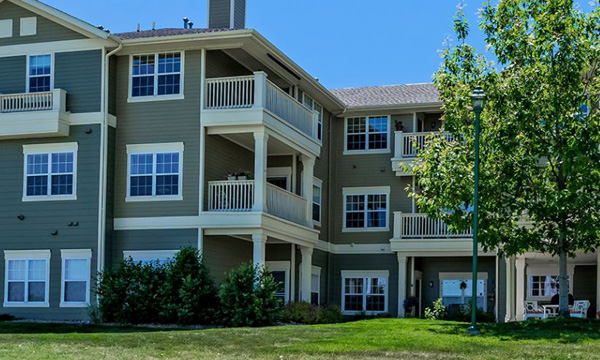
Housing - Other Types 6155 South Ammons Way, Littleton, Colorado, 80123Concordia on the Lake Active Adult Living in Littleton, COGetting more out of life starts with getting more out of where you liveand thats exactly what youll find at Concordia on the Lake in Littleton, Colorado. Designed specifically for active adults aged 62 and older, Concordia offers a vibrant, maintenance-free lifestyle that allows you to spend more time doing the things you love. Whether its socializing with friends, exploring cultural activities, or simply enjoying the beauty of the Rocky Mountains, Concordia on the Lake is the perfect place to embrace your next chapter.A Premier Active Adult Community in Littleton, COConcordia on the Lake is not just a place to liveits a community where you can thrive. Nestled in the heart of Littleton, this active adult living community offers a unique blend of independence, convenience, and social connection. With a variety of rental apartments and cottage homes, Concordia provides the freedom and flexibility to enjoy life without the burden of home maintenance.Imagine waking up each day knowing that your time is truly your own. At Concordia, youll have more opportunities to engage in a wide range of activities, from fitness classes and social events to art workshops and cultural outings. The community is designed to foster meaningful connections and create a sense of belonging, ensuring that every day is filled with purpose and joy.Maintenance-Free Living That Gives You More Time for What MattersOne of the greatest benefits of living at Concordia on the Lake is the maintenance-free lifestyle. Forget about yard work, snow removal, or home repairsour dedicated team takes care of it all. This means youll have more time to focus on what matters most: spending time with family and friends, pursuing hobbies, and exploring new interests.Concordia offers both spacious apartments and charming cottage homes, giving you the option to choose the living arrangement that best suits your lifestyle. Each residence is thoughtfully designed with modern finishes, full kitchens, and ample storage. Plus, the picturesque views of the nearby lakes and mountains create a serene and peaceful environment.A Vibrant Social and Cultural SceneLife at Concordia on the Lake is all about staying active, engaged, and connected. The community offers a wide range of social and recreational activities designed to suit a variety of interests. Residents can enjoy:Fitness and wellness programs, including yoga and strength trainingGroup outings to local cultural events, museums, and restaurantsSocial clubs, including book clubs, art classes, and game nightsLive entertainment and community gatheringsVolunteer opportunities within the Concordia community and the greater Littleton areaConcordia fosters a strong sense of community where neighbors become friends and every day presents new opportunities to engage and connect.Prime Location in Littleton, ColoradoConveniently located in Littleton, Concordia on the Lake offers easy access to some of Colorados most popular destinations. Explore nearby parks and walking trails, visit historic downtown Littleton with its charming boutiques and cafes, or take a short drive to Denver for a day of urban exploration. Concordias central location makes it easy to enjoy both the natural beauty of the Rocky Mountains and the vibrant culture of the city.The community itself is situated near scenic Johnson Reservoir, providing beautiful views and peaceful walking paths right outside your door. Whether you prefer a morning stroll around the lake or an afternoon picnic with friends, Concordias natural surroundings create a perfect backdrop for relaxation and recreation.Flexible and Affordable Rental OptionsConcordia on the Lake offers flexible and affordable rental options for both apartments and cottage homes. With no large upfront buy-in fees, you can enjoy the benefits of an active adult community without the financial commitment of homeownership. This means youll have more freedom to travel, pursue your passions, and enjoy life on your terms.The rental model at Concordia also includes access to a variety of community amenities and services, including:Beautifully landscaped grounds and walking trailsCommunity clubhouse with a fireplace lounge and game roomFitness center and wellness programsOn-site maintenance and securityConvenient transportation services for shopping and appointmentsDesigned for Active Adults Seeking a Fulfilling LifestyleAt Concordia on the Lake, youll find more than just a place to liveyoull discover a community that supports your desire for an active, fulfilling lifestyle. The thoughtfully designed residences, engaging social calendar, and maintenance-free living environment create the perfect balance of independence and connection.Whether youre looking to downsize, simplify your life, or find a community of like-minded peers, Concordia on the Lake offers everything you need to live your best life. Spend your days exploring new interests, building friendships, and creating lasting memories in a place where you truly feel at home.Discover the Concordia DifferenceAre you ready to embrace the next chapter of your life at Concordia on the Lake? Discover why so many active adults in Littleton have chosen Concordia as their home. To learn more about available rental options, community events, and the benefits of active adult living, call 303-933-3449 today.Start living the life youve always imaginedcarefree, connected, and full of possibilityat Concordia on the Lake.For information about Concordia on the Lake call 303-933-3449.
Concordia on the Lake Apartments
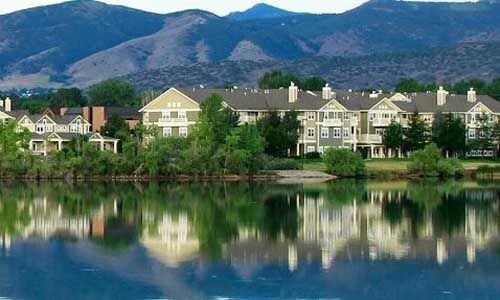
Independent Living 6155 South Ammons Way, Littleton, Colorado, 80123Discover Vibrant Independent Living at Concordia on the Lake Apartments Getting more out of life starts with getting more out of where you live and Concordia on the Lake Apartments in Littleton, CO offers the perfect place for active adults seeking a fun, engaging, and maintenance-free lifestyle. Nestled in the heart of beautiful Littleton, Concordia on the Lake provides a welcoming community where you can focus on the things that matter most socializing, exploring new hobbies, and enjoying a vibrant, carefree lifestyle.Independent Living Designed for Active AdultsConcordia on the Lake Apartments is more than just a place to live it's a thriving community built around the needs and interests of active adults. Our independent living apartments and cottage homes are thoughtfully designed to give you the comfort, convenience, and freedom you deserve. With a range of spacious floor plans, modern amenities, and scenic views of the nearby lake and mountains, you'll find the perfect home that suits your style and needs.At Concordia on the Lake, we understand that independence means having the time and freedom to enjoy life without the burden of home maintenance. Our maintenance-free lifestyle allows you to say goodbye to yard work, home repairs, and other time-consuming chores so you can spend more time doing what you love. Whether its attending social events, exploring the local Littleton community, or simply relaxing by the lake, Concordia on the Lake makes it easy to enjoy your golden years to the fullest.A Prime Location in Littleton, ColoradoLocated in the charming town of Littleton, CO, Concordia on the Lake offers the perfect blend of small-town charm and urban convenience. Our community is situated near the vibrant historic downtown area, where you can explore unique shops, local restaurants, and cultural attractions. The nearby South Platte River Trail and Chatfield State Park provide ample opportunities for outdoor recreation, including hiking, biking, and birdwatching.Public transportation options and major roadways make it easy to access Denver and other nearby cities for even more entertainment, shopping, and cultural experiences. Whether youre interested in exploring museums, attending concerts, or visiting family and friends, Concordia on the Lakes convenient location puts you close to it all.Spacious and Comfortable Apartment LivingOur independent living apartments at Concordia on the Lake are designed with comfort and convenience in mind. Choose from a variety of one- and two-bedroom floor plans, each featuring modern finishes, full kitchens, spacious closets, and private patios or balconies with scenic views. The thoughtfully designed interiors offer plenty of natural light, creating a warm and inviting atmosphere.For those seeking even more privacy and space, our cottage homes provide a stand-alone living option with the same access to all the community amenities and social activities. No matter which option you choose, youll enjoy the peace of mind that comes with knowing that home maintenance, landscaping, and snow removal are all taken care of for you.A Strong Sense of Community and BelongingAt Concordia on the Lake, we believe that community is at the heart of independent living. Our residents enjoy a full calendar of events and activities designed to foster connection and fun. From group fitness classes and art workshops to movie nights and happy hours, theres always something happening at Concordia.Join a book club, participate in a game night, or take part in one of our many volunteer opportunities. Our welcoming community makes it easy to meet new friends and build meaningful relationships. Plus, our dedicated staff is always available to support you and ensure you feel at home.Amenities That Enhance Your LifestyleConcordia on the Lake offers a wide range of amenities designed to make life more enjoyable and convenient. Some of the highlights include:Lakeside walking paths with beautiful viewsCommunity clubhouse for social gatherings and eventsFitness center with exercise classes and wellness programsLibrary with a diverse selection of books and reading materialsGame room for cards, puzzles, and board gamesOn-site salon for haircuts and personal groomingCommunity gardens for those with a green thumbScheduled transportation for shopping, doctors appointments, and local excursionsWhether you prefer an active lifestyle or quiet relaxation, Concordia on the Lake offers the perfect balance of activity and tranquility.A Focus on Health and WellnessLiving well means staying active and healthy. At Concordia on the Lake, we promote overall well-being through a variety of wellness programs and health-focused services. Our fitness center hosts group classes such as yoga, stretching, and strength training, and we offer access to health screenings and wellness seminars to keep you feeling your best.For those who enjoy the outdoors, our lakeside walking trails and beautifully landscaped grounds provide the perfect setting for a morning walk or an evening sunset stroll. Staying active and connected has never been easier.Flexible, Stress-Free LivingConcordia on the Lake offers flexible rental options, making it easy to find a living arrangement that fits your lifestyle and budget. Our rental-based model means theres no need to worry about property taxes, home maintenance, or unexpected expenses. This financial flexibility allows you to focus on enjoying life without the stress of homeownership.Our friendly staff is committed to making your transition to independent living as smooth and easy as possible. From helping you choose the right floor plan to coordinating your move, were here to support you every step of the way.Experience the Concordia on the Lake DifferenceCan you remember a time when you lived life doing the things that made you happy? At Concordia on the Lake Apartments in Littleton, CO, you can reclaim that feeling. Our independent living community offers the perfect combination of comfort, convenience, and connection giving you the freedom to enjoy life on your terms.Discover why so many active adults are choosing Concordia on the Lake for their next chapter. Schedule a tour today and experience the vibrant, maintenance-free lifestyle you deserve.For information about Concordia on the Lake call 303-933-3449.
Concordia on the Lake Cottages
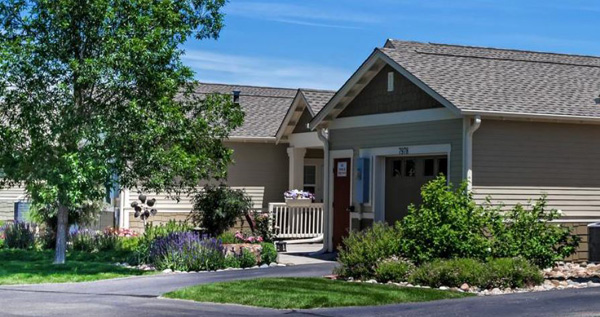
Independent Living 6155 South Ammons Way, Littleton, Colorado, 80123Concordia on the Lake Cottages in Littleton Premier Independent Living for Active AdultsDiscover a new chapter of life at Concordia on the Lake Cottages in Littleton, Coloradoa vibrant, welcoming community designed for independent living. If youre seeking a carefree, maintenance-free lifestyle where you can focus on the things that truly bring you joy, Concordia on the Lake offers the perfect solution. Nestled in the heart of Littleton, this picturesque community provides a peaceful yet engaging environment where you can enjoy your golden years surrounded by friends, nature, and endless opportunities for recreation and enrichment.Independent Living at Its FinestConcordia on the Lake Cottages are thoughtfully designed for active adults who want to maintain their independence while benefiting from the conveniences of a well-managed community. Our independent living cottages offer a unique blend of privacy and social connection, giving you the freedom to live life on your terms. Each spacious, single-story cottage features modern amenities and tasteful finishes, ensuring you have everything you need to live comfortably and securely.Our beautifully designed cottages include:Open floor plans with ample natural lightFully equipped kitchens with modern appliancesAttached garages for added convenience and storagePrivate patios or balconies for outdoor relaxationIn-unit washers and dryersEmergency call systems for peace of mindAt Concordia on the Lake, your comfort and safety are a top priority. Our professional maintenance team handles all home repairs, landscaping, and snow removal, allowing you to focus on enjoying life instead of dealing with household chores.A Vibrant Community for Active AdultsLiving at Concordia on the Lake means more than just having a beautiful cottageit means becoming part of a lively and welcoming community. The campus is designed to foster socialization and engagement, offering a wide range of activities and events to keep you connected and inspired.Residents can participate in a variety of organized activities, including:Fitness classes tailored for active adultsArts and crafts workshopsBook clubs and discussion groupsSocial events and holiday celebrationsVolunteer opportunities within the local communityThe community also features beautifully landscaped walking paths and easy access to nearby parks, making it perfect for morning strolls or quiet reflection.Prime Location in Littleton, COConcordia on the Lake is ideally situated in Littleton, Colorado, a charming and historic town known for its scenic beauty and welcoming atmosphere. You'll find a variety of shopping, dining, and cultural attractions just minutes away. Downtown Littleton offers a blend of small-town charm and modern convenience, with quaint boutiques, locally owned restaurants, and cultural events year-round.Nearby attractions include:Chatfield State Park Perfect for hiking, fishing, and picnickingHudson Gardens A stunning botanical garden and event venueHistoric Downtown Littleton Offering a variety of shops, galleries, and eateriesLittleton Golf and Tennis Club For golf and tennis enthusiastsPublic transportation and major roadways are easily accessible, making it simple to explore the greater Denver area or visit family and friends.Maintenance-Free Living for More FreedomAt Concordia on the Lake, we believe that independent living should be truly stress-free. Thats why we take care of all the detailsfrom home maintenance to landscapingso you can spend your time doing what you love. Whether you prefer to relax with a book, join a fitness class, or explore the local area, youll have the time and freedom to pursue your passions.Our all-inclusive services include:Weekly housekeepingLandscaping and lawn care24/7 emergency maintenanceTransportation for scheduled outings and medical appointmentsHealth and Wellness FocusedStaying healthy and active is a key part of independent living at Concordia on the Lake. Our community offers numerous wellness programs and resources to help you maintain a balanced and active lifestyle. From low-impact fitness classes to wellness workshops, we provide the support you need to stay fit and energized.Our wellness programs include:Yoga and stretching classesStrength training and balance exercisesHealth seminars and nutrition guidanceAccess to walking trails and outdoor spacesWhy Choose Concordia on the Lake Cottages?Concordia on the Lake Cottages offer more than just a place to livethey provide a lifestyle tailored for active, independent adults. The combination of maintenance-free living, social engagement, and access to top-notch amenities makes it easy to embrace a fulfilling and enriching life.Imagine waking up in a beautiful cottage, stepping outside to a peaceful walking trail, and then joining friends for a morning coffee or fitness class. Spend your afternoons exploring the local shops in Littleton or participating in a creative workshop. In the evening, gather with neighbors for a social event or simply enjoy a quiet sunset from your private patio.Concordia on the Lake allows you to design each day according to your preferenceswithout the burdens of home maintenance or yard work.Get More Out of Life at Concordia on the LakeRediscover the joy of independent living at Concordia on the Lake Cottages in Littleton, CO. Our maintenance-free homes, vibrant community, and engaging lifestyle options provide the perfect setting for you to thrive. Whether youre looking for an active social life, personal growth opportunities, or simply a relaxing and secure place to call home, Concordia on the Lake delivers it all.Contact us today to schedule a tour and see why Concordia on the Lake Cottages are the ideal choice for independent living in Littleton, Colorado. Come experience a community where you can live life on your termssurrounded by beauty, friendship, and endless possibilities.For information about Concordia on the Lake call 303-933-3449.