How the Associated Veterans Club of Loveland Supports Aging Veterans
Associated Veterans Club of Loveland
Dec 17, 2025
Colorado - Northern Colorado


How the Associated Veterans Club of Loveland Supports Aging Veterans
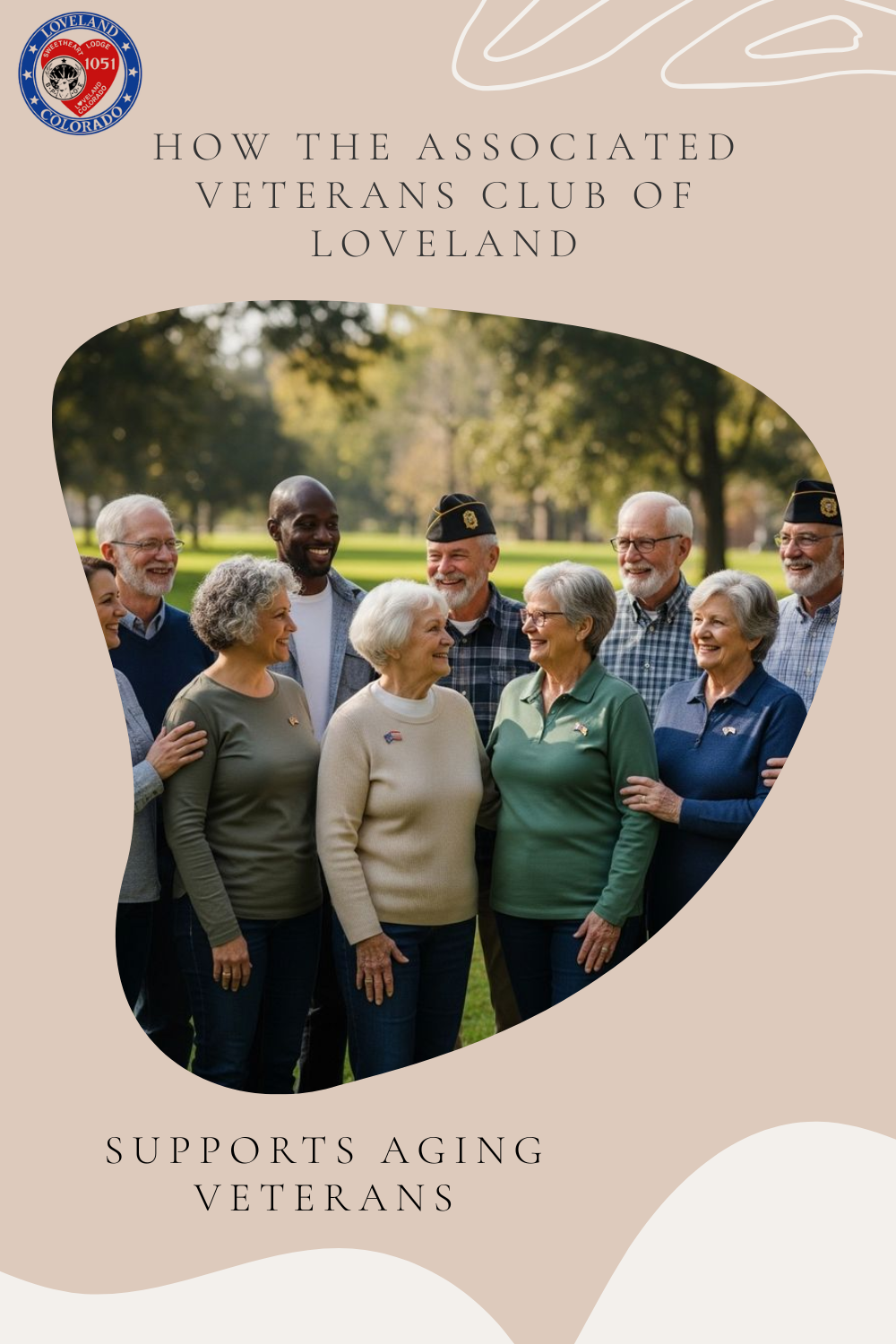
In Loveland, the legacy of military service is honored not only through ceremonies and holidays, but through everyday connection and community. For many older veterans, retirement and aging can bring a loss of structure, camaraderie, and purpose once found in military life. The Associated Veterans Club of Loveland provides a welcoming place where veterans can reconnect, share experiences, and continue serving one another.
More than a social organization, the club offers fellowship, mutual support, and a sense of belonging that is especially meaningful for senior veterans navigating later stages of life. It stands as a reminder that service does not end when the uniform comes off—it simply takes new forms.
Why Veteran Organizations Matter for Seniors
Aging veterans often face unique challenges, including:
-
Social isolation after retirement
-
Health issues connected to military service
-
Difficulty navigating benefits and resources
-
Loss of peer networks who understand military culture
Veteran organizations help address these challenges by creating environments where shared experiences build trust quickly. For senior veterans, this sense of understanding can be deeply reassuring.
A Place Built on Shared Experience
The Associated Veterans Club of Loveland brings together veterans from different branches, eras, and backgrounds. While their service stories may differ, members share a common bond rooted in commitment and sacrifice.
Regular gatherings, meetings, and social activities create opportunities for conversation, laughter, and mutual encouragement. For many members, the club becomes a second family—one that understands without needing explanation.
Supporting Veterans Beyond Social Connection
While fellowship is central, the club also serves as a valuable information hub. Members often share knowledge about:
-
Veteran benefits and local resources
-
Community events and service opportunities
-
Support services for health, housing, or financial needs
This peer-to-peer support helps veterans stay informed and connected to assistance they may not realize is available.
A Lifeline Against Isolation
Social isolation is a serious concern for older adults, and veterans are no exception. The transition from active work life to retirement can feel abrupt, especially for those accustomed to teamwork and mission-driven roles.
Veteran organizations provide:
-
Routine and structure through meetings and events
-
Purpose through service and volunteerism
-
Emotional support from peers who understand military life
These elements contribute significantly to mental and emotional well-being.
Leadership Rooted in Care and Respect
The Associated Veterans Club of Loveland is guided by leaders who understand the importance of community and compassion. Their focus is on inclusion, respect, and ensuring every veteran feels welcome.
As Lori, manager of the Associated Veterans Club of Loveland, shares:
“Our club exists so veterans never feel alone. Whether someone served decades ago or more recently, this is a place where their service is understood and honored every day.”
That commitment creates an environment where veterans feel valued—not just remembered.
Continuing the Spirit of Service
Many members find renewed purpose through involvement in the club. Participating in community events, supporting fellow veterans, or simply showing up for one another allows seniors to continue serving in meaningful ways.
This ongoing sense of purpose can be especially important during aging, reinforcing identity and self-worth.
Welcoming Families and the Broader Community
While centered on veterans, the club often engages with families and the broader Loveland community. These connections help bridge generations and foster understanding of veterans’ experiences.
Family members often appreciate knowing their loved ones have a supportive, understanding network beyond the household.
A Community Anchor in Loveland
The Associated Veterans Club of Loveland contributes to the strength of the local community by keeping veterans engaged, visible, and supported. When veterans thrive socially and emotionally, the entire community benefits.
The club serves as a reminder that honoring veterans means supporting them throughout their lives—not just on special occasions.
When Should Veterans Consider Joining?
Veterans may find value in joining if they:
-
Are newly retired and seeking connection
-
Feel isolated or disconnected
-
Want to stay informed about veteran resources
-
Miss the camaraderie of military life
There is no “right time” to join—only the willingness to connect.
Visit the Associated Veterans Club of Loveland on Seniors Blue Book
If you or someone you care for is a veteran seeking senior-focused organizations and services in Loveland, the Associated Veterans Club of Loveland offers fellowship, support, and purpose. Their Seniors Blue Book listing provides details on meetings, membership, and activities.
Frequently Asked Questions (FAQs)
Who can join the Associated Veterans Club of Loveland?
Membership is generally open to veterans. Specific eligibility details can be confirmed through the listing.
Is the club only for seniors?
While many members are older adults, veterans of various ages may participate.
Are there regular meetings or events?
Yes. The club hosts gatherings and activities throughout the year.
Do members need to be from a specific branch?
No. Veterans from all branches are welcome.
Can joining help veterans feel less isolated?
Absolutely. Many members report stronger social connections and improved well-being.
Other Articles You May Like
How Better Hearing Can Help Seniors Stay Socially Connected
Staying socially connected is an important part of healthy aging. Spending time with family, talking with friends, attending community events, and participating in hobbies can help seniors maintain meaningful relationships and enjoy a greater sense of purpose.However, hearing loss can sometimes make social activities more difficult. When conversations become challenging to follow, a senior may begin avoiding restaurants, family gatherings, clubs, religious services, or other activities they once enjoyed.The good news is that addressing hearing loss may make it easier for seniors to communicate, participate, and remain connected with the people and activities that matter most.Hearing Loss Can Make Conversations More DifficultOne of the most noticeable effects of hearing loss is difficulty following conversations. This can be especially challenging when several people are talking at once or when there is background noise.A senior may hear that someone is speaking but has trouble understanding the words. They may frequently ask others to repeat themselves or worry that they are responding incorrectly.Over time, these challenges can make everyday conversations frustrating and exhausting.Social Situations Can Become OverwhelmingMany popular social activities take place in environments where hearing clearly can be difficult. Restaurants, family celebrations, community centers, and sporting events may all have background noise that makes conversation harder to understand.Someone experiencing hearing loss may begin to think: "It's too noisy for me to hear." "I don't want to keep asking people to repeat themselves." "I'm afraid I'll miss something important." "It's easier to stay home." When these feelings lead a senior to participate less often, they can gradually become less socially active.Better Hearing Can Make Family Time More EnjoyableFamily relationships are an important source of connection for many older adults. Being able to comfortably hear conversations can make visits with children, grandchildren, siblings, and other loved ones more enjoyable.Better hearing can help seniors participate in conversations instead of simply listening from the sidelines. It can also make it easier to hear grandchildren's stories, enjoy jokes, discuss family news, and stay involved in everyday conversations.These seemingly small interactions can make a big difference in maintaining close relationships.Hearing Can Help Seniors Stay Involved in Their CommunitiesSocial connection extends beyond family. Seniors may have friendships and relationships through volunteer activities, senior centers, clubs, classes, faith communities, exercise groups, or other organizations.When hearing difficulties interfere with participation, a senior may gradually stop attending.Addressing hearing loss may help make these activities more comfortable. Being able to follow conversations and interact with others can encourage seniors to continue participating in the communities they enjoy.Better Hearing May Increase ConfidenceHearing loss can sometimes affect a person's confidence in social situations. A senior may worry about misunderstanding a question, giving an inappropriate response, or missing an important part of a conversation.These concerns can cause someone to become quieter or withdraw from conversations.Improving hearing may provide greater confidence. When seniors can hear and understand what is being said, they may feel more comfortable speaking up, asking questions, and participating in conversations.Staying Socially Active Is Important as We AgeMaintaining social connections can contribute to overall quality of life. Friends and family can provide companionship, encouragement, emotional support, and opportunities to stay engaged with the world around us.Social activities also give seniors opportunities to laugh, share experiences, learn new things, and maintain a sense of belonging.Hearing well can make it easier to take advantage of these opportunities.Hearing Aids May Help Seniors Participate More FullyFor seniors with hearing loss, hearing aids may be one option for improving communication. Modern hearing aids are designed to amplify sounds and can be selected and adjusted based on an individual's hearing needs and lifestyle.A hearing professional can evaluate a person's hearing and discuss whether hearing aids may be appropriate.It is important to remember that hearing aids are not necessarily an instant solution. Seniors may need time to adjust to hearing sounds differently, and follow-up appointments can help ensure that the devices are working comfortably and effectively.Family Members Can Help, TooFamily and friends can make communication easier for someone experiencing hearing loss.Simple changes can include: Getting the person's attention before speaking Facing them during conversations Speaking clearly and at a comfortable pace Reducing unnecessary background noise Moving to a quieter area when possible Avoiding shouting Being patient when something needs to be repeated These strategies can help make conversations more comfortable for everyone.Don't Let Hearing Loss Lead to IsolationHearing loss does not have to mean giving up the activities and relationships a senior enjoys. If communication has become increasingly difficult, it may be time to have hearing evaluated.Some common signs that a hearing evaluation may be helpful include: Frequently asking others to repeat themselves Turning the television volume higher than others prefer Having difficulty understanding conversations in restaurants or groups Struggling to hear on the telephone Feeling that people are mumbling Avoiding social gatherings because hearing is difficult Relying heavily on watching people's faces or lips when they speak Recognizing these signs and seeking professional guidance can be an important first step toward staying socially engaged.Better Hearing Can Help Seniors Stay ConnectedSocial connection is an important part of enjoying life at any age. For seniors experiencing hearing loss, improving communication may make it easier to participate in conversations, spend time with loved ones, maintain friendships, and continue enjoying favorite activities.If you or someone you love is having difficulty hearing, consider scheduling a professional hearing evaluation. Understanding the cause and degree of hearing loss can help determine what options may be available.Darrell M. Sipe Opticians & Hearing Aids is committed to helping patients with their hearing and vision needs. Better hearing can be about much more than hearing sounds, it can help seniors remain involved, confident, and connected to the people and activities that make life meaningful.
Hearing Loss and Independence: What Seniors Should Know
Independence is important at every stage of life. For many seniors, being independent means being able to communicate with others, make their own decisions, participate in social activities, manage everyday responsibilities, and continue doing the things they enjoy.Hearing plays an important role in maintaining that independence. When hearing loss goes untreated, everyday communication can become more difficult and frustrating. Over time, some seniors may begin avoiding situations where they have trouble hearing or relying more heavily on family members for help.The good news is that hearing loss doesn't have to mean giving up your independence. Understanding the signs of hearing loss and seeking appropriate hearing care can help seniors stay connected and confident in their daily lives.How Hearing Loss Can Affect IndependenceHearing loss can affect much more than the ability to hear a conversation. It can influence how a senior interacts with family, friends, healthcare providers, coworkers, and members of the community.For example, a senior with hearing loss may have difficulty: Understanding instructions Communicating with healthcare providers Hearing someone at the front door or on the telephone Following conversations in restaurants or other busy environments Participating in group activities Communicating while shopping or running errands Hearing alarms, doorbells, or other important sounds Staying connected with family and friends When these challenges become frustrating, a person may begin relying on others or avoiding certain activities altogether.Hearing Loss Can Make Communication More DifficultCommunication is a major part of independent living.If you frequently have to ask people to repeat themselves or find yourself guessing what someone said, everyday conversations can become tiring.You may also find yourself depending on family members to repeat information or explain what was said during important conversations.Addressing hearing difficulties can make it easier to communicate directly and confidently with the people around you.Staying Connected Is Part of Staying IndependentIndependence doesn't mean doing everything alone. Maintaining relationships and staying involved in your community are also important parts of a fulfilling life.Hearing loss can sometimes cause seniors to withdraw from social activities because they are embarrassed or frustrated when they cannot follow conversations.A person may stop going to restaurants, attending family gatherings, participating in community activities, or visiting friends.Seeking hearing care may make it easier to participate in these activities and maintain the social connections that contribute to a healthy and active lifestyle.Hearing Loss and Healthcare ConversationsClear communication with healthcare providers is especially important for older adults.During medical appointments, seniors may need to understand instructions, ask questions, discuss symptoms, and make decisions about their care.Having difficulty hearing important information can create unnecessary confusion.If you have hearing loss, let your healthcare provider know. Wearing your hearing aids when appropriate, asking people to speak clearly, and choosing a quieter environment can make important conversations easier.Hearing Aids May HelpFor seniors with hearing loss, hearing aids may help improve access to speech and everyday sounds.Modern hearing aids are available in a variety of styles and technology levels. A hearing professional can evaluate your hearing and help determine what type of device may be appropriate for your individual needs.Hearing aids don't necessarily make hearing the same as it was before hearing loss. However, they can help many people hear speech and environmental sounds more easily.The right hearing solution depends on factors such as hearing loss, lifestyle, communication needs, comfort, and personal preferences.Getting Used to Hearing Aids Takes TimeIf you are new to hearing aids, remember that adjusting to them can take time.Sounds may initially seem different or louder than you remember. Your brain needs time to become accustomed to hearing sounds through devices.Work with your hearing professional and follow their recommendations for wearing and caring for your hearing aids. Follow-up appointments can also help address comfort or sound-quality concerns and allow adjustments when needed.Simple Strategies Can Make Communication EasierWhether or not you use hearing aids, there are ways to make everyday communication more successful.Reduce Background NoiseWhen possible, move to a quiet area before having an important conversation. Turning down the television or radio can make it easier to focus on speech.Face the Person SpeakingBeing able to see the speaker's face provides helpful visual information and can make communication easier.Ask People to Speak ClearlyIf you dont understand something, don't be afraid to ask the person to repeat or rephrase it.Be Open About Your HearingLet friends, family members, and healthcare providers know if you have difficulty hearing. Most people are happy to make small adjustments when they understand what you need.Don't Let Embarrassment Stand in Your WaySome seniors avoid talking about hearing loss because they worry that wearing hearing aids will make them appear older or less independent.In reality, taking action to address hearing loss can be a positive step toward maintaining independence.Seeking professional help doesn't mean you are giving up control. It means you are taking an active role in managing your health and finding ways to make everyday life easier.Family Members Can Offer SupportFamily members can play an important role in helping seniors address hearing loss, but the senior should remain involved in decisions about their hearing care.Instead of making decisions for your loved one, encourage them to have their hearing evaluated and learn about their options.Be patient during conversations and avoid shouting. Face them when speaking, reduce background noise, and give them time to respond.Support and encouragement can make it easier for a senior to take the first step toward better hearing.When Should You Have Your Hearing Checked?If you have noticed changes in your hearing, don't wait until communication becomes extremely difficult before seeking help.Consider scheduling a hearing evaluation if you: Frequently ask people to repeat themselves Turn the television volume up higher than others prefer Have trouble hearing in restaurants or groups Struggle to understand conversations on the telephone Feel that people are mumbling Avoid social activities because hearing is difficult Have difficulty hearing important sounds around your home A professional hearing evaluation can help determine whether hearing loss is present and provide information about your options.Protecting Your Independence Starts With Taking Care of YourselfHearing loss doesn't have to prevent seniors from living active, independent lives. Recognizing hearing difficulties and seeking appropriate care can help make communication easier and support continued participation in the activities and relationships that matter most.If you or someone you love is experiencing hearing difficulties, consider scheduling a professional hearing evaluation. Understanding your hearing is the first step toward finding the right solution for your needs.Darrell M. Sipe Opticians & Hearing Aids provides hearing care services to help seniors understand their hearing needs and explore appropriate solutions.Your independence is worth protecting. Don't let untreated hearing loss keep you from communicating, participating, and enjoying the life you want to live.
Hearing Aids and Seniors: What to Expect
Hearing loss can affect many areas of a senior's life, from conversations with family members to enjoying television, attending social events, or communicating with friends. For some older adults, hearing aids can be an important tool for making everyday communication easier.If you or a loved one has recently been told that hearing aids may be beneficial, you may have questions about what happens next. Will they be comfortable? Will you hear normally again? How long will it take to get used to them?Understanding what to expect can make the process less overwhelming and help seniors feel more confident about taking the next step.The First Step Is a Hearing EvaluationBefore recommending hearing aids, a hearing professional will typically evaluate your hearing.A hearing evaluation helps determine whether hearing loss is present and provides information about the type and degree of hearing difficulty. Your hearing professional can also discuss how your hearing affects your everyday activities.Be open about the situations in which you have difficulty hearing. For example, let your provider know if you struggle most with conversations in restaurants, talking on the telephone, watching television, or hearing family members.This information can help guide recommendations based on your individual needs.Your Hearing Aids Should Be Selected for YouThere is no single hearing aid that is right for every senior.Hearing aids come in different styles, sizes, features, and technology levels. Your hearing professional can help you understand your options and choose devices that fit your hearing needs, lifestyle, and preferences.Consider the activities that are important to you. Someone who spends most of their time in quiet surroundings may have different needs from someone who regularly attends family gatherings, restaurants, community events, or other busy environments.Getting Your Hearing Aids Properly FittedOnce you have selected your hearing aids, they need to be properly fitted and adjusted.A hearing professional can make sure the devices fit comfortably and are programmed appropriately for your hearing loss.Don't hesitate to speak up if something doesn't feel or sound right. Hearing aids can often be adjusted to improve comfort and sound quality.The goal is not simply to put hearing aids in your ears. The goal is to help you hear as comfortably and effectively as possible.You May Notice That Sounds Seem DifferentOne of the biggest surprises for first-time hearing aid users is that sounds may seem different when they begin wearing their devices.You may suddenly notice sounds you haven't heard clearly in a long timethe refrigerator running, birds outside, footsteps, or the rustling of clothing.Your own voice may also sound different at first.This doesn't necessarily mean something is wrong. Your brain needs time to become accustomed to receiving sounds differently.Getting Used to Hearing Aids Takes TimeAdjusting to hearing aids is a process.Some seniors become comfortable wearing their devices relatively quickly, while others need more time. Start by wearing them for the amount of time recommended by your hearing professional and gradually become accustomed to using them throughout your day.Try wearing your hearing aids during conversations with one person in a quiet environment before moving into more challenging listening situations.Patience is important. Give yourself time to adjust.Hearing in Noisy Places May Take PracticeMany people expect hearing aids to immediately make every conversation effortless. However, noisy environments can remain challenging.Restaurants, parties, family gatherings, and other busy environments contain many competing sounds. Your hearing professional can help you learn how to use your hearing aids effectively in these situations.Some hearing aids include features designed to help manage background noise, but it is still helpful to position yourself where you can see the person speaking and reduce unnecessary background noise when possible.Family Members Can HelpFamily support can make the adjustment process easier.Encourage family members to face you when speaking, reduce background noise when possible, and give you time to become accustomed to your hearing aids.It is also important for family members to understand that hearing aids don't restore hearing to exactly the way it was before hearing loss. They are designed to help improve access to sound and make communication easier.Learn How to Care for Your Hearing AidsProper care can help keep your hearing aids functioning properly.Your hearing professional can show you how to: Insert and remove your hearing aids Clean them properly Change or recharge batteries Store them safely Keep them away from moisture Recognize when they may need cleaning or servicing If your hearing aids aren't working properly, don't assume that they need to be replaced. Sometimes a simple cleaning, adjustment, or repair can solve the problem.Follow-Up Appointments Are ImportantYour first hearing aid fitting is not necessarily the end of the process.Follow-up appointments give your hearing professional an opportunity to see how you are doing and make adjustments if necessary.Let your provider know about any concerns you have. Perhaps certain sounds seem too loud, the devices feel uncomfortable, or you are still struggling in particular listening environments.Small adjustments can sometimes make a significant difference in your experience.Be Patient With YourselfIt is normal to have questions or frustrations when you first begin wearing hearing aids.Learning how to use the devices, getting comfortable with the fit, adjusting to new sounds, and incorporating hearing aids into your daily routine all take time.Don't become discouraged if everything doesn't feel perfect immediately. Stay in communication with your hearing professional and follow their recommendations.Hearing Aids Can Help You Stay ConnectedFor seniors experiencing hearing loss, the goal of hearing care isn't simply to hear more sounds. It's about making communication easier and helping you stay connected to the people and activities that are important to you.Hearing aids may help make conversations with family easier, improve your ability to participate in social situations, and make everyday sounds more accessible.If you or a loved one is experiencing hearing difficulties, a professional hearing evaluation is a good place to start.Darrell M. Sipe Opticians & Hearing Aids provides hearing care services to help seniors and their families understand hearing loss and explore appropriate hearing solutions.If hearing loss is making conversations or everyday activities more difficult, don't assume you simply have to live with it. Talk with a hearing professional, learn about your options, and take the first step toward better communication.