How the Glenn A. Jones, M.D. Memorial Library Serves Seniors in Johnstown
Glenn A. Jones, M.D. Memorial Library
For more information about the author, click to view their website: Glenn A. Jones, M.D. Memorial Library
Dec 16, 2025
Colorado - Northern Colorado


How the Glenn A. Jones, M.D. Memorial Library Serves Seniors in Johnstown
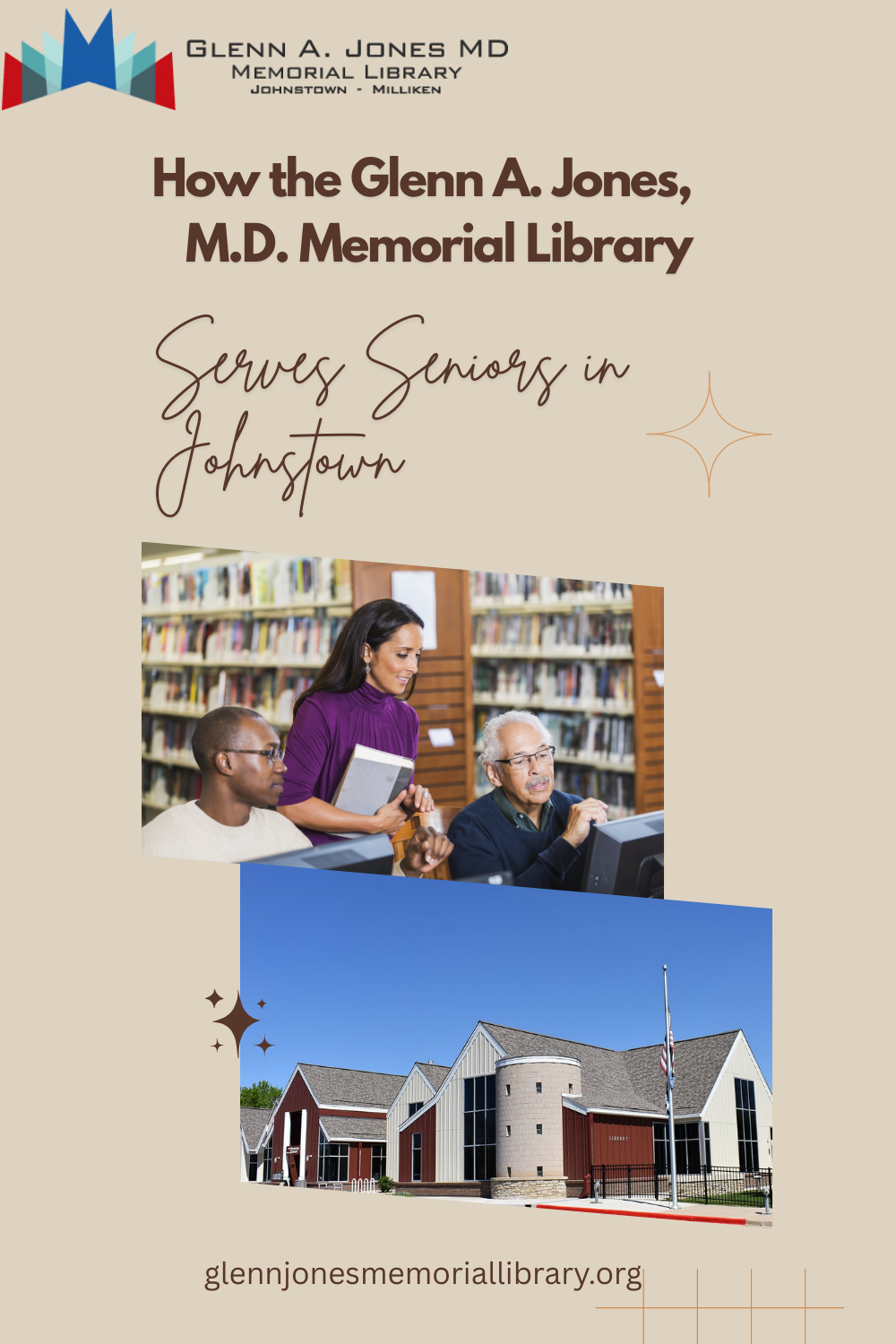
Libraries have always been places of discovery, reflection, and connection. For older adults, they can also be gateways to lifelong learning, social engagement, and practical support. In Johnstown — a growing Northern Colorado town that blends small-town warmth with regional access — the Glenn A. Jones, M.D. Memorial Library stands as a welcoming, inclusive space where seniors can stay informed, curious, and connected.
More than shelves of books, the library is a community hub that supports older adults through accessible resources, technology assistance, and programs designed to meet people where they are — whether they’re lifelong readers, returning learners, or neighbors simply seeking a quiet place to belong.
Why Libraries Matter More Than Ever for Seniors
As people age, access to reliable information and welcoming public spaces becomes increasingly important. Libraries offer a rare combination of free resources, human connection, and intellectual stimulation, all under one roof.
For seniors, libraries can help:
-
Reduce social isolation through programs and shared spaces
-
Support cognitive health with reading, learning, and discovery
-
Bridge the digital divide with computer and internet access
-
Provide trustworthy information on health, finances, and community services
In communities like Johnstown, where many older adults value independence and connection, the library plays a vital role in daily life.
A Library Designed to Serve the Whole Community
The Glenn A. Jones, M.D. Memorial Library is thoughtfully designed to be accessible and welcoming to patrons of all ages. Seniors often appreciate features such as:
-
Comfortable seating and quiet reading areas
-
Large-print books and audiobooks
-
Helpful staff available for one-on-one assistance
-
Accessible computers and technology resources
Whether someone visits weekly or just occasionally, the library offers a sense of familiarity and belonging that many seniors treasure.
Lifelong Learning at Every Stage
Learning doesn’t stop at retirement — in fact, many older adults find they have more time to explore interests, hobbies, and new ideas. Libraries support lifelong learning by offering access to:
-
Books, magazines, and newspapers
-
Educational DVDs and audiobooks
-
Online learning platforms and research tools
-
Community lectures, clubs, and discussion groups
For seniors who enjoy staying mentally engaged, the library provides endless opportunities to learn at their own pace.
A Friendly, Knowledgeable Point of Contact
One of the most valued aspects of a community library is the people who work there. Library staff often become trusted guides for patrons seeking information or assistance.
A representative from the reference desk at the Glenn A. Jones, M.D. Memorial Library shares this perspective:
“We see the library as a place where questions are always welcome. Whether someone needs help finding a book, using a computer, or connecting with local resources, we’re here to help.”
— Reference Desk
This approachable, service-oriented mindset helps seniors feel comfortable asking questions and exploring new tools.
Technology Access and Digital Confidence
For many older adults, technology can feel intimidating — especially as more services move online. Libraries help close this gap by offering:
-
Public computers and internet access
-
Assistance with email, forms, and basic technology use
-
Access to online resources without needing personal devices
For seniors managing healthcare portals, benefits applications, or family communication, this support can be invaluable.
Social Connection Through Shared Spaces
Libraries are among the few remaining public spaces where people can gather without expectation or cost. For seniors, this openness fosters connection and routine.
At the library, older adults may:
-
Participate in book clubs or discussion groups
-
Attend community events or educational programs
-
Enjoy quiet companionship in shared reading spaces
-
Build informal connections with staff and other patrons
These small interactions can make a big difference in emotional well-being.
Supporting Caregivers and Families
Libraries also serve caregivers and families by providing access to:
-
Reliable information on aging and caregiving topics
-
Educational materials on health and wellness
-
A calm, neutral space for learning and reflection
For caregivers seeking trustworthy resources or a brief respite, the library can be an unexpectedly helpful ally.
Local Context: Johnstown’s Growing Senior Population
Johnstown has grown steadily in recent years, attracting families and retirees alike. As the community evolves, the Glenn A. Jones, M.D. Memorial Library continues to adapt its services to meet changing needs — including those of older residents.
By offering inclusive programming and accessible resources, the library helps ensure seniors remain active participants in community life.
When to Make the Library Part of Your Routine
The library may be especially helpful if:
-
You enjoy reading or audiobooks but want free access
-
You need occasional computer or internet use
-
You’re looking for quiet social spaces
-
You want to explore new interests or hobbies
-
You value lifelong learning and community connection
Even a single visit can open the door to new routines and relationships.
Frequently Asked Questions About Library Services for Seniors
Is a library card required to visit?
No. Anyone can visit and use many in-house resources.
Are there materials for vision or hearing challenges?
Yes. Libraries often offer large-print books and audiobooks.
Can staff help with basic computer questions?
Yes. Staff are available to assist with general technology use.
Is the library only for Johnstown residents?
Some services may be limited, but many resources are open to all visitors.
Are programs geared toward older adults?
Libraries often offer programs that appeal to a wide range of ages, including seniors.
Discover Local Resources Through Seniors Blue Book
If you’re looking for a welcoming place to learn, connect, and explore in Northern Colorado, the Glenn A. Jones, M.D. Memorial Library is a valuable community resource for seniors in Johnstown. Visit their Seniors Blue Book listing to learn more about services, hours, and opportunities.
Libraries don’t just preserve knowledge — they help communities thrive at every age.
Other Articles You May Like
Medicare/Medicaid/Insurance in Lafayette, CO
When an older adult needs help at home and sees several clinicians, a coverage decision can affect everything from prescription refills to rides. If youre considering TRU PACE in Lafayette, start by asking how enrollment would change the care and coverage you already use. How Medicare and Medicaid Fit Into PACEPACE is the Program of All-Inclusive Care for the Elderly. It coordinates healthcare and support for eligible adults who meet a state standard for nursing home-level care and can live safely in the community with PACE support at enrollment. Applicants must also be 55 or older and live in the programs service area. TRU PACE and Your Current CoveragePhone: 303-665-0115Medicare says people with Medicaid pay no monthly PACE premium. Medicare beneficiaries without Medicaid pay premiums for the long-term care portion and Medicare Part D drugs. Medicare also says participants owe no deductible, copayment, or coinsurance for drugs, services, or care approved by their PACE team. Ask TRU PACE for an estimate based on your individual coverage before enrolling. Doctors, Prescriptions, and Existing ServicesTRU PACE says it becomes the participants insurance provider at enrollment. Participants generally receive care through the programs provider network. Bring a list of your doctors, medications, and scheduled services. Ask which providers are in the network and how the team would coordinate any changes. Why This Matters in LafayetteIf you regularly see a clinician near home or have a specialist visit scheduled outside Lafayette, give the enrollment team the names and dates. Ask which appointments can continue and what to do about any refill due around the enrollment date. How to Get Started1. Gather Your Coverage InformationHave your Medicare and Medicaid information, if applicable, along with details of any current plan. List the appointments and prescriptions you rely on most.2. Ask for an Enrollment and Cost ReviewCall TRU PACE and ask for your expected monthly cost, when any coverage change would take effect, and who would help coordinate the transition. Related Seniors Blue Book CategoriesPACE Adult Day Services Care Management
Funeral Cremation & Mortuary Services in Lafayette, CO
After a death, families may have to make several decisions in a short time. Others prefer to talk through their wishes ahead of time. In either situation, it helps to separate the practical arrangements from the decisions about how to gather, remember, and say goodbye. What Funeral and Mortuary Services CoverA funeral home can help arrange transportation and care of the person who died, assist with paperwork, and coordinate burial or cremation. A family may also arrange a viewing, funeral, memorial, or private gathering. Ask which decisions need to be made immediately and which can wait. The Natural Funeral in LafayettePhone: 720-515-2344The Natural Funeral lists natural burial, flame cremation, water cremation, and terramation, also called natural organic reduction. Water cremation uses an alkaline water process, and terramation transforms remains into soil. If one of these options interests you, ask what the process involves, how long it typically takes, and what the family receives afterward. Planning a Gathering and Reviewing CostsThe Lafayette funeral home is at 102 W Chester Street in Old Town. Ask what can take place at the Lafayette location and which parts would involve another venue or a cemetery. Request a General Price List and a written breakdown of your choices so you can see which fees cover the funeral homes work and which come from outside providers. Why This Matters in LafayetteIf relatives are coming from out of town or some guests have limited mobility, ask about parking, step-free access, and how many people the gathering space can accommodate. If you plan to hold a service and burial at different locations, check how much time guests will need between them. How to Get Started1. Write Down the Persons WishesLook for written instructions and note any cultural or religious preferences. If youre planning ahead, tell a trusted person where you keep your instructions and whom to call.2. Ask for a Written PlanCall 720-515-2344 and ask what is needed on the first call. Once youve discussed options, request the expected timeline and itemized costs before approving arrangements. Related Seniors Blue Book CategoriesCounseling Hospice Advance Care Planning
Adult Day Services in Lafayette, CO
When an older adult spends most weekdays alone, families may need more than a place for them to go. They may also be juggling transportation, appointments, and help at home. TRU PACE in Lafayette offers a day center as part of a program that coordinates those needs for eligible older adults. What Are Adult Day Services?Adult day services offer daytime support outside the home. Depending on the program, participants may spend time with peers, eat a meal, take part in activities, or receive help with daily needs. Some centers accept people directly. The Lafayette TRU PACE center serves people enrolled in its broader Program of All-Inclusive Care for the Elderly. TRU PACE in LafayettePhone: 303-665-0115TRU PACEs Lafayette center is at 2593 Park Lane. The program coordinates medical and social services and arranges transportation to the day center and medical visits as needed. Ask the enrollment team what a typical center day includes, how often a participant might attend, and how the team decides what support to arrange at home. Who May QualifyPACE applicants must be at least 55, live in the programs service area, meet the states standard for nursing home-level care, and be able to live safely in the community with PACE support at enrollment. Ask how enrollment would affect access to current doctors and prescription coverage before making a decision. Why This Matters in LafayetteWhen family members already drive someone to several appointments a week, a coordinated schedule can change who needs to be available and when. Ask how pickup would work at the persons Lafayette address and who to call if a ride or appointment changes. How to Get Started1. Ask for an Eligibility ReviewCall TRU PACE. Have the participants ZIP code, current coverage, and a short list of the help they need. 2. Ask to Visit the CenterFind out what the participant might do on a center day, how transportation works, and what changes to their current care arrangements enrollment would involve. Related Seniors Blue Book CategoriesCare Management Transportation Respite Care