How to Judge a GPS Tracker for Seniors
Nov 05, 2026
Non-Book Market


Most families start a senior care search with housing. Then a smaller question shows up. What happens when Mom walks to the pharmacy alone, or Dad takes his morning loop and is late getting back?

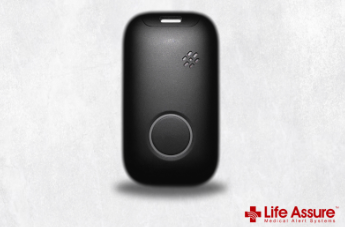
Image courtesy of Life Assure
Alt text: A black Premium Mobile Plus alert device with a round help button clipped to the front pocket of blue jeans below a cream sweatshirt
That is often the point when families start comparing options for a reliable GPS tracker for seniors. The word "reliable" carries most of the weight in that search. A tracker that works in a store demo can still fail on a cold sidewalk, in a basement laundry room or on the day its battery runs low.
This guide
looks at what reliability means in daily use. It covers the device, the signal,
the people who answer and the setting where your relative lives.
Why Do
GPS Trackers for Seniors Differ So Much?
The stakes
are real. The CDC says over 14 million older adults, or 1 in 4, report a fall
every year. Its data also shows the fall death rate for older adults rose 21%
from 2018 to 2024, from 64.7 to 78.4 deaths per 100,000.
Getting
lost is a second worry. BrightFocus Foundation estimates that 6 in 10 people
with Alzheimer's disease are at risk of wandering. It suggests a GPS or similar
wearable device so caregivers can find a person quickly.
Products
sold as GPS trackers usually fall into three groups:
- Location-only trackers and
apps. These
share a dot on a map with family. Nobody answers when the wearer needs
help.
- Monitored mobile alert
devices. A
button press connects the wearer to a monitoring team by cellular signal,
and GPS shares the location.
- Dementia locator devices. These are built with
wandering in mind and focus on finding a person fast.
Each type
solves a different problem. Picking the wrong type is one easy way for a
"reliable" device to let a family down.
Which
Six Questions Separate Strong Devices From Weak Ones?
Ask every
provider the same questions, and write down the answers.
- How long does a charge last in
real use? An
empty battery turns the device into jewelry. Ask whether the device warns
the wearer and family when power runs low.
- How precise is the location? The federal GPS.gov site says
GPS-enabled smartphones are typically accurate to within 4.9 meters (16
feet) under open sky. It adds that accuracy worsens near buildings,
bridges and trees, and indoors.
- Which network does it use? A mobile device needs a
cellular signal. Test coverage in the places your relative actually goes,
such as a church hall, a basement or a lakeside cabin.
- Who answers the button? App alerts go to family
phones, which may be on silent at 3 a.m. A monitored service routes the
call to a trained team instead.
- Will your relative wear it? Heavy or awkward devices end
up on the dresser. Ask whether it is water resistant enough for the
shower.
- Is fall detection included? It is often an add-on. Ask
directly, and get the answer in writing.
How
Does Your Housing Choice Change What You Need?
For
someone aging at home, the tracker is often the main safety net. It needs to
work in every room and on every errand. A base-unit system that only covers the
house leaves walks and drives uncovered.
Independent
living changes the picture. Residents come and go freely, and some still drive.
An in-apartment call cord helps inside the unit but not on a walk to the park.
If you are moving to independent living, add the tracker and its charger to the
packing list.
Assisted
living adds staff support, so the questions shift. Ask how the community's own
call system works and whether personal devices are allowed. Families weighing
assisted living safety should ask how staff respond when a resident is off
site.
Memory care communities are usually secured settings. There, a personal GPS device is rarely the main tool. Talk with staff before buying one.
Where
Does a GPS Tracker Add the Most?
|
Living
setting |
What
GPS adds |
What
to ask first |
|
Own
home, still active |
Help on
walks, errands and drives |
Does it
work beyond the house? |
|
Independent
living |
Coverage
off campus |
Can it
be worn with the community's call system? |
|
Assisted
living |
Coverage
on outings |
Are
personal devices allowed? |
|
Living
with family |
Peace of
mind during solo trips |
Who is
on the call list? |
|
Memory
care |
Usually
limited |
What
does staff already use? |
How
Does One Canadian Provider Set This Up?
The
provider linked above, Life Assure, shows one version of a monitored device.
GPS appears on just one of its two models, the Premium Mobile Plus, which
connects over cellular service. The other, Classic Home, stays tied to a base
station in the house, with about 600 feet of reach at most.
On both
devices, fall detection is an optional upgrade. Both pendants are water
resistant, and the company's page describes 24/7 monitoring by trained
professionals.
There is a catch for most readers of a US directory. Only Canadian residents can sign up with Life Assure. If your relative lives in the States, ask the company in writing before counting on it there. If they live in Canada, it belongs on your shortlist.
Try It
Before You Rely On It
Most
people only learn whether a device works by living with it. The Assistive
Technology Act funds state and territory programs, and ATAP counts 56 of them.
ATAP reports they served over 6.5 million people from 2014 to 2024. The
national AT3 Center directory lists device loan and demonstration contacts for
many of them.
Before you
commit, run a short trial:
- Press the button once on a
normal day and time the response.
- Walk the usual route and check
the location on the map.
- Let the battery run down once
to see when the warning appears.
- Ask your relative after a week
whether they still want to wear it.
Frequently
Asked Questions
How
Accurate Is a GPS Tracker for Seniors?
Under open
sky, GPS-enabled phones are typically accurate to within about 16 feet.
Accuracy drops near tall buildings, under trees and indoors, so test the device
where your relative spends time.
Do GPS
Trackers Work Inside Senior Living Communities?
Most work
indoors with reduced precision, as long as there is a cellular signal. Ask the
community whether personal devices are allowed and how they fit with its own
call system.
Is Fall
Detection Included With Most GPS Trackers?
Often it
is sold separately. Read the plan details line by line, since a missing feature
is easy to overlook at checkout.
Can a
Senior Wear a GPS Tracker In the Shower? Some devices are water resistant enough for showering,
and others are not. Check the product page, or ask the provider before your
relative relies on it there.
Other Articles You May Like
How to Improve Indoor Air Quality at Home
Most of us spend the bulk of our day indoorsat home, at work, in schoolso the quality of that air has a far bigger impact on comfort and health than many people realize. When pollutant sources go unchecked or ventilation falls short, things like particulate matter, mold spores, pet dander, volatile organic compounds, and combustion byproducts can quietly build up. Outdoor pollution doesn't stay outside, either; it seeps in through windows, doors, and ventilation systems. Many households turn to tools to help manage this, and a standalone air purifier is sometimes used as one option among severalthough it's rarely a complete fix on its own. The most effective approach follows a clear hierarchy: source control and proper ventilation should always come before leaning on air-cleaning equipment.Understand the Main Sources of Indoor Air PollutionHousehold Activities and ProductsEveryday itemscleaning sprays, paints, adhesives, fragranced products, pesticidesrelease chemical compounds into the air around us. Cooking, burning candles, smoking, and using fireplaces add their own particles and gases on top of that. Reading product labels, storing chemicals properly, and cutting back on unnecessary indoor combustion are simple, effective places to start. Biological ContaminantsMold, dust mites, pollen, pet dander, and bacteria all fall into this category. Moisture, leaks, condensation, and stagnant air create the exact conditions mold needs to thrive. Visible mold or persistent dampness is a sign the problem needs to be fixed at its sourcenot just filtered out of the air after the fact. Outdoor Pollution Entering IndoorsOutdoor particles and gases find their way inside constantly, through gaps, open windows, and HVAC intakes. During wildfire smoke events, heavy traffic pollution, or high-pollen days, opening a window can actually do more harm than good. The U.S. Environmental Protection Agency has noted that low air-exchange rates can allow indoor pollutants to accumulate well beyond outdoor concentrations.Start With Source ControlReducing or eliminating pollutants at their origin is the most direct way to improve air quality. That means avoiding indoor smoking, choosing lower-emission products, fixing water leaks promptly, keeping combustion appliances well maintained, and using exhaust fans that vent to the outside. Removing a pollutant before it has a chance to spread is far more efficient than trying to clean an entire room's worth of contaminated air after the fact.Take a household dealing with persistent cooking odors and mild irritation. Rather than reaching for a device, the better first move is improving kitchen ventilation and tweaking cooking habits. In practice, simply running the range hood every time a burner is onnot just when smoke appearsoften noticeably cuts down on lingering odors and airborne grease particles within just a few days.Improve Ventilation SafelyNatural and Mechanical Ventilation means exchanging indoor air with outdoor air to dilute pollutant levels. Opening windows works well when outdoor air quality is reasonable. Mechanical options include bathroom exhaust fans, outdoor-vented range hoods, HVAC systems with fresh-air intake, and whole-home balanced ventilation systems. ASHRAE offers guidance on minimum ventilation rates for maintaining acceptable indoor air quality in homes, though these recommendations should be adjusted for local conditions and household size. Avoid Common Ventilation MistakesA recirculating fan just moves air around the room without actually exchanging it with the outdoorsthat's air movement, not ventilation. Exhaust fans should vent outside rather than dumping air into attics or wall cavities, and they need regular cleaning to keep working properly. Tightly sealed, energy-efficient homes often need dedicated mechanical ventilation systems to maintain healthy air exchange.Manage Moisture and Prevent MoldExcess humidity, condensation, and water damage are a direct invitation for mold growth. Helpful steps include repairing plumbing and roof leaks quickly, drying out wet materials promptly, improving airflow in bathrooms and kitchens, using dehumidifiers where needed, and keeping furniture away from exterior walls that stay cold and prone to condensation. Moisture management tackles the root cause; filtration simply can't.Small, isolated moisture issues are usually manageable with prompt cleanup. But extensive, recurring, or hidden moldespecially behind walls or under flooringtypically calls for a qualified professional assessment, since humidity targets vary depending on climate, building design, and occupant comfort.Use Filtration and Air Cleaning as a SupplementIt's worth distinguishing between particle filtration, gas-phase or odor control, ventilation, and source removalthese are different tools solving different problems. When evaluating air-cleaning equipment, look at filter efficiency, suitability for room size, noise level, replacement costs, and whether the device might generate unwanted byproducts. Particle filters can reduce certain airborne particles, but they won't address mold colonies, radon, carbon monoxide, or an underlying moisture problem. ASHRAE advises using air-cleaning technologies only where their safety and effectiveness are well established. HVAC filters should also match what the system is actually designed to handle; a more restrictive filter isn't automatically better if it chokes airflow and puts strain on the equipment.Someone dealing with seasonal pollen symptoms, for instance, might reasonably combine filtration with keeping windows shut during peak pollen hours and cleaning surfaces more often. Air cleaning is a supporting measure, not a substitute for source control and ventilation.Build a Room-by-Room Improvement Plan Kitchen: Use an outdoor-vented hood; avoid unnecessary combustion; clean grease buildup regularly. Bathroom and Laundry Area: Run exhaust fans during and after moisture-producing tasks; address leaks and condensation promptly. Bedroom and Living Areas: Reduce dust reservoirs through regular cleaning; keep pet bedding clean; consider filtration only after identifying the main concern. Basement, Garage, or Utility Areas: Maintain combustion appliances; isolate garages from living spaces; investigate musty smells or water intrusion.A simple source-ventilation-moisture-filtration audit, done room by room, tends to be far more manageable than attempting a whole-house overhaul in one go.Know When Professional Help Is NeededSome situations call for expert involvement: suspected carbon monoxide exposure, extensive or recurring mold, unexplained chemical odors, radon concerns, significant respiratory symptoms, or complications within complex HVAC systems. Carbon monoxide alarms are essential wherever fuel-burning appliances are present, but they complement regular appliance maintenance rather than replace it. For these kinds of concerns, consulting qualified professionals or public-health and building authorities such as the EPA or CDC is the right path forward.Key takeaway: Improve indoor air quality in this orderidentify and reduce pollutant sources, ventilate appropriately, control moisture, maintain HVAC systems, and use filtration or air cleaning as a targeted supplement.Final Perspective: A Practical, Layered ApproachHealthier indoor air usually comes down to several modest, consistent habits rather than a single device or one-time fix. Removing a pollutant, diluting it through ventilation, and filtering it once it's airborne are three distinct strategies, each with its own role to play. A good starting point is identifying one likely pollutant source, one ventilation improvement, and one moisture issue in your home to tackle firstthen adjusting your approach based on your building, local outdoor conditions, and professional guidance where it's needed.
More Than a Holiday Meal: How GIFT Is Bringing Purpose, Connection, an
Through its Thanksgiving To-Go Kits and year-round intergenerational programming, GIFT (Giving It Forward, Together) is changing the way Pittsburgh thinks about aging, social isolation, and the power of human connection.As the holiday season approaches, many families begin thinking about Thanksgiving traditions: gathering around the table, sharing a warm meal, exchanging stories, and spending time with the people they love. But for thousands of older adults, the holidays can look very different. For individuals who are homebound, living with physical or cognitive disabilities, immunocompromised, or experiencing social isolation, a holiday that traditionally celebrates togetherness can instead serve as a reminder of the connections they may be missing.This is where GIFT (Giving It Forward, Together) makes a meaningful difference.For 11 years, GIFT has been creating opportunities for connection, purpose, and belonging throughout the Pittsburgh community. Through its weekly intergenerational programming and annual holiday initiatives, GIFT has made a tremendous impact, serving close to 1,000 older adults and bringing together people of different ages and backgrounds through meaningful acts of service.At the heart of GIFT's mission is a simple but powerful belief: Everyone deserves to feel seen, valued, and connected, regardless of age or circumstance.Thanksgiving To-Go Kits: More Than a Meal, a Reminder That Someone CaresOne of GIFT's most meaningful initiatives each year is its Thanksgiving To-Go Kit program. Designed specifically for older adults who may otherwise have difficulty celebrating the holiday, these thoughtfully assembled kits provide more than just the necessities for a Thanksgiving meal. They deliver a message that someone in the community is thinking about them.Last year, GIFT distributed more than 800 Thanksgiving kits to older adults throughout the Pittsburgh area. Each kit included fresh, hot holiday food, handwritten cards, and small gifts carefully selected to bring comfort and joy. While the meal itself is important, the thought and intention behind each item are what make the experience especially meaningful.Every kit is curated by students in the Pittsburgh community and assembled by volunteers of all ages and stages of life. From students and families to older adults and community members, people come together with one shared purpose: ensuring that someone who might otherwise feel forgotten during the holidays knows they are remembered.The kits are designed to provide recipients with the essential components needed to celebrate Thanksgiving in the comfort of their own homes. For someone who cannot easily shop, prepare a meal, or participate in traditional holiday gatherings, receiving a complete holiday experience can be incredibly meaningful.But perhaps the most important part of the kit cannot be measured by what is inside the box. It is the feeling of opening the door and realizing that someone took the time to think of you. It is the handwritten card, the carefully chosen gift, and the knowledge that people who may never have met you wanted to make your holiday special.It is not simply a meal being delivered. It is a reminder that you matter.For individuals experiencing isolation, that message can make an extraordinary difference.The Power of Feeling Seen: Why Purpose and Connection Matter as We AgeSocial isolation and loneliness among older adults are increasingly recognized as important public health concerns. According to the Centers for Disease Control and Prevention (CDC), social isolation and loneliness are associated with increased risks of depression, anxiety, heart disease, stroke, cognitive decline, and premature death.Research from the National Academies of Sciences, Engineering, and Medicine has similarly identified social isolation and loneliness as significant risk factors affecting the health and well-being of older adults.But addressing isolation requires more than simply putting people in a room together. Meaningful connection happens when individuals feel that they have something to contribute, that their presence matters, and that they are part of something larger than themselves.This is the philosophy behind GIFT.Per the US Census Bureau, Allegheny County (home to Pittsburgh) ranks as one of the oldest U.S. counties by median and senior age distributionfrequently cited as the sixth-oldest or among the top 10 oldest counties in the U.S. by population percentage, with roughly 19% to 27% of its population aged 65 and older. Through opportunities to participate, volunteer, share experiences, and build relationships, GIFT creates an environment where older adults are not viewed simply as recipients of services, but as valued contributors to their communities.There is an important distinction between being cared for and being given the opportunity to give back. Both matter, but purpose can be just as important as support.Research on intergenerational engagement reinforces this idea. A 2021 systematic review published in Ageing Research Reviews, examining 44 studies, identified potential benefits of intergenerational participation for older adults, including improvements in social functioning, anxiety, and physical activity. A 2023 meta-analysis also found positive associations between intergenerational programs and older adults' quality of life, generativity (the feeling of contributing to future generations), and depressive symptoms.Although researchers continue to study the long-term effects of these programs, the findings support something GIFT sees in its community every day: meaningful relationships and opportunities to contribute can enrich the lives of both generations.Bridging the Generational Gap: Creating a More Empathetic FutureWhile GIFT is committed to improving the lives of older adults, its mission extends well beyond one generation.For many young people, their primary exposure to older adults may be limited to their own grandparents or family members. Without opportunities to interact with people from different generations, young adults may have limited insight into the challenges, experiences, abilities, and contributions of the broader senior population.GIFT works to change that.Through weekly intergenerational programming, students and older adults come together to share experiences, collaborate on meaningful projects, and learn from one another. These interactions create opportunities for students to develop empathy, communication skills, and a deeper understanding of aging.At the same time, older adults have opportunities to share their wisdom, life experiences, perspectives, and talents. They are reminded that their voices matter and that they continue to have an important role in shaping the world around them.The result is a relationship that benefits everyone involved.When younger generations have the opportunity to build genuine relationships with older adults, they begin to see aging differently. Rather than viewing older adults through stereotypes or assumptions, they begin to recognize individuals with unique stories, abilities, interests, and aspirations.This is how communities become more compassionate. It starts with creating opportunities for people to know one another.Rethinking Aging: Moving Beyond Traditional Senior ProgrammingGIFT believes that aging should not mean becoming disconnected from the community or losing a sense of purpose. Instead, it should be an opportunity to continue growing, contributing, learning, and building relationships.As life expectancy increases, the conversation surrounding aging needs to evolve. It is no longer enough to focus solely on living longer. We must also consider how we can support people in aging better.Regardless of cultural, ethnic, racial, or socioeconomic differences, aging is something every person shares. It is one of the few experiences that connects us all.GIFT is working to make that shared experience more meaningful by creating opportunities for intergenerational wellness, community involvement, and purposeful engagement.And this commitment does not end with Thanksgiving.In addition to Thanksgiving To-Go Kits, GIFT provides annual Passover To-Go and Winter Holiday Kits. Each initiative is thoughtfully curated and designed by students in the Pittsburgh community, with volunteers helping bring the kits to life. Whether providing the necessities for a Passover Seder, a warm and festive winter package, or a complete Thanksgiving celebration, each kit is created with the same intention: helping older adults feel remembered, included, and cared for.Together, these programs demonstrate how simple acts of kindness, when organized around a shared purpose, can create meaningful community impact.A Pittsburgh Community Where Everyone BelongsAfter 11 years, GIFT continues to demonstrate that addressing social isolation requires a community-wide commitment. It takes students willing to learn, volunteers willing to give their time, and community members willing to recognize that older adults deserve opportunities for connection just as much as anyone else.The Thanksgiving To-Go Kits are a beautiful example of what can happen when generations come together with a common purpose. A student thoughtfully selects the contents, volunteers assemble each package, and an older adult receives something that communicates far more than the value of the items inside.They receive a reminder that they are part of a community.As GIFT looks ahead, its vision remains focused on bridging generations, challenging the way society views aging, and creating a future where people of every age feel valued and connected.Because ultimately, the goal is not simply to add more years to life, but to add more life, meaning, and connection to those years.Do you know an older adult who would benefit from a Thanksgiving To-Go Kit or one of GIFT's annual holiday kits? Whether someone is homebound, isolated, living with a disability, or simply could use a little extra kindness this holiday season, GIFT wants to help make sure they are not forgotten.To learn more about GIFT, explore its programs, or inquire about holiday kit recipients and volunteer opportunities, visit www.giftpgh.org.Together, we can make sure that no one feels forgotten and that every generation has an opportunity to give, receive, and grow.