How to Improve Indoor Air Quality at Home
Dyson
For more information about the author, click to view their website: Dyson - Air Purifier
Nov 04, 2026
Non-Book Market


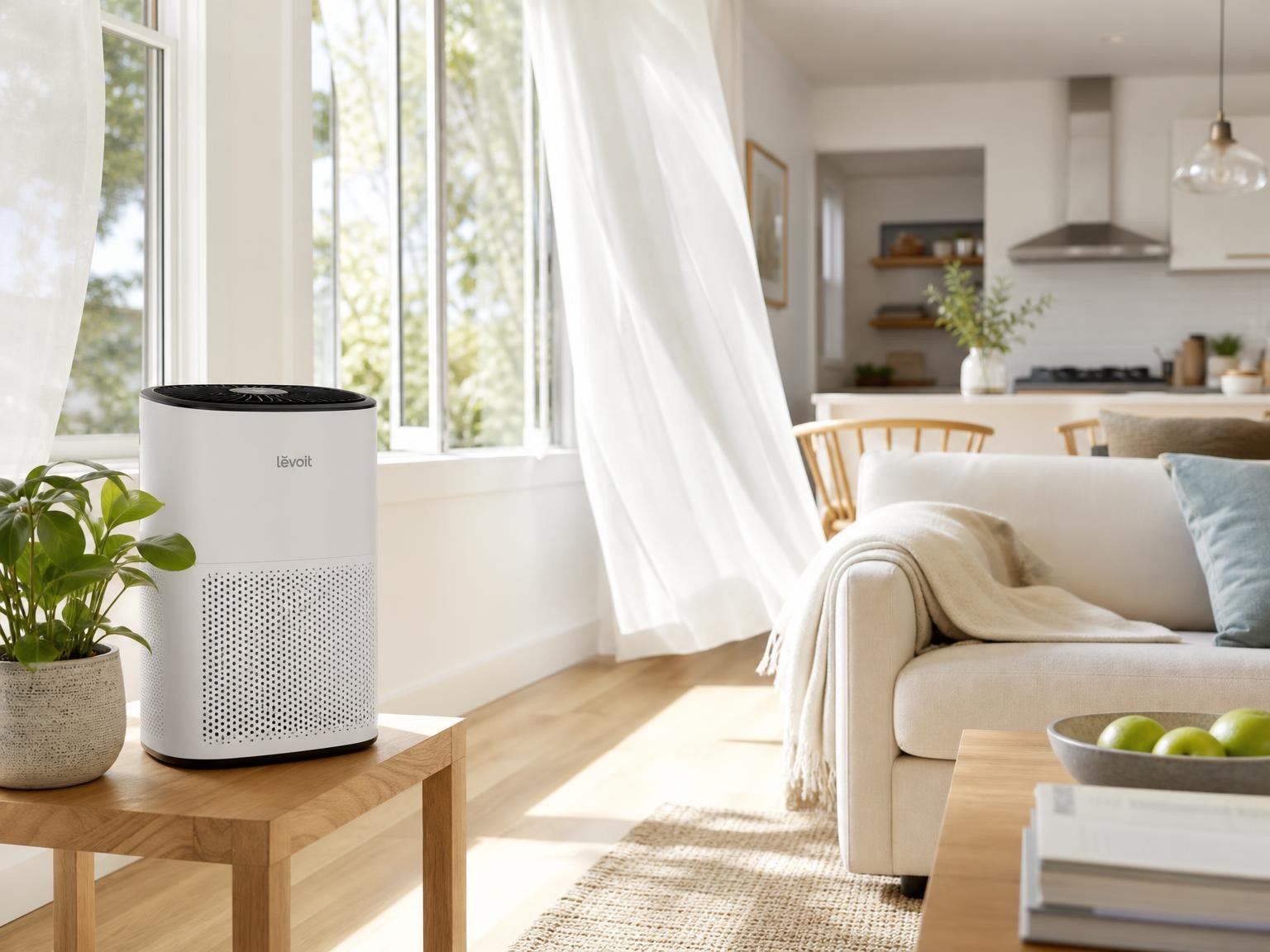
Most of us spend the bulk of our day indoors—at home, at work, in school—so the quality of that air has a far bigger impact on comfort and health than many people realize. When pollutant sources go unchecked or ventilation falls short, things like particulate matter, mold spores, pet dander, volatile organic compounds, and combustion byproducts can quietly build up. Outdoor pollution doesn't stay outside, either; it seeps in through windows, doors, and ventilation systems. Many households turn to tools to help manage this, and a standalone air purifier is sometimes used as one option among several—though it's rarely a complete fix on its own. The most effective approach follows a clear hierarchy: source control and proper ventilation should always come before leaning on air-cleaning equipment.
Understand the Main Sources of Indoor Air Pollution
Household Activities and Products
Everyday
items—cleaning sprays, paints, adhesives, fragranced products,
pesticides—release chemical compounds into the air around us. Cooking, burning
candles, smoking, and using fireplaces add their own particles and gases on top
of that. Reading product labels, storing chemicals properly, and cutting back
on unnecessary indoor combustion are simple, effective places to start.
Biological Contaminants
Mold,
dust mites, pollen, pet dander, and bacteria all fall into this category.
Moisture, leaks, condensation, and stagnant air create the exact conditions
mold needs to thrive. Visible mold or persistent dampness is a sign the problem
needs to be fixed at its source—not just filtered out of the air after the
fact.
Outdoor Pollution Entering Indoors
Outdoor particles and gases find their way inside constantly, through gaps, open windows, and HVAC intakes. During wildfire smoke events, heavy traffic pollution, or high-pollen days, opening a window can actually do more harm than good. The U.S. Environmental Protection Agency has noted that low air-exchange rates can allow indoor pollutants to accumulate well beyond outdoor concentrations.
Start With Source Control
Reducing or eliminating pollutants at their origin is the most direct way to improve air quality. That means avoiding indoor smoking, choosing lower-emission products, fixing water leaks promptly, keeping combustion appliances well maintained, and using exhaust fans that vent to the outside. Removing a pollutant before it has a chance to spread is far more efficient than trying to clean an entire room's worth of contaminated air after the fact.
Take a household dealing with persistent cooking odors and mild irritation. Rather than reaching for a device, the better first move is improving kitchen ventilation and tweaking cooking habits. In practice, simply running the range hood every time a burner is on—not just when smoke appears—often noticeably cuts down on lingering odors and airborne grease particles within just a few days.
Improve Ventilation Safely
Natural and Mechanical Ventilation means exchanging indoor air with
outdoor air to dilute pollutant levels. Opening windows works well when outdoor
air quality is reasonable. Mechanical options include bathroom exhaust fans,
outdoor-vented range hoods, HVAC systems with fresh-air intake, and whole-home
balanced ventilation systems. ASHRAE offers guidance on minimum ventilation
rates for maintaining acceptable indoor air quality in homes, though these
recommendations should be adjusted for local conditions and household size.
Avoid Common Ventilation Mistakes
A recirculating fan just moves air around the room without actually exchanging it with the outdoors—that's air movement, not ventilation. Exhaust fans should vent outside rather than dumping air into attics or wall cavities, and they need regular cleaning to keep working properly. Tightly sealed, energy-efficient homes often need dedicated mechanical ventilation systems to maintain healthy air exchange.
Manage Moisture and Prevent Mold
Excess humidity, condensation, and water damage are a direct invitation for mold growth. Helpful steps include repairing plumbing and roof leaks quickly, drying out wet materials promptly, improving airflow in bathrooms and kitchens, using dehumidifiers where needed, and keeping furniture away from exterior walls that stay cold and prone to condensation. Moisture management tackles the root cause; filtration simply can't.
Small, isolated moisture issues are usually manageable with prompt cleanup. But extensive, recurring, or hidden mold—especially behind walls or under flooring—typically calls for a qualified professional assessment, since humidity targets vary depending on climate, building design, and occupant comfort.
Use Filtration and Air Cleaning as a Supplement
It's worth distinguishing between particle filtration, gas-phase or odor control, ventilation, and source removal—these are different tools solving different problems. When evaluating air-cleaning equipment, look at filter efficiency, suitability for room size, noise level, replacement costs, and whether the device might generate unwanted byproducts. Particle filters can reduce certain airborne particles, but they won't address mold colonies, radon, carbon monoxide, or an underlying moisture problem. ASHRAE advises using air-cleaning technologies only where their safety and effectiveness are well established. HVAC filters should also match what the system is actually designed to handle; a more restrictive filter isn't automatically better if it chokes airflow and puts strain on the equipment.
Someone dealing with seasonal pollen symptoms, for instance, might reasonably combine filtration with keeping windows shut during peak pollen hours and cleaning surfaces more often. Air cleaning is a supporting measure, not a substitute for source control and ventilation.
Build a Room-by-Room Improvement Plan
- Kitchen: Use
an outdoor-vented hood; avoid unnecessary combustion; clean grease buildup
regularly.
- Bathroom
and Laundry Area: Run exhaust fans during and after
moisture-producing tasks; address leaks and condensation promptly.
- Bedroom
and Living Areas: Reduce dust reservoirs through regular
cleaning; keep pet bedding clean; consider filtration only after
identifying the main concern.
- Basement, Garage, or Utility Areas: Maintain combustion appliances; isolate garages from living spaces; investigate musty smells or water intrusion.
A simple source-ventilation-moisture-filtration audit, done room by room, tends to be far more manageable than attempting a whole-house overhaul in one go.
Know When Professional Help Is Needed
Some
situations call for expert involvement: suspected carbon monoxide exposure,
extensive or recurring mold, unexplained chemical odors, radon concerns,
significant respiratory symptoms, or complications within complex HVAC systems.
Carbon monoxide alarms are essential wherever fuel-burning appliances are
present, but they complement regular appliance maintenance rather than replace
it. For these kinds of concerns, consulting qualified professionals or
public-health and building authorities such as the EPA or CDC is the right path
forward.
Key takeaway: Improve indoor air quality in this order—identify and reduce pollutant sources, ventilate appropriately, control moisture, maintain HVAC systems, and use filtration or air cleaning as a targeted supplement.
Final Perspective: A Practical, Layered Approach
Healthier indoor air usually comes down to several modest, consistent habits rather than a single device or one-time fix. Removing a pollutant, diluting it through ventilation, and filtering it once it's airborne are three distinct strategies, each with its own role to play. A good starting point is identifying one likely pollutant source, one ventilation improvement, and one moisture issue in your home to tackle first—then adjusting your approach based on your building, local outdoor conditions, and professional guidance where it's needed.
Other Articles You May Like
More Than a Holiday Meal: How GIFT Is Bringing Purpose, Connection, an
Through its Thanksgiving To-Go Kits and year-round intergenerational programming, GIFT (Giving It Forward, Together) is changing the way Pittsburgh thinks about aging, social isolation, and the power of human connection.As the holiday season approaches, many families begin thinking about Thanksgiving traditions: gathering around the table, sharing a warm meal, exchanging stories, and spending time with the people they love. But for thousands of older adults, the holidays can look very different. For individuals who are homebound, living with physical or cognitive disabilities, immunocompromised, or experiencing social isolation, a holiday that traditionally celebrates togetherness can instead serve as a reminder of the connections they may be missing.This is where GIFT (Giving It Forward, Together) makes a meaningful difference.For 11 years, GIFT has been creating opportunities for connection, purpose, and belonging throughout the Pittsburgh community. Through its weekly intergenerational programming and annual holiday initiatives, GIFT has made a tremendous impact, serving close to 1,000 older adults and bringing together people of different ages and backgrounds through meaningful acts of service.At the heart of GIFT's mission is a simple but powerful belief: Everyone deserves to feel seen, valued, and connected, regardless of age or circumstance.Thanksgiving To-Go Kits: More Than a Meal, a Reminder That Someone CaresOne of GIFT's most meaningful initiatives each year is its Thanksgiving To-Go Kit program. Designed specifically for older adults who may otherwise have difficulty celebrating the holiday, these thoughtfully assembled kits provide more than just the necessities for a Thanksgiving meal. They deliver a message that someone in the community is thinking about them.Last year, GIFT distributed more than 800 Thanksgiving kits to older adults throughout the Pittsburgh area. Each kit included fresh, hot holiday food, handwritten cards, and small gifts carefully selected to bring comfort and joy. While the meal itself is important, the thought and intention behind each item are what make the experience especially meaningful.Every kit is curated by students in the Pittsburgh community and assembled by volunteers of all ages and stages of life. From students and families to older adults and community members, people come together with one shared purpose: ensuring that someone who might otherwise feel forgotten during the holidays knows they are remembered.The kits are designed to provide recipients with the essential components needed to celebrate Thanksgiving in the comfort of their own homes. For someone who cannot easily shop, prepare a meal, or participate in traditional holiday gatherings, receiving a complete holiday experience can be incredibly meaningful.But perhaps the most important part of the kit cannot be measured by what is inside the box. It is the feeling of opening the door and realizing that someone took the time to think of you. It is the handwritten card, the carefully chosen gift, and the knowledge that people who may never have met you wanted to make your holiday special.It is not simply a meal being delivered. It is a reminder that you matter.For individuals experiencing isolation, that message can make an extraordinary difference.The Power of Feeling Seen: Why Purpose and Connection Matter as We AgeSocial isolation and loneliness among older adults are increasingly recognized as important public health concerns. According to the Centers for Disease Control and Prevention (CDC), social isolation and loneliness are associated with increased risks of depression, anxiety, heart disease, stroke, cognitive decline, and premature death.Research from the National Academies of Sciences, Engineering, and Medicine has similarly identified social isolation and loneliness as significant risk factors affecting the health and well-being of older adults.But addressing isolation requires more than simply putting people in a room together. Meaningful connection happens when individuals feel that they have something to contribute, that their presence matters, and that they are part of something larger than themselves.This is the philosophy behind GIFT.Per the US Census Bureau, Allegheny County (home to Pittsburgh) ranks as one of the oldest U.S. counties by median and senior age distributionfrequently cited as the sixth-oldest or among the top 10 oldest counties in the U.S. by population percentage, with roughly 19% to 27% of its population aged 65 and older. Through opportunities to participate, volunteer, share experiences, and build relationships, GIFT creates an environment where older adults are not viewed simply as recipients of services, but as valued contributors to their communities.There is an important distinction between being cared for and being given the opportunity to give back. Both matter, but purpose can be just as important as support.Research on intergenerational engagement reinforces this idea. A 2021 systematic review published in Ageing Research Reviews, examining 44 studies, identified potential benefits of intergenerational participation for older adults, including improvements in social functioning, anxiety, and physical activity. A 2023 meta-analysis also found positive associations between intergenerational programs and older adults' quality of life, generativity (the feeling of contributing to future generations), and depressive symptoms.Although researchers continue to study the long-term effects of these programs, the findings support something GIFT sees in its community every day: meaningful relationships and opportunities to contribute can enrich the lives of both generations.Bridging the Generational Gap: Creating a More Empathetic FutureWhile GIFT is committed to improving the lives of older adults, its mission extends well beyond one generation.For many young people, their primary exposure to older adults may be limited to their own grandparents or family members. Without opportunities to interact with people from different generations, young adults may have limited insight into the challenges, experiences, abilities, and contributions of the broader senior population.GIFT works to change that.Through weekly intergenerational programming, students and older adults come together to share experiences, collaborate on meaningful projects, and learn from one another. These interactions create opportunities for students to develop empathy, communication skills, and a deeper understanding of aging.At the same time, older adults have opportunities to share their wisdom, life experiences, perspectives, and talents. They are reminded that their voices matter and that they continue to have an important role in shaping the world around them.The result is a relationship that benefits everyone involved.When younger generations have the opportunity to build genuine relationships with older adults, they begin to see aging differently. Rather than viewing older adults through stereotypes or assumptions, they begin to recognize individuals with unique stories, abilities, interests, and aspirations.This is how communities become more compassionate. It starts with creating opportunities for people to know one another.Rethinking Aging: Moving Beyond Traditional Senior ProgrammingGIFT believes that aging should not mean becoming disconnected from the community or losing a sense of purpose. Instead, it should be an opportunity to continue growing, contributing, learning, and building relationships.As life expectancy increases, the conversation surrounding aging needs to evolve. It is no longer enough to focus solely on living longer. We must also consider how we can support people in aging better.Regardless of cultural, ethnic, racial, or socioeconomic differences, aging is something every person shares. It is one of the few experiences that connects us all.GIFT is working to make that shared experience more meaningful by creating opportunities for intergenerational wellness, community involvement, and purposeful engagement.And this commitment does not end with Thanksgiving.In addition to Thanksgiving To-Go Kits, GIFT provides annual Passover To-Go and Winter Holiday Kits. Each initiative is thoughtfully curated and designed by students in the Pittsburgh community, with volunteers helping bring the kits to life. Whether providing the necessities for a Passover Seder, a warm and festive winter package, or a complete Thanksgiving celebration, each kit is created with the same intention: helping older adults feel remembered, included, and cared for.Together, these programs demonstrate how simple acts of kindness, when organized around a shared purpose, can create meaningful community impact.A Pittsburgh Community Where Everyone BelongsAfter 11 years, GIFT continues to demonstrate that addressing social isolation requires a community-wide commitment. It takes students willing to learn, volunteers willing to give their time, and community members willing to recognize that older adults deserve opportunities for connection just as much as anyone else.The Thanksgiving To-Go Kits are a beautiful example of what can happen when generations come together with a common purpose. A student thoughtfully selects the contents, volunteers assemble each package, and an older adult receives something that communicates far more than the value of the items inside.They receive a reminder that they are part of a community.As GIFT looks ahead, its vision remains focused on bridging generations, challenging the way society views aging, and creating a future where people of every age feel valued and connected.Because ultimately, the goal is not simply to add more years to life, but to add more life, meaning, and connection to those years.Do you know an older adult who would benefit from a Thanksgiving To-Go Kit or one of GIFT's annual holiday kits? Whether someone is homebound, isolated, living with a disability, or simply could use a little extra kindness this holiday season, GIFT wants to help make sure they are not forgotten.To learn more about GIFT, explore its programs, or inquire about holiday kit recipients and volunteer opportunities, visit www.giftpgh.org.Together, we can make sure that no one feels forgotten and that every generation has an opportunity to give, receive, and grow.
End-of-Year Screenings: Prioritize Your Health
As the year winds down, many people take time to reflect, reset and plan for the months ahead. But amid the holiday hustle and goal setting, one essential task often gets overlooked: your annual wellness exam.An annual wellness exam is more than just a routine checkup its a proactive step toward understanding your health, identifying potential risks and setting a foundation for a healthier future. Keep reading to learn why theres no better time than the present to schedule a wellness exam and support your whole health.What to Expect During an Annual Wellness ExamYour annual wellness exam is your opportunity for a comprehensive review of your health history, lifestyle habits and to discuss any recent changes in your well-being. Your provider will: Discuss your medical and family health history Perform a head-to-toe physical examination, including vital signs and neurological checks Screen for risk factors like smoking, alcohol use, diet and exercise Review any current medications, supplements and health concerns Evaluate your mental and emotional well-being Discuss recommended screenings and immunizations based on your age, health history and risk factors The goal isnt just to spot problems; its to build a personalized care plan that supports your goals and helps you feel your best. Whether youre managing a chronic condition or simply staying on top of your health, a wellness exam is a powerful tool for proactive, preventive care.Why Now Is the Perfect Time for a ScreeningIf you havent already had an annual wellness examination this year, theres no better time to get one on your calendar than today. Scheduling your wellness examination before the end of the year has its perks. Since many insurance plans reset in January, using your benefits now can help you avoid a higher out-of-pocket cost. Plus, detecting any potential health concerns early means you can start the new year with peace of mind and a plan in place.Get Ready for Your VisitPreparing for your annual wellness exam doesnt have to be stressful. Here are a few ways you can make the most of your appointment: Bring your insurance information and photo ID: Having these items readily available can help streamline the check-in process and ensure your records are up to date. Know your family health history: Information about conditions such as heart disease, diabetes, cancer or other hereditary illnesses can help your provider assess your risk factors and recommend appropriate screenings. Be ready to talk about your lifestyle habits: Your diet, alcohol and tobacco use, exercise habits and stress levels can all affect your health. Honest answers help your primary care provider offer useful, personalized advice and support your real-life routines. Bring a list of current medications: Include dosages and frequency, even for over-the-counter items. This helps your provider understand how everything youre taking may be interacting and impacting your health. Share any recent health concerns: Whether its a new symptom, a change in mood, sleep patterns or energy levels, dont hold back the information. Even small details can help your provider spot trends, order testing and catch any issues early.Your primary care provider is your lifelong partner in health. Squeezing in a wellness visit before the end of the year is a chance to have a meaningful conversation about your goals, concerns and how to feel your best in the year ahead.Well Help You Take Charge of Your HealthDont let this year end without checking in on your well-being. Our expert primary care providers can help you stay proactive about your health through annual wellness exams, preventive screenings and personalized care. If additional evaluation or treatment is needed, they can also connect you with the right specialist. Schedule your appointment today and step into the new year with confidence and clarity; visit AdventHealthPortCharlotte.com.