Choosing the Right Corner of the Grand Valley for Your Next Chapter
Cindy Amann - Bray Real Estate
For more information about the author, click to view their website: Cindy Amann - Bray Real Estate
Nov 04, 2026
Colorado - Western Slope


If you’ve ever driven from Fruita through Grand Junction and out toward Clifton, you’ve seen how much variety fits into one valley. Same mountains, same sky, but each community has its own rhythm.
Choosing where to live in retirement is partly practical and partly a matter of feel. Here’s a friendly look at how to think about all three.
A Quick Note Before We Begin
Every person’s needs differ, so this is not a ranking. It’s a set of questions and observations to help you decide what fits your life. Always visit in person if you can.
Grand Junction: The Hub
Grand Junction is the largest community in the area and the center of many services. Residents have access to a range of medical offices, shopping, restaurants, and cultural options, including a veterans medical center for those who are eligible.
Why people consider it:
- Closer access to healthcare and services
- A wide mix of neighborhoods and housing types
- Plenty of places to gather, from parks to local events
Questions to ask yourself:
- Do I want to be near a lot of activity?
- Will I appreciate having services close by?
Clifton: Close but Calmer
Clifton lies just east of Grand Junction. Many people think of it as a convenient, more residential option, with easy access to Grand Junction’s amenities.
Why people consider it:
- A suburban feel with nearby services
- Convenient connections to the rest of the valley
- Housing options that may suit different budgets (check current listings for specifics)
Questions to ask yourself:
- Do I prefer a quieter setting without being far from town?
- How do I feel about driving to appointments or errands?
Fruita: Small-Town Spirit
Fruita sits to the northwest and has a well-known reputation for outdoor recreation, particularly mountain biking, along with a lively downtown and community events. It is also close to the Colorado National Monument.
Why people consider it:
- A distinct small-town identity
- Easy access to trails and open spaces
- A strong sense of community
Questions to ask yourself:
- Do I want a smaller-town atmosphere?
- How far am I comfortable being from specialized medical care?
Build Your Personal Scorecard
Rate each of these from “not important” to “essential”:
- Distance to doctors and hospitals
- Distance to family and friends
- Walkability or easy errands
- Quiet and privacy
- Access to nature and recreation
- Cost of housing and ongoing expenses
- Community activities and social opportunities
Then compare the three communities against your list. You may be surprised by the result.
Try Before You Commit
Some ways to get a real feel for a place:
- Spend a weekend morning at a local coffee shop.
- Visit a grocery store, library, or community center.
- Drive the route to your doctor’s office at different times of day.
- Chat with people who live there.
- Visit in different seasons, if possible.
A Local Guide Who Knows All Three
Cindy Amann of Bray Real Estate serves Clifton, Fruita, and Grand Junction as a Seniors Real Estate Specialist. Her own story is a Grand Valley story. She grew up in New York and spent 25 years in the Denver area with her husband while raising their two children. After their son moved to Grand Junction, they bought a second home here, spent more and more time in it, and eventually made it their permanent home.
She says she loves the smaller-town feel and what the valley offers, and she knows firsthand how a place can win you over gradually. As a REALTOR® with more than ten years of experience, she focuses on listening to clients and explaining each step so they feel confident.
Remember: The Best Place Is the One That Fits You
Some people want a lively hub. Others want a peaceful street. Some want trails right outside the door. There’s no wrong answer, only the one that suits your life.
Quick takeaway: Grand Junction, Clifton, and Fruita each offer something different. The right choice depends on your priorities, routines, and the people who matter to you.
Frequently Asked Questions
Which community is closest to medical services?
Grand Junction has the largest concentration of medical offices and facilities in the valley. Clifton is nearby, and Fruita is a short drive away. Confirm distances to your specific providers.
Is Fruita only for active outdoor enthusiasts?
No. While it’s known for recreation, many residents simply enjoy the community feel, local events, and scenery.
Can I compare homes in all three communities with one agent?
Yes. Cindy serves all three areas and can help you compare options.
Should I rent in the valley before buying?
Some newcomers find that helpful, though it depends on your circumstances. Discuss the options with a REALTOR® and your financial advisor.
What if I’m moving from out of state?
Visit if you can, and ask questions about local services, seasons, and community life. Cindy has made a major move herself and understands the process.
Come See the Valley Through Local Eyes
If you’re curious about Clifton, Fruita, or Grand Junction, a conversation with Cindy is a friendly place to start. Visit her Seniors Blue Book listing to learn more and connect. More information can be found on her Seniors Blue Book listing.

Other Articles You May Like
Next Steps for Moving Later in Life
A six-step guide for older adults and the families who love themBy Laura Lambrecht, SRES, WK Real EstateA move later in life is about much more than a house. It touches finances, family, memories, and the way you want to spend the years ahead. With careful planning and the right people beside you, it can be a smooth and even hopeful transition. Here are six steps, each with a clear goal, to help you and your family find your way.Get Your Ducks in a RowThe first step is to organize your paperwork and finances. The goal is a clear financial plan and a complete set of documents, such as a will, trust, and a power of attorney. Start by meeting with a financial advisor and a mortgage broker, and then with an elder law specialist, so everything is in place as you move forward.Gather Your Team of SupportNext, choose the people who will help you. Begin by selecting a Seniors Real Estate Specialist (SRES), an agent trained to guide older adults and their families through moving transitions. That's me! Then decide which family members and friends will assist, and sit down together to talk through your goals, needs, timeline, and budget. A team meeting at this stage gets everyone aligned before the real work begins.Find Your Future HomeWith your team in place, the goal is to find a home that fits your needs and your budget. First, decide what kind of home comes next: a senior living community, multigenerational living with family, or "right-sizing" into something smaller. Tour the possibilities, commit to your future place to live, and then prepare to sell or purchase a home as needed.Prepare Your House to SellFirst, it is time to begin by "excavating" your home This involves sorting through belongings to donate, recycle, gift, or save. There are many trusted professionals available to help with this process. Once the personal belongings have been removed or purposely left (possibly for staging) then it's time to prepare the home for sale. Meet with tour SRES real estate agent to discuss market value and the details of listing your home. Prepare for the MoveThe goal at this stage is to feel prepared and well supported. Pack the items you'll take to your new home, "the favorites," and consider hiring help with this process - packers, movers and unpackers. Moving involves physical labor and is stressful. Paying for professionals is worth not risking a fall or injury to you. Enjoy Living in Your New HomeThe final goal is to feel content and settled. This is my utmost goal for you. A move later in life can take time to settle into and adapt to. Through careful planning and thorough steps, I hope your new home meets your goals and gives you more time with the people you love in the days ahead. Laura Lambrecht is a Seniors Real Estate Specialist (SRES) with WK Real Estate, serving Boulder, Lafayette, Louisville, Superior, and Longmont, Colorado. Learn more at laural.wkre.com and follow @ LauraLovesBoulder on Instagram.This article is general information, not legal or financial advice. Please consult your own financial, legal, and real estate professionals.
Planning To Sell in 2027? Start Prepping Now.
If selling your house is on your calendar for 2027, you may be thinking you've got plenty of time. Maybe you're aiming for January. Maybe you're waiting for spring. Either way, next year probably feels far enough away that getting ready can wait, too. But waiting until 2027 to sell doesn't mean waiting until 2027 to get started.Today's buyers have more homes to choose from than they've had in years. So, if you want your house to stand out when it's time to list, a little preparation now can make a big difference later.How Early Should You Start Getting Ready?As a general rule of thumb, Zillow recommends giving yourself about 2-3 months to get your house ready to list. And that makes sense when you consider that the vast majority of sellers (78%) did at least one home improvement project before their house hit the market. That gives you plenty of time to decide what to fix, find contractors, get on their schedules, actually make the updates, and get everything ready for photos and showings. But dont worry - that doesnt mean every seller had some big to-do. The most common? Interior painting (see graph below):That certainly doesn't mean you need to tackle everything on this list. You may not need to do any of it. But odds are theres at least one project youll want to do. And starting that conversation now gives you a leg up before next year. Heres how to tackle it.1. Talk to an Agent Before Starting Any ProjectsWhile you might have a long list of things you think need updating, that doesn't mean they're all worth the time, effort, or money. An agent will help you figure out which projects deserve a spot on your to-do list based on what buyers want most and what other sellers are doing. That way, you're not investing in updates that won't make much of a difference when you sell.2. Get Ahead with a Pre-Listing InspectionOne thing your agent may recommend today is that you go ahead and get a pre-listing inspection. Its basically your cheatsheet to what a buyers inspection may turn up later on. And now that buyers have more options, theyre pickier and you dont want anything popping up in an inspection that could put them off. For example, you know that HVAC system you've been hoping will make it through one more season? Now's a good time to give it some attention along with anything else you know needs a little TLC. That way a repair you could've handled months ago wont become a surprise in the middle of your sale. According to Angi, a pre-listing inspection typically costs $300-600 and that can be money well spent. As the National Association of Realtors (NAR) explains:An inspector will be able to give you a good indication of the trouble areas that will stand out to potential buyers, and youll be able to make repairs before open houses begin. The advantage isnt just knowing what may come up, but being able to get ahead of it and space out the projects on your own schedule. So you dont feel stressed during go-time. 3. Save the Final Touches for Closer to Listing DayBut remember, not everything needs to happen right away. Some things are better saved for when you're closer to listing.Think deep cleaning, staging, touching up paint, and tidying up the landscaping. Those are the finishing touches that'll help your house look its best when buyers walk through the door.But there's one thing you can start anytime: decluttering. Go ahead and tackle the closets, garage, or storage room you've been avoiding. Future you will appreciate having a few less boxes to pack.The idea isn't to get everything done today. It's to spread the work out so you're not scrambling when listing day arrives. As Redfin puts it Smart preparation leads to a smoother sale, stronger offers, and fewer surprises during closing. . . Homes that are clean, well-staged, priced right, and professionally photographed tend to sell quickly.Bottom LineYou don't need to spend the rest of the year renovating your house or packing up your life. But you can start making a plan.The earlier you figure out what needs to be done, the more time you'll have to do it right. And that means less rushing, fewer last-minute surprises, and a better chance to make a great first impression when you're ready to sell.Thinking about selling in 2027? Let's talk about what your house needs, what it doesn't, and how to get everything ready on your timeline.
Real Estate in Longmont, CO
When youve lived in a home for years, deciding when to sell can be harder than deciding whether to sell. You might need time to sort belongings or wait for another home to become available. A real estate agent can help you work through the sale timeline before those dates start to overlap. What Do Senior Real Estate Services Cover?A real estate agent can help you compare recent sales, prepare a property for listing, review offers, and coordinate closing. For an older homeowner planning a move, the sale price is one part of the decision. Its also worth considering when youll need to leave, what preparing the property may cost, and how the sale fits with your next housing arrangement. Regan Sample at RE/MAX NexusPhone: 720-438-5585 Regan Sample is a Longmont REALTOR with RE/MAX Nexus. His brokerage profile lists the Seniors Real Estate Specialist designation and describes his work with buyers and sellers, including those who are downsizing or relocating. Call and share your preferred move date, any dates you cant change, and how much time you want for preparing the home. Compare Selling As-Is with Preparing the HomeAsk Sample to discuss recent comparable sales and walk through the property with you. If repairs or updates are on the table, ask how much time they could add and which ones he would prioritize. Request an estimate of what you could receive after expected selling costs so you can compare the options against your moving budget. Why This Matters in LongmontIf you want to stay in Longmont after selling, try the routes you use now from any address youre considering. A regular visit to the Senior Center, an appointment, or a standing lunch with friends can help you decide which locations belong on your list. If the next home has a firm move-in date, share it early so the agent can explain how it affects listing and closing. How to Get Started1. Make a Timeline with the HomeownerWrite down the target move date and the time youll need for sorting, packing, and arranging help. Ask the homeowner what they want to handle and which tasks theyd like family or professionals to take on.2. Ask for a Sale Plan and Written EstimatesCall 720-438-5585 to discuss the property. Ask about the proposed listing timeline, the brokerage agreement, expected selling costs, and what happens if the next home is delayed. Related Seniors Blue Book Categories Senior Move Management Independent Living House Cleaning Services
Local Services By This Author
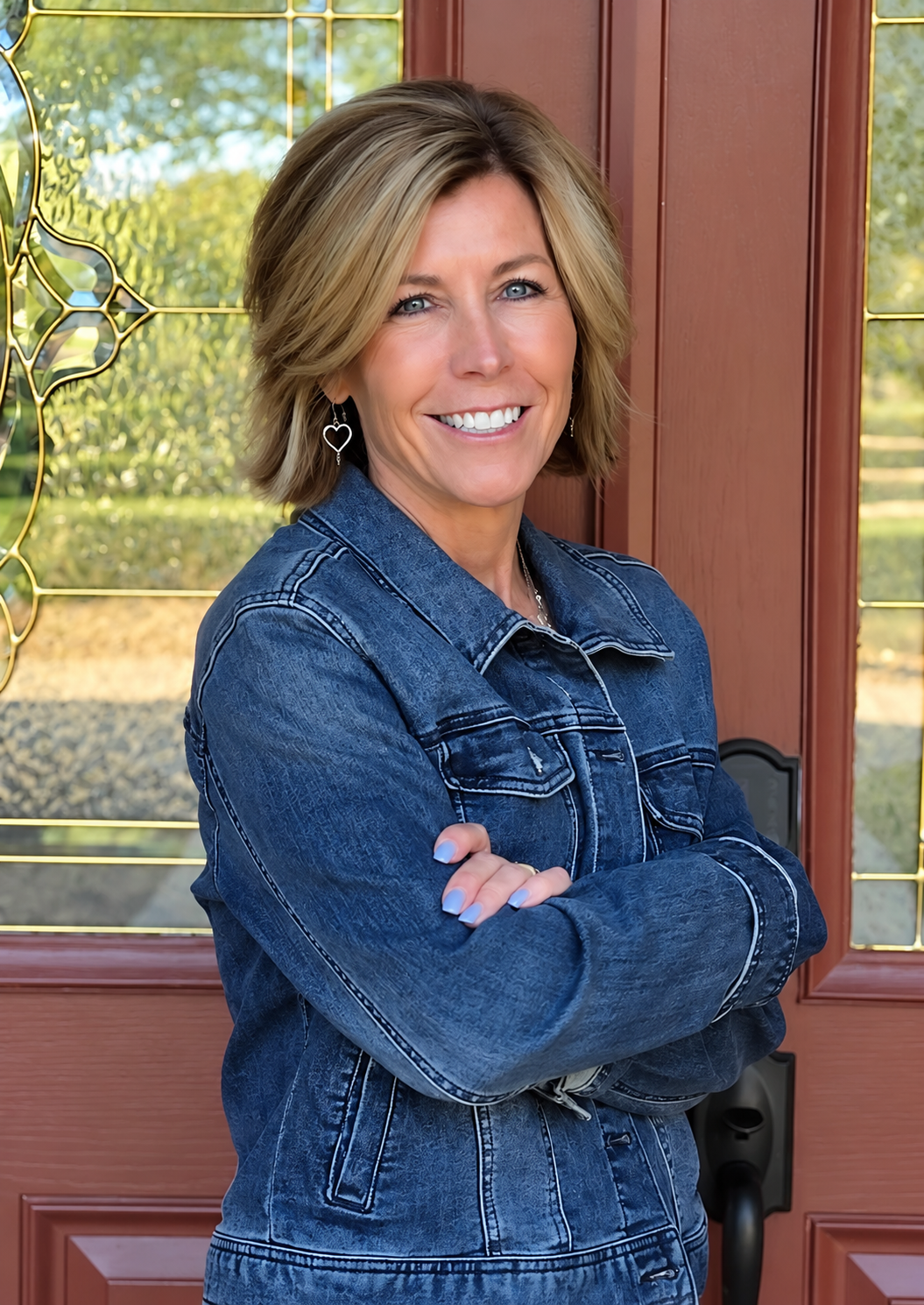
Cindy Amann - Bray Real Estate
Real EstateCindy Amann, REALTOR, SRS,CNE: Real Estate GuidanceMoving is rarely just about a house. For many older adults and their families, it is about comfort, independence, and the next chapter of life. Whether you are downsizing, relocating closer to family, or helping a parent make a big decision, a calm and honest guide makes all the difference.Cindy Amann is a Grand Junction, Colorado REALTOR with more than ten years of experience. She is also a former teacher, and it shows in how she works. She explains each step of buying or selling a home in plain language so you always know what is happening and what comes next.Meet Cindy: A Neighbor Who Chose Grand JunctionCindy knows what it means to make a big move, because she has done it herself.From New York to Denver to the Grand ValleyCindy grew up in New York. She and her husband spent 25 years in the Denver area raising their two children. When their son settled in Grand Junction, they bought a second home here to be near him.Then something happened that many families will recognize. They kept finding reasons to come back. They spent more and more time in the area, and before long, Grand Junction was simply home.Why the Smaller-Town Feel Won Her OverCindy often points to the smaller-town feel of Grand Junction and the Grand Valley as what drew her in. Her own move was a gradual, heartfelt decision, so she understands that relocating isnt only a financial choice. It is personal, and she brings that empathy to every client conversation.A Teachers Approach to Real EstateBefore real estate, Cindy worked as a teacher. She still carries that patient, explain-it-clearly style into her work.Why That Matters for Seniors and CaregiversReal estate involves a lot of paperwork, unfamiliar terms, and decisions with real consequences. It can feel overwhelming, especially when you are managing a move alongside everything else life brings.Cindy takes time to walk her clients through each phase of the process, so you feel informed rather than rushed. Her approach includes:Plain-language explanations of each step in a purchase or saleTime for questions, with no pressure to hurryCareful listening so your priorities guide the processSteady communication from your first meeting through closingMake Every Move CountCindys motto reflects how she works. She sees buying or selling a home as a major life event and aims to guide clients thoughtfully and strategically. The goal is a process that feels as smooth and stress-free as possible.What Clients Can Expect When Working With CindyCindy says she hopes clients would describe her by three qualities: honesty, integrity, and a genuine commitment to putting their needs first. Here is what that can look like in practice.Service That Starts With ListeningEvery household has different needs. One family may want a single-level home with easy access. Another may want to sell a longtime family property without feeling hurried. Cindy begins by understanding your situation, timeline, and goals.Support Through Both Buying and SellingMany people in this stage of life are doing both at once: selling a long-held home and buying something new. Cindy can guide you through either side of the transaction, or both, with the same careful attention.A Professional With Credentials and ExperienceCindy holds the CNE designation and has been a REALTOR for over ten years. She is passionate about serving both her clients and her community, and she works to earn the kind of trust that leads to referrals and repeat business. She also is s Senior Real Estate Specialist (SRS) who specializes in assisting seniors navigate life transitions. Why Grand Junction and the Grand Valley?If you are considering a move to western Colorado, Cindy can speak to the area from lived experience.An Active, Outdoor-Friendly Place to LiveCindy is a self-described fitness enthusiast, and she loves how much the Grand Valley offers. Residents enjoy activities like:HikingMountain bikingSkiingNot everyone wants to hit the trails, of course. Many people simply enjoy being in a place with scenery, open space, and a slower pace than a big city. If you want to know what daily life is like here, Cindy can share her own experience as a resident.A Community Cindy Is Grateful to Call HomeCindy often says she feels fortunate to live in Grand Junction, and she finds real meaning in helping others make the same move.Helpful Questions to Ask Before You MoveWhichever REALTOR you choose, these questions can help you get started:What matters most in my next home? Think about layout, location, and upkeep.What is my timeline? Some moves are planned for months; others come up quickly.Who else should be involved? Family members or trusted advisors may want to join conversations.What questions do I still have? A good agent will welcome every one.Bring your list to your first conversation with Cindy. She will be glad to go through it with you.Frequently Asked QuestionsWhere does Cindy Amann work?Cindy is a REALTOR based in Grand Junction, Colorado, serving clients in the Grand Valley.How long has Cindy been a REALTOR?She has been in real estate for more than ten years.Can Cindy help with both buying and selling a home?Yes. Cindy works with clients on both sides of the real estate process, from the first meeting through closing.What is Cindys approach to working with clients?She emphasizes listening, honesty, and clear explanations. As a former teacher, she takes time to make sure clients understand each phase of the process.Is Cindy a good fit if Im relocating from out of state or from a big city?Cindy relocated from the Denver area herself after living there for 25 years, and she is originally from New York. She understands the emotional and practical side of settling into a new community.Ready to Talk? Start HereWhether you are thinking about a move this year or simply exploring your options, a conversation costs you nothing but a little time. Reach out to Cindy Amann and ask your questions.Visit SeniorsBlueBook.com to connect with Cindy Amann, REALTOR, CNE, and take the first step toward your next move in Grand Junction, Colorado.