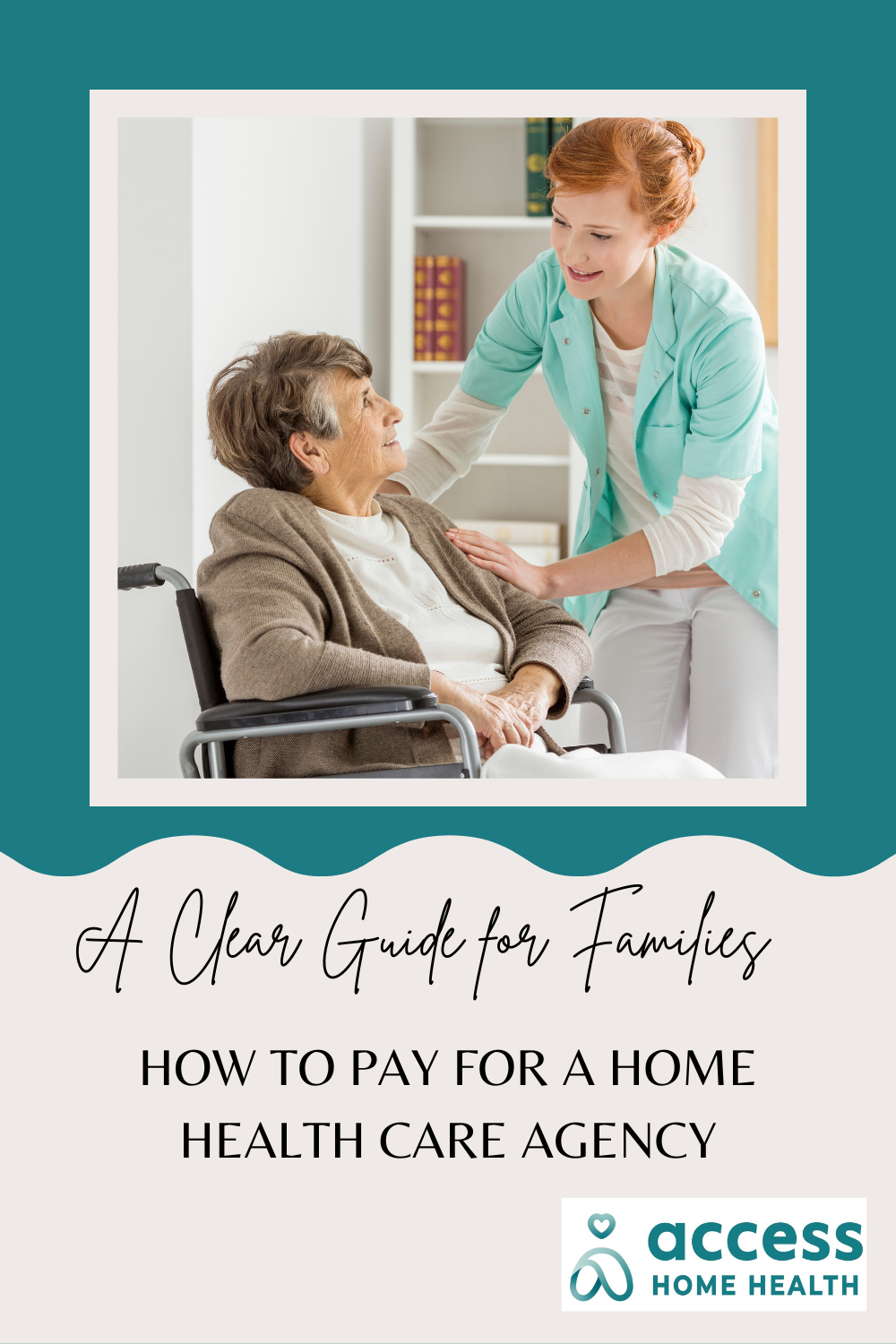
How to Pay For Home Health Care: A Clear Guide for Families
Access Home Health-Alabama
For more information about the author, click to view their website: Access Home Health
May 01, 2026
Alabama - Gulf Coast


How to Pay for Home Health Care: A Clear Guide for Families
When considering home health care
for yourself or a loved one, one of the first questions is often about cost.
Understanding how home health care is priced and what financial support is
available can make the decision much easier. This guide breaks down what you
need to know, including insurance options, out-of-pocket costs, and local
resources.
What Is Home Health Care and
Why It Matters
Home health care refers to medical
and supportive services delivered in a patient’s home. These services are
typically ordered by a physician and may include skilled nursing, therapy, and
chronic disease management. For many families, home health offers a more
comfortable and cost-effective alternative to hospital stays or nursing
facilities.
Insurance Coverage Options for
Home Health Care
Insurance is often the most
important factor in reducing out-of-pocket expenses. Here’s how different types
of coverage work:
Medicare Coverage
Medicare can cover home health
services at little to no cost if:
·
A doctor prescribes the care
·
The care is considered medically necessary
·
The patient is homebound (unable to leave home
without assistance)
Covered services may include
skilled nursing, therapy, and limited home health aide support.
Medicaid Support
Medicaid provides assistance for
individuals with limited income. Coverage varies by state, but many programs
include long-term home health care benefits.
Private Health Insurance
Many private insurance plans
include home health benefits. However, coverage levels, co-pays, and service
limits differ widely. It’s important to review your policy or speak directly
with your provider.
Long-Term Care Insurance
Policies designed for long-term
care often include home health services. These plans may cover extended care
needs that traditional insurance does not.
Paying Out of Pocket: What to
Expect
If insurance coverage is limited
or unavailable, families may need to pay privately. While this can seem
overwhelming, home health care is often more affordable than nursing homes or
extended hospital stays, especially when only part-time care is needed.
Financial Assistance Programs
That Can Help
Several programs can ease the
financial burden of home health care:
- Veterans Benefits
Eligible veterans may receive assistance through U.S. Department of Veterans Affairs programs, including Aid and Attendance benefits. - State and Local Programs
Alabama offers various non-Medicaid programs that support seniors and individuals with disabilities who wish to remain at home. - Sliding Scale Fees
Some home health providers adjust pricing based on income, making care more accessible for families with financial constraints.
Home Health Services Available
in Mobile Foley & Bay Minette, Alabama
For residents in the Greater Mobile
area, home health care services are designed to meet a wide range of medical
and personal needs. One trusted provider is: Access Home Health
Service Areas Include:
Mobile and surrounding counties including Baldwin, Escambia, Conecuh, Covington
Monroe, and Washington.
Core Services Include:
Skilled nursing care
·
Medication and pain management
·
Wound and ostomy care
·
IV therapy and infusion services
·
Chronic disease and heart care
·
Stroke recovery and neurological support
·
Physical, occupational, and speech therapy
·
Fall prevention and home safety assessments
·
Nutritional guidance and meal planning
·
Medical social services
·
Hospital-to-home transition support
The Access Home Health team works
closely with physicians to create personalized care plans that promote
recovery, independence, and quality of life all from the comfort of home.
Making an Informed Decision
Paying for home health care
doesn’t have to be overwhelming. By understanding your insurance options,
exploring assistance programs, and comparing costs, you can find a solution
that fits your financial situation while ensuring high-quality care.
Home-based care not only supports
recovery but also allows individuals to remain in a familiar, comfortable
environment - something that often leads to better outcomes and greater peace
of mind.
Learn More
To learn more about Access Home
Health in Mobile Foley and Bay Minette Alabama, visit their listings on
SeniorsBlueBook.com by clicking HERE
Other Articles You May Like
Managing Complex Care Needs at Home in Mobile, AL
For older adults managing several medical conditions, receiving appropriate healthcare can involve a complicated schedule.A person living with diabetes may require wound monitoring and medication education. Someone with heart disease may need regular clinical assessments. Another patient may have recently undergone surgery and require skilled nursing and rehabilitation before returning to ordinary activities.When these needs overlap, coordinating multiple healthcare services can become difficult.Family members may be uncertain about which provider to contact, how to organize medications, or which symptoms require urgent attention.For eligible residents in Mobile, Alabama, skilled home health care can bring professional services into the residence while supporting coordination with the patient's healthcare team.Home health care provides medically necessary nursing, rehabilitation, and related services according to an individualized treatment plan.It is intended to help patients manage appropriate health needs and maintain or improve everyday functioning.Access Home Health Mobile offers professional in-home healthcare, including skilled nursing, wound and ostomy care, medication management, IV and infusion services, chronic disease support, rehabilitation, and medical social work.Based on Old Shell Road, the agency serves Mobile and surrounding counties.For families managing complex healthcare responsibilities, understanding how these services work together can help create a more organized approach to care.Understanding Complex Home Healthcare NeedsSome patients require one primary service.Others need several types of clinical support at the same time.Multiple Medical ConditionsAn individual may live with heart disease, diabetes, or other chronic illnesses.Medication ComplexitySeveral prescriptions may require careful coordination.Wound CareCertain wounds need professional assessment and treatment.RehabilitationPhysical limitations may require therapy.Infusion TreatmentSome individuals receive medically appropriate IV or infusion services.Care CoordinationHealthcare professionals may need to share information and review the treatment plan.Not every condition can be managed safely at home.The appropriate setting depends on the individual's medical needs.Access Home Health in MobileAccess Home Health Mobile is part of Access Home Health and Hospice.The Mobile location provides skilled in-home healthcare services across several Alabama counties.Skilled NursingLicensed nurses provide approved medical assessments, treatments, and education.Medication ManagementPatients may receive support understanding prescribed medications.Wound and Ostomy CareQualified clinicians address relevant wound and ostomy treatment requirements.IV and Infusion TherapyThe agency advertises selected infusion-related services.Chronic Disease ManagementPatients may receive education and monitoring for eligible conditions.Physical TherapyTherapy may address mobility, strength, and balance.Occupational TherapyTreatment may support everyday activities.Speech TherapySpeech-language pathology may address communication and swallowing.Medical Social WorkSocial workers help address relevant care-related practical concerns.Verified Contact InformationAccess Home Health MobileAddress: 3262 Old Shell Road, Suite B, Mobile, AL 36607County: Mobile County, AlabamaPhone: 251-380-0492Patients should verify geographic coverage and current service capacity.Skilled Nursing for Medical MonitoringSkilled nurses provide care that requires professional healthcare knowledge.Clinical AssessmentNurses evaluate relevant symptoms and medical needs.Medication ReviewThey may help patients understand prescribed treatment instructions.Chronic Condition MonitoringQualified nurses may observe certain changes and communicate findings to physicians.Patient EducationIndividuals can learn about approved self-care responsibilities.Family ParticipationCaregivers may receive appropriate instruction.Continued EvaluationCare plans may change when medical needs evolve.Home health nursing is intermittent under many insurance arrangements and does not automatically provide continuous 24-hour supervision.Managing Medications at HomeMedication routines can become complicated when multiple clinicians prescribe treatments.Current Medication ListPatients should maintain an accurate list of medications and doses.New PrescriptionsHospitalizations may result in medication changes.Potential InteractionsClinicians may need to evaluate prescribed drugs alongside nonprescription products and supplements.Medication RemindersPatients should understand the schedule provided by the responsible professional.Side EffectsNew or concerning symptoms should be reported.Avoid Independent ChangesDo not discontinue or adjust prescribed medicines without appropriate medical guidance.Access Home Health advertises medication management as part of its services.Wound and Ostomy CareCertain patients require professional wound or ostomy care at home.Surgical WoundsSome operations require continued treatment following discharge.Chronic WoundsUnderlying medical conditions may affect healing.Dressing ChangesClinicians may perform medically prescribed wound care.Ostomy EducationPatients may need instruction about managing ostomy equipment.Monitoring ChangesProfessionals can assess relevant wound characteristics.Reporting ConcernsUnexpected drainage, worsening pain, fever, or redness should be reported promptly.Severe infection symptoms require immediate medical assessment.IV and Infusion TherapySome prescribed treatments may be delivered intravenously.Access Home Health advertises IV and infusion services.Professional AssessmentThe agency determines whether home administration is clinically appropriate.Medical OrdersTreatments require appropriate prescriptions and documentation.EquipmentCertain therapies require specialized supplies.MonitoringClinicians assess treatment tolerance according to the care plan.Family ResponsibilitiesCaregivers should receive appropriate instructions if they have a role.Emergency PlanningPatients must understand which symptoms require urgent or emergency treatment.Not every infusion therapy is available or appropriate in the home setting.Home Health and Heart DiseaseSome individuals with heart-related conditions require continuing care after hospitalization.Medication EducationPatients may need help understanding prescribed treatment.Recognizing SymptomsClinical education may address changes requiring medical contact.Daily FunctioningReduced endurance may affect activity levels.Physical TherapySelected individuals benefit from appropriate rehabilitation.Physician CoordinationHome health clinicians communicate with the responsible healthcare team.Emergency SymptomsChest pain, severe difficulty breathing, or other concerning acute symptoms require emergency medical attention.Access Home Health identifies heart disease care among its service areas.Neurological Conditions and Stroke RecoveryNeurological conditions can affect movement, communication, swallowing, and independence.Skilled NursingPatients may require medical monitoring and education.Physical TherapyTreatment can address mobility and balance.Occupational TherapyCertain patients need help regaining functional abilities.Speech TherapyTherapy may address speech, language, or swallowing-related concerns.Family EducationRelatives may need appropriate guidance.Clinical CoordinationTreatment should reflect medical instructions and the patient's condition.New stroke symptoms require immediate emergency evaluation.Medical Social Work and Community ResourcesSome patients face barriers beyond medical treatment.Insurance QuestionsFamilies may need assistance understanding available information.Caregiver ConcernsRelatives may need help identifying support options.Community ServicesCertain individuals benefit from referrals to local resources.Discharge PlanningSocial workers may contribute to appropriate care transitions.Practical ChallengesTransportation, household support, and financial concerns can affect treatment arrangements.Professional BoundariesMedical social workers do not automatically provide legal representation or financial planning.Coordinating Care Between VisitsSkilled home health visits usually occur according to a scheduled plan.Patients may still need assistance between visits.Clarify ResponsibilitiesKnow which tasks are handled by clinicians and which require family or other caregivers.Prepare Written InstructionsKeep relevant treatment directions accessible.Identify ContactsMaintain the agency and physician telephone numbers.Report ChangesDo not wait for the next visit when concerning symptoms develop.Arrange Additional SupportSome patients need separate personal care or household assistance.Understand Emergency ProceduresHome health is not a replacement for emergency services.Why Home Health Matters in Mobile CountyMobile County residents may receive medical treatment at several hospitals and specialty practices.Care coordination becomes particularly important when a patient returns home.Bringing Care Into the ResidenceCertain services can be performed without additional travel.Supporting Family CaregiversRelatives may receive education about appropriate responsibilities.Addressing Multiple ConditionsNursing and therapy services can be coordinated.Home SafetyClinicians may identify functional concerns in the home.Broad Service AreaThe Mobile office advertises coverage across several counties.Severe Weather ConsiderationsPatients using medical equipment or requiring regular treatment should maintain emergency arrangements during hurricanes and other disruptions.Understanding Payment and EligibilityMedicare may cover qualifying skilled home health care when applicable requirements are met.Medical NecessityEligible skilled services must be required.Homebound StatusOriginal Medicare generally requires the patient to meet homebound criteria.Authorized PlanA healthcare professional must oversee the appropriate care plan.Medicare-Certified ProviderCoverage requires care from an eligible agency.Other InsurancePrivate plans and Medicare Advantage may have additional requirements.Covered ServicesEligible home health services generally have no patient charge under Original Medicare, although certain equipment involves cost sharing.Medicare does not automatically cover 24-hour in-home care, meals, or personal assistance when that is the only required service.Families should review insurance benefits and any expected charges before services begin.Expert Tip for Coordinating Home HealthcareExpert Tip: Keep one updated healthcare summary in the home that includes current medications, diagnoses, allergies, treating physicians, emergency contacts, and scheduled home health visits.Review the information whenever a treatment changes.This can help patients, family caregivers, and visiting clinicians communicate more effectively.How to Get Started With Access Home Health MobileStep 1: Discuss Healthcare NeedsConsult the treating clinician.Step 2: Contact the Mobile OfficeCall 251-380-0492.Step 3: Confirm Address CoverageAsk whether the agency currently serves the residence.Step 4: Review Required ServicesDiscuss nursing, wound care, infusion therapy, or rehabilitation.Step 5: Coordinate Medical OrdersProvide required records and referrals.Step 6: Confirm InsuranceReview eligibility, authorizations, and expected expenses.Step 7: Complete an AssessmentThe agency determines appropriate care and available staffing.Step 8: Follow the Care PlanMaintain communication and report significant changes.Frequently Asked Questions1. What services does Access Home Health Mobile offer?The agency provides skilled nursing, medication management, wound and ostomy care, IV and infusion therapy, chronic disease support, rehabilitation, and medical social work.2. Where is Access Home Health Mobile located?The office is at 3262 Old Shell Road, Suite B, Mobile, AL 36607. Call 251-380-0492.3. Does Access provide home wound care?Yes. Wound and ostomy care are included among its advertised clinical services, subject to assessment and medical need.4. Can Access help patients recovering from a stroke?The agency advertises stroke recovery and neurological support, including appropriate nursing and rehabilitation services.5. Does Medicare pay for Access Home Health services?Qualifying Original Medicare beneficiaries may receive covered skilled home health services under applicable eligibility requirements. Individual coverage must be confirmed.Coordinate Medical Support Where Daily Life HappensManaging several health conditions can create practical challenges for older adults and their families.Skilled home health services may help qualifying patients receive nursing, rehabilitation, and approved treatments while remaining in familiar surroundings.Access Home Health Mobile provides individualized in-home healthcare across Mobile County and surrounding areas.Families can contact the agency to discuss medically necessary services, admission requirements, and available care plans.Seniors Blue Book Listing: [https://seniorsbluebook.com/home-health-hospice/access-home-health-of-mobile-mobile-al]Find Access Home Health on Seniors Blue BookExplore skilled home health services and clinical support from Access Home Health Mobile.
Restoring Mobility With Home Therapy in Foley, AL
Movement plays an important role in everyday independence. Walking to the kitchen, getting dressed, stepping into the shower, or standing from a chair may feel automatic until illness, surgery, or injury makes those tasks difficult.An older adult recovering from a hip procedure may need to rebuild walking ability. Someone who experienced a stroke may struggle with coordination or communication. Another person may feel weak after an extended hospital stay.When these changes occur, attending outpatient rehabilitation appointments can be challenging.For eligible residents in Foley, Alabama, home health therapy offers an opportunity to receive appropriate rehabilitation in the environment where daily life takes place.Home-based rehabilitation helps individuals address movement, daily functioning, and communication needs through professional therapy delivered according to a medical care plan.The goal is to improve or maintain meaningful abilities and help patients work toward appropriate individual goals.Access Home Health Foley provides skilled home health services, including physical therapy, occupational therapy, speech therapy, nursing, and other clinical support.The agency serves Foley and surrounding communities through its West Laurel Avenue office.For families throughout Baldwin County, understanding the different rehabilitation disciplines can help clarify which services may be appropriate after illness, injury, or a change in functioning.What Is Home Health Rehabilitation?Home health rehabilitation involves treatment provided by qualified therapists in the patient's home.These services may be appropriate when an individual meets relevant medical and insurance requirements.Common Reasons for TherapyPatients may need assistance following:Orthopedic surgeryStrokeNeurological illnessExtended hospitalizationSignificant weaknessMobility changesDifficulty completing personal activitiesCommunication problemsCertain swallowing disordersIndividualized TreatmentRehabilitation services are selected according to medical needs.Why Home MattersTherapists can work with patients in the setting where they perform ordinary daily activities.Treatment GoalsGoals may involve regaining independence, improving function, or preventing avoidable decline.Access Home Health in FoleyAccess Home Health Foley operates through Access Home Health and Hospice.Its services focus on professional in-home healthcare, recovery, and rehabilitation.Physical TherapyTherapists address appropriate movement, balance, strength, and mobility goals.Occupational TherapyCare focuses on everyday activities and functional adaptations.Speech TherapySpeech-language pathologists address communication and swallowing-related needs.Skilled NursingNurses provide approved clinical assessments, treatments, and education.Fall PreventionThe agency advertises home safety and fall-prevention-related services.Chronic Disease SupportNursing and therapy may be coordinated for patients with certain long-term medical conditions.Medical Social WorkSocial workers can help address healthcare-related practical concerns.Verified Contact InformationAccess Home Health FoleyAddress: 200 West Laurel Avenue, Suite 210, Foley, AL 36535County: Baldwin County, AlabamaPhone: 800-763-6382Fax: 866-460-8537Contact the office to confirm admission availability and service coverage for a specific residential address.Physical Therapy for Walking and StrengthPhysical therapy focuses on improving or maintaining movement and physical functioning.WalkingSome patients need assistance regaining comfortable walking ability.Muscle StrengthTherapists may prescribe exercises that address functional weakness.BalanceBalance-related treatment may be appropriate for selected patients.TransfersMoving between a bed and chair can become difficult after illness.EnduranceSome individuals require gradual conditioning.Mobility EquipmentTherapists may assess appropriate use of walkers or other devices.Treatment is tailored to the patient's condition and medical instructions.Occupational Therapy for Everyday IndependenceOccupational therapy addresses activities that matter in daily life.DressingA therapist may recommend techniques for managing clothing.BathingCertain patients need strategies for using their bathroom safely.GroomingChanges in coordination or strength can affect grooming tasks.Meal PreparationTherapists may help identify appropriate ways to manage certain kitchen activities.Energy ConservationIndividuals with fatigue may benefit from learning techniques to distribute effort.Adaptive EquipmentSome patients need devices that support functional independence.The home environment allows treatment to address practical tasks in familiar surroundings. Speech Therapy After Stroke or IllnessSpeech-language pathology supports more than speech pronunciation.Speech ClarityA patient may have difficulty forming understandable words.LanguageCertain neurological conditions affect speaking or understanding.Cognitive CommunicationSome individuals need support with communication-related thinking skills.SwallowingSpeech-language pathologists can assess selected swallowing problems.Family EducationRelatives may learn strategies to support communication.Medical CoordinationSwallowing concerns may require consultation with additional healthcare professionals.Access Home Health identifies speech therapy among its professional services.Home Safety and Fall PreventionAn older adult with limited mobility may be at increased risk of falling.Falls can have several contributing causes.Walking AreasClutter and obstacles may create unnecessary hazards.LightingPoor lighting can make movement more difficult.BathroomsCertain patients benefit from professionally recommended accessibility equipment.FootwearAppropriate footwear may help with safe mobility.Medication EffectsSome medications can contribute to dizziness or instability.Medical ConditionsVision, neurological, muscle, and cardiovascular problems may affect balance.Home safety recommendations should be individualized.Rehabilitation After Orthopedic SurgeryRecovery following orthopedic surgery may involve temporary restrictions and functional limitations.Following Surgical InstructionsWeight-bearing and movement precautions should follow the surgeon's recommendations.Regaining MobilityTherapy may address walking and transfers.StrengthAppropriate exercises may help restore function.Personal CareOccupational therapy may help with dressing and bathing tasks.Monitoring SymptomsNew or worsening symptoms should be reported.Progress ReviewsThe therapy plan may be adjusted according to recovery.Patients should not attempt exercises that conflict with surgical restrictions.Recovering After StrokeA stroke can affect movement, speech, swallowing, and daily functioning.Home rehabilitation may be appropriate for certain individuals after acute treatment.MobilityPhysical therapy may address walking and balance.Everyday ActivitiesOccupational therapy may help with functional tasks.CommunicationSpeech therapy may address speech or language challenges.Family ParticipationCaregivers may need instruction about approved support techniques.Ongoing Medical CareStroke survivors may require continued treatment for underlying medical conditions.Emergency Warning SignsNew facial drooping, weakness, speech difficulty, or other stroke symptoms require emergency medical attention.Call 911 when stroke symptoms occur.Why Home Therapy Matters in FoleyFoley and southern Baldwin County include older adults who live independently or with family support.Less Travel for Eligible ServicesHome therapy may reduce the need to travel for every rehabilitation appointment.Real-World PracticeTherapists can address functional activities in the patient's actual living environment.Family EducationRelatives can learn about suitable assistance.Daily ConfidenceImproving practical skills may support greater confidence with routines.Coordinated Clinical CareTherapists communicate with other professionals involved in treatment.Seasonal PlanningFamilies should maintain emergency and severe weather arrangements during Gulf Coast storm seasons.Understanding Therapy GoalsRehabilitation plans should identify meaningful goals.Functional GoalsA patient may want to move safely from bed to chair.Mobility GoalsAn individual may want to walk an appropriate distance.Personal Care GoalsSomeone may work toward dressing with less assistance.Communication GoalsA patient may want to communicate daily needs more clearly.Swallowing GoalsSome individuals require treatment addressing swallowing function.Reviewing ProgressThe care team adjusts treatment based on clinical findings and response.Medicare and Home Health TherapyOriginal Medicare may cover eligible home health therapy when applicable conditions are met.Skilled NeedThe patient must require qualifying services.Homebound StatusHomebound requirements generally apply.Authorized Care PlanThe services must follow an appropriate plan of care.EligibilityA clinician must certify the applicable requirements.Agency ParticipationServices must be provided by an eligible agency.Coverage LimitationsMedicare does not provide unrestricted exercise coaching or household assistance through the home health benefit.Families should also verify Medicare Advantage, private insurance, and authorization requirements.Combining Therapy With Skilled NursingSome patients need more than one discipline.For example, a patient recovering from surgery may require physical therapy and professional wound care.Coordinating AppointmentsThe agency develops a schedule according to the plan.Sharing Relevant FindingsClinicians communicate about progress and concerns.Medication EducationNurses may address prescribed medication instructions.Chronic Condition ManagementExisting medical problems may affect rehabilitation.Caregiver TrainingFamilies may learn appropriate techniques for supporting the patient.ReassessmentChanges in condition may require an updated plan.Expert Tip for Home RehabilitationExpert Tip: Identify one everyday activity that has become difficult and discuss it with the home health therapist.Examples include standing from a favorite chair, walking to the bathroom, or preparing a simple meal.When treatment goals connect directly to real-life routines, patients and caregivers may better understand the purpose of rehabilitation.How to Get StartedStep 1: Discuss Therapy NeedsConsult the patient's physician or authorized healthcare professional.Step 2: Contact Access Home HealthCall the Foley office at 800-763-6382.Step 3: Confirm Service CoverageProvide the residential address.Step 4: Coordinate OrdersAsk which records and referrals are required.Step 5: Review CoverageConfirm Medicare or other insurance eligibility.Step 6: Arrange an AssessmentThe agency determines appropriate services and available staffing.Step 7: Establish GoalsDiscuss mobility, personal care, or communication priorities.Step 8: Follow the PlanParticipate according to professional instructions and report changing needs.Frequently Asked Questions1. What therapy services does Access Home Health Foley offer?The agency advertises physical therapy, occupational therapy, speech therapy, and other qualifying skilled home health services.2. Where is the Foley office located?The office is located at 200 West Laurel Avenue, Suite 210, Foley, AL 36535. Its telephone number is 800-763-6382.3. Can someone receive physical therapy after surgery at home?Eligible patients may receive home-based physical therapy when medically appropriate and ordered under an approved plan.4. Does Access provide speech therapy?Yes. Its services include speech-language therapy for appropriate communication and swallowing-related needs.5. Does Medicare cover rehabilitation at home?Original Medicare may cover qualifying physical, occupational, and speech therapy under the home health benefit when all applicable requirements are met.Work Toward Greater Everyday IndependenceRecovery involves more than completing exercises.For many patients, meaningful progress means walking more comfortably, managing daily activities, and communicating effectively.Access Home Health Foley provides rehabilitation and skilled healthcare services to eligible residents in Baldwin County and surrounding areas.Patients and families can contact the agency to explore home-based therapy, referral requirements, and individualized care plans.Seniors Blue Book Listing: [https://seniorsbluebook.com/home-health-hospice/access-home-health-of-foley-foley-al]Find Access Home Health on Seniors Blue BookExplore professional home health and rehabilitation services available through Access Home Health Foley.
Recovering Safely at Home in Bay Minette, AL
Returning home after hospitalization is often an encouraging milestone. For many patients, however, discharge does not mean that every aspect of recovery is complete.Someone recovering from surgery may need wound care and physical therapy. An individual who experienced a stroke may require assistance regaining mobility or communication abilities. Another older adult may need nursing visits to monitor a medical condition and explain treatment instructions.Family members may also have questions.Which medications should be taken? How often will therapy occur? What activities are safe? Who should be contacted if symptoms change?For residents in Bay Minette, Alabama, professional home health care can help address these concerns while allowing eligible individuals to continue recovery in familiar surroundings.Skilled home health services provide medically necessary nursing, rehabilitation, and other qualified healthcare services in the patient's residence.Care is based on an individualized plan developed in coordination with the appropriate healthcare professionals.Access Home Health Bay Minette provides in-home nursing, physical therapy, occupational therapy, speech therapy, wound care, medication management, and other specialized services.The agency serves residents across Baldwin, Escambia, Monroe, and Washington Counties.For families preparing for discharge, understanding home health services before returning home can help create a more organized recovery plan.What Is Skilled Home Health Care?Skilled home health care brings professional healthcare services to a patient's residence.It may be appropriate when someone requires intermittent nursing or rehabilitation but does not need to remain in the hospital.Common ServicesThese may include:Skilled nursingMedication education and managementWound carePhysical therapyOccupational therapySpeech-language therapyChronic disease managementIV or infusion therapyHome safety assessmentsMedical social workNutritional guidanceThe exact combination of services depends on medical necessity, eligibility, and the individualized care plan.Home health is not the same as unlimited personal caregiving or round-the-clock nursing.Access Home Health in Bay MinetteAccess Home Health Bay Minette is part of Access Home Health and Hospice, an organization serving communities in central and southern Alabama.The Bay Minette office provides professional home health services with an emphasis on recovery, rehabilitation, and maintaining daily functioning.Skilled NursingQualified nurses provide medical assessments, treatment, and education.Physical TherapyTherapists help patients address strength, movement, walking, and balance.Occupational TherapyTreatment may focus on completing everyday activities.Speech TherapySpeech-language pathologists assist with communication and swallowing-related needs.Wound and Ostomy CareThe agency advertises treatment and education involving appropriate wounds and ostomies.Chronic Disease ManagementPatients may receive professional support managing eligible ongoing medical conditions.Hospital-to-Home SupportCare plans may address recovery following a hospital stay.Medical Social WorkPatients and families can receive assistance navigating certain healthcare and community resources.Verified Contact InformationAccess Home Health Bay MinetteAddress: 107 North Hoyle Avenue, Bay Minette, AL 36507County: Baldwin County, AlabamaPhone: 251-580-8236Families should confirm care availability for the patient's complete residential address.Preparing for Hospital DischargeDischarge planning should begin before the patient leaves the hospital whenever possible.Understand the Medical InstructionsAsk the hospital team to explain prescribed medications, activity restrictions, and follow-up appointments.Identify Skilled Care NeedsDetermine whether nursing, wound care, therapy, or other services are recommended.Confirm the ReferralThe hospital discharge planner or authorized clinician may coordinate the required referral.Prepare the HomeArrange appropriate equipment and remove unnecessary obstacles.Discuss Family ResponsibilitiesDetermine what relatives can realistically manage between professional visits.Confirm Initial ContactAsk when the home health agency expects to perform the initial assessment.A referral does not guarantee immediate admission or a particular visit schedule.Skilled Nursing During RecoveryA skilled nurse may help monitor the patient's condition and carry out medically necessary treatments.Reviewing MedicationsMedication lists can change during hospitalization.Nurses may help patients understand current instructions.Monitoring SymptomsClinical assessments may identify concerns requiring communication with the responsible physician.Wound CareSome individuals require professional wound evaluation and dressing changes.Chronic ConditionsExisting conditions can affect recovery.Patient EducationNurses may explain approved self-care and safety instructions.Caregiver TrainingAppropriate family members can learn which tasks they may safely perform.Nursing visits take place according to the plan of care rather than providing continuous bedside supervision.Physical Therapy After HospitalizationHospitalization can affect strength, endurance, and mobility.Physical therapy may help patients work toward functional recovery.WalkingTherapists may address walking ability and appropriate mobility devices.TransfersMoving safely between a bed and chair may require practice.StrengthExercises may target muscles needed for everyday activities.BalanceCertain patients benefit from balance assessment and training.EnduranceTherapy may help gradually improve activity tolerance.Individual GoalsTreatment should reflect realistic recovery objectives.A patient recovering from surgery may have different therapy needs from someone recovering from a neurological condition.Occupational Therapy and Daily ActivitiesOccupational therapy focuses on everyday tasks that allow individuals to function at home.Bathing and DressingTherapists may recommend appropriate techniques or adaptive equipment.GroomingFine motor or mobility limitations may interfere with personal routines.Kitchen ActivitiesSome patients need strategies for preparing simple meals.Energy ConservationTherapists may help individuals manage activity-related fatigue.Home EnvironmentA home-based assessment can identify practical challenges.Functional IndependenceThe goal may be to improve or maintain the person's ability to complete meaningful daily activities.Speech Therapy and Neurological RecoverySome patients require speech-language services following stroke or other conditions.Speech ProductionTherapy may address reduced speech clarity.LanguageCertain individuals experience difficulty understanding or expressing words.Cognitive CommunicationSome neurological conditions affect communication-related thinking skills.SwallowingSwallowing concerns may require specialized evaluation.Family EducationCaregivers may benefit from communication strategies.Coordinated TreatmentRecommendations are established according to the patient's clinical needs.Wound Care After SurgerySome surgical wounds require professional treatment after hospital discharge.Monitoring HealingQualified clinicians can assess wound appearance and other relevant findings.Dressing ChangesDressings should follow prescribed instructions.Infection ConcernsIncreasing redness, swelling, fever, or concerning drainage should be reported promptly.Underlying ConditionsDiabetes or circulation problems may affect recovery.Patient EducationClinicians may provide appropriate wound protection instructions.Urgent SymptomsSevere infection symptoms or uncontrolled bleeding require immediate medical attention.Access Home Health advertises wound and ostomy care among its services.Creating a Safer Recovery EnvironmentThe home environment can influence how practical the recovery plan is.Clear Walking PathsRemove unnecessary clutter.Appropriate LightingEnsure commonly used areas are well lit.Bathroom AccessibilitySome patients need professionally recommended equipment.Medication OrganizationKeep current written instructions available.Emergency ContactsMaintain contact information for physicians, the agency, and emergency services.Severe Weather PlanningBaldwin County households should consider emergency power, transportation, and communication plans during Gulf Coast storms.Home modifications and medical equipment should follow appropriate professional recommendations.Why Home Health Matters in Bay MinetteBay Minette residents may receive hospital care in different parts of Baldwin County or surrounding communities.Returning home can involve coordination among several providers.Reduced Travel BurdenQualifying services can be delivered at home.Practical AssessmentClinicians can observe the environment where everyday activities occur.Family ParticipationRelatives may learn how to support the care plan.Multi-County CoverageThe Bay Minette office serves several nearby counties.Continued Medical CommunicationHome health clinicians coordinate with the patient's responsible healthcare professionals.Recovery PlanningGoals and services can be reviewed as the patient's needs change.Understanding Medicare Home Health CoverageOriginal Medicare may cover qualifying skilled home health services when eligibility requirements are met.Skilled NeedThe patient must need eligible skilled nursing or therapy services.Homebound RequirementThe patient generally must meet Medicare's homebound criteria.Provider CertificationAn authorized healthcare professional must establish or certify required care.Approved AgencyThe home health agency must meet applicable Medicare requirements.Covered ServicesQualifying nursing, therapy, and other services may be covered.Coverage LimitationsMedicare generally does not cover 24-hour home care, meal delivery, or custodial personal care as the only required service.For eligible Original Medicare patients, covered home health services generally have no patient charge, although medical equipment may involve cost sharing.Other insurance plans have their own requirements.Expert Tip for Hospital-to-Home RecoveryExpert Tip: Before discharge, ask the hospital team to identify the three most important recovery goals for the first two weeks at home.Examples might include safe walking, proper wound management, and understanding medication instructions.Share these goals with the home health team during the initial assessment.This helps connect the discharge plan with everyday responsibilities.How to Get Started With Access Home HealthStep 1: Discuss the Need With a ClinicianAsk whether skilled home health is appropriate.Step 2: Contact the Bay Minette OfficeCall 251-580-8236.Step 3: Confirm the Service AddressVerify that the patient's home is within the service area.Step 4: Coordinate Medical OrdersAsk which records and referrals are needed.Step 5: Review InsuranceConfirm coverage, authorization, and expected costs.Step 6: Arrange an AssessmentThe agency evaluates appropriate services and availability.Step 7: Discuss Recovery GoalsReview nursing, therapy, and caregiver responsibilities.Step 8: Maintain CommunicationReport changing symptoms and treatment concerns promptly.Frequently Asked Questions1. What services does Access Home Health Bay Minette provide?The agency offers skilled nursing, physical therapy, occupational therapy, speech therapy, wound and ostomy care, medication management, chronic disease support, and other medically appropriate services.2. Where is the Bay Minette office located?The office is at 107 North Hoyle Avenue, Bay Minette, AL 36507. Call 251-580-8236.3. Which counties does the office serve?The official service page lists Baldwin, Escambia, Monroe, and Washington Counties. Exact address coverage should be confirmed.4. Can Access provide care after hospitalization?Yes. The agency advertises hospital-to-home support and skilled rehabilitation services for eligible patients.5. Will Medicare pay for home health?Original Medicare may cover medically necessary home health services for qualifying patients. Eligibility depends on skilled needs, homebound criteria, and other requirements.Continue Recovery With the Right Home Health SupportThe transition from hospital to home can involve several responsibilities.Skilled nursing, therapy, and education may help eligible patients manage medical needs while working toward functional recovery.Access Home Health Bay Minette provides a local resource for coordinated in-home healthcare across Baldwin County and surrounding areas.Families can contact the agency to discuss referrals, service availability, and individualized treatment needs.Seniors Blue Book Profile: https://seniorsbluebook.com/listings/access-home-health-bay-minetteFind Access Home Health on Seniors Blue BookExplore skilled nursing and rehabilitation services available through Access Home Health Bay Minette.
Local Services By This Author

Access Home Health - Foley
Home Health 200 West Laurel Avenue, Foley, Alabama, 36535Compassionate Home Health Care in Foley, AlabamaSupporting Independence, Healing, and Peace of Mind at HomeWhen someone you love needs care, comfort and trust matter just as much as clinical expertise. In Foley and throughout Baldwin County, families are turning to Access Home Health for skilled, compassionate care delivered right where it matters mostat home.Whether recovering from surgery, managing a chronic condition, or navigating a new health challenge, home health care provides a bridge between hospital and independence. With a personalized approach and a deeply human touch, Access Home Health helps seniors and adults regain confidence, improve quality of life, and stay connected to what they love.A Thoughtful Approach to Care That Puts People FirstAt its core, home health care is about more than medical treatmentits about preserving dignity, encouraging independence, and helping individuals feel safe and supported in familiar surroundings.Access Home Health brings together a team of licensed professionals who work collaboratively to deliver short-term skilled nursing, therapy, and supportive services. Every care plan is designed with intention, guided by a physician, and tailored to the unique needs of each patient.What Sets This Care ApartCare is delivered in the comfort of homeServices are coordinated with your physicianPlans are individualizednot one-size-fits-allFocus is placed on both recovery and quality of lifeSupport extends to families and caregiversComprehensive Home Health ServicesAccess Home Health offers a wide range of clinical and therapeutic services to support recovery and ongoing health needs. Each service is delivered by trained professionals who understand the unique challenges seniors and families face.Skilled Nursing ServicesHighly trained nurses provide essential medical care and monitoring, ensuring patients receive the attention they need without leaving home.Medication management and educationPain management and symptom controlWound and ostomy careInfusion and IV therapyChronic disease monitoringTherapy & RehabilitationTherapies are designed to help patients regain strength, mobility, and communication skills after illness, injury, or surgery.Physical therapy to improve strength and mobilityOccupational therapy to support daily living activitiesSpeech therapy for communication and swallowing challengesFall prevention strategies and home safety evaluationsSpecialized Support ServicesHolistic care means addressing more than just physical health.Nutritional consultations and meal planningMedical social work for emotional and practical supportEducation for patients and caregiversHospital-to-home transition supportA Personalized Plan Built Around YouNo two health journeys are alikeand your care plan shouldnt be either.Every patient begins with a thorough assessment, followed by a customized care plan developed in collaboration with their physician. This plan evolves as progress is made, ensuring care remains aligned with changing needs and goals.What Personalized Care Means for YouCare that adapts as your condition improvesClear communication between your care team and physicianMeasurable goals to track progressEncouragement and support at every stageEach milestonebig or smallis recognized and celebrated, reinforcing motivation and confidence along the way.The Power of a Collaborative Care TeamHealing doesnt happen in isolation. It takes a coordinated effort from professionals, patients, and loved ones working together toward a shared goal.Whos on Your Care Team?Your PhysicianProvides medical oversight and directs the overall plan of care.Skilled Nurses & TherapistsDeliver hands-on care, treatments, and rehabilitation services.The PatientAn active participant in their own recovery journey.Family & CaregiversOffer emotional support and assist with daily routines and goals.This team-based approach ensures that every aspect of care is aligned, supportive, and focused on achieving the best possible outcome.Micro-summary:Collaboration between providers, patients, and families leads to stronger, more successful recoveries.When Should You Consider Home Health Care?Its not always easy to know when additional support is needed. Many families wait longer than they should, not realizing how much home health care can help.Signs It May Be Time for Home HealthA physician recommends skilled care at homeDifficulty leaving home for medical appointmentsRecovery after surgery such as knee or hip replacementManaging medications becomes overwhelmingPresence of wounds requiring professional careChronic conditions like diabetes need monitoringMobility issues or increased risk of fallsSpeech or cognitive challenges following a stroke or injuryNeed for specialized treatments like IV therapy or catheter careRecognizing these signs early can prevent complications, reduce hospital readmissions, and improve overall well-being.Supporting Recovery at Home in Baldwin CountyReceiving care at home allows individuals to heal in a familiar, comfortable environmentoften leading to better emotional and physical outcomes.In communities like Foley, where neighbors value connection and family plays a central role, home health care offers a practical and compassionate solution.Benefits of Home-Based CareGreater comfort and reduced stressPersonalized attention from healthcare professionalsLower risk of hospital readmissionIncreased independenceStronger involvement from family membersFor many seniors, staying at home isnt just a preferenceits essential to their sense of identity and well-being.Insurance & AccessibilityHome health care is often more accessible than families expect.In many cases, services are covered by Medicare when eligibility requirements are met. This can significantly reduce out-of-pocket costs while ensuring access to high-quality care.If youre unsure about coverage, a care coordinator can help guide you through the process and answer your questions.Frequently Asked QuestionsWhat is home health care?Home health care provides medical and therapeutic services in a patients home, typically following a physicians order. It supports recovery, chronic condition management, and independence.Who qualifies for home health services?Individuals who are homebound or have difficulty traveling, and who require skilled care as prescribed by a physician, may qualify.How long does home health care last?Care is usually short-term and focused on recovery, but the duration depends on individual needs and progress.Is home health covered by Medicare?Yes, many home health services are covered 100% by Medicare if eligibility criteria are met.Can family members be involved in care?Absolutely. Family and caregivers play an important role and are often included in care planning and education.Take the Next Step Toward Quality Care at HomeChoosing home health care is a meaningful step toward recovery, independence, and peace of mindfor both patients and their families.If you or a loved one in Foley or the surrounding Baldwin County area could benefit from skilled care at home, now is the time to explore your options.Connect with Trusted Local ResourcesVisit Seniors Blue Book to learn more about Access Home Health, compare services, and find the support your family deserves.You dont have to navigate this journey alonehelp is closer than you think.

Access Home Health - Bay Minette
Home Health 107 North Hoyle Avenue, Bay Minette, Alabama, 36507Compassionate Home Health Care in Bay Minette, AlabamaSupporting Independence, Healing, and Peace of Mind at HomeWhen someone you love needs care, comfort and trust matter just as much as clinical expertise. In Bay Minette and throughout Baldwin County, families are turning to Access Home Health for skilled, compassionate care delivered right where it matters mostat home.Whether recovering from surgery, managing a chronic condition, or navigating a new health challenge, home health care provides a bridge between hospital and independence. With a personalized approach and a deeply human touch, Access Home Health helps seniors and adults regain confidence, improve quality of life, and stay connected to what they love.A Thoughtful Approach to Care That Puts People FirstAt its core, home health care is about more than medical treatmentits about preserving dignity, encouraging independence, and helping individuals feel safe and supported in familiar surroundings.Access Home Health brings together a team of licensed professionals who work collaboratively to deliver short-term skilled nursing, therapy, and supportive services. Every care plan is designed with intention, guided by a physician, and tailored to the unique needs of each patient.What Sets This Care ApartCare is delivered in the comfort of homeServices are coordinated with your physicianPlans are individualizednot one-size-fits-allFocus is placed on both recovery and quality of lifeSupport extends to families and caregiversComprehensive Home Health ServicesAccess Home Health offers a wide range of clinical and therapeutic services to support recovery and ongoing health needs. Each service is delivered by trained professionals who understand the unique challenges seniors and families face.Skilled Nursing ServicesHighly trained nurses provide essential medical care and monitoring, ensuring patients receive the attention they need without leaving home.Medication management and educationPain management and symptom controlWound and ostomy careInfusion and IV therapyChronic disease monitoringTherapy & RehabilitationTherapies are designed to help patients regain strength, mobility, and communication skills after illness, injury, or surgery.Physical therapy to improve strength and mobilityOccupational therapy to support daily living activitiesSpeech therapy for communication and swallowing challengesFall prevention strategies and home safety evaluationsSpecialized Support ServicesHolistic care means addressing more than just physical health.Nutritional consultations and meal planningMedical social work for emotional and practical supportEducation for patients and caregiversHospital-to-home transition supportA Personalized Plan Built Around YouNo two health journeys are alikeand your care plan shouldnt be either.Every patient begins with a thorough assessment, followed by a customized care plan developed in collaboration with their physician. This plan evolves as progress is made, ensuring care remains aligned with changing needs and goals.What Personalized Care Means for YouCare that adapts as your condition improvesClear communication between your care team and physicianMeasurable goals to track progressEncouragement and support at every stageEach milestonebig or smallis recognized and celebrated, reinforcing motivation and confidence along the way.The Power of a Collaborative Care TeamHealing doesnt happen in isolation. It takes a coordinated effort from professionals, patients, and loved ones working together toward a shared goal.Whos on Your Care Team?Your PhysicianProvides medical oversight and directs the overall plan of care.Skilled Nurses & TherapistsDeliver hands-on care, treatments, and rehabilitation services.The PatientAn active participant in their own recovery journey.Family & CaregiversOffer emotional support and assist with daily routines and goals.This team-based approach ensures that every aspect of care is aligned, supportive, and focused on achieving the best possible outcome.Micro-summary:Collaboration between providers, patients, and families leads to stronger, more successful recoveries.When Should You Consider Home Health Care?Its not always easy to know when additional support is needed. Many families wait longer than they should, not realizing how much home health care can help.Signs It May Be Time for Home HealthA physician recommends skilled care at homeDifficulty leaving home for medical appointmentsRecovery after surgery such as knee or hip replacementManaging medications becomes overwhelmingPresence of wounds requiring professional careChronic conditions like diabetes need monitoringMobility issues or increased risk of fallsSpeech or cognitive challenges following a stroke or injuryNeed for specialized treatments like IV therapy or catheter careRecognizing these signs early can prevent complications, reduce hospital readmissions, and improve overall well-being.Supporting Recovery at Home in Baldwin CountyReceiving care at home allows individuals to heal in a familiar, comfortable environmentoften leading to better emotional and physical outcomes.In communities like Bay Minette, where neighbors value connection and family plays a central role, home health care offers a practical and compassionate solution.Benefits of Home-Based CareGreater comfort and reduced stressPersonalized attention from healthcare professionalsLower risk of hospital readmissionIncreased independenceStronger involvement from family membersFor many seniors, staying at home isnt just a preferenceits essential to their sense of identity and well-being.Insurance & AccessibilityHome health care is often more accessible than families expect.In many cases, services are covered by Medicare when eligibility requirements are met. This can significantly reduce out-of-pocket costs while ensuring access to high-quality care.If youre unsure about coverage, a care coordinator can help guide you through the process and answer your questions.Frequently Asked QuestionsWhat is home health care?Home health care provides medical and therapeutic services in a patients home, typically following a physicians order. It supports recovery, chronic condition management, and independence.Who qualifies for home health services?Individuals who are homebound or have difficulty traveling, and who require skilled care as prescribed by a physician, may qualify.How long does home health care last?Care is usually short-term and focused on recovery, but the duration depends on individual needs and progress.Is home health covered by Medicare?Yes, many home health services are covered 100% by Medicare if eligibility criteria are met.Can family members be involved in care?Absolutely. Family and caregivers play an important role and are often included in care planning and education.Take the Next Step Toward Quality Care at HomeChoosing home health care is a meaningful step toward recovery, independence, and peace of mindfor both patients and their families.If you or a loved one in Bay Minette or the surrounding Baldwin County area could benefit from skilled care at home, now is the time to explore your options.Connect with Trusted Local ResourcesVisit Seniors Blue Book to learn more about Access Home Health, compare services, and find the support your family deserves.You dont have to navigate this journey alonehelp is closer than you think.

Access Home Health - Mobile
Home Health 3262 Old Shell Road Ste B, Mobile, Alabama, 36607Compassionate Home Health Care in Mobile, AlabamaSupporting Independence, Healing, and Peace of Mind at HomeWhen someone you love needs care, comfort and trust matter just as much as clinical expertise. In Mobile and throughout Mobile County, families are turning to Access Home Health for skilled, compassionate care delivered right where it matters mostat home.Whether recovering from surgery, managing a chronic condition, or navigating a new health challenge, home health care provides a bridge between hospital and independence. With a personalized approach and a deeply human touch, Access Home Health helps seniors and adults regain confidence, improve quality of life, and stay connected to what they love.A Thoughtful Approach to Care That Puts People FirstAt its core, home health care is about more than medical treatmentits about preserving dignity, encouraging independence, and helping individuals feel safe and supported in familiar surroundings.Access Home Health brings together a team of licensed professionals who work collaboratively to deliver short-term skilled nursing, therapy, and supportive services. Every care plan is designed with intention, guided by a physician, and tailored to the unique needs of each patient.What Sets This Care ApartCare is delivered in the comfort of homeServices are coordinated with your physicianPlans are individualizednot one-size-fits-allFocus is placed on both recovery and quality of lifeSupport extends to families and caregiversComprehensive Home Health ServicesAccess Home Health offers a wide range of clinical and therapeutic services to support recovery and ongoing health needs. Each service is delivered by trained professionals who understand the unique challenges seniors and families face.Skilled Nursing ServicesHighly trained nurses provide essential medical care and monitoring, ensuring patients receive the attention they need without leaving home.Medication management and educationPain management and symptom controlWound and ostomy careInfusion and IV therapyChronic disease monitoringTherapy & RehabilitationTherapies are designed to help patients regain strength, mobility, and communication skills after illness, injury, or surgery.Physical therapy to improve strength and mobilityOccupational therapy to support daily living activitiesSpeech therapy for communication and swallowing challengesFall prevention strategies and home safety evaluationsSpecialized Support ServicesHolistic care means addressing more than just physical health.Nutritional consultations and meal planningMedical social work for emotional and practical supportEducation for patients and caregiversHospital-to-home transition supportA Personalized Plan Built Around YouNo two health journeys are alikeand your care plan shouldnt be either.Every patient begins with a thorough assessment, followed by a customized care plan developed in collaboration with their physician. This plan evolves as progress is made, ensuring care remains aligned with changing needs and goals.What Personalized Care Means for YouCare that adapts as your condition improvesClear communication between your care team and physicianMeasurable goals to track progressEncouragement and support at every stageEach milestonebig or smallis recognized and celebrated, reinforcing motivation and confidence along the way.The Power of a Collaborative Care TeamHealing doesnt happen in isolation. It takes a coordinated effort from professionals, patients, and loved ones working together toward a shared goal.Whos on Your Care Team?Your PhysicianProvides medical oversight and directs the overall plan of care.Skilled Nurses & TherapistsDeliver hands-on care, treatments, and rehabilitation services.The PatientAn active participant in their own recovery journey.Family & CaregiversOffer emotional support and assist with daily routines and goals.This team-based approach ensures that every aspect of care is aligned, supportive, and focused on achieving the best possible outcome.Micro-summary:Collaboration between providers, patients, and families leads to stronger, more successful recoveries.When Should You Consider Home Health Care?Its not always easy to know when additional support is needed. Many families wait longer than they should, not realizing how much home health care can help.Signs It May Be Time for Home HealthA physician recommends skilled care at homeDifficulty leaving home for medical appointmentsRecovery after surgery such as knee or hip replacementManaging medications becomes overwhelmingPresence of wounds requiring professional careChronic conditions like diabetes need monitoringMobility issues or increased risk of fallsSpeech or cognitive challenges following a stroke or injuryNeed for specialized treatments like IV therapy or catheter careRecognizing these signs early can prevent complications, reduce hospital readmissions, and improve overall well-being.Supporting Recovery at Home in Baldwin CountyReceiving care at home allows individuals to heal in a familiar, comfortable environmentoften leading to better emotional and physical outcomes.In communities like Mobile, where neighbors value connection and family plays a central role, home health care offers a practical and compassionate solution.Benefits of Home-Based CareGreater comfort and reduced stressPersonalized attention from healthcare professionalsLower risk of hospital readmissionIncreased independenceStronger involvement from family membersFor many seniors, staying at home isnt just a preferenceits essential to their sense of identity and well-being.Insurance & AccessibilityHome health care is often more accessible than families expect.In many cases, services are covered by Medicare when eligibility requirements are met. This can significantly reduce out-of-pocket costs while ensuring access to high-quality care.If youre unsure about coverage, a care coordinator can help guide you through the process and answer your questions.Frequently Asked QuestionsWhat is home health care?Home health care provides medical and therapeutic services in a patients home, typically following a physicians order. It supports recovery, chronic condition management, and independence.Who qualifies for home health services?Individuals who are homebound or have difficulty traveling, and who require skilled care as prescribed by a physician, may qualify.How long does home health care last?Care is usually short-term and focused on recovery, but the duration depends on individual needs and progress.Is home health covered by Medicare?Yes, many home health services are covered 100% by Medicare if eligibility criteria are met.Can family members be involved in care?Absolutely. Family and caregivers play an important role and are often included in care planning and education.Take the Next Step Toward Quality Care at HomeChoosing home health care is a meaningful step toward recovery, independence, and peace of mindfor both patients and their families.If you or a loved one in Mobile or the surrounding Mobile County area could benefit from skilled care at home, now is the time to explore your options.Connect with Trusted Local ResourcesVisit Seniors Blue Book to learn more about Access Home Health, compare services, and find the support your family deserves.You dont have to navigate this journey alonehelp is closer than you think.