How Volunteering with Food Bank of the Rockies Helps Denver Metro Seniors Thrive and Strengthens the Entire Community
Food Bank of the Rockies
For more information about the author, click to view their website: Food Bank of the Rockies
Nov 22, 2025
Colorado - Denver Metro


In Denver, community support is more than a value — it’s a lifeline. Across neighborhoods such as Montbello, Capitol Hill, Green Valley Ranch, Highlands, and Lakewood, thousands of older adults rely on community food programs to stretch limited budgets, maintain nutrition, and feel connected. Rising food prices, transportation barriers, and health challenges make it harder for seniors to access the meals they need to stay healthy and independent.
That’s where Food Bank of the Rockies, one of Colorado’s largest hunger-relief organizations, makes an extraordinary difference. Their essential programs ensure that older adults across the Denver metro area receive nutritious, reliable food support — and volunteers play a vital role in making it happen. For seniors, volunteers, and the wider community, the impact is nothing short of transformative.
This article explores the importance of volunteerism, how Food Bank of the Rockies supports aging adults, and why so many Denver residents choose to give their time to such a meaningful mission.
The Growing Hunger Crisis Among Denver Seniors
Food insecurity is rising at an alarming rate among older adults. Many seniors in Denver are living on fixed incomes that haven’t kept up with inflation or rising housing costs. Studies show that seniors who skip meals or lack balanced nutrition are at higher risk for:
-
Falls and physical weakness
-
Diabetes complications
-
Heart issues
-
Depression and social withdrawal
-
Cognitive decline
Additionally, many seniors face mobility limitations or lack of transportation, making grocery shopping a challenge. For those living alone — especially in areas like Aurora, Glendale, or Commerce City — access to regular, nutritious food is essential.
Food Bank of the Rockies steps up to fill those gaps with dignity, compassion, and consistency.
How Food Bank of the Rockies Serves Seniors Across Denver
Food Bank of the Rockies operates an exceptionally strong network of programs that directly benefit older adults throughout the Front Range.
1. Food Boxes
Everyday Eats (also known as Commodity Supplemental Food Program or CSFP) delivers monthly, shelf-stable, senior-friendly boxes filled with:
-
Whole grains
-
Fruits and vegetables
-
Lean proteins
-
Dairy items
-
Nutrient-dense staples
These boxes are designed specifically with older adults’ dietary needs in mind.
2. Mobile Pantries
Mobile food distributions travel directly into neighborhoods — ideal for seniors with mobility or transportation limitations. Many of these stops are located near:
-
Senior apartment complexes
-
Affordable housing communities
-
Local recreation centers
-
Churches and community hubs
3. Hunger-Relief Partners
Food Bank of the Rockies supplies countless Denver organizations, such as:
-
Food pantries
-
Congregate meal sites
-
Shelters
-
Community ministries
These programs allow seniors to receive support in familiar, trusted locations close to home.
4. Emergency Response Programs
During unexpected life changes — illness, hospital discharge, or sudden financial hardship — Food Bank of the Rockies ensures food is available when it's needed most.
The Heart of the Mission: Volunteers
Volunteers are the backbone of Food Bank of the Rockies. While donors fuel the mission, volunteers power the daily operations.
Their responsibilities include:
-
Sorting and packaging food
-
Assembling senior food boxes
-
Supporting mobile pantry distributions
-
Loading vehicles
-
Organizing warehouse inventory
-
Helping staff community events
Whether someone volunteers once a month or once a week, every hour makes a direct impact on local seniors who depend on these programs.
Rachael Mattson, who works closely with volunteers and community outreach, shares:
“When you volunteer with Food Bank of the Rockies, you’re not just moving food — you’re touching lives. Every box we pack and every smile we share helps a senior feel seen, supported, and valued.”
Her words beautifully capture the human connection at the center of their work.
Why Denver Residents Choose to Volunteer
1. A Direct and Visible Impact
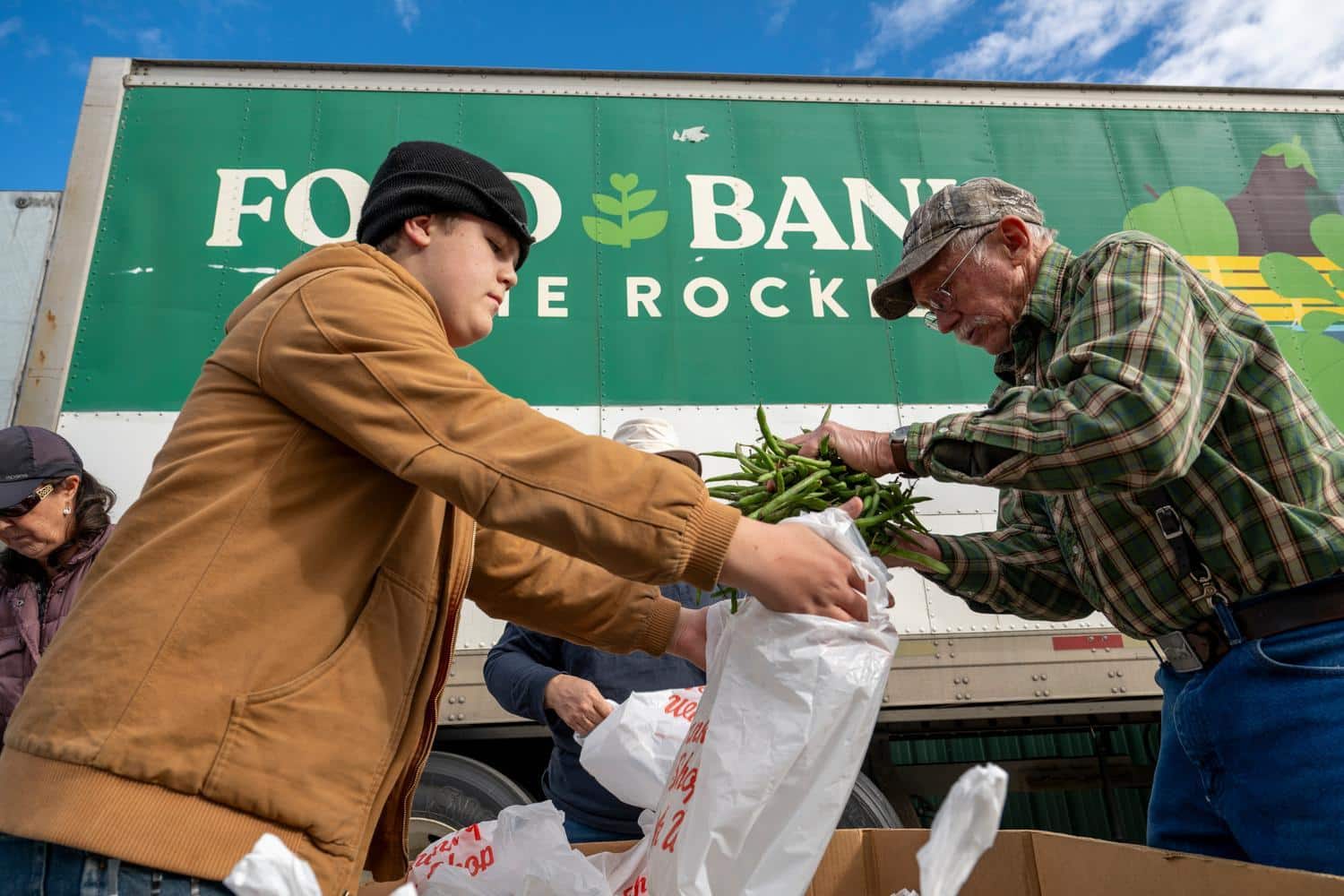
Volunteers often say they can see and feel the difference they’re making. Each bag of produce or senior box is a tangible gift of care.
2. Flexible Opportunities
Morning, afternoon, weekday, and weekend shifts are available. Even busy professionals or retirees with limited mobility can find roles that match their abilities.
3. Meaningful Social Connections
Volunteering builds friendships and community bonds, especially among retirees looking for purpose and engagement.
4. Physical and Emotional Well-Being
Studies consistently show that volunteering improves:
-
Mood
-
Cognitive health
-
Mobility
-
Sense of purpose
It’s a win-win for seniors who volunteer and seniors who receive support.
5. Strengthening Local Neighborhoods
When the senior population thrives, so does the entire community. Volunteering is a powerful way to invest in Denver’s future.
A Denver Story: When Community Comes Together
A retired schoolteacher from the Hampden neighborhood began volunteering after losing her spouse. She wanted something meaningful to fill her mornings — something that connected her back to people.
At her first shift, she packaged senior food boxes alongside volunteers of all ages. She later shared that volunteering helped her rediscover joy and purpose, and knowing she was helping other seniors made the experience even more fulfilling.
Stories like hers show how Food Bank of the Rockies provides not just food — but connection, healing, and hope.
How to Start Volunteering
Getting involved is easy and welcoming, whether you’re volunteering alone, with a friend, or as part of a group.
1. Create a Volunteer Account
Visit the Food Bank of the Rockies volunteer portal and select a preferred location or role.
2. Choose Your Shift
Volunteers can browse open sessions and select times that work best for them.
3. Attend Orientation
New volunteers receive training to ensure they feel confident and comfortable.
4. Start Making an Impact
Even one shift can help hundreds of seniors receive healthy meals.
5. Bring Friends or Family
Group volunteering is highly encouraged — especially around holidays or community service days.
Who Can Volunteer?
Virtually anyone! Volunteers include:
-
Older adults
-
Families with children
-
College students
-
Corporate teams
-
Faith-based groups
-
Civic organizations
-
Retirees
Most roles are physical but light. There are also seated and low-impact jobs available.
FAQs About Volunteering at Food Bank of the Rockies
1. Do volunteers need special training?
No — all training is provided on site.
2. Can seniors volunteer?
Absolutely. Many seniors volunteer regularly, and there are low-impact roles available.
3. Is there a time commitment?
You can volunteer once or as often as you want. There is no long-term commitment required.
4. Can groups volunteer together?
Yes — families, church groups, companies, and organizations are welcome to sign up as groups.
5. How does volunteering help seniors in need?
Volunteers directly assemble and distribute food that seniors rely on for consistent nutrition and health.
Call to Action
Food Bank of the Rockies makes it possible for seniors across Denver to access nutritious food with dignity — but they can’t do it alone. Volunteers are essential to every box packed, every pantry stocked, and every senior supported.
To learn more or sign up as a volunteer, visit their Seniors Blue Book listing

Other Articles You May Like
When Going Home Isnt the Next Step: Guide for Monmouth & Ocean Cty
When Going Home Isnt the Next Step: A Guide for Monmouth & Ocean County FamiliesWhen an older loved one needs more support, families in Monmouth and Ocean Counties often find themselves navigating unfamiliar territory. A hospital discharge may lead to rehabilitation. A fall may reveal that living alone is no longer safe. Or a family caregiver may realize that managing medications, meals, personal care, and medical appointments has become too much to handle alone.The good news is that senior care isn't one-size-fits-all. Depending on a person's needs, there are options ranging from short-term rehabilitation to assisted living and long-term skilled nursing care.For families across the Jersey Shore, Complete Care provides a continuum of senior care services through multiple communities in Monmouth and Ocean Counties, including locations in Holmdel, Long Branch, Ocean Grove, Wall, Shrewsbury, Toms River, and Brick.Understanding the Right Level of CareOne of the most important steps in choosing senior care is understanding what type of support a loved one actually needs.Post-Acute RehabilitationAfter a hospitalization, surgery, stroke, illness, or injury, an older adult may not be ready to return home immediately. Post-acute rehabilitation provides a bridge between the hospital and home, helping individuals regain strength, mobility, and independence.Depending on the location and individual needs, Complete Care provides physical, occupational, and speech therapy along with nursing and clinical support.For families in Toms River, Brick, Wall, and surrounding communities, having rehabilitation options nearby can make it easier for family members to remain involved during recovery.Skilled NursingSome individuals need more than therapy. Skilled nursing may be appropriate for people who require ongoing medical monitoring, wound care, medication management, chronic disease management, or other specialized clinical services.Complete Care communities offer a variety of clinical programs, with services differing by location. These may include orthopedic and postsurgical care, cardiac care, wound care, neurological and stroke care, pulmonary care, and memory care.When comparing skilled nursing communities, families should ask specifically about the clinical services available at each location.Assisted LivingAssisted living can be a good option for older adults who need help with daily activities but still want to maintain as much independence as possible.Support may include assistance with bathing, dressing, medications, meals, and other everyday routines, along with opportunities for social engagement and activities.For families in Holmdel, Middletown, Red Bank, Freehold, and neighboring Monmouth County communities, assisted living can offer an alternative to managing increasing care needs at home.Long-Term CareFor some seniors, rehabilitation is only one step in a longer care journey. Chronic illness, cognitive impairment, disability, or increasing difficulty with daily activities may eventually require ongoing nursing support.Long-term care provides assistance around the clock while also addressing the social and emotional needs that contribute to quality of life.A Local Presence MattersFor families choosing senior care, location can be an important consideration.Being close to home makes it easier for spouses, children, grandchildren, and friends to visit regularly and remain involved in care. That's particularly meaningful in Monmouth and Ocean Counties, where families may live in neighboring communities but still want their loved one to remain close to their established support system.Complete Care has a broad local presence, with communities serving residents throughout the region. Its Monmouth County locations include communities in Holmdel, Long Branch, Ocean Grove, Wall Township, and Shrewsbury. Ocean County options include multiple communities in Toms River and Brick Township.Because services vary by location, families should contact the individual community to determine which level of care and specialized programs are available.What Should Families Look For?Whether you're looking for assisted living in Monmouth County, skilled nursing in Ocean County, or rehabilitation following a hospital stay, consider more than just the building.Ask: What level of care does my loved one need today? What happens if their needs change? What rehabilitation and therapy services are available? Does the community offer specialized clinical care? How involved can family members be in the care plan? What activities and social opportunities are available? How close is the community to family? And whenever possible, visit in person.Notice how staff interact with residents. Ask questions. Talk with the admissions and care teams. Pay attention to whether residents appear engaged and comfortable.These observations can help families understand what daily life may actually feel like for their loved one.Planning Before a CrisisMany families begin researching senior care only after a crisisa fall, hospitalization, diagnosis, or caregiver burnout.Planning ahead can provide more choices and less pressure.Even if your loved one isn't ready for assisted living or long-term care today, learning about senior care communities in Monmouth and Ocean Counties can help your family understand what resources are available if circumstances change.Having these conversations early also gives older adults an opportunity to participate in decisions about their own future.Complete Care in Monmouth & Ocean CountiesFor families looking for assisted living, post-acute rehabilitation, skilled nursing, or long-term care in Monmouth and Ocean Counties, Complete Care offers multiple local communities and a range of care services.The right choice will depend on your loved one's medical needs, level of independence, preferences, and family circumstances. Taking the time to understand those needsand exploring local options before a crisis occurscan make the process easier for everyone.Frequently Asked QuestionsWhat types of care does Complete Care provide?Complete Care offers assisted living, post-acute rehabilitation, skilled nursing, and long-term care. Specific services and clinical programs vary by location.Where does Complete Care serve Monmouth County?Complete Care has communities in areas including Holmdel, Long Branch, Ocean Grove, Wall Township, and Shrewsbury.Where does Complete Care serve Ocean County?Complete Care has multiple communities in Toms River and Brick Township, among other nearby locations.What is post-acute rehabilitation?Post-acute rehabilitation helps individuals recover after hospitalization, surgery, illness, or injury. Therapy and nursing services are designed to help patients regain function and return home safely when possible.If you're researching senior care options in Monmouth or Ocean County, NJ, visit Complete Care's Seniors Blue Book listing for more information about available services and local care options.
Senior Resources in Meridian, ID
Many older adults want to remain at home but could use assistance with everyday tasks, transportation, meals, or social connection.Family members may be available some of the time, yet work, distance, and caregiving demands can leave important gaps. Local senior resources can help families build a more sustainable support plan.What Are Senior Resources?Senior resources include organizations, programs, and services that support safety, independence, health, and social well-being.Available resources may include: Non-medical home care Transportation Meal assistance Caregiver respite Benefits guidance Senior centers Housing information Social programs Educational services Care management Each organization has its own service area, eligibility rules, pricing, scheduling policies, and availability. Families should confirm details directly with the provider.Seniors Helping Seniors Treasure ValleyPhone: 208-213-1213Location: Meridian, ID 83646Seniors Helping Seniors Treasure Valley provides non-medical in-home care in Meridian and nearby communities.Its published service area includes: Boise Eagle Emmett Garden City Kuna Letha Meridian Ola Star The organization uses a peer-oriented model that connects older adults who need assistance with mature caregivers who want to help other seniors.Published services include: Companionship Personal care Light housekeeping Laundry Meal planning and preparation Transportation to appointments Transportation for shopping and errands Medication reminders Dementia support Respite for family caregivers Services can vary based on location, scheduling, caregiver availability, and the person's needs.This support may be helpful when an older adult is largely independent but needs assistance with selected routines.It may also give family caregivers time to rest, work, attend appointments, manage other responsibilities, or focus on their relationship with the older adult rather than completing every household task.During the initial conversation, families should describe: The requested schedule Tasks that require assistance Mobility concerns Memory changes Pets in the home Transportation needs Personal care requirements Safety concerns Preferred caregiver qualities Families should ask about caregiver screening, training, supervision, minimum visit lengths, rates, cancellation policies, backup coverage, and caregiver matching.Why This Matters LocallyMeridian families often coordinate care across the wider Treasure Valley.A provider serving several nearby communities can be helpful when relatives, healthcare offices, shopping, and other errands are not all located in one city.Local in-home support may also delay or reduce the need for a move when the home remains appropriate and the care plan can be managed safely.How to Get Started List the tasks that are becoming difficult. Identify the days and times when assistance is needed most. Call 208-213-1213 to confirm the service area. Request an assessment or consultation. Ask for written information about rates, minimum visits, scheduling, cancellations, and payment options. Discuss caregiver screening, training, supervision, transportation, and backup coverage. Review the care plan after services begin. Report changes in health, mobility, memory, routines, or safety. Related CategoriesNon-Medical Home Care in Meridian, IDCaregiver Support in Meridian, IDSenior Transportation in Meridian, ID
Pharmaceutical Resources in Boise, ID
Managing prescriptions can become more complicated with age. Older adults may take several medications, use different prescribers, need a special dosage form, or have difficulty traveling to a pharmacy. Family caregivers may also be responsible for coordinating refills and watching for confusing instructions.Pharmaceutical resources help patients and caregivers manage these needs. Mountain Care Pharmacy provides medication-related services for Boise residents, including medication management, delivery, compounding, long-term care support, and hospice pharmacy services.What Pharmaceutical Resources IncludePharmaceutical resources include pharmacies and medication-support services that help patients obtain, understand, organize, and safely use prescribed medicines. Services may include routine prescription filling, synchronized refills, customized packaging, delivery, compounded medications, and coordination with care communities or hospice agencies.These services may benefit older adults who manage multiple prescriptions, people who have difficulty swallowing standard tablets, patients with ingredient sensitivities, and caregivers handling frequent medication changes.Medication questions should be discussed with a pharmacist or prescribing clinician. Patients should never stop or change a prescription without professional guidance.Mountain Care PharmacyPhone: 208-287-4667A Local Boise Pharmacy ResourceMountain Care Pharmacy is located at 286 North Maple Grove Road in Boise. The pharmacy describes itself as locally owned and operated and reports serving Boise and the Treasure Valley for more than a decade.Its published services include: Prescription filling Medication management Medication delivery Compounded medications Long-term care pharmacy support Hospice pharmacy services Pet medications Medication Management and DeliveryMedication management can reduce the practical burden of coordinating several prescriptions. Families can ask whether refills can be synchronized, how medicines are packaged, and how prescription changes are communicated.Mountain Care Pharmacy also states that it delivers or ships prescriptions to homes and care facilities at no charge. Patients should confirm delivery areas, timing, medication eligibility, and insurance requirements when placing an order.Compounded MedicationsCompounding may be appropriate when a commercially available medication does not meet a patient's needs and a prescriber orders a customized preparation. A compounded medication may have a different strength, dosage form, flavor, or ingredient profile.Patients should ask about expected benefits, risks, storage instructions, beyond-use dates, insurance coverage, and available alternatives.Long-Term Care and Hospice SupportOlder adults in residential care or receiving hospice services may need coordination among the pharmacy, nursing team, prescribers, and family. Mountain Care Pharmacy offers long-term care and hospice pharmacy support.Families should ask about after-hours procedures, urgent medication delivery, billing, packaging, formulary questions, and communication when orders change.Why This Matters Locally in BoiseA Boise-based pharmacy can make medication questions easier to address for seniors living at home or in a Treasure Valley care community. Local delivery may reduce transportation barriers, while coordination with nearby prescribers and care teams may simplify medication changes after a hospital stay.Service areas, delivery schedules, insurance participation, and prescription availability can change. Confirm current details directly with the pharmacy.How to Get Started Prepare an updated list of prescriptions, over-the-counter medicines, vitamins, allergies, and prescribers. Call Mountain Care Pharmacy at 208-287-4667. Ask whether the pharmacy accepts the patients insurance. Determine whether current prescriptions can be transferred. Discuss refill synchronization, packaging, delivery, and caregiver notifications. Keep one current medication list and update it after every change. Related Seniors Blue Book Categories Medication Management in Boise, ID Home Health in Boise, ID
Local Services By This Author
Food Bank of the Rockies
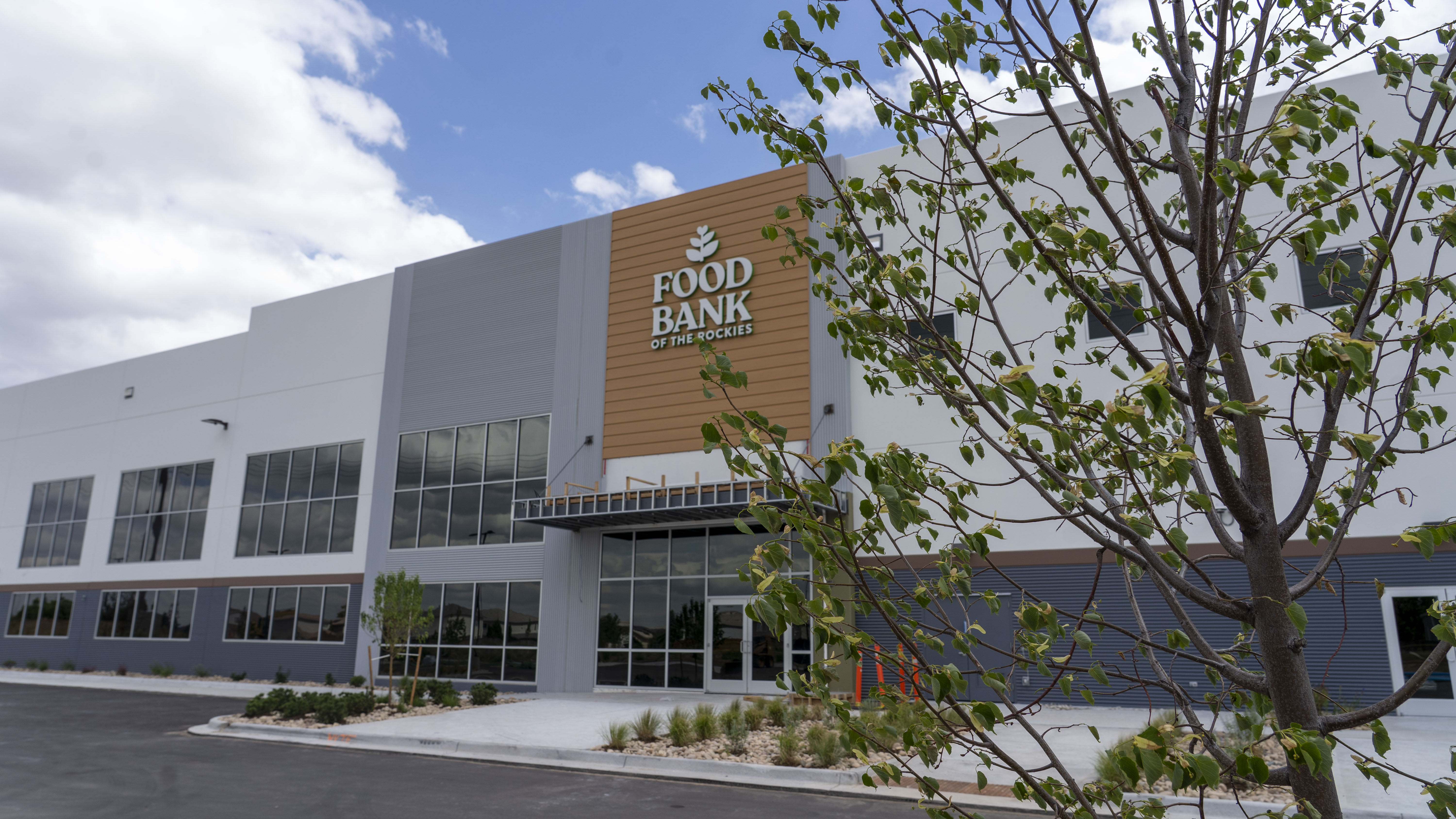
Food Resources 20600 East 38th Avenue, Aurora, Colorado, 80011Igniting the Power of Community to Nourish Our NeighborsHunger exists in every community urban, suburban, and rural. In Colorado and Wyoming, thousands of families quietly struggle to put food on the table each day. At Food Bank of the Rockies, we believe no one should have to choose between food and medicine, rent and groceries, or education and a meal.Our mission is simple yet powerful: to ignite the power of community to nourish people facing hunger.We accomplish this by providing food and essential necessities to individuals and families in need through our signature programs and by partnering with hundreds of Hunger Relief Partners across Colorado and Wyoming. Together, we serve the largest food bank coverage area in the contiguous United States, reaching communities across vast mountain regions, rural plains, and growing cities.Because when a community works together, hunger does not stand a chance.The Reality of Hunger in Our CommunitiesFood insecurity touches every county in the United States and Colorado is no exception.1 in 8 Coloradans is experiencing food insecurity.1 in 7 children in Colorado does not have consistent access to enough nutritious food.Behind these numbers are real families making impossible decisions:Parents skipping meals so their children can eatSeniors choosing between groceries and prescription medicationCollege students deciding whether to pay tuition or buy lunchWorking families stretching limited paychecks to cover rising costsFood insecurity is not just about hunger. It impacts physical health, emotional well-being, academic performance, and long-term stability. For children, inadequate nutrition can affect nearly every stage of development from early brain growth to immune system strength and classroom performance. For older adults, it can worsen chronic conditions and increase isolation.Hunger weakens communities. But together, we can strengthen them.Serving Colorado and WyomingFood Bank of the Rockies serves communities across Colorado and Wyoming a vast and diverse region that includes major metropolitan areas, small mountain towns, agricultural communities, and remote rural counties.Through our network of hundreds of Hunger Relief Partners including food pantries, soup kitchens, shelters, faith-based organizations, and community centers we distribute food efficiently and equitably to neighbors who need it most.Right now, we provide food to 1 in 9 individuals throughout our service area in Colorado, including children.Our work spans:Urban neighborhoods facing rising living costsRural communities with limited access to grocery storesMountain towns with seasonal employment fluctuationsCollege campuses where students experience hidden hungerNo matter where someone lives, they deserve access to nourishing food.How We Nourish Our NeighborsFood Bank of the Rockies operates through a combination of innovative programs and strong partnerships designed to meet people where they are.Signature ProgramsOur programs focus on reaching vulnerable populations and closing gaps in food access. These initiatives ensure that children, seniors, working families, and individuals facing unexpected hardship receive nutritious food with dignity.Programs include:Mobile pantries serving rural and underserved communitiesSchool-based distributions supporting children and familiesSenior-focused initiatives addressing food insecurity among older adultsDisaster response efforts for communities impacted by emergenciesDirect distribution programs that supplement partner agenciesBy combining large-scale food sourcing with local-level distribution, we ensure that food reaches communities efficiently and safely.The Power of PartnershipWe could not do this work alone.Food Bank of the Rockies teams up with hundreds of Hunger Relief Partners across Colorado and Wyoming. These trusted local organizations understand the unique needs of their communities. Together, we create a network that is responsive, resilient, and compassionate.This collaborative model allows us to:Increase access points for food distributionReduce food waste by redirecting surplus foodStrengthen local nonprofits and community programsExpand our reach to rural and hard-to-access areasOur partners are the heartbeat of hunger relief and together, we form a united front against food insecurity.Nourishment Beyond the PlateFood is more than calories. It is fuel for learning, working, healing, and thriving.When families have reliable access to nutritious food:Children perform better in schoolSeniors maintain independence longerAdults are more productive at workCommunities become stronger and more stableWe believe that for a community to thrive, every member must have the resources they need to flourish. Proper nourishment is foundational to opportunity, health, and dignity.Hunger relief is not charity it is community investment.Volunteers: The Heart of Our MissionEvery box packed, every truck loaded, every distribution event held is powered by people who care.Volunteers donate thousands of hours each year to sort food, pack boxes, distribute meals, and support operations. Their energy and compassion allow us to serve more neighbors with efficiency and warmth.When individuals give their time, they become part of a larger movement one that transforms generosity into tangible impact.Donors: Turning Generosity Into ImpactFinancial supporters, food donors, and corporate partners play a critical role in fueling our mission.Through strategic sourcing and large-scale distribution, Food Bank of the Rockies is able to maximize every dollar and every donated item. Contributions help usPurchase nutritious food at scaleExpand mobile distribution programsInvest in infrastructure and logisticsRespond quickly to rising needsWhen community members give, they ignite the power of collective action.A Shared Challenge and a Shared SolutionHunger affects every county in the United States. It crosses demographic lines and impacts families from all walks of life.But hunger is not inevitable.The good news is that we can answer the challenge together.When communities unite through volunteering, donating, advocating, and partnering meaningful change happens. Every meal distributed represents hope. Every partnership formed represents strength. Every volunteer shift represents compassion in action.Food Bank of the Rockies exists because we believe in the power of community. And every day, we see that power in motion.See the Impact in Your CountyHunger looks different in every community. We invite you to explore the map of our service area to better understand the need for hunger relief in your county.By learning about local food insecurity rates and distribution efforts, you can see firsthand how your support makes a difference close to home.We also encourage you to visit our blog to read stories of resilience, innovation, and community collaboration. These stories highlight the real lives impacted by our volunteers, donors, and Hunger Relief Partners.Join Us in Igniting ChangeFood Bank of the Rockies is more than a food distribution organization. We are a community movement dedicated to ensuring that every neighbor has access to the nourishment they need to thrive.Whether you volunteer, donate, partner, or advocate, you become part of a powerful network committed to ending hunger in Colorado and Wyoming.Because when communities come together with compassion and purpose, we do more than feed people we nourish hope, dignity, and opportunity.Together, we can ensure that no one in our region faces hunger alone.
Food Bank of the Rockies
Volunteer Opportunities 20600 East 38th Avenue, Aurora, Colorado, 80011Food Bank of the Rockies is the largest hunger-relief organization in the Rocky Mountain region, serving 32 counties and a portion of Gunnison County in Colorado and all 23 counties in Wyoming. Since 1978, weve put the power of community to work for our neighbors in need. Through partnerships. Through programs. Through people. Through you. Everything we do is fueled by the support of our community and donors, and 94 cents of every dollar goes directly to distribution. With support from our community and hundreds of Hunger Relief Partners, we distribute enough food daily for over 200,000 meals. For more information: foodbankrockies.org.