How Wind Crest Supports Wellness, Learning, and Connection
Jul 08, 2026
Colorado - Denver Metro


How Wind Crest Supports Wellness, Learning, and Connection
Retirement can be one of the most rewarding seasons of life when daily living supports the right priorities. For many older adults, those priorities include staying active, meeting new people, enjoying good food, learning new things, spending time with family, and living with fewer household responsibilities. A traditional home may still feel familiar, but it may not always support that kind of lifestyle as well as it once did.
In Highlands Ranch, Colorado, Wind Crest offers independent living for adults who want a vibrant retirement community with opportunities for wellness, social connection, dining, activities, and planning for the future. As an Erickson Senior Living community, Wind Crest is designed for older adults who want independence with convenience and community.
Located on a scenic 84-acre campus, Wind Crest gives residents access to natural beauty while keeping them connected to shopping, dining, entertainment, and the greater Denver metro area.
A Modern View of Retirement
Today’s seniors often want more than a quiet place to live. They want a lifestyle that helps them stay engaged physically, mentally, and socially. Independent living can support that goal by combining private residences with shared spaces, services, dining, activities, and a strong community culture.
At Wind Crest, the focus is not on slowing down. It is on creating a retirement lifestyle with more possibilities. Residents can participate in clubs, fitness opportunities, events, dining experiences, volunteer activities, and community gatherings.
Meredith Krier, Sales Manager at Wind Crest, has shared that researching senior living options and finding a community that fits personal retirement goals is important. That guidance is valuable because the best retirement community is not simply the one with attractive amenities. It is the one that matches a person’s lifestyle, values, and hopes for the future.
Wellness Begins with Everyday Opportunity
Wellness in retirement is not only about exercise. It includes movement, nutrition, emotional health, intellectual stimulation, social connection, spiritual life, and a sense of purpose. A good independent living community makes those opportunities easier to access.
For example, a resident may begin the day with a walk, attend an exercise class, join neighbors for lunch, participate in a club, and end the evening with a program or dinner with friends. Another resident may prefer a quieter routine with occasional activities and more private time. Independent living should support both personalities.
Wind Crest’s community lifestyle gives residents choices. The goal is not to fill every hour, but to make meaningful options available.
Social Connection Helps Retirement Feel Fuller
One challenge many older adults experience is the gradual loss of daily social contact. Work relationships may fade after retirement. Friends may move closer to family. Neighbors may change. A widowed or single senior may find that days at home become too quiet.
Wind Crest offers a community environment where social opportunities are easier to find. Residents can meet one another through clubs, groups, dining, fitness programs, events, and shared interests. Public stories from Wind Crest highlight residents exploring activities such as hiking, golfing, fitness, clubs, and community dining as part of the decision-making process.
Social connection does not need to be forced. In the right environment, it can develop naturally through repeated casual interaction. A friendly greeting in a hallway, a shared table at dinner, or a group event can become the start of meaningful friendships.
The Importance of Learning Before Moving
Moving into a retirement community is a major decision. Seniors should feel informed, not pressured. Wind Crest offers several ways for prospective residents to explore community life, including personal appointments, events, tours, dining experiences, and planning support. These opportunities allow future residents to ask questions and experience the lifestyle more directly.
This matters because people often feel more confident when they can see daily life for themselves. They can talk with current residents, experience meals, review activity calendars, explore amenities, and compare whether the environment feels like a good fit.
Families should encourage seniors to take their time when possible. A thoughtful move is usually easier than a rushed one.
Highlands Ranch Encourages Active Aging
The Highlands Ranch area supports an active retirement lifestyle. With trails, open spaces, recreation opportunities, community services, restaurants, shopping, and access to Denver-area healthcare, the location helps seniors stay connected and involved.
Wind Crest’s campus adds another layer of convenience by creating opportunities within the community itself. Residents do not have to drive across town for every activity or meal. Yet they remain close to the wider region when they want to explore, visit family, or attend appointments.
For many retirees, this balance is ideal: community at home and local access nearby.
Dining as Part of Community Life
Dining is an important part of the senior living experience. Good dining supports nutrition, but it also creates connection. Sharing meals gives residents a natural reason to gather, talk, and build friendships.
For older adults who have spent years cooking every meal or eating alone, community dining can be a welcome change. It offers convenience, variety, and social interaction.
Prospective residents should ask about dining options, menus, flexibility, and whether guests can join meals. Food and atmosphere can strongly influence daily satisfaction.
Downsizing Can Open the Door to More Freedom
The idea of leaving a longtime home can be emotional. A home may hold decades of memories. However, downsizing can also create relief. Fewer rooms, fewer repairs, and fewer responsibilities can make life feel lighter.
Independent living allows seniors to bring what matters most while letting go of the work that may no longer serve them. Many older adults discover that once the move is complete, they have more energy for the people, activities, and experiences they enjoy.
Wind Crest offers planning and moving support for prospective residents, which can help make the transition feel more manageable.
Questions to Ask When Exploring Wind Crest
A successful senior living search begins with good questions.
Helpful questions include:
- What residence options are available?
- What services are included?
- What dining choices are offered?
- What clubs and groups are active?
- What wellness programs are available?
- How does the community welcome new residents?
- What moving support is available?
- What events can future residents attend before moving?
- What makes Wind Crest different from other local options?
The answers can help families and seniors understand whether the community aligns with their goals.
Visit Wind Crest on Seniors Blue Book
Active retirement living is about more than convenience. It is about creating a daily life filled with connection, wellness, learning, and freedom from unnecessary household stress.
Wind Crest in Highlands Ranch offers independent living in a scenic, established Erickson Senior Living community for older adults who want to enjoy retirement with greater ease and engagement.
Visit Wind Crest’s Seniors Blue Book listing to learn more about independent living in Highlands Ranch, Colorado.
Frequently Asked Questions
What does active senior living mean?
Active senior living focuses on independence, wellness, activities, social connection, dining, and maintenance-free convenience for older adults.
Does Wind Crest offer opportunities to learn about the community before moving?
Yes. Wind Crest offers tours, events, dining opportunities, and planning resources for future residents.
Why is social connection important in retirement?
Social connection can reduce isolation, support emotional wellness, and help seniors build meaningful daily routines.
Is Wind Crest close to local amenities?
Yes. Wind Crest is in Highlands Ranch with access to shopping, dining, entertainment, open spaces, and Denver metro resources.
Who is Meredith Krier?
Meredith Krier is listed by Erickson Senior Living as Sales Manager at Wind Crest.
Other Articles You May Like
When Going Home Isnt the Next Step: Guide for Monmouth & Ocean Cty
When Going Home Isnt the Next Step: A Guide for Monmouth & Ocean County FamiliesWhen an older loved one needs more support, families in Monmouth and Ocean Counties often find themselves navigating unfamiliar territory. A hospital discharge may lead to rehabilitation. A fall may reveal that living alone is no longer safe. Or a family caregiver may realize that managing medications, meals, personal care, and medical appointments has become too much to handle alone.The good news is that senior care isn't one-size-fits-all. Depending on a person's needs, there are options ranging from short-term rehabilitation to assisted living and long-term skilled nursing care.For families across the Jersey Shore, Complete Care provides a continuum of senior care services through multiple communities in Monmouth and Ocean Counties, including locations in Holmdel, Long Branch, Ocean Grove, Wall, Shrewsbury, Toms River, and Brick.Understanding the Right Level of CareOne of the most important steps in choosing senior care is understanding what type of support a loved one actually needs.Post-Acute RehabilitationAfter a hospitalization, surgery, stroke, illness, or injury, an older adult may not be ready to return home immediately. Post-acute rehabilitation provides a bridge between the hospital and home, helping individuals regain strength, mobility, and independence.Depending on the location and individual needs, Complete Care provides physical, occupational, and speech therapy along with nursing and clinical support.For families in Toms River, Brick, Wall, and surrounding communities, having rehabilitation options nearby can make it easier for family members to remain involved during recovery.Skilled NursingSome individuals need more than therapy. Skilled nursing may be appropriate for people who require ongoing medical monitoring, wound care, medication management, chronic disease management, or other specialized clinical services.Complete Care communities offer a variety of clinical programs, with services differing by location. These may include orthopedic and postsurgical care, cardiac care, wound care, neurological and stroke care, pulmonary care, and memory care.When comparing skilled nursing communities, families should ask specifically about the clinical services available at each location.Assisted LivingAssisted living can be a good option for older adults who need help with daily activities but still want to maintain as much independence as possible.Support may include assistance with bathing, dressing, medications, meals, and other everyday routines, along with opportunities for social engagement and activities.For families in Holmdel, Middletown, Red Bank, Freehold, and neighboring Monmouth County communities, assisted living can offer an alternative to managing increasing care needs at home.Long-Term CareFor some seniors, rehabilitation is only one step in a longer care journey. Chronic illness, cognitive impairment, disability, or increasing difficulty with daily activities may eventually require ongoing nursing support.Long-term care provides assistance around the clock while also addressing the social and emotional needs that contribute to quality of life.A Local Presence MattersFor families choosing senior care, location can be an important consideration.Being close to home makes it easier for spouses, children, grandchildren, and friends to visit regularly and remain involved in care. That's particularly meaningful in Monmouth and Ocean Counties, where families may live in neighboring communities but still want their loved one to remain close to their established support system.Complete Care has a broad local presence, with communities serving residents throughout the region. Its Monmouth County locations include communities in Holmdel, Long Branch, Ocean Grove, Wall Township, and Shrewsbury. Ocean County options include multiple communities in Toms River and Brick Township.Because services vary by location, families should contact the individual community to determine which level of care and specialized programs are available.What Should Families Look For?Whether you're looking for assisted living in Monmouth County, skilled nursing in Ocean County, or rehabilitation following a hospital stay, consider more than just the building.Ask: What level of care does my loved one need today? What happens if their needs change? What rehabilitation and therapy services are available? Does the community offer specialized clinical care? How involved can family members be in the care plan? What activities and social opportunities are available? How close is the community to family? And whenever possible, visit in person.Notice how staff interact with residents. Ask questions. Talk with the admissions and care teams. Pay attention to whether residents appear engaged and comfortable.These observations can help families understand what daily life may actually feel like for their loved one.Planning Before a CrisisMany families begin researching senior care only after a crisisa fall, hospitalization, diagnosis, or caregiver burnout.Planning ahead can provide more choices and less pressure.Even if your loved one isn't ready for assisted living or long-term care today, learning about senior care communities in Monmouth and Ocean Counties can help your family understand what resources are available if circumstances change.Having these conversations early also gives older adults an opportunity to participate in decisions about their own future.Complete Care in Monmouth & Ocean CountiesFor families looking for assisted living, post-acute rehabilitation, skilled nursing, or long-term care in Monmouth and Ocean Counties, Complete Care offers multiple local communities and a range of care services.The right choice will depend on your loved one's medical needs, level of independence, preferences, and family circumstances. Taking the time to understand those needsand exploring local options before a crisis occurscan make the process easier for everyone.Frequently Asked QuestionsWhat types of care does Complete Care provide?Complete Care offers assisted living, post-acute rehabilitation, skilled nursing, and long-term care. Specific services and clinical programs vary by location.Where does Complete Care serve Monmouth County?Complete Care has communities in areas including Holmdel, Long Branch, Ocean Grove, Wall Township, and Shrewsbury.Where does Complete Care serve Ocean County?Complete Care has multiple communities in Toms River and Brick Township, among other nearby locations.What is post-acute rehabilitation?Post-acute rehabilitation helps individuals recover after hospitalization, surgery, illness, or injury. Therapy and nursing services are designed to help patients regain function and return home safely when possible.If you're researching senior care options in Monmouth or Ocean County, NJ, visit Complete Care's Seniors Blue Book listing for more information about available services and local care options.
Senior Relocation in Monmouth & Ocean: More Than Finding a House
Senior Relocation in Monmouth & Ocean Counties: Why Moving Is About More Than Finding a HousePicture two homes.The first has the perfect number of bedrooms, a beautiful kitchen and a price that fits the budget.The second is slightly smaller but is closer to family, restaurants, healthcare, shopping and the activities the homeowner enjoys.Which one is actually the better home?For a senior relocation, the answer often depends on what happens outside the front door.That is why choosing a new home later in life should be about more than bedrooms, bathrooms and square footage.It should be about lifestyle.A Home Is Part of a Larger CommunityFor many older adults, the neighborhood becomes increasingly important.A senior may want to be close to a favorite restaurant in Red Bank, family in Middletown, the beaches along the Jersey Shore, golf courses, shopping or community activities.Someone else may want a quiet neighborhood where they can spend more time at home.The right choice is personal.Monica Reddin's professional background and local market experience give her an understanding of the communities that make up Monmouth and Ocean Counties and the surrounding Central Jersey area.Think About the Next Five to Ten YearsA common mistake is choosing a home based exclusively on what works today.Instead, consider what may matter several years from now.That does not mean assuming something will go wrong.It means choosing flexibility.Ask: Is there a first-floor bedroom? Are the bathrooms convenient? Is there excessive maintenance? Are there stairs? Is the home easy to enter and exit? Is shopping nearby? Is family reasonably close? Is there access to transportation? Can the homeowner remain socially connected? These considerations can make a home more adaptable.The Importance of Right-SizingSome homeowners do not need a dramatically smaller house.They simply need a better-fitting house.That is the idea behind right-sizing.Maybe the homeowner wants: A smaller yard Fewer stairs Less exterior maintenance A garage A first-floor primary suite A manageable condominium An active-adult community A home closer to family A home closer to healthcare and shopping The goal is to match the property to the lifestyle.Why Local Knowledge MattersOnline real-estate searches can show properties, but they do not always explain what daily life feels like in a particular location.Local expertise matters.A REALTOR who works across Monmouth and Ocean Counties can help buyers understand differences among communities and neighborhoods.For example, a buyer considering Middletown may have very different priorities from someone looking in Toms River or Howell.Even neighboring communities can have different housing stock, commuting patterns, amenities and lifestyle characteristics.Moving to a New Community Can Be ExcitingRelocation is sometimes portrayed only as a difficult transition.But a move can also open the door to new experiences.A smaller home can mean less maintenance.A 55+ community can provide new social opportunities.Moving closer to family can mean more spontaneous dinners and visits with grandchildren.Relocating near the Shore can make it easier to enjoy favorite Jersey Shore destinations.A move can also provide an opportunity to finally choose a location based on how you want to live rather than where you needed to live decades earlier.What Should Buyers Look For During a Home Tour?Don't simply walk through the rooms.Imagine living there.Stand in the kitchen and picture making breakfast.Walk from the bedroom to the bathroom.Consider where groceries would be unloaded.Look at the stairs.Open cabinets.Check lighting.Think about where guests would sit.Then step outside.How easy is it to get to the car?How busy is the street?What is nearby?Would you feel comfortable walking?This type of practical evaluation can reveal things that photographs never show.Make the Move About the PersonSenior relocation works best when the older adult remains at the center of the process.Family members may have opinions.Adult children may have concerns.Professionals may provide advice.But the senior's goals should remain an important part of the conversation whenever possible.Monica's approach emphasizes that personal dimension.Family and community mean everything to me, and I bring that same care to real estate.What Makes a Senior Relocation Specialist Different?A senior-focused REALTOR understands that the transaction may involve more than buying or selling property.It can involve: Downsizing Decluttering Timing the sale and purchase Relocating closer to family Comparing 55+ communities Planning for lower maintenance Coordinating with other professionals Transitioning from a longtime home Evaluating a new community Monica holds the Seniors Real Estate Specialist designation, reflecting specialized education focused on the needs of older adults in real estate.Frequently Asked QuestionsWhat is senior relocation?Senior relocation is the process of helping an older adult transition from one home or community to another while considering real-estate, lifestyle, timing and practical needs.Why should seniors work with a senior-focused REALTOR?A senior-focused REALTOR can bring specialized knowledge to situations involving downsizing, 55+ communities, relocation closer to family and later-life housing transitions.What areas does Monica Reddin serve?Monica's professional profiles identify Monmouth and Ocean Counties along with other Central Jersey communities.Is moving to a 55+ community the only option for seniors?No. Seniors may choose a condominium, townhouse, smaller single-family home, active-adult community or another housing option depending on their goals.What should I do first if I am considering a senior move?Start with a conversation about lifestyle. Identify what is working, what is becoming difficult and what you want the next chapter to look like before focusing on individual properties.Learn MorePlanning a senior relocation in Monmouth, Ocean or surrounding Central Jersey communities? Visit Monica Reddin's Seniors Blue Book Listing: Homepage - MonicaReddin
When a Senior Needs to Move From a Longtime Home: A Family Guide
When a Senior Needs to Move From a Longtime Home: A Family Guide to Planning the TransitionThe phone call often begins with a simple sentence:Mom can't manage the house anymore.Or:Dad is having trouble with the stairs.Sometimes the issue is maintenance. Sometimes it is mobility. Sometimes an older adult needs to move into assisted living or memory care.Whatever the reason, families can quickly discover that a senior relocation involves far more than putting a house on the market.There are real-estate decisions, emotional considerations, moving logistics, family conversations and often a very short timeline.Planning ahead can make an enormous difference.Recognizing When a Home May No Longer Be the Right FitFamilies should be careful about making assumptions based solely on age.Many older adults remain highly independent and perfectly comfortable in their homes.The question is not, Is this person old enough to move?Instead, consider whether the home continues to support the person's current lifestyle.Possible signs that it may be time to consider another housing option include: Difficulty managing stairs Unused rooms becoming difficult to maintain Repeated home-maintenance problems Difficulty keeping up with yard work Increasing transportation challenges Social isolation A desire to live closer to family A desire for a lower-maintenance home A planned move into independent living, assisted living or memory care When safety or medical needs are involved, families should rely on appropriate healthcare and senior-care professionals for those assessments.The real-estate question comes afterward:What housing solution makes sense for the next stage?The REALTOR's Role in a Complex Senior TransitionA senior-focused REALTOR does not replace an attorney, financial advisor, healthcare professional, care manager or senior move manager.Instead, the REALTOR can become one important member of the larger transition team.For Monica Reddin, that role can include helping families evaluate the sale of a longtime home, identify appropriate housing options and coordinate the real-estate process.When the Move Is Connected to Assisted Living or Memory CareA move into assisted living or memory care can create additional urgency.The family may need to prepare a home for sale while simultaneously helping a parent transition to a new living environment.In these circumstances, communication becomes especially important.Families should clarify: Who is making decisions? What does the senior want? What is the timeline? What belongings are moving? What needs to be sold or donated? What repairs are necessary? Who will handle the home? What professionals need to be involved? A written checklist can prevent important details from being forgotten.Don't Wait Until Everything Is PerfectOne of the common problems in a senior relocation is trying to accomplish everything at once.Families may think the home must be completely emptied before speaking with a REALTOR.That is not necessarily the case.An initial conversation can help establish priorities.For example, Monica can help a family understand the likely real-estate process while the family works separately on sorting belongings and coordinating the senior's next residence.The earlier professionals become involved, the more opportunity there may be to create a manageable timeline.Preparing a Longtime Monmouth County Home for SaleLongtime homes often need a different preparation strategy than recently purchased properties.The goal is not necessarily to renovate everything.Instead, focus on improvements that may matter to buyers.Depending on the property, that might include: Removing excess furniture Improving curb appeal Addressing deferred maintenance Freshening paint Improving lighting Removing personal clutter Making rooms easier for buyers to visualize Completing necessary repairs A REALTOR can provide market-specific guidance on which improvements may be worthwhile.Give the Senior a VoiceEven when family members are helping, the older adult should be included whenever possible.A home may represent decades of identity and independence.Moving can feel like losing control.Families can help by offering choices:Would you rather look at these two communities?Which furniture would you like to take?Would you prefer a smaller house or an apartment?Which belongings are most important to you?Small decisions can help preserve a sense of ownership throughout a major transition.The Emotional Side of Selling a Family HomeThere is a reason people call certain properties a family home.It may be where children grew up, holidays were celebrated and grandchildren visited.Selling it can be emotionally difficult even when everyone agrees that a move is necessary.Monica understands that dimension of the work.It is always an honor that my clients have chosen to involve me in their next chapter of their lives; I take that responsibility to heart.That philosophy reflects an important point: senior relocation is not simply another real-estate transaction.Building the Right Professional TeamDepending on the circumstances, a senior transition may involve: REALTOR Elder-law attorney Financial advisor CPA Geriatric care manager Senior move manager Professional organizer Moving company Estate-sale professional Home-care provider Senior living advisor Healthcare professionals Each professional has a different role.The REALTOR can help coordinate the housing and property-sale portion while other specialists address their areas of expertise.Frequently Asked QuestionsWhen should a family contact a REALTOR if a senior needs to move?As early as possible, especially if the home will need to be sold. An early conversation can help families understand the real-estate timeline.Does a senior have to sell immediately after moving to assisted living?Not necessarily. Timing depends on the family's financial, legal and personal circumstances and should be discussed with the appropriate professionals.Should families renovate a longtime home before selling?Not automatically. The appropriate improvements depend on the property's condition, local market and likely buyer expectations.How can families make downsizing less stressful?Break the process into smaller decisions, start early, preserve important memories and involve the senior in decisions whenever possible.Who can help sell a senior's home in Monmouth or Ocean County?A REALTOR experienced in senior relocation can help families navigate the real-estate portion of the transition and coordinate the timing of the sale.Learn MoreIf your family is beginning a senior relocation or preparing to sell a longtime home, visit Monica Reddin's Seniors Blue Book Listing for more information: Homepage - MonicaReddin
Local Services By This Author
Wind Crest
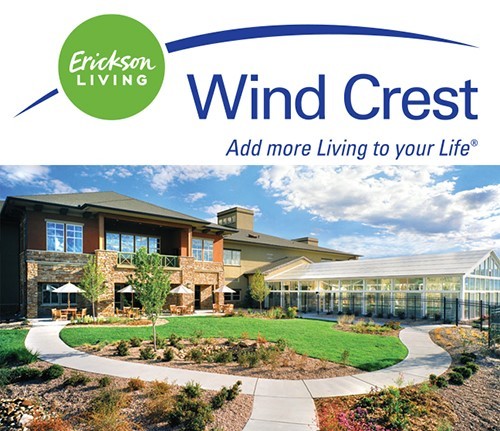
Housing - Other Types 3235 Mill Vista Rd, Highlands Ranch, Colorado, 80129Wind Crest is an exciting alternative to the typical retirement community. At Erickson communities across the nation, Americans are redefining their retirement years. This 62-plus lifestyle is more about experiences and possibilitiesand less about slowing down and settling in. Wind Crest is situated on a scenic 84-acre campus in Highlands Ranch. Take in the areas natural beauty and stunning views while enjoying convenient access to a multitude of shopping, dining, and entertainment destinations. Discover an atmosphere of comfort and convenience, where a variety of services and fulfilling activities are just a short stroll from your apartment home.

Wind Crest
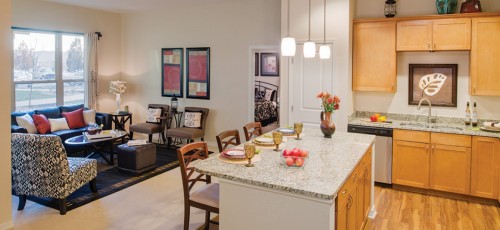
Independent Living 3235 Mill Vista Rd, Highlands Ranch, Colorado, 80129Wind Crest is an exciting alternative to the typical retirement community. At Erickson communities across the nation, Americans are redefining their retirement years. This 62-plus lifestyle is more about experiences and possibilities and less about slowing down and settling in. Wind Crest is situated on a scenic 84-acre campus in Highlands Ranch. Take in the areas natural beauty and stunning views while enjoying convenient access to a multitude of shopping, dining, and entertainment destinations. Discover an atmosphere of comfort and convenience, where a variety of services and fulfilling activities are just a short stroll from your apartment home.