Independent Living That Supports Choice, Comfort, and Community in Windsor, Colorado
The Windsor
For more information about the author, click to view their website: Windsor, The - Columbine Health
Jan 29, 2026
Colorado - Northern Colorado

Email US
Click to Email Us
Independent Living That Supports Choice, Comfort, and Community in Windsor, Colorado
For many older adults in Windsor, Colorado, independence is not just a preference—it’s a deeply held value. After years of building careers, families, and routines, the desire to remain self-directed doesn’t disappear with age. What does change is the desire for simplicity, connection, and peace of mind. Independent living offers a way to preserve autonomy while letting go of the burdens that can quietly complicate daily life.
That balance is at the heart of The Windsor - Columbine Health, an independent living community serving Windsor and Northern Colorado. The Windsor provides a lifestyle-focused environment where residents maintain control over their lives while enjoying the benefits of community, convenience, and support when needed.
What Independent Living Really Means
Independent living is often misunderstood as “senior housing,” but in reality, it’s about lifestyle—not care. Residents live independently, manage their own schedules, and make their own choices, while enjoying an environment designed to remove unnecessary stress.
At The Windsor, independent living means:
-
Private residences designed for comfort and ease
-
No home maintenance, yard work, or snow removal
-
Opportunities for social connection without obligation
-
A community built for adults who want freedom with fewer worries
There is no required personal care or medical oversight—just the reassurance that help and resources are nearby if circumstances change.
Designed for Active, Engaged Living in Windsor
Windsor continues to grow as a desirable Northern Colorado community, attracting residents who value both small-town connection and proximity to larger regional resources. Independent living at The Windsor reflects that mindset—supporting an active lifestyle while simplifying daily responsibilities.
Residents often choose independent living because they want to:
-
Downsize without giving up quality of life
-
Spend more time on hobbies, travel, or relationships
-
Reduce the physical demands of homeownership
-
Live among peers with shared life experience
Independent living allows residents to focus on how they want to spend their time—rather than how to manage their home.
Freedom Without Isolation
One of the biggest concerns older adults express about aging is isolation. Living alone can slowly limit social interaction, even for those who are highly independent. Independent living communities like The Windsor provide connection without intrusion.
Residents can enjoy:
-
Casual, organic social interaction
-
Community activities they can choose to join—or skip
-
Shared spaces that encourage conversation and familiarity
-
A sense of belonging without loss of privacy
There’s no pressure to participate, but opportunities are always available.
Connie Hanrahan of The Windsor – Columbine Health captures this balance well:
“Independent living is about choice. Residents decide how involved they want to be, how they spend their days, and what ‘home’ looks like for them now.”
Simplifying Life Without Giving It Up
One of the greatest benefits of independent living is what residents don’t have to worry about anymore. Homeownership often comes with ongoing responsibilities that can become burdensome over time.
Independent living at The Windsor helps eliminate:
-
Home repairs and maintenance
-
Landscaping and snow removal
-
Household upkeep stress
-
Safety concerns tied to aging homes
This simplification doesn’t reduce independence—it enhances it by freeing time and energy for what matters most.
A Natural Fit for Northern Colorado Lifestyles
Windsor residents often value routine, familiarity, and a steady pace of life. Independent living here isn’t about constant activity—it’s about comfort, stability, and flexibility.
Many residents enjoy:
-
Maintaining personal routines
-
Staying connected with family and friends
-
Engaging in hobbies, reading, or quiet reflection
-
Enjoying community when it feels right
The Windsor supports a lifestyle that respects individuality rather than prescribing how residents should live.
Planning Ahead With Confidence
Independent living is often chosen proactively—before daily tasks become difficult. Making the move earlier allows residents to settle in comfortably, build connections, and enjoy the benefits without the stress of urgency.
This proactive approach can:
-
Ease future transitions if needs change
-
Reduce family worry and uncertainty
-
Allow residents to make decisions from a place of strength
-
Support long-term independence
For many families, independent living provides reassurance that their loved one is living safely, comfortably, and with intention.
Part of the Columbine Health Continuum
Being part of the Columbine Health system means The Windsor exists within a broader framework of senior-focused services. While residents live independently, families often find comfort knowing there is an established organization behind the community.
This connection can be helpful for:
-
Long-term planning
-
Understanding future options
-
Coordinating resources if circumstances change
Residents are never pushed toward additional services—but knowing options exist can bring peace of mind.
Who Is Independent Living a Good Fit For?
Independent living at The Windsor is often ideal for individuals who:
-
Are fully independent but want fewer responsibilities
-
Are ready to downsize without sacrificing lifestyle
-
Value privacy but want community nearby
-
Prefer choice over structure
-
Want to plan ahead rather than react to change
It’s not about care—it’s about lifestyle alignment.
Family Perspective: Reassurance Without Oversight
Adult children often struggle with how to support aging parents who don’t need help—but may need less burden. Independent living offers a middle ground.
Families appreciate that independent living:
-
Respects autonomy
-
Reduces safety concerns
-
Offers social connection
-
Eliminates many household risks
It allows families to shift from worry to relationship—spending time together without managing logistics.
Frequently Asked Questions About Independent Living in Windsor
Does independent living include personal care?
No. Residents live independently without personal care services.
Are meals included?
This depends on the community structure. Independent living focuses on lifestyle rather than care.
Can residents come and go freely?
Yes. Residents maintain full independence and personal schedules.
Is independent living the same as assisted living?
No. Assisted living includes daily care support; independent living does not.
Can residents age in place?
Many choose independent living as a proactive step, with future options available if needs change.
Independence, Reimagined
Independent living isn’t about slowing down—it’s about living with intention, fewer obligations, and greater peace of mind. For Windsor residents who value choice, simplicity, and connection, the right independent living community can feel like a natural next chapter rather than a major change.
The Windsor – Columbine Health offers independent living that respects individuality, supports autonomy, and reflects the values of Northern Colorado living. To learn more or explore whether this lifestyle is the right fit, visit their Seniors Blue Book listing and take the next step toward confident, independent living in Windsor.

Other Articles You May Like
What Level of Senior Care Does My Parent Need?
The right level of senior care depends on what a person can safely do each day, the type of help they need, and how often that help must be available. Independent living may suit someone who manages personal care but wants fewer household responsibilities. Assisted living supports everyday tasks. Memory care is designed for people whose cognitive changes call for specialized support, while long-term nursing care serves people with more extensive ongoing care needs. A short-term rehabilitation stay serves a different purpose: recovery after illness, injury, or hospitalization. Families in Greeley, Colorado, often encounter these terms while making decisions under pressure. Understanding the differences can turn a confusing search into a more useful conversation about a loved ones actual needs. Independent Living: Fewer Chores, More Personal FreedomIndependent living is generally a good fit for an older adult who can bathe, dress, take medications, and manage most daily decisions independently. The appeal is a residential setting with opportunities for social connection and less responsibility for maintaining a home.At Grace Pointe Senior Care Community, independent living includes private apartments with nearby medical expertise and 24-hour emergency response systems. Families should still confirm which services are part of independent living and which require a different level of care. An emergency response system does not replace routine personal or nursing assistance. Assisted Living: Help with Daily ActivitiesAssisted living may be appropriate when someone needs ongoing help with bathing, dressing, moving around, medication routines, or getting to meals, but does not necessarily require continuous nursing care. It should support independence where possible, not take over every decision.For example, a parent who can enjoy activities and make personal choices but needs assistance with bathing and reminders about medication may benefit from a personalized assisted living plan. Ask how often staff check in, which services are available, and how the plan is updated after a health change. Memory Care: Support for Cognitive ChangesMemory care addresses needs associated with Alzheimers disease and other forms of dementia. Those needs can include difficulty finding the way around, changes in judgment, distress, or requiring frequent prompts to complete familiar activities. Not everyone with memory loss immediately needs memory care; an assessment should consider both cognition and day-to-day safety.Grace Pointe describes its memory care approach as care for the person rather than the diagnosis. Its team receives specialized training, and the program includes activities designed around residents interests and abilities. During a visit, ask how staff respond to confusion, communicate with families, adapt activities, and determine when a resident needs additional support. Long-Term Nursing Care: More Extensive Ongoing SupportA person may need long-term nursing care when medical needs or physical limitations exceed what assisted living can safely manage. Examples can include a need for close monitoring, substantial help with movement and personal care, or nursing support throughout the day and night. The appropriate setting depends on a clinical assessment, not simply a persons age.Grace Pointe offers long-term care with 24-hour monitoring and assistance from nurses and certified nursing assistants. Families should discuss the individuals medical needs, the available services, admission requirements, and payment arrangements directly with the community. Rehabilitation Is Often TemporaryRehabilitation is not another name for permanent senior housing. Following surgery, an injury, or a hospital stay, someone may need therapy and professional support to regain function before returning to their previous living arrangement. Grace Pointe has an on-site rehabilitation center that develops individualized therapeutic plans. Ask whether a particular rehabilitation program is appropriate for the patients goals and what the discharge plan would look like. What If My Parents Needs Change Later?A continuing care campus offers more than one kind of support in a shared location. That can simplify planning for families whose loved one may eventually need a different level of care. Grace Pointe provides independent living, assisted living, memory care, long-term care, and rehabilitation services on its Greeley campus. The ability to move between settings depends on clinical suitability, assessments, and availability, so it is worth discussing transitions before they become urgent. Five Questions to Help Narrow the ChoiceCan my parent consistently bathe, dress, eat, and move safely without help?Are medication mistakes, wandering, or confusion becoming safety concerns?Is the need for support occasional, daily, or available around the clock?Is this a temporary recovery period or an ongoing change?What does my parent want, and what does their healthcare team recommend? Write down concrete examples before talking with a community. A recent fall, missed medications, or new nighttime confusion tells the care team much more than saying a parent is slowing down. Include the older adult in decisions whenever possible and request a professional assessment when safety or medical needs are uncertain. Talk Through the Options with Grace PointeGrace Pointe Senior Care Community in Greeley can explain its different living and care options and help your family explore a personalized plan. Call (970) 304-1919 or visit https://gracepointegreeley.com/ to ask questions or schedule a tour.
What Families Should Look for Before Choosing a Community
When everyday tasks become harder but a senior still wants control over daily life, assisted living can offer a practical middle ground. In Greeley, Colorado, families comparing communities should look beyond apartment sizes and dining rooms. The most important questions concern the help a resident can receive, how that help changes over time, and whether the setting feels like somewhere they would want to live.What Assisted Living Usually IncludesAssisted living combines a residential setting with support for activities of daily living. Depending on the resident and community, that might include help getting dressed, bathing, moving safely, managing medications, or getting to meals. It is different from independent living, which generally suits adults who can manage daily personal care without regular hands-on assistance.Not every resident needs the same services. Someone may want a little help in the morning but otherwise keep a full schedule. Another person may need frequent reminders and closer supervision. Ask each community how it assesses needs and whether its care plan can change without requiring an immediate move.How to Compare Assisted Living Communities in GreeleyStart with the residents daily routineMake a short list of the tasks that are going well and those that cause difficulty. Consider bathing, dressing, walking, getting up at night, remembering medications, preparing meals, and keeping medical appointments. Bring that list to tours. Specific examples give staff a clearer picture than a general statement such as Mom needs a little help.Ask who provides assistance and whenFind out how residents request help, how nighttime needs are addressed, and what happens when someone has a sudden change in health. Ask whether the staff available and the services provided match the persons present needs. For a resident who falls often or needs extensive medical support, request a candid explanation of what the assisted living setting can and cannot safely provide.Understand the full monthly costAsk for a written breakdown of the apartment charge, included services, optional assistance, and any additional fees. Some communities offer bundled care levels; others price services according to what the resident actually uses. Clarify how fees are reviewed if the person begins needing more help. Medicare generally does not pay for room and board in assisted living, so families should also review savings, long-term care insurance, and any benefits for which they may qualify.Pay attention to ordinary momentsA tour during an activity is useful, but everyday interactions can be more revealing. Notice whether residents can make choices, whether common areas invite conversation, and whether staff answer questions clearly. Ask about meals, visitors, transportation, activities, and the process for raising concerns. If possible, involve the prospective resident in the tour and decision.A Local Option with Multiple Types of Senior CareGrace Pointe Senior Care Community is a family-owned senior living campus at 1919 68th Avenue in Greeley. Its assisted living residents work with a care coordinator to develop personalized plans, with assistance tailored to individual needs. Residents can furnish and arrange their own living spaces, helping a move feel less like giving up home and more like settling into a new one.The campus also offers independent living, memory care, long-term nursing care, and a rehabilitation center. This range matters to families planning ahead: if someones needs change, there may be another appropriate care setting on the same campus. A transition is not automatic, however. Families should ask about assessments, availability, costs, and criteria for each level of care.Questions Worth Asking on an Assisted Living TourWhat help is included today, and what would cost extra later?How will the care team communicate changes to family members?How are medications, falls, and overnight requests handled?Can residents bring personal furniture and maintain familiar routines?Under what circumstances would a higher level of care be recommended?How to Know When It Is Time to Explore Assisted LivingThere is no single age or diagnosis that determines the right time. More useful signs include skipped meals, difficulty with personal care, repeated medication mix-ups, increasing isolation, or a home routine that has become difficult to manage safely. A conversation with the older adult and their healthcare professional can help separate problems that may be addressed at home from needs that call for a different living arrangement.You do not need to make a final decision during the first tour. Comparing care plans, asking for written costs, and making a second visit can help everyone feel more comfortable with the choice.Visit Grace Pointe in GreeleyTo learn how assisted living could fit your familys needs, contact Grace Pointe Senior Care Community at (970) 304-1919 or visit https://gracepointegreeley.com/ to request a tour and discuss available care options.
Choosing Independent Living in Monmouth County, NJ
Retirement often brings a welcome opportunity to reconsider where and how we want to live. A house that was perfect for raising children may begin to feel too large. A beautiful yard may require more work than it once did. A two-story home may become less convenient when bedrooms, bathrooms, and laundry areas are spread across different floors.For many older adults in Monmouth County, New Jersey, the question is not simply whether to move. It is whether their current home continues to support the lifestyle they want.Some homeowners love their neighborhood and prefer to remain there with a few practical improvements. Others are interested in downsizing to a condominium, smaller house, or age-restricted community. Some want to explore independent living communities that offer social activities, dining, and maintenance services. Independent living decisions should consider lifestyle, housing expenses, accessibility, social opportunities, and long-term convenience rather than age alone. Geraldine Athas Vazquez, a real estate professional affiliated with RE/MAX Revolution in Spring Lake, helps buyers and sellers navigate residential real estate decisions in New Jersey.With approximately two decades of real estate experience, Geraldine brings knowledge of home marketing, negotiation, and property transactions to clients evaluating their next move.For seniors thinking about downsizing or relocating, understanding the differences between independent living options is an important starting point. What Does Independent Living Mean?Independent living generally refers to residential arrangements for older adults who can manage everyday personal activities without the routine hands-on assistance associated with assisted living.It can take several forms.Independent Living CommunitiesThese communities may offer private apartments, social activities, dining, maintenance, housekeeping, and transportation.Age-Restricted NeighborhoodsSome developments have age eligibility requirements, often associated with 55-plus housing.CondominiumsCondominiums may provide smaller living spaces and association-managed maintenance.Single-Level HomesSome buyers choose homes with accessible floor plans rather than moving into a senior-specific development.Continuing to Live at HomeIndependent living can also mean remaining in a familiar residence while adapting it to changing needs.The right choice depends on personal preferences, financial circumstances, and the services required. Geraldine Athas Vazquez and RE/MAX RevolutionGeraldine Athas Vazquez is a real estate professional associated with RE/MAX Revolution in Spring Lake, New Jersey.Her public professional biography describes approximately 20 years of experience in real estate, including buying and selling properties.She began her real estate career in the Los Angeles area before expanding her professional work into New Jersey.Her background also includes consumer product marketing and advertising, experience relevant to residential property presentation and marketing.Home SellingGeraldine assists property owners navigating the residential sales process.Home BuyingShe works with buyers evaluating properties and completing transactions.Property MarketingHer background supports discussions about positioning and presenting a home to prospective buyers.NegotiationHer professional biography emphasizes negotiation and client advocacy.Relocation DecisionsClients making significant housing changes can discuss the real estate aspects of relocating.Senior Housing ConsiderationsOlder buyers and sellers may benefit from evaluating accessibility, maintenance, location, and lifestyle before choosing a property.Geraldine is a real estate professional, not an independent living facility operator or healthcare provider. Availability of specialized senior community placement or care assessments should be confirmed directly. Business InformationGeraldine Athas VazquezBrokerage: RE/MAX RevolutionMarket: Spring Lake, Monmouth County, New JerseyBrokerage Office: 1218 Third Avenue, Spring Lake, NJ 07762 When Is It Time to Consider Downsizing?Moving into a smaller residence can simplify certain responsibilities, but it is not automatically the best decision for everyone.Unused Living SpaceA home may have several bedrooms that are rarely used.Increasing MaintenanceLandscaping, repairs, cleaning, and seasonal upkeep can become demanding.Accessibility ConcernsStairs, narrow bathrooms, and uneven walkways may create practical challenges.Housing ExpensesTaxes, insurance, utilities, and repairs can affect a retirement budget.Lifestyle PrioritiesSome older adults prefer spending less time maintaining a property and more time traveling or visiting family.Family ProximityRelocating may offer opportunities to live closer to children, grandchildren, or longtime friends.A thoughtful comparison should consider both the financial and emotional consequences of moving. Comparing Independent Living Communities and Private HomesIndependent living communities and conventional residential properties provide different benefits.Community AmenitiesIndependent living communities may offer shared dining, activities, and transportation.Homeownership ControlA privately owned house may provide greater freedom over renovations and property decisions.MaintenanceSome communities and condominium associations handle selected maintenance responsibilities.Monthly ExpensesIndependent living may involve monthly service fees, while homeowners face taxes, insurance, association charges, and repairs.Medical AssistanceNeither an ordinary private residence nor an independent living community automatically provides skilled nursing or assisted living services.Future ChangesOlder adults should consider whether the chosen setting can accommodate changing needs.Real estate guidance can help with buying or selling a property, while individual senior living communities must explain their services and admission arrangements. Exploring 55-Plus Housing in Monmouth CountyMonmouth County offers a variety of residential environments, from established coastal neighborhoods to suburban communities.For older buyers, age-restricted housing may be an option.Age EligibilityDevelopments may have specific occupancy restrictions.Association RulesBuyers should review governing documents, fees, and maintenance responsibilities.Property LayoutA home marketed to older adults is not necessarily fully accessible.AmenitiesSome communities offer clubhouses, pools, walking paths, or other shared spaces.TransportationAccess to shopping, healthcare, and family may be important.Ownership ExpensesAssociation charges and special assessments should be incorporated into the budget.A real estate professional can help buyers evaluate property features and obtain relevant community information. Why Location Matters in Monmouth CountyRetirement housing decisions often involve relationships with familiar places.Spring LakeSome residents value proximity to the Jersey Shore and its surrounding communities.Nearby FamilyA home closer to relatives may make regular visits more convenient.Healthcare AccessTravel to preferred physicians and medical facilities may influence the search.Daily ErrandsGrocery stores, pharmacies, and other services should be considered.WalkabilitySidewalks, crossings, and the distance to everyday destinations can affect convenience.Seasonal ConsiderationsCoastal properties may require particular attention to flood risks, insurance, and weather-related maintenance.The best location is the one that supports the individual's actual daily needs and preferences. Evaluating Accessibility Before BuyingA smaller home is not necessarily easier to navigate.EntrywaysConsider the number of steps at entrances.BathroomsReview shower access, available space, and possible future modifications.BedroomsA first-floor bedroom may appeal to someone seeking fewer stairs.LaundryThe laundry area should be convenient and accessible.Outdoor MaintenanceCompare yard size and landscaping requirements.ParkingConsider the distance from parking areas to the residence.For significant mobility needs, an occupational therapist or qualified accessibility professional can provide an assessment. Preparing a Longtime Home for SaleSelling a property after many years can involve substantial preparation.Review the Property's ConditionIdentify necessary repairs and potential concerns.Evaluate Comparable SalesA market analysis can help establish a reasonable pricing strategy.Organize BelongingsBegin sorting items that will be kept, donated, or sold.Consider PresentationAppropriate cleaning and staging can help buyers understand the space.Plan the TimelineCoordinate the home sale with the anticipated move.Review Closing CostsUnderstand commissions, taxes, mortgage payoff obligations, and other transaction expenses.Geraldine's real estate and marketing background is relevant to these stages of the process. Financial Considerations Before MovingDownsizing does not always result in lower total expenses.Sale ProceedsThe amount remaining after a sale depends on the closing price, outstanding mortgage, and transaction costs.New Property CostsBuying another residence may involve inspections, financing, and closing expenses.Association FeesCondominiums and age-restricted developments may require recurring fees.MaintenanceA newer or smaller property may reduce some expenses but not eliminate repairs.Property TaxesTaxes vary by property and municipality.Moving ExpensesPacking, transportation, storage, and professional moving services should be included.A financial or tax professional can help review implications that extend beyond the real estate transaction. Independent Living and Future Care NeedsOlder adults sometimes purchase a home based only on current abilities.However, considering future needs can be helpful.MobilityWould the layout remain convenient if walking became more difficult?TransportationWould daily life be manageable without driving?Social SupportAre family, friends, or community resources nearby?Home CareCould appropriate outside caregivers visit if assistance became necessary?Residential ServicesDoes the community provide additional support, or would another move be required?Financial FlexibilityWould sufficient resources remain for unexpected expenses?These questions encourage practical long-term thinking without assuming that everyone will require care. Expert Tip for Older HomebuyersExpert Tip: Before touring smaller homes or independent living communities, create two lists: features you need today and features that could make the property easier to use ten years from now.Consider stairs, bathroom access, parking, transportation, maintenance, and proximity to important relationships.Use those lists when comparing properties rather than focusing only on appearance or square footage. How to Get Started With Geraldine Athas VazquezDecide whether you want to remain at home, downsize, or explore a different residential setting.Identify your preferred Monmouth County communities.Establish a realistic housing budget.Prepare a list of accessibility and lifestyle preferences.Contact Geraldine through her RE/MAX profile.Discuss home buying, home selling, or relocation-related real estate needs.Review available properties and relevant market information.Consult individual senior living communities directly regarding care services and admission terms. Frequently Asked Questions1. What is independent living for seniors?Independent living generally describes residential options for older adults who can manage everyday personal activities but may prefer convenient housing, reduced maintenance, or community amenities.2. Can Geraldine Athas Vazquez help with downsizing?Geraldine is an experienced real estate agent whose verified work includes residential buying and selling. Families can contact her to discuss the real estate aspects of downsizing.3. Does independent living include medical care?Not necessarily. Independent living communities typically emphasize housing and lifestyle services. Medical and personal care arrangements vary.4. Are there 55-plus communities in Monmouth County?Monmouth County has age-restricted residential options. Buyers should verify each development's eligibility requirements, fees, and available amenities.5. Where is Geraldine Athas Vazquez based?Her RE/MAX affiliation is in Spring Lake, Monmouth County, New Jersey. Her profile is available through RE/MAX Revolution. Make Your Next Home Fit Your Next ChapterIndependent living is about creating a lifestyle that matches personal goals, finances, and practical needs.For some older adults, that means remaining in a longtime home. For others, it means downsizing or exploring a community with fewer maintenance responsibilities.Geraldine Athas Vazquez of RE/MAX Revolution provides residential real estate experience that may help buyers and sellers evaluate their housing options.Contact Geraldine through her RE/MAX profile to discuss property-related goals and the next steps in a potential move. Explore Independent Living Resources on Seniors Blue BookFind information about independent living and senior housing options in New Jersey, and connect with Geraldine Athas Vazquez for real estate questions on SeniorsBlueBook.com.
Local Services By This Author
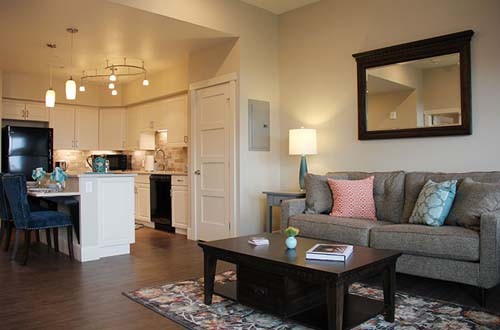
The Windsor
Independent LivingThe Windsor Independent Living Facility is conveniently located in the heart of Windsor. The Windsor provides two different floor plans one bedroom/one bath and two bedroom/two bath. With only 31 apartments, the unique size offers an intimate and family-oriented living environment where friendships and connections are easy to make. Our goal is for our residents to enjoy quality services with ample flexibility to meet their individual needs. As a resident of The Windsor, you will enjoy casual elegant dining, weekly housekeeping, washer and dryer in all units, a variety of innovative activities, wellness programs, and transportation for medical appointments and activity outings.