Is Senior Affordable Housing Really Affordable?
Kavod Senior Life at Cherry Creek
For more information about the author, click to view their website: https://www.kavodseniorlife.org/
May 09, 2024
Colorado - Denver Metro

Email US
Click to Email Us
When older adult communities list their housing as “affordable”, what does that actually mean?
The term affordable generally refers to something that is reasonably priced and within the financial means of the intended consumers or target population. However, the exact definition can vary depending on context, location and the financial situation of individuals or households. This article discussed the term and how housing seekers can really identify what is affordable.

- To view the original version of this article visit www.kavodseniorlife.org/is-senior-affordable-housing-really-affordable/
- Seniors Blue Book was not involved in the creation of this content.
Other Articles You May Like
Want to save money? Get organized!
Sometimes my organizing clients are less-than-thrilled when they realize that they are going to need to invest some money to get organized. Often, they have the double-whammy of realizing that 1) theyve already spent a lot of money on things they dont want or need and 2) they need to spend more money on services like professional organizing and junk hauling to get their place organized. I feel their pain. When I got organized myself about 10 years ago, it hurt when I thought about how much money I had spent on clothes that were headed to Goodwill. I called 1-800-GOT-JUNK to clear out my garage, and I couldnt believe that my bill was over $1,000. Who knew trash hauling was so expensive? You know the saying no pain, no gain? When it comes to organizing, I believe a little bit of pain is actually a good thing, because it motivates us to create lasting changes. My own painful experience with decluttering has helped me stay organized for years, and inspired me to become a professional organizer. Although there are some upfront costs to organizing, getting organized can be a money-saver over the long term. So if you are thinking about getting organized, its actually a long-term investment that is going to save you money over time. Heres how: Eliminate expensive storage unitsThere has been a boom in self-storage units in recent years. Storage units can be helpful resources if you have a short gap between moving out of your old place and into your new one. But if you are using a storage unit to store extra stuff for more than a few months, the cost can really add up (this article estimates that it costs an average of $2,000 a year to keep your stuff in a small storage unit). Ive helped clients clear out their storage units, which immediately starts saving them hundreds of dollars a month. Stop buying things you already have Have you ever run out and bought a roll of masking tape, then later found six more rolls stuffed in a drawer somewhere? Weve all been there. Americans collectively spend an estimated $2.7 billion a year replacing lost items. Organizing makes it easier to find and use what you already have, so you dont have to waste your time or money buying duplicates of things you already have.Cut down on fees and convenience costsSomething that surprised me about getting organized was how much time it saved me. Once I could easily find the things I needed to get out the door in the morning or whip up a quick dinner, I was less rushed. And having a little more slack in my schedule meant that I could take public transit instead of an Uber, or make dinner at home instead of ordering takeout, which ended up saving me money. If you struggle with paying late fees because you cant find your bills or remember when they need to be paid, getting organized can help you eliminate those unnecessary fees.Change your shopping habits for goodAfter going through my own painful decluttering experience, I realized that the way I was shopping led me to over-buying, which was not only cluttering my house, but wasting money. (I wrote a whole blog post about how I started shopping differently after getting organized, if you want to learn more about how organizing can change your shopping habits.) Since then, Im much more critical about what I decide to buy because I dont want to have to do a massive decluttering again. Resell unused itemsWhile decluttering, a lot of my clients come across unwanted items they can resell. While its not exactly a way to make money (because items sold secondhand usually sell for much less than their original price), reselling can help you recoup some of your original expenditure. I even had one client who offset most of her organizing costs by having me sell things she didnt want anymore. If youre not sure where to start when it comes to reselling, I can help you. If organizing feels daunting or too expensive, remember that clutter has a cost, too. In the long run, decluttering and creating systems that work for you will save you time, money, and your mental health. If youre ready to get organized, book a free consultation with me.
Renovate or Relocate? What To Know Before You Decide To Age in Place
You've spent years making your house feel like home, celebrating milestones, making each room your own, and turning neighbors into friends. As you look ahead to the next chapter of your life, it's natural to wonder if this is still the place you want to spend it.Whether you're leaning toward staying in your house as you get older or moving to a 55+ community, the goal is the same: a home that fits the life you want, with more time for the people and things you love. So, here's what to consider before you decide.What It Can Take To Stay PutWanting to stay in a house you love and are familiar with makes sense. But most houses need at least some updates to make aging in place easier.In fact, the Joint Center for Housing Studies of Harvard University (JCHS) finds that fewer than 4% of homes have the basics, like single-floor living, no-step entries, and wide hallways and doorways (see graph below):That means for most homeowners, staying put means doing a remodel.The National Association of Home Builders (NAHB) reports more than half of remodelers (56%) take on this kind of work. Some of the most common projects are installing grab bars, curb-less showers (walk-in showers with no ledge to step over), and wider doorways.Now, thats not to say you cant go this route. You most certainly can. But if this is how youre leaning just know you'd be living with contractor noise and dust until the work gets done. Some people dont want to live in a construction zone. Not to mention, having to manage the contractors and schedules, etc.Your Equity Could Pay for Your Next MoveIf that sounds like something youd rather avoid, heres the good news. The money for your next home may already be sitting in your current one. It's called equity, which is the difference between what your house is worth and what you still owe on it. After years of mortgage payments and rising home values, it adds up. Jess Catorc, Co-Founder of Carry, explains:"The way home equity builds and is used changes a lot depending on your stage of life. . . . For older homeowners, decades of mortgage payments and home-value growth can turn equity into a financial cushion."When you sell, that cushion can go toward a home that's ready for this stage of life. No demo required. You just get the keys and its all there, ready for you. That means less time on projects and more time for living. And one option you may consider if youre entertaining a move is a 55+ plus community.Why 55+ Communities Are Worth a Look From the homes to the shared spaces to the activity calendar, these communities are planned around this stage of life. And that means everything you need is already rolled into one place. Rocket Mortgage lists some of the biggest perks (see visual below):Instead of spending time and money to make your house easier to live in, you'd move into a community that's designed with that in mind from the jump. That frees you up for the good stuff, like a morning walk with a neighbor, a game night down the street, or finally trying the hobby you've been putting off.Bottom LineStaying and moving can both be good choices. What matters most is finding the place where you'll feel comfortable and at home for years to come.If you'd like help weighing the two, let's connect. We can look at what your house could sell for and what 55+ communities in our area have to offer, so you can decide what feels right for you.
Navigating Senior Care in Minnesota: Where Do You Begin?
When an aging parent begins needing additional assistance, families often find themselves entering unfamiliar territory.Perhaps Mom has recently returned home from the hospital and needs help managing daily activities. Dad is becoming less comfortable driving. Or a spouse is experiencing mobility challenges that make everyday routines more difficult.Suddenly, questions begin piling up.What type of care is available? How much assistance is really necessary? Does Medicare pay for home care? What programs are available in Minnesota? And perhaps most importantly, where should the family begin?For many families, navigating senior care can feel overwhelming, especially when decisions need to be made quickly.Understanding the available options is the first step toward making confident, informed decisions that support independence, safety, and quality of life.Understanding the Different Types of Senior CareOne of the most confusing aspects of senior care is understanding the terminology.Home care, home health care, assisted living, and skilled nursing are sometimes used interchangeably, but they provide different levels of support.Knowing the differences can help families identify services that best match their loved one's needs.Non-Medical In-Home CareNon-medical home care focuses on helping individuals manage everyday activities while remaining in their own homes.Depending on the provider's license and authorized services, assistance may include personal care, companionship, meal preparation, light housekeeping, transportation, and respite care.This type of support can be particularly beneficial for older adults who want to maintain independence but need help with certain daily routines.Services may be arranged for a few hours each week or more frequently as needs change.Skilled Home Health CareSkilled home health care involves medical services provided by appropriately licensed healthcare professionals.These services may include nursing care, physical therapy, occupational therapy, speech-language pathology, and certain medical treatments.Skilled home health services are often recommended following hospitalization, surgery, illness, or a significant change in health.Medicare may cover qualifying home health services when specific eligibility requirements are met.However, Medicare generally does not cover ongoing custodial assistance when that is the only care needed.Assisted Living CommunitiesAssisted living communities provide housing and supportive services for individuals who need help with daily activities but do not necessarily require continuous skilled nursing care.Services vary by community and may include meals, personal care assistance, medication-related services, housekeeping, and social activities.For some seniors, assisted living provides an appealing combination of independence, convenience, and available support.Others prefer to remain in their own homes with assistance from an in-home care provider.Skilled Nursing FacilitiesSkilled nursing facilities provide a higher level of medical and personal care for individuals with more complex needs.Some offer short-term rehabilitation following hospitalization, while others provide longer-term residential nursing care.The appropriate setting depends on the individual's medical condition, functional abilities, preferences, and available support.Start by Evaluating Your Loved One's NeedsBefore selecting a senior care provider, families should consider what assistance is actually needed.A thoughtful assessment begins with everyday activities.Can your loved one prepare meals independently? Are bathing and dressing becoming difficult? Is transportation a concern? Are medications being taken as prescribed?It's also important to consider social and emotional needs.Does your parent spend long periods alone? Have they stopped participating in favorite activities? Are family caregivers struggling to keep up with responsibilities?Discussing these questions with your loved one can help identify priorities and preferences.When medical concerns are involved, a healthcare professional can help determine whether a clinical evaluation or skilled services are appropriate.The goal should be to provide the right level of assistancenot more care than necessary, but enough support to address important needs.Understanding How Senior Care Is Paid ForCost is often one of the first concerns families raise when exploring care options.Unfortunately, payment arrangements can be complicated.Different services may be covered by Medicare, Medicaid, private insurance, long-term care insurance, or personal funds.MedicareMedicare may cover certain medically necessary home health services when eligibility requirements are satisfied.However, Medicare generally does not pay for long-term non-medical home care, routine housekeeping, or ongoing personal assistance when these are the only services required.Families should review their specific Medicare coverage before assuming a service will be reimbursed.Minnesota Medical AssistanceMinnesota's Medicaid program, known as Medical Assistance, may help eligible individuals pay for certain long-term services and supports.Programs such as the Elderly Waiver can help qualifying older adults receive services in community settings rather than nursing facilities.Eligibility depends on factors including age, financial circumstances, assessed care needs, and program requirements.Long-Term Care InsuranceSome long-term care insurance policies provide benefits for qualifying in-home care services.Coverage varies significantly depending on the policy.Families should review benefit limits, elimination periods, covered services, and requirements for receiving reimbursement.Private PayMany families pay directly for non-medical home care.Private-pay arrangements may offer flexibility in scheduling and selecting services.Before beginning care, ask providers about hourly rates, minimum visit requirements, cancellation policies, and any additional fees.Minnesota Resources That Can Help FamiliesFortunately, Minnesota offers several resources designed to help older adults and their families understand available services.Minnesota's Senior LinkAge LineThe Senior LinkAge Line is a free statewide resource that helps older adults and families explore Medicare questions, prescription drug coverage, community services, and long-term care options.It is operated through Minnesota's aging network and can be a helpful starting point for families unfamiliar with available programs.Minnesota Board on AgingThe Minnesota Board on Aging provides information and resources related to aging services, caregiver support, and programs that help older adults remain connected to their communities.Disability Hub MNFor individuals with disabilities, Disability Hub MN offers information about benefits, services, housing, employment, and community resources.These programs can help families better understand their options and identify additional support.Why Care Navigation Can Make a DifferenceEven after learning about available services, families may struggle to determine which options are appropriate.This is where care navigation can become especially valuable.Care navigation helps individuals and families understand their needs, identify relevant services, and explore available resources.For example, a family may need assistance coordinating non-medical home care after a hospitalization.Another may be trying to understand community-based support programs or determine whether additional caregiving assistance is necessary.A knowledgeable care navigator can help organize information, clarify options, and guide families toward appropriate resources.Care navigation does not replace medical advice or official eligibility determinations, but it can make the decision-making process more manageable.For adult children who live outside Minnesota, this additional guidance can be particularly reassuring.Planning Ahead Can Prevent Difficult DecisionsMany families begin researching senior care only after an unexpected event.A fall, hospitalization, or sudden decline in mobility may create an urgent need for assistance.While some situations cannot be anticipated, planning ahead can reduce confusion.Families can begin by discussing their loved one's preferences.Would they prefer to remain at home as long as possible? What activities are becoming difficult? Who should be involved in future care decisions?It's also helpful to organize important documents, review insurance coverage, and identify trusted healthcare professionals and community resources.These conversations may feel uncomfortable initially, but they can help preserve the older adult's voice in future decisions.How Northern Lights Living Helps Minnesota FamiliesBased in Savage, Minnesota, Northern Lights Living understands that navigating senior care involves more than selecting a caregiver.Families often need guidance, reassurance, and a clear understanding of their options.Northern Lights Living provides personalized, non-medical in-home care services designed to support seniors and individuals with disabilities who wish to remain in familiar surroundings.The company emphasizes caregiver compatibility, individualized routines, meaningful companionship, and communication with families.In addition to home care, Northern Lights Living offers care navigation services to help families better understand available support options and community resources.Whether a family is beginning to explore assistance for an aging parent or adjusting to changing care needs, having a compassionate and knowledgeable partner can make the process less overwhelming.Taking the First Step Toward Better SupportThere is no single solution that works for every senior or family.Some older adults benefit from a few hours of companionship each week. Others need regular assistance with personal care or daily household activities.Still others may require skilled medical services or a different living arrangement.The most important step is understanding the individual's needs, respecting personal preferences, and exploring available options before making major decisions.Senior care doesn't have to be navigated alone.With reliable information, thoughtful planning, and the right support, Minnesota families can make decisions that protect independence, promote dignity, and provide greater peace of mind.About Northern Lights LivingNorthern Lights Living is a Savage, Minnesota-based provider of personalized, non-medical in-home care and care navigation services for seniors, adults with disabilities, and their families throughout the Twin Cities metropolitan area.The company focuses on individualized caregiving, caregiver compatibility, family communication, and helping individuals navigate changing care needs.Northern Lights LivingSavage, MinnesotaPhone: 651-329-3526Website: www.northernlightsliving.comHelping Minnesota Families Find the Right Care, Support, and Peace of Mind.
Local Services By This Author
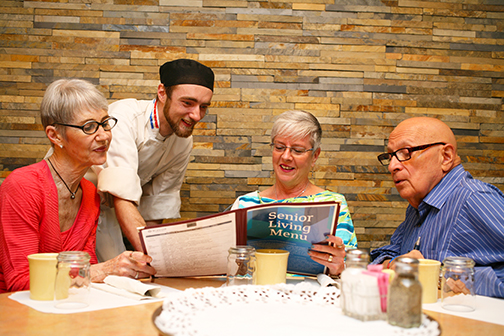
Kavod Senior Life
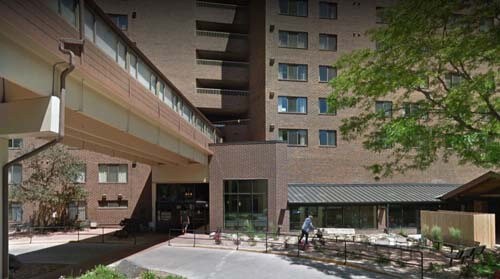
Independent LivingKavod Senior Life's Independent Living apartments, located in the vibrant Cherry Creek neighborhood of Denver, Colorado, offer a wonderful living experience for older adults seeking independence, comfort, and community. Kavod's 55-year old community is lively and yet private, with a warm, welcoming environment. It's a great choice for older individuals who value their independence while enjoying access to a range of supportive services and engaging activities.Prime Location in Cherry CreekCherry Creek is one of Denver's most desirable neighborhoods, known for its upscale shopping, fine dining, and cultural attractions. Our residents benefit from this prime location, with easy access to the Cherry Creek Shopping Center, restaurants, and beautiful parks. The neighborhood's walkability and extensive public transportation options ensure easy exploration of Denver and its surroundings.Cozy Living SpacesApartments are designed to offer comfort, convenience, and style. The apartments come in various floor plans, including studio and one-bedrooms. Each apartment has a full kitchen, living area, and storage. With three interconnected buildings, residents can move freely from building to building to visit neighbors without having to go outside if inclement weather. A bridge connects the buildings over Adams Street. Amenities and ServicesKavod Senior Life offers a wealth of amenities that promote a healthy, active, and social lifestyle. The on-site amenities include:Fitness Center: A well-equipped fitness center with senior-friendly exercise equipment and regular fitness classes to help residents stay active and healthy.Dining Services: An on-site dining room serves nutritious and delicious meals, catering to various dietary needs and preferences. *Our meal plan is required for residency. Library and Computer Bank: All residents have access to computers and free Wifi, as well as a library onsite and various book stations throughout the East buildingOutdoor Spaces: Our outdoor raised garden beds allow for residents to grow plants and flowers if they wish. Walking paths and outdoor seating areas invite relaxation and fresh air.Social and Recreational Activities: A robust calendar of events, including educational lectures, holiday celebrations, and outings to local attractions, ensures there is always something fun and engaging to do.Health and Wellness ServicesAt Kavod Senior Life, the well-being of our residents is a top priority. We offer a range of health and wellness services, including:On-Site Medical Clinic: In partnership with CU Medicine, our clinic is staffed with geriatric professionals who work with residents' insurances to offer routine check-ups, health screenings, and consultations... right on site! Physical, Occupational & Speech Therapy: Legacy Healthcare Services provide these services both in our Health & Wellness Center, as well as through direct visits to resident apartments. Health Offerings: Other clinics include podiatry, acupuncture, chiropractor, blood pressure clinics and more. All providers are contracted and take various insurances, including Medicaid. Overall Wellness : Ongoing offerings include heart health education as well classes like yoga, dance or stretching.A Strong Sense of CommunityOne of the standout features of Kavod Senior Life is the strong sense of community that pervades the environment. The staff at Kavod are dedicated to fostering a welcoming and inclusive atmosphere where residents feel valued and connected. Social events and activities are designed to bring people together, encouraging friendships and a sense of belonging.Residents can participate in a variety of clubs and interest groups, such as gardening clubs and volunteer opportunities, allowing them to pursue their passions and contribute to the community. The community also celebrates various cultural and religious events, reflecting the diverse backgrounds of its residents. Over 16 languages are spoken on campus! Testimonials and Resident ExperiencesResidents and their families consistently praise Kavod for its excellent facilities, supportive staff, and vibrant community life. Testimonials often highlight the friendly atmosphere, the wide range of activities, and the peace of mind that comes from knowing that help is always available if needed. Kavod maintains a 4.5 star rating on Google. One resident shared, "Moving to Kavod Senior Life was the best decision I ever made. The community here is wonderful, and there's always something fun to do. I love my apartment, and the staff are like family."In summary, Kavod Senior Life offers an exceptional living environment for individuals 62+ seeking a balance of independence and community support. With its prime location, extensive amenities, and commitment to health and wellness, Kavod provides an enriching and fulfilling lifestyle for its residents. Whether you're looking for a vibrant social life, access to top-notch healthcare, or simply a comfortable and secure place to call home, Kavod is an excellent choice for older adults in Denver.
Kavod Assisted Living
Assisted LivingKavod Senior Life Assisted Living Exceptional Care in a Welcoming CommunityKavod Senior Life offers high-quality, affordable Assisted Living in the heart of Cherry Creek, Denver. With over 50 years of experience, we provide a warm, inclusive, and engaging environment where seniors can enjoy independent living with personalized support.We welcome individuals of all faiths, backgrounds, and traditions, creating a diverse and inclusive community where everyone feels at home.Our community features private one-bedroom and studio apartments, giving residents the comfort and privacy they desire. Unlike many senior living facilities, we offer basic pricing less than $50,000 per year and require only a one-year spend down to Medicaid on most unitsmaking quality care accessible and budget-friendly!Pricing per unit size:Studio* (373 square feet) - $3,800 (single occupancy)Small 1 bedroom* (460 square feet) - $3,900 Large 1 bedroom (570 square feet) - $4,100*qualify for a one-year spenddownCosts include daily assistance with activities of daily living (ADLs) such as bathing, dressing, and medication management, as well as all activities and trips with any associated meal costs. We also offer fee-based support services for:Escort assistance for mobility support ($250/mo)Incontinence care for dignity and hygiene ($450/mo)Oxygen management to ensure respiratory wellness ($250/mo)At Kavod Assisted Living, residents experience a lively, engaging lifestyle! From social events and fitness classes to educational programs and cultural activities, there is something for everyone.Our onsite amenities include a Health & Wellness Center staffed with rehabilitation specialists and geriatric doctors, as well as clinics such as podiatry, acupuncture, blood pressure clinics and more. Other highlights include seating areas, raised garden beds for gardeners, library, music programs, educational lectures, cultural celebrations and more. We take pride in being a pet-friendly community, allowing residents to bring their furry companions for comfort and companionship.Located in the sought-after Cherry Creek neighborhood of Denver, Kavod Senior Life offers a beautiful, convenient setting near shopping, dining, and recreational opportunities. Our residents enjoy easy access to the areas attractions while living in a peaceful, secure environment.For over five decades, Kavod Senior Life has been a trusted name in senior housing and assisted living. We invite you to visit us, tour our apartments, and meet our friendly staff. Contact us today to learn more about our affordable pricing, care services, and vibrant lifestyle. Your new home at Kavod Senior Life awaits!

Kavod Senior Life
Affordable-SubsidizedKavod Senior Life is open and welcoming to all community members who qualify and does not discriminate on the basis of race, color, national origin, religion, sex, disability, or familial status. We have 358 HUD-subsidized apartments available to rent for individuals 62+ (head of household); other family members welcome . Our apartment sizes range between 373 (studio) and 590 square feet (large one bedroom).Residents are obligated to participate in a meal program, which includes six meals each week (dinner M-F and brunch on Sunday). A subsidy is available and exemptions will be considered.Rents are calculated based on an applicants total adjusted income.Rent pricing covers electric and water utilities. Applications are available through the website/in our main lobby open 24/7, or contact us to have one faxed, mailed or emailed. Language assistance is available for application completion. Currently there is a waitlist for our subsidized apartments; call to receive an estimate of our current wait time at 303.399.1146. On site amenities include activities, trips (to grocery stores and social outings), health classes and services, music, art, gardening, tech support, free wi fi, computer bank, library, active resident council and more.