
PHONE
Click to View NumberGeneral Property Features
- Age Restrictions, Fitness Center, Controlled Access
- Bi-Lingual Staff, Laundry Service - Self Serve, Scheduled Transportation, Activities, Housekeeping, Meals/Meal Options, Social Programs
- Assisted Living Community, Retirement Community
- Small Pets
Independent Living
- $1,250.00
- 12
- Studio, 1 BR
Additional Levels of Care Offered
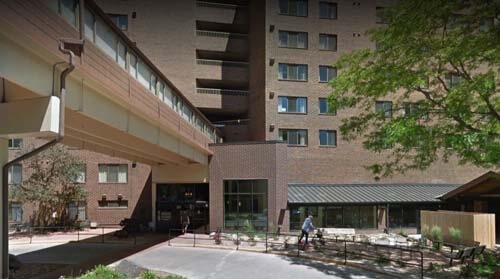
Kavod Assisted Living
Assisted Living 22 South Adams Street, Denver, Colorado, 80209Kavod Senior Life Assisted Living Exceptional Care in a Welcoming CommunityKavod Senior Life offers high-quality, affordable Assisted Living in the heart of Cherry Creek, Denver. With over 50 years of experience, we provide a warm, inclusive, and engaging environment where seniors can enjoy independent living with personalized support.We welcome individuals of all faiths, backgrounds, and traditions, creating a diverse and inclusive community where everyone feels at home.Our community features private one-bedroom and studio apartments, giving residents the comfort and privacy they desire. Unlike many senior living facilities, we offer basic pricing less than $50,000 per year and require only a one-year spend down to Medicaid on most unitsmaking quality care accessible and budget-friendly!Pricing per unit size:Studio* (373 square feet) - $3,800 (single occupancy)Small 1 bedroom* (460 square feet) - $3,900 Large 1 bedroom (570 square feet) - $4,100*qualify for a one-year spenddownCosts include daily assistance with activities of daily living (ADLs) such as bathing, dressing, and medication management, as well as all activities and trips with any associated meal costs. We also offer fee-based support services for:Escort assistance for mobility support ($250/mo)Incontinence care for dignity and hygiene ($450/mo)Oxygen management to ensure respiratory wellness ($250/mo)At Kavod Assisted Living, residents experience a lively, engaging lifestyle! From social events and fitness classes to educational programs and cultural activities, there is something for everyone.Our onsite amenities include a Health & Wellness Center staffed with rehabilitation specialists and geriatric doctors, as well as clinics such as podiatry, acupuncture, blood pressure clinics and more. Other highlights include seating areas, raised garden beds for gardeners, library, music programs, educational lectures, cultural celebrations and more. We take pride in being a pet-friendly community, allowing residents to bring their furry companions for comfort and companionship.Located in the sought-after Cherry Creek neighborhood of Denver, Kavod Senior Life offers a beautiful, convenient setting near shopping, dining, and recreational opportunities. Our residents enjoy easy access to the areas attractions while living in a peaceful, secure environment.For over five decades, Kavod Senior Life has been a trusted name in senior housing and assisted living. We invite you to visit us, tour our apartments, and meet our friendly staff. Contact us today to learn more about our affordable pricing, care services, and vibrant lifestyle. Your new home at Kavod Senior Life awaits!
Kavod Senior Life
Affordable-Subsidized 22 South Adams Street, Denver, Colorado, 80209Kavod Senior Life is open and welcoming to all community members who qualify and does not discriminate on the basis of race, color, national origin, religion, sex, disability, or familial status. We have 358 HUD-subsidized apartments available to rent for individuals 62+ (head of household); other family members welcome . Our apartment sizes range between 373 (studio) and 590 square feet (large one bedroom).Residents are obligated to participate in a meal program, which includes six meals each week (dinner M-F and brunch on Sunday). A subsidy is available and exemptions will be considered.Rents are calculated based on an applicants total adjusted income.Rent pricing covers electric and water utilities. Applications are available through the website/in our main lobby open 24/7, or contact us to have one faxed, mailed or emailed. Language assistance is available for application completion. Currently there is a waitlist for our subsidized apartments; call to receive an estimate of our current wait time at 303.399.1146. On site amenities include activities, trips (to grocery stores and social outings), health classes and services, music, art, gardening, tech support, free wi fi, computer bank, library, active resident council and more.
Continue Your Search! Explore More Local Options.
Start SearchingLet’s engage and get educated!
Browse through thousands of expert articles in over 100 different categories.
Browse NowArticles You May Like
On Site Rehab Can Benefit Residents & Neighbors
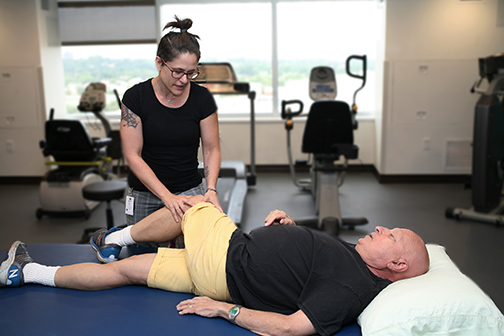
By Rebecca Gershten, Community Outreach Coordinator, Kavod Senior LIfeOne day I was speaking with a Kavod Senior Life resident who I will call Shirley. She was using a hemi walker, which I had never seen before. She told me her physical therapist suggested it to help her with walking stability. This device looked like half a walker. It was lightweight, collapsible and could be used with one hand. Shirley recently had had surgery after falling and breaking her shoulder. Her arm had been in a sling and so she wasnt able to use a full walker. The hemi walker was a wonderful solution between no walker and a full walker. Who knew?She went on to tell me some other tricks her physical therapist taught her, like how to put on a top and what kinds of clothing to choose if dressing with one hand. Without therapy, Shirley certainly would have struggled with these basic needs, like dressing and walking, after her surgery.Thankfully, Shirley was on the mend, and smiled broadly when she spoke of her next physical therapy appointments. She emphasized how important they were to her continued recovery. She was learning to increase her range of motion and teach her muscles how to work properly again.Kavod Senior Life is happy to offer low-cost physical, occupational and speech therapy on campus in the Harry and Jeanette Weinberg Health & Wellness Center. Partnering with Legacy Healthcare Services, residents like Shirley only need to take elevator ride to the top floor of Kavods West Building, where Legacy is housed. They have the best view of the Front Range Mountains! And actually, therapists at Kavod will even do in-home services right in resident apartments.It isnt uncommon to see therapists and their clients around campus working together on various exercises walking together, using tabletops for hand strengthening, or trying exercise bands for muscle development. The talented Legacy staff are kind, creative and share Kavods values of putting the individual and his or her wellness first. Services are available to residents in both Assisted Living and Independent Living, as well as to members of the greater community.If you or someone you know could benefit from physical, occupational or speech therapy or has a doctors referral for these services contact Sara, Legacys Director at Kavod at [email protected] or by phone at 303.321.2452. You also can visit their website at https://www.legacyinc.com/. Again, clients do not need to live at Kavod. In fact, non-residents can take advantage of other classes and services during a therapy visit. Check out the list here.Overall, Kavod is proud to partner with Legacy to support residents and other older community members in living independently and well. Give us a call today to learn more about our caring, supportive Assisted Living apartments at 303.399.1146!
Nov 22, 2022

Is Senior Affordable Housing Really Affordable?
When older adult communities list their housing as affordable, what does that actually mean?The term affordable generally refers to something that is reasonably priced and within the financial means of the intended consumers or target population. However, the exact definition can vary depending on context, location and the financial situation of individuals or households. This article discussed the term and how housing seekers can really identify what is affordable.
May 09, 2024
Dental Health in Older Adults: Why It Matters
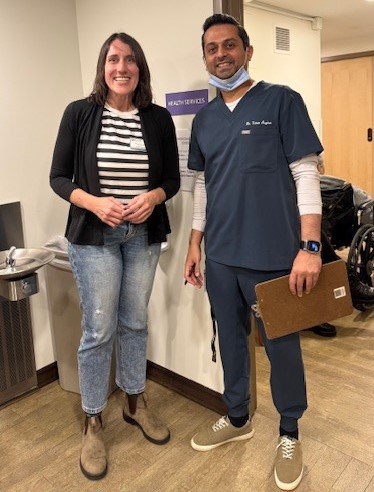
As we age, taking care of our teeth and gums becomes more important than ever. Good oral health isnt just about having a nice smileit plays a key role in overall health, comfort, nutrition, and confidence.Many older adults put off dental visits due to fear, cost concerns, or apathy. Fortunately, many common dental issues can be treated or managed, and dental visits today are more comfortable than most people expectespecially at Kavod, where residents can see a dentist right here on campus.Common Dental IssuesOlder adults may experience:Gum disease, which can lead to tooth loss if untreatedCavities and tooth decay, especially around older fillings or exposed rootsDry mouth, often caused by medicationsMissing teeth or ill-fitting dentures, which affect eating and speechOral infections or sores, a result of a variety of factors, some age-relatedOral cancer, a risk that increases with age, making regular checkups especially importantWhy Taking Care of Dental Issues Is So ImportantIgnoring dental problems can lead to more serious health concerns over time. Poor oral health has been linked to heart disease, diabetes complications, pneumonia, and malnutrition. Dental pain or missing teeth can make it difficult to eat healthy foods, which affects overall strength and energy.Regular dental care helps:Prevent pain and infectionMaintain the ability to eat and speak comfortablyProtect overall healthSave money by addressing small problems before they become major onesImprove quality of life and confidenceDental problems are not an inevitable part of aging. With proper care and regular checkups, many older adults keep their natural teeth for life.Accessing Dental CareResidents at Kavod Senior Life can get teeth cleanings and other services right on campus through the CU School of Dental Medicine! Having a dental clinic in the community makes it very easy to see a dentist and only involves an elevator ride up to the Health and Wellness Center (14th floor). Individuals in Assisted Living and Senior Living both can make appointments.If you or a loved would one benefit from having dental and other supportive services on hand, contact us for more information or a tour! In general, caring for our teeth is an important part of caring for overall healthat every age.*created with the assistance of Chat GPT
Mar 13, 2026
Safety Tips for Older Adults
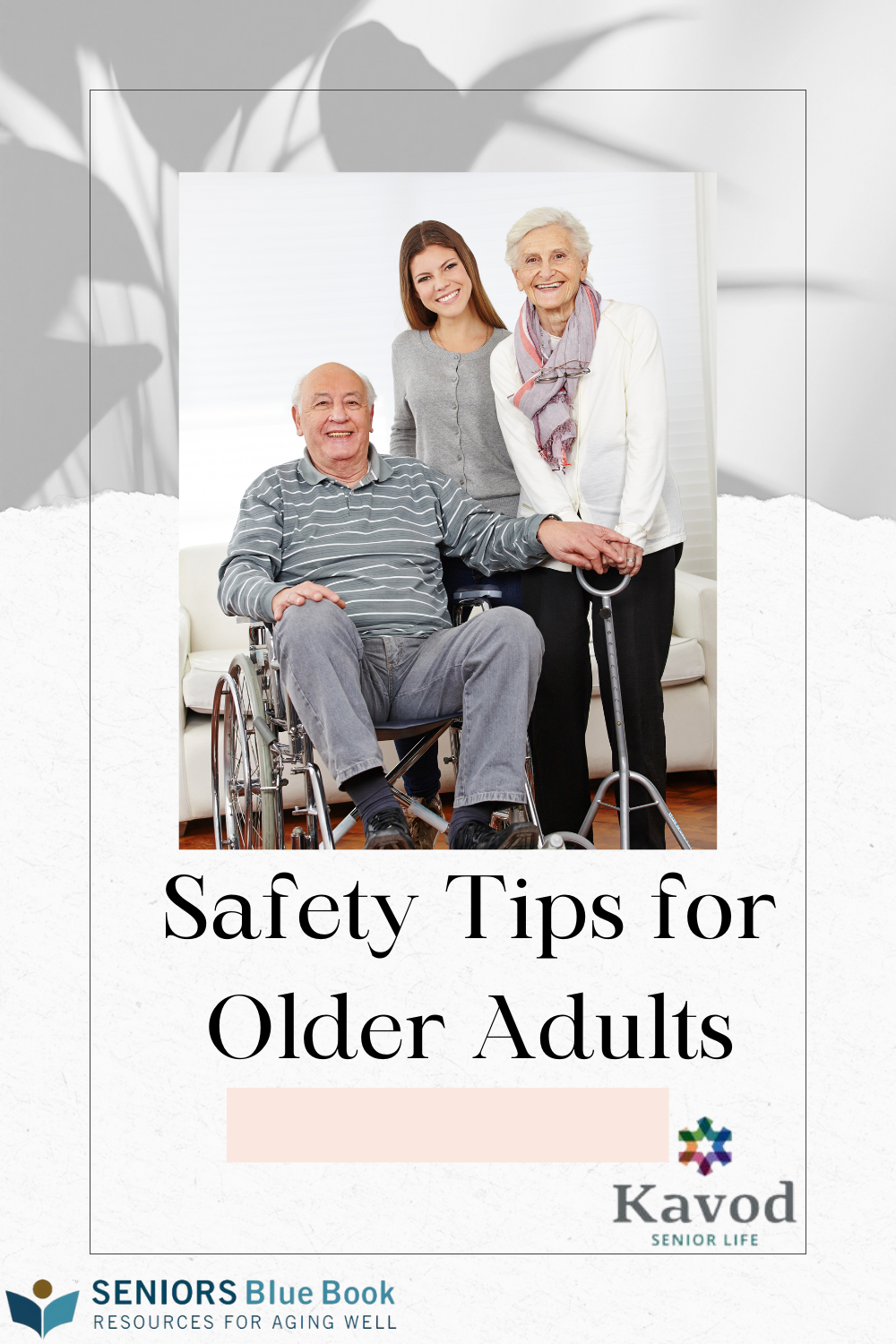
Kavod Senior Life recently hosted a town hall meeting with Lt. Kate Young, a Community Resource Officer (CRO) from the Denver Police Department. Lt. Young did a great job helping our residents learn some best practices on keeping themselves safe from harm.While Kavod has protocols in place to keep the campus secure (including a daily check-in system, fob-controlled entry, night managers on staff, lighting and video camera surveillance), once residents step out in the greater community, they need to know how to keep themselves alert and protected.Lt. Young discussed the following points, which were also provided on a handout for residents.GENERAL TIPSNever invite someone into your home who you do not know, and never loan anyone your car.Never give out personal information, such as your Social Security number, credit card, etc.Do not tell unknown persons if you live alone or if you are going out of town.Have a friend or loved one check in on you to ensure you are safe.Shred documents before discarding; be aware of scams and do not trust calls asking for money or personal information.TRAVEL ADVICEAlways be aware of your surroundings. If something doesnt feel right, it probably isnt.Avoid or limit distractions, such as cell phones or headphones, and pay attention to people approaching you.Park, walk and exercise in well-lit areas, avoiding dark areas and less populated shortcuts.Travel with friends or ask someone to escort you to your vehicle or destination as much as possible.Be discreet with valuables; try not to carry more than you need. Also, try to keep valuables on your person, so if your purse or bag is stolen, you still have your important items.Be prepared to have your keys in hand when walking to your car; move quickly in and out of your vehicle.REPORTINGIf something does seem suspicious, report it.Non-emergencies: 720.913.2000Emergencies: 911Online: Denvergov.org/PoliceIt is our goal at Kavod to provide as many resources as we can to our residents to provide them a safe place to live and ensure that they can live their best lives possible. We encourage anyone to take advantage of these resources as well. For more information about Kavod Senior Life and our campus amenities, call our front desk at 303.399.1146 or email [email protected].
Nov 02, 2022
How Assisted Living Can Help Seniors Stay Connected and Independent
How Assisted Living Can Help Seniors Stay Connected and IndependentDenver is a city that blends history, culture, outdoor beauty, and thriving neighborhoods into one vibrant community. For older adults, remaining connected to that lifestyle becomes increasingly important with age. From the scenic drives near the Rocky Mountains to community events in Cherry Creek and the welcoming atmosphere throughout the Mile High City, seniors deserve an environment where they can continue living fully while receiving the support they need.That balance between independence and daily assistance is exactly why many families begin exploring assisted living options. For seniors who no longer feel comfortable living completely alone but still want privacy, freedom, and social engagement, assisted living can provide the ideal next chapter.At Kavod Assisted Living in Denver, residents are supported in a compassionate environment designed to help them thrive emotionally, socially, and physically. Families across the Denver metro area are discovering that assisted living is not about giving something up it is about gaining peace of mind, meaningful connection, and quality of life.As seniors age, staying socially engaged and feeling part of a community becomes just as important as receiving physical support, says Cheryl Stanley of Kavod Assisted Living. Families are often surprised by how much their loved ones flourish once they are surrounded by caring staff and new friendships.Why Isolation Is a Growing Concern for Older AdultsMany older adults in Denver continue living independently for years, which can be a wonderful thing. However, over time, everyday challenges can quietly create isolation. Driving becomes harder. Friends move away. Household chores feel overwhelming. Mobility limitations can make outings difficult.According to health experts, social isolation among seniors has been linked to: Increased risk of depression Cognitive decline Higher stress levels Poor nutrition Reduced physical activity Greater risk of hospitalization Families often notice subtle warning signs first: Missed medications Less interest in hobbies Difficulty maintaining the home Changes in hygiene Loneliness or withdrawal Assisted living communities help reverse that isolation by creating opportunities for engagement every day.What Makes Assisted Living Different?Many people mistakenly believe assisted living is the same as a nursing home. In reality, assisted living is designed for seniors who are still active and independent but benefit from support with daily routines.Residents often have their own apartments or suites while receiving help with: Medication reminders Dressing and grooming Meals and nutrition Housekeeping Transportation Mobility assistance At the same time, seniors enjoy access to: Social activities Group dining Fitness opportunities Wellness programs Recreational outings Community events This combination allows residents to maintain autonomy while reducing stress and safety concerns.Denver Seniors Value Active LivingDenver seniors are known for their active lifestyles. Many longtime residents spent decades hiking Colorado trails, volunteering in the community, attending local arts events, or participating in faith-based organizations. Retirement does not change that desire for involvement.Communities like Kavod Assisted Living understand the importance of maintaining those interests. Activities that encourage movement, conversation, creativity, and friendship help residents maintain both emotional and cognitive wellness.Whether it is participating in a group activity, sharing meals with neighbors, or attending educational programs, seniors benefit from routines that encourage connection.Families also appreciate knowing their loved one is surrounded by others instead of spending long periods alone.The Emotional Relief Families ExperienceAdult children often carry enormous stress when caring for aging parents. Many are balancing careers, raising children, and supporting older loved ones at the same time.Questions constantly arise: Did Mom remember her medication? Is Dad eating enough? What happens if there is a fall? Who helps during emergencies? Assisted living helps ease those worries.Professional staff members provide daily oversight while allowing family relationships to return to something more natural and enjoyable. Instead of focusing entirely on caregiving responsibilities, families can spend meaningful time together again.For many Denver families, that emotional relief is life-changing.Personalized Support MattersNo two seniors age the same way. Some residents need occasional assistance, while others require more hands-on support throughout the day.Quality assisted living communities recognize this and adapt care accordingly. Personalized support plans help ensure residents receive appropriate assistance without losing independence.At Kavod Assisted Living, the focus remains on dignity, respect, and individualized attention. Staff members take time to understand residents personally, helping create an environment where seniors feel valued and heard.Every resident comes to us with a unique life story, Cheryl Stanley explains. We believe quality senior care starts with listening, understanding, and treating people with compassion every single day.Nutrition and Wellness Play a Major RoleNutrition becomes increasingly important as adults age. Unfortunately, many seniors living alone struggle to prepare balanced meals consistently.Assisted living communities help address this challenge through: Nutritious dining programs Scheduled meals Hydration support Accommodations for dietary needs Regular meals also create social opportunities that many seniors miss when living independently.In addition to nutrition, wellness programming often includes: Light exercise classes Stretching programs Walking groups Wellness monitoring Educational seminars Denvers health-conscious culture makes wellness-focused senior living especially appealing for local families.Creating Safety Without Sacrificing IndependenceFalls are one of the leading causes of injury among older adults. Families often begin considering assisted living after: A fall Medication errors Hospitalization Increasing forgetfulness Difficulty navigating stairs Assisted living environments are intentionally designed with safety in mind: Accessible bathrooms Emergency response systems Mobility-friendly layouts Staff availability Secure community spaces Importantly, residents still maintain independence while benefiting from added protection.This balance allows seniors to continue enjoying life with greater confidence.Choosing the Right Assisted Living Community in DenverEvery assisted living community has a different personality, atmosphere, and philosophy of care. Families should take time to evaluate options carefully.Questions to ask include: What services are included? What activities are offered? How are care plans created? What training does staff receive? How does the community encourage social engagement? What is the dining experience like? How are medical needs handled? Visiting in person can also help families understand whether the environment feels warm, welcoming, and supportive.Denver families often prioritize communities that foster genuine relationships and a strong sense of belonging.Assisted Living Is About Living WellOne of the biggest misconceptions about assisted living is that it represents the end of independence. In reality, many seniors become more active and socially engaged after moving into a supportive community.Without the burdens of home maintenance, isolation, and daily stressors, residents often rediscover hobbies, friendships, and routines they had gradually lost.That renewed sense of purpose can dramatically improve emotional well-being.For seniors in Denver seeking connection, support, and comfort, assisted living offers an opportunity to continue living meaningfully in a caring environment.Discover More About Kavod Assisted LivingFamilies searching for compassionate assisted living in Denver can learn more about Kavod Assisted Living and explore their listing on Seniors Blue Book. Finding the right senior living community can make all the difference in helping older adults feel safe, connected, and empowered throughout every stage of aging.FAQsWhat is the difference between assisted living and independent living?Independent living is designed for active seniors who need little to no daily assistance, while assisted living provides support with activities like medication management, dressing, meals, and mobility.Is assisted living only for seniors with serious medical conditions?No. Many assisted living residents are relatively independent but benefit from extra support, safety, and social opportunities.How do families know when it is time for assisted living?Signs may include falls, missed medications, loneliness, poor nutrition, memory concerns, or difficulty maintaining a home safely.Are seniors still independent in assisted living?Yes. Residents typically maintain private living spaces and personal routines while receiving help only where needed.Why is assisted living beneficial for Denver seniors? Denver seniors often value active lifestyles and community engagement. Assisted living provides opportunities for connection, wellness, and support while reducing isolation.
May 27, 2026

The Growing Gap Between Lifespan and Healthspan: Why It Matters More
People across the globe are living longer than ever beforebut not necessarily better. The gap between our lifespan (how long we live) and what we might call our healthspan (how long we stay healthy) is widening each year, and the trend could cause for concern. At Kavod Senior Life both in Assisted Living and Senior Living we stay on top of trends to ensure we are providing the most updated care and support for our residents.A 2024 study published in Global Health examined data from 183 World Health Organization member states and found a striking global pattern: while the average person can expect to live 72.5 years, only 63.3 of those years are spent in good health. That leaves nearly a decade of life marked by illness, pain, or disability.The situation is especially troubling in the United States, where the healthspan-lifespan gap is the widest among all nations studied. Americans now spend an average of 12.4 yearsup from 10.9 years in 2019coping with chronic illness or disability.This means that while medical advances have helped extend life expectancy, many people are spending more of those additional years struggling with preventable or manageable health issues.Closing this gap requires more than just adding years to our livesit means adding life to our years. Preventive care, healthier diets, regular physical activity, and social engagement all play a key role in extending the years we spend feeling strong and vibrant.At Kavod, we are committed to supporting residents healthspan through programs that nurture both body and mind. From engaging exercise classes and wellness programs to social activities that foster meaningful connections, our goal is to help every resident live their healthiest, happiest yearsnot just a longer life. Whether our residents are in Assisted Living or Senior Living, Kavod provides robust offerings and services to help our residents as well as outside visitors be as healthy as possible.The challenge is clear, but so is the opportunity: by prioritizing healthspan alongside lifespan, we can redefine what it truly means to age well. At Kavod, were committed to meeting this challenge, every day, one resident at a time.
Mar 13, 2026
A First-Month Plan That Helps a New Apartment Feel Like Home
A First-Month Plan That Helps a New Apartment Feel Like HomeA move into assisted living is rarely decided in one moment. More often, it follows a season of change: a house becoming difficult to manage, medications needing more attention, a fall that affects confidence, or a spouse who needs more consistent help than one family can provide.Once a family recognizes that assisted living may be the right next step, the focus becomes making the transition feel less like a loss and more like a beginning.Kavod Assisted Living is in Denvers Cherry Creek neighborhood at 22 South Adams Street. It serves adults age 62 and older in private studio and one-bedroom apartments with private bathrooms. Its assisted living program includes three meals daily, medication monitoring and assistance, help with dressing and bathing, weekly housekeeping and laundry, and at least five wellness contacts with staff each day.Begin With the Question: What Does a Good Day Look Like?Care needs matter, but a smoother transition begins with daily life. Ask the older adult what makes an ordinary day feel like their own. It may be coffee in a favorite mug, music after lunch, choosing their own clothes, a call from a grandchild, or a quiet place to read.Those details should shape the move.Kavod serves breakfast, lunch, and dinner daily in its assisted living dining room and can arrange apartment meal delivery when a resident is ill. Its studio and one-bedroom layouts give families options to consider for comfort and access.Before packing, make a good day list:Must keep: treasured photos, a favorite blanket, a morning routine, or meaningful religious and cultural items.Would enjoy: music, hobby supplies, familiar foods, outings, or regular calls with relatives.Needs support: bathing, mobility, medication reminders, dressing, laundry, transportation, or memory-related reassurance.This list introduces staff to the person behind the paperwork.Pack for Familiarity, Not PerfectionFamilies sometimes overpack because they fear a loved one will feel deprived. Others bring too little, expecting a quick adjustment. Select belongings that create recognition without crowding the apartment or making it harder to move safely.Choose items that bring comfort: family photos, a quilt, a lamp, framed art, a few books, or a trusted chair. Keep paths open, especially for someone who uses a cane, walker, or wheelchair.Try a Three-Box MethodFirst-night box: pajamas, glasses, hearing aids, chargers, toiletries, comfortable clothes, and items requested by the community.Comfort box: photos, a familiar throw, personal reading materials, music, and a small keepsake.Later box: seasonal clothing, extra dcor, duplicates, and items that can wait until the resident has settled.A calm first evening matters more than perfectly arranged shelves.Plan the First Week Before Move-In DayAsk what the first week typically looks like and identify one or two low-pressure activities that could be a natural fit.Kavod describes a full calendar of social activities and events and says each resident receives at least five contacts a day with staff. Those regular touchpoints can offer consistency while someone learns a new environment.For one person, a small group activity or coffee with another resident may feel welcoming. For someone else, a short introduction to the dining room, garden, library, or chapel may be enough. Do not fill every hour; quiet time is part of adjustment too.Let Staff Know What Helps and What HarmsCreate a one-page Getting to Know Me sheet for the care team. Include a preferred name, waking and bedtime routines, food preferences, hobbies, former work, faith practices, communication style, and topics that bring comfort or stress.Kavods current admissions materials list reminders for daily activities, meals, and appointments alongside personal assistance and medication support. This information helps staff connect services to familiar routines rather than making care feel generic.Suggested quote for Cheryl Stanleys approval: A successful move is not about asking someone to give up who they are. It is about creating a setting where support is available while the routines, relationships, and personal choices that matter most can continue.Give Family Members New RolesMany adult children feel guilty after a move because they believe they should keep doing everything they did before. Assisted living changes the family role; it does not eliminate it.Rather than managing every meal, medication, and household task, relatives can focus on being present. Bring a favorite lunch, attend an event, take a short walk, share family stories, or help decorate the apartment.Kavod says its community is open to residents of all faiths, ethnicities, and backgrounds. For families seeking a setting where traditions and identity are respected, this may be an important topic to discuss during a tour and assessment.For relatives who live outside Denver, create a steady rhythm: a scheduled video call, a Sunday visit, or a shared photo album can feel more reassuring than a flood of unpredictable check-ins.Expect an Adjustment PeriodSome residents enjoy their new surroundings quickly. Others need weeks to settle. Mixed emotionsrelief, sadness, worry, fatigue, or angerare normal.Avoid judging the decision from one hard day. Look instead for gradual signs of stability: better nutrition, fewer safety concerns, improved sleep, more conversation, or growing familiarity with staff and the setting.Stay in contact with the care team and share concerns early. A change in routines, room setup, activity choices, or visiting patterns can make a meaningful difference.Frequently Asked QuestionsWhat should a family bring on the first day of assisted living?Prioritize clothing, toiletries, glasses, hearing aids, required documents, comfort items, and anything the community requests. Confirm medication procedures directly with the care team.How can we make a new apartment feel familiar?Use recognizable items without overfilling the space. Photos, a favorite chair, a quilt, a lamp, and familiar music can help a new apartment feel personal.Does Kavod offer private assisted living apartments?Yes. Kavods current materials describe private studio and one-bedroom assisted living apartments with private bathrooms.Can Kavod assist with bathing and medications?Kavod states that basic services include help with dressing and bathing, medication monitoring and assistance, daily wellness contacts, weekly housekeeping and laundry, and three daily meals. Confirm the current assessment process and whether the community can meet an individuals specific needs.Discover a More Supported Next ChapterAssisted living often begins as a practical decision, but the best transitions preserve comfort, choice, and connection. By planning the first month thoughtfully, Denver families can help a loved one begin a new chapter with more support and less uncertainty.Explore the Kavod Assisted Living listing on SeniorsBlueBook.com or contact Kavod Senior Life at 303-399-1146 to ask about current availability, care assessments, and tours. Kavod is located at 22 South Adams Street in Denvers Cherry Creek neighborhood.
Jul 03, 2026

Microhabits for Aging Well
How many of us turn the lights off when leaving a room or shop on a certain day of the week?Routines like these are also called habits. Merriam-Webster defines them as acquired modes of behavior that become nearly or completely automatic through frequent repetition or a settled tendency or usual manner of behavior.In general, most of us try to adopt good habits to help make life more pleasant or manageable. However, health experts, coaches and psychologists have suggested that even a VERY small habit the micro habit is enough to benefit us mentally, physically and emotionally.According to the Associated Clinic of Psychology, a micro habit is a tiny behavior that takes less than two minutes to complete. The goal behind micro habits is to:adopt small, beneficial changes help build up tolerance for bigger habit goals in the future.So what are some recommendations for micro habits that will assist in the aging process?The European Journal for Preventative Cardiology did a comprehensive and identified three micro habits that assist with heart health, one of the leading issues facing older individuals.These include:Eat an extra cup of veggies- Just four big bites of vegetables can improve cardiovascular health. That seems doable even for those not crazy about veggies. Try to choose vegetables you like, such as corn, leafy greens or tomatoes. Walk briskly for 4.5 minutes- While the American Heart Association recommends 150 minutes of moderate-intensity physical activity per week, the good news is LESS than five minutes of moderate-to-vigorous walking can strengthen the heart in meaningful ways.Sleep 11 minutes longer- If the thought of sleeping more feels impossible, take heart: just 11 extra minutes a night can make a real difference, and can pay big dividends over time. Follow some of the standard recommendations for sleeping well, such as turning off technology hour before bedtime, having a comfortable place to sleep that is cool and dark, and turning on ambient noise to create a calm, sleepy environment.So next time you feel overwhelmed by all the necessary steps it takes to improve your health, take heart; a micro habit might be all it takes to make some positive changes.Need help with your health goals? At Kavod Senior Life, residents both in Assisted and Senior Living can benefit from our Health & Wellness Center, full of classes, programs and clinics that you can take at your own pace. Check it out today! References:https://www.merriam-webster.com/dictionary/habithttps://acp-mn.com/about-acp/blog/5-mental-health-micro-habits-for-a-resilient-2026/https://freedom.to/blog/micro-habits-with-freedom/Micro-Habits for Heart Health That Cut Heart Attack and Stroke RiskCombined variations in sleep, physical activity, and nutrition and the risk of major adverse cardiovascular events | European Journal of Preventive Cardiology | Oxford Academic
Jul 08, 2026

How to Make Quicker, Easier Decisions
Have you ever stood in the grocery aisle trying to decide which cereal, soup or cookie to put in your cart? Alternatively, have you felt stuck trying to choose a film to watch or purchase something online?You may be experiencing what experts call choice overload. This syndrome can hinder your decision-making skills and even provoke anxiety, feelings of helplessness and fatigue. According to an article written by Nathan Paulus, choice overload or over-choice is the unfavorable effect of having too many alternatives. (1)Research gives credence to this theory. In 2000, a study by Iyengar & Lepper presented some shoppers with six simple choices of jam and others with 24 more extravagantly displayed ones. The shoppers with only six choices were more easily able to make a decision and final purchase.Battling choice overload is something we all have to face, at least in certain areas. Fortunately, there are ways to help manage it. Consider these tips:Shopping: Write down a list of items you need and stick to your list.New product inquiries: identify your top requirements (e.g., color, speed, availability) and limit yourself to 2 -3 brands that align with those priorities.To dos: create a manageable schedule for tasks and follow it; you can even add them to your calendar with days in between. Our past blog has more information on this topic!Bills: Depending on your income flow, automate them or pay the day they arriveAlong with these practical steps, you can improve your socio-emotional strength by:Making important decisions when you feel most restedAvoiding extreme hunger when purchasing foodGiving yourself permission to ask for help from shopkeepers or family membersHaving confidence once you make a choice, dont second guess yourselfAt Kavod Senior Life, we aim to provide balanced choices to promote a comfortable way of life. Our dining selections are varied, but simple. Our trips and activities are timed so they dont compete with each other. Many services, clinics and health options are offered multiple days, or have providers that can work with your schedule, such as our onsite rehab, salon services, mental health counseling, and more. We have four care coordinators on staff who can help assist with resources and advice.In Assisted Living, decisions become even easier with set mealtimes and help with all activities such as bathing, grooming, laundry, medications, wellness checks and so much more. For more information about Assisted Living, contact Melanie at [email protected] or check out website https://kavodseniorlife.org/our-apartments/assisted-living/.Next time you feel overwhelmed by choice overload, take a deep breath, try to remember these tips, and know you possess all the skills you need to make great decisions and move forward. Living at Kavod may help, so contact us information, a tour or a friendly face to say hello or call us for more information,303-399-1146.
Dec 19, 2023

Its Never Too Late to LEARN!
Do you ever wish you could go back to elementary, middle or high school? Maybe not, when thinking about going through those awkward social phases again! That said, if you're like many retirees or older individuals, you may find it appealing to sit in those classes and learn the things you may not have appreciated back then.The good news is that we can keep learning today. Learning later in life is not only possible but highly beneficial and increasingly recognized as essential for mental agility, personal growth, and overall well-being.Here are some ways you can satisfy that longing to learn without going back to school, and how our Kavod Senior Life community offers lots of ways to keep learning.Hobbies and Interests: Pursue hobbies or interests youve always wanted to explore, or even stretch yourself to try something outside your comfort zone. Whether its gardening, acting, or working with your hands, learning something new can be deeply satisfying. Kavod offers all kinds of amazing classes and activities each month fiber arts, writing, theater and much more. Visit our Activity and Trip Sign Up page on the website to see our most recent calendar with offerings. We even have special events JUST for Assisted Living and then for Senior Living residents! Technology Skills: Improve your digital literacy by learning how to use computers, smartphones, social media, and other technology tools. Kavods Annual Conference on June 26 offered a specific workshop all about technology. If you missed it this year, stay tuned for 2025!Online Learning: You can learn almost anything on YouTube, whether its practical advise or theoretical discussions. These videos allow you to learn at your own pace and from the comfort of your home. TEDX presenters also cover a wide range of topics. You can always access lots of online content at Kavod by checking out a tablet and using our Uniguest platform!Reading and Discussion Groups: Join a book club or discussion group. These groups provide intellectual stimulation and the opportunity to engage in thoughtful conversations. At Kavod, if a group doesnt exist, residents are encouraged and supported to start their own! Bulletin boards allow residents to post classifieds for groups or hobbies others can join, such as chess, mah jong and more.Local Community Programs: Local libraries, community centers, and places of worship provide workshops, lectures, and other learning opportunities tailored to older adults. Kavod on the Road offers weekly programs that are mentally stimulating and engaging! Check out Off Campus section of our website.Formal Education: While we said you do not have to go back to school, you still can! Many universities and community colleges around Denver offer courses specifically designed for older adults, often at reduced rates or even free. Try OLLI or DUs LifeLong Learning Institute.Remember, if you feel daunted by trying something new, show yourself some grace. The benefits of trying far outweigh the initial fear of discomfort or failure. At Kavod, our staff is here to cheer you on and help you get involved as much as you wish. Contact someone from our Life Enrichment department and start learning today. Your brain will thank you for it.
Jul 03, 2024
Resilience Can Ease the Aging Journey
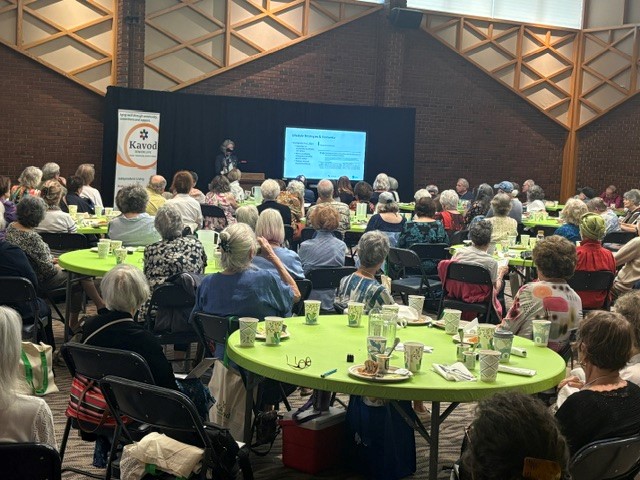
It comes to reason that as we age, we develop a greater sense of resilience. Most of us who are older have experienced some ups and downs in life and have to navigate the way through them.However, aging can still bring unexpected challenges, such as greater physical decline, sudden loss of partners or loved ones, rising health costs, and dwindling social circles. These unexpected hardships can throw us off mentally, even those with the thickest of skins.Kavod Senior Life was able to provide some education and encouragement on this topic at its 13th annual Positive Aging Conference and Resource Fair on June 24. The keynote speaker, Dr. Samantha Farro (professor with CU Anschutz) and Abbys Impact Resiliency Instructor and Program Coordinator Paula Stephens with Jewish Family Service (JFS) presented as subject matter experts.Stephens specifically led two breakout workshops on Wellness and Resilience for Changing Times: Everyday Ways to Stay Steady, which explored practical, everyday approaches to building resilience and supporting emotional well-being through the challenges of life. Participants also examined how even small choices can help calm the body, ease stress, and foster a greater sense of balance.We had rich conversations about how their stress looks different today than it did 30 years ago because at that time, maybe they were busy raising a family or starting a career, and now theyre navigating grief and loss, relationships, and health concerns, said Stephens.She spoke about little things that can be done to stay grounded and well in life, including getting better rest, finding moments of humor, and spending time outdoors.One participant shared their satisfaction with the session, sprinkled with as advised in the session some lightheartedness. Thank you for giving us things that are practical and easy to apply, they said. You [Stephens] didnt share anything that we didnt already know, but sometimes we forget and need reminders, and Im glad for a wellness topic that didnt include diet and exercise.Kavods Positive Aging event continues to help community members stay engaged, informed and connected on subjects like resiliency and many others.Conferences like Kavods help connect community members, caregivers, volunteers, and professionals with tools and information that promote healthy, successful aging, shared JFS Director of Aging Care & Connections, Rachel Rotach. We are pleased to be part of this important work.JFS and 15 other organizations collaborated on the event, along with sponsors and resource fair participants.Click on Kavod on the Road and Kavod on the Road conference to learn more about what Kavod is doing to promote positive aging in the general community. For those who live in the Denver area, please join us!Source text: https://www.jewishfamilyservice.org/blog/building-resilience-in-older-adults
Aug 20, 2026

A Guide to Layering for Winter
The early mornings getting longer, but it is still winter in Colorado, and our weather can change on dime. Whether you are strolling the sidewalks or on top of Mt. Blue Sky the temperature and weather can shift dramatically. Hence the clich, if you dont like the weather, just wait 5 minutes and the weather will change in Colorado.In case you want to know the difference between climate and weather, according to the National Ocean Service, climate is what you expect and weather is what you get. That said, weather is what you see outside on any particular day and climate is the average of that weather.So how to do you prepare and dress for some of Colorados unpredictable weather? The simple answer is layering!! Merriam-Webster defines this term as wearing several pieces of clothing on top of one another. For Coloradoans, this can become an art in keeping warm and dry.So where do you begin to maximize the layering benefits? It is as simple as 1 2 3!Start with the basics and a thin base layer Synthetic moisture wicking fabrics like polyester or nylon can be worn as a base layer next to your skin. Wool and silk are also recommended for warmth and wicking though wool may not agree with everyone. This layer should trap in heat, be comfortable and will vary as the temperature changes. For example you might be comfortable wearing a synthetic t-shirt under a sweater in October but by November, a long sleeve base layer or turtleneck might provide that extra warmth. Remember to layer your legs with a pair of tights or thermal underwear under your pants or skirt.Add a mid-layer like a sweater that has room enough to give and trap the warmth without feeling squished or tight. If you tend to run cold around the middle, add a fleece vest over the second layer. If you know that you tend to warm up quickly but want versatility, consider a layer with a zipper or buttons that can easily open to allow the heat to escape.Finally, the thickest layer is your warmest and most protective item like your coat or jacket. Wool is always the best option for the outside layer though the trend these days are puffer coats with either down or synthetic fillers but make sure they are waterproof so you dont get cold and soggy. Now, there might even be a fourth category: Accessories!Scarves, hats and gloves or mittens are a must for the parts of the body that tend to get colder and exposed. Scarves are incredibly adaptable for adding warmth to your head, face, ears and neck and can easily become a makeshift shawl. Add a liner to your gloves or mittens to trap more warmth and protect your digits from the extreme cold temperatures. And who knew that you can also layer your hats! In fall, a light beanie might do the trick and then wear it under a thicker hat for added warmth. Even wear it when you pull up the hood of your coat more times than not, coat hoods often blow off when it is blustery.What NOT to wear in the colder months?Avoid cotton as a base layer and that includes your socks! This material is comfortable for summer but not a good option for fall and winter. Cotton is an inefficient insulator that locks in moisture like sweat which will make you feel colder and you know you dont want that. The good news - If you are considering living at Kavod Senior Life or already a resident, there is good news you do not need to bundle up! All our buildings are connected via our bridge or first floor corridor, which makes getting from your apartment to many of our in house services such as our Health and Wellness Department, Dining Room and activities much warmer.So start thinking creatively about your wardrobe and what items you can mix and match to gain the most warming benefits. Happy layering! References:https://oceanservice.noaa.gov/facts/weather_climate.htmlhttps://www.merriam-webster.com/dictionary/dress%20in%20layershttps://www.landsend.com/article/layering-guide-fall-winter/https://yesmissy.com/layering-essentials-fall-winter/https://www.rei.com/learn/expert-advice/layering-basics.htmlhttps://www.robertgoddard.co.uk/blogs/news/layering-tricks-a-guide-to-navigating-autumn-s-unpredictable-weatherhttps://sectionhiker.com/why-does-cotton-kill/
Feb 10, 2025
How Assisted Living Can Rebuild Daily Connection in Denver, CO
How Assisted Living Can Rebuild Daily Connection in Denver, COFor many older adults, loneliness develops gradually. Driving becomes harder, a longtime friend moves away, a spouse dies, or daily home routines become tiring. A person may remain capable and attached to home yet have fewer reasons to leave the house and fewer people to see on an ordinary day.That is why Denver families should assess assisted living for more than help with bathing, meals, mobility, or medication. The right community can provide practical support while restoring daily rhythms that help someone feel connected: shared meals, familiar conversations, purposeful activities, and a reason to look forward to the day.The National Institute on Aging notes that loneliness and social isolation can affect older adults physical and mental health. It also reports that meaningful activities with other people may support well-being, mood, and a sense of purpose.At Kavod Assisted Living in Denvers Cherry Creek neighborhood, adults 62 and older can live in private assisted-living apartments while receiving around-the-clock support and opportunities for an active, engaging lifestyle.Connection Is Part of the Care PlanActivities are sometimes treated as an extra. For many seniors, they are an essential part of daily support.A resident who recognizes a few familiar faces may be more inclined to eat in the dining room. A person interested in gardening, music, or a class may have more motivation to get dressed and participate. A regular staff check-in offers a chance to mention a new concern early.Cheryl Stanley of Kavod Assisted Living explains, Families are often surprised by how much their loved ones flourish once they are surrounded by caring staff and new friendships.Connection does not mean every resident must be busy or outgoing. Some people enjoy large gatherings; others prefer a few quiet conversations, a meaningful program, or time in a shared garden. The best communities provide options without pressure.Three Everyday Ways Assisted Living Can Reduce IsolationShared Meals Create a Reliable RhythmMeals can be about nutrition, but they also create structure. When shopping, cooking, and cleanup become burdensome, it is easy for an older adult to skip meals or eat alone most days.Kavod provides three meals and snacks daily, with kosher dinner availability. It also states that meal delivery can be arranged if a resident is ill.For some residents, the dining room becomes a comfortable place to see friends. For others, it is a dependable routine that removes the stress of meal preparation while preserving choice and dignity.Interest-Based Programs Offer PurposeAn activity calendar should be more than entertainment. It should give residents ways to use their interests, skills, and curiosity.Kavod reports a monthly calendar with more than 50 activities, trips, and events; outdoor gardening opportunities; resident-led initiatives; and on-site chaplaincy and multi-faith offerings.During a tour, ask whether programs include options for different energy levels, mobility needs, and personalities. A former teacher may prefer a lecture. A lifelong gardener may want time outdoors. Someone who values spiritual practice may look for a familiar service or a quiet chaplain visit.Regular Check-Ins Help Residents Feel SeenPrivacy remains important in assisted living. At the same time, many families are relieved when a loved one is not going an entire day without anyone noticing a change.Kavod lists a minimum of five wellness checks per day, emergency pull cords and a safety bracelet or pendant, transportation and appointment coordination, and support from care and wellness coordinators among its basic services.These contacts do not replace family relationships. They are a dependable layer of support that can make it easier for older adults to live independently within a community.Staying Connected to DenverMoving into assisted living does not have to mean leaving Denver life behind. Location affects whether an older adult can maintain relationships and enjoy outings without making every visit complicated.Kavod is located at 22 South Adams Street in Cherry Creek, near shopping, restaurants, a movie theater, tennis and pickleball courts, and walking paths. Kavod also includes daily activities and trips in its basic services.Families should ask how transportation is coordinated, whether residents can attend preferred appointments, and how the community supports outings when mobility changes.Wellness Support Can Help Residents ParticipateKavods Harry and Jeanette Weinberg Health & Wellness Center includes an on-site CU Medicine Geriatric Clinic. The clinic serves Kavod residents of any age and community members age 75 and older by appointment; it is a non-urgent-care practice.Kavod also identifies physical, occupational, and speech therapy through Legacy Healthcare Services as on-campus offerings. Families should confirm current availability, eligibility, insurance coverage, and costs directly with Kavod and the providers.How Families Can Evaluate a Sense of BelongingNo brochure can tell a family whether a loved one will feel welcome. During a visit, notice the everyday atmosphere.Ask:Do team members greet residents by name?How are quieter or newly arrived residents invited to participate?Are there social, educational, cultural, spiritual, and outdoor options?What happens when someone begins skipping meals or withdrawing?Can a resident keep a small pet or continue a favorite hobby?How are relatives included in care conversations?Kavod says its community welcomes people of all faiths, ethnicities, and backgrounds, and it welcomes small pets. These details can matter to a senior who wants a community that honors identity and everyday comforts.A Different Role for Family MembersWhen an older adult needs increasing help at home, visits can become all chores: groceries, laundry, bills, medication sorting, and safety worries.Assisted living can shift that relationship. Adult children and spouses still advocate, visit, and remain central to decision-making. But they may have more time to share a meal, attend an event, or simply have a relaxed conversation.Frequently Asked QuestionsIs assisted living only for seniors who need extensive care?No. Assisted living may suit someone who values privacy but needs help with selected daily tasks, medication management, meals, safety, or regular wellness contact. Communities have their own assessment and eligibility requirements.How does Kavod help residents remain active?Kavod lists daily activities and trips, a monthly calendar with more than 50 programs and events, gardening opportunities, resident-led initiatives, health and wellness resources, and multi-faith offerings.Are private apartments available at Kavod?Yes. Kavod offers private studio and one-bedroom assisted-living apartments.Can a family member tour with an older adult?Yes. A family member can help ask questions and take notes, but the prospective residents views should remain central to the decision.Explore a More Connected Next ChapterAssisted living should offer more than help nearby. It should make it easier for an older adult to participate, feel known, and keep building a meaningful life.Visit the Kavod Assisted Living listing on SeniorsBlueBook.com or call Kavod Senior Life at 303-399-1146 to discuss current apartment availability, care assessments, and programs.
Jul 03, 2026

Travel Tips for Older Adults from a Travel Companion
Recently I traveled to the east coast with my mom, who is 80+. I was a little bit nervous when the idea came up, but we ended up having a wonderful trip. The overall experience was good due to our planning and preparation. If you are taking similar excursion by plane, here are some helpful tips!TicketsFirst, when we purchased our flight, we made sure to buy tickets that were refundable and/or exchangeable. Alternatively or in addition, it is a good idea to purchase travel insurance with the cancel for any reason option. Insurance provides that peace of mind knowing that your trip is protected if something should happen.Then, share your flight information with someone you trust, and especially with anyone who will be greeting you when you return. Most travel docs can be accessed electronically or through cloud-based applications. I advise making and keeping copies of your flight schedules, travel insurance, photo ID, list of medications and doses, emergency contacts, and passport, in case of emergency. This gave me peace of mind that if my mom and I were separated or if our phones went dead, I had all our crucial documentation readily available.SeatsWhen booking the flight, we selected an aisle seat for my mom to allow for easier access to the restroom and ability to stretch her legs, if needed. Ideally, if you can get aisle seats across from each other, you can help accessing items from the overhead bin for your companion, if necessary.MedicationsPack medications (in their original containers) in your carryon instead of in your checked luggage. This way you have them on you in case your bags get lost of if you need to take them during the flight. Many airlines currently flag for this anyway. Make sure to take extra with you. Also, obtain the name and contact information for your companions health care provider prior to leaving.At The AirportIt probably goes without saying, but arrive at the airport early. We did this and didnt feel rushed, so it helped us able navigate the airport easily and go through security lines without additional stress. Remember that older travelers may need extra time getting around, and may need to make more frequent stops.If it is possible, see if you can get TSA pre-check or ask a security agent if you can enter a shorter line. We didnt even have to ask; a kind employee saw us coming and ushered us right through. One thing in your favor is that adults 75 years and older do not have to take off their shoes at the checkpoint.Getting AroundAnother tip that was very helpful especially when it came moving across a large airport like here in Denver: arrange for a wheelchair or assistance before you arrive. Better yet, make the request when you are purchasing your tickets. Also something some people may not do tip the person who drives or assist once you get there. Appreciation goes a long way.General TipsWhile the following suggestions may be common knowledge, they bear repeating.Dont be shy in asking for help. If you want to board with those who need extra assistance ahead of your official boarding group, let the airline staff know. They can usually accommodate this request, and even help transport your bags. Also, ask for help when lifting luggage from the carousel once you land at baggage claim. Hoisting heavy bags while they are moving could be an injury risk. Most travelers and/or staff are more than happy to provide a hand.Carry healthy snacks with you (such as nuts, sliced or dried fruit, a small sandwich, and/or hard-boiled eggs). Have an empty water bottle that you can fill once you are beyond security. The airline might offer a small snack and beverage, but its always good to have something you know you like. Remember to pack your snacks in plastic zip close bags to prevent leakage and keep them handy.Water! Drink plenty of water to prevent dehydration. Often times older adults hesitate doing this so they dont have to get up and use the restroom during the flight. The inconvenience is worth the health benefits.Stand and stretch your legs on the flight as much as you can to avoid deep vein thrombosis and the risk of blood clots. Keeping your blood circulating properly will help you also be less fidgety, especially on longer flights.A few other websites that confirm these tips are listed here:https://www.healthinaging.org/tools-and-tips/tip-sheet-safe-travel-tips-older-adultshttps://www.visitorscoverage.com/blog/top-12-travel-tips-for-seniors/Once You ArriveHave an idea of what you would like to do as once you reach your destination. While some of our trip involved seeing family, we knew we wanted to see the area while they were busy. By doing some research beforehand, we knew what was available to maximize our time. For instance, we found out we could book a trolley tour without a prior reservation; this allowed us to see a lot without too much walking. Knowing your options ahead of time and having flexibility helps when traveling with older individuals, as their needs may change due to weather, altitude, or time zone adjustments.Another OptionIf you and your companion would prefer to leave the planning to someone else, there are groups that will handle these details for you. Kavods Life Enrichment Department offers trips and excursions that are open to the community! https://kavodseniorlife.org/campus-activities/calendars/. We often travel out of state and even book CRUISES! Join our mailing list to learn about these fabulous outings where Kavod handles the planning and fun. https://kavodseniorlife.org/get-in-touch/contact-kavod/Parting ThoughtsMy mom and I had a wonderful vacation by following the tips listed above, and I know you can too. I hope these travel tidbits will encourage you to take a trip with a parent or older friend. You ALL can have a safe, stress-free and enjoyable time as we did. Happy Trails!
Dec 20, 2023

Spring Cleaning and Mindfulness - An Unexpected Condition
It has been a long, cold winter in Colorado, but spring is finally here! With the joys of this season flowers blooming and green grass growing- also comes time for spring cleaning. Cleaning may not seem fun, but it can support a positive mental outlook. Why is spring cleaning important?Clutter that accumulated over the winter can affect our space as well as our minds. Too much clutter shrinks our living quarters. Things no longer relevant to our life can keep us focused on the past, and unable to move forward (such as old newspapers, magazines or expired pantry goods).Eliminating these items as well as sweeping away dust and cobwebs allows the mind to rest and inspires relaxation. A tidy home can make us feel tidy inside, producing creativity and contentment. Research shows that cleaning can actually:Decrease stress & anxietyImprove insomniaReduce risks of tripping & fallingIncrease movement & exerciseTackling spring cleaning may feel overwhelming, however. To manage it, try these tips:Start with a to do list. Order your list from smaller tasks to the larger ones. Then identify which ones are the highest priority to those not so pressing.Write this list down. Putting our thoughts in writing stops them from staying stuck in our head. It pulls it out of our minds and puts it on paper, allowing us to think more clearly and have our goals in black and white. Use a calendar and assign tasks to particular days. Using a calendar provides a doable plan you can follow. It also allows you plot out your time in a way that works for you, allowing time to take breaks or address other obligations.Ask for help. If you need assistance with larger tasks, such as moving furniture or donating items to charity, ask for it! Many services are available for this type of work, or neighbors or family members often love to help because it gives them a chance to visit with you and stay connected.Here at Kavod, we do all we can to help our residents keep their apartments spic n span. In Senior Living, we offer affordable housekeeping and laundry services on site. Our Resident Council is working to bring a charity pickup for unwanted items to campus, regularly. Moreover, as an Assisted Living resident, weekly laundry and housekeeping services are all included! Residents in Assisted Living know our kind and respectful staff handle these tasks with care, allowing for worry-free living. It also brings relief to family members from taking on these additional caregiving duties. If you know someone who would benefit by living in one of Kavods apartments, contact our Leasing department at 303.399.1146 or here.For everyone else happy spring cleaning! If you have any questions, please call us at 303-399-1146.
Dec 20, 2023

Health Benefits of Seasonal Eating
Eating seasonally has multiple benefits for overall health, especially for older adults.Those living at Kavod Senior Life in both Senior and Assisted Living enjoy a meal plan full of seasonal vegetables, both in main and side dishes. In fact, Kavod provides 35 different kinds of fresh salads over the course of a year!However, no matter whether someone is a Kavod Senior Living resident, Assisted Living resident or community member, the value is the same for eating whats in season.Mental/spiritual benefitsEating foods grown locally during different times of the year can connect us to the world around us. When we purchase and consume foods harvested in real time (rather than imported from other countries), we can feel grounded and aligned with what is going on agriculturally in our community.Environmental benefitsEating seasonally also can improve the environment by burning fewer fossil fuels (for the planes, trains, ships and cars needed to transport off-season foods), supporting local farmers and bypassing supply chain issues.Physical benefitsChanging eating habits seasonally can offer a change in flavors as well as diverse nutrients (different from those grown in other seasons) and versatility. Since we are in winter, here is a sampling of some current crops and the main vitamins/minerals they contain:Squash A, C and B vitamins, lots of antioxidantCarrots beta carotene, B, C and K1, plus potassiumPeas copper, manganese, phosphorus, A, B, C and K1Dark leafy greens A, C, K, folate, fiber, calcium, magnesium, iron and phosphorusBrussel sprouts potassium, C, B6, A, K1, iron, magnesium, phosphorus, and calciumPotatoes B, C, potassium, manganese, magnesium and phosphorusBeets A, C, K1, B2, folate, manganese and copperTurnips fiber, C, potassium and other antioxidantsBroccoli sulforaphane and micronutrientsOther health benefitsNutrient dense foods in general in whatever season- can help reduce the risk of chronic diseases and fend off viruses or colds, especially common in winter. In addition, eating healthfully can boost your vitality and increase your energy levels, which leads to other positive outcomes such as greater social connection or interest in hobbies. Again, now that its winter, its a good time to incorporate vegetables like those above or other roots, dark leafy greens, and legumes,Seasons greetingsKavods Senior and Assisted Living residents can actually grow their own vegetables right on campus, with 45 raised garden beds around the community. Support from outside funders partially supplement plants and seeds for residents in the spring. All summer long, residents enjoy their own vegetables while mentally benefitting from this healthy hobby. A local partner, Ekar Farm, also brings fresh vegetables residents can enjoy for free during summer months.If you are a loved one would benefit from all Kavod has to offer in both Senior and Assisted Living meals, gardening and more contact Melanie Kaye at 720- 382-7833 or [email protected] recipeTo support eating seasonally this winter, here is one recipe that contains many vegetables in one pot of soup. Enjoy and happy eating!Super Green Mushroom and Potato Soup Recipe by dietician Nichole Dandrea-Russert, MS, RDNMakes 4 large servingsIngredients:1 cup organic celery (chopped)1 cup yellow onion (or white onion)1 bunch Swiss chard, leaves separated from the stems, stems chopped (about 1 cup chopped stems) & leaves chopped (12 cups of leaves)4 medium garlic cloves (minced)3 cups broccoli (cut into 1 florets)2 cups mushrooms (cremini, button or portobello, chopped)1 tbsp. fresh thyme (minced)1 tsp onion powder1 tbsp. Worcestershire sauce (vegan)8 cups vegetable broth (unsalted, preferably homemade)2 cups red potatoes (or other potato of choice, cut into 1 cubes)DirectionsHeat the celery, onion, and Swiss chard stems in a large stockpot on medium-high heat, stirring frequently until the onions are translucent, about 35 minutes. Add 12 tablespoons of water as needed to deglaze the pot.Stir in the garlic; turn down the heat to medium, and cook for an additional 60 seconds.Stir in the broccoli, mushrooms, thyme, onion powder, and Worcestershire sauce. Cook for 60 seconds.Pour in the vegetable broth, and turn the heat to high. Once the broth is boiling, add the potatoes and lower heat to simmer until the potatoes are tender, about 10 minutes.Stir in the Swiss chard leaves.Add seasoning or salt and pepper as desired, to tasteChefs NotesSubstitutionsIn place of potatoes, add a favorite (cooked) whole grain to step 5, like barley, brown rice, or faro.Use kale, mustard, or collard greens in place of Swiss chard.Substitute cauliflower for broccoli.Use fresh rosemary or oregano in place of thyme.Prep AheadCut celery, onion, Swiss chard (separate the leaves and chop the stems), broccoli, and mushrooms ahead of time and store in airtight containers in the refrigerator for up to two days before preparing the recipe.StorageStore leftovers in an airtight container in the refrigerator for up to 5 days.Article references:https://www.heart.org/en/healthy-living/healthy-eating/eat-smart/nutrition-basics/how-can-i-eat-more-nutrient-dense-foods#:':text=By%20choosing%20more%20nutrient%2Ddense,specific%20foods%20or%20food%20groups.https://lifesum.com/nutrition-explained/nutrient-dense-eating-a-key-to-healthhttps://www.healthline.com/nutrition/healthiest-winter-vegetableshttps://www.purewow.com/food/winter-vegetableshttps://foodrevolution.org/blog/healthy-winter-vegetables/https://draxe.com/nutrition/winter-vegetables/ttps://greatist.com/health/seasonal-winter-produce-guide#cool-climates
Jan 17, 2024

Guest Blog: Getting Outside Gets Inside
It is a sad commentary on our current cultural worldview that sunlight is widely perceived to be harmful, a cancer-causing threat. But what does the research actually say? And does this research affect older adults differently than other people?Spectrum: For starters, we should understand that sunlight is a complex combination of photons, with different wavelengths and properties. The sun is the original full-spectrum illumination, while both incandescent and LED lights emit, as one might expect, mostly visible-spectrum light.Intensity: The other important variable is the intensity of light, measured in LUX units (a foot away from one candle): direct sun comes in at 100,000; a cloudy day at 1,000; a kitchen or office measures 500; and a living room only 50. Thats why you need to get outside.UV: At one extreme is ultraviolet light (UV), whose wavelength is slightly shorter than visible violet. With regard to our health, UV is a mixed bag.It does cause sunburns, damages DNA, and triggers the aging of skin. It is also statistically associated with malignant melanoma, although, curiously, not with increased deaths from melanoma (because these cancers are mostly treatable).On the other hand, there are numerous health benefits: UV lowers the risk of hypertension, diabetes, atherosclerosis (hardening of the arteries), blood inflammation, and COVID infections. UV also stimulates Vitamin D synthesis in the skin. A large-scale study of 500,000 Brits, with a 12-year follow-up, found that frequent UV exposure lowered all-cause mortality by 14%, with cardiovascular deaths down 21% and total cancer mortality decreased by 13%. It gives one pause to reconsider the vast sums spent on sunscreen lotions. Just wearing light summer clothing blocks 80% of UV.IR: UV radiation represents only about 3% of the sunlight that strikes the surface of the earth, while about 50% is infrared (IR), whose lightwaves are just beyond (longer) than visible reds. IR radiation is more predominant at the beginning and end of days, while UV is strongest when the sun is overhead. A thick cloud cover reduces IR significantly more than UV. In a recent superb Huberman Lab podcast, Dr. Roger Seheult touted the many benefits of IR radiation. Most severe and chronic diseases also involve mitochondrial dysfunction (mitochondria are the small organelles within a cell that produce the energy-generating chemical ATP). One aspect of aging is that we lose 70% of our mitochondrial functioning after age 40. Unlike UV, IR radiation passes through light clothing and the surface of the skin to penetrate deep into body tissues, where it significantly stimulates mitochondrial ATP synthesis.Effects: The effects of improved mitochondrial functioning are pervasive, correlated empirically with sun exposure. Dr. Seheult cited statistics demonstrating that the greatest number of all-cause mortality comes soon after the shortest day of the year, and the lowest number of deaths occurs close to the longest days.People who live far north or south of the equator where days are particularly short in winter have higher overall mortality rates, particularly in mid-winter. In a study of almost 30,000 Swedish women, avoidance of sun exposure carried the same risk of premature death, as did smoking.There is well-replicated rigorous research that moderate IR exposure lowers the risk of cancer, heart disease, diabetes, hypertension, and it reduces blood lipids and chronic inflammation. IR increases immune system response to infections, such as influenza, COVID and pre-cancerous cells.On a sunny day, just 15 minutes outside can make a big difference. If youre in a green space with lots of grasses, leaves, bushes, and trees, you can receive two to three times the IR dose because plants reflect much of the IR that strikes them (notice that most leaves dont get hot in the sun because of these reflective properties).Red Light Therapy: There are many red-light therapy devices now available if you are considering them, be sure to carefully research IR wavelengths, dosage, safety, and therapeutic benefit. One study, utilizing an IR desk unit shining only on face, neck, and hands, proved to be quite therapeutic.Forest Bathing? Dr. Seheult delighted in reminding us of the wisdom of the ancient beliefs that sunlight and fresh air promote convalescence. Forest bathing has become a thing the air around trees is infused with phytoncides that defend plants from bacteria, fungi, and insects. When inhaled by humans, they up- regulate immune functioning and lower stress levels, and reduce stress hormones. The beauty and serenity of such an environment further enhances these benefits, some of which are detectable by lab tests a month later. Furthermore, getting up with the sun (and out from behind the filtering effects of plate glass windows) helps to set your circadian rhythm, which can improve sleep patterns. Take home message: forests, parks and even golf courses soothe the soul, and the body. And early morning and late afternoon may be particularly beneficial.Sweat Benefits: Dr. Seheult is a pulmonologist who treats many respiratory infections he also reminded us about how previous generations treated patients with hot baths and hot packs, as if to sweat out infections. Its been recently discovered that body temperatures a little over 100 degrees Fahrenheit actually accelerate the production of interferon, a powerful anti-viral protein. Maybe weve been a little too quick to reduce our fevers with aspirin, Tylenol, and Advil. And maybe the saunas so favored by Scandinavians and Russians are more therapeutic than weve realized.Conclusion: As spring has sprung, we encourage everyone to get away from your screens, go outside and enjoy the benefits of the sunshine that so amply surrounds us. Residents at Kavod Senior Life have a myriad of ways to get outside, whether it be on the sunlit patio areas, in the resident gardens, on the nearby walking paths in Cherry Creek or on the many benches and sitting areas surrounding the campus. Come for a visit and see for yourself!Ben and Scott https://theagingwiselyproject.com/
Apr 11, 2025

Caffeine and Aging: a Closer Look into the Benefits and Risks
When most people think of caffeine, they picture coffee, restlessness, and many sleepless nights. For older adults, however, having caffeine can offer more health benefits than just a quick extra boost of energy. While having too much caffeine can come with some negative side effects, growing research showcases it can help aid in cognitive health, reduce inflammation, and improve physical performance.So what is caffeine, exactly?Caffeine is a naturally occurring compound called a trimethlxanthine, a stimulant that effects the central nervous system. It is found in a variety of plants and can be produced synthetically. Caffeine is in a lot of common food and beverages such as coffee, tea, energy drinks, and some protein drinks. It also is found in products derived from cacao beans (chocolate), kola nuts, yerba mate, and gaurana berries.Caffeine helps increase levels of neurotransmitters such as dopamine and norepinephrine. Because of its stimulant capabilities, it is considered a drug, which can have both benefits and risks.How can caffeine help the aging process?Assist in reducing chronic inflammation: A study in the journal Nature Medicine found that older adults who consumed caffeine regularly had lower levels of inflammation. This correlation suggests that caffeine may help the body stay at a healthier level of inflammation. Improve alertness and the ability to focus: Those neurotransmitters mentioned above are linked to attention, alertness, and focus. Caffeine also helps block adenosine, a neurotransmitter that makes influences feelings of fatigue. Boost physical performance: Caffeine stimulates the central nervous system with neurotransmitters, helping enhance functional performance and manual dexterity.Elevate mood and positive feelings: As mood disorders like depression and anxiety can become more prevalent as we age, caffeine can create a short-term mood lift and a greater sense of motivation to accomplish tasks.What are the negative effects of caffeine in older individuals?Disruption in sleep patterns: As we age our bodys metabolism changes, metabolizing caffeine a lot slower than we once were able to. Even consuming small amounts in the afternoon/evening could interfere with the ability to fall asleep, reducing the quality of sleep and energy levels during the daytime. Increased anxiety: Since caffeine stimulates the nervous system, it can often lead to restlessness or even panic-like symptoms in certain individuals. Digestive issues: Over time, our digestive tract can become more sensitive to food and drinks we ingest. Caffeine can irritate the stomach lining, increasing acid production, which can trigger heartburn or acid reflux. Increased risk of high blood pressure and heart palpitations: When consuming caffeine, blood pressure can temporarily increase as well as heart rate. In turn, this can increase the risk of complications with cardiovascular issues. Risk of overconsumption of caffeine: The recommended limit is 200 mg per day for older adults. 400 mg per day is the maximum limit that is safe, including all caffeine consumedeven in chocolate! Consuming more than the recommended amount can increase risk of symptoms such as dizziness, headaches, tremors, or in extreme cases neurological damage and cardiac issues. Overall, caffeine intake can play an important role in health, whether through its benefits or its risks. It is important to take it in moderation, and check on your health and wellbeing to make sure it is helping and not harming.In addition, in the Assisted Living department here at Kavod Senior Life, residents are free to enjoy caffeine as part of our meals or on their own in their apartments, on outings or with their families and friends. Our Care Managers and Wellness Coordinators do keep an eye on resident medications and any possible negative effects of caffeine consumption. They do this to ensure residents are not putting themselves at risk of any negative effects while still enjoying items like coffee, tea and of course chocolate.Check out more information on Assisted Living, https://www.kavodseniorlife.org/assisted-living/, our amenities https://www.kavodseniorlife.org/amenities/, and more!Sources:Caffeine: What It Is, Benefits and Side EffectsIs Coffee Bad? How Caffeine Might Slow Down Aging | TIMECaffeine: How much is too much? Mayo ClinicThe Effects of Caffeine on Different Age Groups | Healthfully9 Reasons Why (the Right Amount of) Coffee Is Good for You | Johns Hopkins MedicineHow Caffeine Affects Digestive HealthCrafted with the help of ChatGPT
Aug 05, 2025

What to Consider When Moving to Assisted Living
A lot of us can relate to the unease of moving. Of all lifes experiences, it is one of the most stressful by far!If you or a loved one is moving to Assisted Living because of increased care needs, it can add even more things to your already large mental checklist.To ease this type of move, weve prepared a list of things to think through. That way, when you do make the transition, youll have the best chance at feeling at home again. Kavod has been providing Assisted Living since 1986, so we have a lot of experience and wisdom to share with you.Before you read on, however, take a deep breath. Acknowledge the emotions that accompany this decision, whether it is for yourself, parent or friend.You might be having feelings of lossloss of what was, loss of physical ability, loss of perceived independence, loss of familiarity and loss of community. You also might be experiencing anxiety, stress, confusion, fear, sadness, anger, grief or depression. We want to encourage you that these emotions are normal. Talk openly about what you are experiencing with others and seek professional help if needed. Over time, these feelings will ebb and flow, but you will have more time and tools to handle them.Once you feel you can think clearly through your emotions, take a close look at these four important areas to cover when in choosing a new living community.1) Location. Think about what type of locations make you happiest, in general. For example: How close do you want to be to friends and family? How far are you willing to travel to see them, or have them come visit you?What types of amenities are in the nearby area, such as stores, pharmacies or coffee shops? How close is the facility to medical and emergency services?If faith is important, which religious communities are nearby? Do you like a lot of green space around you, or do you like the excitement of an urban setting?Do you have easy access to hobbies you enjoy, such as golf, movies or bowling?Pro tip: Make an actual list of your needs and wants, so when you visit different communities, you will know which things they have and not get distracted by other amenities that you may never use. 2) Culture. It is important to visit a few facilities to get a feel of the surroundings and environment, what you might call the personality of the community. For example:How do you feel when you enter the building, or buildings? Does it feel welcoming? Safe?How does the staff interact with you and the residents?Is it clean and tidy?Do the meals seem appealing and nutritious? Can you sample the food or check out the daily menus?What kinds of on-campus activities and programs are available?If you have a pet companion, are pets allowed?Pro tip: Touring a facility can be overwhelming, so bring a friend or family member who can track questions, reactions, concerns, likes and dislikes for you, kind of like a note taker. This will be helpful when you compare and contrast different places, as it may be hard later on to remember which location said what.3) Size. Think through both your living space and the building as a whole.Do you want a shared or private room? Do you need a separate bedroom or is a studio ample?Is the community on one or multiple floors? Can you take an elevator or stairs to all the places on campus? How long are the hallways? How far will you have to walk from your room to the dining hall or activity room?Take into consideration the number of residents. Do you like meeting a lot of people, or do you prefer a more intimate community?If using a walker or wheelchair, can you get to place you want to go, either with assistance or without?Pro tip: Ask about the staff-to-resident ratio in Assisted Living to ensure there is an adequate number of caregivers to address the needs of all the residents. Assisted Living facilities are regulated by the state, including staffing numbers, so you will just want to ensure they are in compliance.4) Cost: Assisted Living pricing can vary greatly depending on the type of residences, location and state, level of care and services that are provided.Does the facility have the services you require, such as medication monitoring, incontinence support, or oxygen management?What services are covered in basic pricing? Which services cost extra, and how much for each one?Is there a community fee, and if so, how much is it?Do you have any assets you will be keeping or selling, such as your current residence, property or other items?Can you bring in private services to help with your care, if the community doesnt offer them?Pro tip: The average base cost in 2020 for Assisted Living in Colorado was $3,800 $4,000 a month, with additional fees for service of 20-30% for higher levels of care. Kavod Senior Life falls right in line with this pricing and is one] of the most affordable in town! When determining affordability, it is important to prioritize your needs and budget to see which ones can accommodate you.We hope these tips have been helpful as you start to assess Assisted Living options. Once you work through them, you may feel a sense of peace. While moving is hard, knowing your needs and wants are being taken care of may actually remove stress and help you embrace your new home with happiness and joy. If Kavod Assisted Living can be helpful to you in your journey, please call us at 303.399.1146
Dec 19, 2023

The Skin-ny on Older Skin Care
It is commonly know that as we age, our skin changes. Normal aging includes skin becoming thinner and more fragile, as well as the potential of developing drier skin, wrinkles, age spots, and more seriously an increased risk of skin cancer. To help keep skin as healthy as possible while aging, it is best to develop a skin care routine. Unfortunately, according to Civic Center, 64% of people who already have a skin care routine (or dont have a skin care routine but are looking to start one), have felt somewhat or very stressed at the idea. It can be overwhelming to know which products to include, how many products are needed, and in what order do products need to be applied.The good news is that a skin care routine doesnt have to be complicated! At its core, a great every day way to care for skin includes cleansing, moisturizing, and using a sunscreen, as follows: Step 1: Cleanse.Cleansing your face with a facial cleanser/soap in the morning can help remove any build-up of sweat or oil from your hair or pillowcase. Mature skin should be treated with a mild and non-irritating cleanser that helps promote the skins natural oils. However, too much cleansing can dry out the face, so if your skin is especially dry, simply washing with water in the morning may be sufficient.Step 2: Moisturize.This is one of the most crucial steps. Even those with more oily skin should continuously moisturize in order to rehydrate the face. Use a moisturizer that is fragrance and oil-free is best for sensitive skin types. You can also use a moisturizer with these focused ingredients to target specific issues:Hyaluronic Acid helps replenish the skin, adds extra moisture while locking it in to give lasting effects.Retinol Accelerated retinol formulas help visibly improve the look of texture, wrinkles, and fine lines.Vitamin C helps with discoloration, uneven skin tone, and brightening. Step 3: Protect.Sunscreen is one of the most important and vital steps in the skin care routine. Applying a sunscreen with at least 30 SPF helps protect the skin from UV rays and decreases the chance of skin cancer. Sunscreens can either be mineral or chemical based.Mineral-based sunscreens block the suns rays from penetrating the skin through ingredients like zinc oxide or titanium dioxide.Chemical sunscreen protects the skin from UV rays by absorbing them with ingredients like Octocrylene or Avobenzone.Starting with these three simple steps or continuing with them is a great way to keep the skin in good shape, no matter your age. Once you get in the swing of things, you can always check with a dermatologist or skin expert for additional recommendations or steps you can take to keep your skin at your best.Most of all, remember to smile your face will glow, no matter what!
Aug 05, 2025

How Do You Know If It's Time for Assisted Living?
Is it time for you or a loved one to think about a move to Assisted Living?Moving to a communal lifestyle is a big decision. Its hard to know if it is the right living environment for someone used to living on their own However, a few questions can help determine if Assisted Living may be the right situation, as follows:Have you or your loved one fallen in the last few months?Do you or your loved one have a complex medication regime?Has your or your loved ones health declined over the past year?Are you or your loved one struggling with your memory more than usual? Are medications being forgotten or tasks overlooked that are essential to wellbeing?Are you or your loved one still able to care for your personal hygiene?Do you or your loved one need help with other daily tasks, such as cooking, cleaning, bed making, laundry, errands, doctor appointments or even getting around the house?Are you or your loved one experiencing isolation or loneliness?If you find yourself answering "yes" more than "no" to these questions, then Assisted Living may alleviate some of these concerns. At Kavod Senior Life, Assisted Living helps residents remain as independent as possible while providing needed support.Some of the specific benefits at Kavod include:Three meals a day that provide nutrition and time to socialize with other residents in the family-like dining roomAssistance with dressing, bathing, and personal grooming, as needed.Medication management, so medications are taking on the right schedule and in the right amounts.Wellness checks throughout the day and night plus emergency pull cords and safety bracelets/pendants to increase a sense of safety for the resident and family membersSocial activities, concerts trips, and classes that are fun, engaging and keep the mind active all included in the price of living!Housekeeping, laundry and bed makingOnsite access to comprehensive health services, such as CU Geriatric Medicine, physical & occupational therapy, podiatry, foot clinics, acupuncture, chiropractic services, dentistry and much more all available without having to leave campus, and all accept Medicaid (and other insurances).In addition to these basic services all part of the rent Kavod Senior Life offers escorting to on-campus appointments, oxygen management and incontinence care for additional fees. Even with all add on services, our Assisted Living residents pay less than $50,000/year! Moving to a care community is a life changing decision. It is important to ask questions, obtain as much information as possible, compare locations and speak to a knowledgeable representative. At Kavod Senior Life, we know how important it is to live life independently while having support for age-related challenges. We welcome any questions without obligation and will listen with empathy, compassion and honesty. Contact Kavods Leasing Coordinator, Melanie Kaye, at 720.382.7833 or [email protected] for assistance and/or to schedule a tour today! Resource articles for blog:https://health.usnews.com/best-assisted-living/articles/what-is-the-best-way-to-research-assisted-living-facilitieshttps://www.forbes.com/health/senior-living/senior-living-and-healthy-aging-plans/https://www.leisurecare.com/resources/assisted-living-benefits/https://www.seniorcare.com/assisted-living/resources/what-is-assisted-living-/#:':text=Meals,with%20activities%20of%20daily%20livinghttps://aging.com/knowing-when-it-may-be-time-for-assisted-living/
Feb 10, 2025
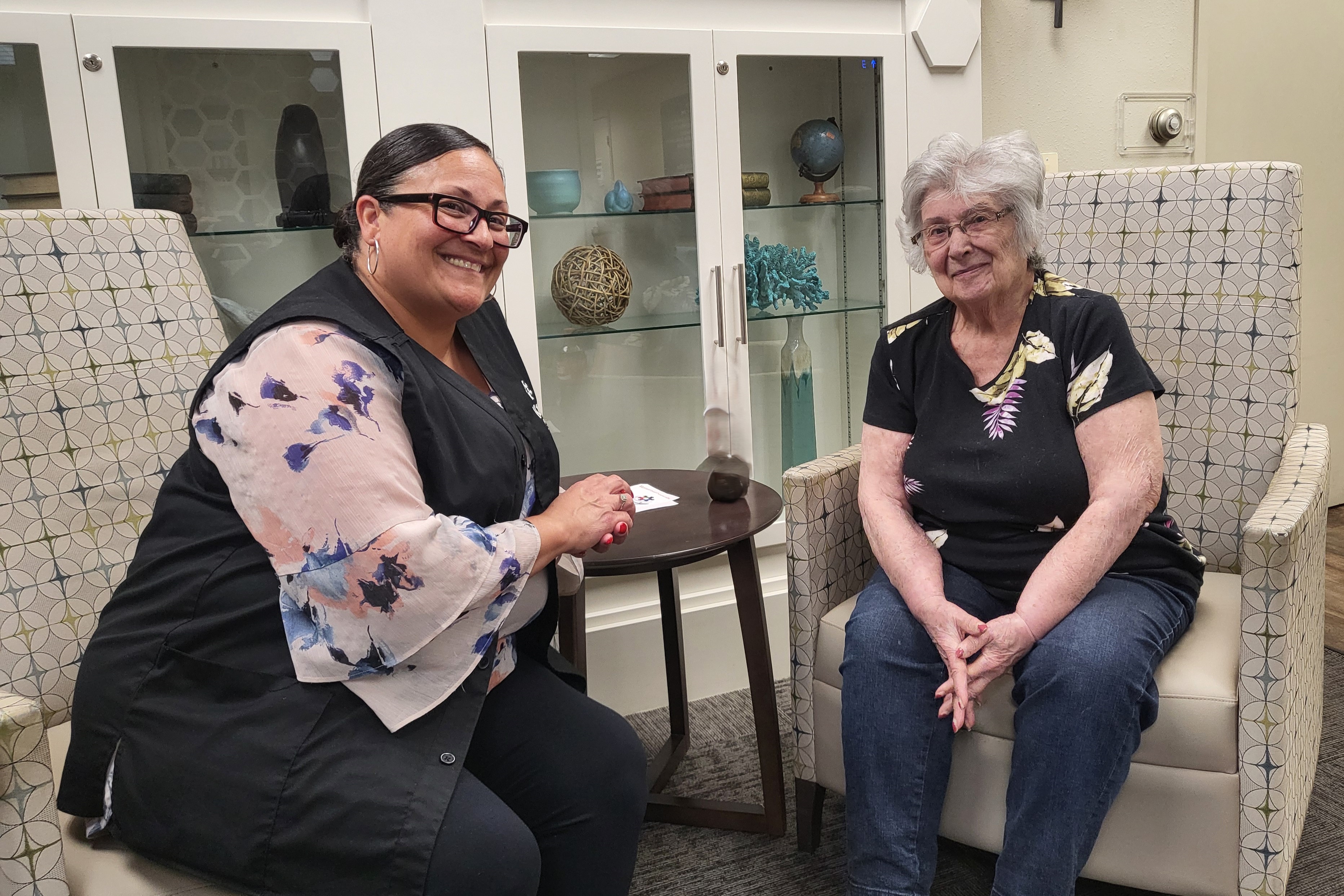
Finding the Best Assisted Living for Your Loved One
Helping a parent or loved one transition to assisted living is an important step. Families often start by searching for assisted living homes near me or comparing the costs of assisted living. You might be doing that even now! With so many choices, its important to find a community that provides excellent care, affordability, and peace of mind.Overview: What Assisted Living ProvidesBenefits of Senior Assisted Living vs. Nursing HomesSenior assisted living is designed for older adults who may need extra support with daily activities while still maintaining independence. Unlike traditional retirement homes, assisted living combines personal care, social connection, and safety in one welcoming environment. Families often choose assisted living when their loved one could benefit from:Support with medication monitoring or personal care.Nutritious meals prepared daily.Engaging activities and social events.Peace of mind knowing help is available 24/7Traditional retirement homes, or skilled nursing facilities, are better suited for individuals requiring medical oversight and are unable to live independently.What Makes Our Community DifferentNot all assisted living facilities are the same; in fact, we dont even call ours a facility! Families choose Kavod Senior Life because we combine quality care with unmatched value and services, including:One-year spenddown to Medicaid on most apartments helping families manage the cost of assisted living.No move-in fee keeping the process simple and affordable.Pets welcome allowing residents to keep their beloved companions (up to 35 pounds)Onsite rehab providing therapy and recovery services without leaving the community (physical, occupational and speech)All activities included from fitness classes to outings to trips to the mountains at NO additional charge!All care levels included (except three) ensuring residents get the support they need without constant fee increases.Here at Kavod Senior Life, we are also set apart because:We are a nonprofit organization, meaning we do not have a corporate entity regulating our pricing or our business practices.Our board of directors come from a variety of backgrounds, providing strong leadership and guidance.We have won a variety of awards, including Best in Wellness (Beacon Award) from ICAA-NuStep LLC (three years)Our name is based on the word for honor or respect in Hebrew (KAVOD), which guides our mission and our value of caring. No matter what we do, our residents come first.Choosing the Right Assisted Living for Your Loved OneWhen you search for the best assisted living near me or senior assisted living near me, look beyond location and price. The right community should provide dependable care and a welcoming environment. Our assisted living apartments offer both, giving families confidence and our residents a safe, engaging place to live.Visit Us Today!If youre comparing retirement homes, considering assisted living or exploring other types of senior living, we invite you to visit and see the difference our assisted living community makes. From affordability to quality care, we are here to support your family every step of the way. Contact our main office at 303.399.1146 and ask for the Leasing department. We look forward to serving you.
Mar 13, 2026
How Assisted Living Can Simplify Life for Older Adults
How Assisted Living Can Simplify Life for Older AdultsFor many seniors in Denver, the family home holds decades of treasured memories. It may be where children were raised, holidays were celebrated, and lifelong friendships were formed. Yet as the years pass, maintaining a large home can become physically exhausting and emotionally stressful.From snow shoveling during Colorado winters to managing repairs, cooking, cleaning, and yard maintenance, everyday responsibilities often become overwhelming. That is why many older adults are now viewing assisted living not as a loss of independence, but as an opportunity to simplify life and focus on what truly matters.At Kavod Assisted Living, seniors can enjoy a maintenance-free lifestyle while receiving personalized support in a warm, welcoming environment.Many residents tell us they wish they had made the move sooner, says Cheryl Stanley of Kavod Assisted Living. Once the stress of home upkeep disappears, they have more energy to enjoy relationships, hobbies, and daily life.The Emotional Side of DownsizingDownsizing is rarely just about square footage. For seniors, moving often represents a major emotional transition.It can feel difficult to leave behind: A longtime neighborhood Familiar routines Family memories Personal belongings accumulated over decades However, many Denver seniors discover that downsizing can also feel incredibly freeing.Without the constant pressure of maintaining a property, seniors often experience: Less stress Greater safety More social engagement Improved daily routines Better overall wellness The key is choosing a community that respects individuality while offering meaningful support.Why Denver Seniors Are Rethinking Aging at HomeDenver has become one of the countrys most desirable cities for retirees thanks to: Access to healthcare Mild sunshine year-round Cultural attractions Outdoor recreation Walkable neighborhoods Strong senior resources Still, aging at home in a fast-growing city also presents challenges.Housing costs continue rising. Home maintenance expenses add up quickly. Navigating stairs or large properties becomes harder with age. Transportation can become stressful, especially during winter weather.Assisted living communities help eliminate many of these daily burdens while creating opportunities for connection and convenience.What Seniors Gain Through Assisted LivingMoving into assisted living often means trading chores for freedom.Instead of worrying about: Cleaning gutters Managing utility bills Cooking every meal Coordinating repairs Snow removal Lawn maintenance Residents can focus on: Friendships Wellness Hobbies Family visits Relaxation Community events At Kavod Assisted Living, residents enjoy support services designed to make daily living easier while preserving independence.This balance allows seniors to maintain dignity and control over their lifestyle.Building New Friendships Later in LifeOne of the biggest surprises for many seniors is how socially active assisted living can be.Loneliness is common among older adults living alone. Friends relocate, family members become busy, and mobility challenges can reduce opportunities for interaction.Assisted living helps create natural daily socialization through: Shared dining experiences Group activities Wellness programs Holiday celebrations Educational events Community outings Denver seniors often appreciate having neighbors nearby who share similar life experiences and interests.Strong social connections can improve mental health, cognitive wellness, and overall happiness.Personalized Support Creates ConfidenceMany seniors hesitate to move because they fear losing independence. In reality, assisted living is designed to support independence not replace it.Residents typically receive help only where needed.Support may include: Medication reminders Assistance with bathing or dressing Mobility support Meal preparation Housekeeping Transportation coordination This flexibility allows seniors to maintain control over their routines while gaining peace of mind.Families also feel reassured knowing professional staff members are available when assistance is needed.Assisted Living Supports Healthier RoutinesWhen seniors live alone, healthy routines can gradually become harder to maintain.Meals may become inconsistent. Exercise declines. Medication schedules become confusing. Appointments are missed.Assisted living communities encourage healthier lifestyles through: Structured daily schedules Nutritious meals Wellness activities Social engagement Consistent support At Kavod Assisted Living, wellness is viewed holistically addressing emotional, physical, and social needs together.Healthy aging is about more than medical care, Cheryl Stanley explains. It is about helping residents feel connected, respected, and supported in every part of their lives.Families Benefit TooAdult children often spend years worrying about aging parents who live alone.Questions about safety, nutrition, falls, and isolation create ongoing stress. Many family caregivers become overwhelmed trying to balance work, parenting, and caregiving responsibilities simultaneously.Assisted living can help restore healthier family dynamics.Instead of managing constant caregiving tasks, loved ones can focus on spending quality time together.For many families in Denver, that emotional relief becomes one of the greatest benefits of senior living.Finding the Right Assisted Living CommunityChoosing assisted living is an important decision that deserves thoughtful research.Families should evaluate: Staff responsiveness Community atmosphere Cleanliness Activity programming Dining options Safety measures Resident engagement Personalized care approaches Visiting multiple communities can help seniors determine where they feel most comfortable.Many families find that a welcoming environment and compassionate staff make all the difference.Assisted Living Is About More Than CareTodays assisted living communities are designed around lifestyle, engagement, and well-being.Residents are encouraged to continue pursuing interests, building relationships, and participating in daily life.For Denver seniors seeking a simpler, more connected lifestyle, assisted living can open the door to a new chapter filled with comfort and opportunity.Learn More About Kavod Assisted LivingFamilies exploring assisted living options in Denver are encouraged to visit Kavod Assisted Living and learn more through their Seniors Blue Book listing. Discover how supportive senior living can help older adults maintain independence while enjoying a vibrant, caring community.FAQsWhat are the benefits of downsizing into assisted living?Downsizing can reduce stress, eliminate home maintenance responsibilities, improve safety, and increase opportunities for social engagement.Is assisted living cheaper than staying at home?Costs vary, but assisted living often combines housing, meals, utilities, activities, and support services into one predictable monthly expense.Can seniors bring personal belongings to assisted living?Yes. Residents are encouraged to personalize their living spaces with familiar furniture, decorations, and treasured items.Do assisted living residents still have privacy?Absolutely. Most communities offer private apartments or suites while providing access to shared amenities and activities.Why do Denver seniors choose assisted living? Many Denver seniors value convenience, social connection, wellness support, and maintenance-free living as they age.
May 27, 2026

Protecting from Phishing Scams: How to Stay Safe Online
As the internet continues to grow, so does the potential for scams. One of the most common ways scammers steal personal information is through a concept called phishing. Phishing typically involves fraudulent emails or text messages designed to gain access to banking information, passwords, or social security numbers. With this information, scammers can then access bank accounts, steal money, or sell information to other scammers.Unfortunately, phishing scams happen every day, and many are often successful. As the internet ever evolves, so do these types of scams. However, there are ways to identify phishing and protect from becoming a victim.Ways to identify phishing:Phishing scams tend to rely on psychological manipulation to trick users into giving out personal information. Scammers craft their story to exploit emotions and push the reader into immediate action. Here are some common tactics that they use:Prey on FearsScammers often state hat someone may miss out on an opportunity, are losing money, or are at risk of being locked out of an account.Example: Your account has been suspended. Click here to fix it. Create a Sense of UrgencyMany phishing scams claim the user must act FAST or immediately to avoid consequences, and/or secure a limited-time offer.Example: Immediate action required unauthorized charges detected. Target Positive Emotions Phishing attempts arent always negative. Some may try to appeal to desires for rewards or free goods, offering too good to be true deals like gift cards, free money, or free tickets.Example: Congrats! You won a free concert ticket! Click here to reserve your prize.Act Like a Trusted SenderScammers often disguise themselves as someone you can trust. They could pretend to be from a company you know or as someone close to you, like a granddhild, nephew or old friend.They may use familiar brand logos, company names, and even tailor messages to appear as if it was sent from someone you know.You have always been someone I felt I could trust. Can you help me with a situation Im in? What to Do If You Suspect a Phishing Scam:DO NOT RESPONDWhether its a message in your inbox or on your phone, never respond to a phishing message. Responding to their message will confirm that your contact information is active, leading to more potential scams.Report the suspicious messageIf you receive a suspicious message via email, you can report. With most email services, click the three dots near the reply button and select Report Phishing.For text messages, tap on the three dots near the top of the senders phone number and click block and report.Take Extra PrecautionsNEVER click on unknown links or download any unknown attachmentsAvoid sharing personal information unless you are certain the request was sent from a legitimate source.Keep your software and programs updated to minimize any vulnerability.Use a multi-factor authentication for extra added security.As the internet continues to evolve so do the tactics used by scammers. Its critical to stay aware and proactive to protect your personal information. Here at Kavod Senior Life, we care about the safety and security of our residents. We inform our residents in both Senior and Assisted Living to contact their care coordinator or a family member if they ever feel unsure of a message or request.By staying informed and vigilant, you can help ensure your information stays safe.Sources:How To Recognize and Avoid Phishing Scams | Consumer AdviceHow to Spot Phishing Emails & Tips to Avoid Them | Proofpoint AUHow to protect against phishing: 18 tips for spotting a scamWhat Is Phishing? Examples and Phishing Quiz Cisco*Crafted with the help of Chat GPT
Aug 05, 2025

Winter! What Can I Do Today?
Winter can feel like a month of Sundays or a clean page, waiting to be drawn on. Either way, winter impacts all of us differently, some welcome the indoor warmth and time of reflection and some shudder at the thought of the colder, darker days ahead.However, you experience winter and with the pandemic continuing to keep us masked and safer indoors, this is a good time to bring some light ideas to enhance your days and make your wintertime more meaningful or productive. Not only that, staying engaged helps keep the blues at bay, enhances your overall mood, keeps you connected and less isolated.There are so many online options to choose from and here are a few suggestions that might inspire you to learn even more.Take up a new hobby. Perhaps youve wanted to learn how to knit or crochet. There are many beginner YouTube videos available online that show you step by step, such as this one.Learn how to make a new recipe such as Easy Fudgy Brownies from Scratch, click here.This is a good time to walk to the library and check out the newest books, use a computer or bring your own device and access Wi-Fi. Maybe pick out a book and start a book club with your friends. You can even meet on Zoom. Check out the Denver Public Library.Learn how to get your own Zoom account with this information.Take up a new stretch routine and keep your body fit: https://www.youtube.com/watch?v=-XHlqzdK5hwSign up for an activity though Kavods Life Enrichment department:Calendars and Program & Trip Sign UpIf you dont have access to a computer, there are so many fun things to do and some of these ideas you might already have at your fingertips.Find a recipe book and try a new recipeMake your own greeting card and write a letter to brighten someones dayFind a new puzzle or board game and invite a friend (and keep your mask on J)Make time to organize your drawers and closets then say goodbye to those items that served you wellTake a walk with a friendOpen your curtains, put on your favorite music and dance like no one is watchingWatch a comedy on television and laugh out loudContact Kavods Life Enrichment Department or Health and Wellness Department and sign up for a class or activityHopefully, as the days get shorter and the nights get longer, your new winter routine will be greeted with an attitude of what can I do today? Healthy anticipation is known to energize and motivate us. This powerful emotion can remind us that there are pleasurable rewards when we change our behaviors and do something that feels good and connects us. Winter just might become a season full of possibility.
Dec 20, 2023
Three Senior Health Benefits of Volunteering
By Megan Dearman, Volunteer Engagement Coordinator at Kavod Senior LifeThroughout my life, I have seen firsthand the transformative power of volunteering. Ive stood on both sides of the experience: I have served as a volunteer during times of community need, where helping others changed my life for the better. I have also been the one in need, receiving help from volunteers when I didnt know where else to turn.From these life events, I became passionate about community engagement, leading me to attend the Metropolitan State University of Denver (MSU). At MSU, I studied community wellness and resilience. Diving into sociology, psychology, and lifestyle medicine, I learned a scientific truth that I had already felt in my heart: volunteering isnt just good for the community; it is beneficial to the volunteers own health.Three of these main benefits affect physical, mental and emotional health. Physical: According to research in lifestyle medicine, social connection creates a powerful buffer system for our bodies. Engaging with others through volunteering strengthens our immune, endocrine, and cardiovascular systems. Mental: Volunteering can help us keep our mind sharp and our spirit bright, because it is a unique kind of mental exercise. At Kavod Senior Life, it can be as simple as making change at the community gift shop or as complex as planning the next Kavod community event. Both kinds of tasks stimulate the brain and strengthen problem-solving skills. This mental stimulation encourages us to think ahead, plan next steps, and stay cognitively active. Emotional: Research shows that volunteering releases dopamine, the brains feel-good chemical, leading to more relaxed and positive feelings. By shifting our focus toward helping others, we inadvertently strengthen ourselves. Whether it is the joy of a shared conversation or the satisfaction of a job well done, volunteering reminds us that we are part of something larger than we are.At its heart, volunteering is about connection, and I am honored to be part of a community like Kavod where that connection can truly flourish.If youd like to learn more about volunteering at Kavod, send us a note here! References: Frates, B. (2019).Lifestyle Medicine Handbook. Thoreson, A. (2023). Mayo Clinic Health System. Mayo Clinic Health System. 3 health benefits of volunteering.
Apr 29, 2026
Housing and Health: How to Help Low Income Residents Age in Place
The benefits of building a robust health program in a low-income setting are numerous. Both external studies and internal assessments gathered by Kavods Health & Wellness team show that both individuals and the community as a whole see improvements.Kavods Health & Wellness Director, Amanda Mandie Birchem, oversees the clinics, programs and initiatives for the organizations onsite Harry and Jeanette Weinberg Health & Wellness Center and can attest to the importance of it.Specific advantages can include prolonged aging in place as well as the avoidance of premature moves to pricey nursing homes. Other day-to-day benefits include the following:Improved Physical Health:Health management: Each month, Kavod offers classes such as tai chi, yoga, balance, dance, movement and more. These classes help residents maintain an active lifestyle at any stage of ability.Health education: Residents are able to continuously learn about healthy lifestyles, nutrition, and disease prevention. One such example is the Heart Healthy Kavod campaign over the month of February, covering all areas of heart health. Access: Having a health center built right on the campus allows residents to avoid challenges with transportation or appointment making, eventually helping earlier detection / management of issues. Services they can access include podiatry, dentistry, optomology, acupuncture, chiropractic care and much more.Ease of movement: Residents can receive services in Kavods gym or right in their apartments for physical, occupational and speech therapy through Legacy Healthcare. Legacy also helps with movement classes and education.Mental Health Support:Stress reduction: Mental health support helps residents with stress reduction and coping mechanisms for issues related to aging, improving overall mental well-being.Supportive activities: Ongoing music, art, theater, gardening and outings help residents engage in positive activities that can help ward off depression and mental decline. Many of these are held in group settings, also combatting social isolation.Counseling: In partnership with Maria Droste Counseling Center, Kavod brings in qualified interns to provide to group counseling, a therapy dog, and a book club centered on a mental health topic. Kavod also has an onsite chaplain who aides in 1:1 conversations and mindfulness support.Disease Prevention:Immunization and disease prevention: In partnership with Alpine Pharmacy, Kavod brings vaccination clinics onsite for flu, shingles and COVID-19, helping prevent sickness and/or reduce the severity of them.Chronic disease management: A medical clinic provided by CU Medicine-Geriatric Medicine allows residents to see one of three geriatric specialists onsite to manage medications and treatments. An onsite medical clinic is a rarity among low-income housing entities.Reduced Healthcare Costs: All Kavod providers accept a variety of insurances, including Medicaid. As such, residents do not have to worry about large out-of-pocket expenses or care that they cannot afford.Overall, these benefits not only improve the health and well-being of low-income housing residents but can also have positive ripple effects on the broader community, making health programs in low-income housing a valuable investment in public health and social equity.Health is a priority for our population, where they desire to connect with programs vs. just being guided or directed externally, says Mandie.
Dec 20, 2023

Lets Meet for Coffee Now You Can!
Whether 18 or 98, lets meet for coffee is a common way individuals invite each other to gather. It has become a key part of American culture, since the time frame can be loose (no waiters or mealtimes to observe), the environment casual and the cost low. Plus the actual drinking of coffee is optional. Most meeting places serve tea, hot chocolate and other non-coffee alternatives.Unfortunately, for older adults challenged with transportation or severe mobility issues, meeting for coffee isnt always so easy. If its too hard to drive, arrange a ride or access public options, some people especially older adults may choose isolation over connecting with others.With so many studies showing the potential negative health effects of social isolation, it is important for individuals, especially those over 50, to find ways to get out, if possible. One such study published in the Journals of Gerontology, Series B: Psychological Sciences and Social Sciences found that older adults who interact with people beyond their usual social circle of family and close friends were more likely to have higher levels of physical activity, greater positive moods and fewer negative feelings. The researchers suggest that leaving the house or apartment to engage with people leads to being more active.Kavod Senior Life has created a wonderful solution to this issue is by creating a Bistro in its main building. The Bistro is open Monday through Friday, 9:30 11:30am. Residents can simply take the elevator down from their apartment and gather with a neighbor, family member or friend without leaving the campus.The Bistro menu includes a variety of beverages (hot and cold), as well as pastries, fresh fruit and other snacks. Lunch items are forthcoming, and everything on the menu is affordable ($1.00 $2.50). Non-residents are also welcome to stop by and enjoy the space on their own.With this wonderful amenity on campus, residents have a safe, friendly and accessible place to meet for coffee, stay socially active and enjoy their best life living at Kavod.For more information on the Bistro, visit https://www.kavodseniorlife.org/amenities/ (hyperlink).For more information about living at Kavod for either a Senior Living or Assisted Living apartment, contact Melanie Kaye, Leasing Coordinator at 720-382-7833 or [email protected] (hyperlink)Reference: https://www.health.harvard.edu/mind-and-mood/broader-social-interaction-keeps-older-adults-more-active
Jul 03, 2024
Kavod Senior Life - Lifelong Learning
Henry Ford said, Anyone who stops learning is old, whether at twenty or eighty. Anyone who keeps learning stays young. The greatest thing in life is to keep your mind young.In the spirit of Mr. Fords words, we have noticed that despite common perceptions older individuals continue to show an innate drive to learn new things, stay connected to current happenings, challenge their minds and bodies, and stretch their minds in new ways. We have observed this trait in both Independent and Assisted Living.As such, we do our best at Kavod Senior Life to provide hundreds of opportunities each year for our residents and community members to grow in their intellectual, social and spiritual interests. We call this, as others do, lifelong learning.What is lifelong learning?Lifelong learning goes well beyond formal education. It is means we voluntarily seek and achieve personal fulfillment on our own terms through a variety of exploratory avenues. We sign up for classes about something we really want to learn; we read more on topics that are of particular interest; we follow our curiosity, our passions and pursue ideas and concepts that even may be foreign to us. We want to stay stimulated, challenged and connected, whether on our own time, in the comfort of our own space, or together with new and old friends. It is the way we improve our own quality of life and/or self-worth by actively engaging in all that the world has to offer.What are the benefits of lifelong learning?Research shows that lifelong learning can have the following positive impacts, among others:Improves self-confidenceStrengthens the brain and improves other wellbeing indicators such as sleep, stress and isolation, boredom, memory and problem-solving skillsAllows greater socialization when learning in a group setting Develops new hobbies and interestsRenews self-motivationImproves society by a collectively engaged populationCan increase life expectancySpecific examples of lifelong learning:Depending on someones starting point, almost any subject can provide opportunities for lifelong learning. However, some options could include crossword puzzles, Sudoku, reading, physical exercise, new technology, clubs, podcasts, journaling, teaching something to others and many, many more!How to adopt lifelong learning in your life:If you or someone you love is just now ready to grow in this area, here are some good starting points:Make learning a priority (e.g. schedule time for it, build it into your week)Make a list of what youd like to learnResearch what is available by going online, visiting a library or calling an expert on the subject.Note Kavod has plenty of online and in-person classes (both on campus and out in the community) that are open to the public! Kavod Assisted and Independent residents can download the Touchtown app to view all the opportunities at Kavod Senior Life. Ipads are available to access this free technology.Residents and/or community members can sign up for Kavod on the Road programs held at various locations in the community, mostly synagoguesBuddy up with a friend to discuss what youve been learning and/or keep yourself accountable to sticking with itOverall, we want to encourage everyone, no matter his/her age, background or income level, to continue learning, growing, living well and staying active to enjoy a fulfilling life! Email us at [email protected] to ask about how Kavod can provide a learning opportunity for you, a parent or a loved one.
Dec 20, 2023

How Kavod Senior Life Provides Affordable Housing and Holistic Support for Denver Seniors
Across the Denver metro area, affordable and subsidized senior housing has become one of the most urgent needs for aging adults. Rising rents, increased healthcare costs, and limited fixed incomes leave many seniors searching for stability not just in housing, but in community and support. In the heart of Denvers prestigious Cherry Creek neighborhood, Kavod Senior Life has become a lifeline for older adults seeking safety, dignity, connection, and financial accessibility.For more than 50 years, Kavod Senior Life has been committed to helping seniors live independently through affordable housing, supportive services, wellness programs, and a warm, inclusive community atmosphere. The organizations mission is grounded in respect for each residents individuality while promoting well-being and meaningful engagement.This article explores why affordable senior housing is essential in Denver, what makes Kavod Senior Life unique, and how this community continues to uplift older adults with compassion and care.Affordable Senior Housing: A Critical Need in DenverDenver has seen some of the fastest increases in rent and home prices in the nation, and seniors are often among the hardest hit. Many older adults live on Social Security or modest retirement income, making it difficult to meet the rising cost of living.Local housing challenges impacting seniors: Fixed incomes that dont keep up with inflation Rising costs for rent, food, and medical care A shortage of affordable senior apartments Long housing waitlists throughout the metro area Challenges maintaining older single-family homes Lack of community resources in many neighborhoods These pressures can create instability, isolation, and stress all of which negatively impact health and emotional well-being.Kavod Senior Life addresses these challenges head-on by offering affordable and subsidized housing options in a safe, supportive environment surrounded by essential services.A Mission Rooted in Inclusion and CompassionKavod Senior Life is more than a senior living community it is a mission-driven nonprofit dedicated to empowering older adults to thrive.We believe every senior deserves the opportunity to live with dignity, community, and choice, shares Christie Ziegler. Our residents are at the heart of everything we do. We support them not only with housing, but with resources that enhance their independence, wellness, and daily joy.This philosophy influences the entire structure of the community from its welcoming culture to its robust programs and wraparound services.A Prime Location in Denvers Cherry Creek NeighborhoodKavod Senior Life is located in Cherry Creek, one of Denvers most walkable and convenient neighborhoods. This location provides residents with: Access to parks and recreation Nearby grocery stores and pharmacies Medical clinics and hospitals within minutes Restaurants and cafs The Cherry Creek Shopping Center Bus routes and public transportation For residents who enjoy walking, staying active, and engaging with the broader community, Cherry Creek offers a dynamic mix of nature, retail, and public gathering spaces.A Supportive Environment That Encourages IndependenceKavod Senior Life aims to empower residents to maintain control over their lives while offering resources that promote health, safety, and well-being.Affordable & Subsidized Housing OptionsKavod provides: HUD-subsidized apartments Income-based rent Modern, accessible studios and one-bedroom units Well-maintained buildings with secure access These affordable options help seniors stretch their budgets without sacrificing comfort or safety.Onsite Services That Make Life EasierKavod offers supportive services such as: Wellness checks Case management Health screenings Fitness and exercise programs Transportation assistance Educational workshops Social services resources These resources help seniors remain independent longer while preventing unnecessary hospitalizations or crises.A Vibrant Community With Purposeful EngagementA key contributor to healthy aging is social connection, and Kavod Senior Life excels at creating meaningful ways for residents to stay engaged.Recreation & Community LifeResidents enjoy: Art classes Music programs Fitness and balance sessions Cultural celebrations Discussion groups Holiday events Gardening and craft clubs Movie nights Programming is designed to strengthen community bonds and stimulate cognitive, physical, and emotional wellness.Intergenerational ConnectionsKavod often collaborates with local organizations, volunteers, and neighboring groups to create opportunities that connect residents with younger generations an interaction proven to improve mood, memory, and sense of purpose.Resident-Led ActivitiesSeniors often propose or lead their own groups, fostering autonomy and empowerment within the community.Wellness and Healthy Aging at the CenterKavod Senior Life emphasizes proactive wellness. Their programs focus on: Fall prevention Balance improvement Cognitive engagement Nutrition education Emotional health Chronic disease management Physical activity for all mobility levels The onsite Wellness Center offers fitness equipment, classes, and health programs tailored to different abilities ensuring every resident can participate.A Community of Diversity, Culture & RespectKavod Senior Life welcomes individuals from all backgrounds, faiths, identities, and cultures. Its long-standing roots in Denvers Jewish community inform a culture of compassion and respect, while the organization ensures that resources, meals, and programs are inclusive and welcoming to all.Whether residents identify with a faith tradition or not, they find warmth, belonging, and acceptance at Kavod.Why Denver Families Trust Kavod Senior Life Affordable, high-quality senior housing in an exceptional locationProvides stability and peace of mind. Wraparound support servicesEnhances safety, independence, and overall well-being. Dedicated staff who genuinely careResidents receive personalized attention and respect. Robust programmingEncourages lifelong learning, activity, and connection. Inclusive community cultureA welcoming place for all backgrounds and lifestyles.Frequently Asked Questions1. Do I need to meet income requirements to qualify for housing?Yes many units are income-based through HUD. Eligibility depends on specific income guidelines.2. Are meals included?Kavod often offers onsite dining options; availability may vary by building or program.3. Can residents participate in activities even if they live independently?Absolutely activities, classes, and social programs are open to all residents.4. Is transportation available?Transportation assistance is offered for appointments, shopping, and select activities.5. What makes Kavod Senior Life different?The combination of affordability, wellness programs, community culture, and Cherry Creek location creates a unique experience not found elsewhere in Denver.Call to Action To learn more about affordable senior housing, wellness programs, or availability at Kavod Senior Life, visit their official Seniors Blue Book listing
Nov 23, 2025

Assisted Living vs. Nursing Homes: Are they the same?
When it comes to various housing and care communities for older adults, one of the most common misconceptions is that assisted living and nursing homes are essentially the same thing.The simple answer is, they are not. Heres how they are different:Nursing Homes Provide Skilled Medical CareNursing homes are designed for individuals who require ongoing medical supervision and skilled nursing services.Residents may:-Have complex medical conditions-Need rehabilitation after hospitalization-Require around-the-clock nursing care-Depend on specialized healthcare services, labs, medical oversight and moreMedical staff are available 24 hours a day to provide clinical care and monitor residents health in a nursing home.Assisted Living Focuses on IndependenceBy contrast, Assisted Living emphasizes lifestyle, independence, and support.Residents typically:-Live in private apartments or suites-Participate in community activities, programs and events-Receive assistance with activities of daily living, but not necessarily around the clock-Maintain greater control over their daily routinesFor many older adults, assisted living offers the right balance between support and independence. Staff provide care and guidance, but not so much that the individual is bedridden, highly monitored or restricted to a hospital-like setting.At Kavod Senior Life, Assisted Living residents enjoy the best parts of living as Kavod lifts the struggles and isolation of individual home life outside a community. Benefits include:-Three meals a day in a family-style dining environment-Activities such as music, lectures and outings (at no extra cost!)-Housekeeping, laundry and bed-making-Medication monitoring-Five wellness checks per day-On-site access to geriatric medical clinics, physical/occupational and speech therapy, and a variety of health clinics-Available add-on services (oxygen management, incontinence care and escorting to appointments around campus)-Affordable rents that are 66% below market rate in the Denver area!If youre wondering whether a nursing home or Assisted Living is right for you or your loved one, consider the tips above to help you make that decision. We are always happy to discuss your options with no obligation. Contact us today for assistance!Created with the assistance of ChatGPT
Aug 20, 2026
Beating the Summertime Blues
Sometimes I wonder what Im a-gonna to doCause there aint no cure for the summertime blues.In 1959, Eddie Cochran penned and performed this catchy song. Little did he likely realize he had coined a phrase describing a real mental/emotional issue. Known as Seasonal Affective Disorder (SAD), this form of depression is usually associated with winter, but approximately 10-30% of people are affected during warmer months the summertime blues.It is uncertain as to why this seasonal reversal happens, but there could be several contributing factors such as:abrupt schedule changes with less structureuncomfortable heat/humidityabsence of friends and family due to vacationschanges in brain chemistrycultural pressure to feel light-hearted and happynegative body image issues due to more skin exposure or bathing suit requirementssleep pattern disruption from longer days and shorter nightsNo matter the exact reasons, feelings of sadness in the summer do happen. Consider these helpful tips towards addressing and combatting them:Establish a summer routine as best you can. Accept that it may undergo additional changes, and that is OK.Incorporate exercise in your day, even if it is gentle, like stretching or chair movement.Get enough sleep. If possible, keep the same bedtime schedule. Allow yourself time to wind down, even if it is light outside, or consider using a sleep mask. You also can try earplugs if your neighborhood is noisy or other family members are still up and active.Stay hydrated. Water is often overlooked as a factor of fatigue and negative emotions. Try keeping a glass by the sink or a water bottle in the car or carry one with you while going about your day.Choose healthy foods that will nourish and feel good in your body.Keep a tab on how much you are isolated. Try to engage in activities with others some specific suggestions below!* Protect yourself from heat and glare with sunglasses, hats and lightweight clothing.* Be kind to yourself. Identify your triggers and reflect on ways to overcome them.* Show yourself compassion and give yourself space to adapt, process and grow.At Kavod Senior Life, we provide opportunities for both community members and residents alike to stay engaged and protect from depression, SAD or otherwise. These include gathering for healthy meals (once a day in Senior Living, three times a day in Assisted Living), or participating in activities, outdoor gardening, and spiritual programs including mindfulness and coffee chats with our chaplain. Residents can also talk to our staffed Care Coordinators (like social workers) to get additional help and connect with resources. We also have supportive health and wellness classes and services such as yoga, dancing and more. If you are struggling with SAD and are local to Denver, we welcome you to Kavod to participate with us and keep yourself emotionally healthy. We hope this information and our resources will help you have an enjoyable, positive summer and chase away those troublesome blues. For more information, please call 303-399-1146.
Dec 19, 2023
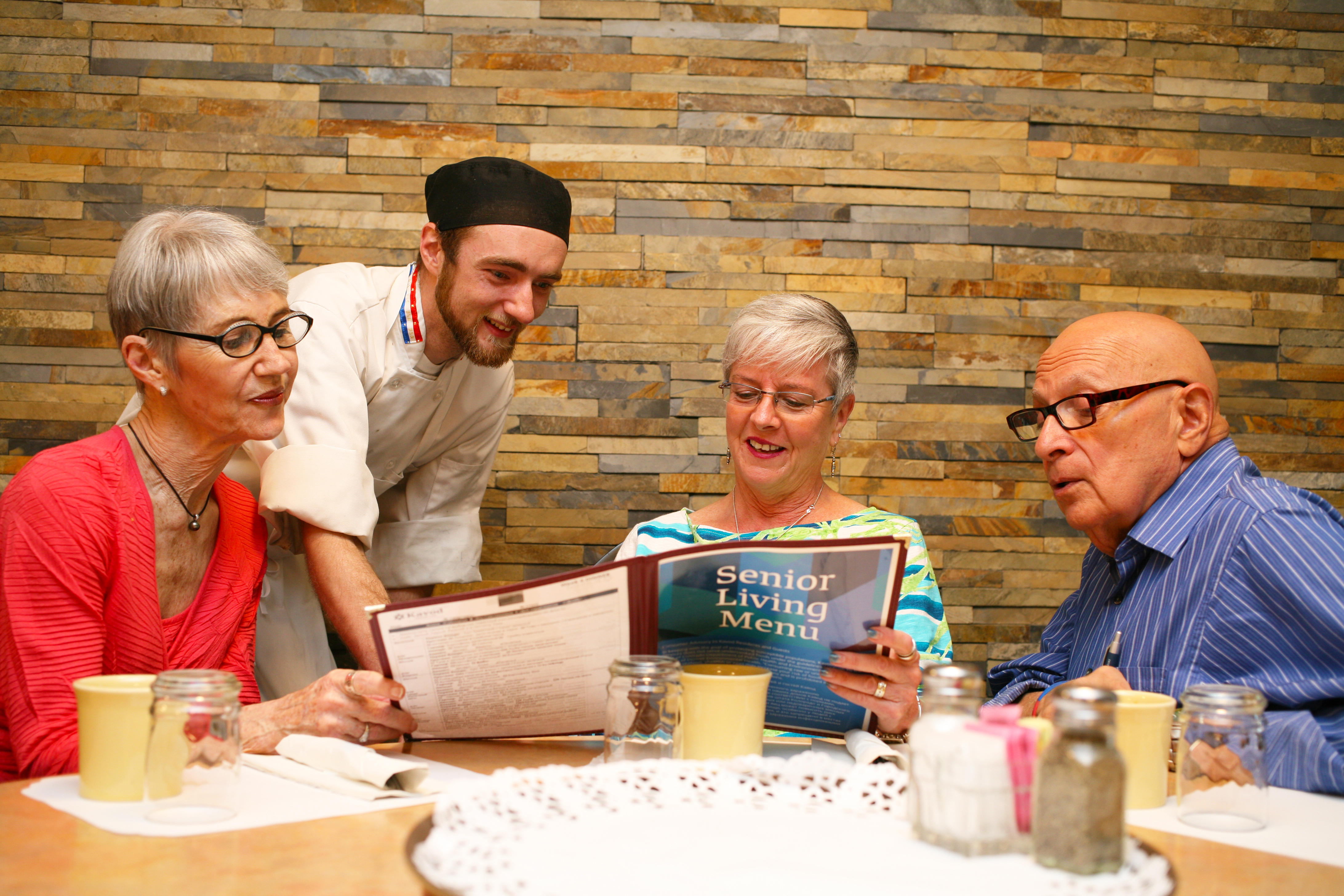
Living at Home or Living In A Community - Pros and Cons
This informative, brief article explores the pros and cons of an older adult moving into a community living situation vs aging at home. There are many factors to consider, and the decision is not "one size fits all". By reviewing the options and the care needs of the person who is aging, a thoughtful, safe and happy living situation is possible, especially when a move to a place like Kavod Senior Life (among others) may dispel some misgivings or concerns. See what YOU think - read on!
Feb 21, 2024
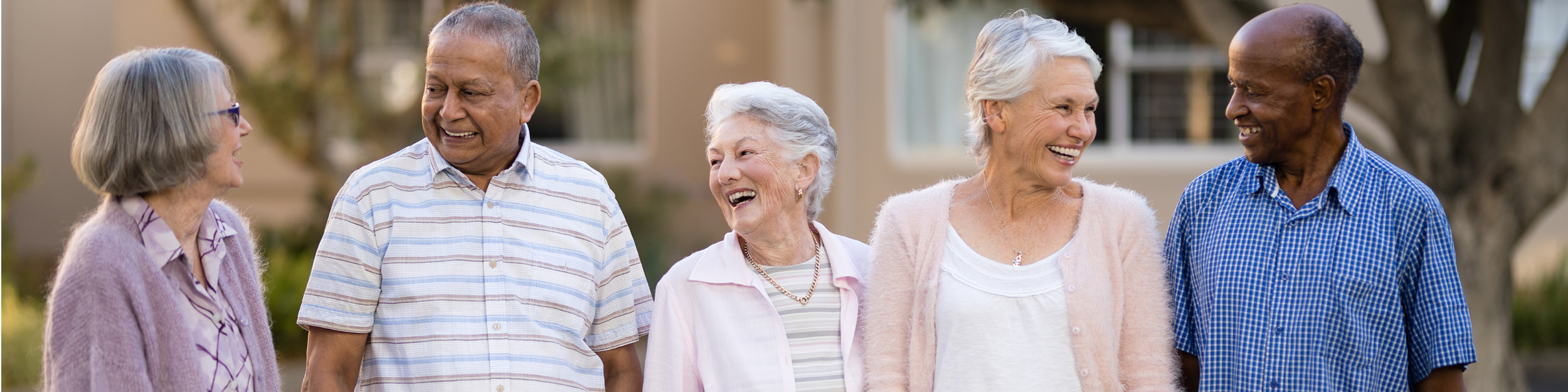
Don't Worry, Be Happy - What Science Has To Say About Happiness
What is happiness? Some say it is just a feeling, one of the ups that come with the ups and downs of life. Others say it is something to be achieved, like an end point. Either way, it certainly could be said that everyone could benefit by having a little more happiness in his or her life!Since one of Kavod Senior Lifes main goals is to encourage positive aging, happiness certainly seems like a quality that accompanies this goal. In doing some research to see how to encourage happiness among residents, Kavod stumbled upon Harvards Happiness Longevity Study. Although this research project was conducted with men only, the findings seem applicable to men and women. The results have implications and insights into living well and engaging in life more fully.The Harvard Happiness Longevity Study (HHLS) is a groundbreaking research project that has been going on for over 75 years. It began in 1938, following the lives of 700+ men from the Harvard College graduating classes of 1939-1944. The studys goal is to understand the factors that contribute to a happy and healthy life.The results, while not completely surprising, are a good confirmation of happiness contributors.One important finding, though, is that happiness is a major predictor of longevity. The men who reported being happier in their youth lived an average of two years longer than their less happy peers.Additionally, the study found that strong relationships are key to happiness and longevity. Men who reported having strong relationships with friends and family were significantly more likely to live longer than those who reported having weaker relationships.The study also found that regular exercise, healthy eating, and maintaining a healthy weight are important for both happiness and longevity. Men who reported engaging in regular physical activity, eating a healthy diet, and maintaining a healthy weight were more likely to report higher levels of happiness and to live longerAnother important factor that has been linked to both happiness and longevity is a sense of purpose. Men who reported having a sense of purpose in their lives were more likely to report being happy and to live longer.The HHLS has also provided insight into the role of stress and coping mechanisms in happiness and longevity. Men who reported having high levels of stress in their lives were more likely to report lower levels of happiness and to have a shorter lifespan. On the other hand, men who reported having effective coping mechanisms for dealing with stress were more likely to report higher levels of happiness and to live longer.The HHLS has concluded that happiness is a major predictor of longevity, and that strong relationships, regular exercise, healthy eating, maintaining a healthy weight, having a sense of purpose, and effective coping mechanisms for stress are all important for both happiness and longevity.Fortunately, for those who reside at Kavod Senior Life both in our affordable housing apartments and assisted living homes these positive happiness predictors are very present on our campus. Our Life Enrichment department provides classes, activities and trips that fosters mental stimulation and friendships. The Dining Department provides healthy meals and opportunities to socialize. Our Health and Wellness Department provides medical services through a partnership with CU Medicine and many other health promotion/preventative services on campus. Legacy Healthcare provides rehab and fitness services to encourage physical exercise and maintaining balance and fitness. Moreover, volunteer opportunities for residents help create a sense of purpose and meaning, as does ancillary engagement opportunities like gardening, music, or intergenerational connections.It is refreshing to recognize that Kavod Senior Lifes services and support make happiness a primary value. These factors are key for Kavod to ensure our residents live a full and happy life, both now and in the future. To learn more about Kavods amenities, visit our Campus Life page here.This blog was generated by ChatGPT and embellished by Kavod Senior Life.
Apr 11, 2023

Cherry Creek Senior Living: Facts Vs. Myths
Cherry Creek is one of Denvers most recognizable neighborhoodsand one of the most misunderstood, especially when it comes to senior living.Many older adults and families may still dwell on this old stereotype: Cherry Creek is too expensive, too exclusive, and not meant for seniors on a fixed income.But that assumption doesnt tell the full story.Below, we take a closer look at the myths vs. the reality of senior living in Cherry Creekand why this neighborhood has quietly been home to affordable, welcoming senior communities for decades.Myth #1: Cherry Creek Is Only for the WealthyReality: Cherry Creek has long been home to affordable senior living.While Cherry Creek is known for upscale shopping and high-end housing, it is also home to nonprofit senior communities that prioritize affordability and access.Kavod Senior Life has been part of the Cherry Creek neighborhood for 55 years, providing affordable assisted living and supportive services for older adults across a wide range of incomes. Long before Cherry Creek gained its polished reputation, seniors were already living, aging, and building community here.Affordable senior and assisted living isnt new to Cherry Creekits part of its history.Myth #2: Most Older Individuals Cant Afford to Live HereReality: Rent at Kavod Senior Life is much less than Assisted Living communities in less-affluent neighborhoods.At Kavod, Assisted Living costs range from $3,800 $4,100 per month. This rent includes:Three meals a dayUtilitiesBath assist / dress assistHousekeeping and laundryOn-site services and programmingFive wellness checks per dayMedication managementMore!With all of these needs are taken care of, many individuals needing Assisted Living now find Cherry Creek to be more manageable financially than expected.Myth #3: Cherry Creek Isnt Senior-FriendlyReality: Cherry Creek is one of Denvers most livable neighborhoods for older adults.Cherry Creeks layout and resources make daily life easier for seniors who value independence.The neighborhood offers:Beautiful landscaping that makes neighborhood living visually appealingFlat, walkable streetsReliable public transportationNearby parks and green spaces designed for easy enjoymentKavod also operates three vans for its residents and takes weekly trips to grocery stores and outings for entertainment. This eliminates the need for a vehicle, which is a relief to many older adults who no longer drive.Myth #4: Seniors Dont Really Belong in Cherry CreekReality: Older citizens have helped shape the neighborhood for decades.Older adults are not newcomers to Cherry Creek. Many are longtime residents, volunteers, and community members who have contributed to the areas stability and character.At Kavod Senior Life, residents are part of that continuity. They shop locally, build relationships, and remain connected to the neighborhood they call home.Belonging here isnt about income or trendinessits about history and presence.Myth #5: Cherry Creek Is Cold or UnwelcomingReality: The welcome here is quiet, steady, and real.Cherry Creeks sense of community isnt flashy. It shows up in familiar faces, accessible spaces, and neighbors who look out for one another.For many older people, that kind of environment feels safer and more respectful than louder, fast-changing neighborhoods or rural areas where neighbors are too far away from meaningful relationships. The Reality of Affordable Senior Living in Cherry CreekFor 55 years, Kavod Senior Life has stood as proof that Cherry Creek is not just for the wealthy. It is a neighborhood where seniors of varying incomes can live with dignity, access, and connection.Cherry Creek senior living isnt about luxury. Its about livability, stability, and community.Check out Kavod Senior Life today and see why we might be a great place for you or a loved one to live!
Apr 29, 2026

Can Optimism Improve Aging? Scientists Say YES
Weve all heard about the general health benefits of positive thinking. At a basic level, it doesnt take a rocket scientist to tell us that keeping our spirits uplifted can ward off discouragement, isolation, and even life-altering depression.However, staying upbeat can be easier said than done during lifes golden years. Age can bring a variety of new, unexpected challenges: the body doesnt heal as well; the mind isnt as sharp; technology is harder to understand; friends and spouses may pass away, leaving us with less social support and interactions.It can feel as if life is changing not for the better, as we get older.However, maintaining a sunny disposition from a scientific point of view especially when it comes to aging is worth some serious consideration. Take a look at the following articles: A 2023 study in Scientific Reports with 100 older adults undergoing an 8-week course on positive thinking showed the training led to better thinking, higher resilience and greater life satisfaction.1 A 2016 study reported in the Harvard Gazette focused on female-subjects only found that women who were optimistic had a significantly reduced risk of dying from several major causes of death over an 8-year period, compared to those who were less optimistic.2 A 2019 study published in PNAS (Proceedings of the National Academy of Sciences, USA) of nearly 70,000 subjects found that individuals with higher levels of optimism over a 10-year period had greater odds of surviving to age 85, indicating that non-biomedical factors (such as optimism) can affect longevity positively. 3 These examples are just a small sample of existing research; plenty of additional experiments show similar results.So how do we stay positive, when facing aging-related challenges? The antidote includes simple, familiar habits that older adults can revisit. Writing down 2-3 items of daily gratitude, extending forgiveness for ourselves and others, and staying mindful (among other practices) can help bring about to potential benefits promised by research.If you or a loved one are experiencing age-related challenges, consider the solutions offered at Kavod Senior Life. We provide our residents mental health therapy through CUs Geriatric Clinic and trained Naropa University interns. These experts work with our residents to support their aging journey, using mental health therapies to benefit the aging experienceand perhaps, even, prolong life.In conclusion, research indicates aging is no match for optimism. In the words of former actress Ingrid Bergman: Getting old is like climbing a mountain; you get a little out of breath, but the view is much better!References:1 Taherkhani Z, Kaveh MH, Mani A, Ghahremani L, Khademi K. The effect of positive thinking on resilience and life satisfaction of older adults: a randomized controlled trial. Sci Rep. 2023 Mar 1;13(1):3478. https://doi.org/10.1038/s41598-023-30684-y . PMID: 36859479; PMCID: PMC9977771.2 James P, Kim ES, Kubzansky LD, Zevon ES, Trudel-Fitzgerald C, Grodstein F. Optimism and Healthy Aging in Women. Am J Prev Med. 2019 Jan;56(1):116-124. https://doi.org/10.1016/j.amepre.2018.07.037 . PMID: 30573140; PMCID: PMC6310050. 3 L.O. Lee, P. James, E.S. Zevon, E.S. Kim, C. Trudel-Fitzgerald, A. Spiro, F. Grodstein, & L.D. Kubzansky, Optimism is associated with exceptional longevity in 2 epidemiologic cohorts of men and women, Proc. Natl. Acad. Sci. U.S.A. 116 (37) 18357-18362, https://doi.org/10.1073/pnas.1900712116 (2019).*100% of this blog was written by humans, for humans
Apr 29, 2026

Beating the Heat: Four Tips For Older Adults
When temperatures rise, so do the risks associated with heat, especially for older adults.Older individuals may not adjust as well to sudden changes in temperature, and with possible chronic health conditions or certain medications, extreme heat may cause negative health outcomes.Kavod Senior Life is well aware of these potential issues, sharing four best practices to protect people in the second half of life against the heat. Here are some tips we've learned from our 50+ years of housing and supporting older individuals in aging well!Stay HydratedWhy It Is Important: Older adults are at a higher risk of dehydration because they may not feel thirsty as often as younger people, and as mentioned above, certain medications can increase the risk of dehydration.Tips:Drink water even if you dont feel thirsty.Eat water-rich foods like fruits (e.g., watermelon, cucumbers) and vegetables.Avoid alcohol and caffeinated beverages, as they can lead to dehydration.How Kavod Responds: Hydration stations are set up in the lobbies of each building during the hottest days to give residents, staff and visitors easy access to ice cold water (with lemon and cucumber, even!)Create a Cool EnvironmentWhy It Is Important: A cool living space is crucial to preventing heat-related illnesses.Tips:Use fans or air conditioning. If air conditioning is not available, consider spending time in public places like libraries, shopping malls, or community centers that are air-conditioned.NOTE: Do not rely on fans as your main cooling source when temperatures are extreme for heat.Keep blinds or curtains closed during the hottest parts of the day to block out the sun.Use light-colored, loose-fitting clothing made of natural fibers like cotton, which are more breathable.Try to avoid using the stove or oven to cook it will make your home hotter.Take cool showers or baths to cool down.How Kavod Responds: A cooling center is set up on campus where the temperature stays at 72 degrees. Residents can get out of their apartments and socialize there without having to go outdoors, helping abate social isolation. Dietary AdjustmentsWhy It Is Important: Certain foods can help keep the body cool and hydrated.Tips:Encourage smaller, more frequent meals that are easier to digest.Include hydrating foods like soups, smoothies, and salads.Limit heavy, hot foods and opt for lighter fare like yogurt, salads, and chilled fruits.How Kavod Responds: Kavod staff serves residents cold lemonade and fresh watermelon over the weekend in the cooling center, both terrific ways to stay hydrated.Educate and EquipWhy It Is Important: Knowledge and preparation are key to preventing heat-related issues.Tips:Educate yourself about the risks of heat and the importance of staying cool.Be aware of the signs and symptoms of heat-related illnessHave access to emergency numbers and know what to do in case you experience these symptomsHow Kavod Responds: The management team reviews, prepares and hand-delivers updates to residents to best ensure everyone is educated and can take appropriate actions against the heat.ConclusionBy following these four important steps, older individuals can stay healthy and safe while enjoying all the good things summer has to offer. If you know an older person who would benefit by living in our community, please contact us for a tour, or check out our website for more information. Stay cool, everyone!Resources used in article:Center for Disease Control: https://www.cdc.gov/extreme-heat/risk-factors/extreme-heat-and-older-adults-aged-65.html#:':text=Older%20adults%20do%20not%20adjust,control%20its%20temperature%20or%20sweatNational Institute on Aging: https://www.nia.nih.gov/health/safety/hot-weather-safety-older-adultsHarvard Medicine: https://magazine.hms.harvard.edu/articles/effects-heat-older-adultsChat GPT
Sep 13, 2024

Why Colorado Is a Great State for Positive Aging
Its probably no surprise that Colorado is home to some of the healthiest people in the U.S. The climate, sunny days, Rocky Mountains as well as our many rivers and lakes allow for a multitude of outdoor enjoyment options.However, since many individuals 60+ may have already retired their kayaks, climbing ropes and skis, they could be at risk of sedentary lifestyles similar to those in other states.Fortunately, research indicates Colorado is one of the healthiest states for ALL ages, and especially for older individuals.A study by Seniorly found that Colorado was ranked in the top 10 of states for five out of six health benchmarks:Fewest physically inactive seniors: 20.9% (rank #1)Population living within 1/2 mile of a park: 82.3% (rank #4)Gyms and fitness centers: 107 per 100,000 seniors (rank #4)Older individuals in good or excellent health: 80.7% (rank #5)Life expectancy at 65: 19.1 years (rank #10)Additional research from the 2026 SmartAsset study on Americas Most Active Seniors by SmartAsset.com, ranked Colorado 6th as having the most active older adult population. This study used different benchmarks, such as exercise, gardening and travel.RankStateExerciseGardeningTravelVolunteering1Montana18.448.47.635.62Wyoming14.433.88.240.53Utah20.917.912.032.54Vermont44.018.410.78.75Washington13.833.47.724.06Colorado30.421.59.216.87Connecticut31.718.511.514.38New Mexico18.539.69.37.09New Hampshire28.824.216.93.910Alaska18.539.34.79.3 Whichever research is more pertinent, its encouraging to see that living in Colorado promotes healthy aging on many fronts.Taking this a step further, we want to highlight that Kavod Senior Life - in the heart of Denver in Colorado falls right in line with these studies, providing both Assisted Living and Senior Living residents a wealth of wellness and health opportunities, including:Outdoor gardening with raised garden bedsWalking distance to a nearby park and walking pathsOngoing classes such as yoga, stretching and danceAn on-site medical clinic in partnership with CU Medicine with both physical and mental health professionalsA full Health & Wellness Center with a gym, therapy and moreOpportunities to volunteer and engage in lifelong learningIn fact, Kavod Senior Life has been recognized with multiple awards for its campus and top staff leaders for its wellness prowess from the International Council on Active Aging and NuStep, LLC.If you or an older person in your life wish to stay active, Colorado is a great place to do so, as is the Assisted and Senior Living community at Kavod Senior Life. Come join a class at no cost, take a tour or enjoy our beautiful campus in Cherry Creek. We want everyone to stay as healthy and active as possible. Hope to see you soon!References:https://www.coloradoan.com/story/news/local/colorado/2025/09/23/colorado-best-state-for-active-aging/86298738007/https://smartasset.com/data-studies/americas-most-active-seniors-2026-study