Protecting from Phishing Scams: How to Stay Safe Online
Kavod Senior Life at Cherry Creek
For more information about the author, click to view their website: https://www.kavodseniorlife.org/
Aug 05, 2025
Colorado - Denver Metro

Email US
Click to Email Us
As the internet continues to grow, so does the potential for scams. One of the most common ways scammers steal personal information is through a concept called “phishing”. Phishing typically involves fraudulent emails or text messages designed to gain access to banking information, passwords, or social security numbers. With this information, scammers can then access bank accounts, steal money, or sell information to other scammers.
Unfortunately, phishing scams happen every day, and many are often successful. As the internet ever evolves, so do these types of scams. However, there are ways to identify phishing and protect from becoming a victim.
Ways to identify phishing:
Phishing scams tend to rely on psychological manipulation to trick users into giving out personal information. Scammers craft their story to exploit emotions and push the reader into immediate action. Here are some common tactics that they use:
- Prey on Fears
- Scammers often state hat someone may miss out on an opportunity, are losing money, or are at risk of being locked out of an account.
- Example: “Your account has been suspended. Click here to fix it.”
- Create a Sense of Urgency
- Many phishing scams claim the user must act FAST or immediately to avoid consequences, and/or secure a limited-time offer.
- Example: “Immediate action required – unauthorized charges detected.”
- Target Positive Emotions
- Phishing attempts aren’t always negative. Some may try to appeal to desires for rewards or free goods, offering “too good to be true” deals like gift cards, free money, or free tickets.
- Example: “Congrats! You won a free concert ticket! Click here to reserve your prize.”
- Act Like a Trusted Sender
- Scammers often disguise themselves as someone you can trust. They could pretend to be from a company you know or as someone close to you, like a granddhild, nephew or old friend.
- They may use familiar brand logos, company names, and even tailor messages to appear as if it was sent from someone you know.
- “You have always been someone I felt I could trust. Can you help me with a situation I’m in?”
What to Do If You Suspect a Phishing Scam:
- DO NOT RESPOND
- Whether it’s a message in your inbox or on your phone, never respond to a phishing message. Responding to their message will confirm that your contact information is active, leading to more potential scams.
- Report the suspicious message
- If you receive a suspicious message via email, you can report. With most email services, click the three dots near the reply button and select “Report Phishing”.
- For text messages, tap on the three dots near the top of the sender’s phone number and click “block and report”.
- Take Extra Precautions
- NEVER click on unknown links or download any unknown attachments
- Avoid sharing personal information unless you are certain the request was sent from a legitimate source.
- Keep your software and programs updated to minimize any vulnerability.
- Use a multi-factor authentication for extra added security.
As the internet continues to evolve so do the tactics used by scammers. It’s critical to stay aware and proactive to protect your personal information. Here at Kavod Senior Life, we care about the safety and security of our residents. We inform our residents in both Senior and Assisted Living to contact their care coordinator or a family member if they ever feel unsure of a message or request.
By staying informed and vigilant, you can help ensure your information stays safe.
Sources:
- How To Recognize and Avoid Phishing Scams | Consumer Advice
- How to Spot Phishing Emails & Tips to Avoid Them | Proofpoint AU
- How to protect against phishing: 18 tips for spotting a scam
- What Is Phishing? Examples and Phishing Quiz – Cisco
*Crafted with the help of Chat GPT

- To view the original version of this article visit www.kavodseniorlife.org/protecting-from-phishing-scams-how-to-stay-safe-online/
- Seniors Blue Book was not involved in the creation of this content.
Other Articles You May Like
Independent Living in Monroeville, AL
A home can become more work than someone wants to manage, even when they remain comfortable making decisions and handling their own daily care. For an older adult living alone, the question may be how to simplify routines while keeping privacy and access to other people.Independent living in Monroeville, AL can offer an apartment-based alternative to maintaining a larger home. Cedar Chase Retirement Apartments, also described by its operator as Cedar Chase Independent Living, is a local option to explore when comparing housing, services, and monthly expenses.What Independent Living MeansHousing with a focus on autonomyIndependent living generally suits people who can manage their daily lives and want a housing setting with convenient services or community connections. It should not be assumed to include personal care or ongoing nursing simply because other healthcare facilities are nearby.Before considering a move, separate housing preferences from care needs. A person may want less housekeeping but still need to arrange help with medication, bathing, or other tasks. Ask exactly what the community provides and what would need to be arranged separately.Compare the whole monthly routineLook beyond the rent. Consider utilities, meals, housekeeping, transportation, and personal services. The value of a move depends on which responsibilities it actually simplifies and whether the setting fits the resident's needs. Cedar Chase Retirement ApartmentsPhone: 251-743-9797Location: 2050 South Alabama Avenue, Monroeville, AL 36460Cedar Chase advertises individually heated and cooled apartments, weekly housekeeping, planned activities, meals available, and parking near the apartment door. The page states that utilities other than telephone and cable television are included in rent, with a group cable rate available. Verify the current lease and charges. The community also lists a barber or beauty shop and doors secured at night. These features warrant specific questions about access, scheduling, costs, and how residents contact someone when assistance is needed. Location near local servicesThe provider describes Cedar Chase as behind Englewood Health Care Center and near Monroe County Hospital, doctors' offices, grocery stores, pharmacies, and banks. Nearby services may be convenient, but they do not establish that transportation or healthcare is included in the apartment agreement. Questions that help assess fitAsk whether meals are optional or part of a package, what housekeeping covers, and who handles maintenance requests. Discuss guest policies, parking, accessibility, and emergency contact arrangements before signing.If you anticipate needing outside support, ask whether privately arranged services are permitted and what coordination is required. Do not assume a resident can automatically transfer to another Crowne setting if care needs change. Why This Matters LocallyFor someone already living in Monroeville, a local apartment option may make it easier to continue using familiar stores, healthcare offices, and community connections. Consider how the location fits an ordinary week rather than just the moving day.Visit with the person who plans to live there. Walk through the apartment, test the route from parking to the door, and ask about shared activities. Privacy and social opportunities matter differently to each resident. How to Get StartedDecide what you want to simplifyList the responsibilities you would like to reduce, such as housekeeping, utility management, or meal preparation. Separately list any personal care needs that may require another service.Ask for current termsCall 251-743-9797 to request a tour, rental information, and availability. Ask for written details about deposits, included services, optional charges, and notice requirements.Build a realistic budgetCompare your current housing costs with the proposed rent and services. Include telephone, cable, food, transportation, outside help, and other expenses that remain your responsibility.Review future needsAsk what happens if you need additional assistance later. Discuss outside service arrangements and the circumstances that could affect continued tenancy.Practical tip: Bring measurements of your favorite furniture and a list of items you use daily. An apartment that accommodates your routines is more useful than one that merely looks attractive on a tour. Related CategoriesAssisted Living Homemaking and Housekeeping Transportation
Stay or Move? How Ocean County Homeowners Over 50 Plan for the Future
Stay or Move? How Ocean County Homeowners Over 50 Can Plan for the FutureFor many adults over 50, home is more than a place to live. It is a connection to neighbors, familiar routines, favorite local businesses, and years of memories. In Ocean County, those connections may also include a favorite stretch of Long Beach Island, a boating community, a neighborhood gathering place, or easy access to family.As retirement approaches or household needs change, homeowners may begin asking an important question: Should I stay where I am, or would another home make life easier?There is no universal answer. Some homeowners can remain comfortably in their existing homes with a few modifications and additional help. Others discover that moving to a smaller property, relocating closer to family, or choosing a different neighborhood better supports their goals.For people considering a move in Manahawkin, Stafford Township, Barnegat, Long Beach Island, and surrounding communities, Carol Grinbaum, Realtor with Better Homes and Gardens Real Estate Murphy & Co., can be a resource for exploring the real estate side of this decision.Aging in Place: When Staying Makes SenseAging in place means remaining in your current home and community as you grow older, adapting the property and arranging services as needed.For homeowners who love their neighborhood, staying may preserve important social connections and reduce the disruption associated with moving.It may also be financially practical, particularly when the mortgage is paid off and the home is in good condition. However, a mortgage-free home is not necessarily inexpensive to maintain. Property taxes, utilities, repairs, insurance, and exterior upkeep can still represent substantial expenses.Evaluate the home itselfWalk through your property with an eye toward present and future convenience.Are the frequently used rooms on one level? Is the entrance easy to navigate? Are the stairs comfortable? Is the bathroom practical? Could better lighting, improved railings, or grab bars make everyday activities easier?A qualified home-modification or accessibility professional can help identify potential improvements.Consider the support you may needRemaining at home can involve more than physical modifications. Homeowners may eventually need assistance with transportation, shopping, housekeeping, meal preparation, or personal care.Think about whether family, friends, community programs, or paid providers could meet those needs if they arise.Ocean County's Office of Senior Services offers information about resources for older residents and caregivers, including transportation and housing-related assistance. Exploring available services can help homeowners understand their options before making a major decision.Review the long-term costPrepare a realistic annual budget for repairs, maintenance, insurance, utilities, and any services you anticipate needing.Compare that figure with the cost of moving to a smaller home. Staying may be the better option, but the comparison should account for both financial costs and the amount of time and effort required to maintain the property.When Moving May Be Worth ConsideringFor some homeowners, the advantages of a new property gradually become more compelling.Perhaps a large yard has become difficult to maintain. Maybe the stairs are inconvenient, the house feels too large, or driving to everyday appointments is no longer appealing.Other homeowners simply want a change. They may be ready to travel more, spend less time on household responsibilities, or live closer to adult children and grandchildren.A move can be a positive lifestyle decision rather than a response to a crisis.Explore a smaller homeA smaller single-family property, condominium, or townhome may reduce certain maintenance responsibilities. Before choosing, investigate what the homeowner remains responsible for and whether any association fees or restrictions apply.Consider a different Ocean County locationA homeowner who loves the Shore may not need to leave the region to find a better-fitting property.Manahawkin and Stafford Township offer mainland locations near Long Beach Island. Barnegat and Waretown may also be worth considering, depending on the buyer's budget, preferred surroundings, and daily routine.The most suitable community will depend on individual priorities. Some people want coastal access; others prefer a quieter residential setting or proximity to family and services.Look at adult communitiesSome adult communities offer shared amenities, recreational facilities, and opportunities to meet neighbors. These features can be attractive to people who want to simplify homeownership while remaining independent.However, an age-restricted residential community is not the same as assisted living or a continuing care retirement community. Buyers should understand the actual services, eligibility requirements, fees, and responsibilities before purchasing.How to Compare Staying and MovingRather than making the decision based on one concern, compare the two options across several areas. Consideration Staying in your current home Moving to another property Familiarity Preserves established routines and neighborhood connections Requires time to adjust to a new environment Maintenance May involve ongoing repairs and yard work May reduce some responsibilities, depending on the property Accessibility May require home modifications Offers an opportunity to choose a more suitable layout Finances Retains existing housing arrangements but requires ongoing upkeep Involves selling and purchasing expenses, plus new ownership costs Location Keeps you close to familiar places May improve access to family, services, or preferred activities Lifestyle Maintains current routines Creates an opportunity to reshape daily life There is no need to decide immediately. Gathering information about both choices can reveal whether a move would provide meaningful benefits.The Role of a Realtor in Future PlanningHomeowners sometimes hesitate to speak with a real estate agent until they are ready to sell. In reality, an early conversation can help them understand the possibilities without committing to a transaction.Carol Grinbaum can be a starting point for discussing a home's potential market value, identifying alternative property types, and exploring neighborhoods throughout Ocean County.A useful conversation might include: What might the current home sell for in today's market? Which repairs or improvements, if any, could be worthwhile before listing? What smaller properties are available in the preferred area? How do the costs of different housing options compare? What timeline would allow the homeowner to move comfortably? Suggested quote for Carol's approval: Planning ahead gives homeowners more choices. Whether you decide to stay or move, understanding your real estate options can help you make a decision that reflects your priorities and the lifestyle you want.A Realtor can provide real estate guidance, but other professionals may be needed to assess specific questions. Financial and tax professionals can help evaluate the financial implications of selling, while healthcare and aging-services professionals can assist with questions about support needs.Make the Decision Before It Becomes UrgentOne of the advantages of planning early is that homeowners can evaluate their options while they have time to make thoughtful choices.Consider these steps: Discuss your priorities. Identify what you most want to preserve about your current home and what you would change. Assess the property. Review maintenance, accessibility, repair needs, and future expenses. Research alternatives. Explore smaller homes and different communities without assuming you must move. Understand your finances. Estimate the cost of staying versus selling and purchasing another property. Build a flexible timeline. Allow time to gather information, consult professionals, and make decisions without unnecessary pressure. For couples, adult children, and other family members, open communication can make planning easier. The homeowner's preferences should remain central, and discussions should focus on practical choices rather than assumptions about age.Frequently Asked QuestionsHow do I know whether to age in place or move?Consider the home's condition, accessibility, maintenance requirements, finances, support network, and preferred lifestyle. Compare the cost and practicality of remaining at home with those of moving.Can I make my current Ocean County home easier to live in?Potential modifications include improved lighting, grab bars, safer entrances, better railings, and other accessibility improvements. A qualified professional can help assess the property and identify suitable changes.Where should I look if I want to move but stay near Long Beach Island?Explore Manahawkin, Stafford Township, Barnegat, Waretown, and other Ocean County communities based on your budget, desired property type, and access to daily services.Will selling my home necessarily reduce my expenses?No. Selling may reduce maintenance or other costs, but the next property could have higher taxes, insurance, association fees, or other expenses. Compare the complete financial picture before deciding.Can I speak with a Realtor before I am ready to sell?Yes. An exploratory conversation can help you understand potential property values, available alternatives, and the steps involved in a future move. You can gather information without committing to a sale.Your Home Should Support the Life You Want to LiveWhether you remain in your longtime home or move to a new property, planning ahead can give you greater flexibility and confidence. For Ocean County homeowners over 50, the decision is an opportunity to consider not only where to live, but how to make the next chapter comfortable, connected, and fulfilling.Visit Carol Grinbaum's Seniors Blue Book listing to learn more about her real estate services and explore options for buying or selling a home in Ocean County, New Jersey.More information: Carol Grinbaum, Realtor Seniors Blue Book Listing
Buying a Retirement Home in Ocean County, NJ
Buying a Retirement Home in Ocean County, NJ: The Costs and Questions Buyers Shouldn't OverlookA home that looks perfect during a showing may tell only part of the story. The kitchen is updated, the neighborhood feels welcoming, and the location seems ideal. But what will the property cost to maintain? How much will insurance be? Are there community fees or restrictions? And will the home still suit the buyer's needs several years from now?These questions are particularly important for adults over 50 who are planning retirement, relocating to the Jersey Shore, or choosing a home they hope to keep for many years.Ocean County offers a range of residential settings, from Long Beach Island's coastal communities to mainland neighborhoods in Manahawkin, Stafford Township, Barnegat, and Waretown. Each property and location has its own financial and practical considerations.Carol Grinbaum, Realtor with Better Homes and Gardens Real Estate Murphy & Co., can be a starting point for buyers researching local properties and planning a real estate move.Look Beyond the Asking PriceThe purchase price is only one part of the cost of owning a home.Before deciding what you can afford, estimate the complete monthly and annual expenses associated with each property.Property taxesProperty taxes can vary substantially by municipality and individual property. Review the current tax bill, but do not assume that a previous owner's bill will remain unchanged indefinitely.Buyers should confirm current figures and ask appropriate local or tax professionals about any relevant exemptions, credits, or relief programs for which they may qualify.Homeowners and flood insuranceInsurance deserves particular attention in coastal New Jersey.Depending on the property's location and characteristics, buyers may need to consider homeowners insurance, flood insurance, wind-related coverage, deductibles, and exclusions.A property near the water is not automatically subject to identical insurance requirements as every other coastal home. Request property-specific quotes and confirm applicable lender requirements before making a final financial commitment.Utilities and maintenanceA smaller home may reduce some expenses, but costs depend on insulation, heating and cooling systems, roof condition, appliances, and other factors.Ask about the age and condition of major systems. An inspection can help identify issues that may require near-term repairs.Association fees and special assessmentsCondominiums and some planned communities charge monthly or annual fees. These may cover certain exterior maintenance, amenities, or shared expenses.Review the governing documents, budget, reserve information, restrictions, and any disclosed assessments. Understand exactly what the fee covers and what remains the homeowner's responsibility.Coastal Properties Require Property-Specific Due DiligenceLong Beach Island offers a distinctive coastal environment, but buyers should consider the realities of owning property in a barrier-island setting.Flood exposure, elevation, drainage, storm preparation, and insurance costs can all affect the suitability and long-term expense of a home.Before purchasing, ask questions such as: Is the property in a mapped flood zone? What flood insurance would be available and at what cost? Is there a known history of flooding or water intrusion? What maintenance has been performed on the roof and exterior? Are there local requirements affecting renovations or additions? What evacuation guidance applies to the location? The answers should be verified through appropriate records, inspections, insurance professionals, and local authorities. A real estate listing alone is not sufficient to assess these risks.Buyers considering Manahawkin or other mainland communities should also evaluate the individual property's drainage, condition, and insurance requirements rather than assuming every inland location has the same risk profile.Choose a Layout That Can Adapt Over TimeFor many adults over 50, the right home is one that works today and remains practical if needs change.A single-level floor plan may be appealing because bedrooms, bathrooms, and living areas can be accessible without stairs. A two-story home may still be an excellent choice if the layout, location, and buyer's preferences make it suitable.Consider the following features: A full bathroom and bedroom on the main level. A manageable entrance and convenient parking. Adequate lighting and clear pathways. Bathroom space that could accommodate future modifications. Laundry facilities that are easy to access. Storage that meets actual needs without adding excessive upkeep. Buyers should not assume a property is accessible simply because it is marketed as a ranch or one-story home. Entry steps, narrow doorways, bathroom layouts, and other features can still present obstacles.A qualified professional can advise on the feasibility and cost of accessibility improvements.Evaluate the Community, Not Just the HouseDaily life is shaped by the surrounding neighborhood.Before making an offer, consider how often you expect to visit grocery stores, pharmacies, healthcare providers, family members, and recreational destinations.For some people, living close to Long Beach Island is a major priority. Others may prefer a mainland location with easier access to the services they use regularly.Visit at different times of day and, where possible, during different seasons. This can reveal differences in traffic, parking, noise, and the general atmosphere.If you're considering an adult community, ask about age requirements, guest policies, amenities, fees, and restrictions. If you expect to travel frequently, clarify any rules or arrangements that could affect how the property is maintained while you are away.How a Realtor Helps Buyers Make Informed DecisionsThe local real estate market can be difficult to evaluate from online listings alone.A Realtor can help identify suitable properties, arrange showings, discuss comparable sales, explain transaction steps, and coordinate questions that arise during an offer and closing.Carol Grinbaum's Seniors Blue Book listing provides a way to explore her real estate services and contact her about buying or selling property in Ocean County.Suggested quote for Carol's approval: Buying a home is about more than finding a property you like. Buyers should understand the full cost of ownership, evaluate the location carefully, and make sure the home fits their plans for the years ahead.A Realtor is one member of the buying team. Buyers may also need a mortgage lender, home inspector, insurance agent, attorney, and tax professional to evaluate issues within their respective areas of expertise.A Practical Pre-Offer ChecklistBefore submitting an offer, make sure you have considered the following: Estimated monthly mortgage payment, if applicable. Current property taxes and potential future changes. Homeowners and flood insurance quotes, as applicable. Inspection findings and likely repair costs. Association fees, rules, and disclosed assessments. Access to shopping, healthcare, family, and transportation. Any accessibility modifications that may be needed. Closing costs, moving expenses, and emergency reserves. The purpose of this checklist is not to make the process intimidating. It is to help buyers compare homes on an equal basis and reduce the risk of unexpected expenses.Frequently Asked QuestionsWhat should retirees budget for besides the purchase price?Consider taxes, insurance, utilities, maintenance, repairs, association fees, closing costs, and moving expenses. Coastal properties may have additional insurance or storm-preparation costs.Is buying a home on Long Beach Island different from buying on the mainland?The basic real estate process is similar, but individual coastal properties may require additional investigation of flood exposure, insurance, storm preparation, and seasonal conditions.Are ranch homes always better for older buyers?Not necessarily. A ranch may reduce the need to use stairs, but accessibility depends on the complete layout and entry. Buyers should consider their personal preferences and future plans.What should I review before buying into an adult community?Review age eligibility, association documents, fees, maintenance responsibilities, amenities, restrictions, reserves, and any disclosed assessments. Ask questions before committing.Can a Realtor estimate my future homeownership costs?A Realtor can help identify common expenses and relevant property information, but exact insurance premiums, tax implications, financing terms, and repair costs should be confirmed with the appropriate professionals.Make Your Next Home a Well-Informed ChoiceA successful home purchase combines lifestyle priorities with realistic financial planning. By evaluating the property, neighborhood, ownership costs, and potential future needs, buyers can make a decision that supports their goals.Visit Carol Grinbaum's Seniors Blue Book listing to learn more about her real estate services and explore buying opportunities in Ocean County, including Manahawkin and the Long Beach Island area. More information: Carol Grinbaum, Realtor Seniors Blue Book Listing
Local Services By This Author

Kavod Senior Life
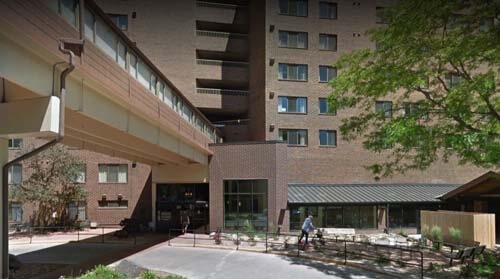
Independent Living 22 South Adams Street, Denver, Colorado, 80209Kavod Senior Life's Independent Living apartments, located in the vibrant Cherry Creek neighborhood of Denver, Colorado, offer a wonderful living experience for older adults seeking independence, comfort, and community. Kavod's 55-year old community is lively and yet private, with a warm, welcoming environment. It's a great choice for older individuals who value their independence while enjoying access to a range of supportive services and engaging activities.Prime Location in Cherry CreekCherry Creek is one of Denver's most desirable neighborhoods, known for its upscale shopping, fine dining, and cultural attractions. Our residents benefit from this prime location, with easy access to the Cherry Creek Shopping Center, restaurants, and beautiful parks. The neighborhood's walkability and extensive public transportation options ensure easy exploration of Denver and its surroundings.Cozy Living SpacesApartments are designed to offer comfort, convenience, and style. The apartments come in various floor plans, including studio and one-bedrooms. Each apartment has a full kitchen, living area, and storage. With three interconnected buildings, residents can move freely from building to building to visit neighbors without having to go outside if inclement weather. A bridge connects the buildings over Adams Street. Amenities and ServicesKavod Senior Life offers a wealth of amenities that promote a healthy, active, and social lifestyle. The on-site amenities include:Fitness Center: A well-equipped fitness center with senior-friendly exercise equipment and regular fitness classes to help residents stay active and healthy.Dining Services: An on-site dining room serves nutritious and delicious meals, catering to various dietary needs and preferences. *Our meal plan is required for residency. Library and Computer Bank: All residents have access to computers and free Wifi, as well as a library onsite and various book stations throughout the East buildingOutdoor Spaces: Our outdoor raised garden beds allow for residents to grow plants and flowers if they wish. Walking paths and outdoor seating areas invite relaxation and fresh air.Social and Recreational Activities: A robust calendar of events, including educational lectures, holiday celebrations, and outings to local attractions, ensures there is always something fun and engaging to do.Health and Wellness ServicesAt Kavod Senior Life, the well-being of our residents is a top priority. We offer a range of health and wellness services, including:On-Site Medical Clinic: In partnership with CU Medicine, our clinic is staffed with geriatric professionals who work with residents' insurances to offer routine check-ups, health screenings, and consultations... right on site! Physical, Occupational & Speech Therapy: Legacy Healthcare Services provide these services both in our Health & Wellness Center, as well as through direct visits to resident apartments. Health Offerings: Other clinics include podiatry, acupuncture, chiropractor, blood pressure clinics and more. All providers are contracted and take various insurances, including Medicaid. Overall Wellness : Ongoing offerings include heart health education as well classes like yoga, dance or stretching.A Strong Sense of CommunityOne of the standout features of Kavod Senior Life is the strong sense of community that pervades the environment. The staff at Kavod are dedicated to fostering a welcoming and inclusive atmosphere where residents feel valued and connected. Social events and activities are designed to bring people together, encouraging friendships and a sense of belonging.Residents can participate in a variety of clubs and interest groups, such as gardening clubs and volunteer opportunities, allowing them to pursue their passions and contribute to the community. The community also celebrates various cultural and religious events, reflecting the diverse backgrounds of its residents. Over 16 languages are spoken on campus! Testimonials and Resident ExperiencesResidents and their families consistently praise Kavod for its excellent facilities, supportive staff, and vibrant community life. Testimonials often highlight the friendly atmosphere, the wide range of activities, and the peace of mind that comes from knowing that help is always available if needed. Kavod maintains a 4.5 star rating on Google. One resident shared, "Moving to Kavod Senior Life was the best decision I ever made. The community here is wonderful, and there's always something fun to do. I love my apartment, and the staff are like family."In summary, Kavod Senior Life offers an exceptional living environment for individuals 62+ seeking a balance of independence and community support. With its prime location, extensive amenities, and commitment to health and wellness, Kavod provides an enriching and fulfilling lifestyle for its residents. Whether you're looking for a vibrant social life, access to top-notch healthcare, or simply a comfortable and secure place to call home, Kavod is an excellent choice for older adults in Denver.
Kavod Assisted Living
Assisted Living 22 South Adams Street, Denver, Colorado, 80209Kavod Senior Life Assisted Living Exceptional Care in a Welcoming CommunityKavod Senior Life offers high-quality, affordable Assisted Living in the heart of Cherry Creek, Denver. With over 50 years of experience, we provide a warm, inclusive, and engaging environment where seniors can enjoy independent living with personalized support.We welcome individuals of all faiths, backgrounds, and traditions, creating a diverse and inclusive community where everyone feels at home.Our community features private one-bedroom and studio apartments, giving residents the comfort and privacy they desire. Unlike many senior living facilities, we offer basic pricing less than $50,000 per year and require only a one-year spend down to Medicaid on most unitsmaking quality care accessible and budget-friendly!Pricing per unit size:Studio* (373 square feet) - $3,800 (single occupancy)Small 1 bedroom* (460 square feet) - $3,900 Large 1 bedroom (570 square feet) - $4,100*qualify for a one-year spenddownCosts include daily assistance with activities of daily living (ADLs) such as bathing, dressing, and medication management, as well as all activities and trips with any associated meal costs. We also offer fee-based support services for:Escort assistance for mobility support ($250/mo)Incontinence care for dignity and hygiene ($450/mo)Oxygen management to ensure respiratory wellness ($250/mo)At Kavod Assisted Living, residents experience a lively, engaging lifestyle! From social events and fitness classes to educational programs and cultural activities, there is something for everyone.Our onsite amenities include a Health & Wellness Center staffed with rehabilitation specialists and geriatric doctors, as well as clinics such as podiatry, acupuncture, blood pressure clinics and more. Other highlights include seating areas, raised garden beds for gardeners, library, music programs, educational lectures, cultural celebrations and more. We take pride in being a pet-friendly community, allowing residents to bring their furry companions for comfort and companionship.Located in the sought-after Cherry Creek neighborhood of Denver, Kavod Senior Life offers a beautiful, convenient setting near shopping, dining, and recreational opportunities. Our residents enjoy easy access to the areas attractions while living in a peaceful, secure environment.For over five decades, Kavod Senior Life has been a trusted name in senior housing and assisted living. We invite you to visit us, tour our apartments, and meet our friendly staff. Contact us today to learn more about our affordable pricing, care services, and vibrant lifestyle. Your new home at Kavod Senior Life awaits!

Kavod Senior Life
Affordable-Subsidized 22 South Adams Street, Denver, Colorado, 80209Kavod Senior Life is open and welcoming to all community members who qualify and does not discriminate on the basis of race, color, national origin, religion, sex, disability, or familial status. We have 358 HUD-subsidized apartments available to rent for individuals 62+ (head of household); other family members welcome . Our apartment sizes range between 373 (studio) and 590 square feet (large one bedroom).Residents are obligated to participate in a meal program, which includes six meals each week (dinner M-F and brunch on Sunday). A subsidy is available and exemptions will be considered.Rents are calculated based on an applicants total adjusted income.Rent pricing covers electric and water utilities. Applications are available through the website/in our main lobby open 24/7, or contact us to have one faxed, mailed or emailed. Language assistance is available for application completion. Currently there is a waitlist for our subsidized apartments; call to receive an estimate of our current wait time at 303.399.1146. On site amenities include activities, trips (to grocery stores and social outings), health classes and services, music, art, gardening, tech support, free wi fi, computer bank, library, active resident council and more.