Dental Health in Older Adults: Why It Matters
Kavod Senior Life at Cherry Creek
For more information about the author, click to view their website: https://www.kavodseniorlife.org/
Mar 13, 2026
Colorado - Denver Metro , Colorado - Denver North Metro , Colorado - Denver South Metro , National , Non-Book Market

Email US
Click to Email Us
As we age, taking care of our teeth and gums becomes more important than ever. Good oral health isn’t just about having a nice smile—it plays a key role in overall health, comfort, nutrition, and confidence.
Many older adults put off dental visits due to fear, cost concerns, or apathy. Fortunately, many common dental issues can be treated or managed, and dental visits today are more comfortable than most people expect…especially at Kavod, where residents can see a dentist right here on campus.
Common Dental Issues
Older adults may experience:
- Gum disease, which can lead to tooth loss if untreated
- Cavities and tooth decay, especially around older fillings or exposed roots
- Dry mouth, often caused by medications
- Missing teeth or ill-fitting dentures, which affect eating and speech
- Oral infections or sores, a result of a variety of factors, some age-related
- Oral cancer, a risk that increases with age, making regular checkups especially important
Why Taking Care of Dental Issues Is So Important
Ignoring dental problems can lead to more serious health concerns over time. Poor oral health has been linked to heart disease, diabetes complications, pneumonia, and malnutrition. Dental pain or missing teeth can make it difficult to eat healthy foods, which affects overall strength and energy.
Regular dental care helps:
- Prevent pain and infection
- Maintain the ability to eat and speak comfortably
- Protect overall health
- Save money by addressing small problems before they become major ones
- Improve quality of life and confidence
Dental problems are not an inevitable part of aging. With proper care and regular checkups, many older adults keep their natural teeth for life.
Accessing Dental Care
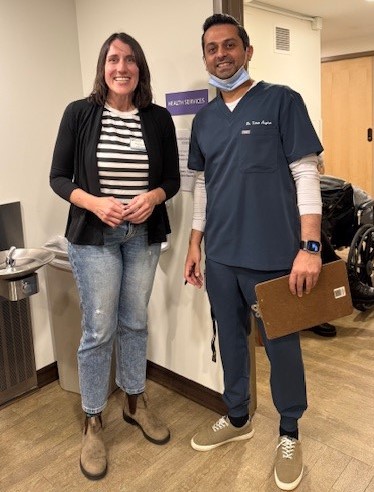
Residents at Kavod Senior Life can get teeth cleanings and other services right on campus through the CU School of Dental Medicine! Having a dental clinic in the community makes it very easy to see a dentist and only involves an elevator ride up to the Health and Wellness Center (14th floor). Individuals in Assisted Living and Senior Living both can make appointments.
If you or a loved would one benefit from having dental and other supportive services on hand, contact us for more information or a tour!
In general, caring for our teeth is an important part of caring for overall health—at every age.
*created with the assistance of Chat GPT
- To view the original version of this article visit www.kavodseniorlife.org/dental-health-in-older-adults-why-it-matters/
- Seniors Blue Book was not involved in the creation of this content.
Other Articles You May Like
How Do You Know When a Parent Needs More Help at Home?
A parent may need more help at home when everyday tasks become unsafe, inconsistent or so difficult that they stop doing them. The clearest signs are usually repeated problems with meals, hygiene, mobility, appointments, medication routines or being alonenot simply reaching a certain age. Families in Broomfield, Colorado, can use these changes to decide whether occasional assistance, regular personal care or more extensive supervision is appropriate. Start With What Has Actually ChangedThink about the past month rather than the past day. Has your parent stopped cooking foods they once enjoyed? Are there unopened groceries, missed appointments or frequent calls for help getting out of a chair? Have they become reluctant to bathe because they are worried about falling? These changes are more useful than a general statement that someone is slowing down.Ask what feels hardest and listen to the answer. Someone may be physically able to prepare food but too tired to shop. Another person may have plenty of energy but feel anxious leaving the house alone. Matching care to the real obstacle helps avoid both too little support and unnecessary restrictions. When Is Companionship Enough?Companionship may be a good starting point when a person can manage personal hygiene and move around safely but needs social interaction, help staying active, or an extra set of hands for errands. A caregiver might share a meal, accompany someone to an activity, help with light household tasks or provide conversation during the day.If the main concern is loneliness or difficulty getting to appointments, these visits may fill an important gap. But companionship alone is not a substitute for hands-on support when bathing, dressing, toileting or transfers are no longer safe. When Does Personal Care Make More Sense?Personal care becomes more relevant when basic self-care takes considerable effort or creates risk. Common examples include needing assistance stepping into a shower, putting on clothes, moving between a bed and chair, or maintaining a regular hygiene routine. Some families also arrange support around meal preparation and medication reminders, depending on the service plan.It helps to ask which activities can still be done independently and which require a nearby helper. The answer may vary by time of day. A person who is steady in the morning might have difficulty moving safely when tired in the evening. Care should be tailored to those patterns instead of assuming the same level of help is necessary all day. What if Your Parent Has Alzheimers or Another Dementia?Memory changes introduce different questions. Does the person become disoriented outside the home, forget meals, repeat tasks unsafely or have trouble following familiar routines? Consistent companionship and dementia-informed activities may help someone stay engaged, but supervision needs should be assessed carefully. A medical professional can evaluate new or worsening symptoms and help rule out treatable causes of confusion.Friends for Life offers Alzheimers and dementia care as part of its non-medical services. Families should describe the specific behaviors and times of day that are difficult, then ask how the agency would address those needs within a home care plan. Does Your Family Need Respiteor a Longer Care Schedule?Sometimes the older adults needs have not dramatically changed, but the family caregiver is reaching a limit. Interrupted sleep, missed work, reduced social time and constant worry can signal the need for respite care. Scheduled relief allows a spouse or adult child to step away while another caregiver provides agreed-upon support.For more complex situations, ask about extended shifts, 24-hour care and live-in care. These terms should not be treated as interchangeable: staffing arrangements, sleep expectations, coverage and prices can differ. Clarify who is present during overnight hours and what happens if the person needs help multiple times at night. If medical monitoring or treatment is required, ask a clinician about appropriate medical services alongside non-medical care. Five Questions to Ask Before Hiring HelpBefore choosing an agency, make sure you can answer five practical questions: What tasks will the caregiver do? How many hours and which days are needed? What screening and training are provided? Who covers a missed shift? How will changes in the care plan be handled? Ask for the written terms, including visit minimums and cancellation policies, so that everyone understands the arrangement.Include your parent in decisions wherever possible. Try framing the conversation around one difficult task or a trial schedule rather than announcing that they can no longer manage on their own. Protecting dignity is part of making home care sustainable. Where Can Broomfield Families Start?You do not need to predict every future need before asking for help. Begin with the routines that are becoming difficult, then revisit the plan as circumstances change. Friends for Life provides companionship, personal care, family respite, dementia support and other non-medical home care options in Broomfield and the greater Denver metro area. To talk through a parents situation or arrange a consultation, visit https://friendsforlifeinc.com/ or call (303) 321-2822.
In-Home Personal Care in Broomfield, CO Helps Seniors Stay Comfortable
For many older adults in Broomfield, the goal is simple: keep living at home while getting a little help with the tasks that have become difficult. In-home personal care can make that possible. Rather than changing where someone lives, a caregiver comes to the home to assist with everyday routines, from getting dressed to preparing a meal. The right arrangement protects independence without ignoring practical safety needs. What Does In-Home Personal Care Include?Personal care is hands-on help with activities of daily living. Depending on the persons needs and the care plan, this may include bathing, grooming, dressing, toileting, walking, transfers and reminders to take medication. It is different from skilled home health care, which involves medical services delivered by appropriately licensed clinicians. Families should be clear about which type of help they need before arranging visits.Friends for Life provides non-medical in-home support in Broomfield and across the Denver metro area. Its personal care services address everyday tasks that may be challenging because of age, limited mobility or changing health. A caregiver can also help keep the day organized, while the person receiving care continues to make choices about routines and preferences. Signs It May Be Time to Arrange Help at HomeA need for care does not always begin with a major event. Small changes often appear first. A parent may wear the same clothes for several days because dressing hurts, or begin skipping showers out of fear of slipping. Grocery bags may sit unopened, and household chores may pile up. Someone who used to attend regular appointments may start canceling because getting ready and leaving the house is exhausting.Look for patterns rather than a single off day. Repeated difficulty with hygiene, unsafe transfers, missed meals, growing isolation or caregiver fatigue all merit a conversation. If a loved one has sudden confusion, a fall with injury or another acute medical change, seek medical advice promptly instead of assuming non-medical care will solve it. Support Beyond Bathing and DressingKeeping a home routine manageable often takes more than personal care alone. Meal planning and preparation may help someone eat consistently. Light housekeeping and laundry can reduce clutter. Companionship can add conversation and activities to an otherwise quiet day. Accompaniment can make appointments, errands or a trip out with friends easier to manage.These services can work together, but they should be selected around the individual rather than automatically bundled. A senior who manages bathing independently might only want help with shopping and cooking. Another person may need regular assistance with dressing and safe movement, while family members continue to handle other errands. How to Choose a Home Care Schedule in BroomfieldStart with the hardest parts of the day. Is getting ready in the morning the main concern? Does a spouse need coverage while attending work or appointments? Are evenings more difficult because fatigue affects mobility or judgment? Writing down those specific times makes the first conversation with an agency much more useful.Ask about minimum visit lengths, caregiver availability, how coverage is handled when a regular caregiver is absent, and what happens if needs increase. Discuss costs, cancellation terms and whether the agency is private pay. Friends for Life lists different service options, including companion care, personal care and longer-duration support; families should confirm current rates and the schedule that fits their circumstances. What to Discuss During an In-Home AssessmentAn assessment should cover more than a checklist of chores. Explain how the person moves around the home, any trouble with stairs or bathing, preferred meals, communication needs and daily habits. Share the tasks family members can continue to do and those they cannot reliably cover. Invite the older adult into the conversation as much as possible; a workable plan depends on their comfort and preferences.It is also worth asking how caregivers are screened, how care instructions are shared and whom to call when a schedule needs adjusting. A good fit involves practical competence and personal rapport. If needs change, the care plan should be reviewed instead of continuing on autopilot. Getting Started With Local In-Home CareHome care works best when it solves a clearly identified problem while preserving the persons daily choices. For Broomfield families exploring help with personal care, meals, companionship or respite, Friends for Life offers a consultation and customized care planning. To discuss available services or request an in-home assessment, visit https://friendsforlifeinc.com/ or call (303) 321-2822.
Caregiver Burnout: Recognizing the Signs
Caregiver Burnout: Recognizing the Signs and Finding the Support You Need Caring for a loved one can be one of the most meaningful things a person does. Whether helping an aging parent, a spouse, or a family member manage a serious illness or chronic medical condition, caregivers often make significant personal sacrifices to ensure their loved ones receive the care and attention they need. However, caregiving can also be physically and emotionally demanding. Between managing medical appointments, coordinating treatments, assisting with daily activities, and providing emotional support, caregivers may find themselves putting their own needs aside. Over time, the stress and responsibility of caring for someone else can take a toll on their health and well-being. This experience is commonly known as caregiver burnout. Caregiver burnout can develop gradually, making it difficult to recognize until exhaustion, frustration, and emotional stress become overwhelming. Understanding the warning signs and knowing where to find help can make a significant difference for caregivers and the loved ones who depend on them. What Is Caregiver Burnout? Caregiver burnout occurs when the ongoing physical, emotional, and mental demands of caring for another person become overwhelming. It can affect anyone who regularly provides care, whether they are helping a parent with dementia, supporting a spouse through cancer treatment, or assisting a family member with a chronic illness or disability. Unlike temporary stress, caregiver burnout often develops over time as responsibilities continue without enough rest, support, or opportunities for self-care. Many caregivers feel they must handle everything themselves. They may worry about leaving their loved one alone, feel guilty asking others for help, or believe that taking time for themselves means they are neglecting their responsibilities. Unfortunately, ignoring these feelings can make burnout worse. Caregiving should not mean sacrificing your own physical and emotional health. Recognizing when you need help is an important part of providing sustainable care. Common Signs and Symptoms of Caregiver Burnout Caregiver burnout can affect people in different ways. Some individuals experience physical exhaustion, while others notice changes in their mood, sleep patterns, or ability to concentrate. Recognizing these symptoms early can help caregivers take steps to protect their health and find additional support. 1. Constant Physical Exhaustion Feeling tired after a long day of caregiving is normal. However, ongoing exhaustion that does not improve with rest may be a warning sign of burnout. Caregivers may spend hours helping loved ones with bathing, dressing, meal preparation, transportation, medications, and other daily responsibilities. When these tasks become part of an ongoing routine, caregivers may not have enough time to recover physically. Common symptoms may include: Persistent fatigue and low energy. Frequent headaches or muscle aches. Changes in appetite. Difficulty sleeping or staying asleep. Becoming sick more frequently. When caregiving begins to affect your physical health, it may be time to reconsider your responsibilities and seek additional assistance. 2. Feeling Overwhelmed or Emotionally Drained Caregiving involves more than completing daily tasks. It also requires patience, understanding, and emotional strength. Watching someone you love struggle with a serious illness, lose independence, or experience changes in their physical or mental abilities can be heartbreaking. Caregivers may experience sadness, anxiety, frustration, or helplessness. They may also feel emotionally drained from constantly worrying about their loved one's health and future. If you find yourself feeling overwhelmed most of the time, it is important to recognize that these feelings deserve attention and support. 3. Increased Irritability and Frustration Caregiving can require an enormous amount of patience, especially when helping someone who has dementia, Alzheimer's disease, mobility limitations, or other challenging medical conditions. Over time, exhaustion and stress can make it harder to manage difficult situations calmly. Caregivers may notice that they become irritated more easily, lose patience over small things, or feel frustrated with their loved one, other family members, or healthcare providers. These feelings do not mean you are a bad caregiver. They may indicate that you are carrying more responsibility than you can comfortably manage. Recognizing these emotions can help you identify when it is time to take a break or ask someone else to help. 4. Withdrawing From Family and Friends Caregiving responsibilities can make it difficult to maintain personal relationships and social activities. You may begin declining invitations, missing family gatherings, or avoiding phone calls because you feel too tired or overwhelmed to socialize. Some caregivers also withdraw because they believe others will not understand what they are experiencing. Unfortunately, social isolation can increase feelings of loneliness, sadness, and stress. Maintaining connections with friends and family is important. Even a short conversation, coffee with a friend, or a little time away from caregiving responsibilities can provide emotional relief. 5. Neglecting Your Own Health One of the most common challenges caregivers face is putting their own health last. They may postpone medical appointments, skip meals, stop exercising, or ignore symptoms because they are focused on meeting someone else's needs. Over time, neglecting personal health can create additional problems and make caregiving even more difficult. Caregivers should remember that their health matters, too. Maintaining regular medical care, eating nutritious meals, getting adequate sleep, and finding time for physical activity are important parts of staying healthy. 6. Feeling Guilty or Like You Are Never Doing Enough Many caregivers experience guilt, even when they are doing everything possible to help their loved one. They may feel guilty about taking a break, asking another family member for assistance, considering professional caregiving services, or feeling frustrated by their responsibilities. Some also struggle with the belief that they should be able to manage everything themselves. It is important to understand that no one can provide continuous care without needing rest and support. Asking for help does not mean you love someone less or are failing in your responsibilities. It means you recognize that caregiving is a demanding job and that you need support, too. Why Caregiving Can Become So Overwhelming Every caregiving situation is different, but several circumstances can increase the risk of burnout. Managing a Serious or Chronic Illness: Caring for someone with cancer, heart disease, Parkinson's disease, diabetes, dementia, or another chronic condition may involve ongoing medical appointments, medications, treatment schedules, and changes in health needs. Providing Around-the-Clock Care: Some individuals require assistance throughout the day and night. Constant supervision and interrupted sleep can leave caregivers physically and emotionally exhausted. Balancing Work and Family Responsibilities: Many family caregivers also have full-time jobs, children, household responsibilities, and other personal obligations. Trying to balance everything can create significant stress. Lack of Family Support: When caregiving responsibilities fall primarily on one person, the workload can quickly become overwhelming. Financial Concerns: Medical expenses, medications, transportation, and reduced work hours can create financial pressure for families. Watching a Loved One's Health Decline: Seeing someone you love lose independence or experience changes in their abilities can be emotionally painful. Caregivers may also experience grief while their loved one is still living, particularly when a progressive illness changes the relationship they once shared. Understanding these challenges can help caregivers recognize that burnout is not a personal failure. It is often the result of prolonged stress and insufficient support. Finding the Support You Need One of the most important steps in preventing caregiver burnout is recognizing that you do not have to do everything alone. There are many resources available to help caregivers manage their responsibilities while protecting their own health and well-being. 1. Ask Family Members and Friends for Help Family members and friends may want to help but simply do not know what is needed. Instead of trying to manage everything yourself, identify specific tasks that others can take over. For example, someone may be able to: Provide transportation to medical appointments. Prepare meals or help with grocery shopping. Assist with household chores. Spend time with your loved one while you take a break. Help organize medical appointments and paperwork. Run errands or pick up prescriptions. Sharing responsibilities can help reduce stress and give caregivers time to rest and recharge. 2. Consider Respite Care Respite care provides temporary relief for family caregivers by arranging for another qualified person or care provider to assist with their loved one's needs. Depending on the situation, respite care may be available for a few hours, several days, or longer periods. Options may include: In-home respite care. Adult day programs. Short-term stays in assisted living or skilled nursing communities. Assistance from family members or trusted caregivers. Respite care allows family caregivers to attend appointments, spend time with friends, take a vacation, or simply enjoy a few hours away from their caregiving responsibilities. Taking a break is not abandoning your loved one. It is an important way to maintain your ability to provide care over the long term. 3. Explore Professional Home Care Services As a loved one's medical needs increase, family caregivers may find that providing all the necessary assistance becomes difficult. Professional home care services can help reduce some of the daily responsibilities while allowing individuals to remain in the comfort of their own homes when appropriate. Depending on the provider and the individual's needs, non-medical home care services may include: Assistance with bathing, dressing, and personal care. Meal preparation and nutrition support. Light housekeeping and laundry. Medication reminders. Transportation and errands. Companionship and social engagement. Assistance with daily routines. Having a professional caregiver available can give family members peace of mind while allowing them to spend more quality time with their loved one. 4. Connect With Caregiver Support Groups Sometimes, the most helpful support comes from talking with people who understand what you are experiencing. Caregiver support groups provide an opportunity to share experiences, discuss challenges, and learn from others who are facing similar situations. These groups may meet in person or online and can provide emotional encouragement, practical advice, and a sense of community. Support groups are available for caregivers assisting individuals with Alzheimer's disease, cancer, Parkinson's disease, and many other medical conditions. Knowing you are not alone can make a significant difference in how you manage the emotional demands of caregiving. 5. Work With a Healthcare Advocate Navigating the healthcare system can become another major source of stress for caregivers. Coordinating appointments, communicating with multiple specialists, understanding treatment recommendations, and organizing medical records can require considerable time and effort. A healthcare advocate can help patients and families navigate these responsibilities. Depending on the services provided, a healthcare advocate may assist with: Organizing medical records and healthcare information. Preparing questions for doctor appointments. Helping patients understand diagnoses and treatment recommendations. Coordinating communication among healthcare providers. Identifying appropriate community resources and support services. Helping families understand available care options. For caregivers who feel overwhelmed by medical responsibilities, having someone knowledgeable to help navigate the healthcare system can provide valuable guidance and reassurance. 6. Consider Counseling or Professional Emotional Support Caregiving can bring complicated emotions, including anxiety, sadness, frustration, grief, and guilt. Talking with a licensed counselor or mental health professional can help caregivers process these feelings and develop healthy coping strategies. Professional support can also help caregivers recognize unhealthy patterns, establish boundaries, and learn how to manage stress more effectively. If feelings of depression, anxiety, or hopelessness become persistent or interfere with daily life, reaching out to a qualified professional is especially important. The Importance of Making Time for Yourself Caregivers often hear that they need to practice self-care, but finding the time can feel nearly impossible when someone depends on them every day. However, self-care does not have to involve expensive activities or large amounts of free time. Small changes can help caregivers maintain their physical and emotional health. Consider incorporating these habits into your routine: Get Enough Rest: Try to establish a consistent sleep schedule and accept help when nighttime responsibilities interfere with your rest. Eat Healthy Meals: Skipping meals or relying on convenience foods can leave you feeling even more exhausted. Make time for balanced meals and stay hydrated. Stay Physically Active: Even a short walk, gentle stretching, or another activity you enjoy can help reduce stress and improve your overall well-being. Maintain Social Connections: Make time to talk with friends, spend time with family, or participate in activities outside your caregiving responsibilities. Set Realistic Expectations: Understand that you cannot control every aspect of your loved one's illness or recovery. Focus on what you can reasonably accomplish. Take Breaks Without Feeling Guilty: Schedule time for yourself, even if it is only a few minutes each day. Rest is a necessary part of maintaining your health. Remember, taking care of yourself is not separate from taking care of your loved one. It is part of being able to provide consistent, compassionate support. When Is It Time to Ask for More Help? Caregiving needs can change as a loved one's condition progresses. Someone who initially needed only occasional assistance may eventually require help with bathing, dressing, mobility, medication management, or around-the-clock supervision. If caregiving responsibilities are affecting your health, relationships, employment, or ability to manage everyday activities, it may be time to explore additional support. Consider seeking help if: You feel physically exhausted most of the time. You are experiencing ongoing anxiety, sadness, or frustration. You have little or no time for your own needs. You are struggling to manage medical appointments and treatment responsibilities. Your loved one requires more assistance than you can safely provide. You feel isolated or unsupported. You are worried about your ability to continue providing care. A healthcare professional, social worker, care manager, or healthcare advocate can help you evaluate your situation and identify resources that may be appropriate. Seeking additional help does not mean you are giving up on your loved one. It means you are taking steps to ensure both of you receive the support you need. Remember, Caregivers Need Care, Too Caring for someone you love is an act of compassion, patience, and dedication. However, the physical and emotional demands of caregiving can become overwhelming when responsibilities continue without adequate rest or support. Caregiver burnout is a real challenge, and recognizing the warning signs is the first step toward finding relief. Whether you need help coordinating medical care, assistance with everyday responsibilities, professional home care services, or someone to talk to, resources are available. You do not have to manage every responsibility on your own. Building a strong support system can help protect your health, reduce stress, and allow you to continue being there for the person you love. If you are feeling overwhelmed by the responsibilities of helping a loved one manage a serious illness or chronic condition, consider reaching out to Vital Voice Healthcare Navigation. Having knowledgeable support to help coordinate care, understand medical information, and identify available resources can make the caregiving journey easier to navigate. Remember, taking care of yourself is just as important as taking care of someone else.
Local Services By This Author

Kavod Senior Life
Independent LivingKavod Senior Life's Independent Living apartments, located in the vibrant Cherry Creek neighborhood of Denver, Colorado, offer a wonderful living experience for older adults seeking independence, comfort, and community. Kavod's 55-year old community is lively and yet private, with a warm, welcoming environment. It's a great choice for older individuals who value their independence while enjoying access to a range of supportive services and engaging activities.Prime Location in Cherry CreekCherry Creek is one of Denver's most desirable neighborhoods, known for its upscale shopping, fine dining, and cultural attractions. Our residents benefit from this prime location, with easy access to the Cherry Creek Shopping Center, restaurants, and beautiful parks. The neighborhood's walkability and extensive public transportation options ensure easy exploration of Denver and its surroundings.Cozy Living SpacesApartments are designed to offer comfort, convenience, and style. The apartments come in various floor plans, including studio and one-bedrooms. Each apartment has a full kitchen, living area, and storage. With three interconnected buildings, residents can move freely from building to building to visit neighbors without having to go outside if inclement weather. A bridge connects the buildings over Adams Street. Amenities and ServicesKavod Senior Life offers a wealth of amenities that promote a healthy, active, and social lifestyle. The on-site amenities include:Fitness Center: A well-equipped fitness center with senior-friendly exercise equipment and regular fitness classes to help residents stay active and healthy.Dining Services: An on-site dining room serves nutritious and delicious meals, catering to various dietary needs and preferences. *Our meal plan is required for residency. Library and Computer Bank: All residents have access to computers and free Wifi, as well as a library onsite and various book stations throughout the East buildingOutdoor Spaces: Our outdoor raised garden beds allow for residents to grow plants and flowers if they wish. Walking paths and outdoor seating areas invite relaxation and fresh air.Social and Recreational Activities: A robust calendar of events, including educational lectures, holiday celebrations, and outings to local attractions, ensures there is always something fun and engaging to do.Health and Wellness ServicesAt Kavod Senior Life, the well-being of our residents is a top priority. We offer a range of health and wellness services, including:On-Site Medical Clinic: In partnership with CU Medicine, our clinic is staffed with geriatric professionals who work with residents' insurances to offer routine check-ups, health screenings, and consultations... right on site! Physical, Occupational & Speech Therapy: Legacy Healthcare Services provide these services both in our Health & Wellness Center, as well as through direct visits to resident apartments. Health Offerings: Other clinics include podiatry, acupuncture, chiropractor, blood pressure clinics and more. All providers are contracted and take various insurances, including Medicaid. Overall Wellness : Ongoing offerings include heart health education as well classes like yoga, dance or stretching.A Strong Sense of CommunityOne of the standout features of Kavod Senior Life is the strong sense of community that pervades the environment. The staff at Kavod are dedicated to fostering a welcoming and inclusive atmosphere where residents feel valued and connected. Social events and activities are designed to bring people together, encouraging friendships and a sense of belonging.Residents can participate in a variety of clubs and interest groups, such as gardening clubs and volunteer opportunities, allowing them to pursue their passions and contribute to the community. The community also celebrates various cultural and religious events, reflecting the diverse backgrounds of its residents. Over 16 languages are spoken on campus! Testimonials and Resident ExperiencesResidents and their families consistently praise Kavod for its excellent facilities, supportive staff, and vibrant community life. Testimonials often highlight the friendly atmosphere, the wide range of activities, and the peace of mind that comes from knowing that help is always available if needed. Kavod maintains a 4.5 star rating on Google. One resident shared, "Moving to Kavod Senior Life was the best decision I ever made. The community here is wonderful, and there's always something fun to do. I love my apartment, and the staff are like family."In summary, Kavod Senior Life offers an exceptional living environment for individuals 62+ seeking a balance of independence and community support. With its prime location, extensive amenities, and commitment to health and wellness, Kavod provides an enriching and fulfilling lifestyle for its residents. Whether you're looking for a vibrant social life, access to top-notch healthcare, or simply a comfortable and secure place to call home, Kavod is an excellent choice for older adults in Denver.

Kavod Assisted Living
Assisted LivingKavod Senior Life Assisted Living Exceptional Care in a Welcoming CommunityKavod Senior Life offers high-quality, affordable Assisted Living in the heart of Cherry Creek, Denver. With over 50 years of experience, we provide a warm, inclusive, and engaging environment where seniors can enjoy independent living with personalized support.We welcome individuals of all faiths, backgrounds, and traditions, creating a diverse and inclusive community where everyone feels at home.Our community features private one-bedroom and studio apartments, giving residents the comfort and privacy they desire. Unlike many senior living facilities, we offer basic pricing less than $50,000 per year and require only a one-year spend down to Medicaid on most unitsmaking quality care accessible and budget-friendly!Pricing per unit size:Studio* (373 square feet) - $3,800 (single occupancy)Small 1 bedroom* (460 square feet) - $3,900 Large 1 bedroom (570 square feet) - $4,100*qualify for a one-year spenddownCosts include daily assistance with activities of daily living (ADLs) such as bathing, dressing, and medication management, as well as all activities and trips with any associated meal costs. We also offer fee-based support services for:Escort assistance for mobility support ($250/mo)Incontinence care for dignity and hygiene ($450/mo)Oxygen management to ensure respiratory wellness ($250/mo)At Kavod Assisted Living, residents experience a lively, engaging lifestyle! From social events and fitness classes to educational programs and cultural activities, there is something for everyone.Our onsite amenities include a Health & Wellness Center staffed with rehabilitation specialists and geriatric doctors, as well as clinics such as podiatry, acupuncture, blood pressure clinics and more. Other highlights include seating areas, raised garden beds for gardeners, library, music programs, educational lectures, cultural celebrations and more. We take pride in being a pet-friendly community, allowing residents to bring their furry companions for comfort and companionship.Located in the sought-after Cherry Creek neighborhood of Denver, Kavod Senior Life offers a beautiful, convenient setting near shopping, dining, and recreational opportunities. Our residents enjoy easy access to the areas attractions while living in a peaceful, secure environment.For over five decades, Kavod Senior Life has been a trusted name in senior housing and assisted living. We invite you to visit us, tour our apartments, and meet our friendly staff. Contact us today to learn more about our affordable pricing, care services, and vibrant lifestyle. Your new home at Kavod Senior Life awaits!

Kavod Senior Life
Affordable-SubsidizedKavod Senior Life is open and welcoming to all community members who qualify and does not discriminate on the basis of race, color, national origin, religion, sex, disability, or familial status. We have 358 HUD-subsidized apartments available to rent for individuals 62+ (head of household); other family members welcome . Our apartment sizes range between 373 (studio) and 590 square feet (large one bedroom).Residents are obligated to participate in a meal program, which includes six meals each week (dinner M-F and brunch on Sunday). A subsidy is available and exemptions will be considered.Rents are calculated based on an applicants total adjusted income.Rent pricing covers electric and water utilities. Applications are available through the website/in our main lobby open 24/7, or contact us to have one faxed, mailed or emailed. Language assistance is available for application completion. Currently there is a waitlist for our subsidized apartments; call to receive an estimate of our current wait time at 303.399.1146. On site amenities include activities, trips (to grocery stores and social outings), health classes and services, music, art, gardening, tech support, free wi fi, computer bank, library, active resident council and more.